Lakpura
Lakpura®

Micromelum minutum var. ceylanicum

Micromelum minutum var. ceylanicum is a small to medium-sized tree endemic to the lower-altitude forests and scrublands of Sri Lanka. A member of the family Rutaceae, it is most commonly found in dry-zone habitats, where it grows alongside other indigenous species such as Acacia chundra. The tree is valued both ecologically, as part of dry-zone biodiversity, and in traditional medicine, where various parts of the plant have long been employed in indigenous healing practices.

What does Micromelum minutum var. ceylanicum look like?

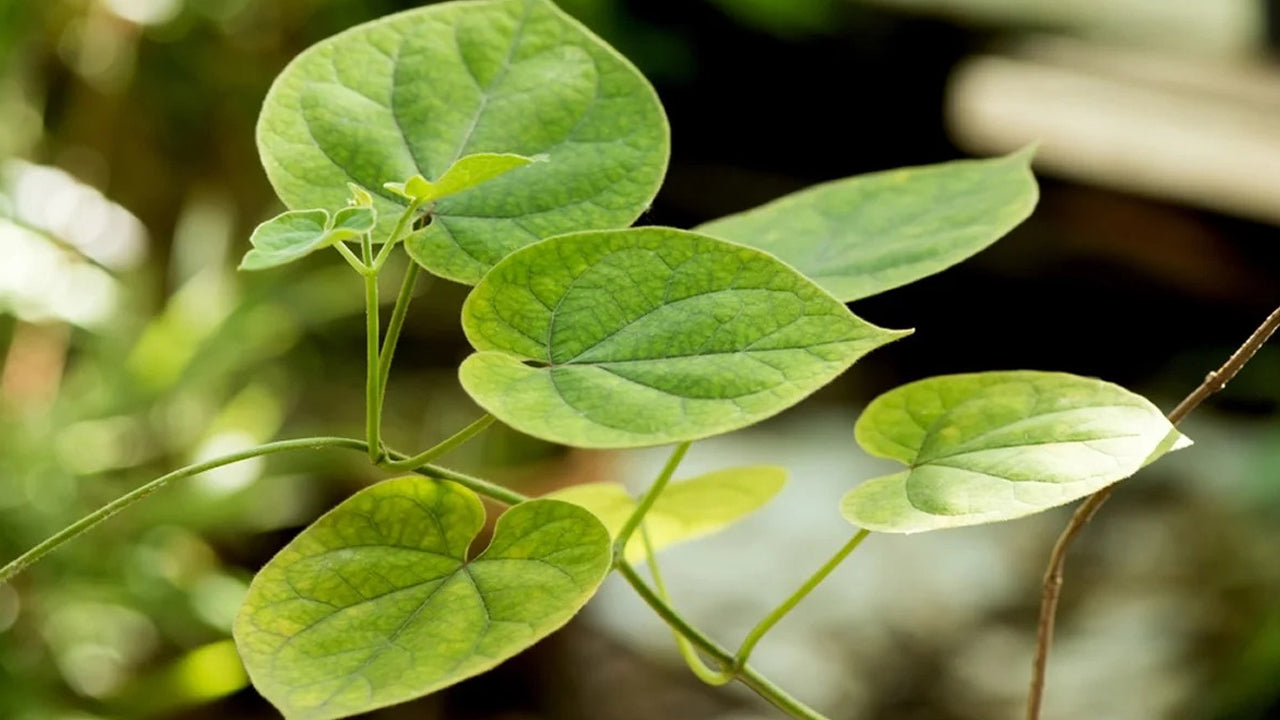
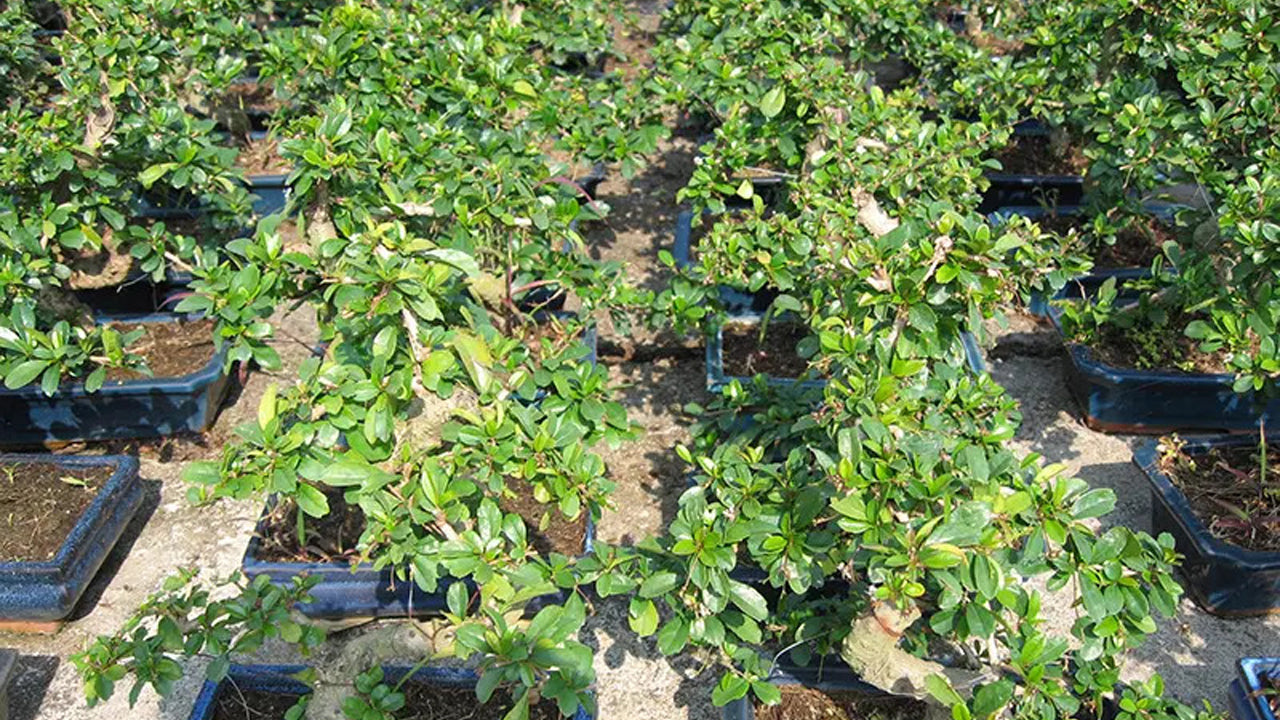
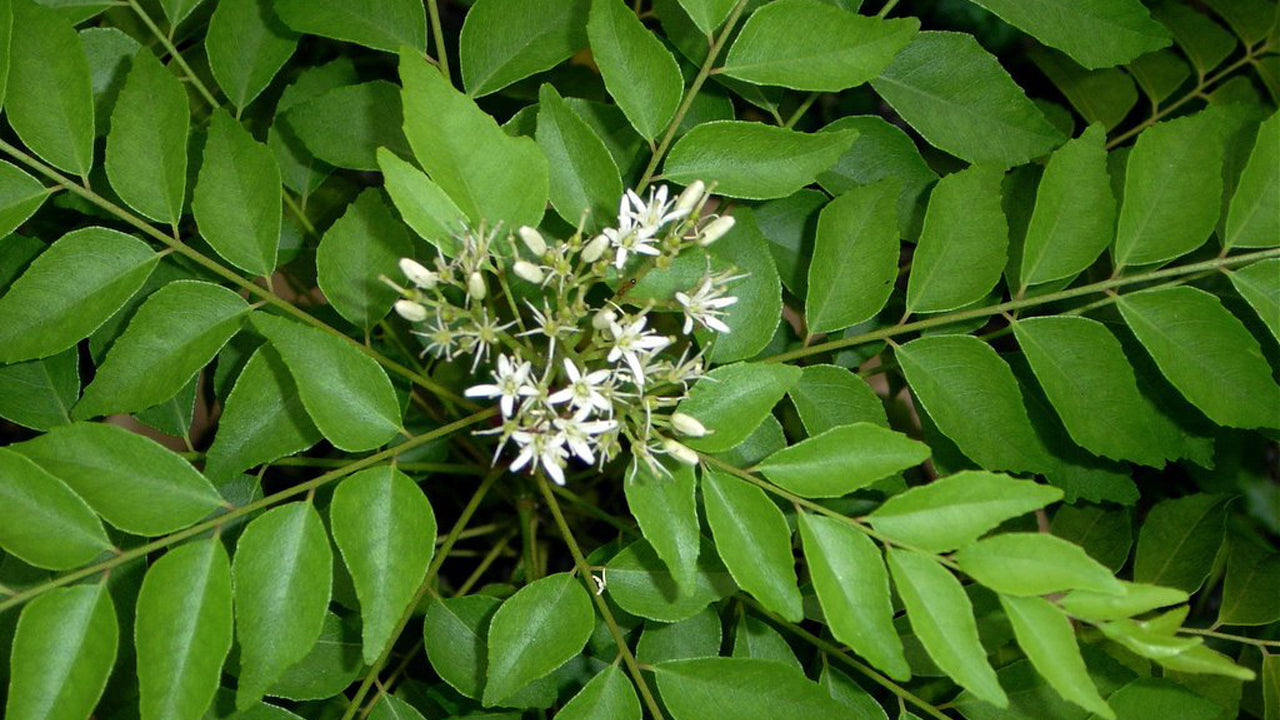
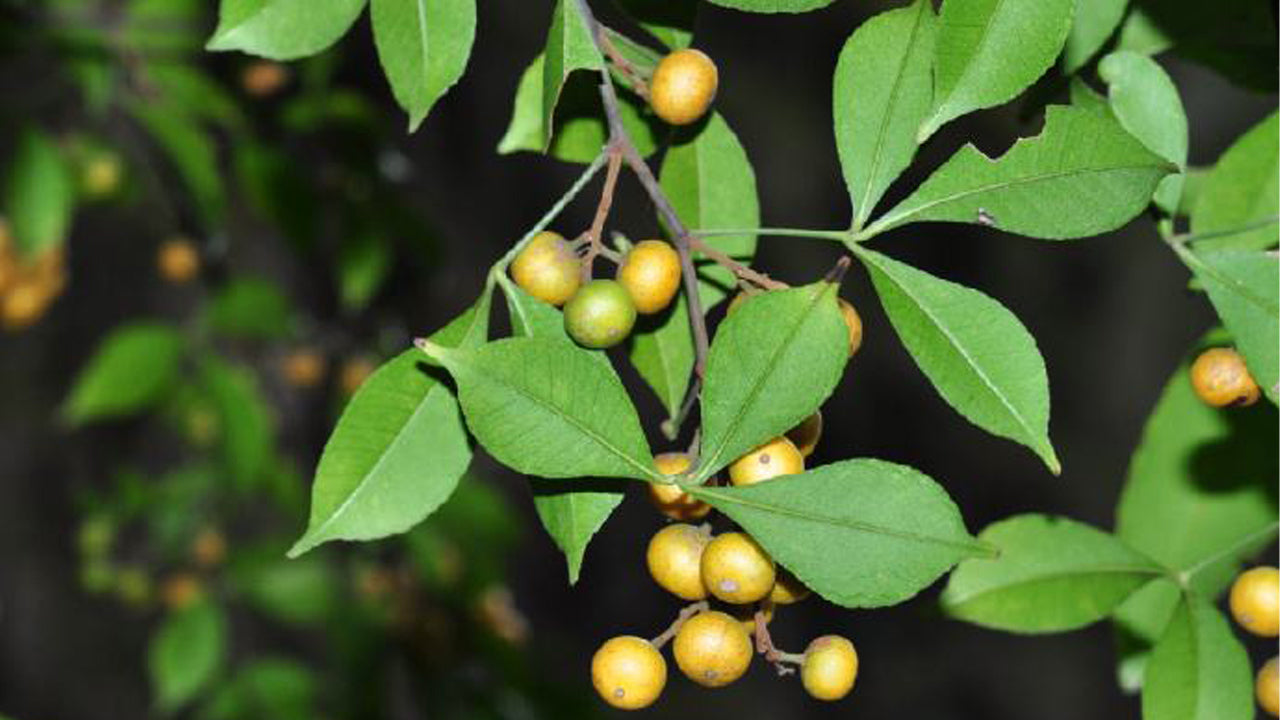
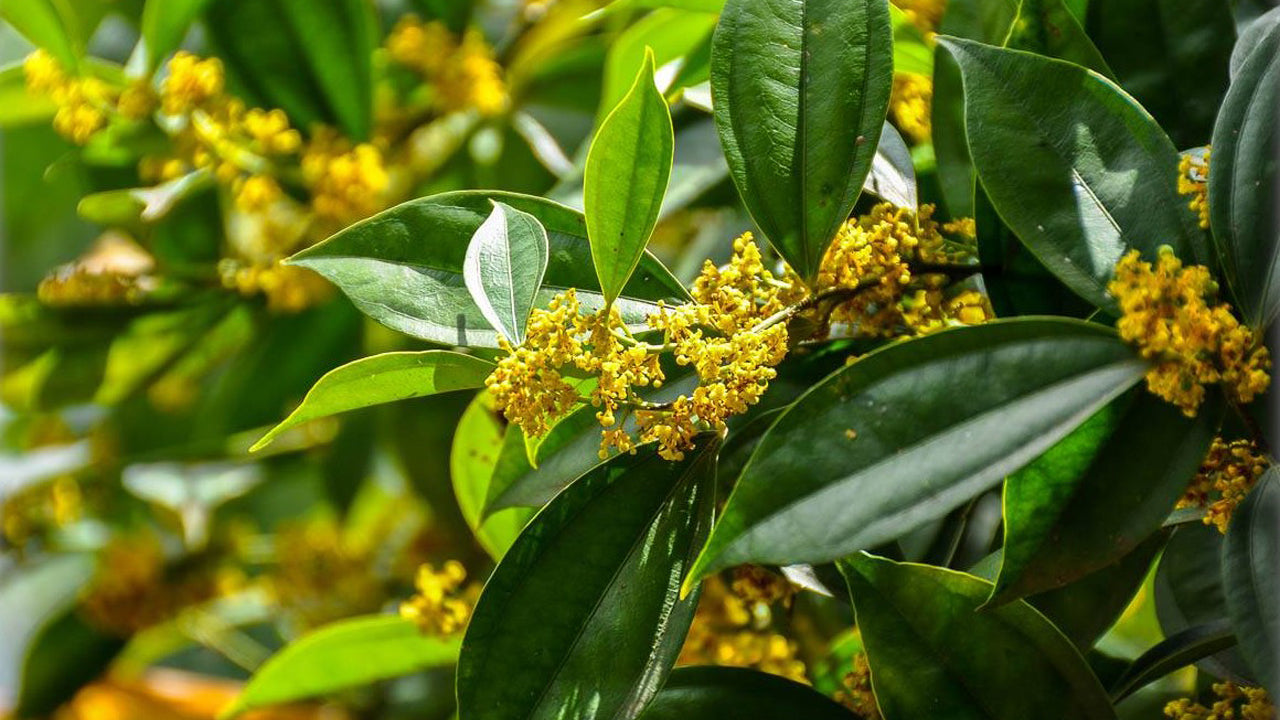
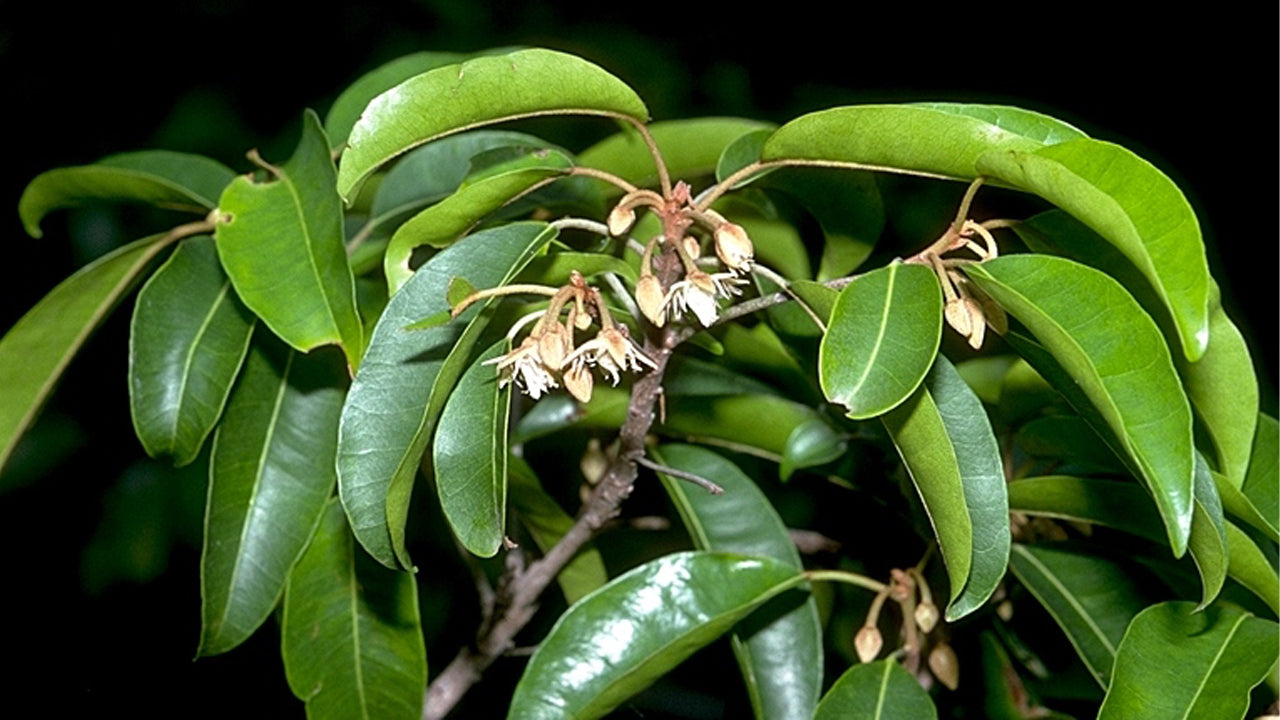
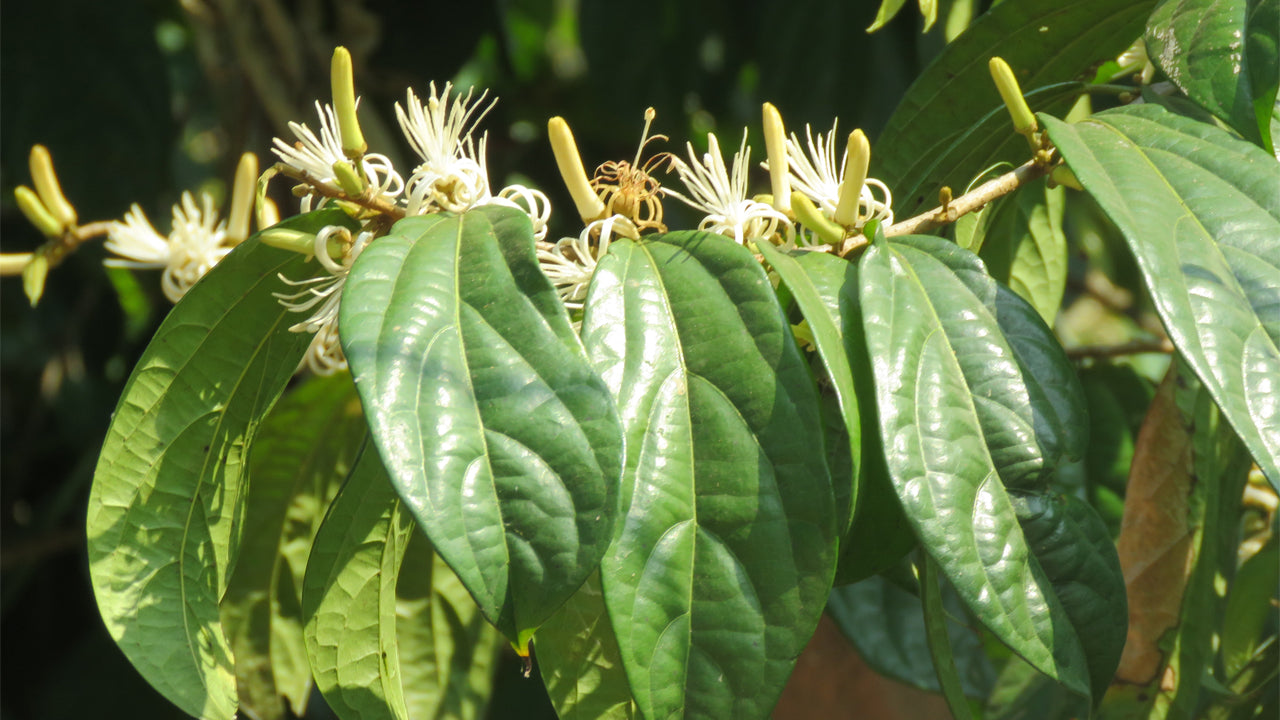
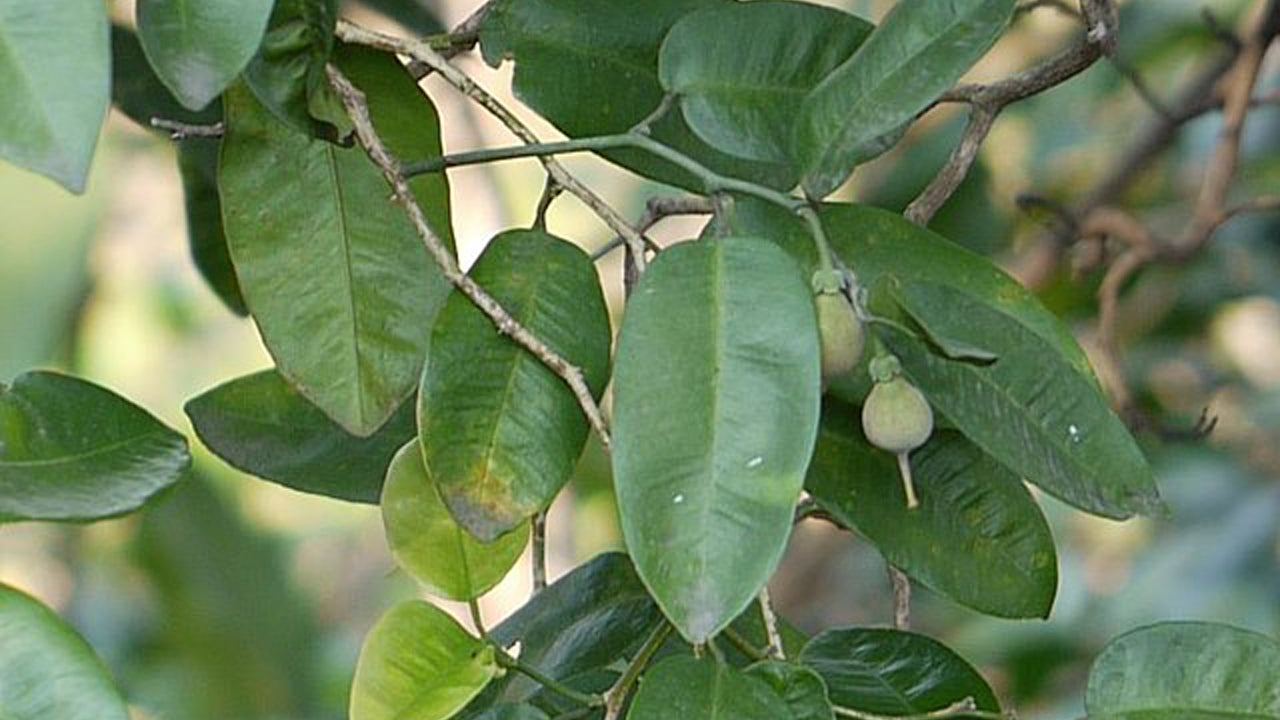
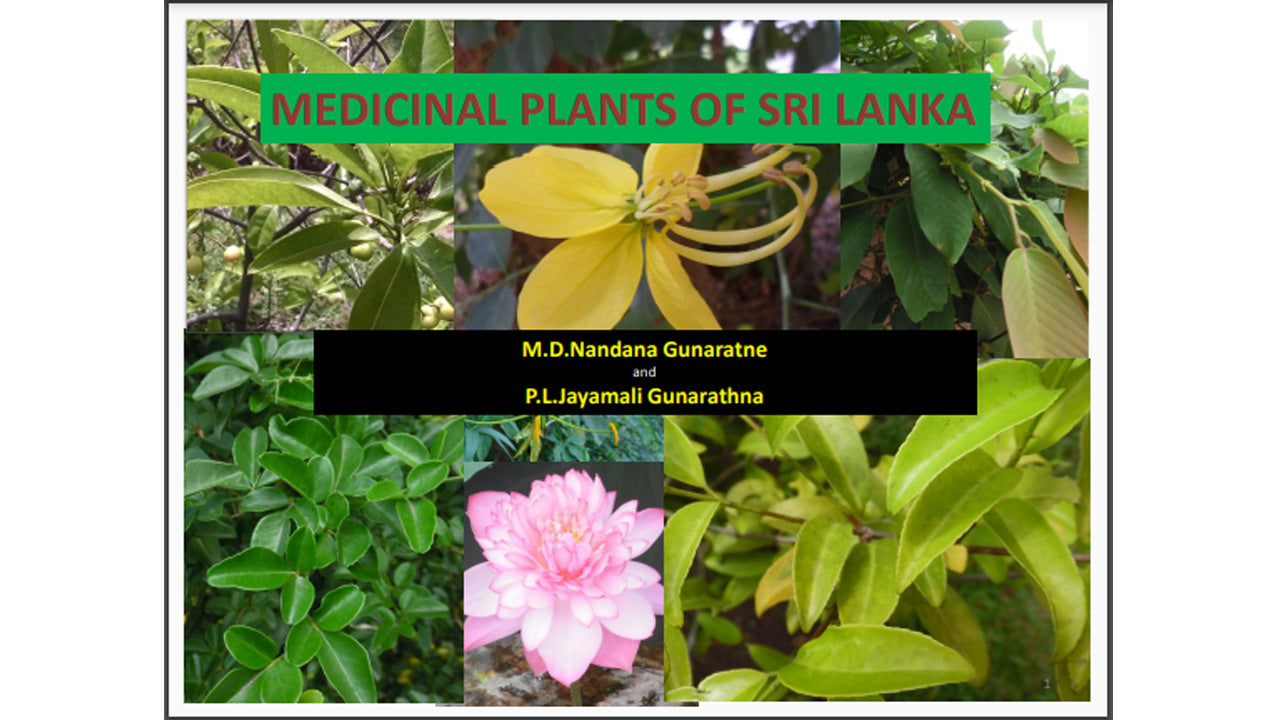
The tree typically reaches 10–20 m in height under favourable conditions, though it frequently grows as a dense shrub, particularly in degraded or disturbed scrublands. Its leaves are pinnate, growing up to around 300 mm long, and carry between seven and fifteen leaflets. Each leaflet is egg-shaped to lance-shaped, ranging from 30–120 mm in length and 15–60 mm in width, attached on a short petiolule of up to 5 mm.

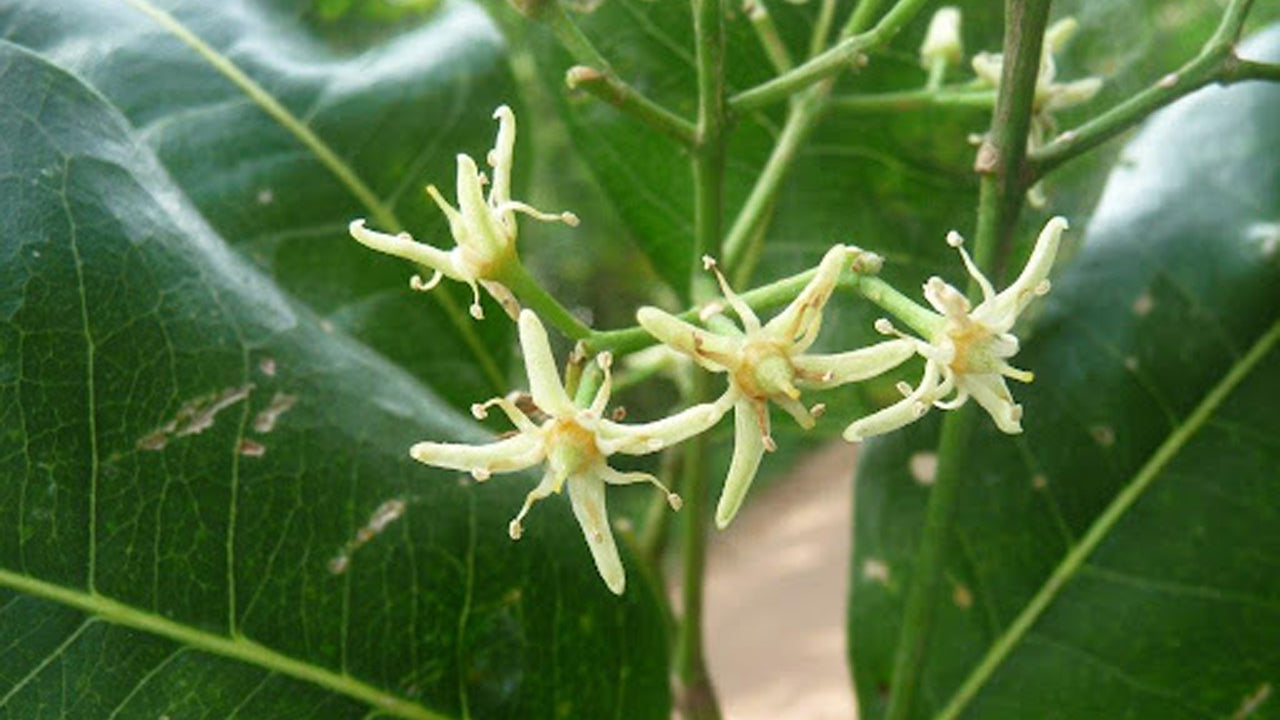
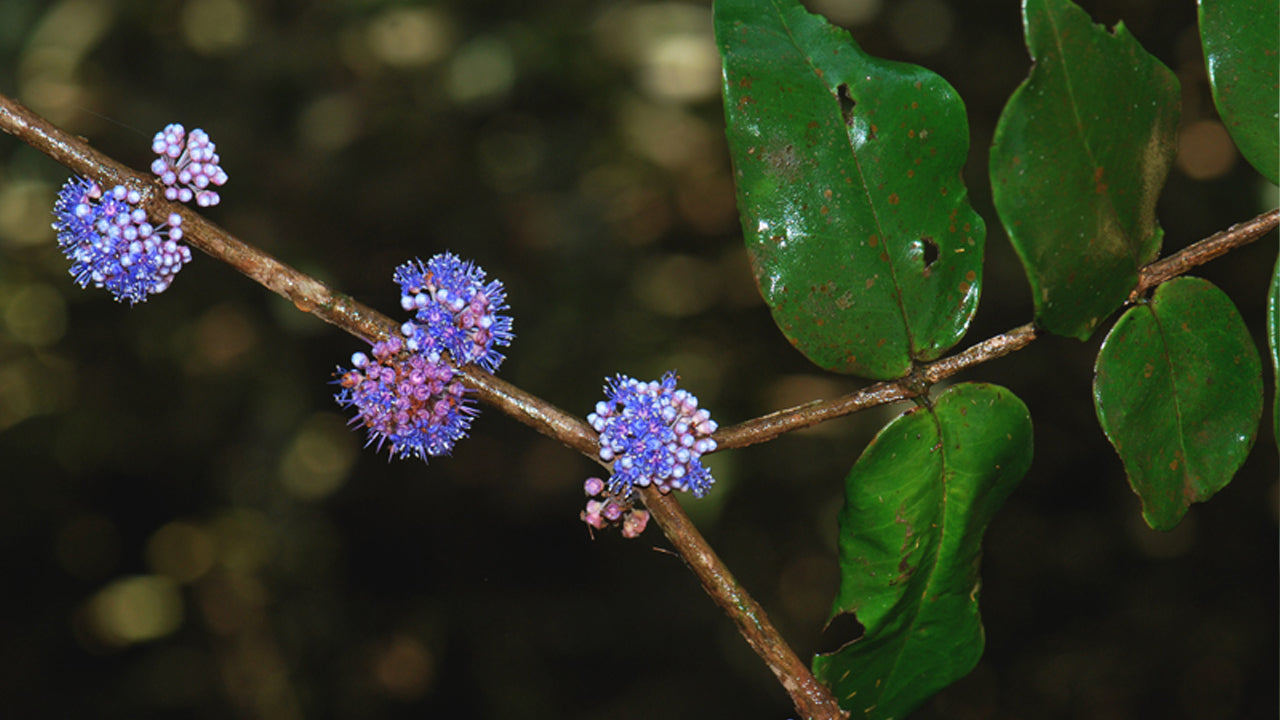
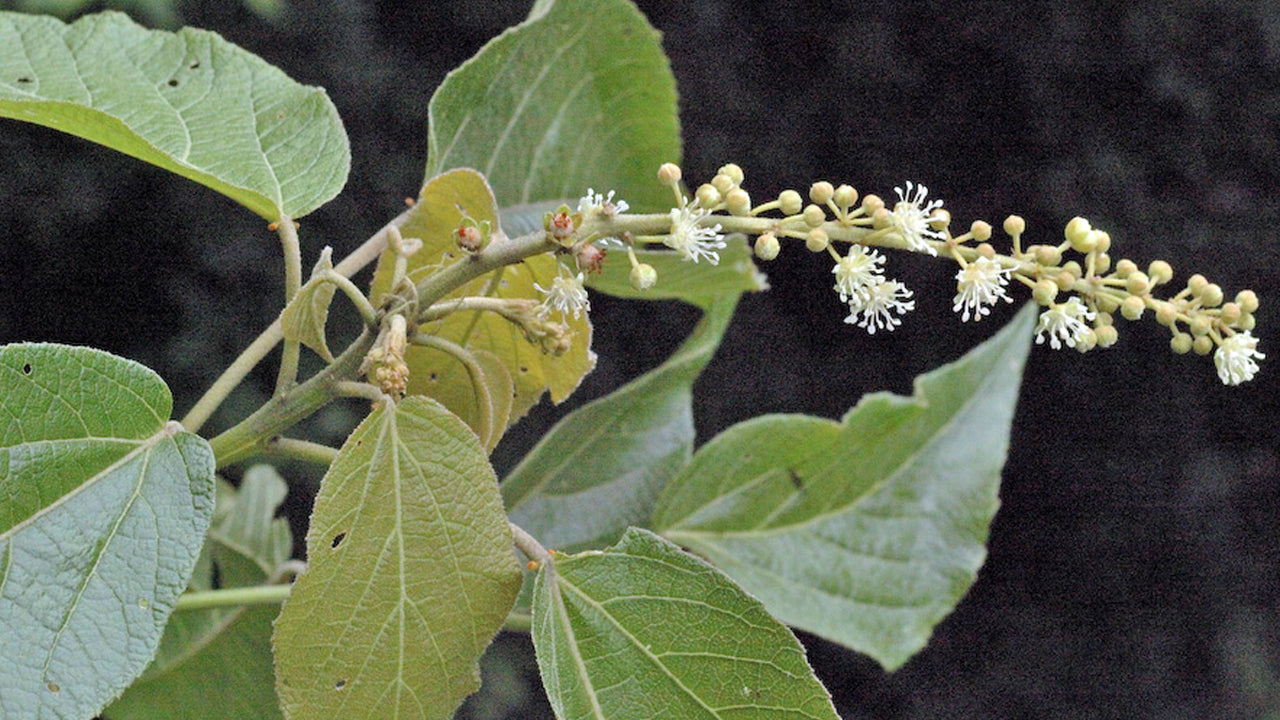
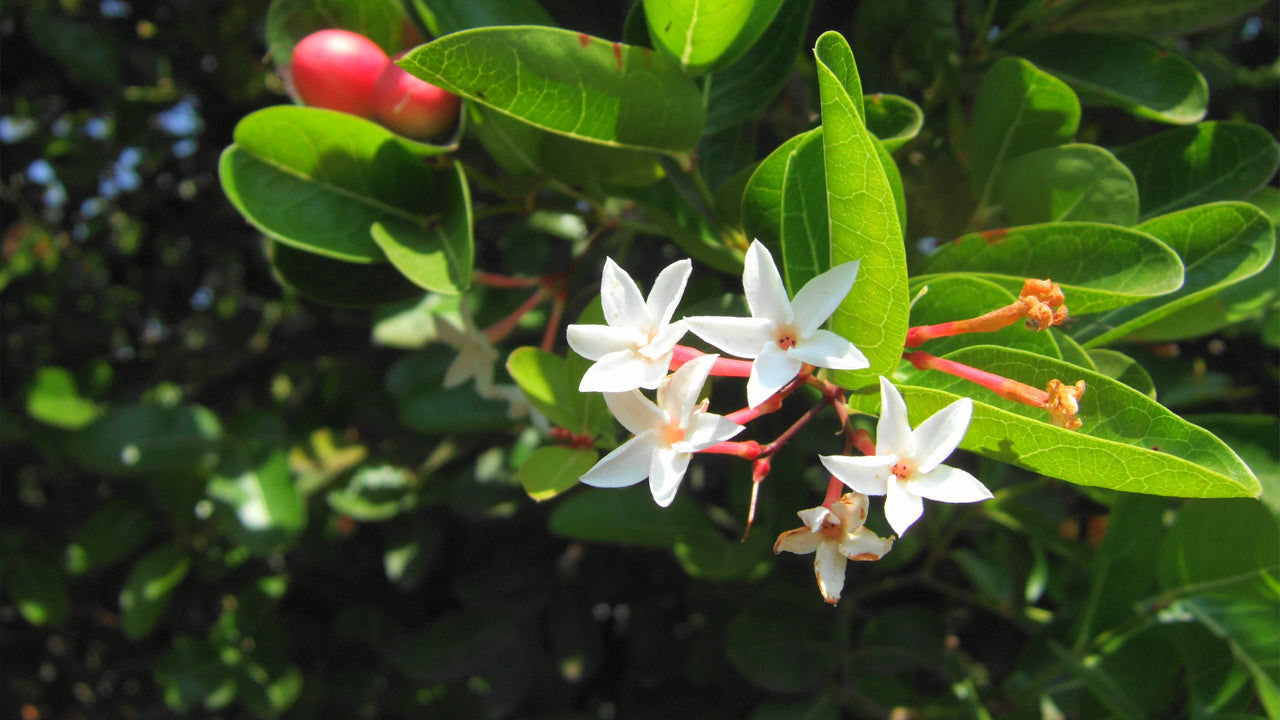
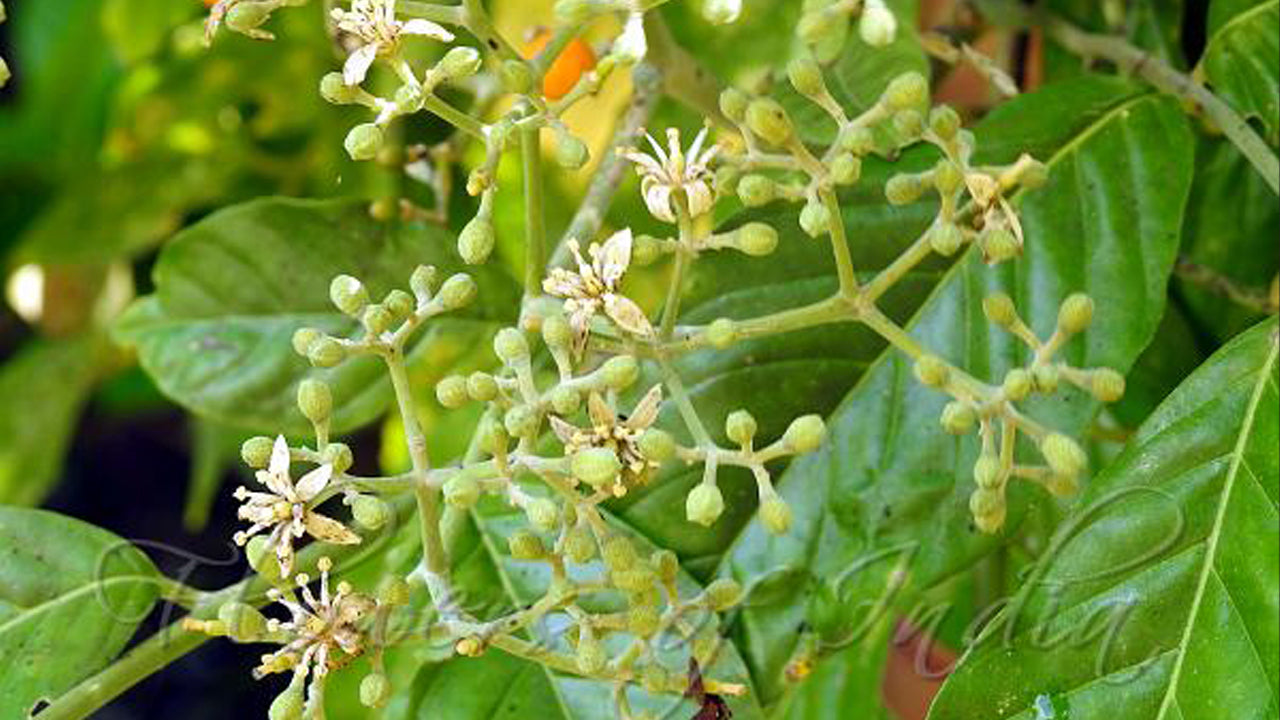
The flowers are grouped in large, hairy, fragrant clusters measuring 130–200 mm in length, with each individual flower borne on a pedicel of up to 5 mm. Petals are pale green to creamy white and measure 5–8 mm in length. The ten stamens alternate in length, a characteristic detail useful in botanical identification.

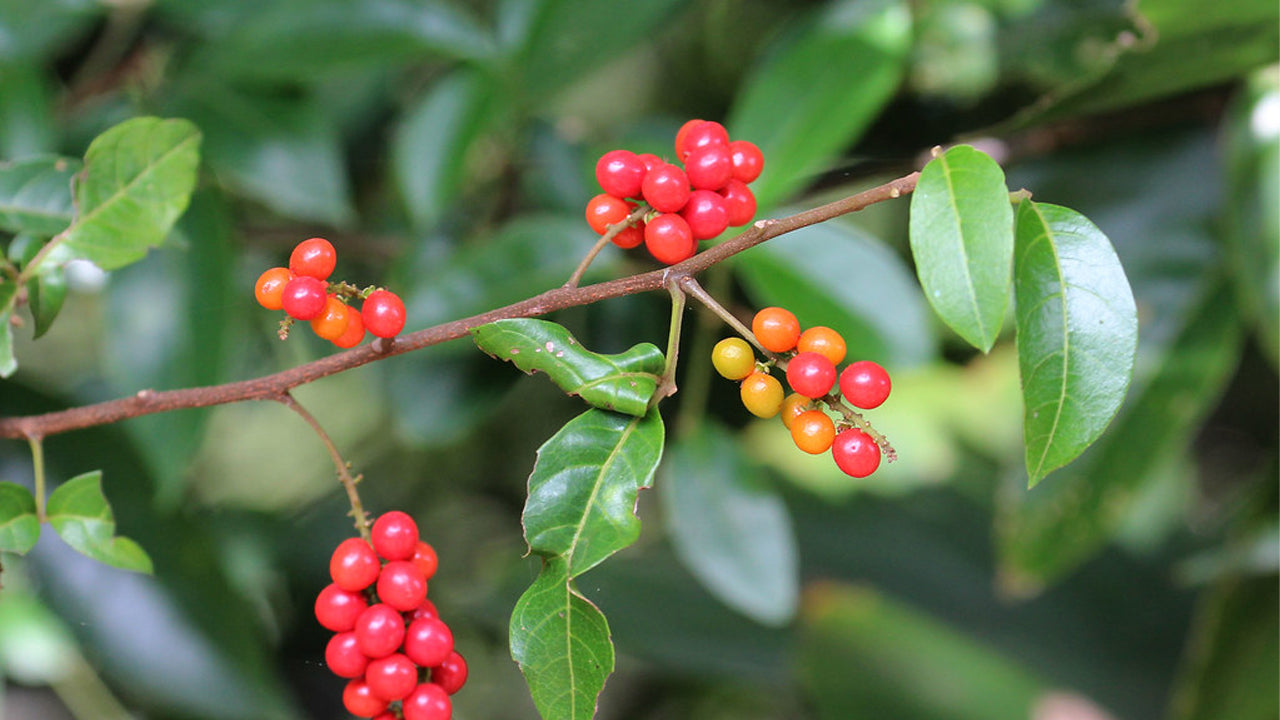
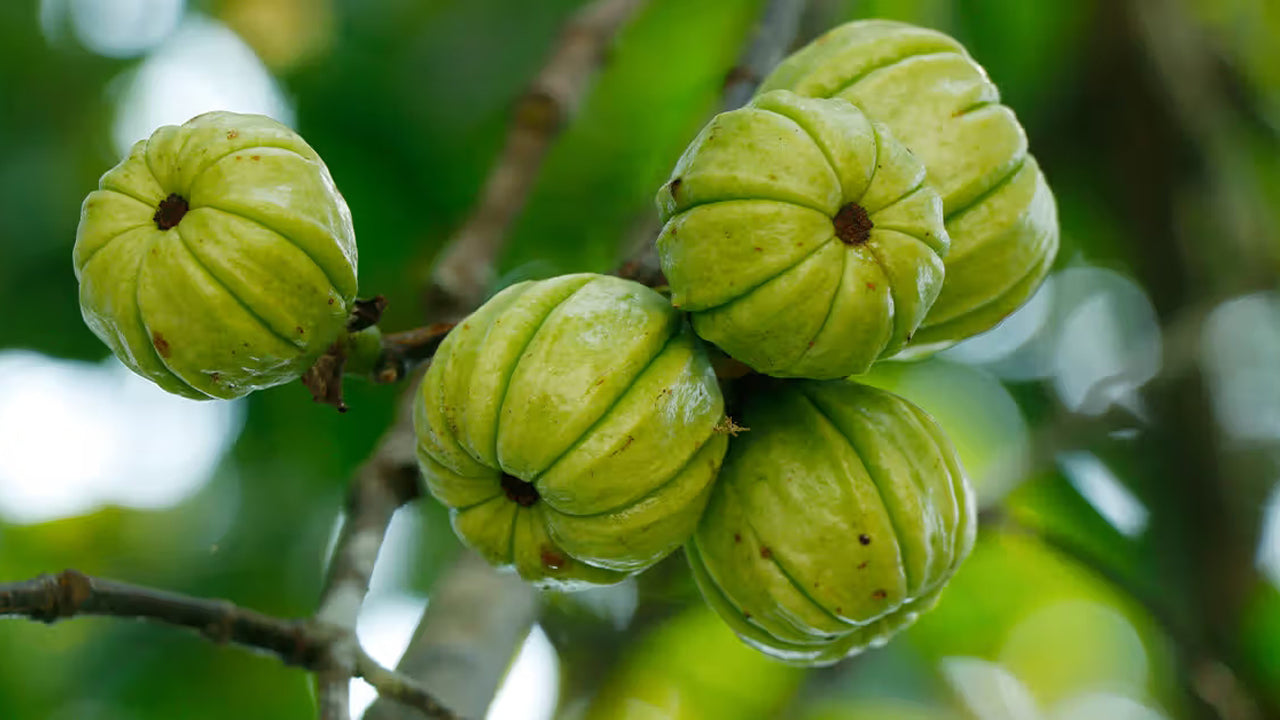
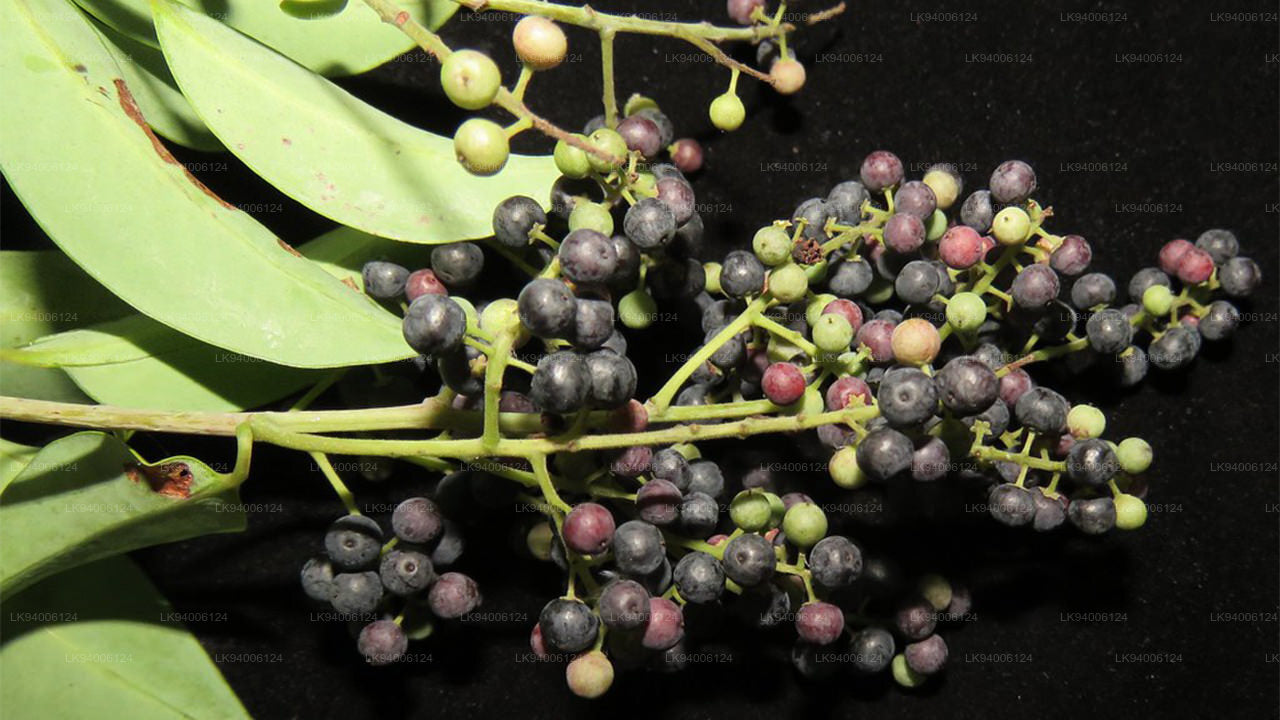
The fruit is a small, oval to spherical berry around 10 mm long, ripening through yellow, orange, and red as it matures. This colour progression makes the fruiting tree visually distinctive within its habitat.

Where does Micromelum minutum var. ceylanicum grow in Sri Lanka?

This variety is found primarily in the dry zone of Sri Lanka — the broad lowland region covering much of the north, north-central, and south-eastern parts of the island. It favours forest margins, scrublands, and secondary forest rather than closed-canopy primary forest. Dry-zone protected areas such as Wilpattu National Park and Udawalawe National Park provide habitat where this and related indigenous species persist within natural ecosystems.

At lower densities, the tree also appears in transitional zones between the dry and intermediate climatic belts. It is absent from the wet zone and from montane habitats above the lower foothills.

When does Micromelum minutum var. ceylanicum flower?

The main flowering season runs from October through February, broadly coinciding with the north-east monsoon period in Sri Lanka's dry zone. Sporadic flowering can also occur at other times of year, and fruiting appears to follow a similarly extended rhythm. This means a patient observer visiting dry-zone forests between October and February has the best chance of encountering the tree in full flower, with its notably scented clusters attracting insect pollinators.

What are the traditional medicinal uses of this plant?

In Sri Lankan traditional medicine, Micromelum minutum has historically been used to address respiratory complaints, including conditions broadly described in classical texts as phthisis (pulmonary tuberculosis-like illness) and chest troubles. It has also been associated with treatment of ague — periodic fevers, historically linked to malaria — reflecting the plant's presence in the same low-country regions where such conditions were prevalent.

These applications are documented in traditional Ayurvedic and indigenous medical traditions of the island. Modern phytochemical research into the genus Micromelum has identified alkaloids and other secondary metabolites with biological activity, though clinical evidence for specific therapeutic claims remains an area of ongoing study. Any medicinal use should be pursued only under the guidance of a qualified practitioner.

How does this species relate to Sri Lanka's broader botanical heritage?

Sri Lanka's dry-zone forests support a remarkable diversity of indigenous plant species, many with documented roles in traditional medicine, ecology, and culture. Micromelum minutum var. ceylanicum is one of several Rutaceae family members native to the island. It shares its dry-zone habitat with medicinal and economically significant trees such as Pongamia pinnata, which has its own extensive traditional and industrial applications.

Sri Lanka's plant biodiversity is recognised internationally as significant, partly because the island's varied climatic zones — from wet rainforest to dry scrubland — compress a wide range of ecosystems into a small geographic area. Forests such as the Sinharaja Forest Reserve in the wet zone illustrate the island's remarkable ecological range, while the dry-zone forests where Micromelum minutum thrives represent an equally important but less-visited dimension of that heritage.

Is Micromelum minutum var. ceylanicum cultivated or found only in the wild?

The tree is predominantly found in wild and semi-wild settings rather than cultivation. It does not appear to be widely grown in home gardens or commercial plantations. Its ecological value in dry-zone forest ecosystems — providing habitat, fruit for wildlife, and canopy cover — means it functions primarily as a component of natural vegetation rather than as an agricultural or horticultural species. Conservation of dry-zone forest fragments is therefore the most meaningful mechanism for protecting populations of this variety.

Ask Lakpura® Agent