Pitawala Pathana (Mini World's End)


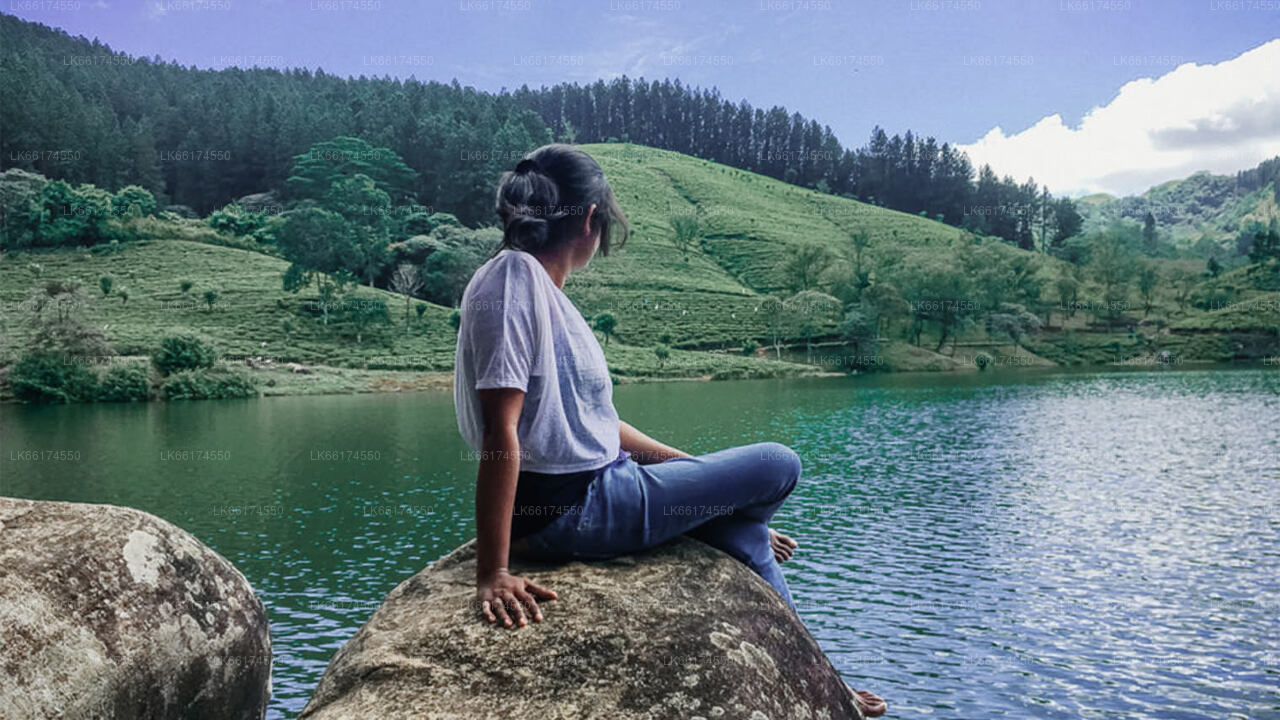
Pitawala Pathana is a grass plain spreads over an area of about 10 ha of a gently sloping rock slab covered with just a thin soil layer. The turf grass of about 10 cm in height gives a velvety appearance to this sloping expanse of grassland. Isolated and scattered trees and shrubs could be seen. Many endemic plant and animal species are found.
According to the International Union for Conservation of Nature (IUCN), it is a rare type of grassland that evolved in response to a particular ecological condition and can be found nowhere else in the country. A semi evergreen forest on somewhat deeper soil surrounds the grassland.
The Pitawala Plains ends in a sheer drop. It is certainly nerve wracking to glimpse into the depths, hundreds of meters below similar to the world’s end point at Horton Plains. A gentle 750 meter hike from the ticket counter takes you to 2 view points close to each other.
The ecology and dynamics of the grassland vegetation at Pitawala Pathana is worth examining. The open meadows hold the deepest secrets compared to any habitat in Sri Lanka. With an ecology expert, you can discover its biota including amphibians, small mammals, lizards, tree frogs and a few endemic plants. Due to extreme winds, only small plants survive the rocky flat terrain.
Pitawala Patana is home to two endemic species. One is a frog known as Dumbara Galpara Mediya and the other is Patan Ala, a type of grass. There are also many carnivorous plants that trap unwary insects.
The soil in the plains is not very rich in nutrients and thus certain plants have adapted to find the required nutrients from insects. Kadulessa, one such carnivorous plant species, has a sticky serum that traps unwary insects.
From Colombo go to Kandy and then go to Matale in A9 route. From there, turn to Raththota road and come to Raththota town. Take the right turn from the three-way junction in Raththota town. It will lead you to Ilukkumbura – Puwakpitiya. the turn to Riverstan is at the 28th km post, and 3km down in Ilukkumbura road you can find Pitawala Pathana, and in about another kilometer’s distance is the Pitawala Pathana Mini World’s End.