Lakpura
Lakpura®

Nallur Kandaswamy Kovil Festival in Jaffna

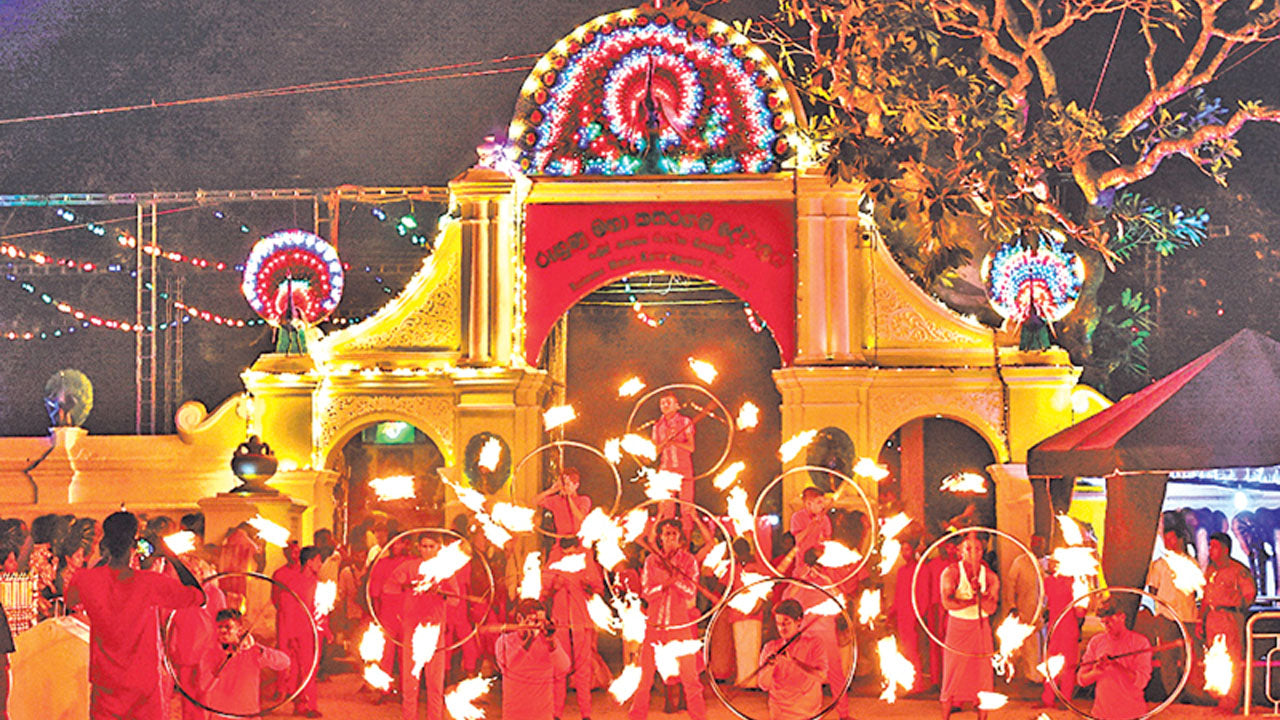
Every year, for twenty-five consecutive days in August or September, the northern city of Jaffna transforms into the spiritual heart of Sri Lanka. The Nallur Kandaswamy Kovil Festival is widely regarded as the country's longest continuous religious celebration, drawing hundreds of thousands of devotees from across the island and from the global Tamil diaspora. At its centre is Nallur Kandaswamy Kovil — one of the most significant Hindu temples in South Asia — where rituals, processions, and acts of devotion unfold in an unbroken cycle from dawn until well past midnight.

What is the Nallur Kandaswamy Kovil Festival?

The festival is held in reverence of Lord Murugan, also known as Shanmuhar or Kandhan, the presiding deity of Nallur Kandaswamy Kovil in the Nallur neighbourhood of Jaffna. The exact dates shift annually according to the Tamil lunar calendar, typically commencing after the auspicious Aadi Amavasai day. The flag-hoisting ceremony — a formal act of inviting the divine — marks the official opening of the festival season.

The twenty-five days are structured in distinct phases. The first ten days involve a concentrated series of temple rituals performed within the inner sanctum. Days eleven through nineteen see ceremonies extend to the streets and outer precincts of the temple grounds. On the tenth day of this second phase, the important Mancham festival takes place, followed by a succession of named celebrations: the Arunagirinathar festival, Sooriyotsavam (the Sun festival), Karthigai festival, Santhanagopalar festival, Kaliasavaganam festival, Kayavallimahavalloi Utsavam, Thankaratam, Palani Utsavam, Orumuga festival, and the Sappram festival, among others.

What happens during the processions?

Throughout the festival, the sacred statue of Lord Murugan is carried in ceremonial vehicles — vahanas — fashioned in the forms of animals and beings considered sacred in the Shaivite tradition. These include the silver peacock, the green peacock, the cobra, and the swan. Each vahana procession follows a defined route: the inner courtyard of the temple during daylight hours, and the surrounding streets of Nallur at dusk and into the night, accompanied by continuous drumming, devotional chanting, and the scent of incense.

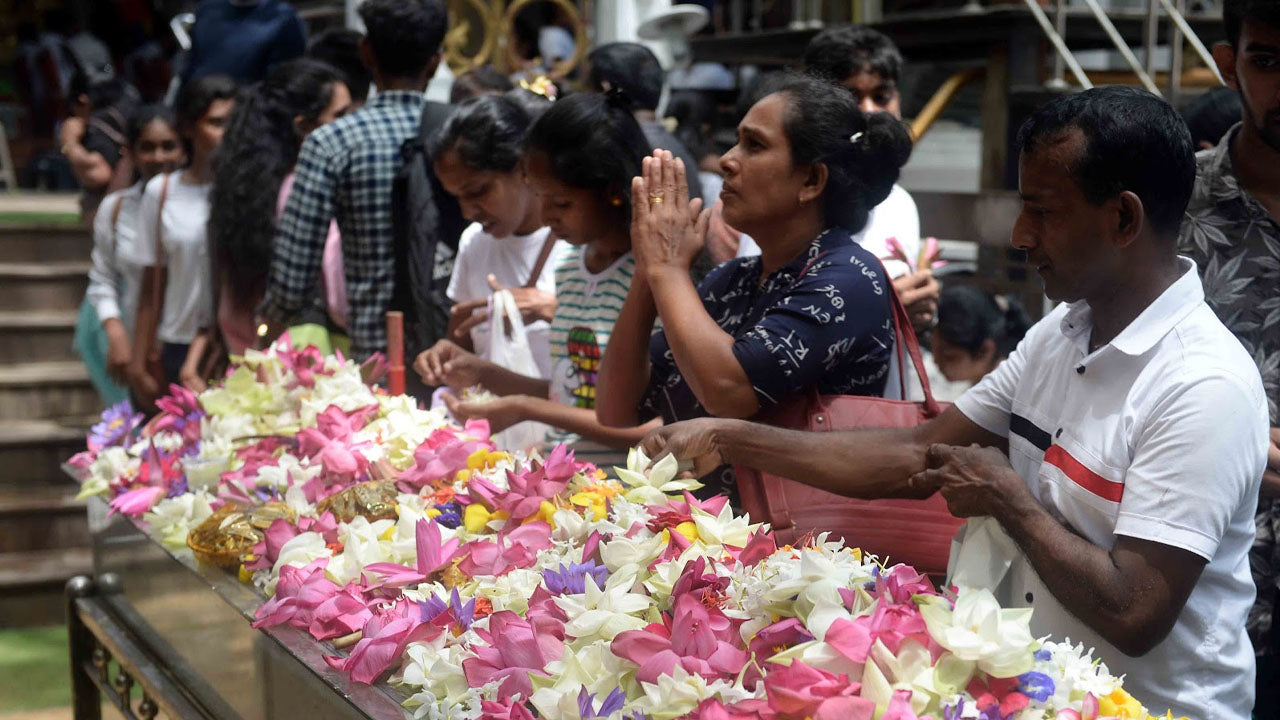
Alongside the processions, devotees observe rigorous personal vows. Many walk barefoot for the entire festival period. Some carry the kavadi — an arch-shaped burden adorned with peacock feathers and flowers — as a physical act of surrender to the deity. Others hurl coconuts onto the ground or prostrate themselves in the street as expressions of faith. These rituals, performed openly and collectively, give the festival its singular intensity.

What is the Ther Festival (Chariot Festival)?

The climax of the Nallur festival calendar is the Ther, or chariot festival, held on the twenty-fourth day. The elaborately decorated wooden chariot — a towering, heavy structure — carries the statue of Lord Murugan and his consorts along the streets surrounding the temple. The procession typically begins in the early morning and completes its circuit when the chariot returns to its starting point.

What makes the Ther visually and emotionally compelling is the act of pulling. Thousands of devotees — regardless of social standing, age, or background — take hold of the thick rope attached to the chariot and haul it forward together. The combined effort, accompanied by drumming groups, devotional singing (Adi Bajna), and performances of Pannisai, Arulisai, and Kathaprasangam at charitable centres along Temple Road, creates an atmosphere that is both celebratory and deeply reverent. The chariot festival draws some of the largest crowds of the entire twenty-five-day period, with many visitors travelling specifically for this single day.

Who attends the Nallur Kovil Festival?

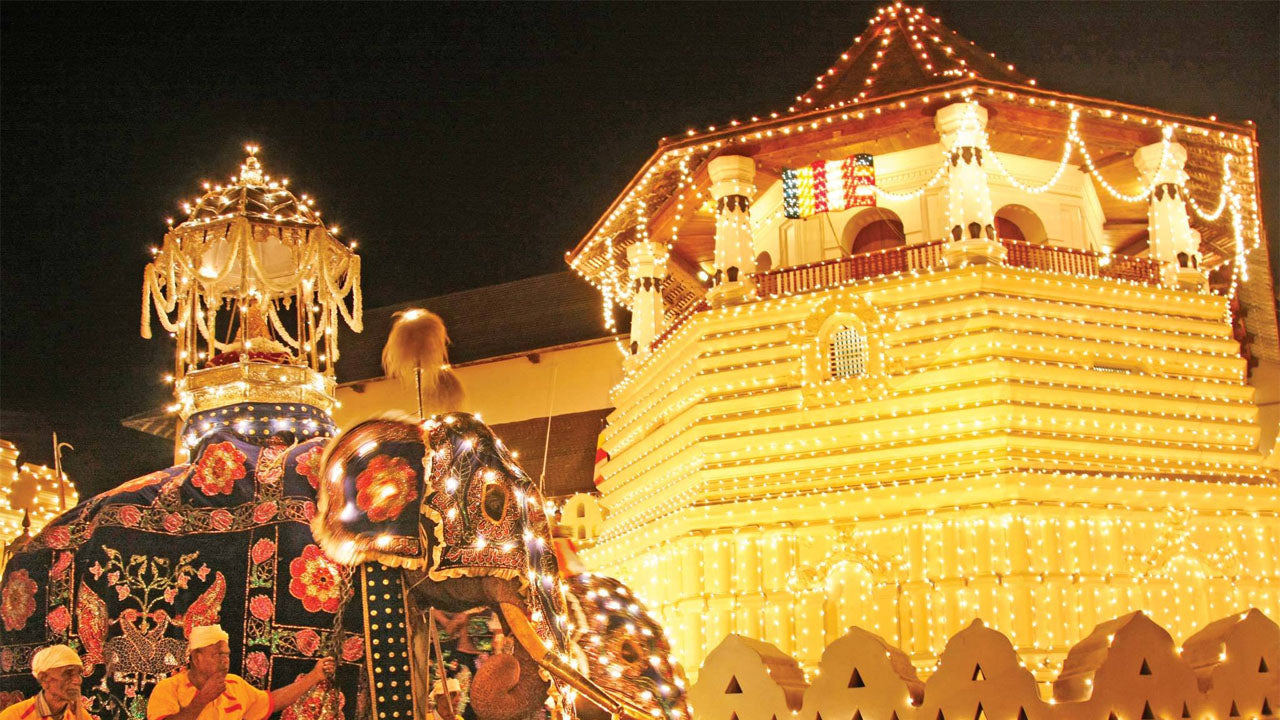
The festival draws Tamil Hindu devotees from across Sri Lanka, from the Indian state of Tamil Nadu, and from diaspora communities in Europe, North America, and Australia. It is also attended by a growing number of visitors from other communities who come to observe rather than participate — the scale and sincerity of the event make it one of the most compelling cultural spectacles in South Asia. Sri Lanka's Esala Perahera Festival in Kandy, held around the same time of year, offers a point of comparison: both are multi-day celebrations of profound religious significance, though their traditions, visual language, and atmospheres differ considerably.

Visitors who are not practicing Hindus are generally welcome to observe the outer processions and street festivals, though certain inner-sanctum rituals require appropriate dress (upper body covered, lungi or sarong worn below the waist) and, in some sections, may be restricted to devotees.

When is the Nallur Kandaswamy Kovil Festival held?

The festival follows the Tamil lunar calendar and falls in the month of Aadi, which corresponds roughly to late July through early September in the Gregorian calendar. The exact start date varies year to year; the Nallur Kovil trust typically announces dates several months in advance. The Ther chariot festival on day twenty-four has in recent years fallen in mid-to-late August. Travellers planning a visit should confirm dates locally or through a specialist travel operator before booking.

How do I get to Nallur Kandaswamy Kovil in Jaffna?

Nallur is a neighbourhood within Jaffna city, approximately 2 kilometres from the Jaffna city centre. The temple itself is easy to locate — its distinctive gopuram (entrance tower) is visible from several streets away.

  • By air: Jaffna International Airport (JAF) receives domestic flights from Colombo's Ratmalana Airport, operated by FitsAir and occasionally other carriers. Flight time is around 50 minutes.
  • By train: The Yal Devi express runs between Colombo Fort station and Jaffna, taking roughly six to seven hours. Advance booking is strongly advised during the festival period when demand is high.
  • By road: The A9 highway connects Colombo to Jaffna via Vavuniya. Driving or travelling by private car typically takes seven to nine hours depending on traffic.

During the festival, the streets around Nallur Kandaswamy Kovil are heavily congested in the evenings. Arriving on foot or by tuk-tuk from a point some distance away is more practical than attempting to park nearby.

What should visitors know before attending?

  • Remove shoes before entering the temple precincts. Shoe-keeping facilities are available nearby.
  • Dress modestly: shoulders and knees should be covered. Sarongs are sometimes available for rent at the entrance.
  • Photography policies within the inner sanctum may change; seek guidance from temple staff on arrival.
  • The atmosphere around the chariot festival day can be very densely crowded. Keep personal belongings secure and allow extra time for movement through the streets.
  • Accommodation in Jaffna fills rapidly during the festival. Book well in advance — ideally two to three months before the festival commences.
  • A range of vegetarian food stalls and charitable feeding stations operate along Temple Road during the festival period.

Book this experience with Lakpura

Curated by our local team. Direct booking, instant confirmation.

Ask Lakpura® Agent