Indigofera tinctoria (Nilavariya)


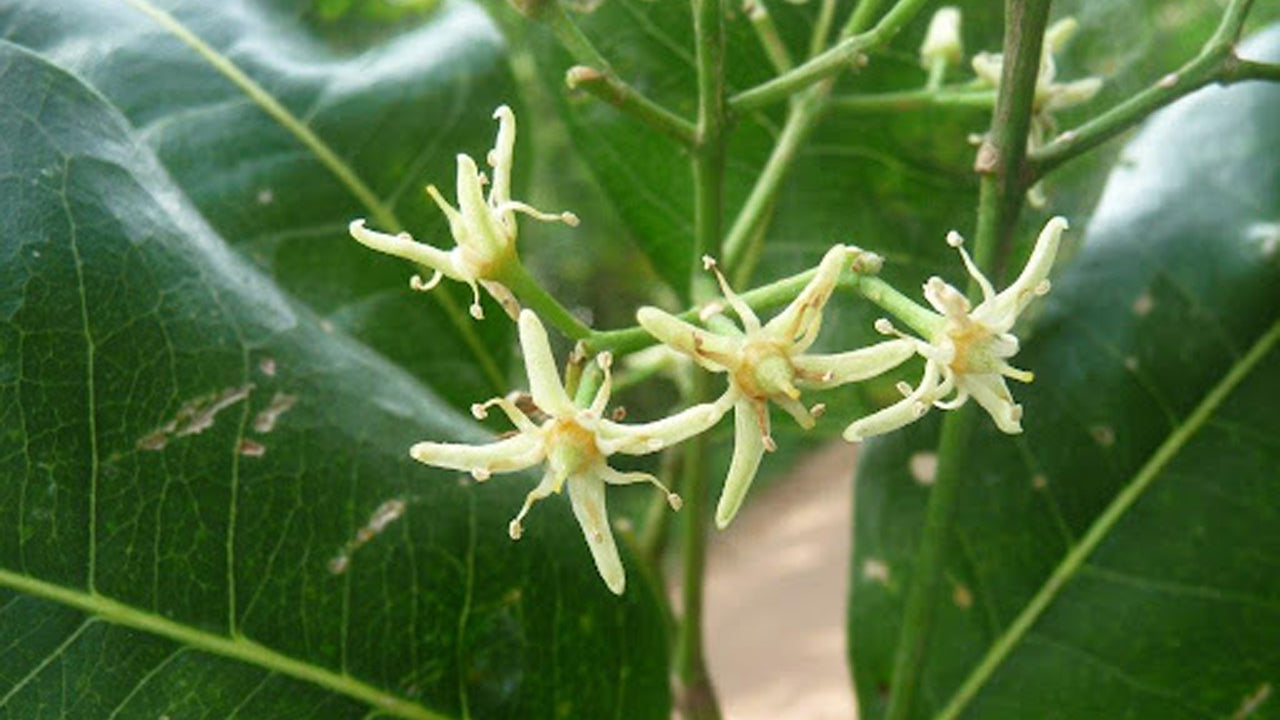
Indigofera Tinctoria (Nilavariya; ?????????), also called true indigo, is a species of plant from the bean family that was one of the original sources of indigo dye. It has been naturalized to tropical and temperate Asia, as well as parts of Africa, but its native habitat is unknown since it has been in cultivation worldwide for many centuries. Today most dye is synthetic, but natural dye from I. tinctoria is still available, marketed as natural coloring where it is known as tarum in Indonesia and nila in Malaysia. In Iran and areas of the former Soviet Union it is known as basma. The plant is also widely grown as a soil-improving groundcover.
True indigo is a shrub one to two meters high. It may be an annual, biennial, or perennial, depending on the climate in which it is grown. It has light green pinnate leaves and sheafs of pink or violet flowers. The plant is a legume, so it is rotated into fields to improve the soil in the same way that other legume crops such as alfalfa and beans are.
Dye is obtained from the processing of the plant's leaves. They are soaked in water and fermented in order to convert the glycoside indican naturally present in the plant to the blue dye indigotin. The precipitate from the fermented leaf solution is mixed with a strong base such as lye.
The rotenoids deguelin, dehydrodeguelin, rotenol, rotenone, tephrosin and sumatrol can be found in I. tinctoria.
Marco Polo (13th century) was the first European to report on the preparation of indigo in India. Indigo was quite often used in European easel painting, beginning in the Middle Ages
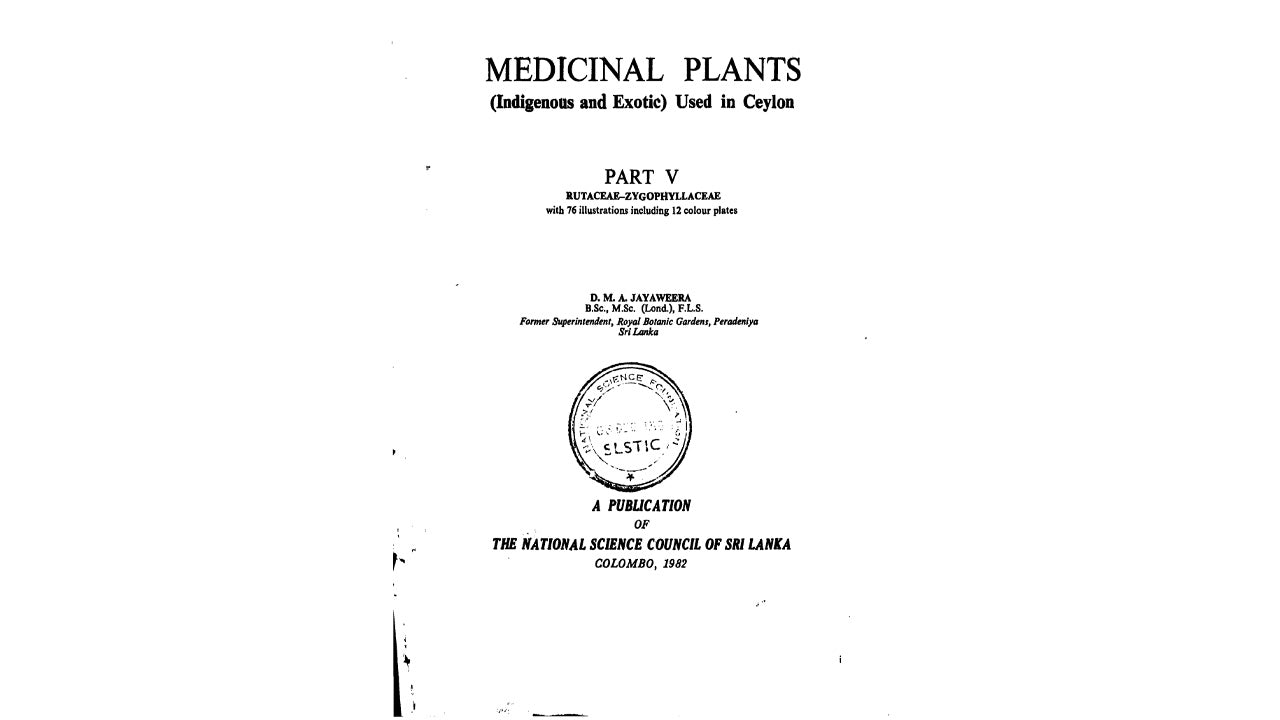
Indigofera tinctoria is part of the catalog of ayurvedic medicinal plants of Sri Lanka.


-
Claw-flowered laurel
Acronychia pedunculata -
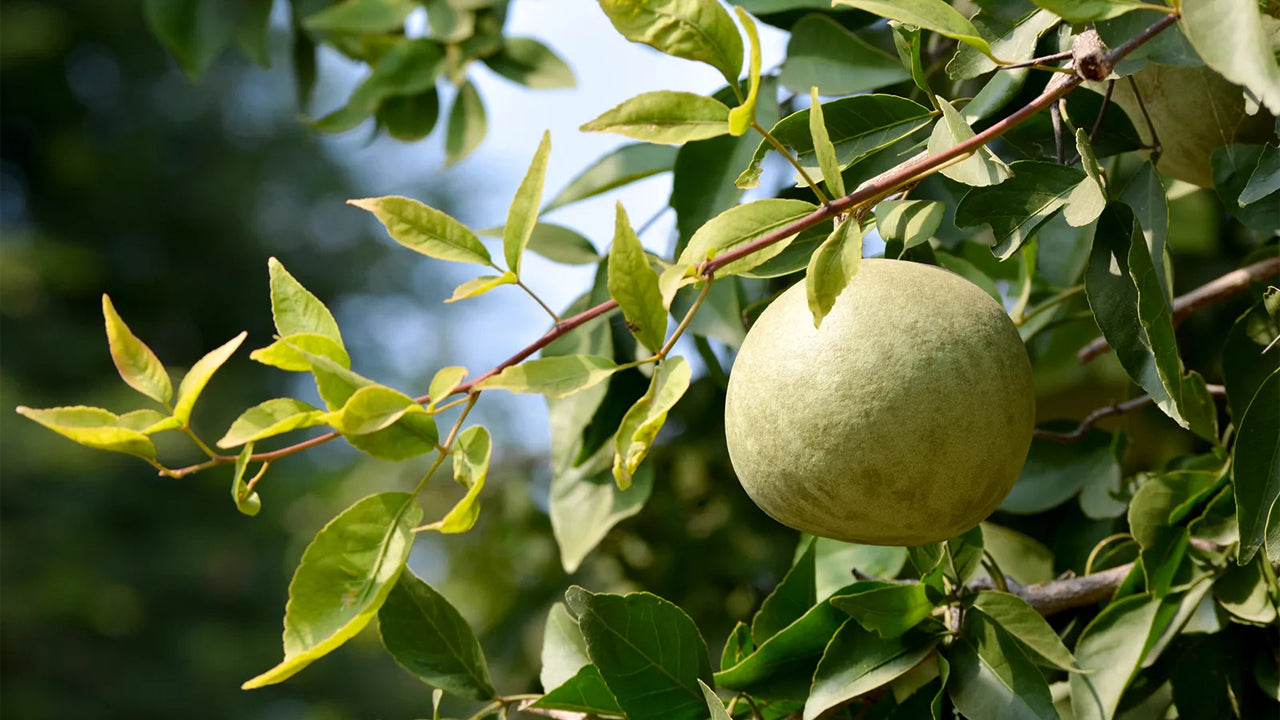
Bael
Aegle marmelos -
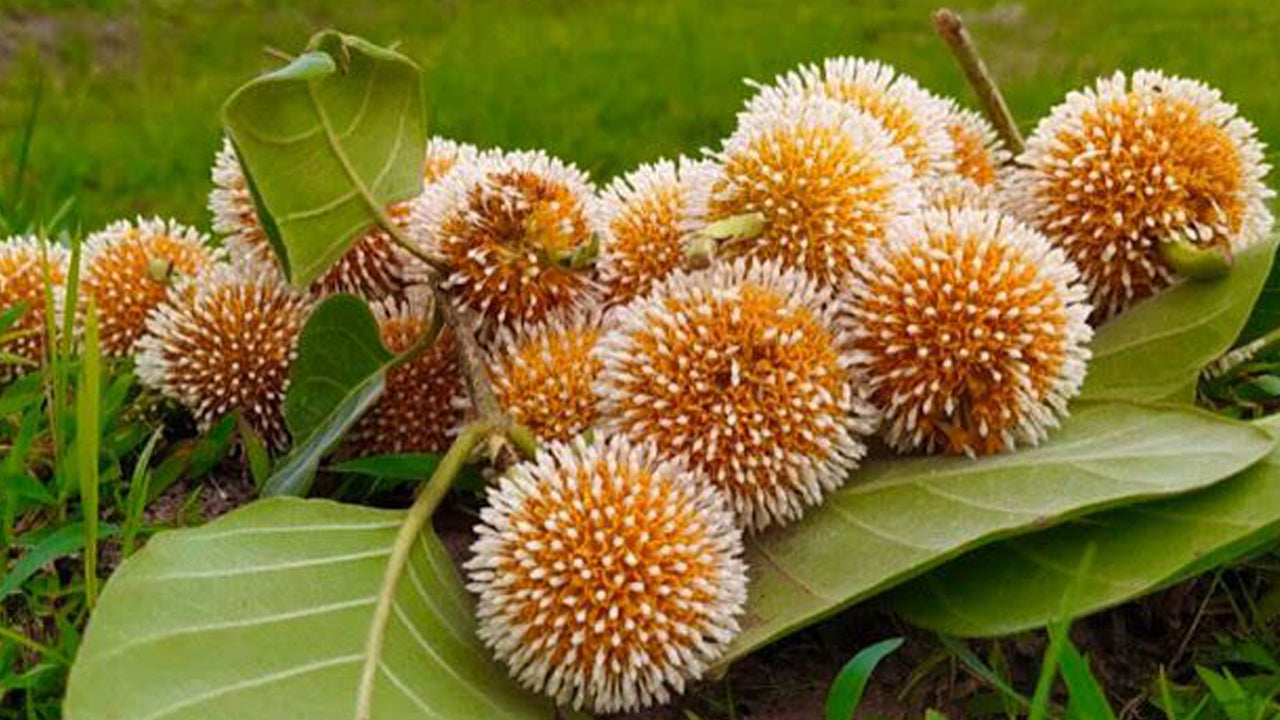
Leichhardt tree
Nauclea orientalis -
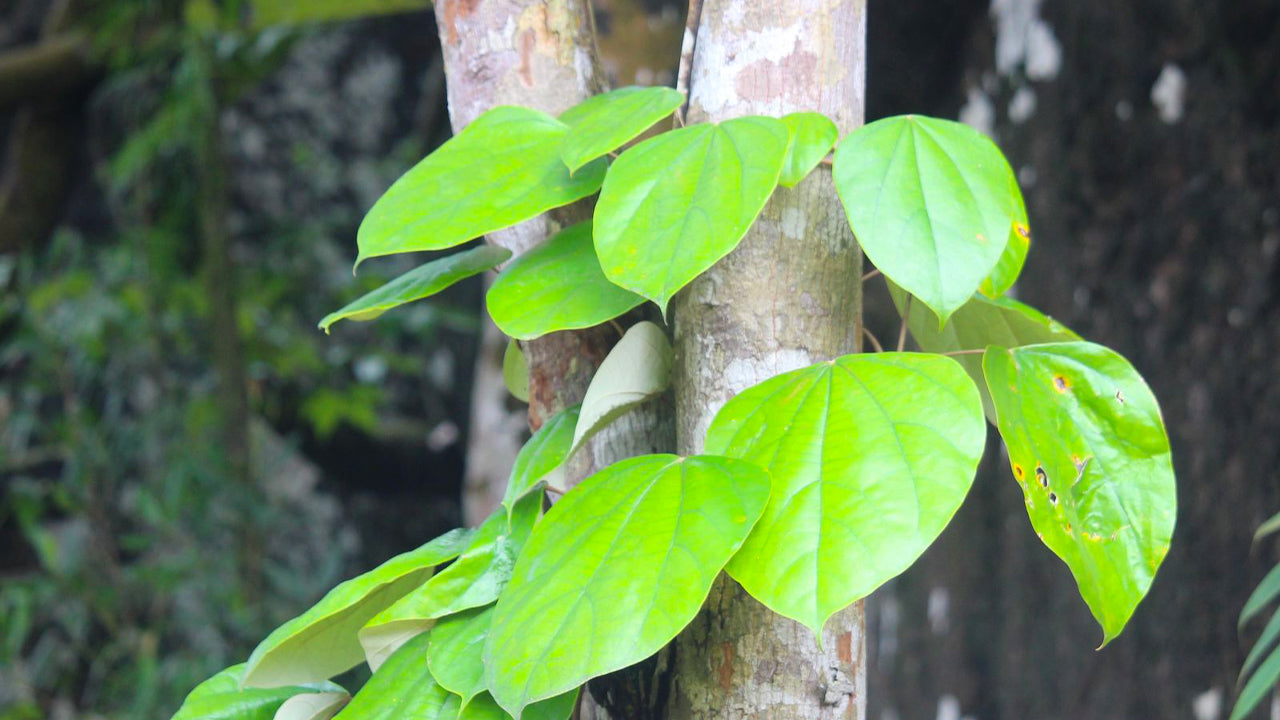
False Calumba
Coscinium fenestratum -

Malabar Gulbel
Tinospora malabarica -
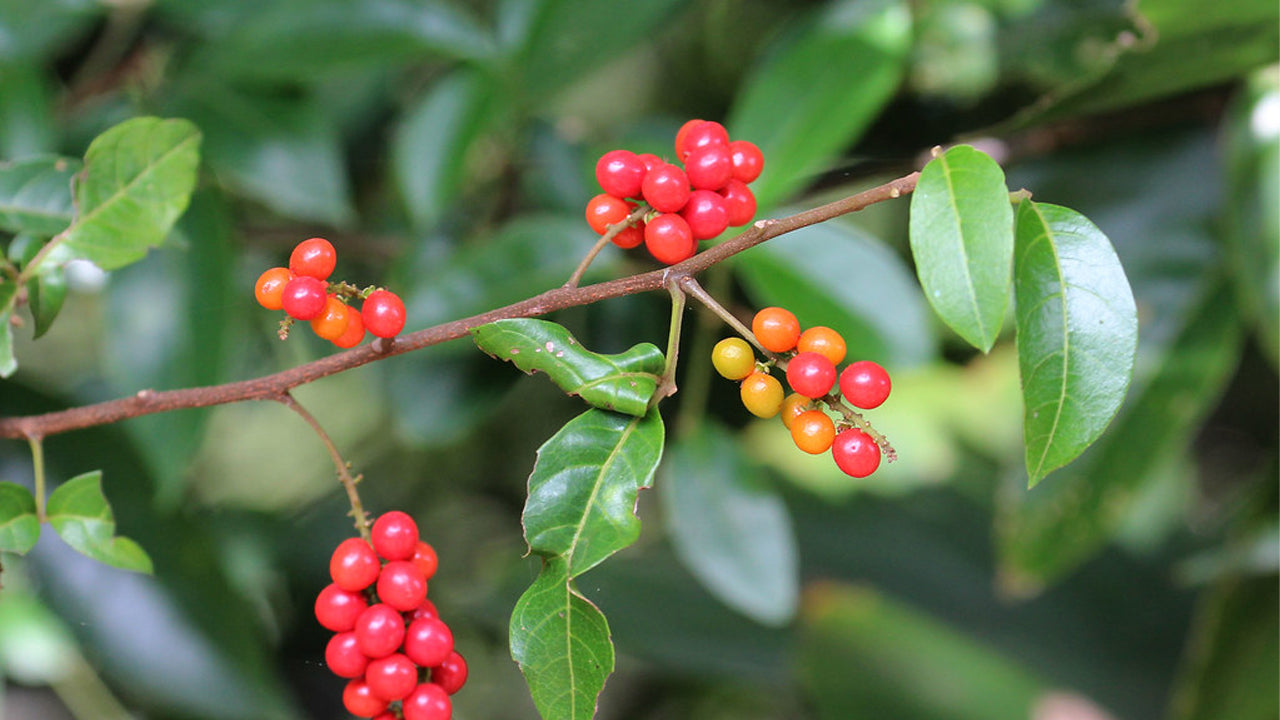
Titberry
Allophylus cobbe -
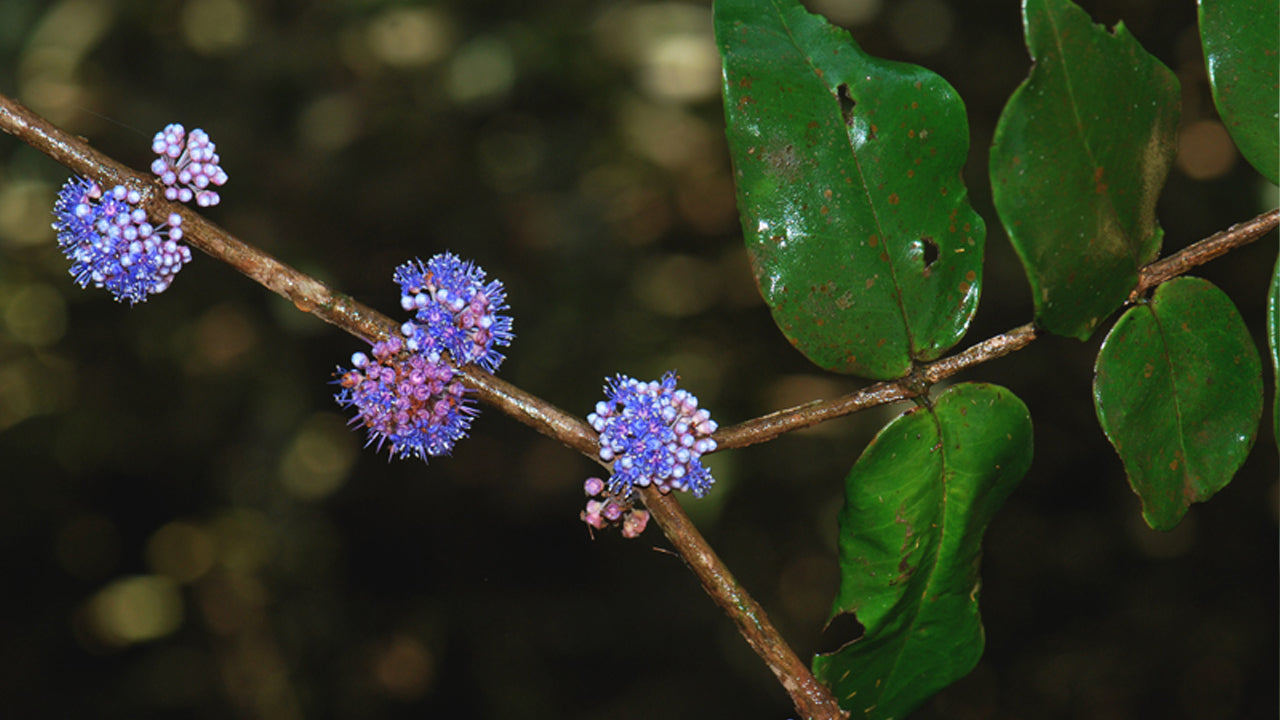
Ironwood Tree
Memecylon capitellatum -
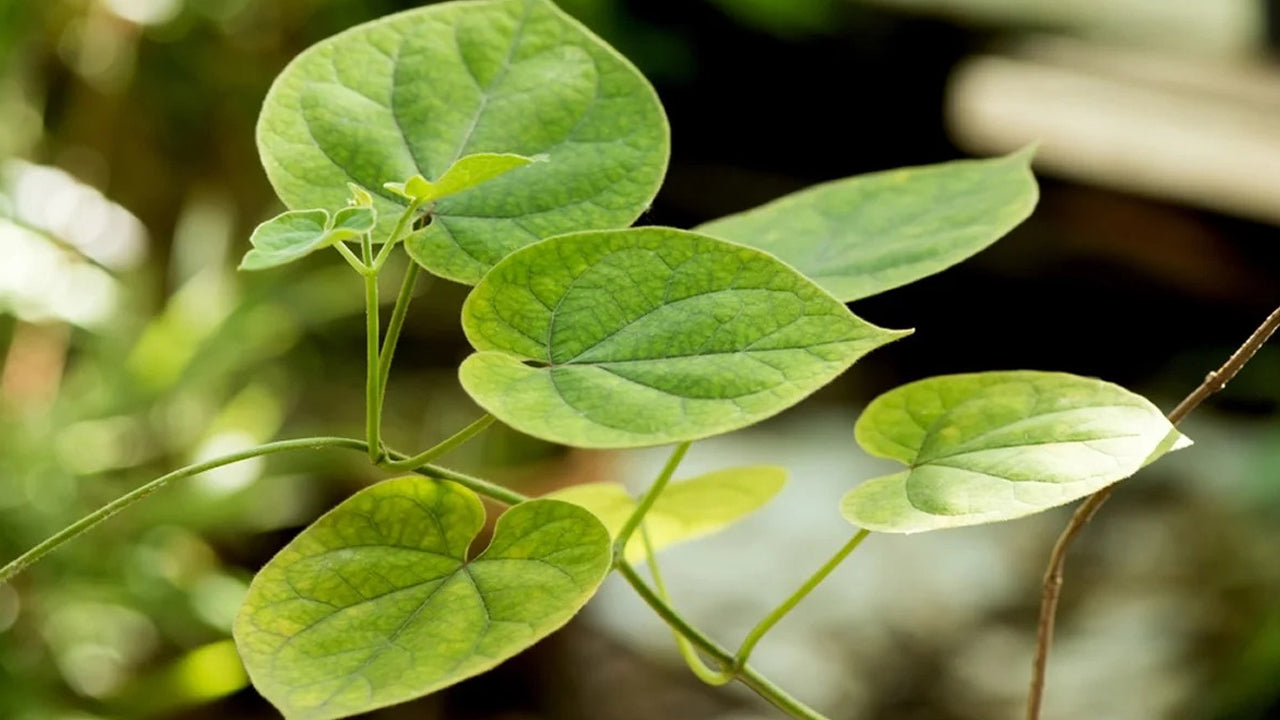
Velvet Leaf
Cissampelos pareira -
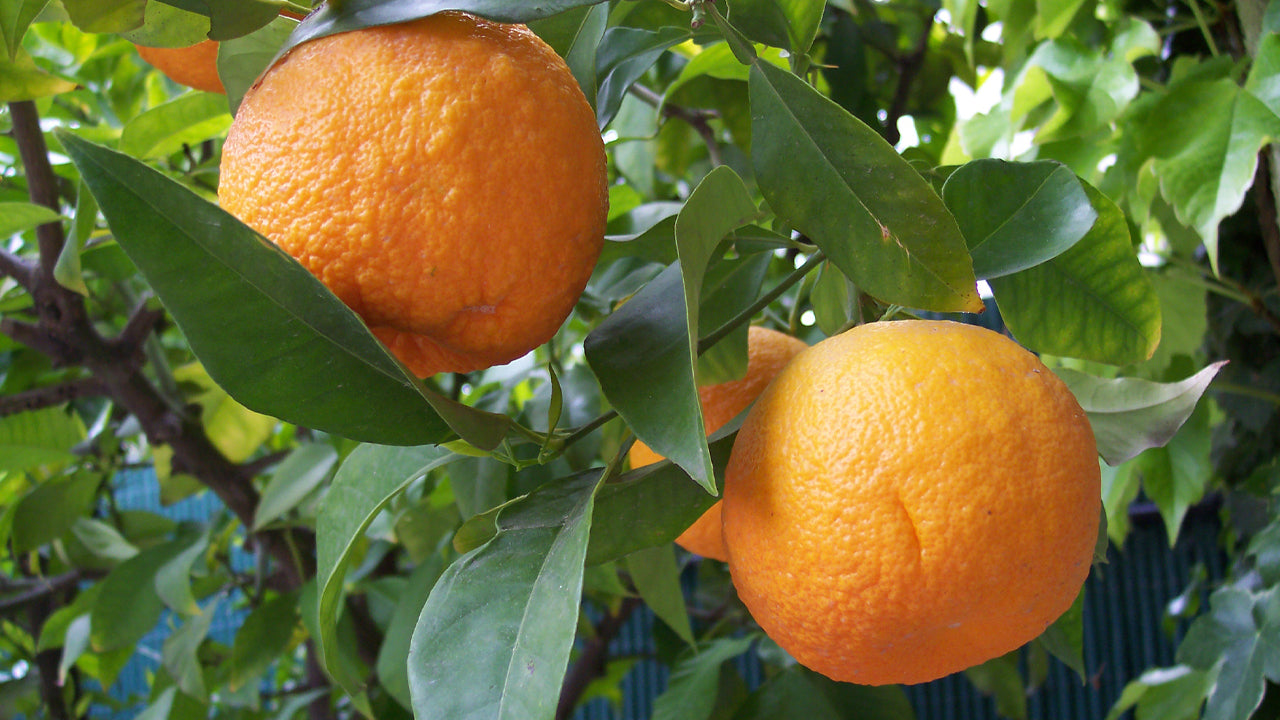
Bitter orange
Citrus aurantium -

Reinwardt's Tree Plant
Biophytun reinward -
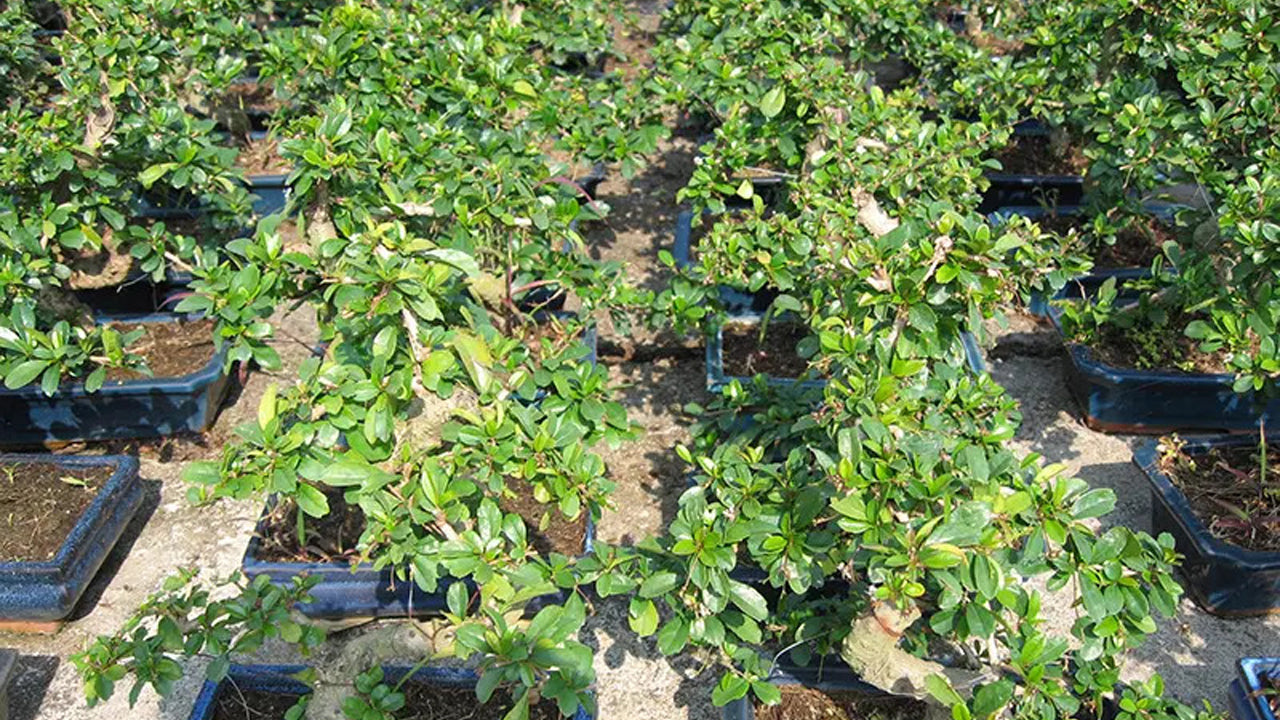
Fukien tea
Carmona microphylla -
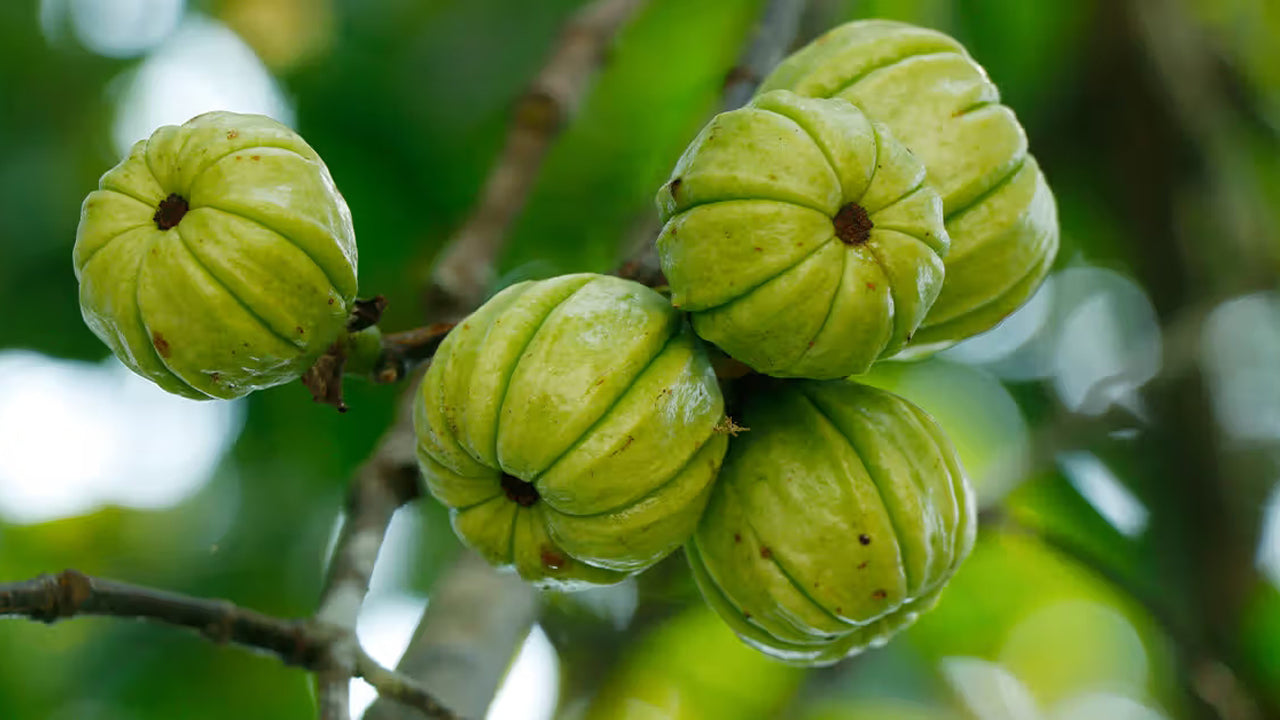
Malabar tamarind
Garcinia cambogia -
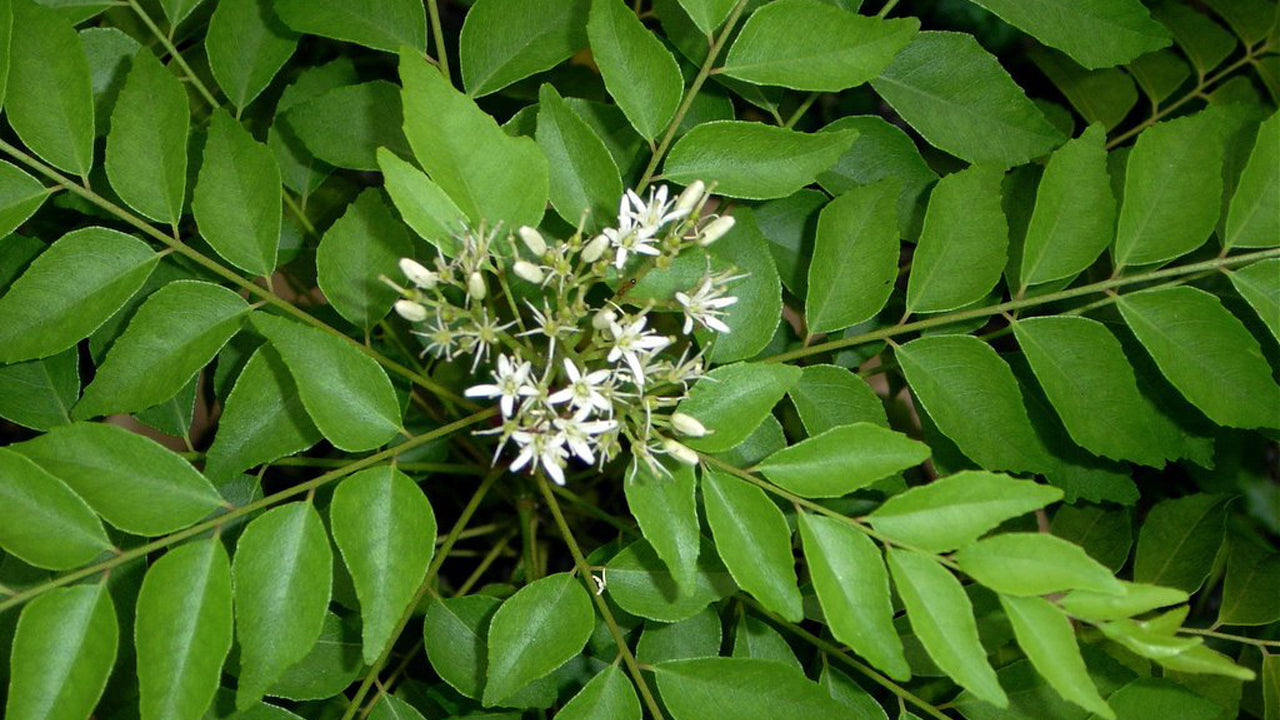
Curry leaf tree
Murraya koenigii -
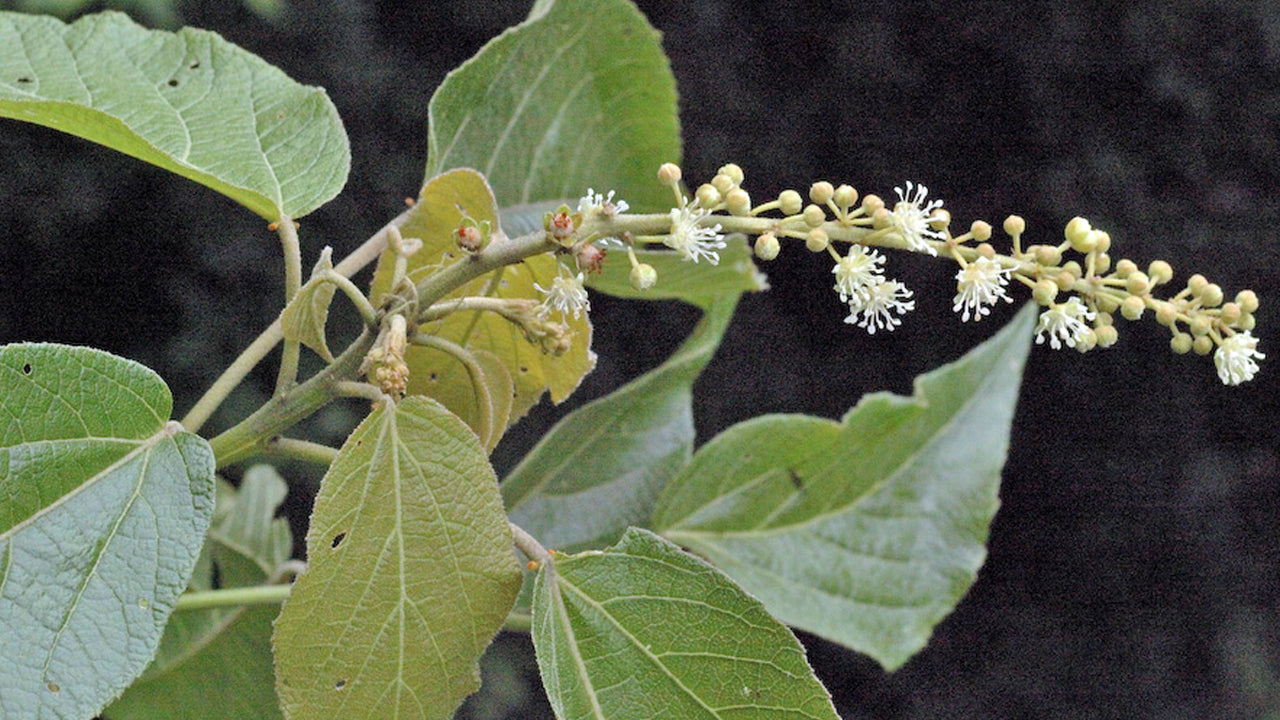
Kappetiya
Croton laccifer -
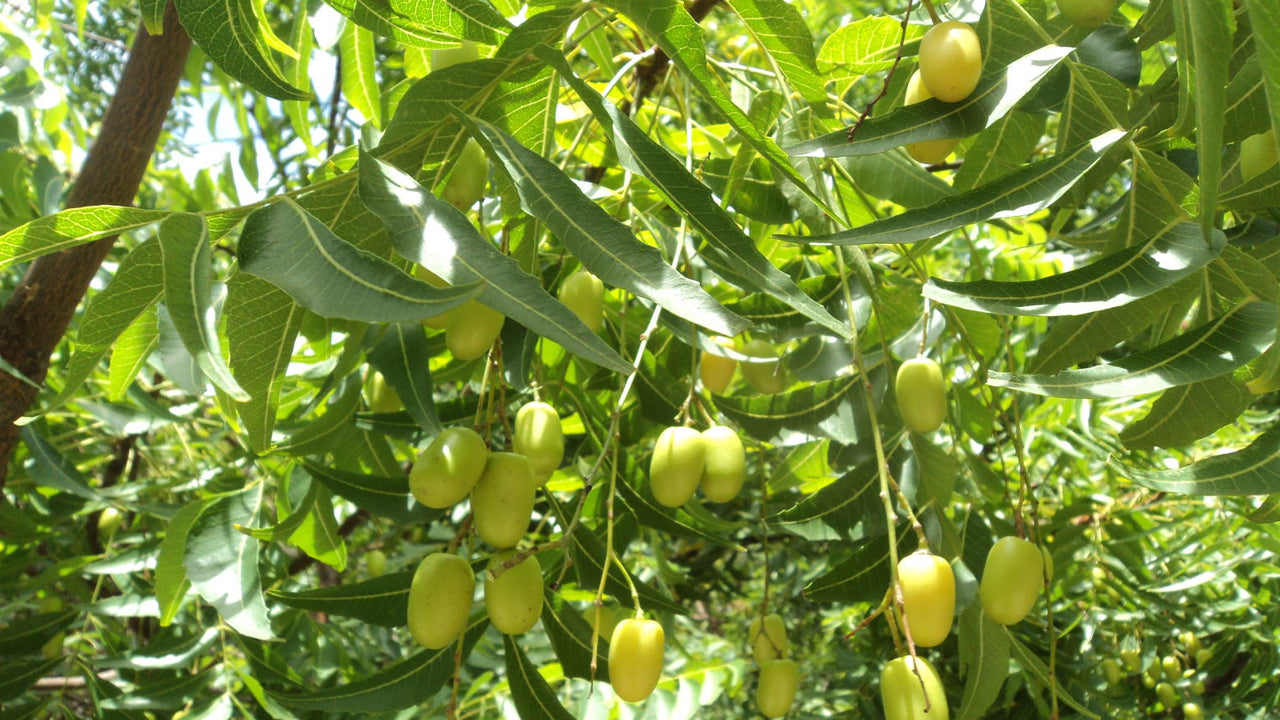
Indian lilac
Azadirachta indica -
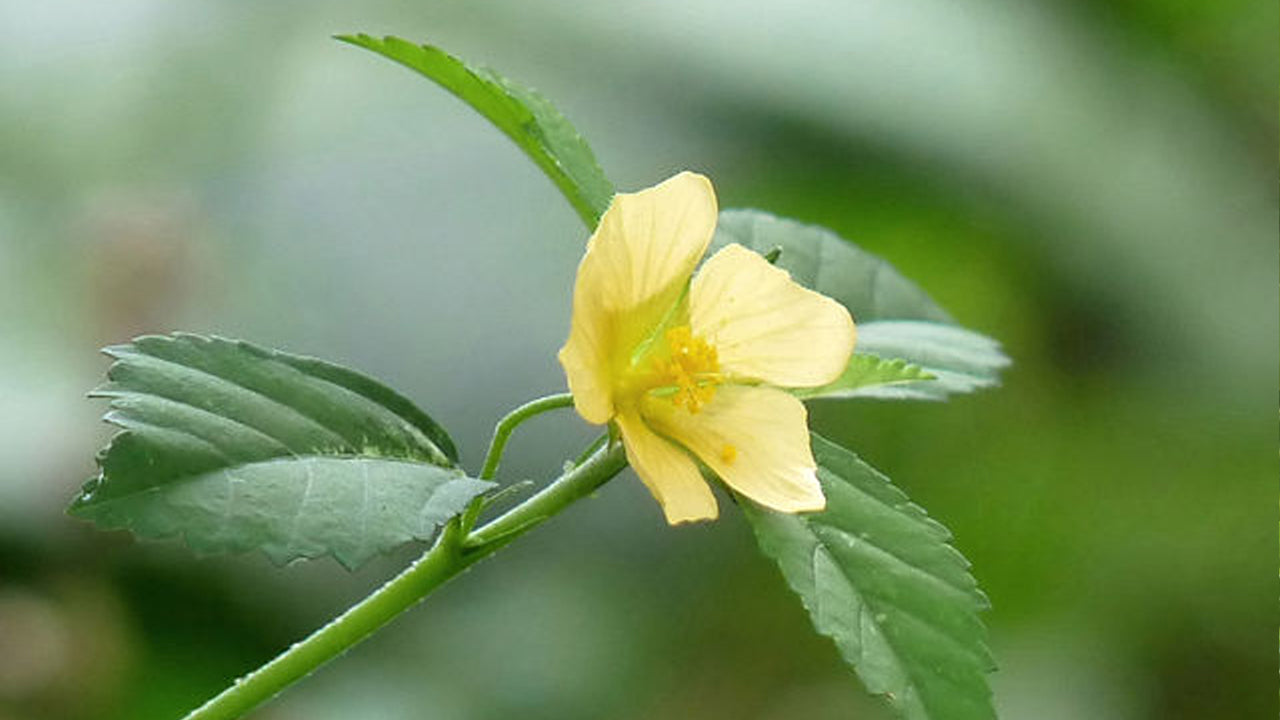
Spiny sida
Sida alba -
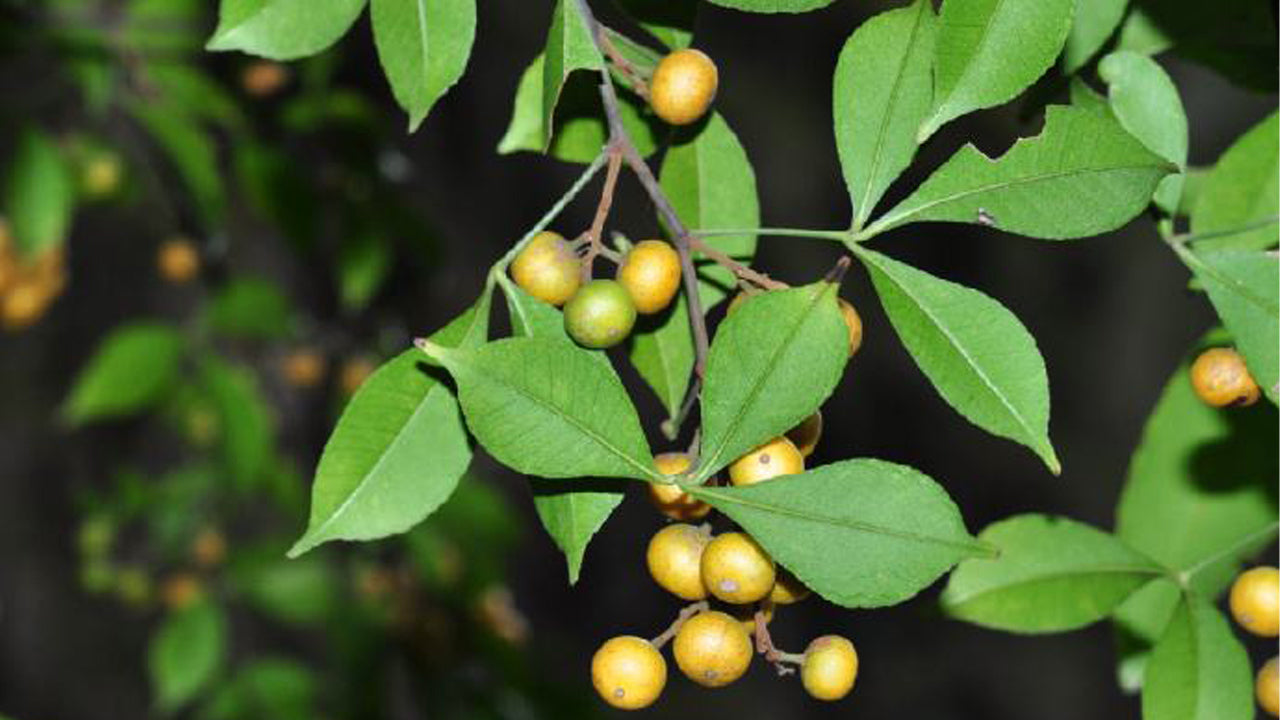
Orange climber
Toddlia asiatica -
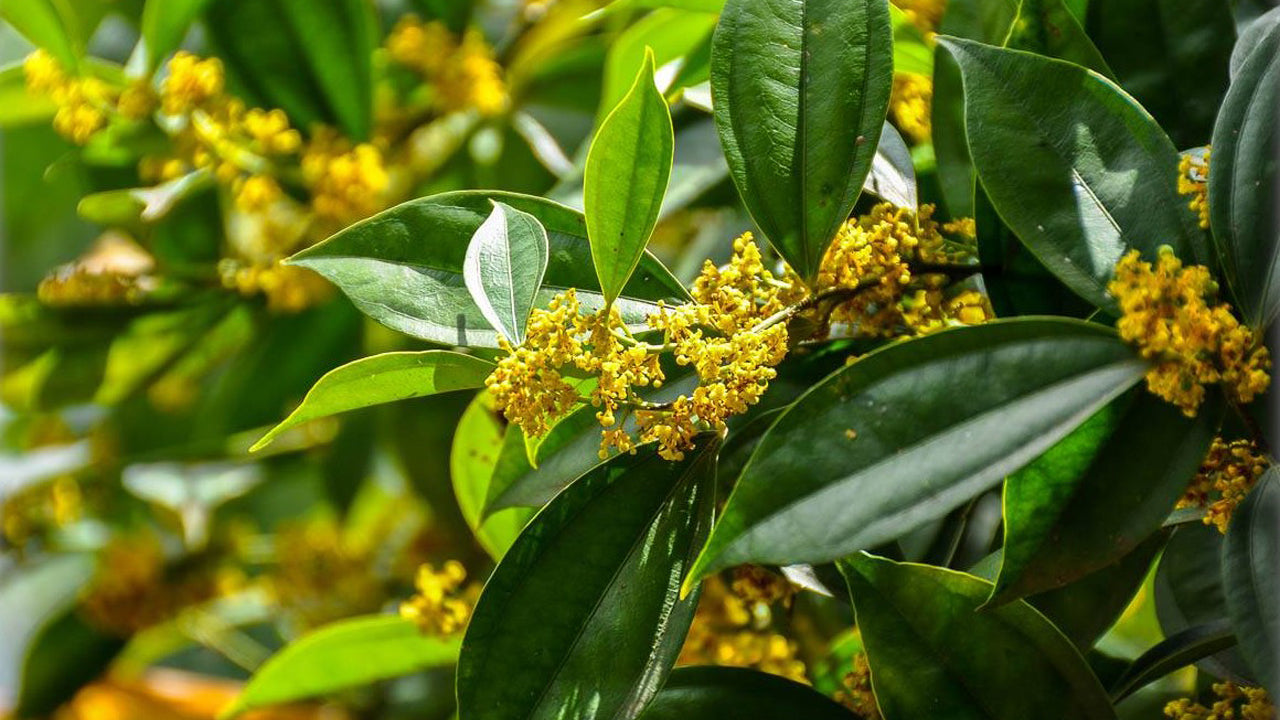
Ceylon cinnamon
Cinnamomum zeylanicum -
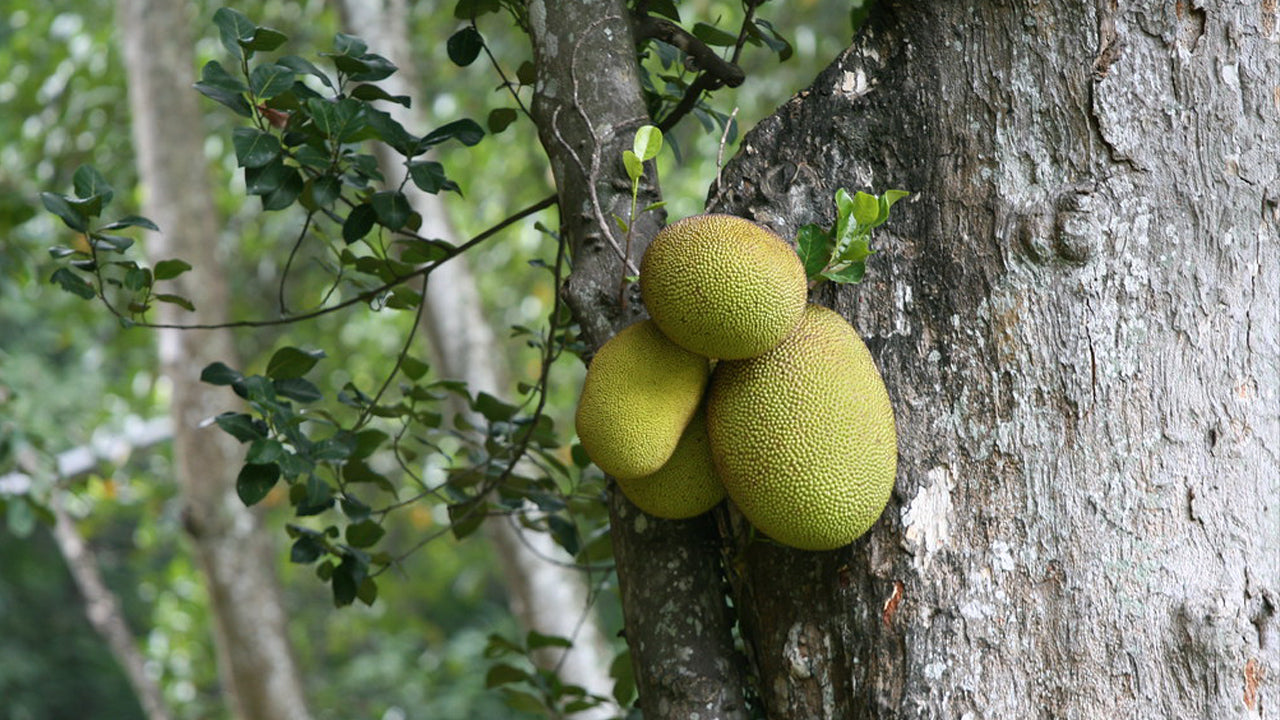
Jackfruit
Artocarpus heterophyllus -
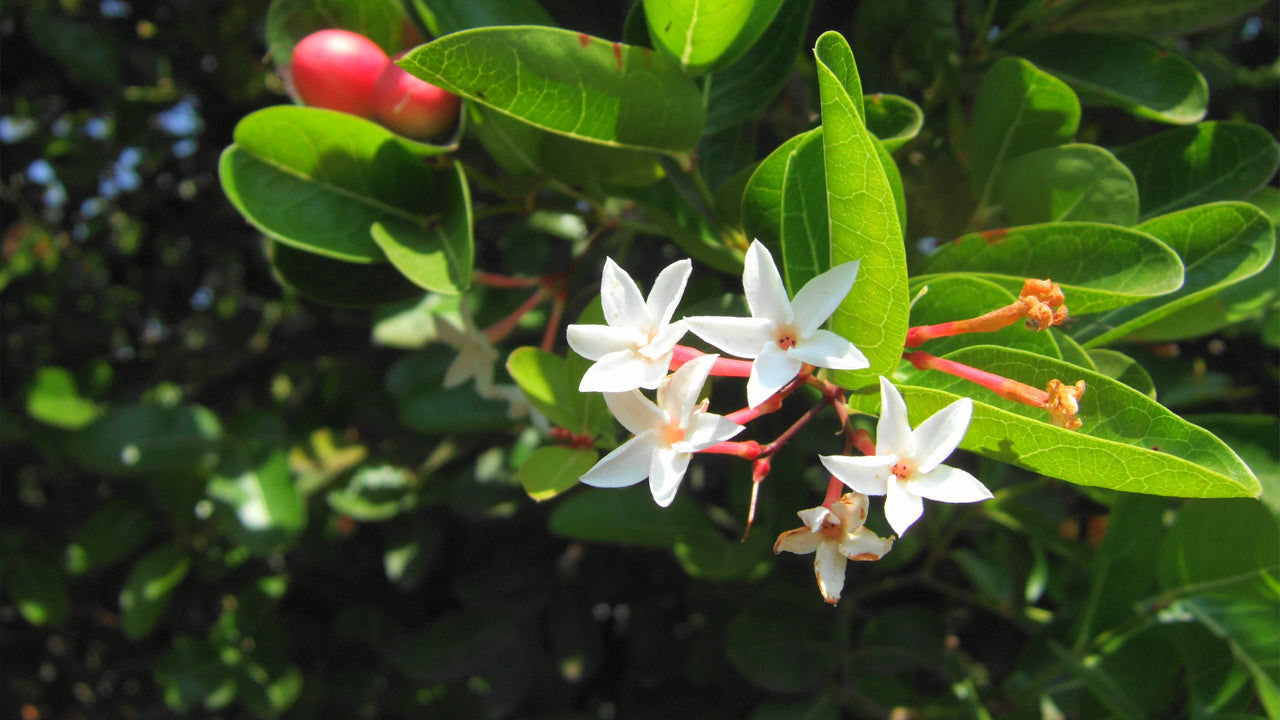
Karonda
Carissa carandas -
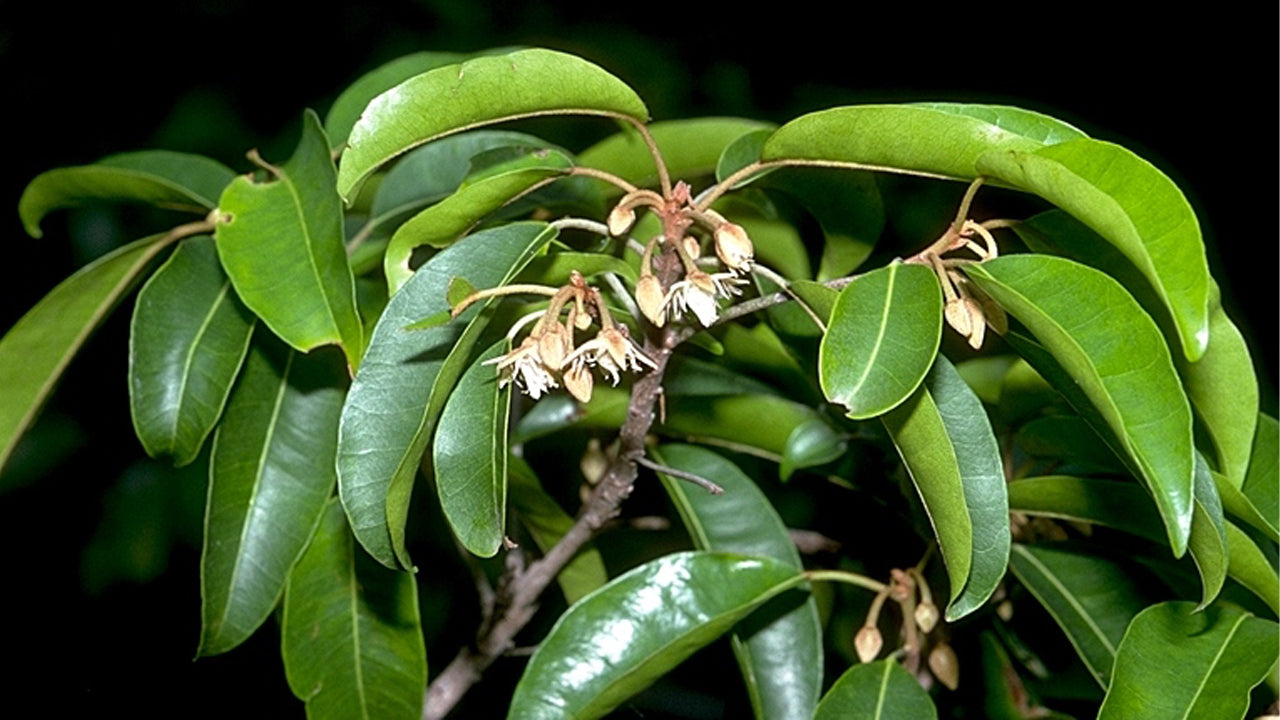
Spanish cherry
Mimusops elengi -
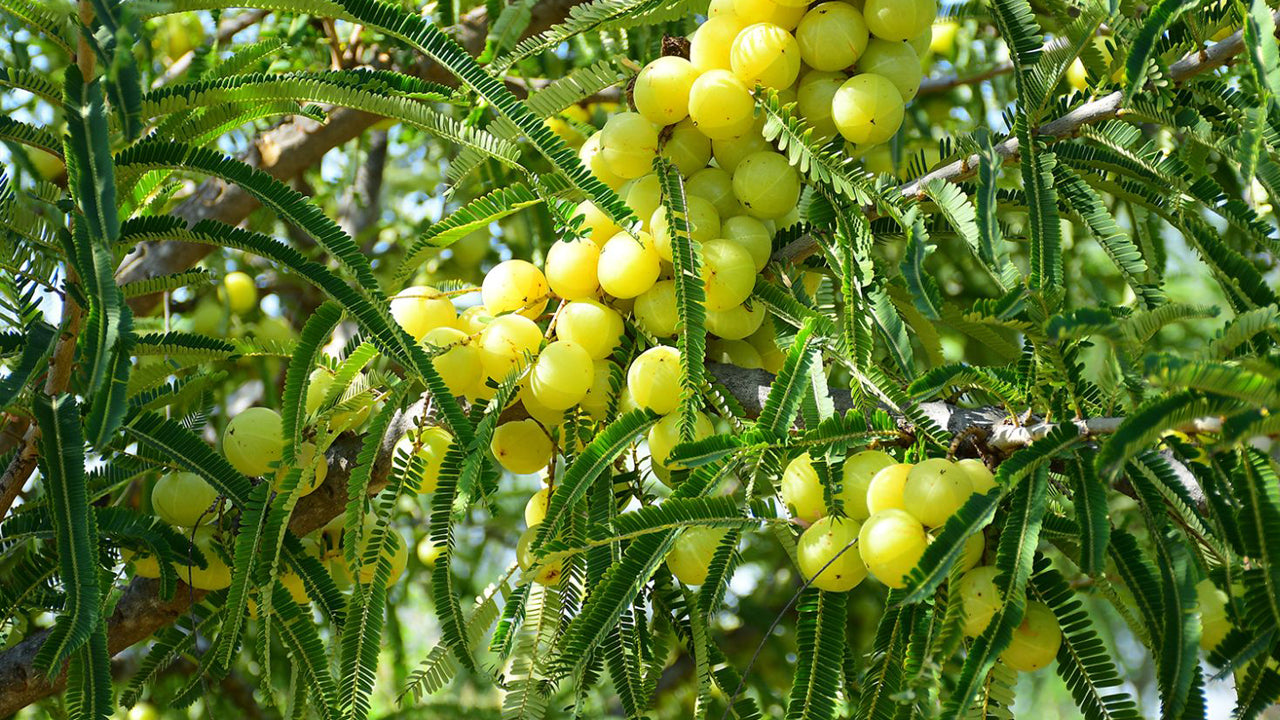
Indian gooseberry
Phyltanthus emblica -
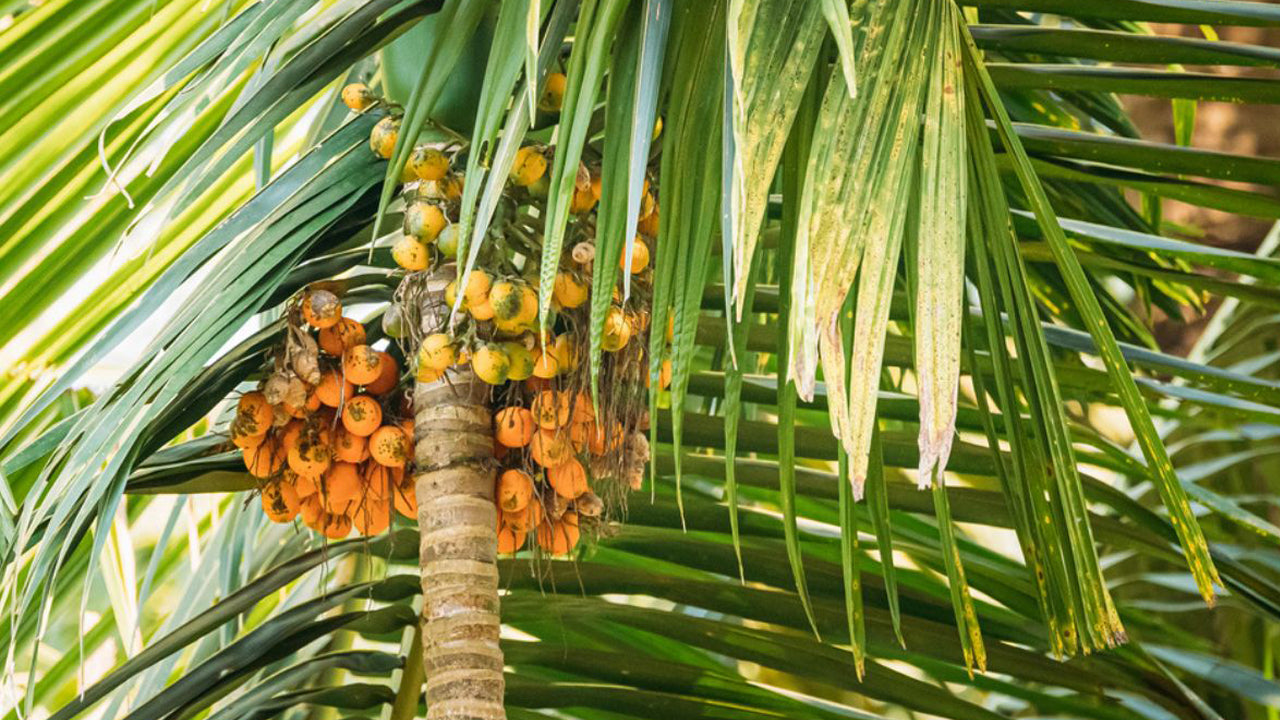
Betel palm
Areca catechu -
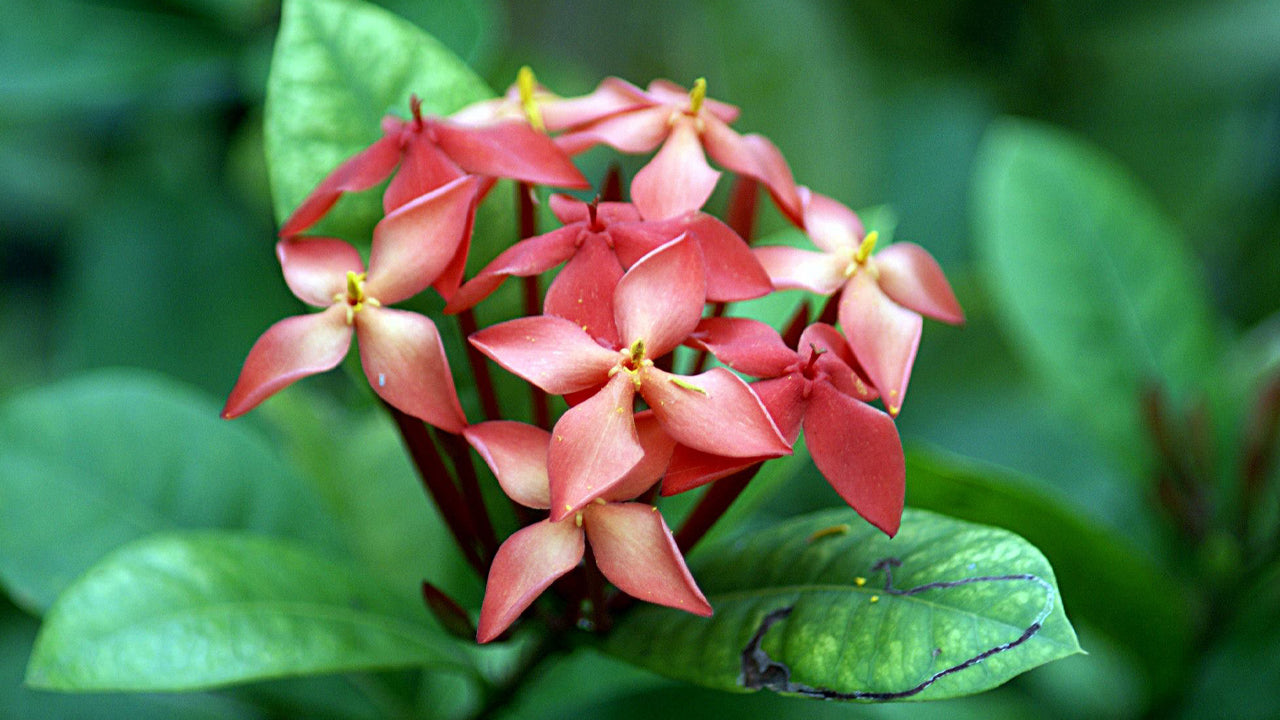
Jungle geranium
Ixora coccinea -
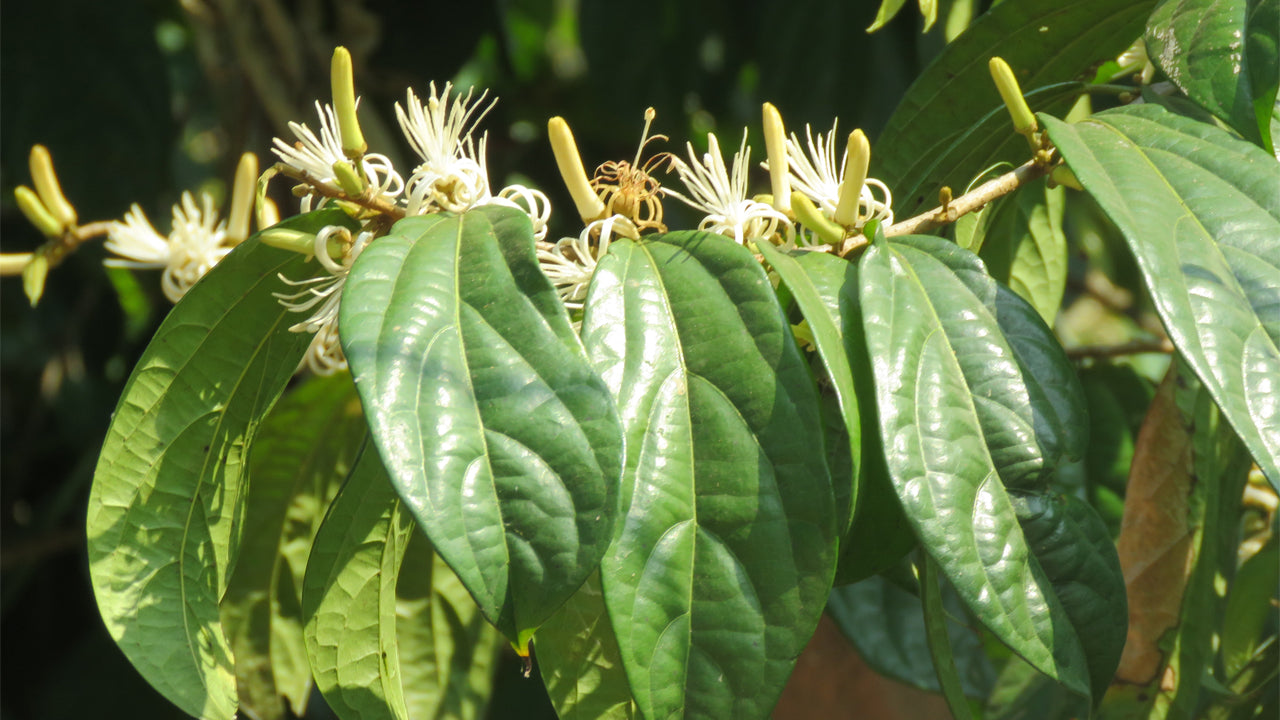
Sage-leaved alangium
Alangium salviifolium -
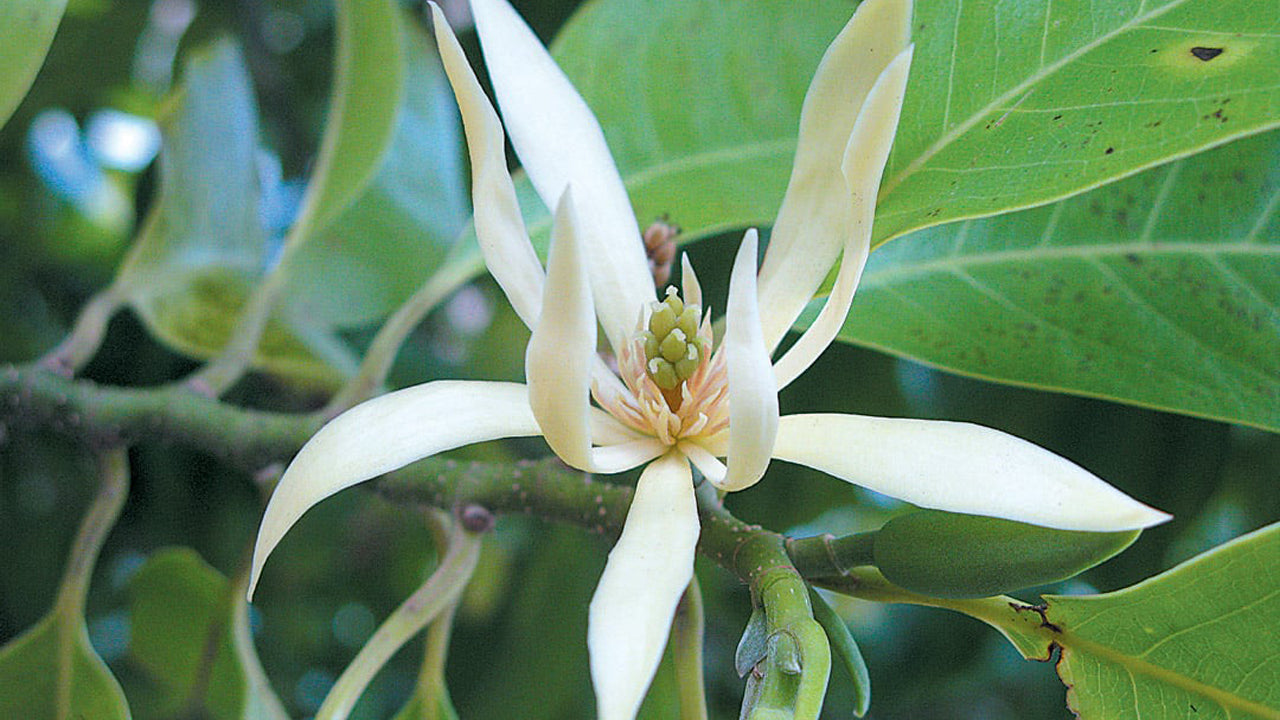
Champak
Michelia champaca -
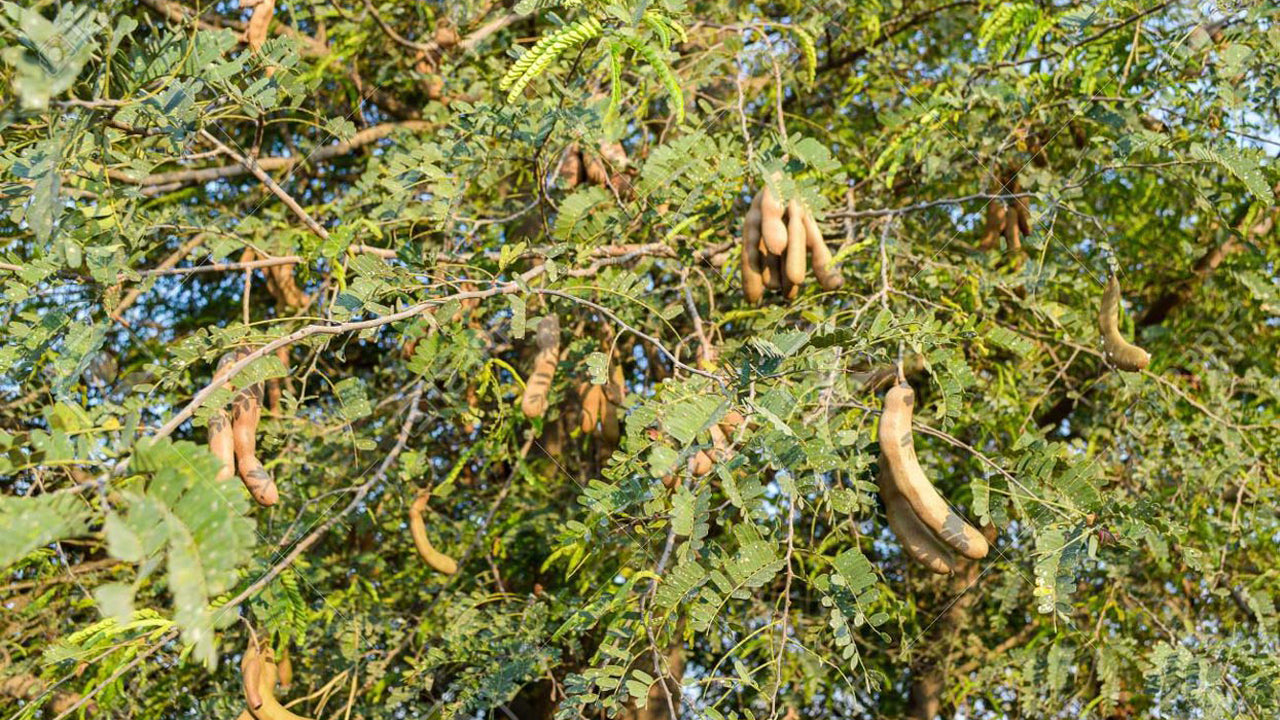
Tamarind
Tamarindus indica -
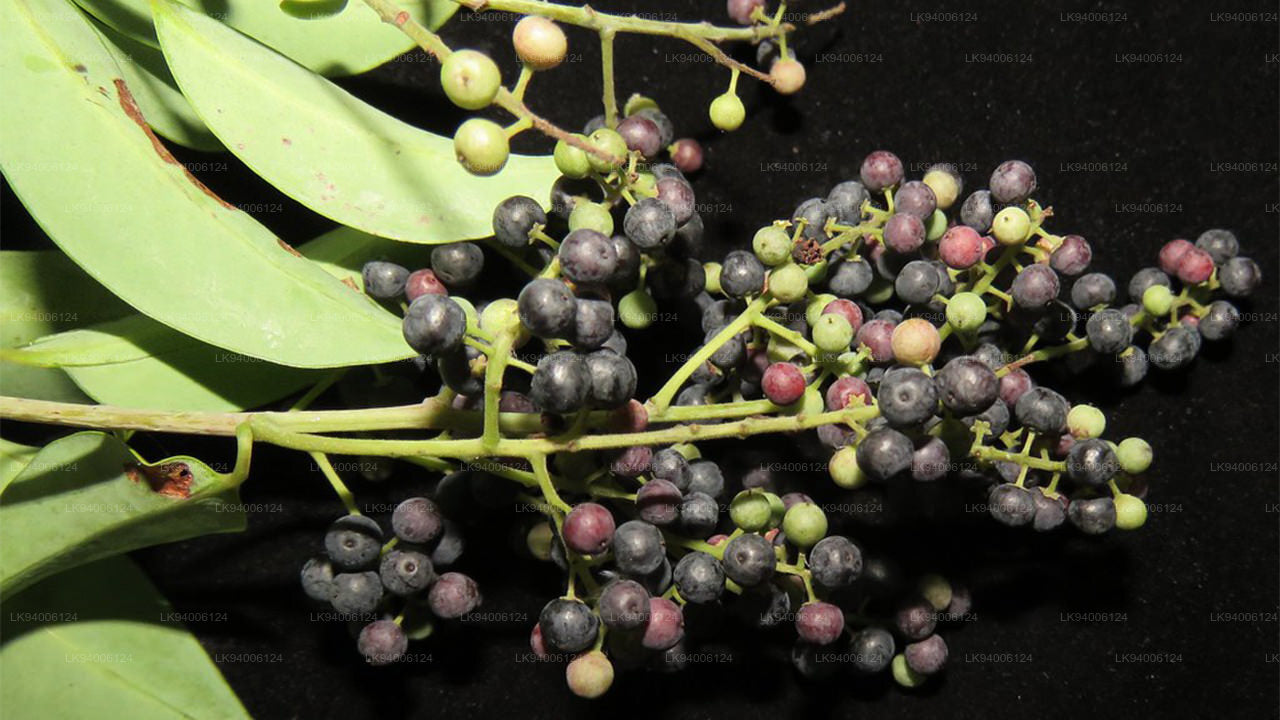
False Black Pepper
Embelia ribes -
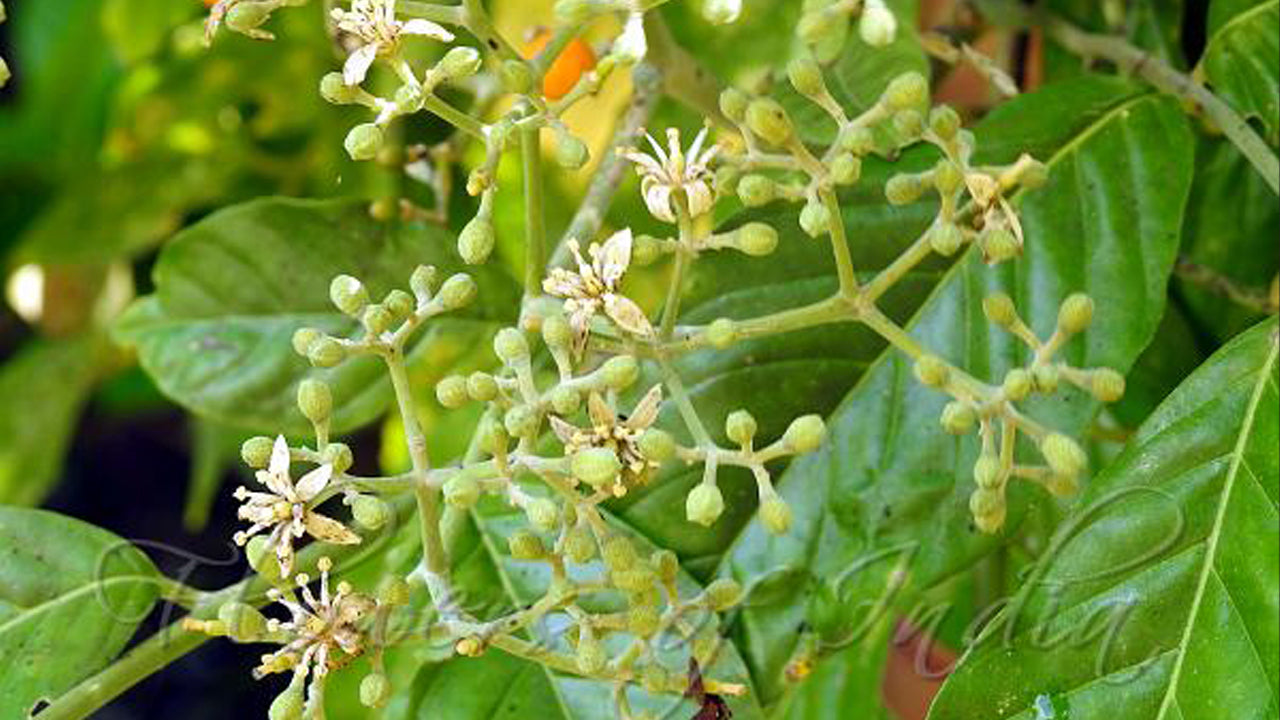
Limeberry
Micromelum ceylanicum -
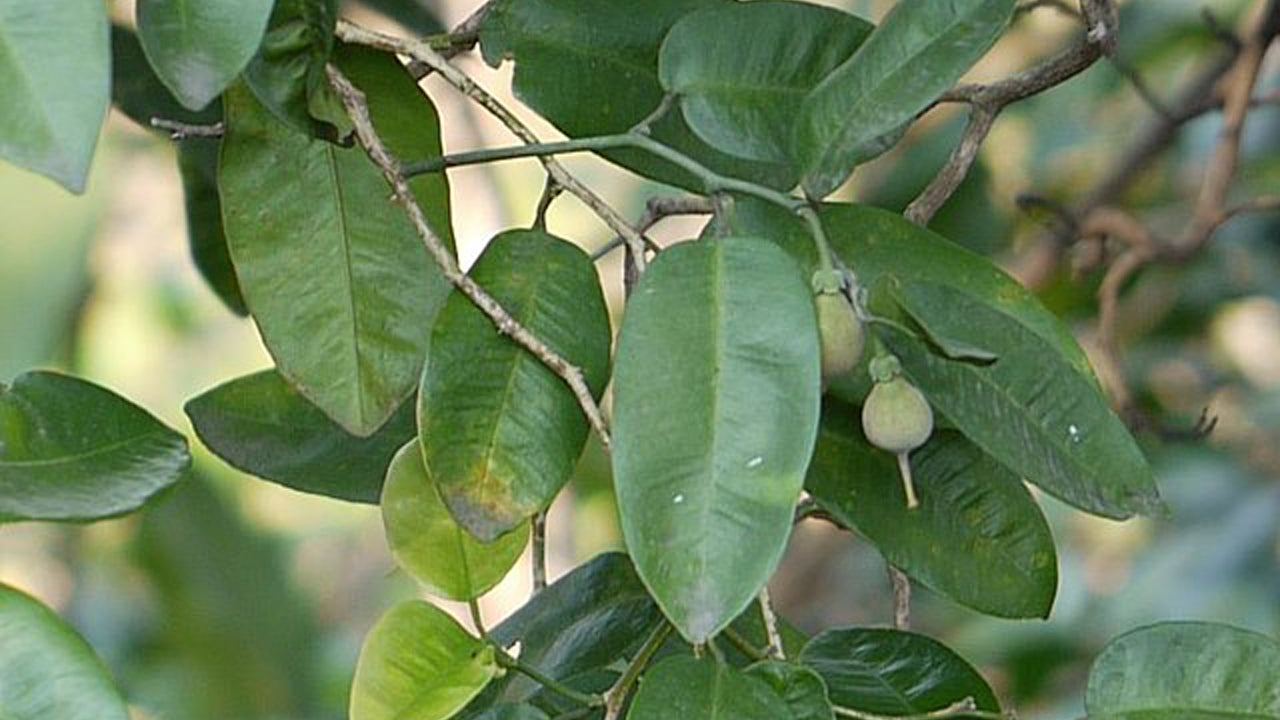
Climbing Atalantia
Paramignya monophylla




Ayurvedic and Herbal
-
Siddhalepa Ayurveda Urtebalsam
Normalpris Fra $0.48 USDNormalpris$0.54 USDUdsalgspris Fra $0.48 USDUdsalg -
Link Swastha Thriphala (30 Tabletter)
Normalpris Fra $1.74 USDNormalpris$1.93 USDUdsalgspris Fra $1.74 USDUdsalg -
Lakpura® Wildcrafted Soursop (Guanabana, Graviola, Guyabano) Dehydrerede blade hele
Normalpris Fra $0.72 USDNormalpris$0.81 USDUdsalgspris Fra $0.72 USDUdsalg -
 Udsalg
Setsuwa Pranajeeva Olie
Normalpris Fra $3.85 USDNormalpris$4.28 USDUdsalgspris Fra $3.85 USDUdsalg