Bridelia retusa is a medium-sized deciduous tree found across dry mixed evergreen forests, scrublands, and degraded lowlands throughout Sri Lanka, India, and mainland Southeast Asia. Known locally as Velan, Kudumaram, or Goraka-kenda, it is a quietly important species — ecologically resilient, medicinally valued, and deeply woven into the traditional knowledge systems of rural communities.
What does Bridelia retusa look like?
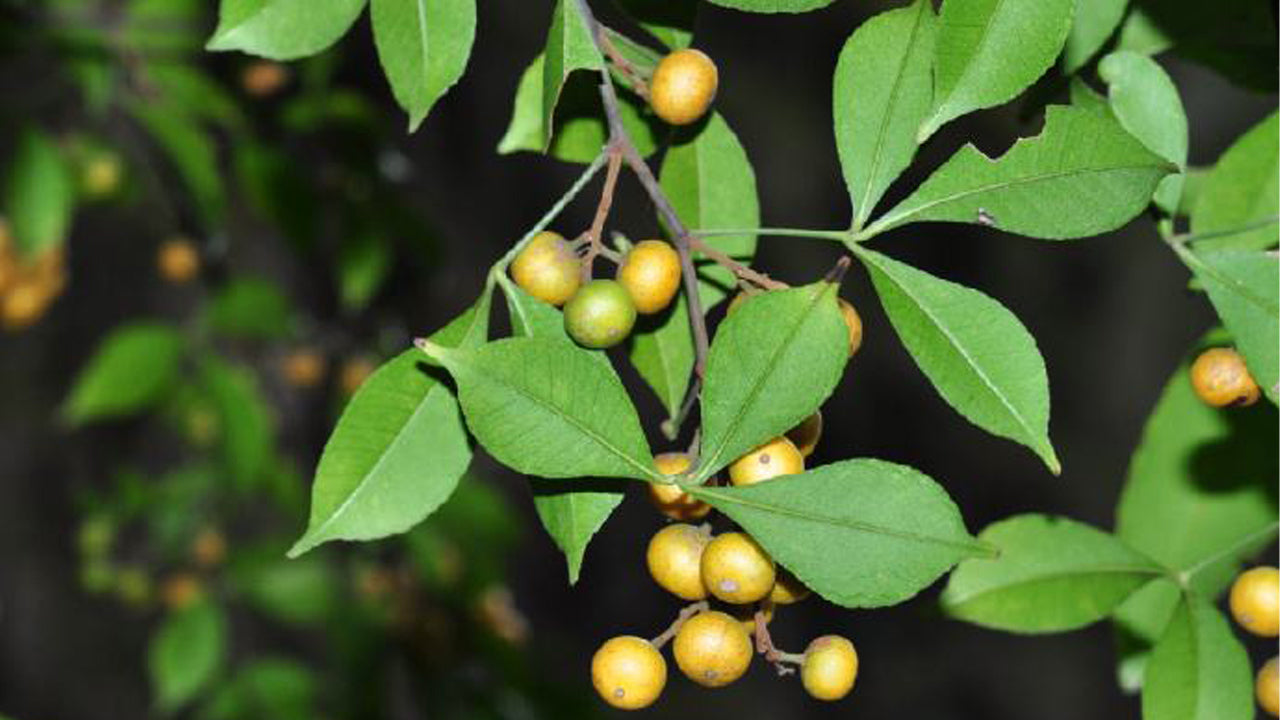
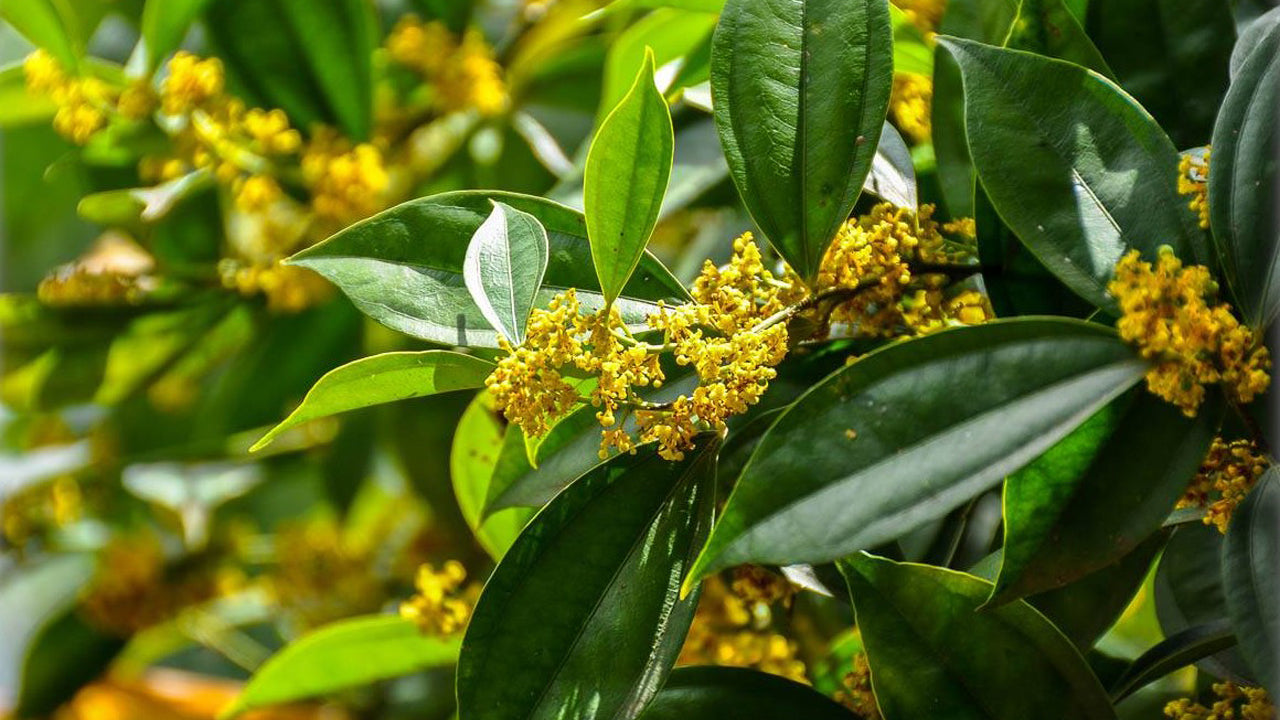
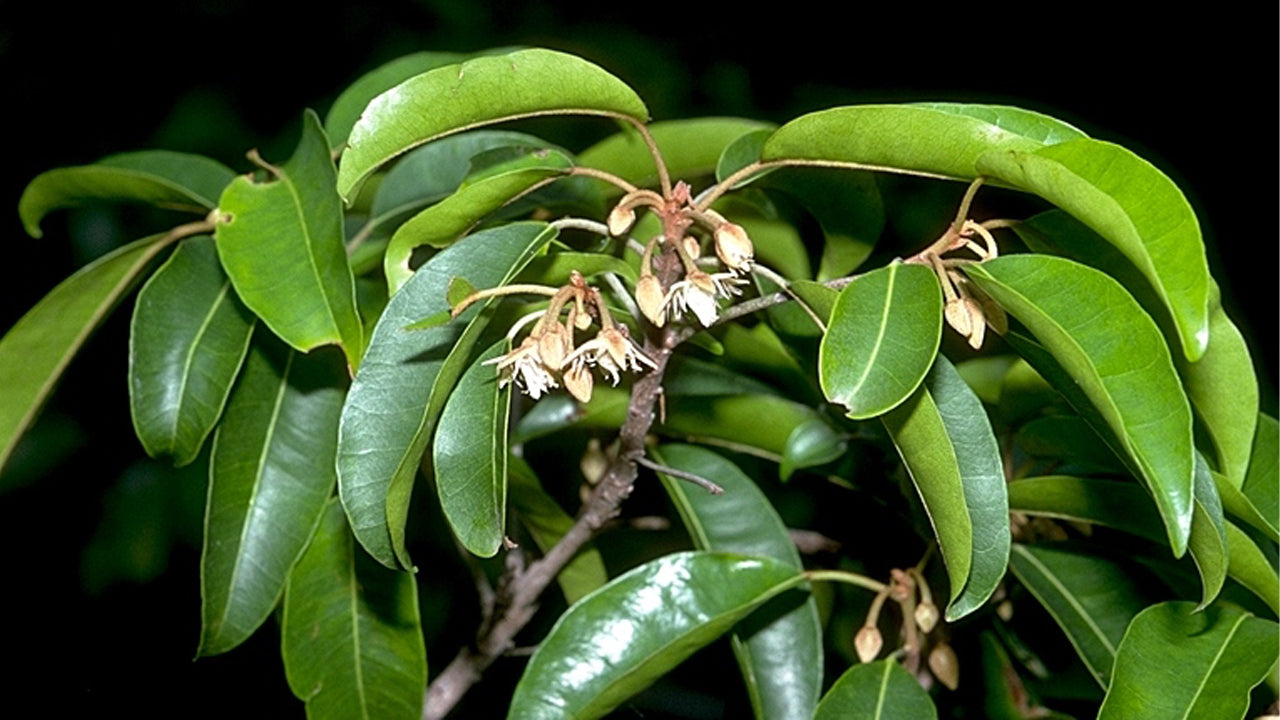
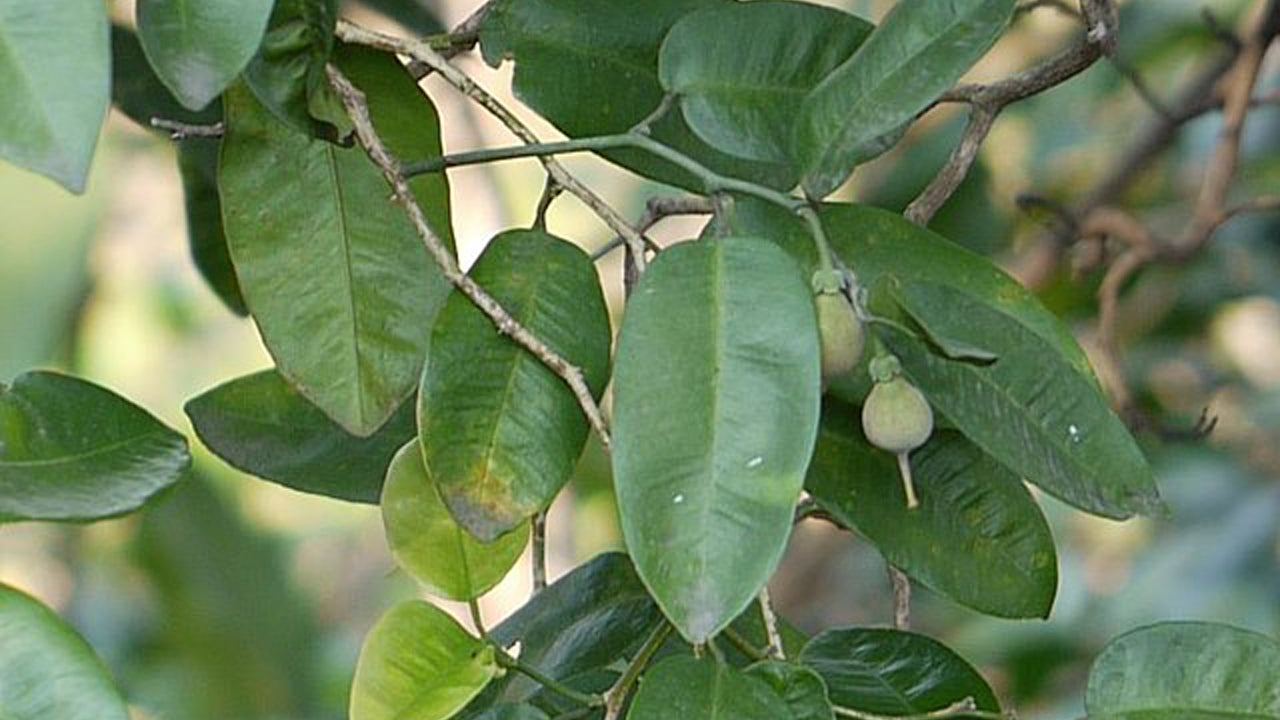
The tree typically reaches a moderate height and develops a broad, dense crown. Its bark is rough and grey, fissured with age in a way that makes older specimens easy to identify even at a distance. The leaves are oval, leathery, and arranged alternately along slender branches — a canopy structure that provides reliable shade in otherwise exposed dry-zone terrain.
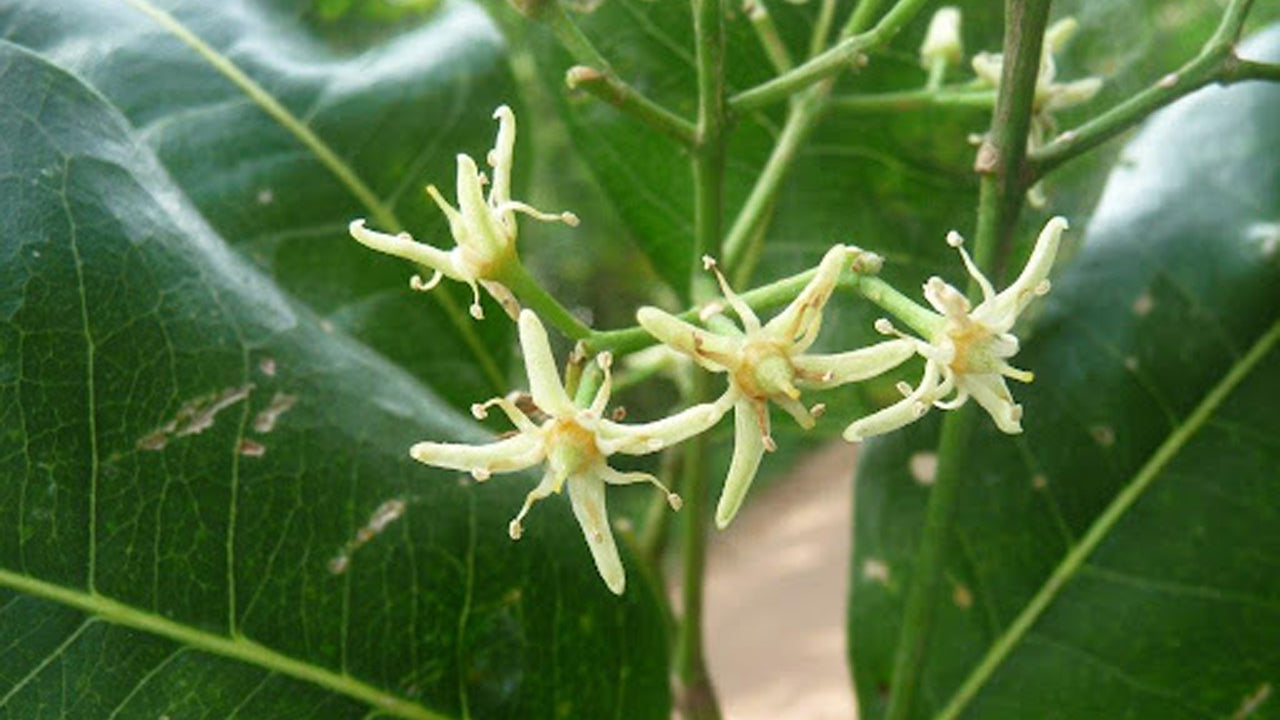
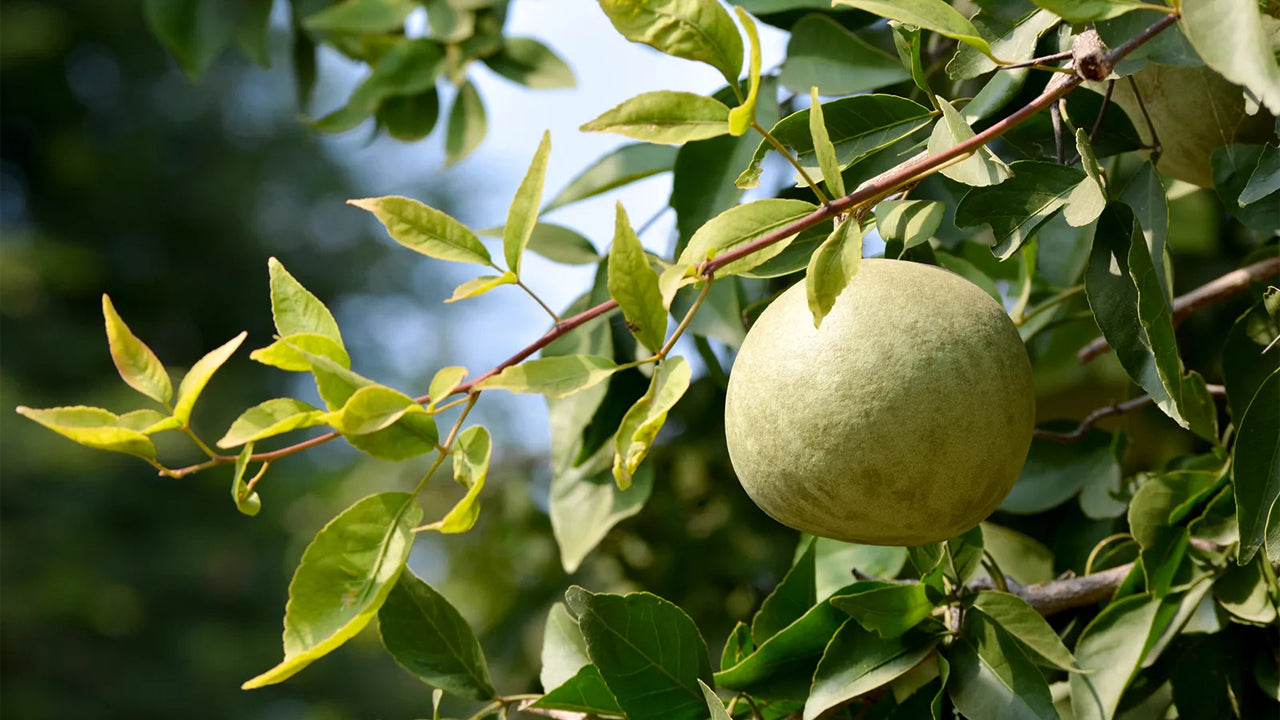
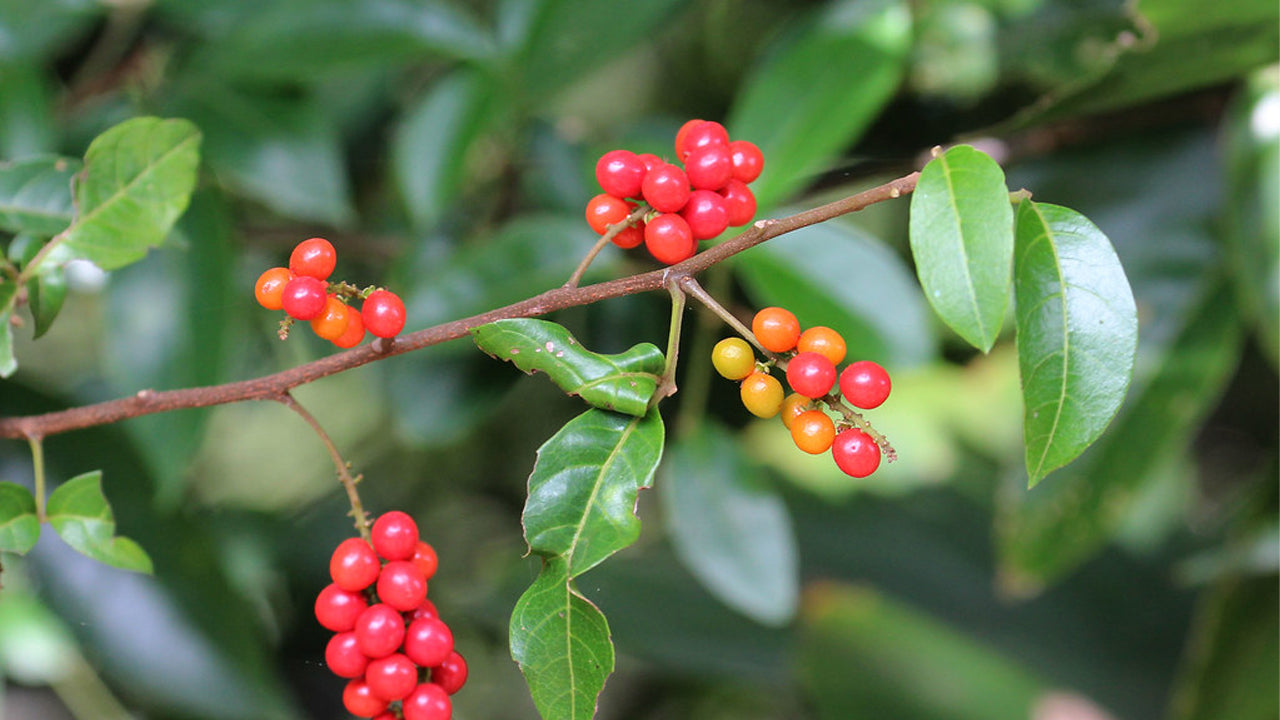
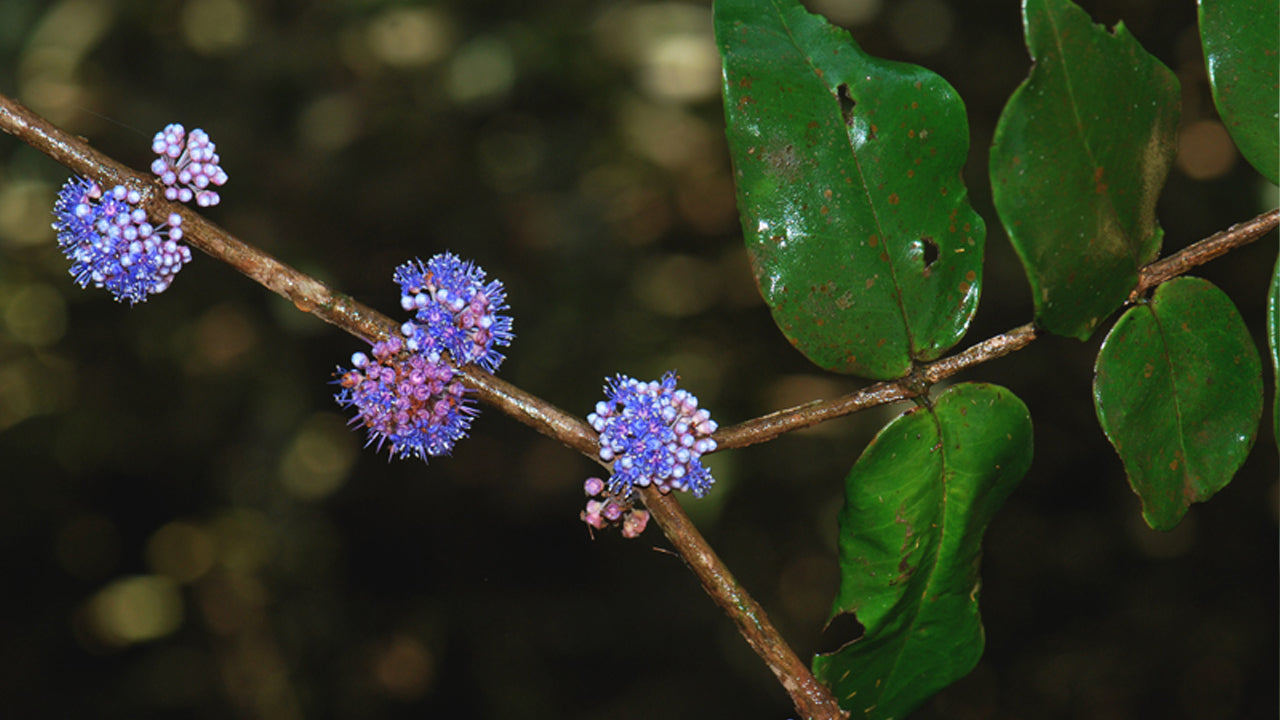
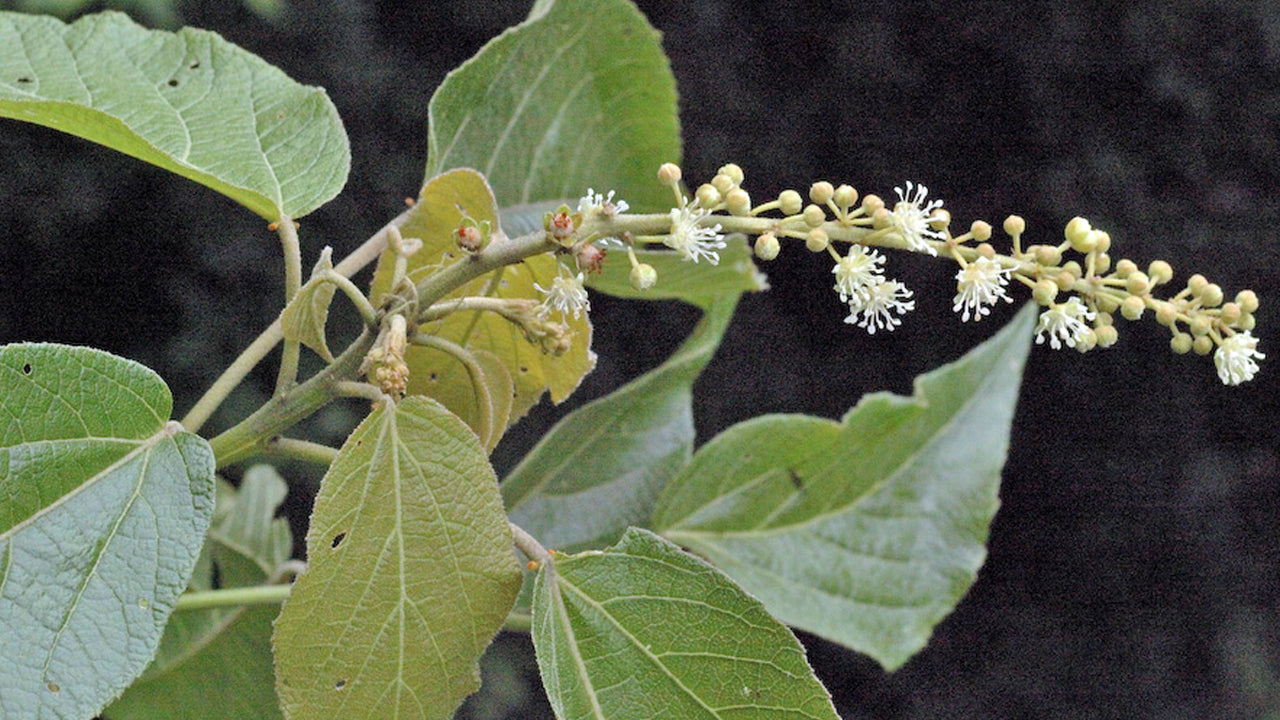
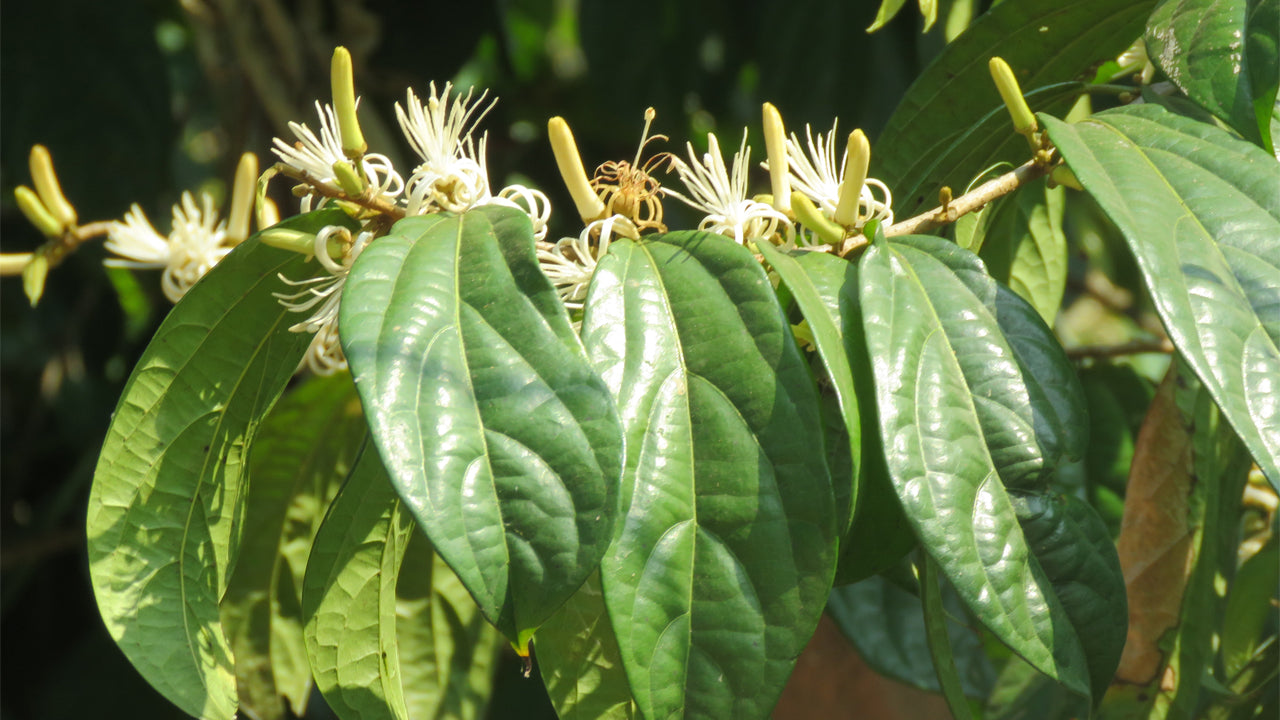
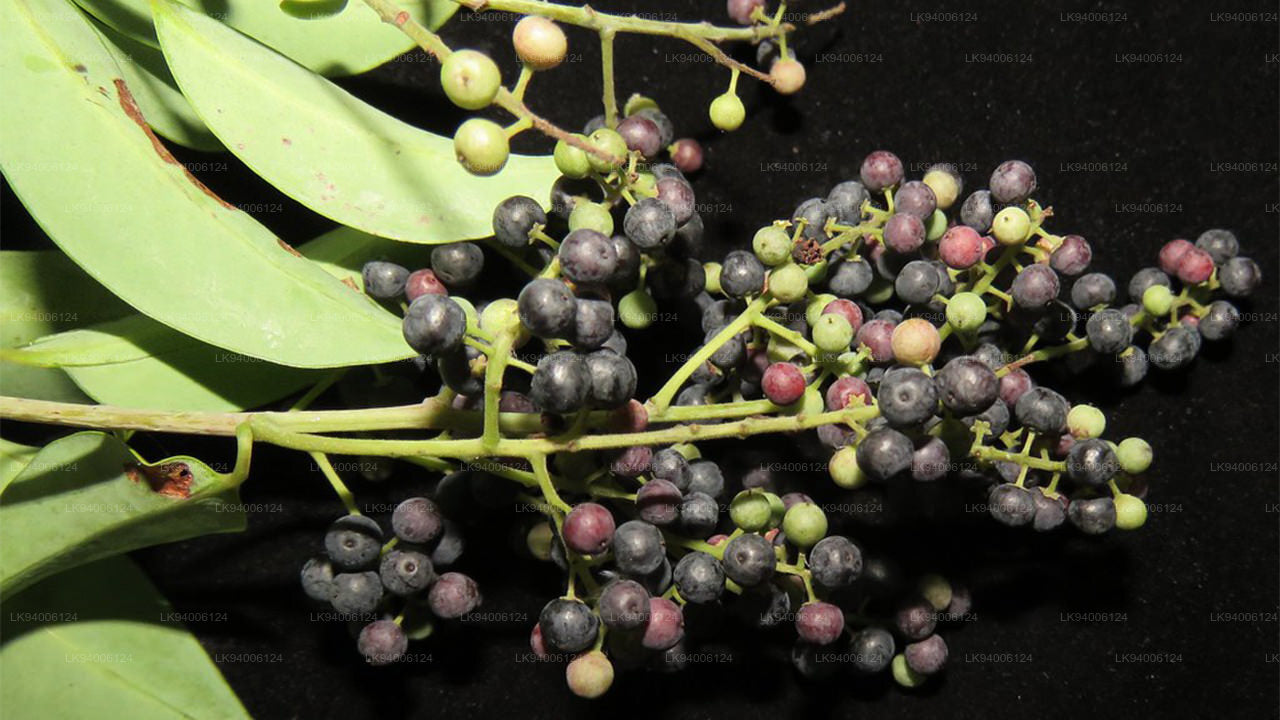
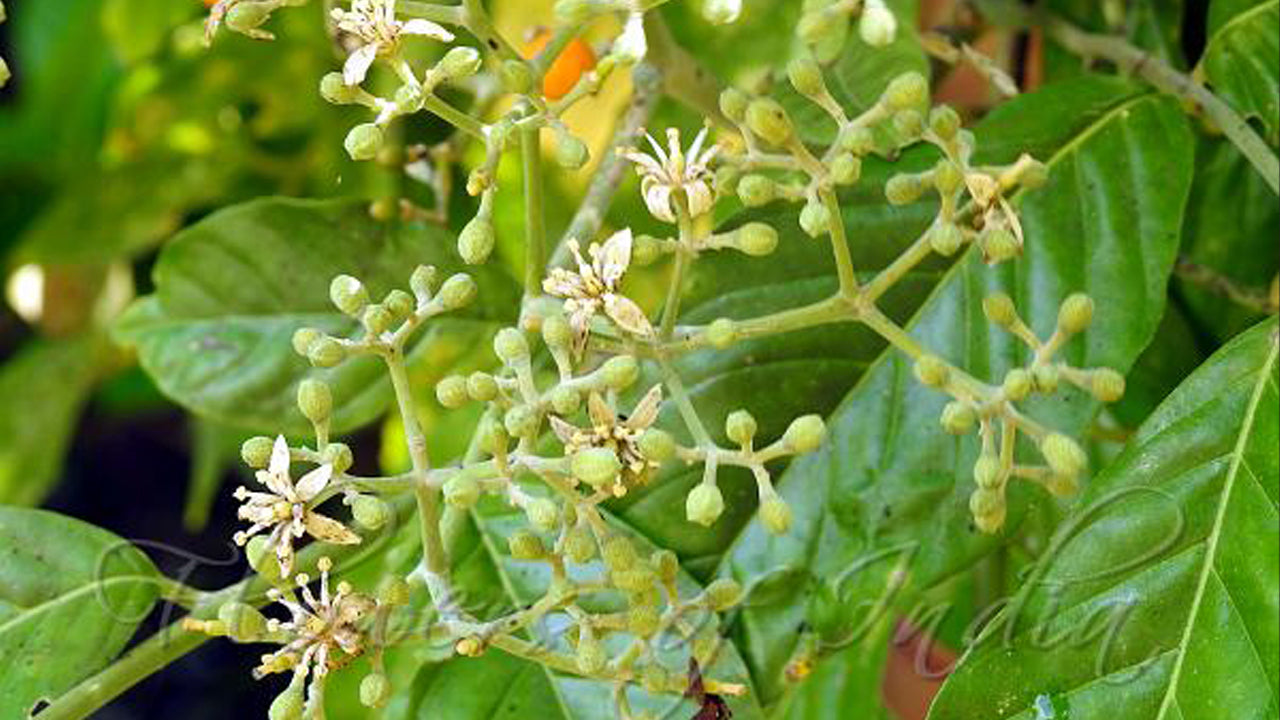
Flowering produces small greenish-yellow blooms that are understated by any measure, yet they reliably attract pollinators. The fruits that follow are purplish-black berries, small and fleshy, that serve as a seasonal food source for birds and small mammals. In Sri Lanka's dry-zone habitats — including forests around areas like Wilpattu National Park — the tree contributes meaningfully to local food webs.
Where does Bridelia retusa grow in Sri Lanka?
Bridelia retusa is predominantly a dry-zone species. It favours well-drained sandy or rocky soils and tolerates seasonal drought, which makes it well-suited to Sri Lanka's North Central, North Western, and Eastern provinces. It is found in secondary scrub forests, along forest margins, and in mixed dry evergreen formations that characterise much of the island's interior lowlands.
The species is also noted in transitional zones where dry and intermediate climates meet. Its adaptability to degraded land has made it a practical choice for community-level reforestation and soil-stabilisation projects across the dry belt.
What are the traditional and Ayurvedic uses of Bridelia retusa?
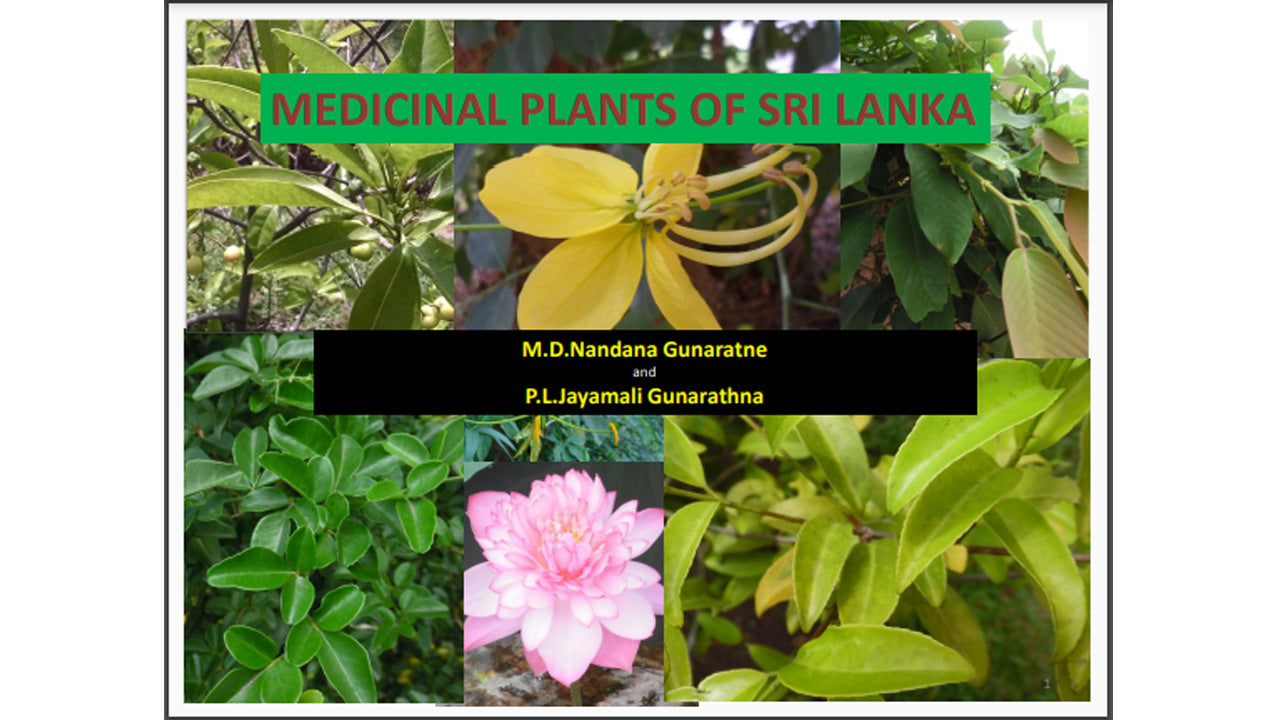
In Sri Lanka and across South Asia, Bridelia retusa has a documented presence in Ayurvedic and folk medicine. The bark, leaves, and roots are each attributed with distinct therapeutic properties:
- Bark: Rich in tannins and widely used for its astringent and anti-inflammatory effects. Decoctions are prepared to address diarrhea, digestive disturbances, and certain skin conditions.
- Leaves: Applied in traditional practice for their antimicrobial properties, sometimes used as a topical preparation for skin infections or minor wounds.
- Roots: Used in folk preparations targeting joint pain and inflammatory conditions, though these applications vary by region and practitioner tradition.
Bridelia retusa is formally catalogued among the Ayurvedic medicinal plants of Sri Lanka, placing it within an established pharmacopoeia that the country's indigenous medical system, Deshiya Chikitsa, continues to draw upon. Other dry-zone species catalogued alongside it include Acacia chundra, another tree valued for its bark tannins and therapeutic applications.
How is Bridelia retusa used in traditional crafts and industry?
Beyond medicine, the tree has practical industrial uses rooted in its high tannin content. The bark has been used in local tanning processes — treating animal hides to produce leather — and as a source of natural dye in cottage-level textile work. These applications are traditional rather than large-scale commercial, but they illustrate how rural communities have historically extracted value from a single species across multiple domains.
The wood itself, though not prized as fine timber, is dense enough for practical applications. Rural communities have long used it for fencing posts, handles for agricultural tools, and minor structural purposes in farm buildings. Its durability under dry conditions makes it a sensible choice where more commercially valuable timber is unavailable or unaffordable.
What is the ecological role of Bridelia retusa?
In dry-zone ecosystems, Bridelia retusa functions as a keystone plant in the middle canopy layer. Its berries sustain frugivorous birds and small mammals during dry periods when food sources are scarce. The dense foliage provides nesting cover, and the rough bark supports lichen communities and invertebrates that, in turn, feed insectivorous birds.
The tree's extensive root system is particularly valuable in degraded landscapes. Its roots bind loose soils on slopes and riverbanks, reducing surface erosion during the short but intense monsoon bursts that characterise Sri Lanka's dry zone. This has made it a preferred species in government and NGO-led reforestation programmes targeting eroded scrublands and degraded tank (reservoir) catchments.
How does Bridelia retusa fit into Sri Lanka's broader botanical heritage?
Sri Lanka's plant diversity is disproportionate to its size. The island supports several thousand flowering plant species, with a significant proportion being endemic or of conservation interest. Bridelia retusa is not endemic, but its consistent presence across dry-zone habitats places it among the foundational species of an ecosystem type that covers roughly a third of the island's land area.
Within Ayurvedic scholarship, the tree sits alongside a broad pharmacopoeia of native species. Comparable in some of its applications is Pongamia pinnata, another dry-zone tree whose oil and bark carry their own traditional medicinal and industrial significance. Both species reflect the depth of Sri Lanka's ethnobotanical knowledge — practical relationships between people and plants that predate modern medicine by centuries.
Visitors with an interest in traditional medicine, ethnobotany, or tropical ecology will find Sri Lanka unusually rich in living examples. Rural forest walks, especially in the dry-zone provinces, often bring unexpected encounters with species like Bridelia retusa — unremarkable to the untrained eye, but carrying layers of ecological and cultural meaning.
Is Bridelia retusa under any conservation pressure?
The species is not currently listed as threatened at a global level, and its tolerance for degraded habitats means it holds its own where more sensitive species retreat. That said, the broader dry-zone forests it inhabits face ongoing pressure from agricultural expansion, charcoal production, and encroachment. Maintaining healthy populations of species like Bridelia retusa is implicitly tied to the health of dry-zone forest systems as a whole.
Its role in reforestation efforts is, in this sense, self-reinforcing: a species that benefits from secondary forest recovery also contributes to that recovery, stabilising soil and restoring canopy cover that allows other species to re-establish.