Lakpura
Lakpura®

Aerva lanata (Polpala; පොල්පලා)

Polpala (Aerva lanata), known in Sinhala as පොල්පලා, is one of Sri Lanka's most widely recognised medicinal herbs. A woody, low-growing perennial in the family Amaranthaceae, it grows freely across the island's dry and intermediate zones — in home gardens, along roadsides, and at the edges of cultivated land. Beyond Sri Lanka, the plant is native to a broad range of tropical and subtropical regions across Asia and Africa, and has long held a place in Ayurvedic, Siddha, and folk medicine traditions throughout South Asia.

What is Aerva lanata and where does it grow?

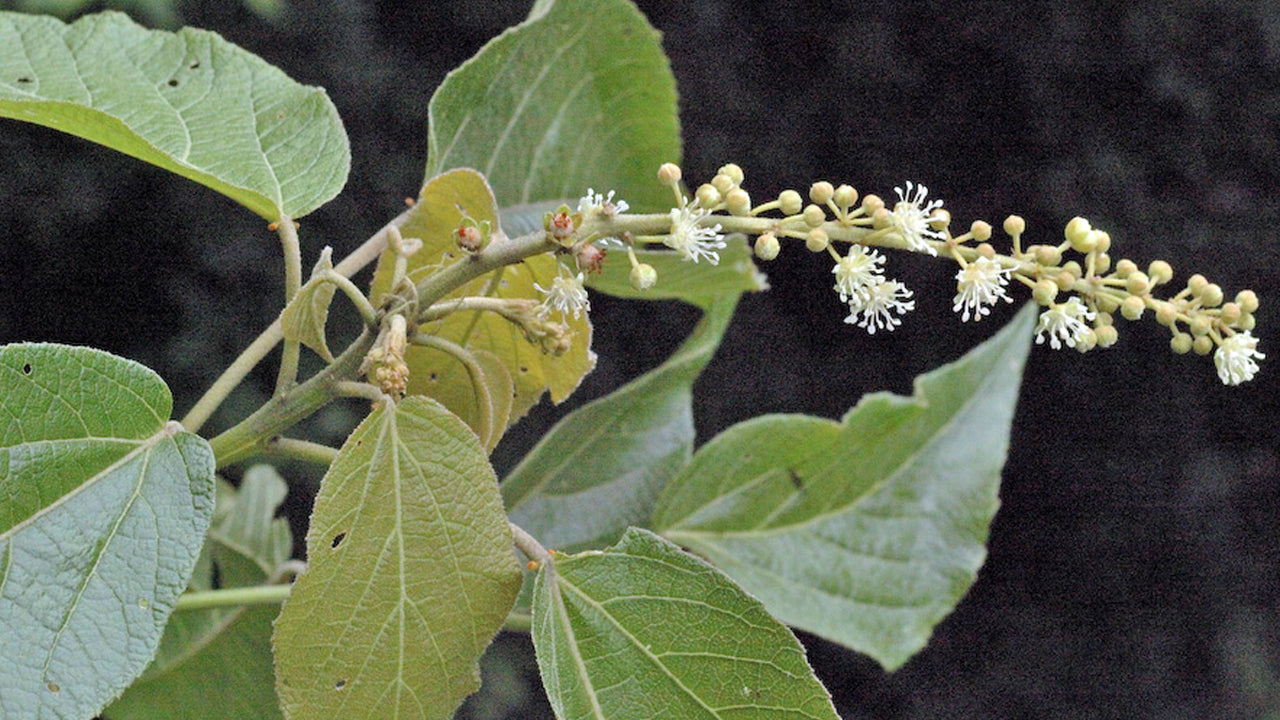
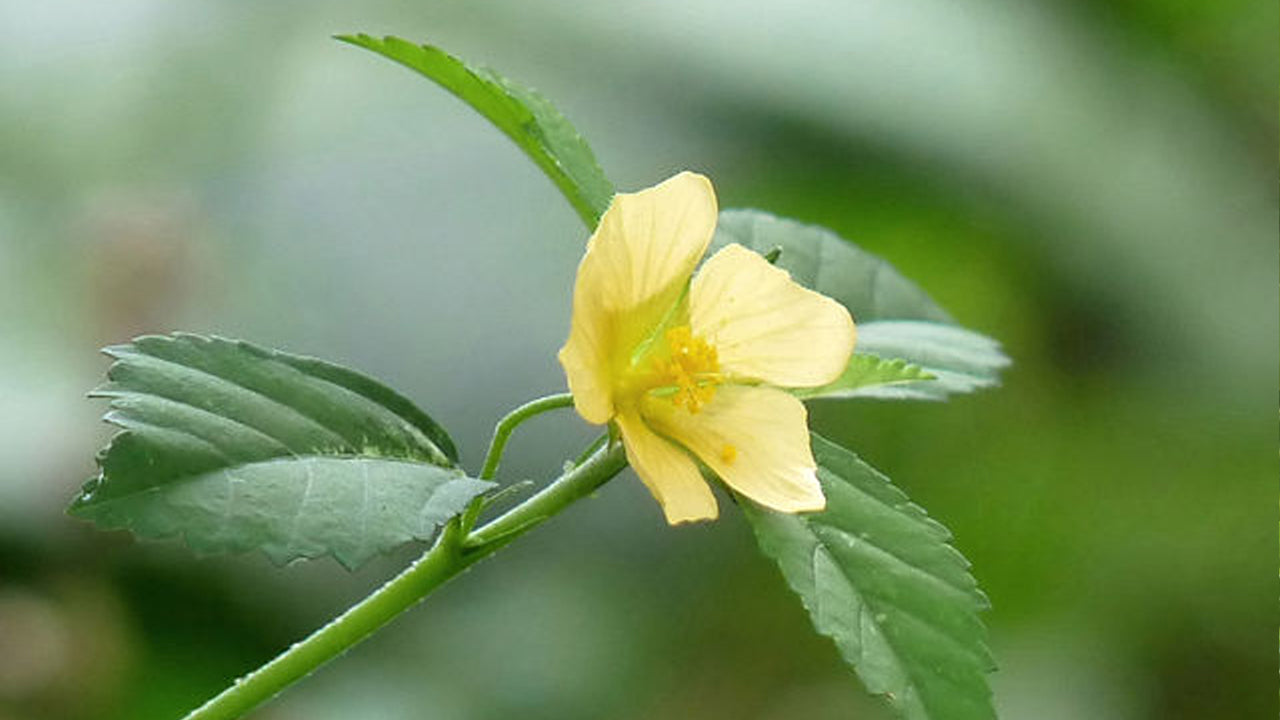
Aerva lanata is a prostrate or semi-erect herb that rarely exceeds 60 cm in height. Its soft, woolly stems carry small ovate leaves and produce tiny, spike-like flowers that dry to a pale, cottony appearance. Commercially, these dried flower spikes are sometimes sold under the names Buikallan or Boor in South Asian spice and herb markets. The root carries a faint camphor-like aroma, which has made it a recognisable ingredient in traditional formulations.
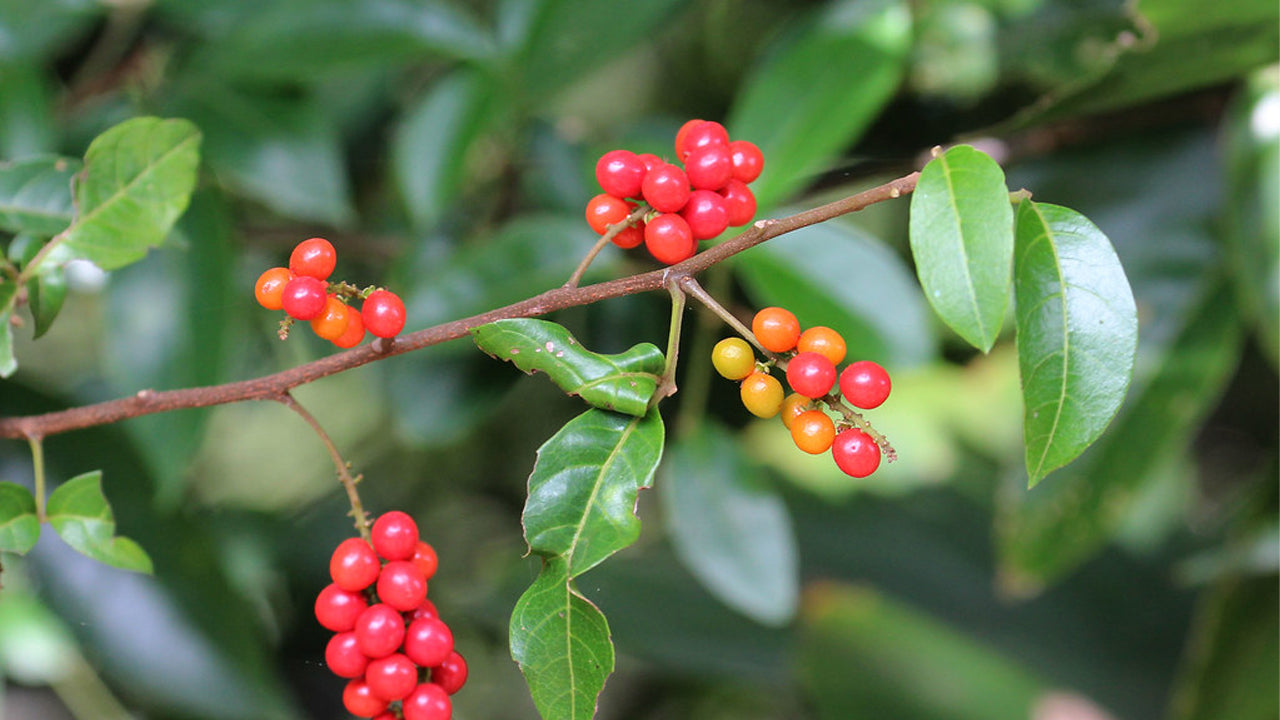
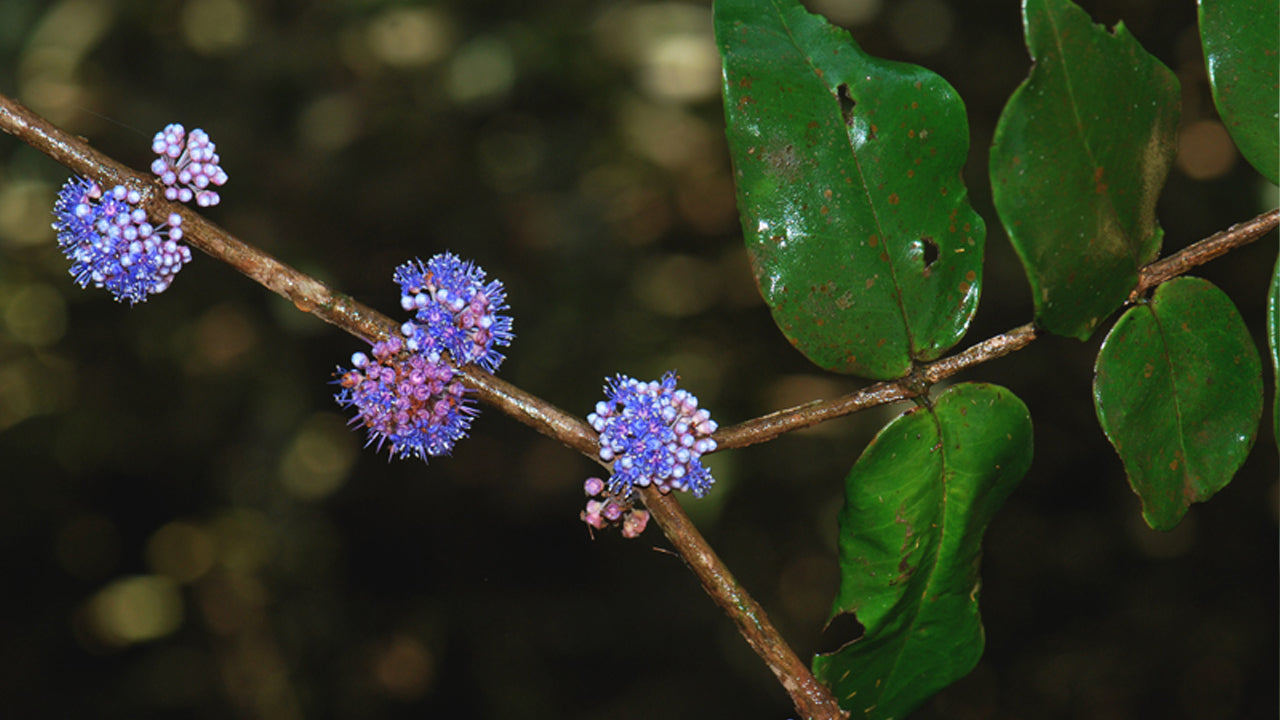
In Kerala, Aerva lanata holds particular cultural significance: it is one of the ten plants collectively known as Dasapushpam — the ten sacred flowers used in rituals and medicinal preparations. In Sri Lanka, Polpala grows abundantly in the wild and is considered a reliable home remedy that many households keep on hand either fresh or dried.

What are the traditional medicinal uses of Polpala?

Polpala has been used in traditional medicine systems for centuries, primarily for conditions affecting the urinary tract and kidneys. Its reputation as a diuretic herb is well established in Ayurvedic practice: preparations made from the whole plant are believed to support kidney filtration and reduce the discomfort associated with urinary tract infections and kidney stones.

  • Urinary tract and kidney support: Polpala tea brewed from the dried plant is one of the most common home remedies for mild urinary complaints across Sri Lanka and South India.
  • Urinary stones: Traditional practitioners have long recommended Polpala-based decoctions as a supportive treatment for those prone to kidney or bladder stones.
  • Antimicrobial properties: Laboratory studies have identified activity against several bacterial strains, including Staphylococcus, Klebsiella, E. coli, and Shigella, lending some scientific context to the plant's traditional use against infections.
  • Antiparasitic uses: In folk medicine, Polpala has been given to children as a remedy for intestinal worms, and has historically been used in communities where parasitic illness was common.
  • Cooling and antihistamine effects: The plant is traditionally regarded as cooling for the body, and early research suggests it may have antihistamine properties, making it relevant for mild allergic reactions.
  • Liver support: Some traditional formulations include Polpala as part of preparations intended to support liver function, though this use is considered supplementary rather than primary.

It is worth noting that while traditional use of Polpala is extensive and some laboratory research is promising, most studies remain at an early stage. Anyone managing a diagnosed medical condition should seek qualified medical advice before relying on herbal preparations as a sole treatment.

How is Polpala used in Sri Lankan cooking and daily life?

Beyond its medicinal role, Polpala has a quiet but genuine place in Sri Lankan culinary tradition. The young plant — harvested before flowering — is incorporated into everyday dishes, making it one of the few medicinal herbs that also appears routinely on the family table.

  • Sambol: Immature Polpala leaves are finely chopped and combined with red onion, lime, dried fish, and coconut to make a sharp, fresh accompaniment to rice.
  • Stir-fry (malluma): Chopped leaves are lightly wilted with onion, dried Maldive fish, and grated coconut — a preparation similar to the kola malluma found across Sri Lankan cuisine.
  • Porridge (kola kanda): Polpala leaf juice blended with rice and coconut milk forms a mildly flavoured porridge that is a popular breakfast choice, especially for those seeking a nutritional morning routine.
  • Herbal drink: The most straightforward preparation is a simple tea or decoction: the whole dried or fresh plant — stems, leaves, and flower spikes — is simmered in water and strained. It is mildly bitter, earthy, and cooling to drink.
  • Infant nutrition: Polpala leaves are occasionally introduced into soft solid foods for young infants, typically combined with red rice and milk, as a source of micronutrients.

What does modern research say about Aerva lanata?

Scientific interest in Aerva lanata has grown steadily over recent decades. Researchers have identified a diverse range of phytochemicals in the plant, including flavonoids, saponins, alkaloids, and tannins, which may account for its varied biological activity. Documented areas of research include its antimicrobial, anti-inflammatory, diuretic, hepatoprotective, and immunomodulatory effects.

Studies have shown that extracts of the plant can inhibit the growth of several pathogenic bacteria and fungi in controlled settings. Research into its potential role in blood sugar regulation and cardiovascular health is ongoing, though findings to date are largely preliminary. The breadth of the plant's biochemical profile has made it a subject of sustained interest in pharmacological research institutions across South Asia and beyond.

How can I buy Polpala (Aerva lanata) in Sri Lanka or online?

Dried Polpala is widely available in Sri Lanka at herb shops, Ayurvedic pharmacies, and local markets. It is typically sold as loose dried herb, in tea bags, or in boxed preparations. Quality varies between suppliers — wildcrafted and organically sourced material is generally preferred for both culinary and medicinal use, as it is less likely to carry pesticide residues.

For those outside Sri Lanka or seeking a reliable, traceable source, several Sri Lankan producers offer certified or quality-controlled Polpala products. Dehydrated whole-plant preparations and purpose-blended Polpala teas are the formats most suitable for home use.

Are there any cautions or side effects to be aware of?

Polpala is generally regarded as safe when consumed in moderate culinary quantities or as a short-term herbal tea. However, due to its diuretic activity, excessive or prolonged intake without adequate hydration is not advisable. Pregnant women and people with diagnosed kidney disease or those taking prescription diuretics should consult a healthcare provider before regular use. As with all herbal preparations, sourcing from a reputable supplier helps ensure the herb is correctly identified and free from adulterants.

Book this experience with Lakpura

Curated by our local team. Direct booking, instant confirmation.

Ask Lakpura® Agent