For more than three centuries, the Kingdom of Kandy held out against successive waves of European colonial power — Portuguese, Dutch, and finally British. Tucked into Sri Lanka's mountainous interior, it was the island's last independent monarchy, and its story is one of strategic geography, diplomatic cunning, and remarkable resilience. Understanding that history transforms a visit to modern Kandy from a pleasant hill-country detour into something far more layered.
How did the Kingdom of Kandy come to exist?
The city of Senkadagalapura — the Kandyan capital's original name — may have been established as early as the mid-14th century, during the reign of Vikramabahu III of Gampola (r. 1357–1374). At that point, central Sri Lanka was a peripheral domain of the Kingdom of Kotte, the dominant lowland power. As Kotte weakened under Portuguese pressure in the early 16th century, the highland region gradually asserted its own political identity.
The decisive break came after the Spoiling of Vijayabahu in 1521, when Kotte fragmented into competing successor states. Kandy seized the moment, aligning itself with the Sitawaka Kingdom and, later, the Jaffna Kingdom and the Madurai Nayak dynasty of South India to counterbalance Kotte and the Portuguese. By the 1590s, with every other native polity on the island either absorbed or destroyed, Kandy stood alone as the sole independent Sinhalese kingdom.
Why was the kingdom so difficult to conquer?
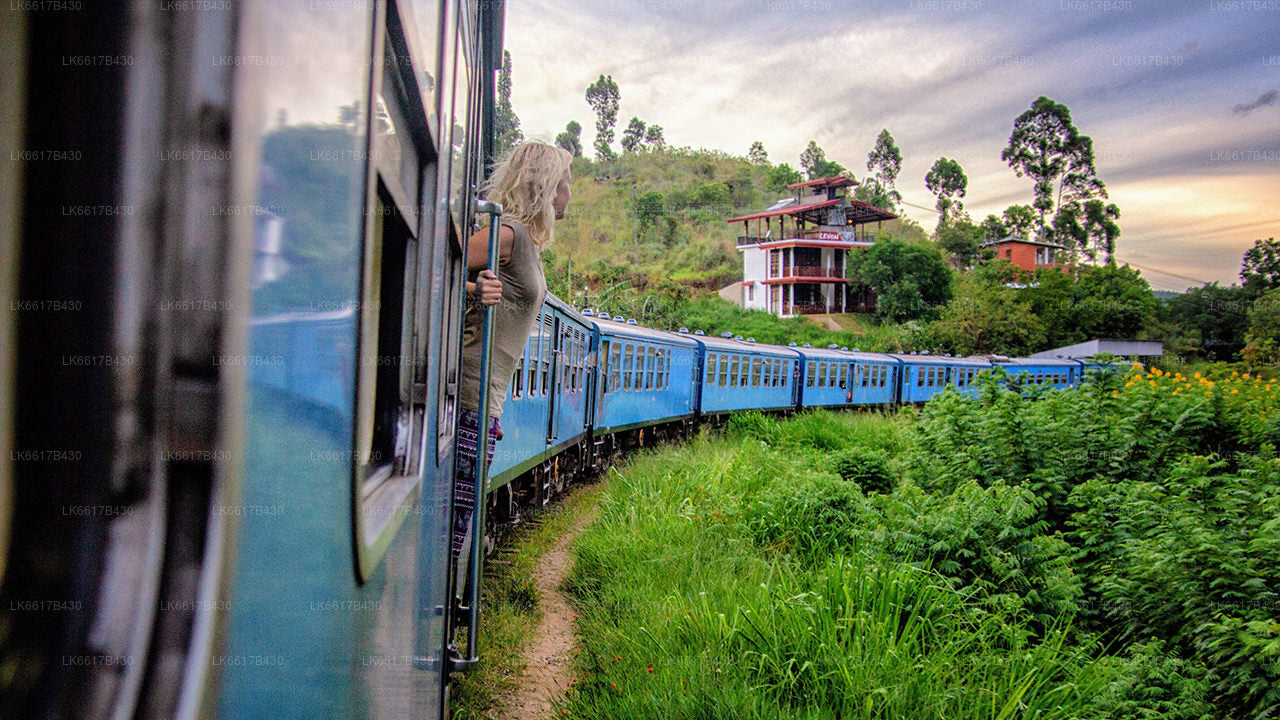
Geography was the Kandyan state's greatest ally. The kingdom occupied Sri Lanka's forested central highlands, a landscape of steep ridges, dense jungle, and river valleys that funnelled any attacking force into predictable corridors. Mountain passes were deliberately kept unmapped; disclosing routes to the capital was, at various points in Kandyan law, a capital offence. When the seasonal monsoon arrived, many tracks became impassable entirely, and lowland armies unused to the terrain suffered badly from malaria.
Kandyan military commanders exploited these conditions through systematic guerrilla tactics — ambushes, scorched-earth retreats, and the deliberate abandonment of towns before an enemy could occupy and hold them. This approach was used to devastating effect during the Kandyan Wars against both the Portuguese and the British. Though the kingdom had intermittent access to the eastern port of Batticaloa, it maintained no naval force and could not contest Portuguese or Dutch dominance of the coastal lowlands. Its power was always inland, always tied to the hills.
What names did the kingdom carry over the centuries?
The Kandyan state accumulated a rich cluster of names across its four centuries of existence, each reflecting a different aspect of its identity:
- Senkadagala Kingdom — derived from the Sinhala name for the capital city
- Kanda Uda Pasrata — roughly, "the territory above the mountains"
- Kanda Udarata — "the upcountry kingdom"
- Mahanuwara Kingdom — Mahanuwara ("great city") remains the Sinhala name for Kandy today
- Sri Wardhanapura — a formal royal designation
- Sinhalé or Thun Sinhalaya (Tri Sinhala) — asserting sovereignty over all three Sinhalese regions
- Kande Nuwara — the hill city
European sources tended to flatten all of these into "Candia" or simply "Candy", the anglicised form that eventually gave the modern city its name.
Who were the key figures in the kingdom's final decades?
The late Kandyan period is inseparable from the fraught relationship between the royal court and its aristocratic chiefs, the adigars and dissavas. Ehelepola Nilame, one of the most powerful Kandyan nobles of the early 19th century, played a pivotal and ultimately tragic role: his defection to the British, and the savage reprisals carried out against his family by the last Kandyan king, Sri Vikrama Rajasinha, did much to turn the Kandyan aristocracy against the throne. That internal fracture was at least as important as British military strength in ending the kingdom.
How did the kingdom finally fall?
The end came in two stages. In March 1815, a British force under Lieutenant General John Wilson marched on Kandy largely unopposed. The Kandyan chiefs, alienated by Sri Vikrama Rajasinha's increasingly arbitrary rule, chose not to resist. The resulting agreement — the Kandyan Convention of 1815 — formally placed the kingdom under British protection, deposing the king while nominally guaranteeing the rights and customs of the Kandyan people, including the protection of Buddhism.
Those guarantees were tested almost immediately. In 1817, a widespread uprising — the Uva Rebellion, also called the Uva-Wellassa Rebellion — erupted across the kingdom's eastern and southern provinces. British reprisals were severe: entire villages were burned, crops destroyed, and the population of some districts reduced dramatically. By 1818 the rebellion was suppressed, and any remaining pretence of Kandyan autonomy was extinguished. The kingdom was fully absorbed into British Ceylon, eventually to become part of the unified colonial state that preceded modern Sri Lanka.
What survives of the Kandyan Kingdom today?
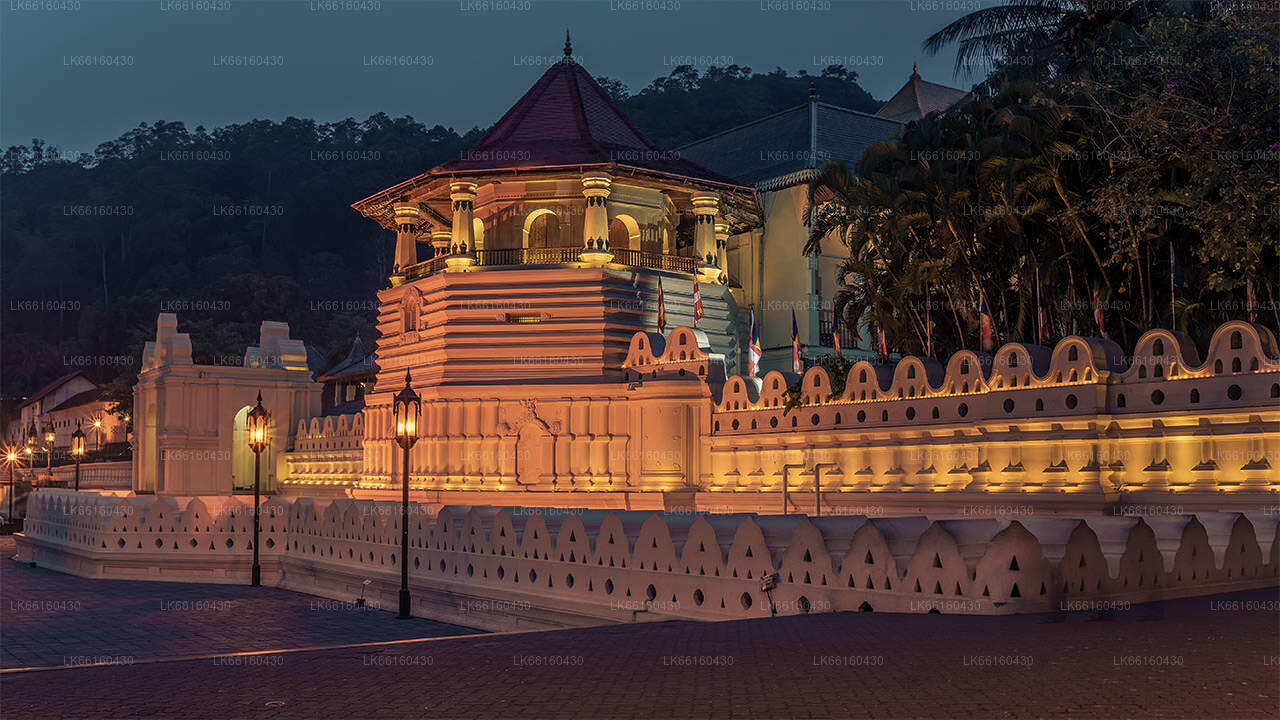
Kandy's most enduring monument is the Temple of the Tooth Relic (Sri Dalada Maligawa), which served as the kingdom's spiritual centrepiece. Possession of the sacred tooth relic was historically understood as conferring the right to rule Sri Lanka, and the temple complex sits at the heart of the colonial-era lakeside city. The annual Esala Perahera Festival — a ten-day procession of drummers, dancers, elephants, and torch-bearers — traces its roots directly to Kandyan royal ceremony and remains one of the most significant Buddhist festivals in South Asia.
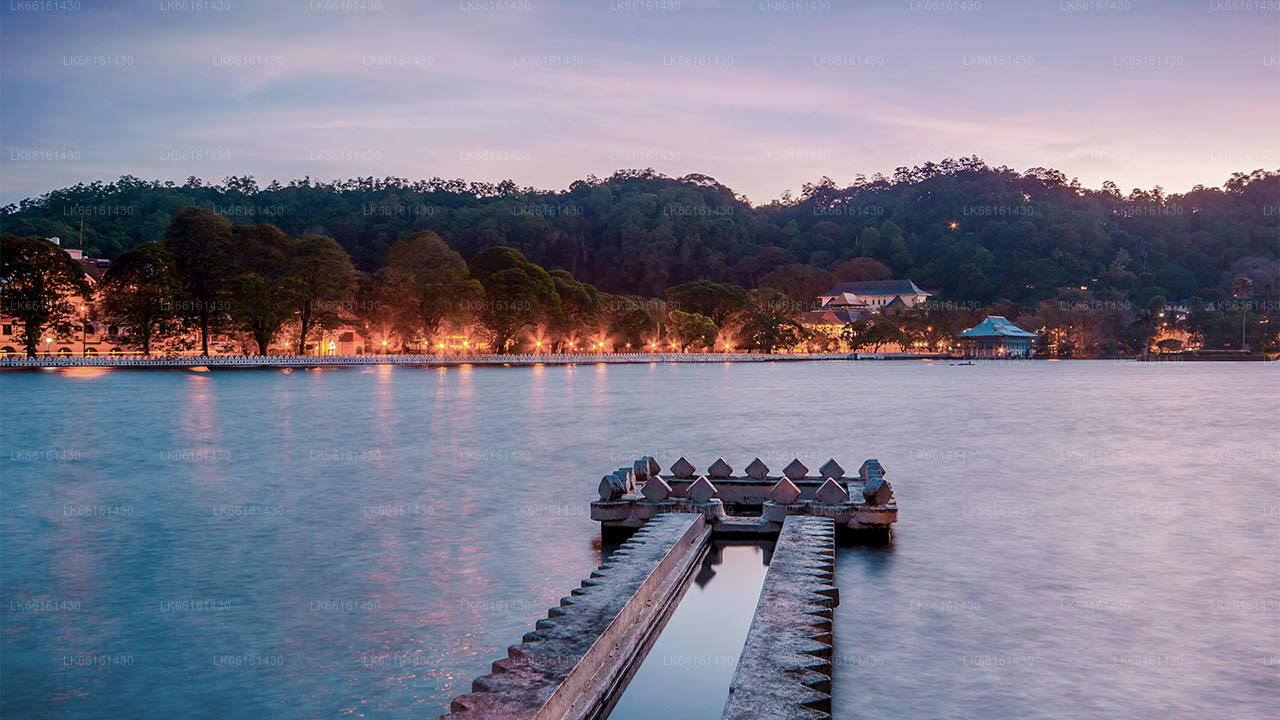
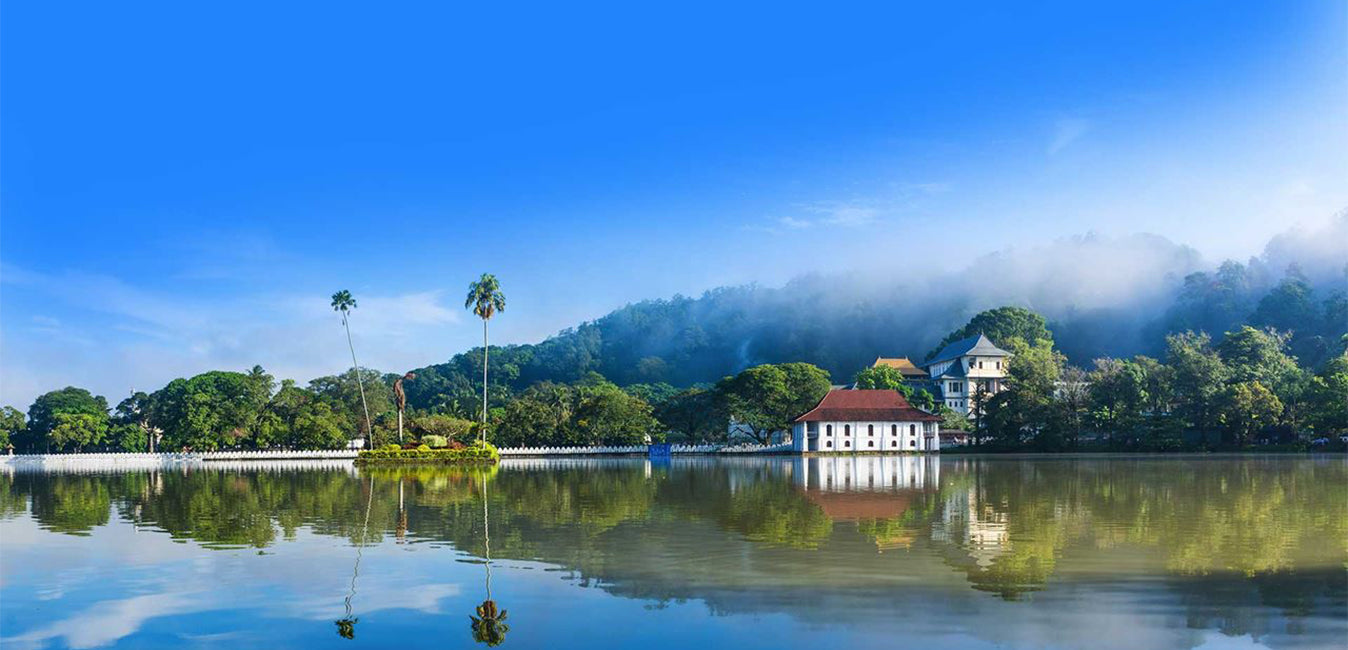
Beyond the temple, Kandy retains a legible historic core: the royal palace buildings (now partly housing the National Museum), the Natha Devale and Vishnu Devale shrines that predate the British period, and the artificial lake created by Sri Vikrama Rajasinha just before the kingdom's fall. The Kandy city tour offered by Lakpura takes in these sites with a knowledgeable guide who can place each one in its proper historical context.
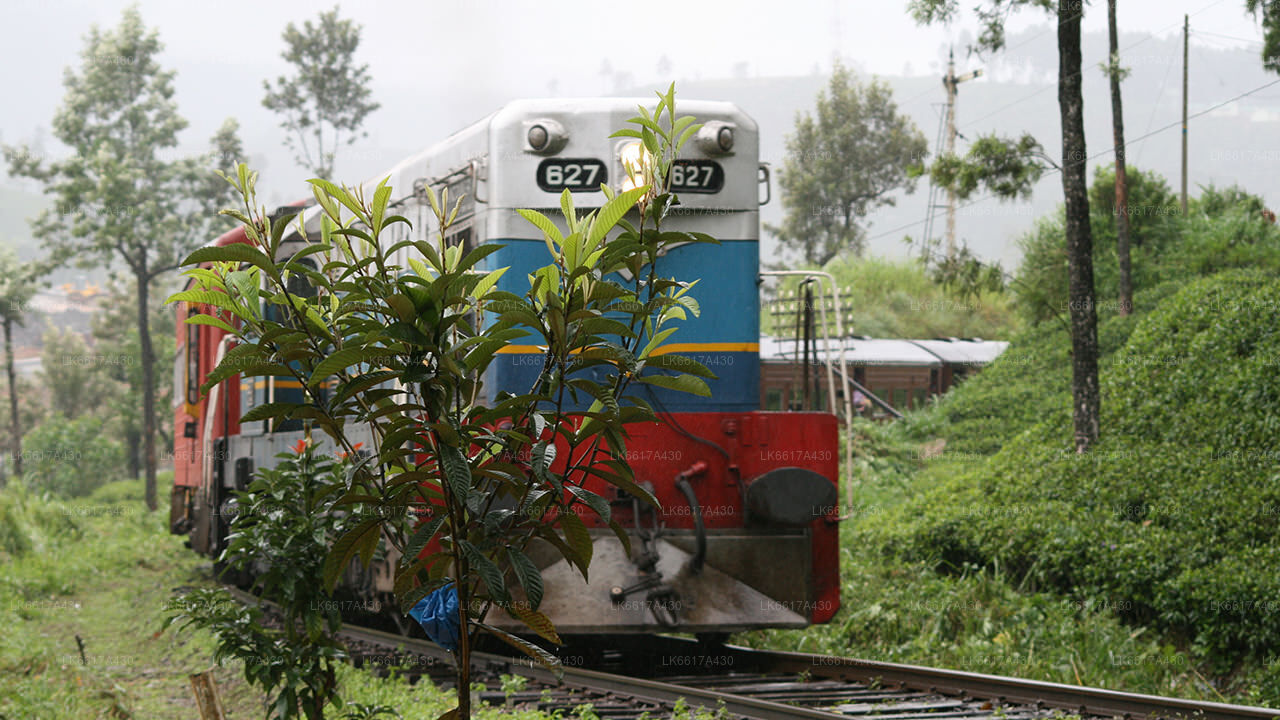
Further into the central highlands, the landscape that made the kingdom so difficult to conquer is still very much present. The mist-covered ranges visible from the city were the same terrain over which Kandyan armies manoeuvred for centuries. Horton Plains National Park, on the southern plateau, preserves a section of that montane world in near-original condition.
What is the kingdom's broader significance in Sri Lankan history?
The Kandyan period left a deep imprint on Sinhalese cultural identity. Because Kandy survived the Portuguese and Dutch eras intact, it became the custodian of Sinhalese Buddhist traditions that might otherwise have been disrupted: the Kandyan school of painting, the distinctive Kandyan style of dance (characterised by its elaborate headdresses and percussive footwork), the Kandyan mode of dress, and a legal and administrative tradition codified in the Niti Nighanduwa. Even the physical layout of Kandyan temples — the vihara compound with its image house, stupa, and bodhi tree enclosure — reflects a local architectural grammar developed during this period.
The 1815 Convention and the 1818 suppression also planted seeds of political grievance that continued to shape Sri Lankan politics long into the post-independence era. The Kandyan highlands, with their tea estates, Ceylon tea traditions, and distinct cultural landscape, remain a region with a strong sense of its own identity — one that makes far more sense once you understand the kingdom that shaped it.