Lakpura
Lakpura®

Strychnos nux-vomica (Godakaduru)

Strychnos nux-vomica, known locally as Godakaduru, is a medium-sized deciduous tree native to the open woodlands and dry-zone forests of Sri Lanka, India, and Southeast Asia. Despite its toxic alkaloid content, the tree has been an integral part of traditional Ayurvedic medicine on the island for centuries, carefully employed by trained practitioners for a wide range of conditions. Understanding this plant requires equal respect for its potency and its therapeutic legacy.

What does Strychnos nux-vomica look like?

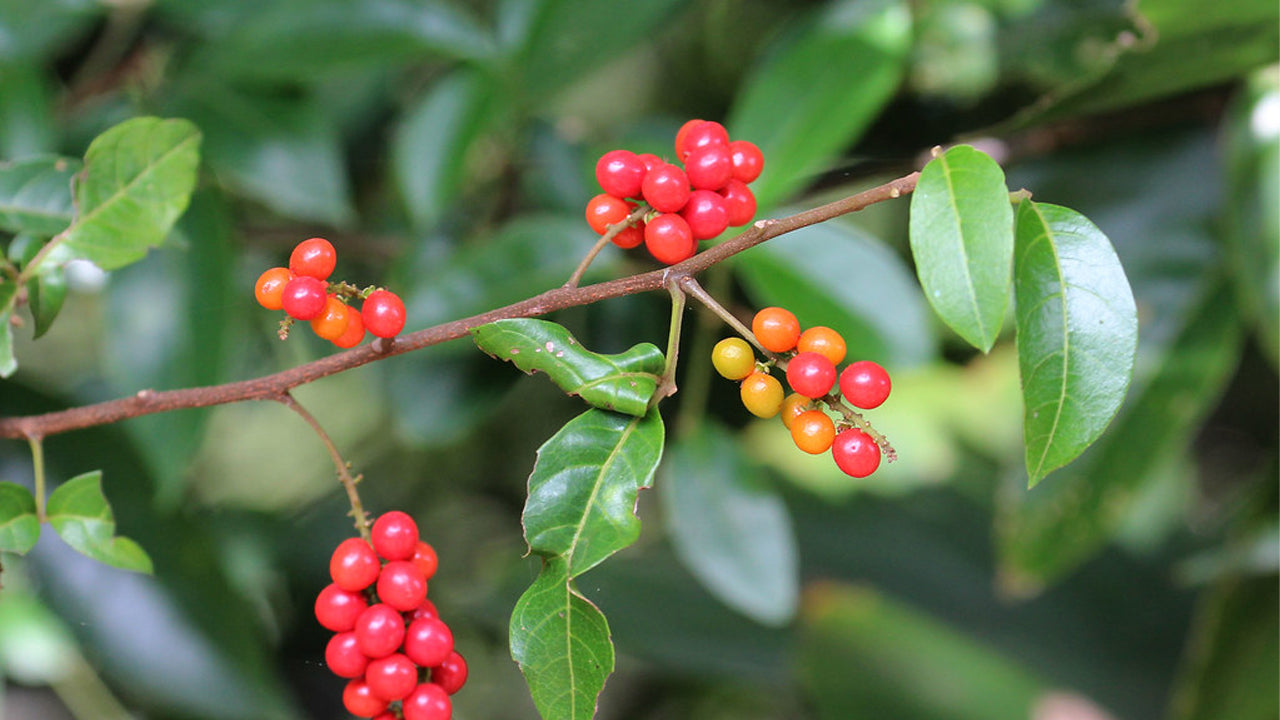
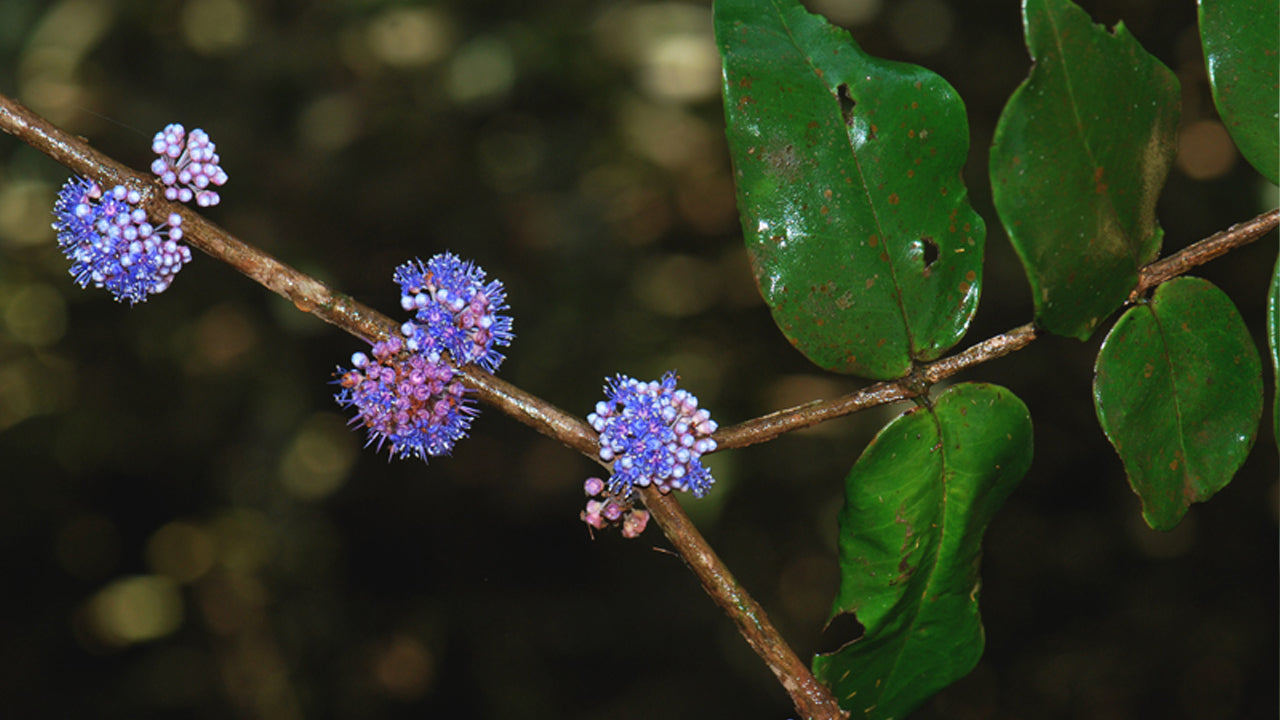
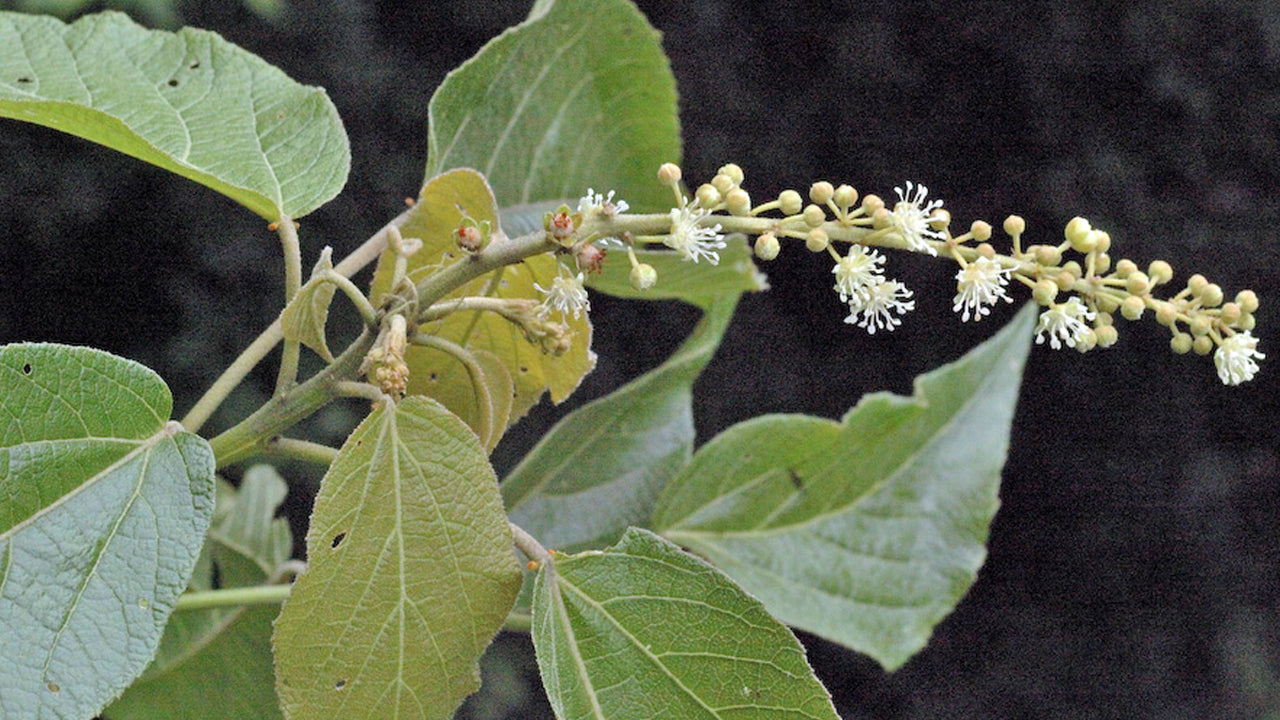
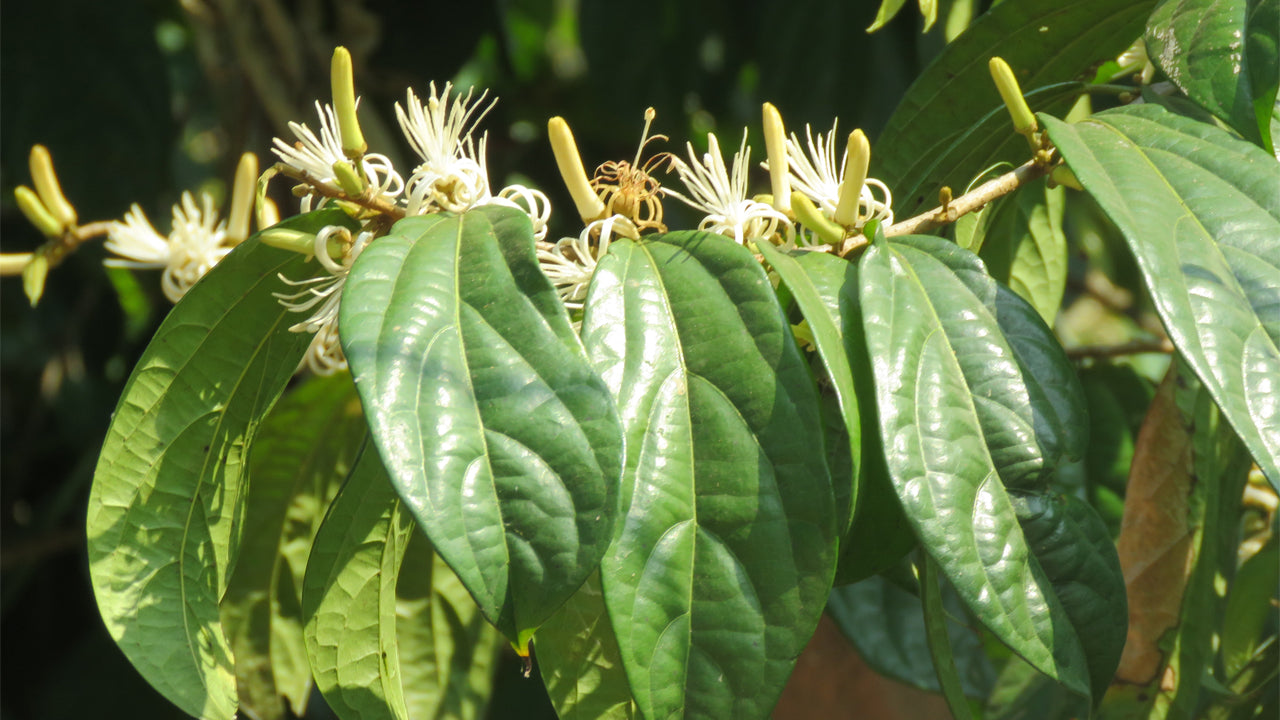
Godakaduru belongs to the family Loganiaceae and typically reaches a moderate height in open or semi-open habitats. Its branches grow irregularly and are covered with a smooth, ashen bark, giving the tree a distinctive appearance even without foliage. The young shoots are deep green with a glossy surface.

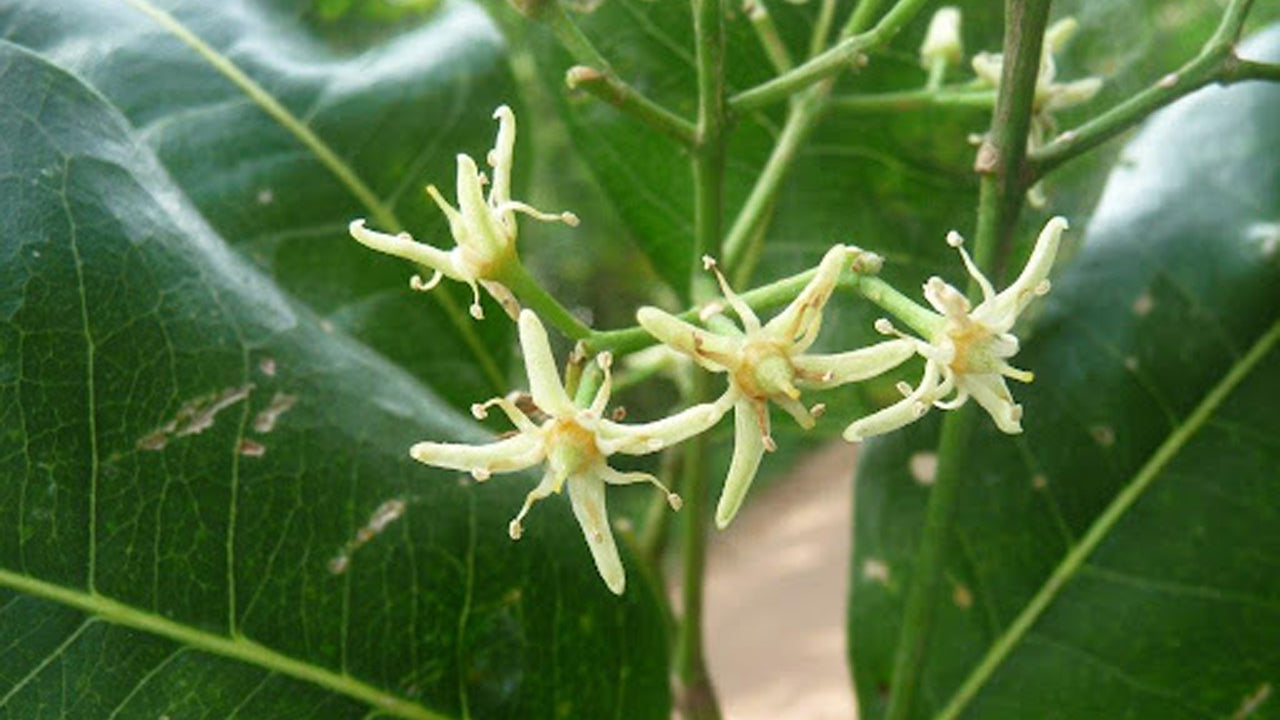
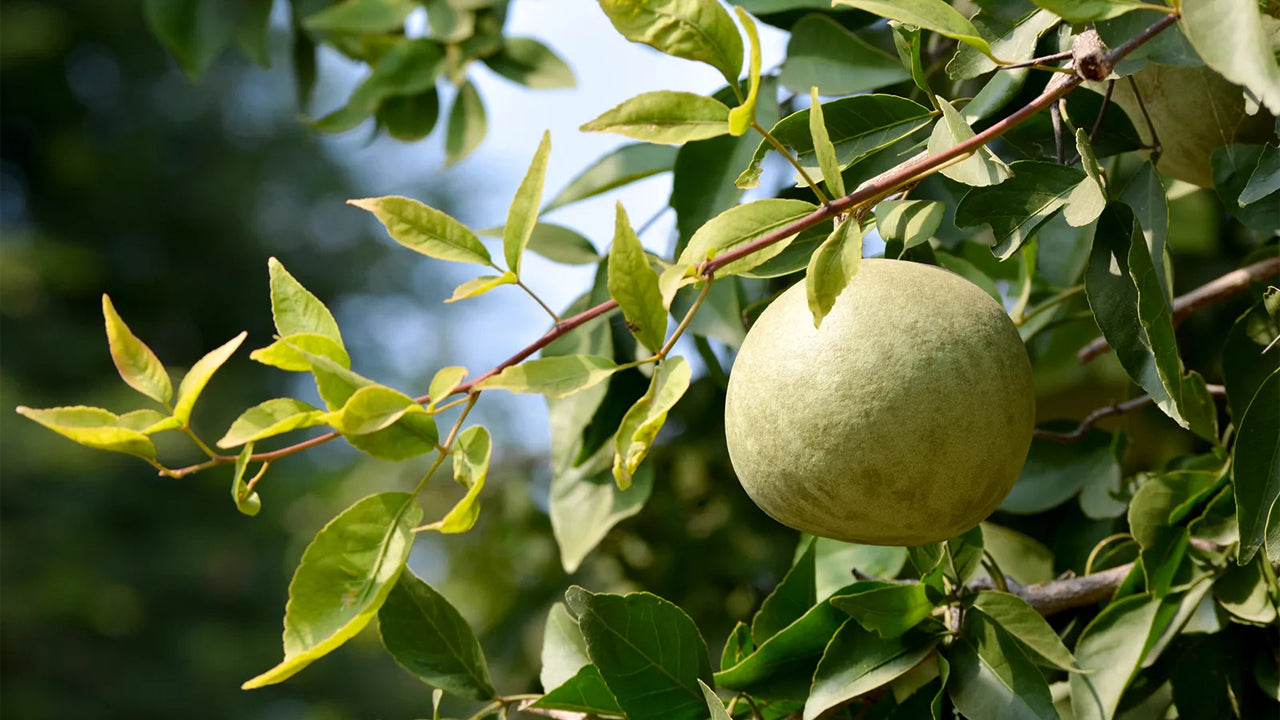
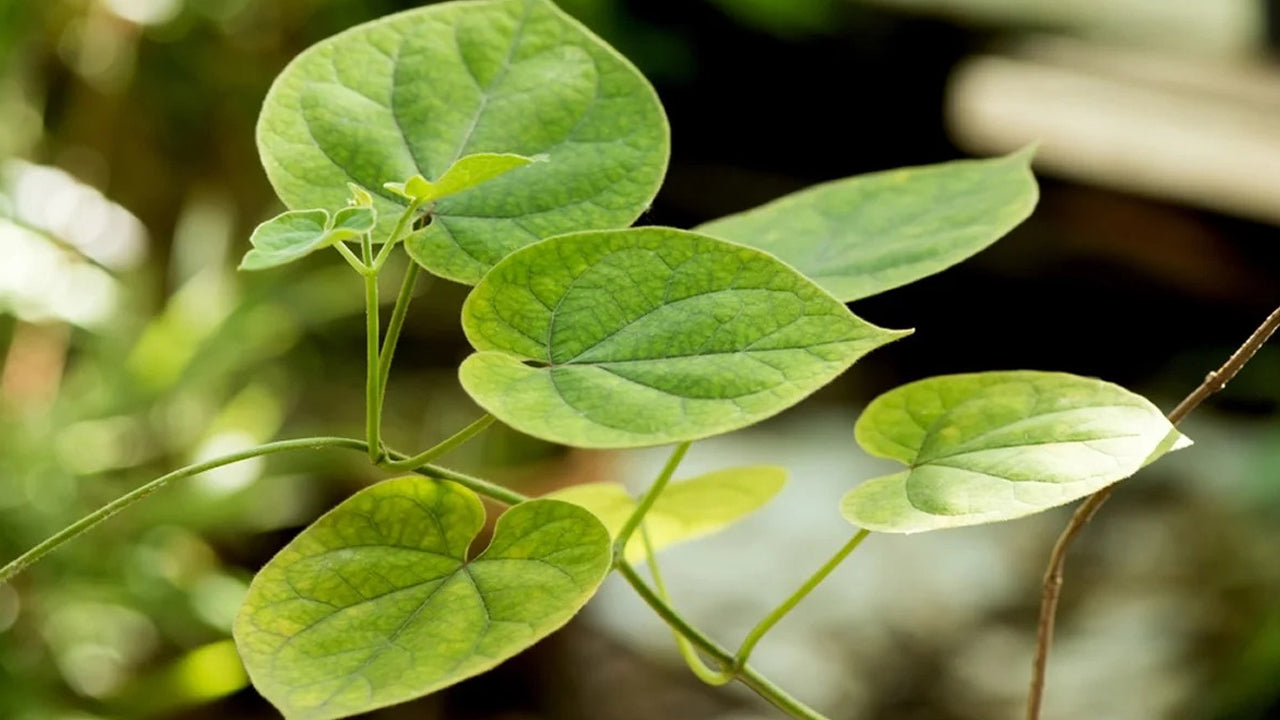
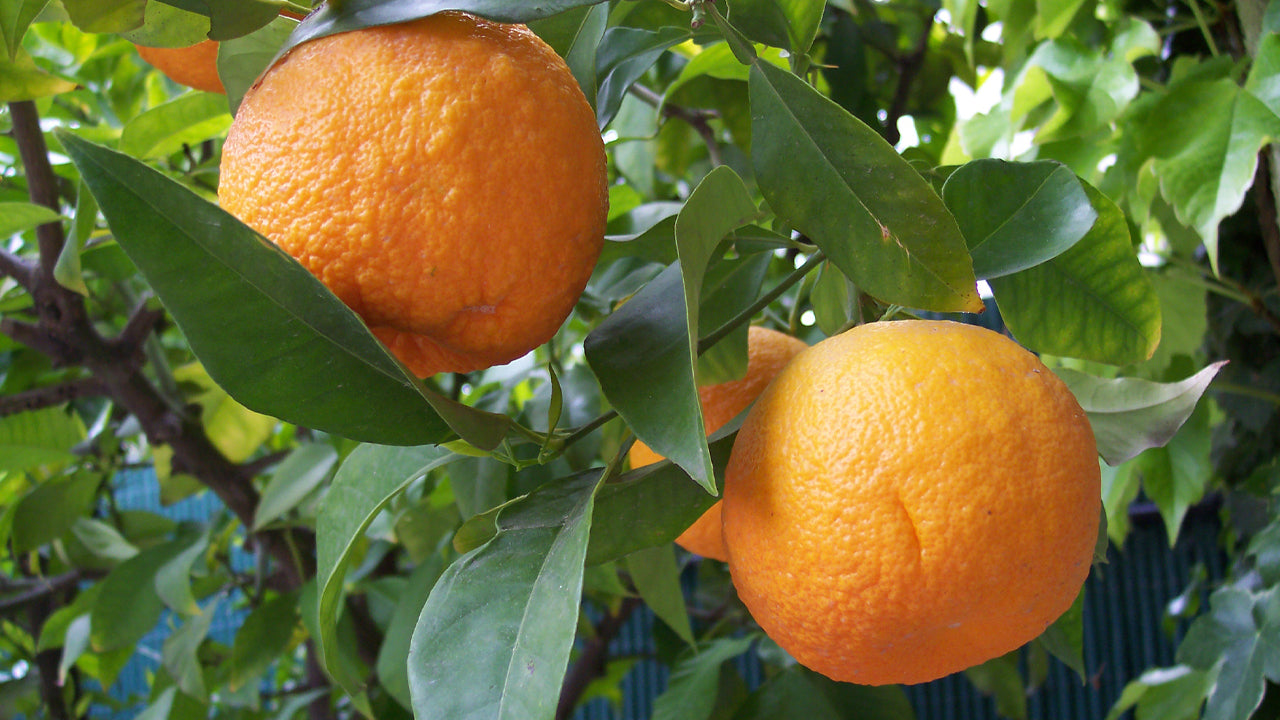
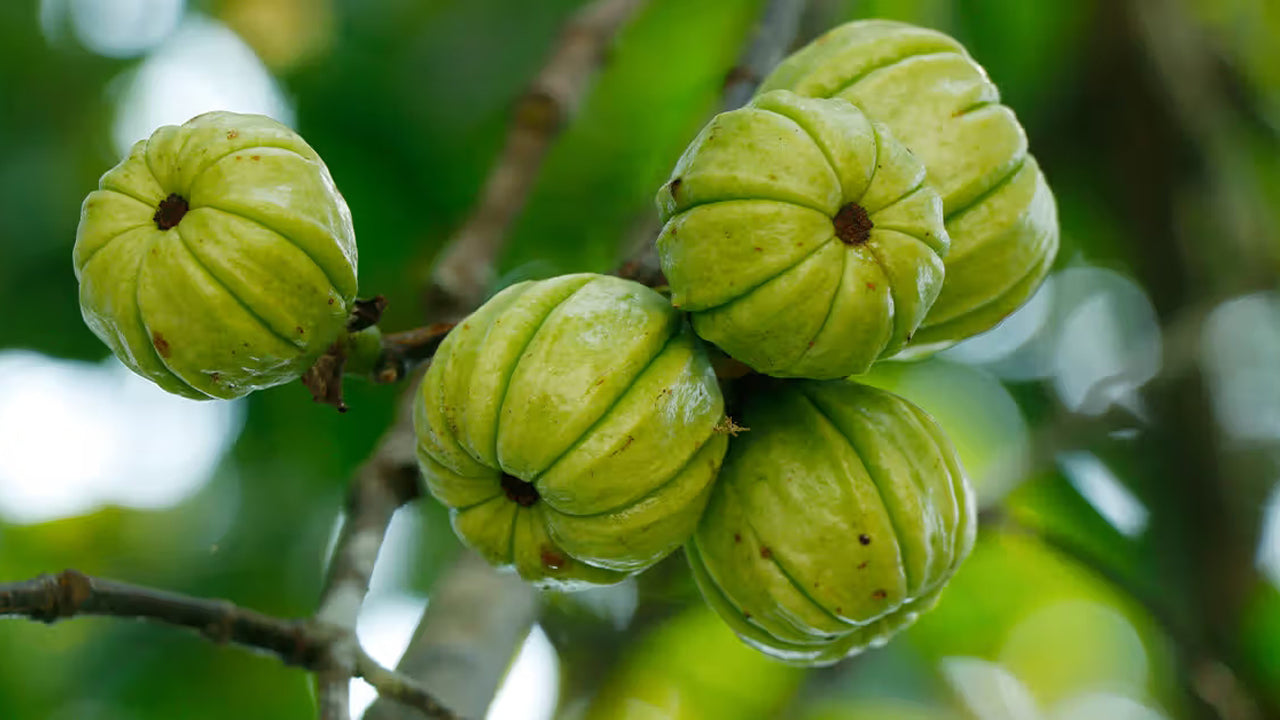
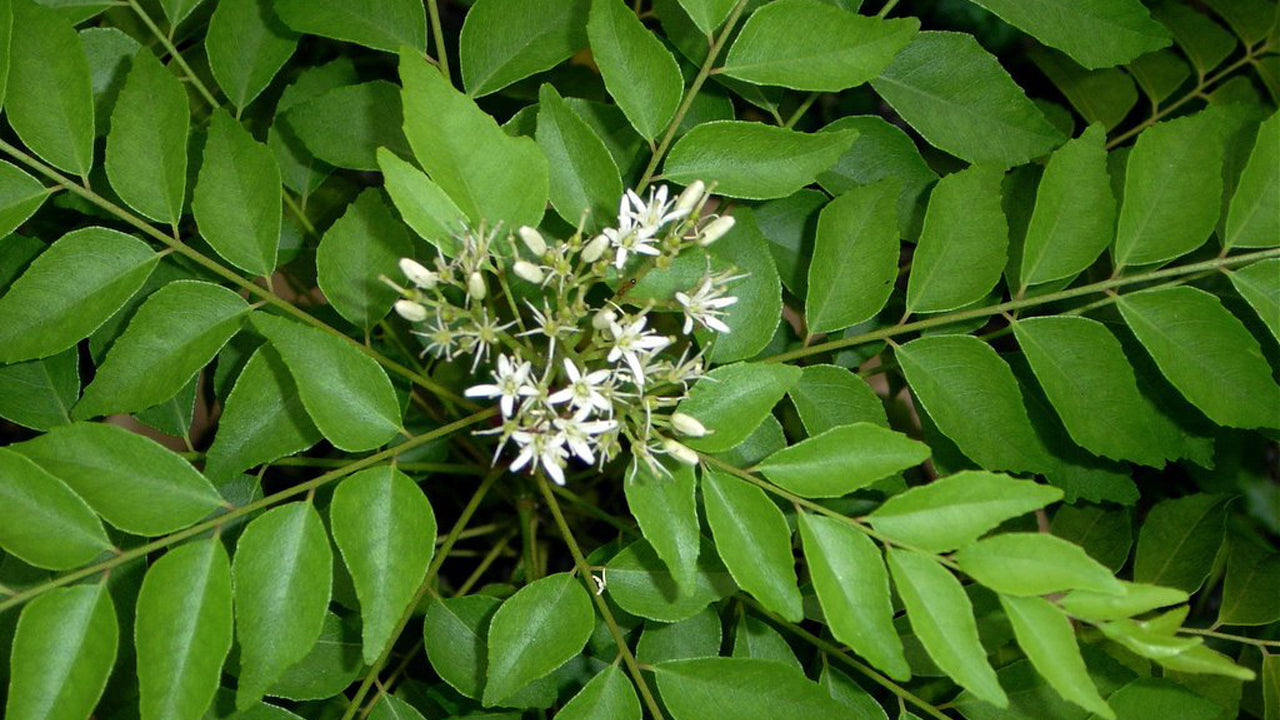
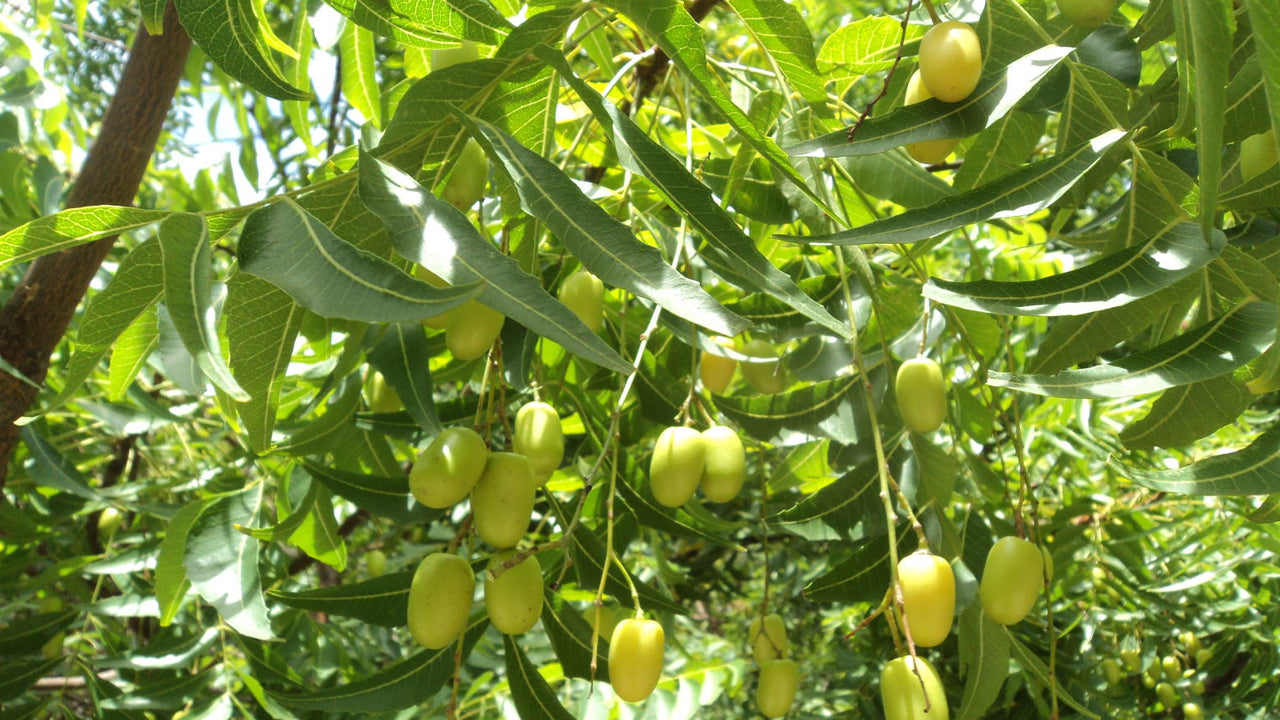
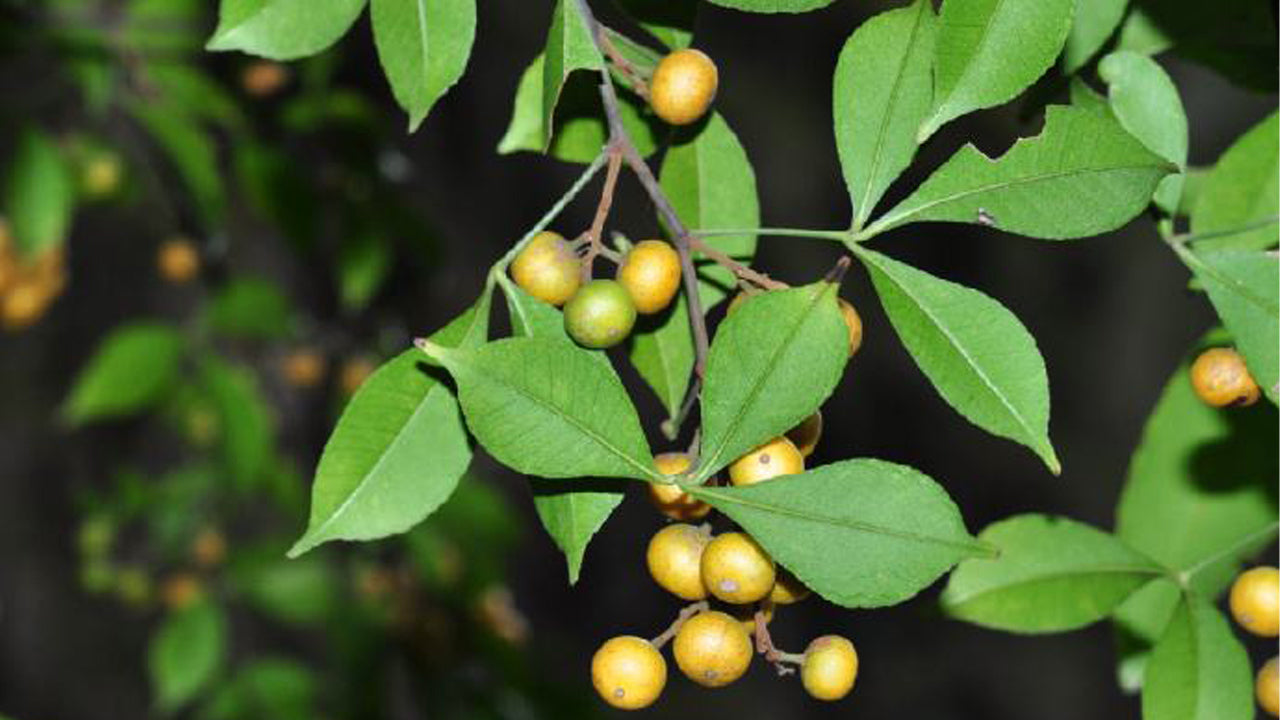
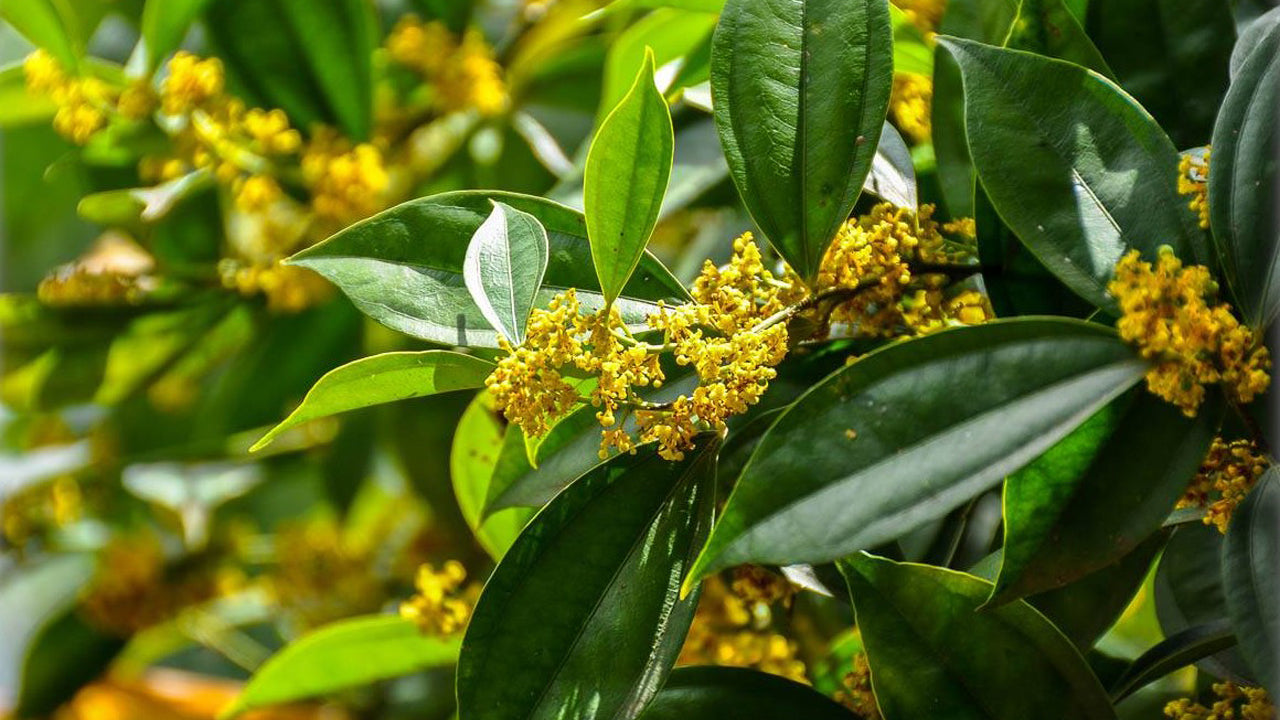
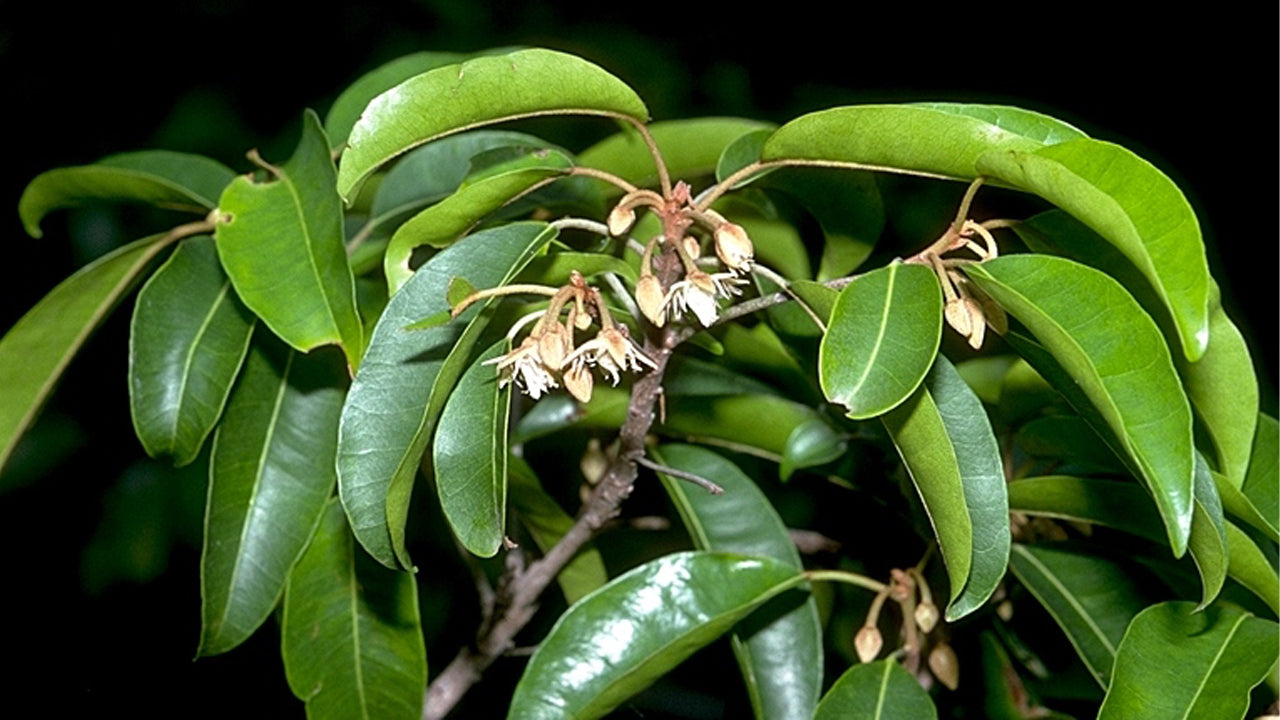
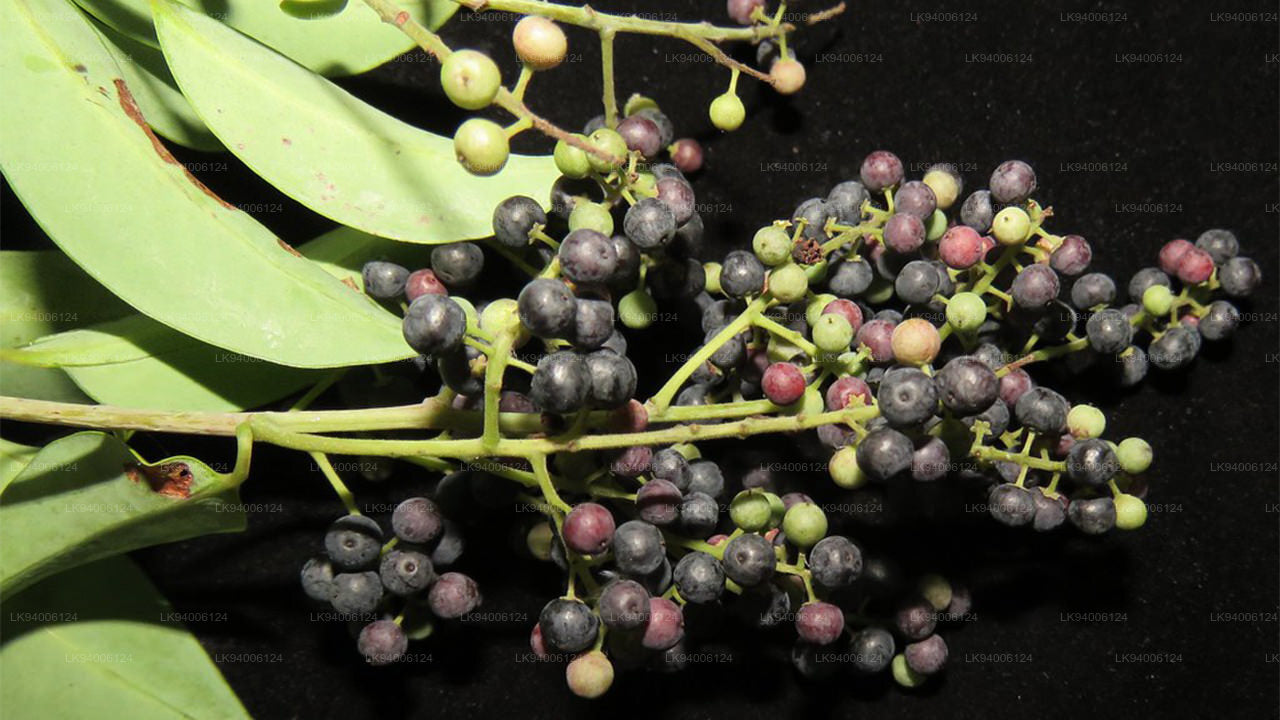
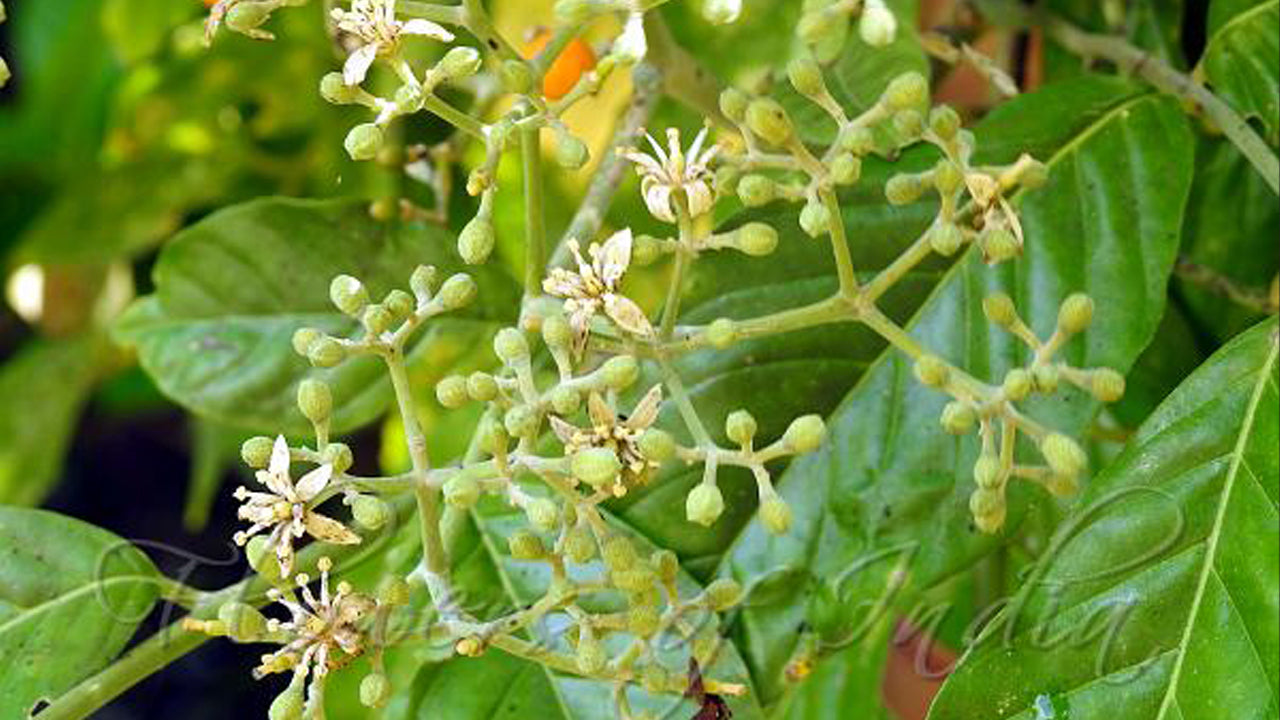
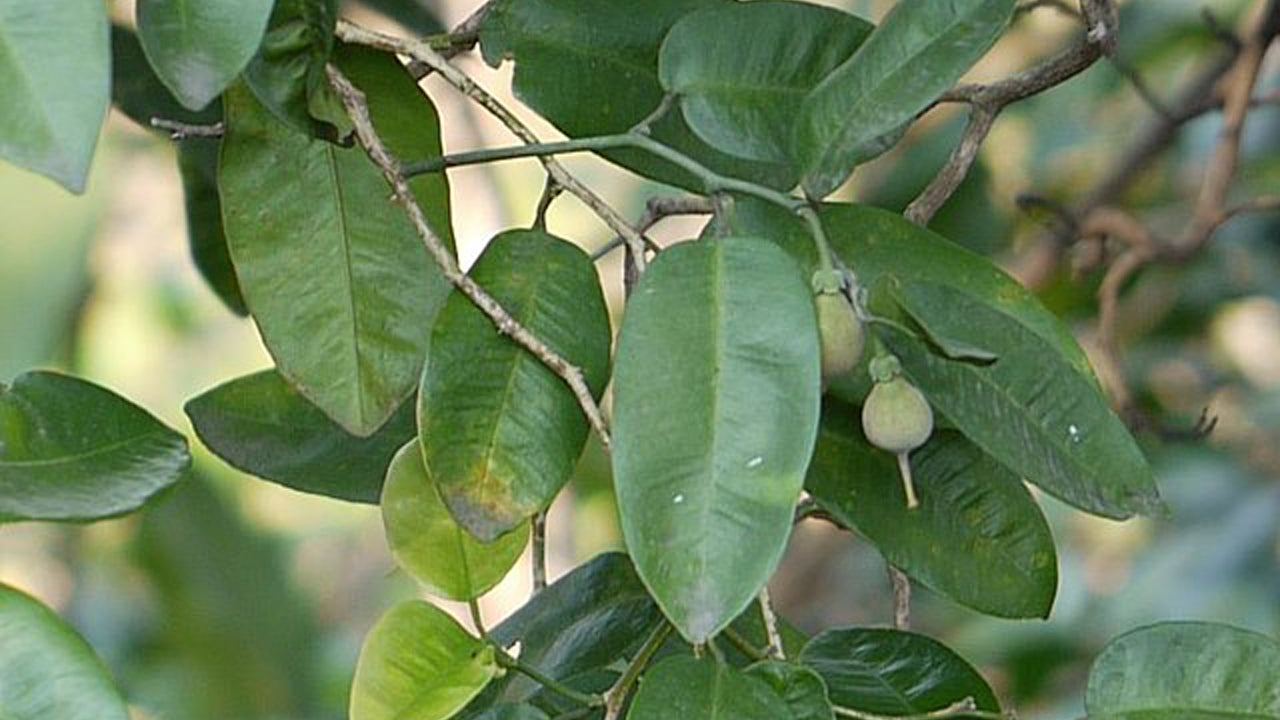
The leaves are broadly ovate, typically around 10 cm long and 7–8 cm wide, with a smooth texture and prominent veining. Flowers are small, pale green, and funnel-shaped, appearing in clusters. The fruit is roughly the size of a large apple, with a hard, smooth shell that ripens to a soft orange hue. Inside, the seeds — flat, disc-shaped, and covered with fine silky hairs — are the part most commonly used (and most closely handled with caution) in medicinal preparations.

Where does Godakaduru grow in Sri Lanka?

In Sri Lanka, Strychnos nux-vomica is most commonly found in the dry lowland forests and scrublands of the North Central and Northern provinces, where rainfall is seasonal and the canopy is more open. It tolerates a range of soil types and tends to thrive in disturbed secondary forests as well as intact dry-zone woodland.

The tree is also cultivated in home gardens and plantation borders by traditional physicians (vaidyas) who harvest the seeds and bark under controlled conditions. It grows naturally in areas surrounding ancient forest reserves, including the dry-zone woodland buffers near Wilpattu National Park, where diverse dry-forest flora is well represented.

What are the traditional Ayurvedic uses of Godakaduru?

In Sri Lankan Ayurveda, Godakaduru is classified as a potent medicinal plant whose preparations — always carefully processed to reduce toxicity — have been applied across a broad spectrum of conditions. The seeds and root bark are the most pharmacologically active parts of the plant.

  • Nervous system disorders: Preparations derived from Strychnos nux-vomica have traditionally been used to address paralysis, nerve weakness, and certain types of neuromuscular dysfunction.
  • Rheumatoid arthritis and joint pain: The plant features in compound Ayurvedic formulations — such as Yogaraja Guggulu — intended to reduce inflammation and improve mobility.
  • Digestive complaints: Dyspepsia, loss of appetite, and conditions affecting gastric function have historically been addressed using very small doses of processed Godakaduru preparations.
  • Fevers and infections: The tree's bitter alkaloids give it antipyretic properties acknowledged in classical Ayurvedic texts.
  • Skin diseases and swellings: Externally applied formulations have been used for skin disorders and localised inflammation.
  • Other traditional applications: Texts also reference use in conditions such as cholera, worm infestations, heart irregularities, insomnia, and as a supportive treatment following snake or rodent bites — always under practitioner supervision.

It is critical to note that Strychnos nux-vomica seeds contain strychnine and brucine — powerful alkaloids that are toxic in unprocessed form. Classical Ayurvedic texts prescribe elaborate purification (shodhana) processes before any medicinal use. Self-medication with any part of this plant is strongly discouraged and potentially fatal.

What is the pharmacological significance of Strychnos nux-vomica?

Modern pharmacology has confirmed the presence of several biologically active compounds in Godakaduru, the most prominent being the strychnine alkaloid group. Strychnine acts primarily on the central nervous system, which explains both the therapeutic effects sought in traditional medicine and the severe dangers of overdose.

Research has also identified brucine, loganin, and various glycosides within the seeds and bark. Some studies suggest anti-inflammatory, hepatoprotective, and antimicrobial activity in controlled extracts, lending partial scientific support to traditional uses. However, the therapeutic window is extremely narrow, and global regulatory bodies strictly control the use of strychnine-containing preparations outside of approved pharmaceutical contexts.

In Sri Lanka, the tree is referenced within the official pharmacopoeia of Ayurvedic medicine and its preparations are administered only by licensed Ayurvedic physicians.

How is Godakaduru used in compound Ayurvedic formulations?

Strychnos nux-vomica rarely appears as a standalone remedy in classical formulations. It is most often one ingredient among many in compound preparations, where other herbs moderate its intensity and broaden the therapeutic action. Processed Godakaduru seeds appear in formulations targeting musculoskeletal and neurological conditions alongside other botanicals from Sri Lanka's traditional pharmacopoeia.

Other well-documented medicinal trees of Sri Lanka's forests — such as Acacia chundra and Pongamia pinnata — often appear alongside Godakaduru in classical texts, reflecting the holistic, multi-herb approach of traditional Sri Lankan medicine.

Is Strychnos nux-vomica safe to handle or consume?

The unprocessed seeds, bark, and roots of Strychnos nux-vomica are toxic to humans and animals. Even moderate doses of strychnine can cause severe muscular convulsions, respiratory failure, and death. The plant should never be consumed raw or in any form not prepared and prescribed by a qualified Ayurvedic physician.

Visitors to Sri Lanka who encounter the tree in the wild — recognisable by its orange, apple-sized fruit — should treat it as they would any wild plant: observe and appreciate without handling fruit or seeds. Children and pets should be kept clear of fallen fruit.

What is the ecological role of Godakaduru in Sri Lanka?

Beyond its medicinal reputation, Strychnos nux-vomica plays a role in the ecology of dry-zone forests. The fleshy fruit pulp is consumed by birds and mammals such as hornbills, civets, and occasional primates, who disperse the seeds while the alkaloid-rich seeds themselves pass through largely undigested. This interaction contributes to natural regeneration in dry-forest ecosystems.

The tree's hard, close-grained white wood has historically been used in small-scale carpentry, though its commercial timber value is limited. Ecologically, like many trees of the dry zone, it contributes canopy structure and provides microhabitats in open woodland patches.

Ask Lakpura® Agent