Plectranthus rotundifolius


Coleus rotundifolius, synonyms Plectranthus rotundifolius and Solenostemon rotundifolius, commonly known as native or country potato in Africa and called Chinese potato in India, is a perennial herbaceous plant of the mint family (Lamiaceae) native to tropical Africa. It is cultivated for its edible tubers primarily in West Africa, as well as more recently in parts of Asia, especially India, Sri Lanka,Malaysia, and Indonesia.
C. rotundifolius is closely related to the coleus plants widely cultivated as ornamentals and is now again placed in the genus Coleus, after being placed in the defunct genus Solenostemon and in Plectranthus.
Scientific Synonyms:
- Calchas parviflorus (Benth.) P.V.Heath
- Coleus dysentericus Baker
Family name:
- LAMIACEAE
English name:
- Country Potato
- Chinese Potato
- Madagascar Potato
Sinhala name:
- Innala (?????)
Tamil name:
- Siru Kizhangu
Description:
- Coleus rotundafolius (Poir.) A. Cheval. & Perr. LAMIACEAE, Innala Herb perenating by means of lateral, tuberous roots, tubers globose-ovoid,to 5 x 3 cm; young stems to 23 cm high.Leaves 3.6-6.6 x 2.6-6 cm; petioles 0.8-3 cm long. Racemes simple, to 20 cm long; verticals 6-14-flowered. Floral leaves 3 x 2.5 mm long; pedicels 1.5-2 mmlong, pinkish-purple. Corolla 9-12 mm long, tube 4-5 long, dotted with yellowish oil globules, pale mauvish-pink, 4-5 mm long.
Treatment for:
- Haemorrhoids
Parts used in Treatment:
- Tuber
Related Medical Properties:
- Vermifuge


-
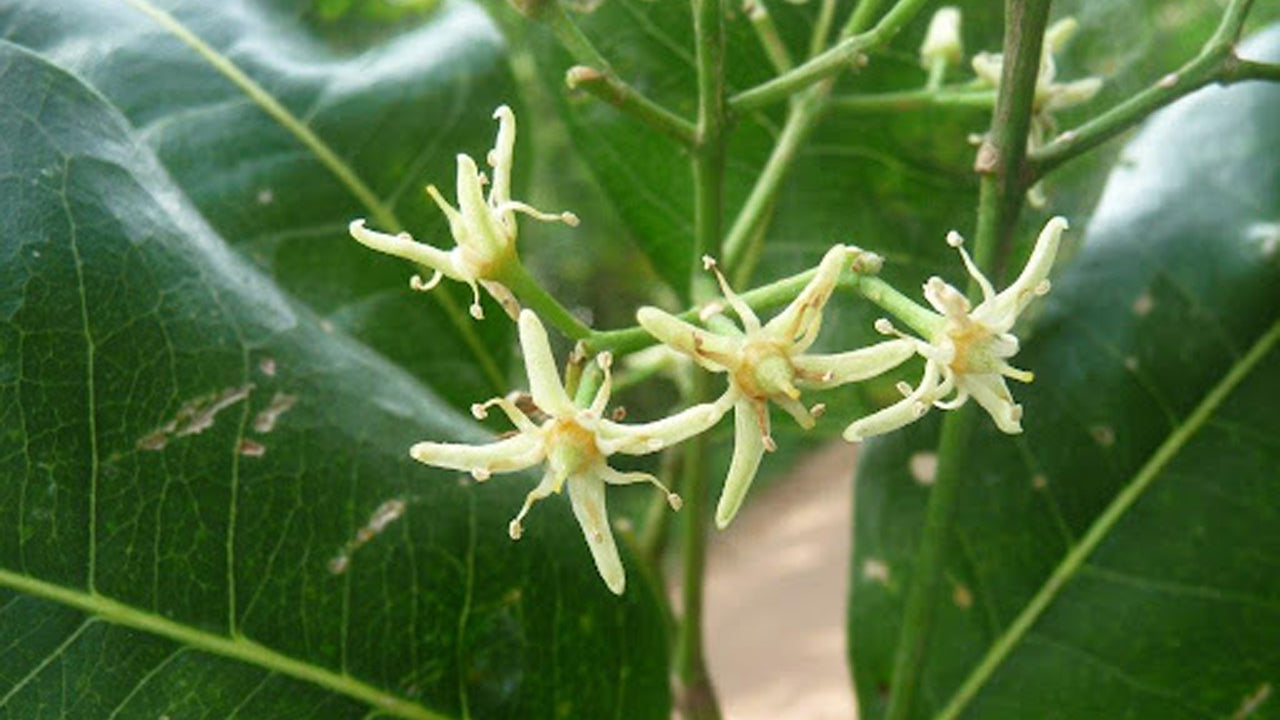
Claw-flowered laurel
Acronychia pedunculata -
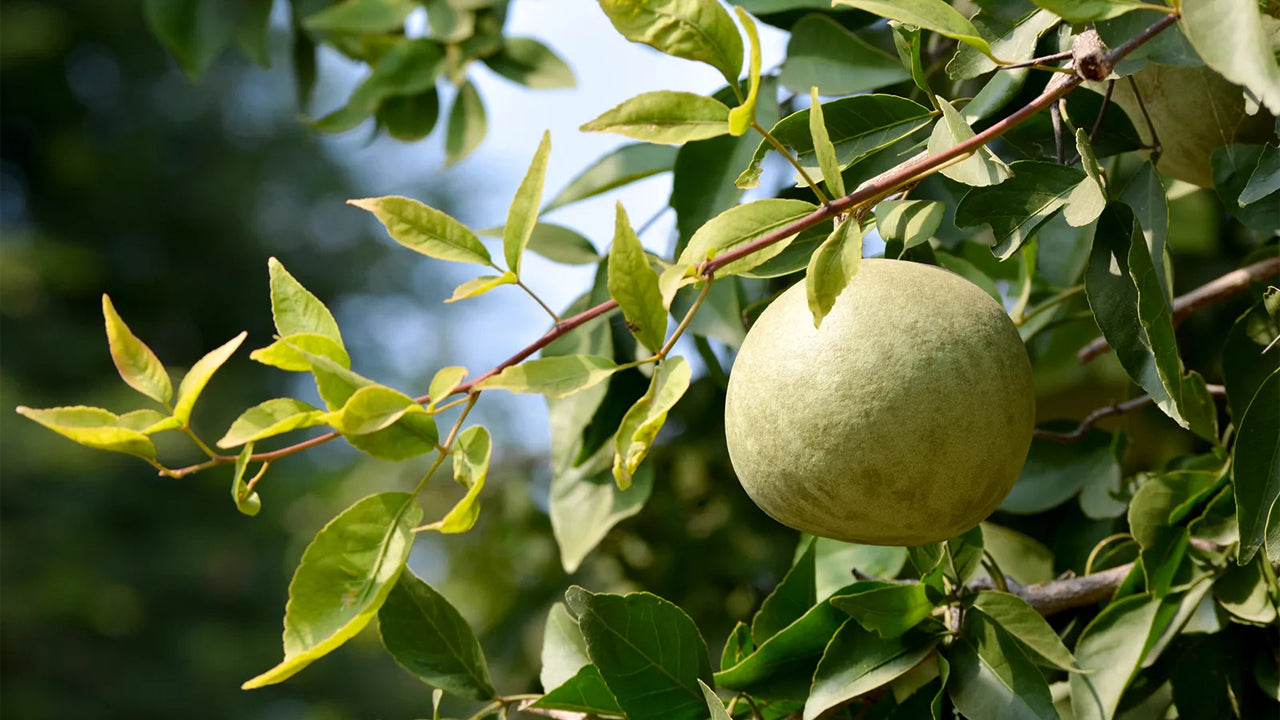
Bael
Aegle marmelos -
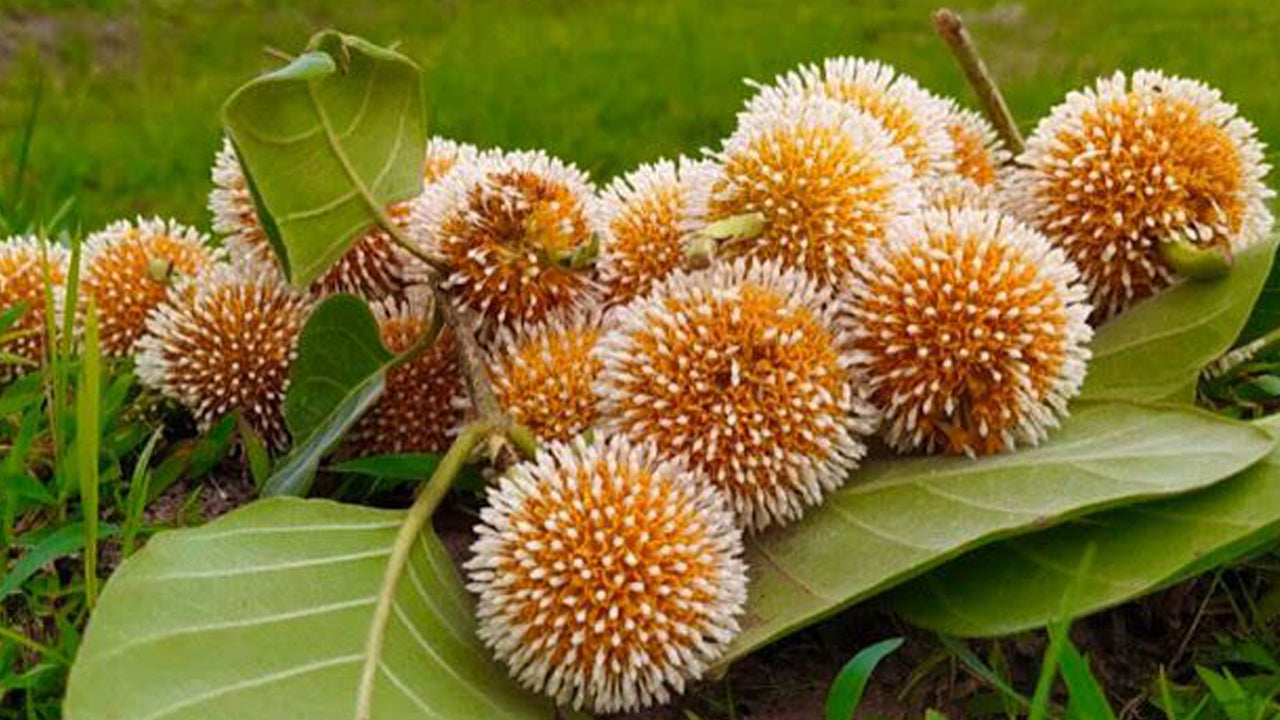
Leichhardt tree
Nauclea orientalis -
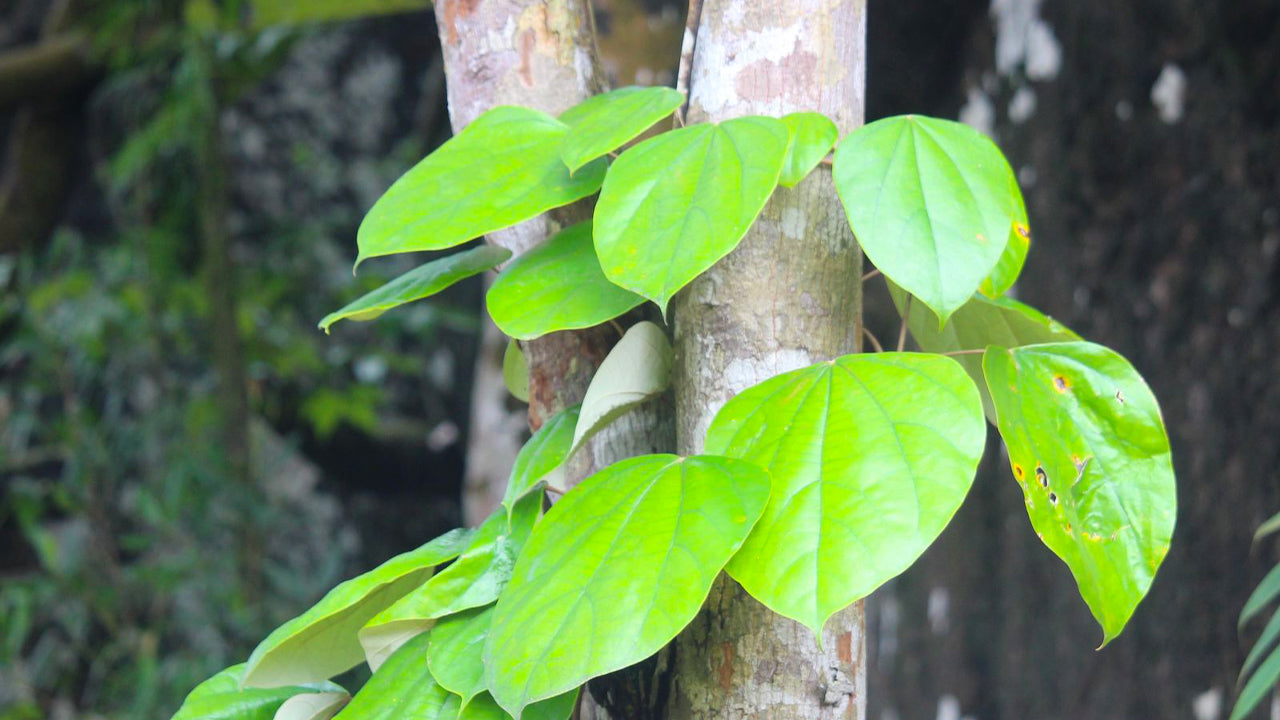
False Calumba
Coscinium fenestratum -

Malabar Gulbel
Tinospora malabarica -
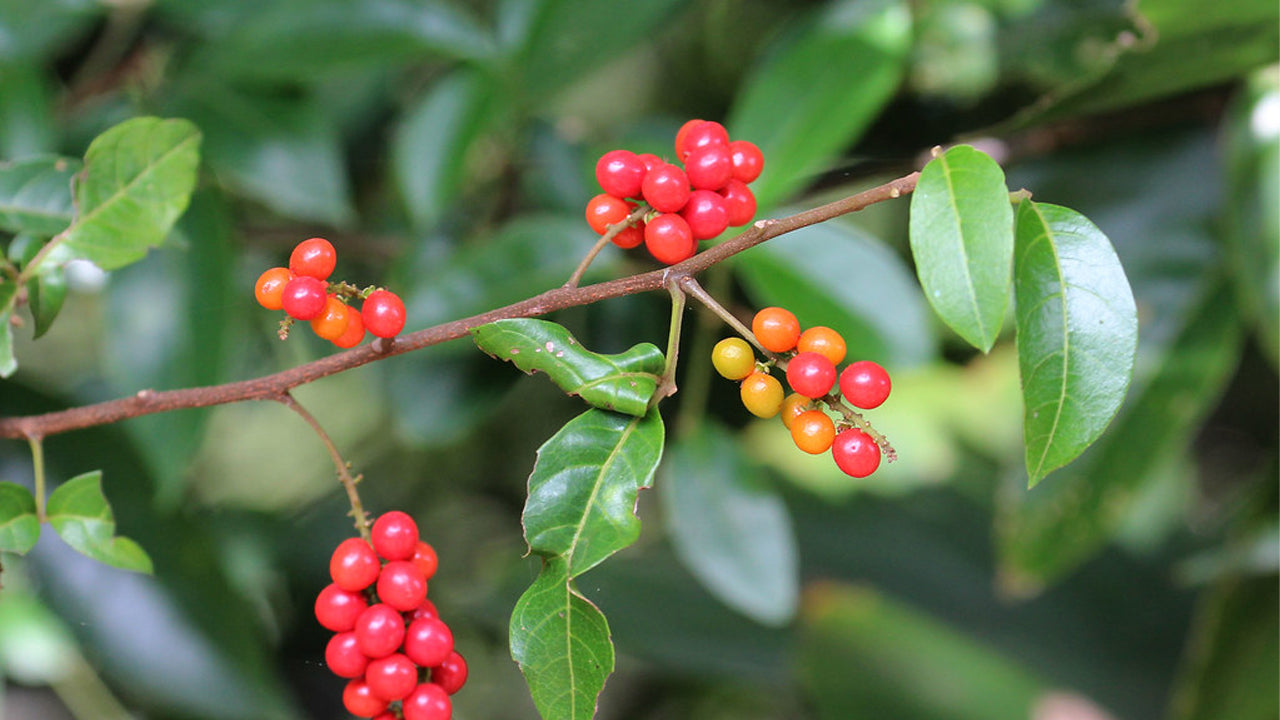
Titberry
Allophylus cobbe -
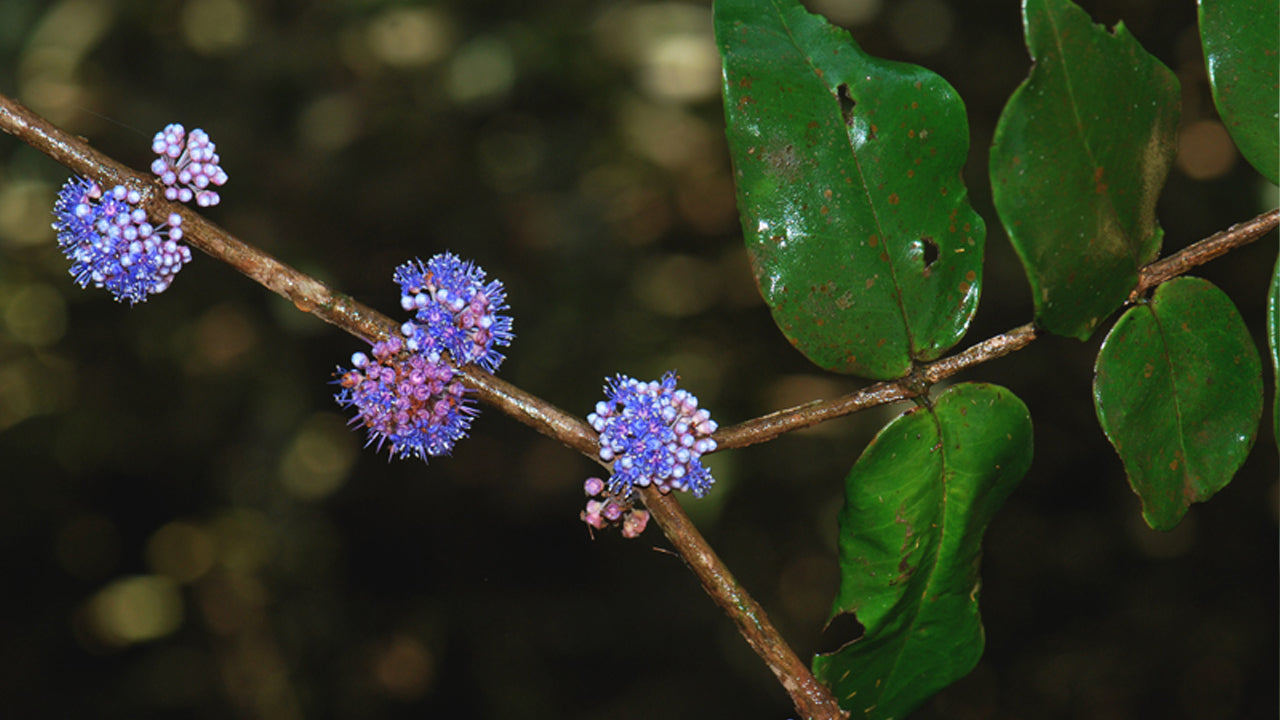
Ironwood Tree
Memecylon capitellatum -
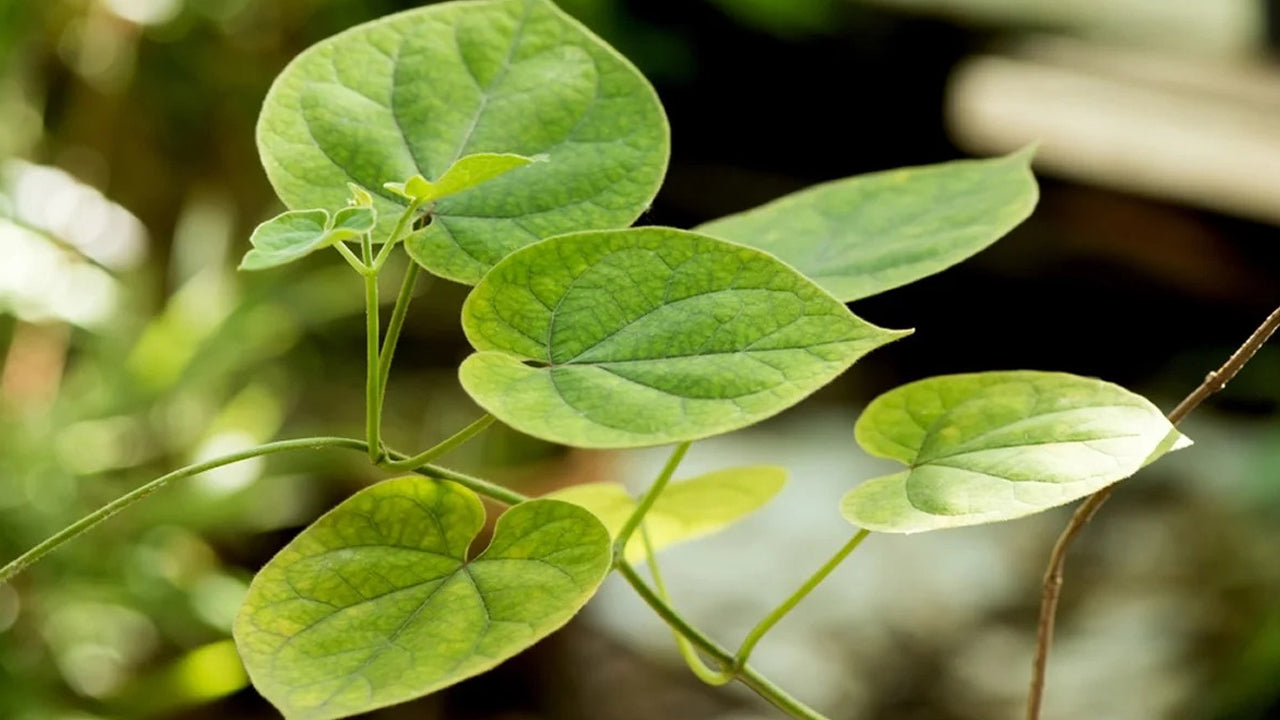
Velvet Leaf
Cissampelos pareira -
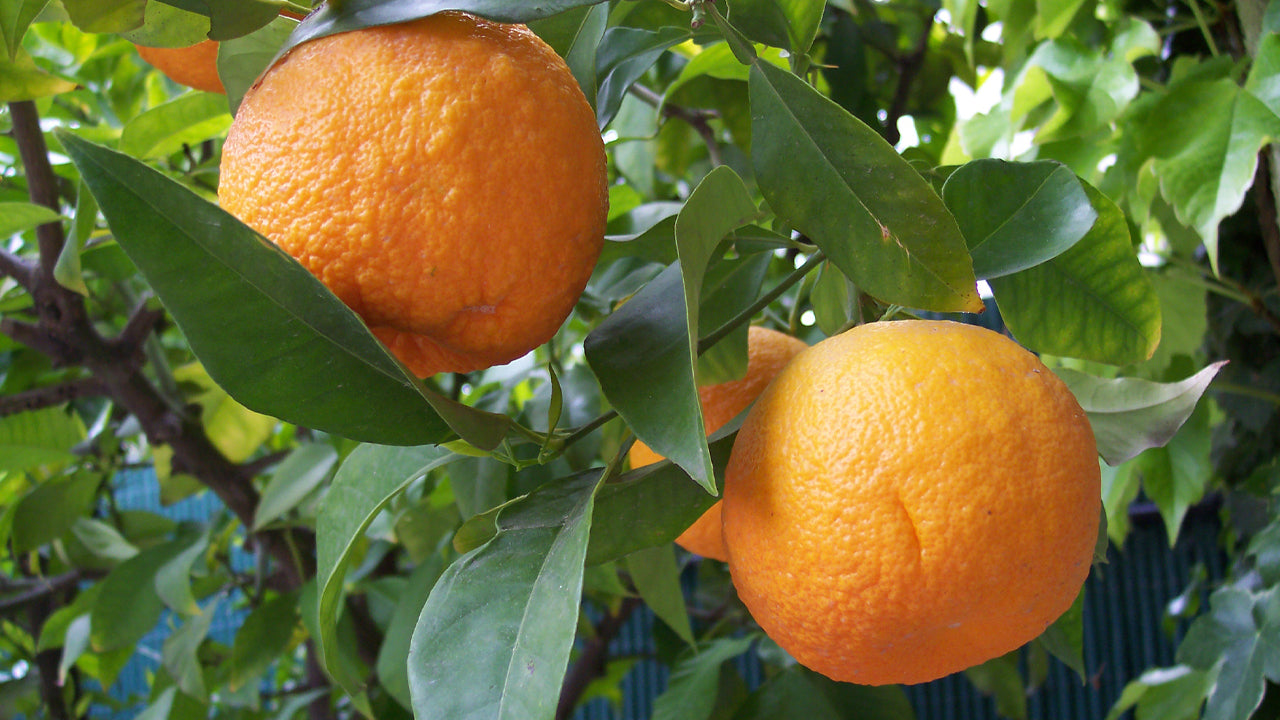
Bitter orange
Citrus aurantium -

Reinwardt's Tree Plant
Biophytun reinward -
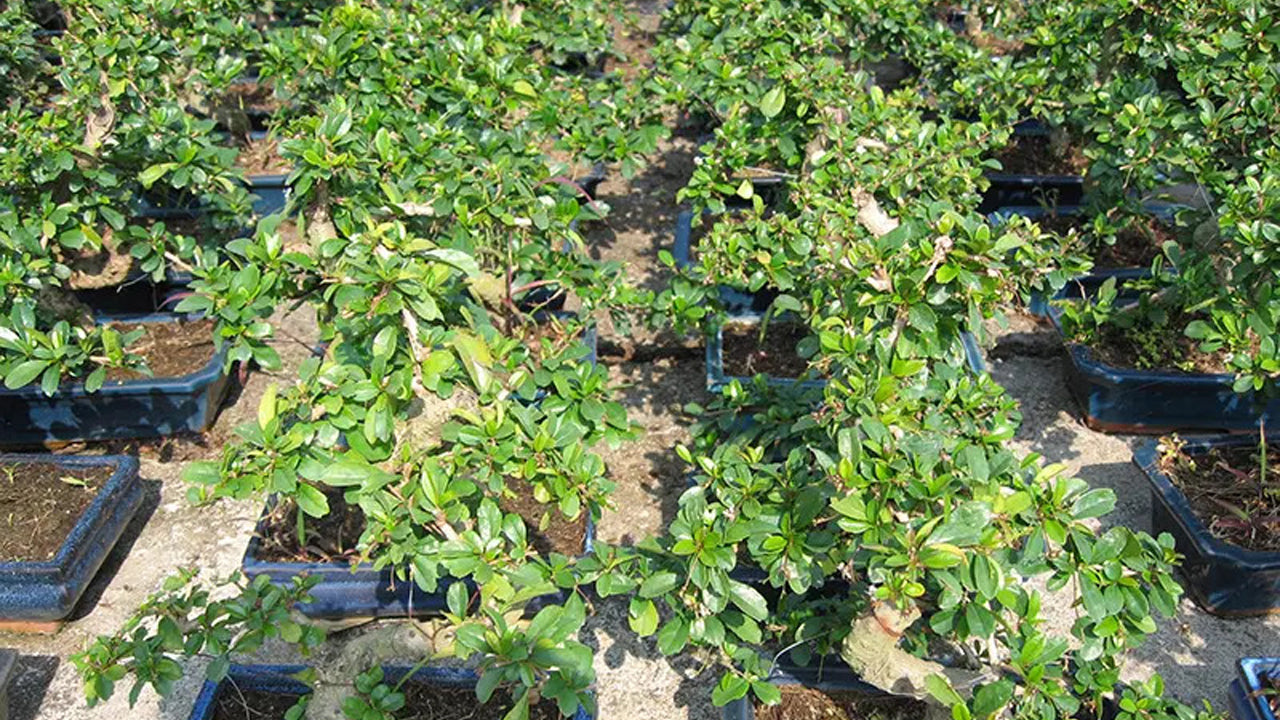
Fukien tea
Carmona microphylla -
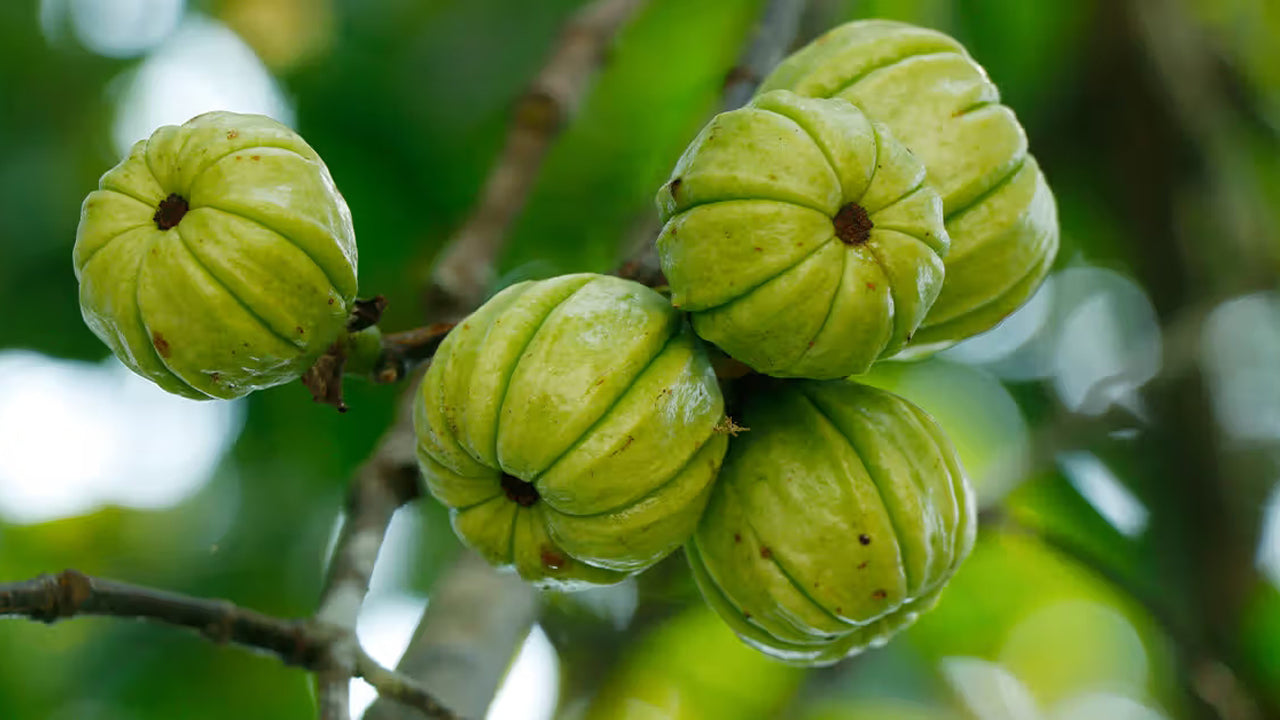
Malabar tamarind
Garcinia cambogia -
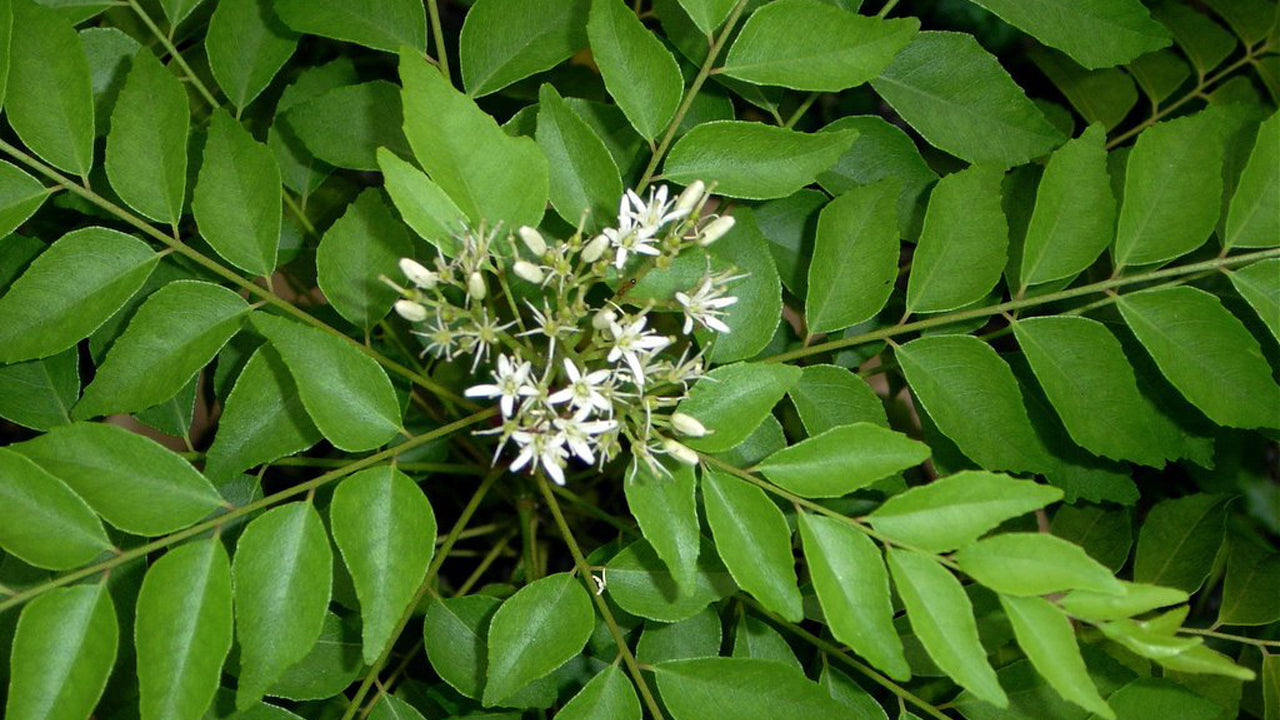
Curry leaf tree
Murraya koenigii -
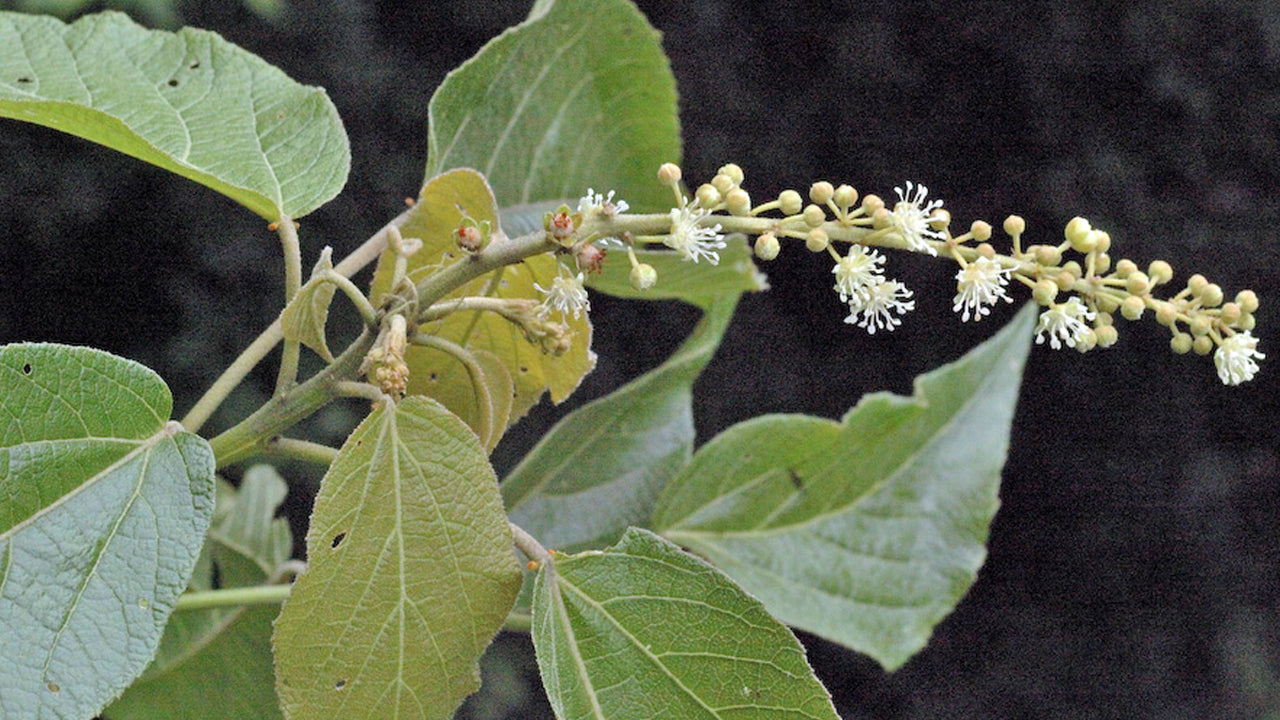
Kappetiya
Croton laccifer -
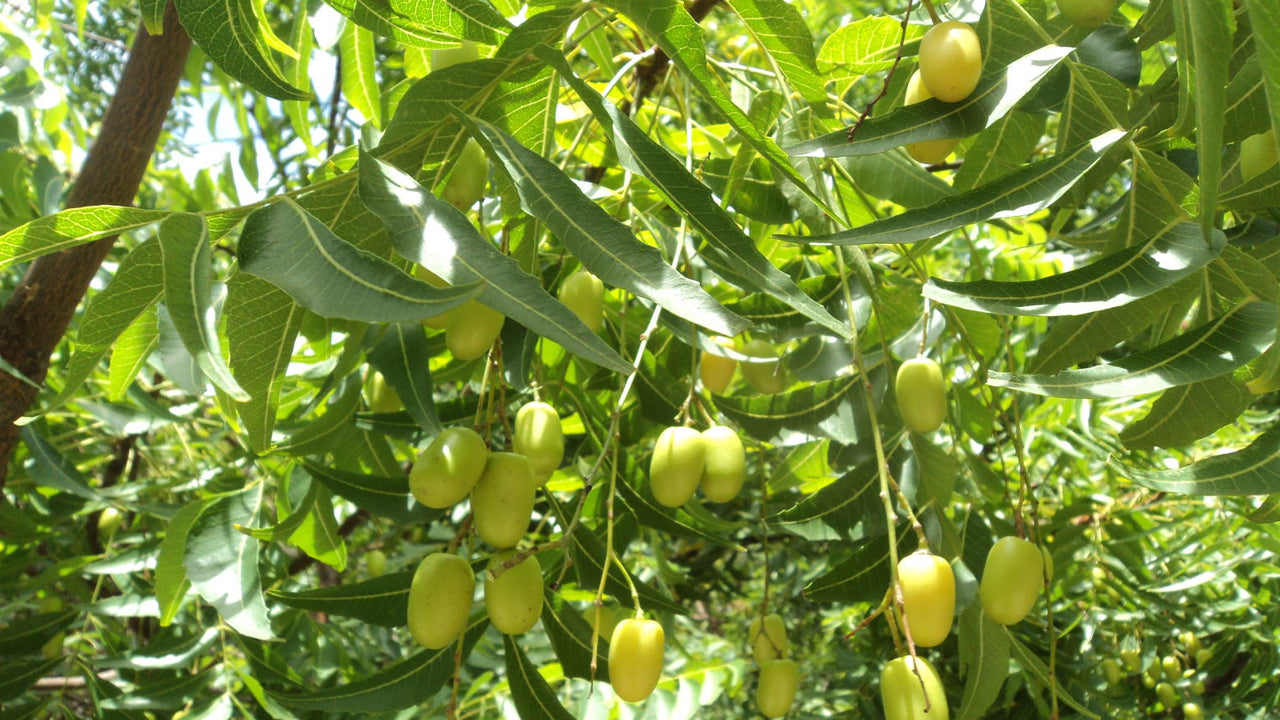
Indian lilac
Azadirachta indica -
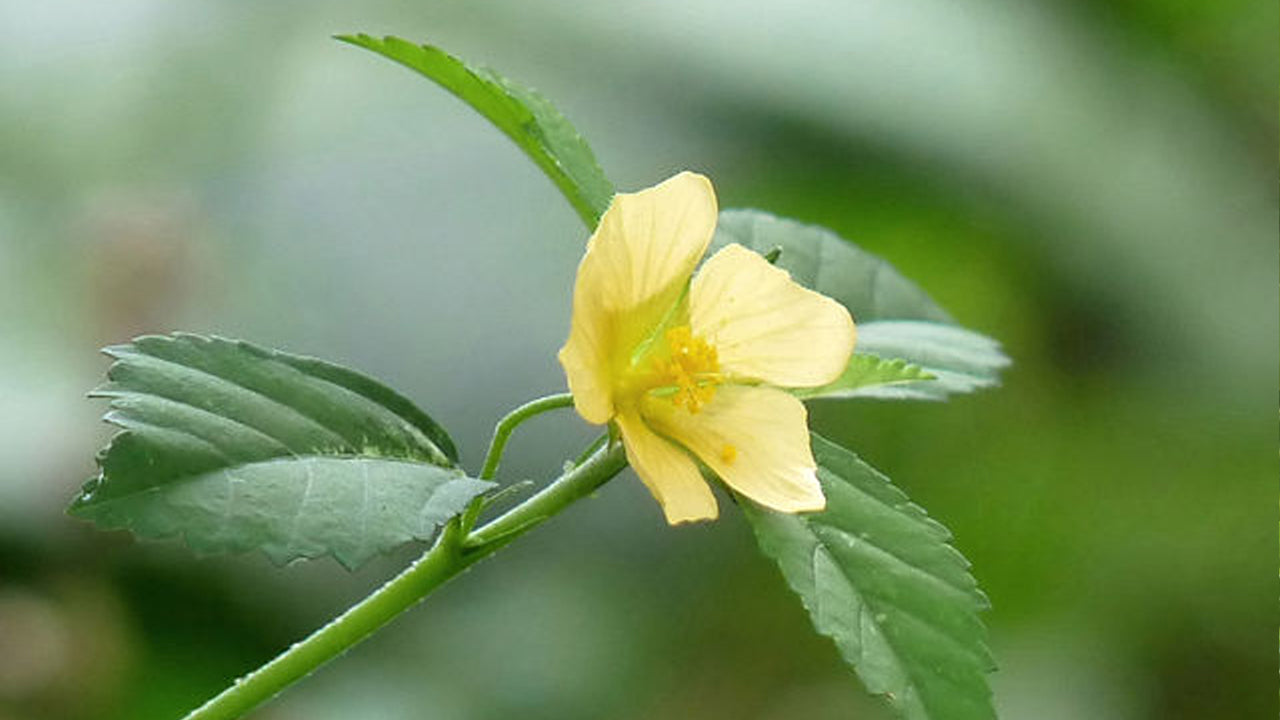
Spiny sida
Sida alba -
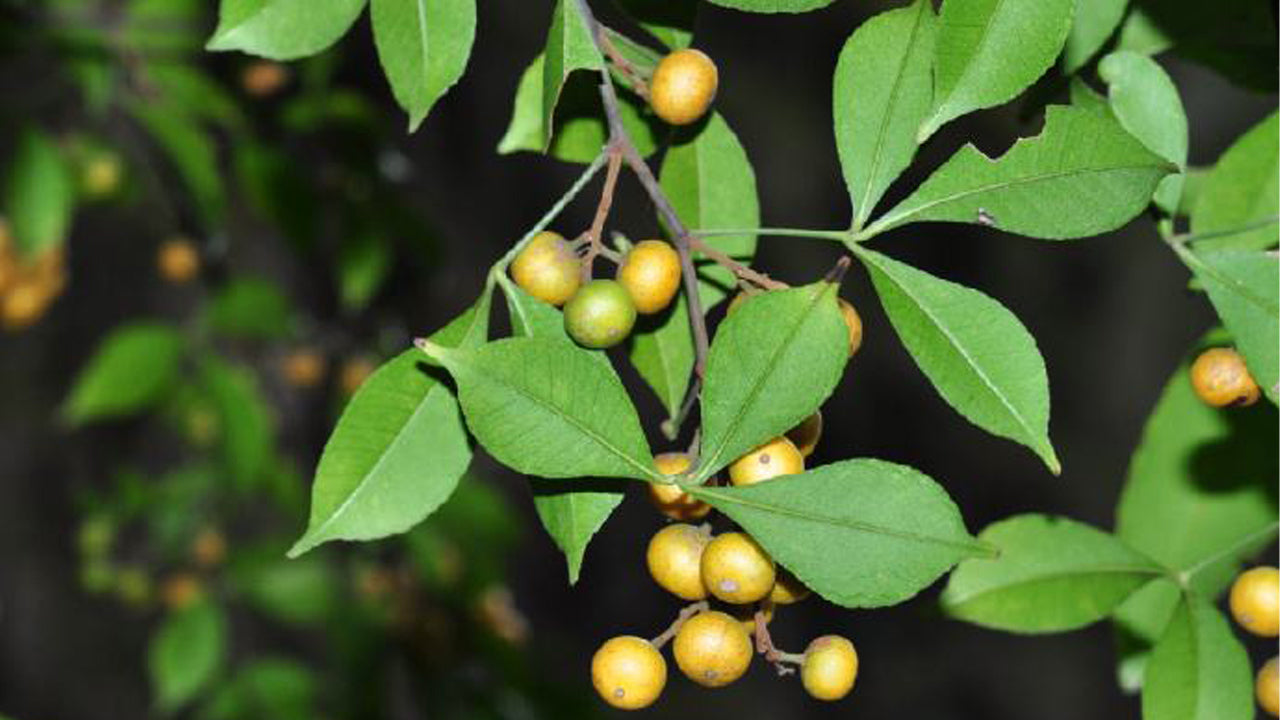
Orange climber
Toddlia asiatica -
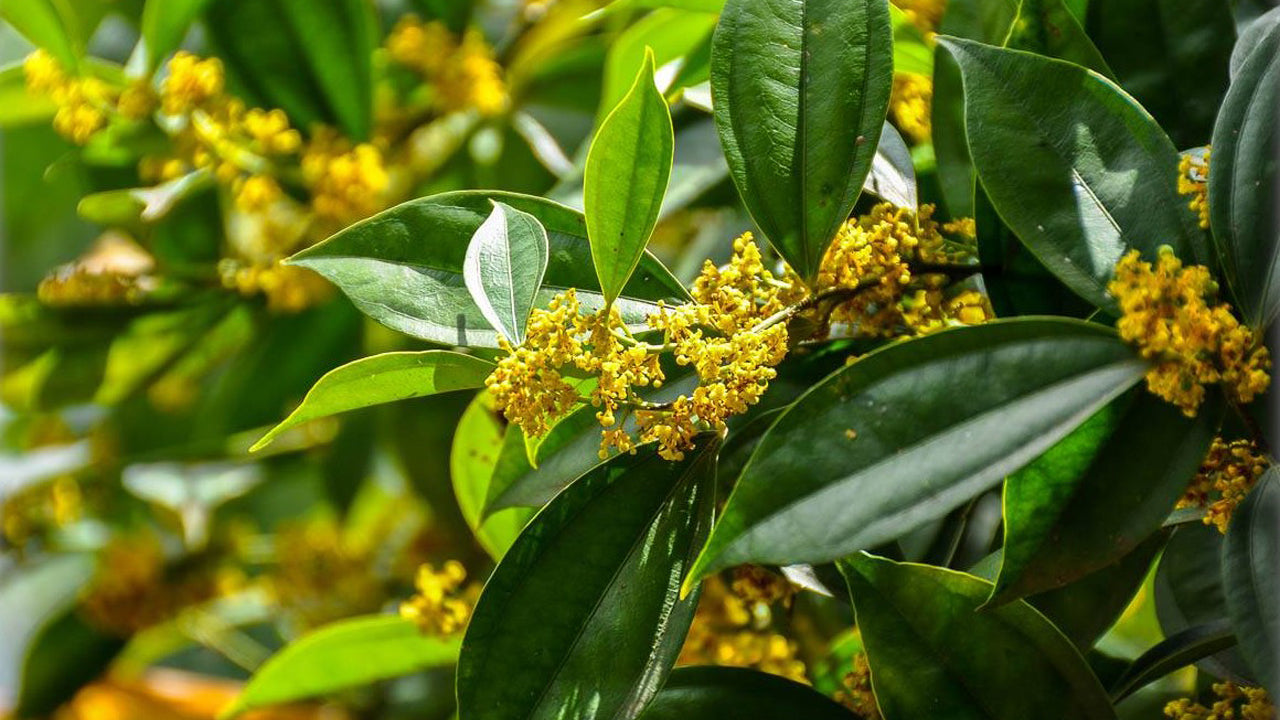
Ceylon cinnamon
Cinnamomum zeylanicum -
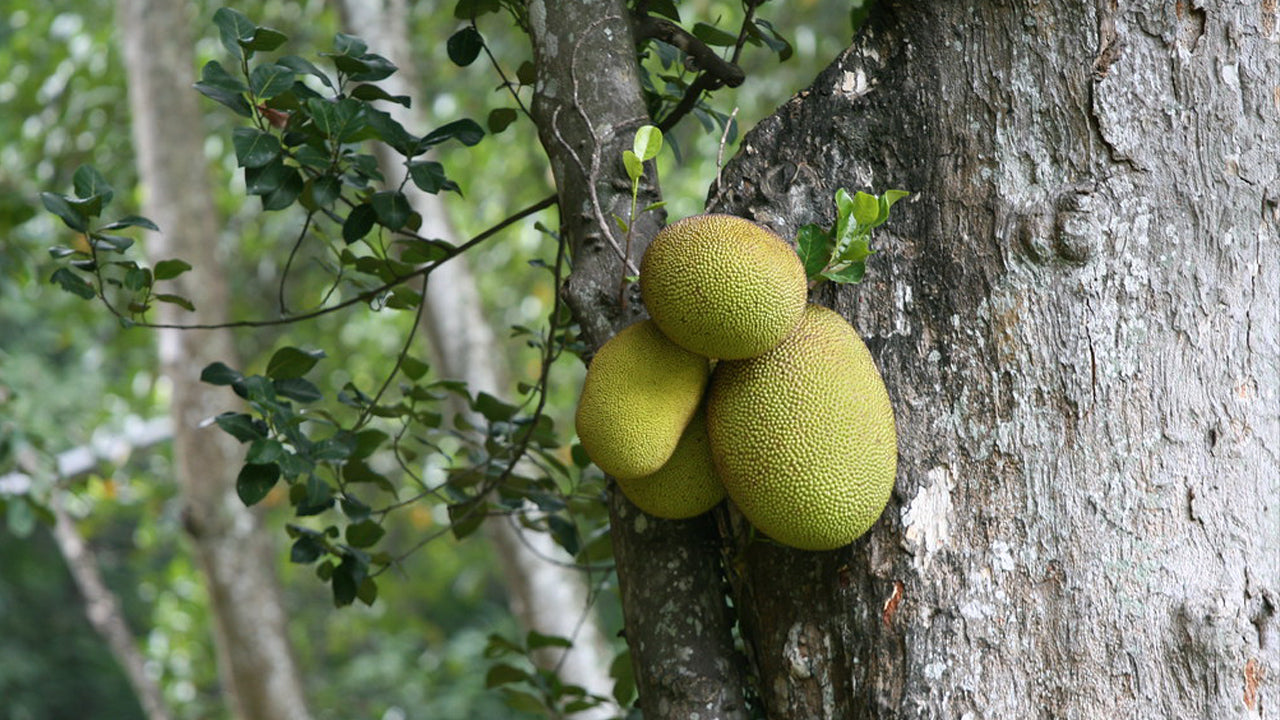
Jackfruit
Artocarpus heterophyllus -
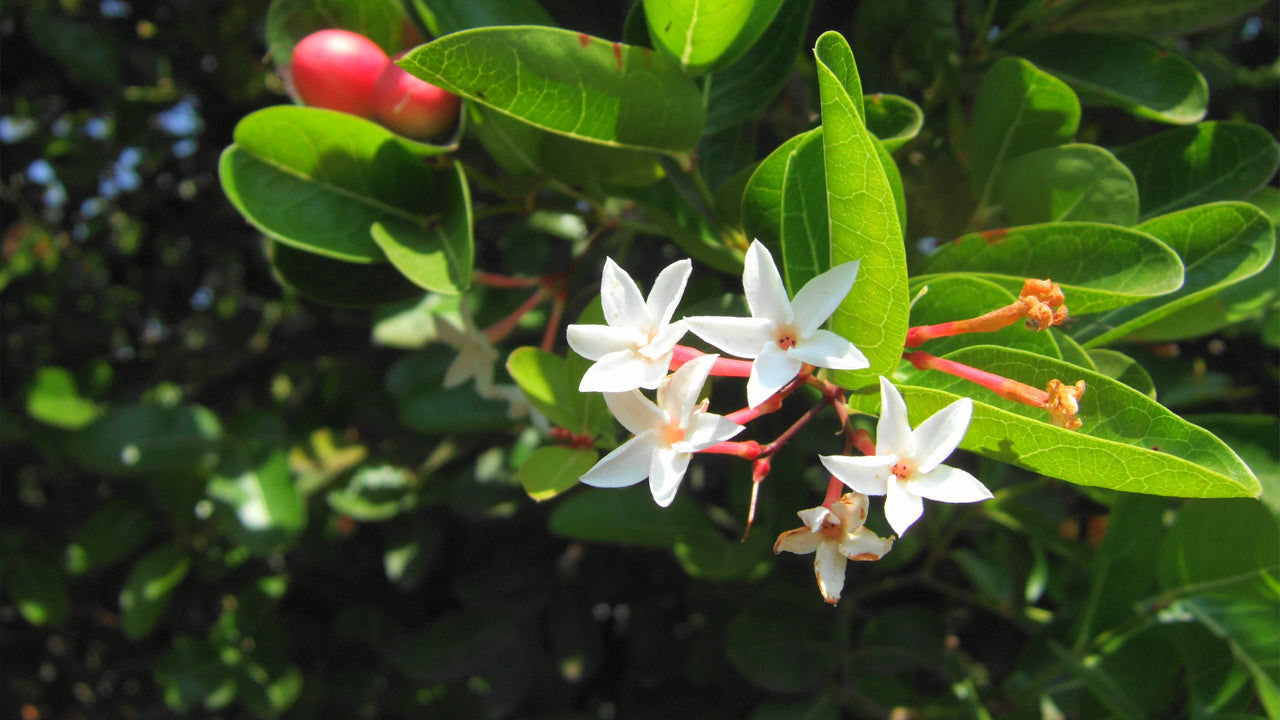
Karonda
Carissa carandas -
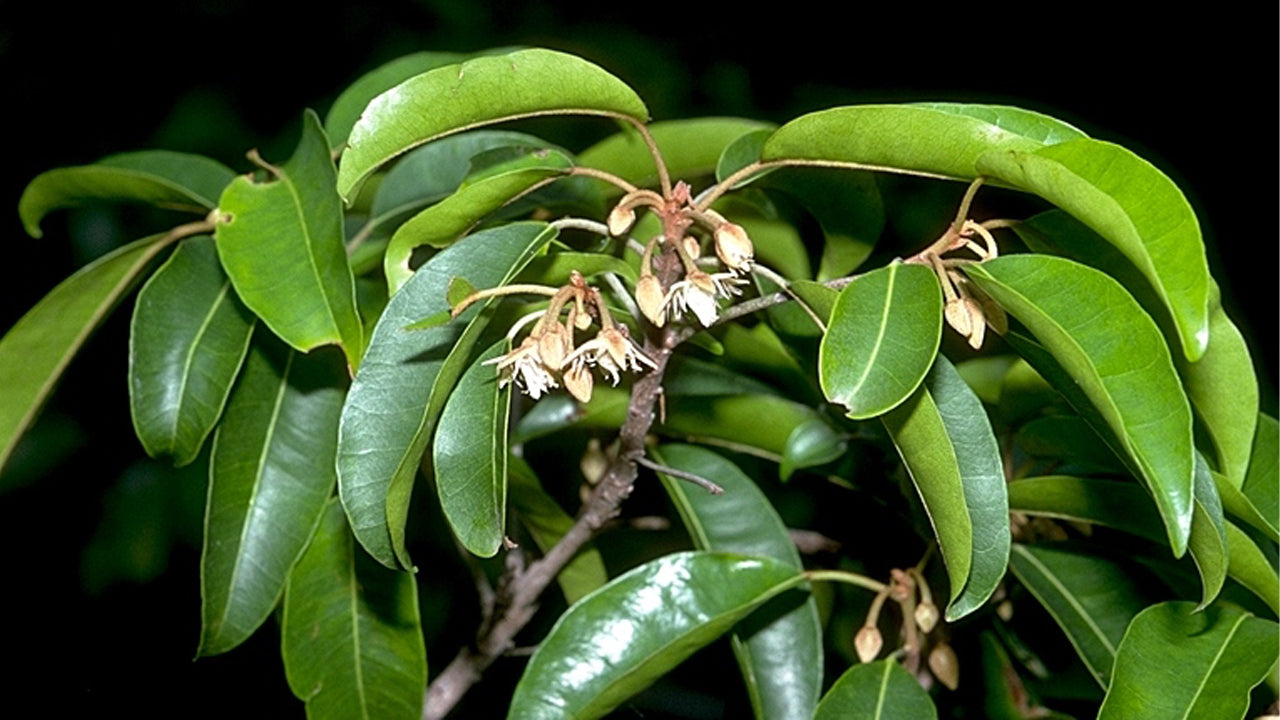
Spanish cherry
Mimusops elengi -
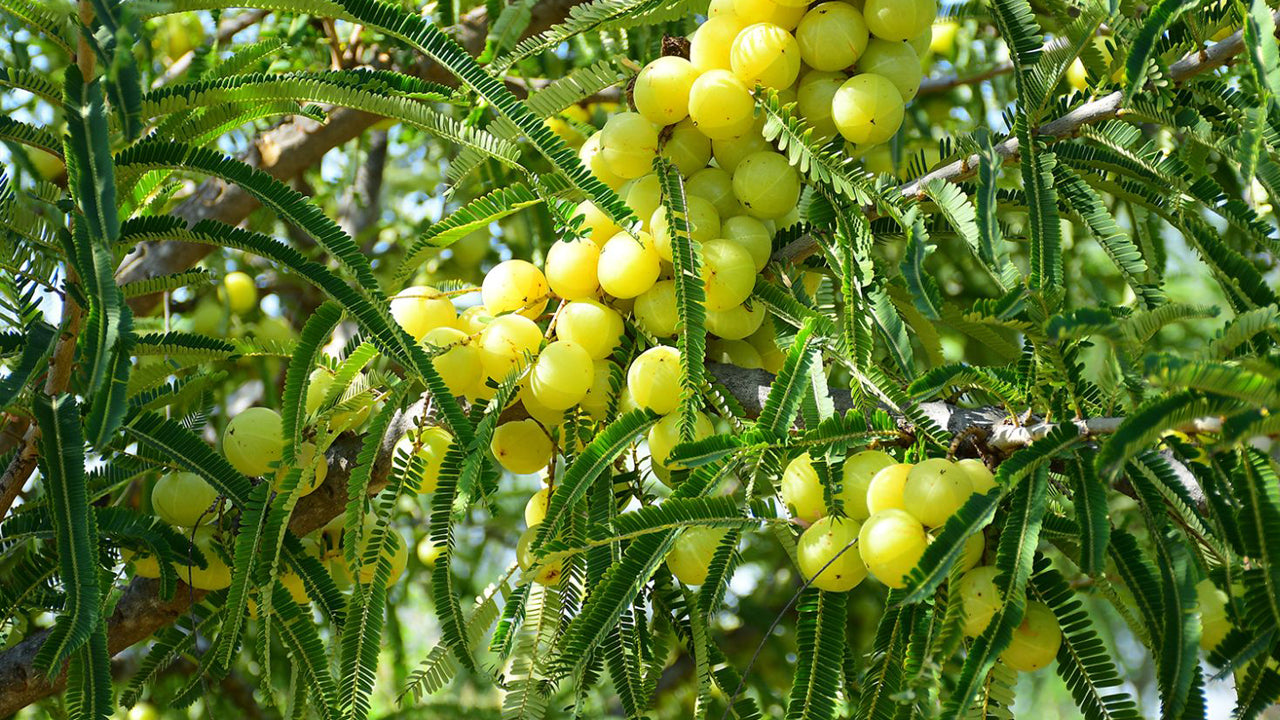
Indian gooseberry
Phyltanthus emblica -
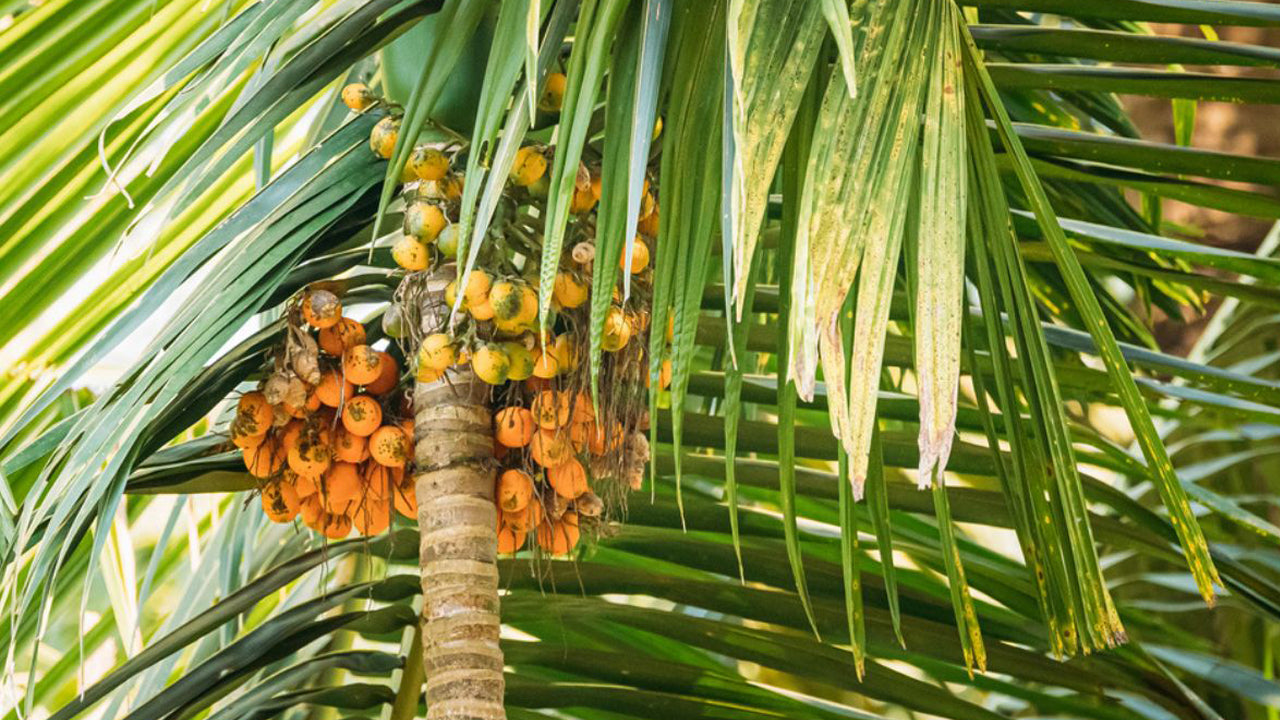
Betel palm
Areca catechu -
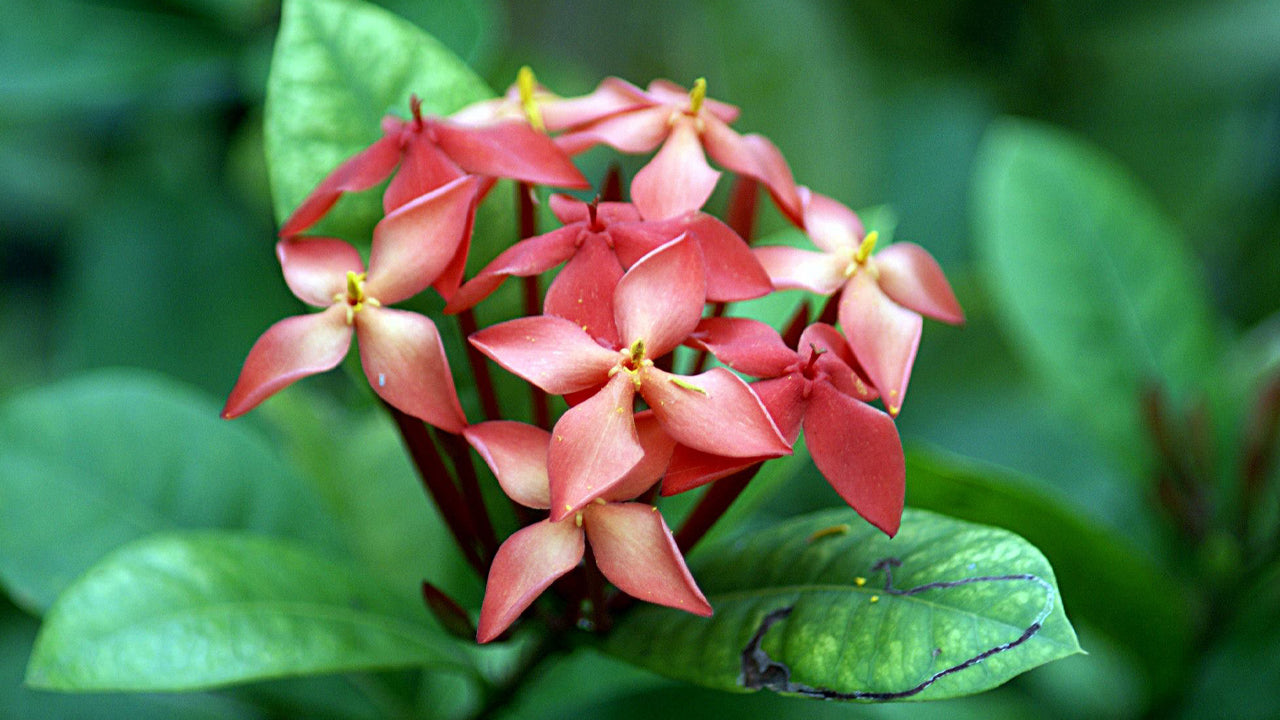
Jungle geranium
Ixora coccinea -
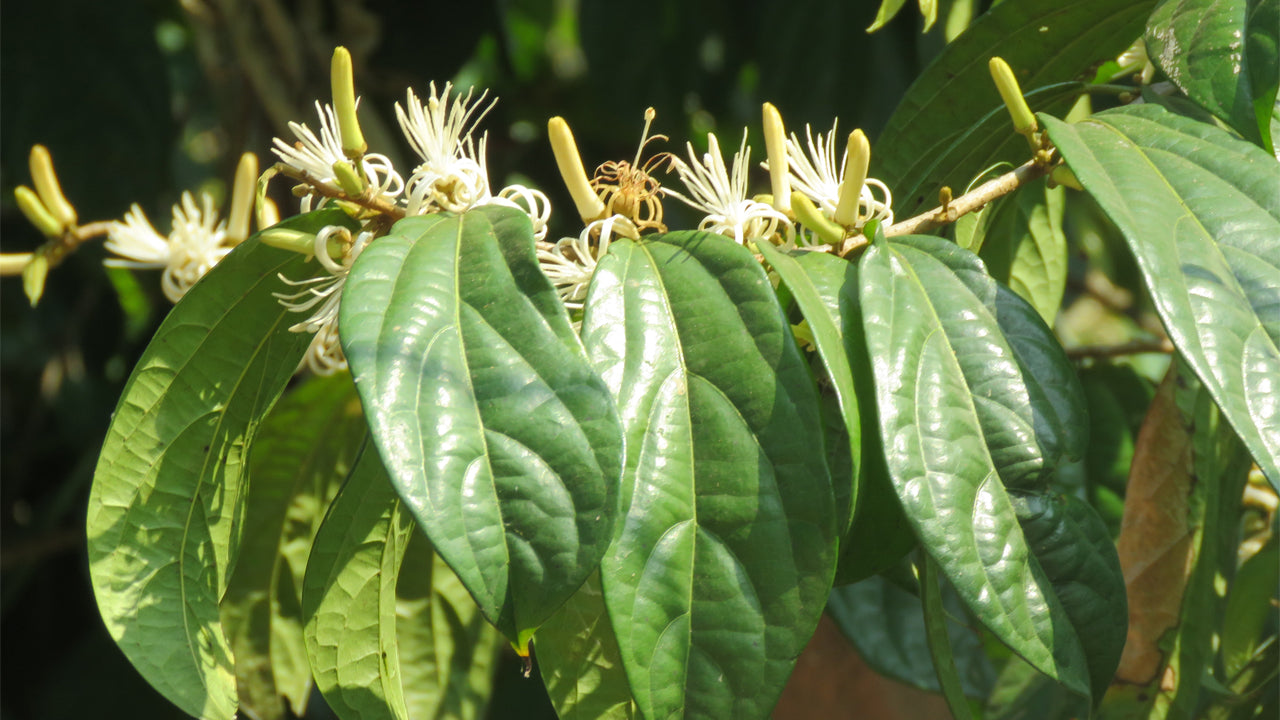
Sage-leaved alangium
Alangium salviifolium -
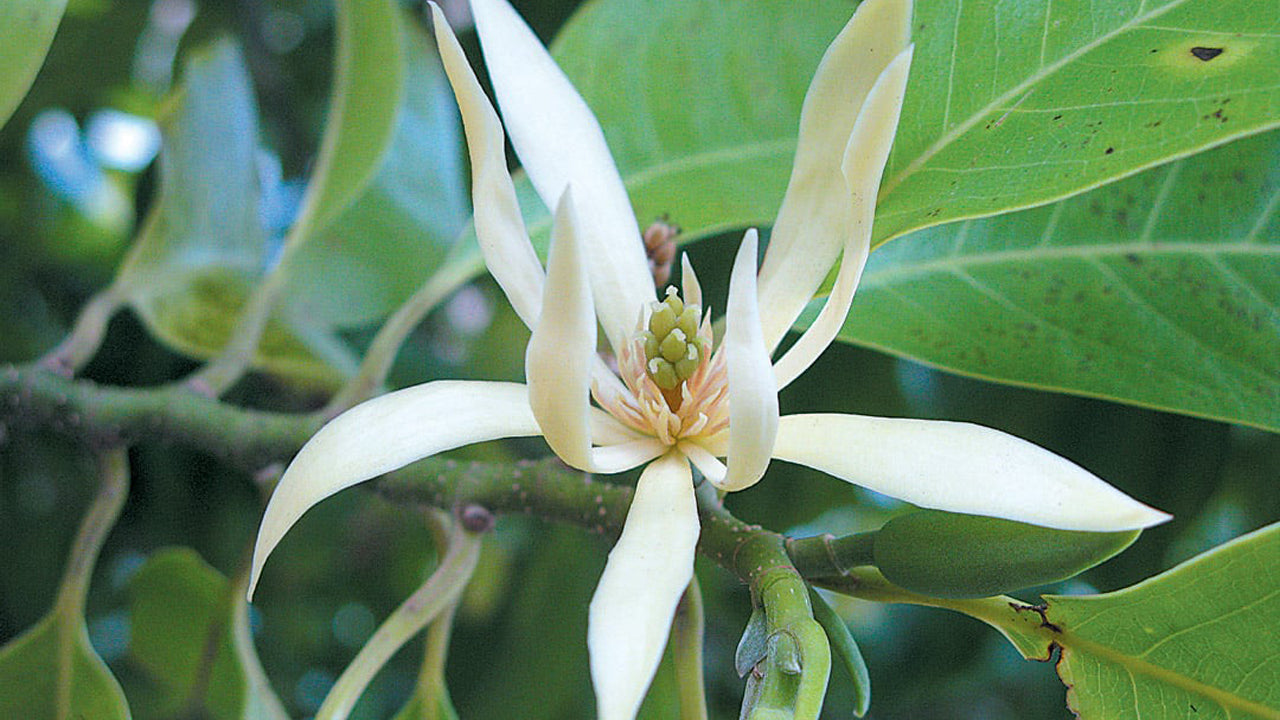
Champak
Michelia champaca -
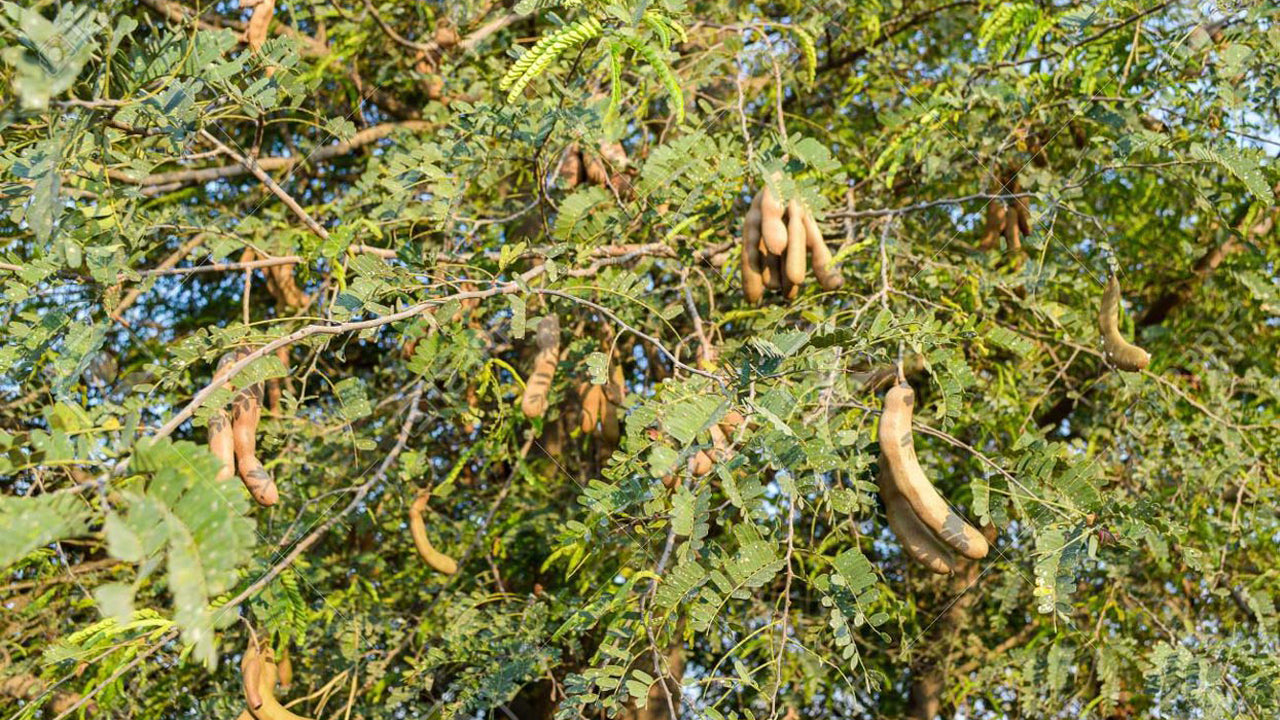
Tamarind
Tamarindus indica -
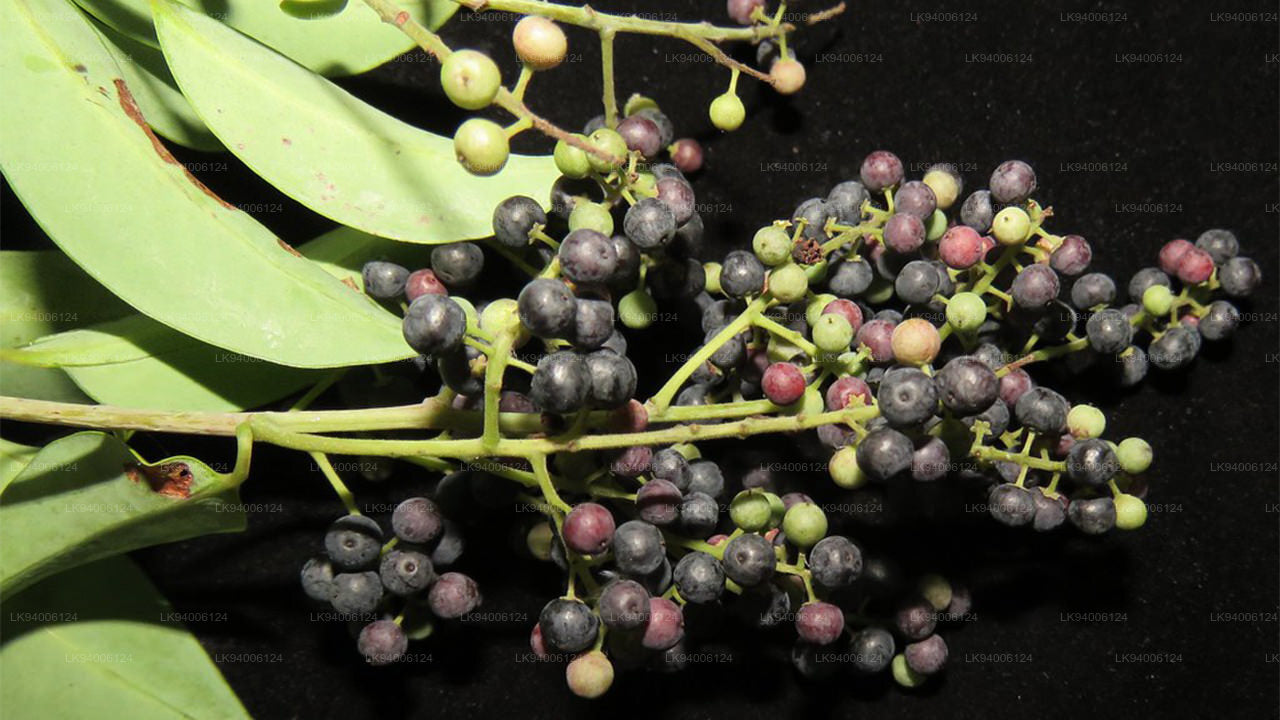
False Black Pepper
Embelia ribes -
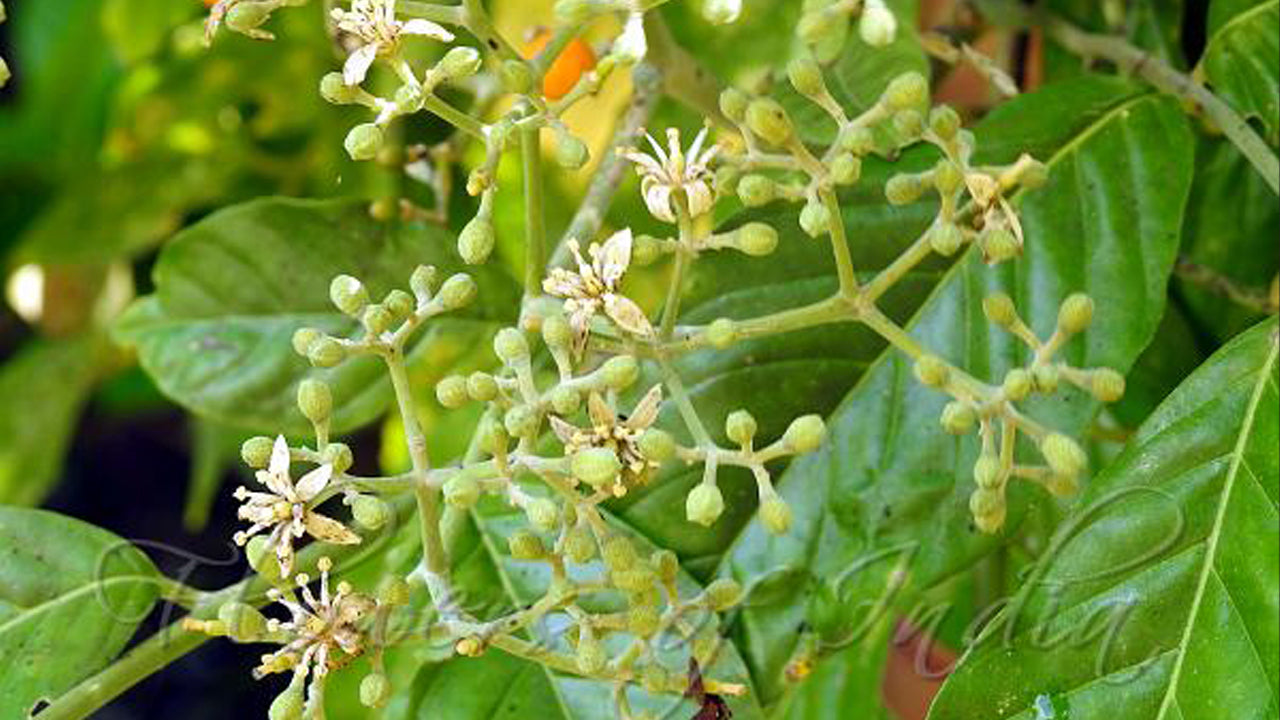
Limeberry
Micromelum ceylanicum -
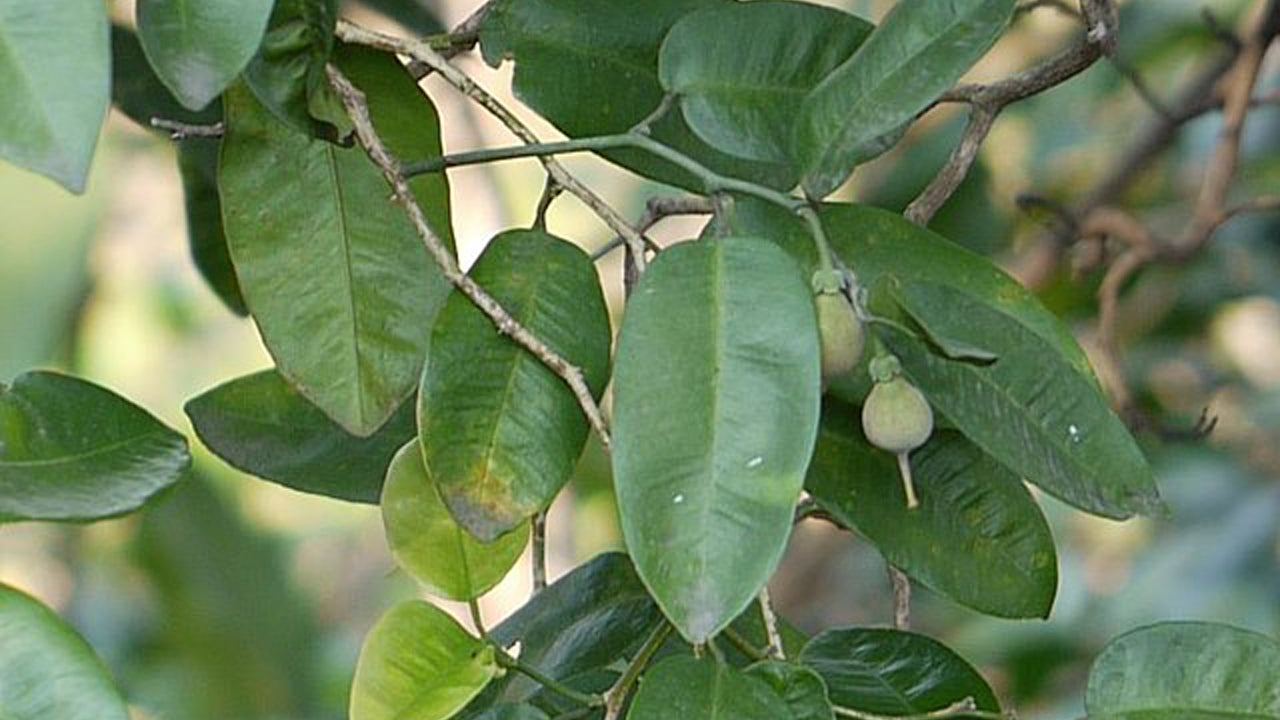
Climbing Atalantia
Paramignya monophylla





Ayurvedic and Herbal
-
 Sleva
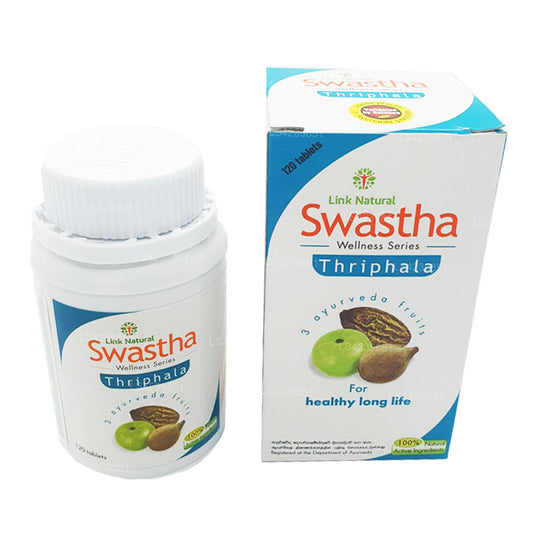
SlevaLink Swastha Triphala
Běžná cena Od $1.74 USDBěžná cena$1.93 USDVýprodejová cena Od $1.74 USDSleva -
 Sleva
SlevaOlej Setsuwa Pranajeeva
Běžná cena Od $3.85 USDBěžná cena$4.28 USDVýprodejová cena Od $3.85 USDSleva -
 Sleva
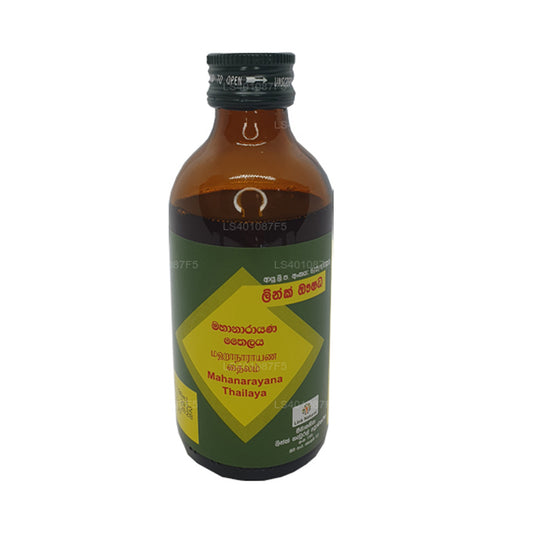
SlevaOlej Link Mahanarayana
Běžná cena Od $0.93 USDBěžná cena$1.11 USDVýprodejová cena Od $0.93 USDSleva -
 Sleva
SlevaTablety Link Sudarshana
Běžná cena Od $3.70 USDBěžná cena$4.11 USDVýprodejová cena Od $3.70 USDSleva