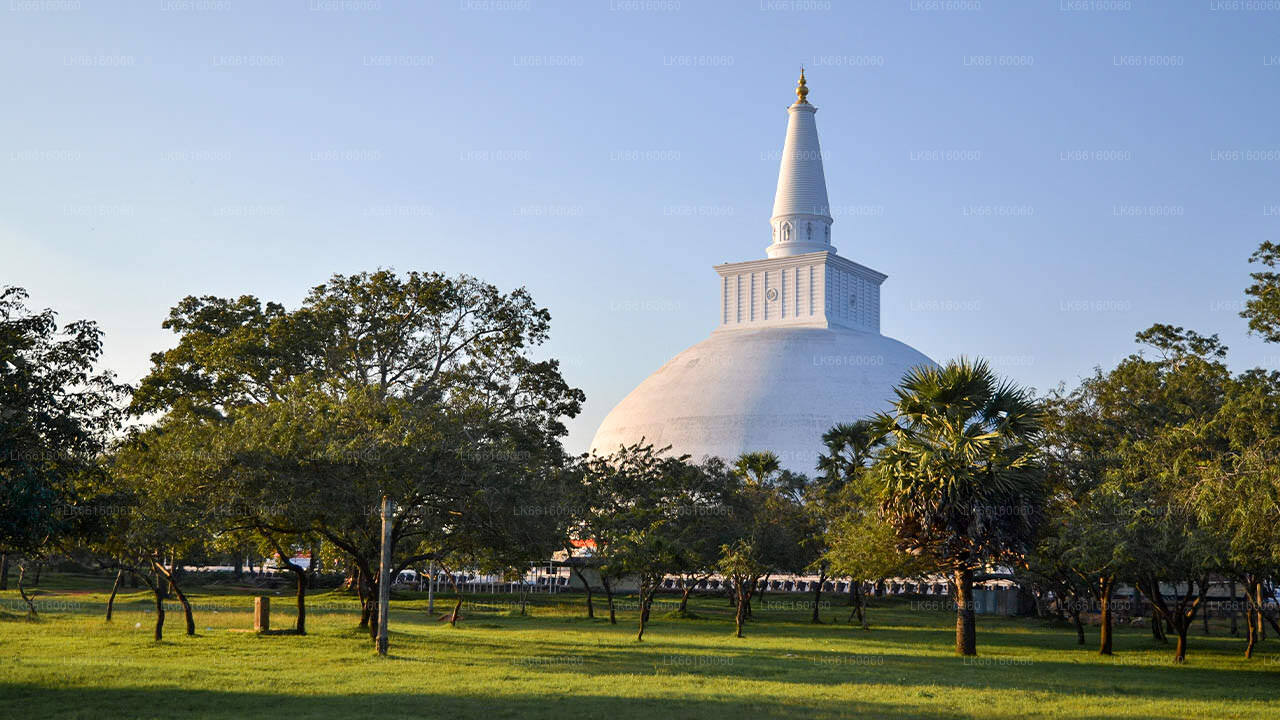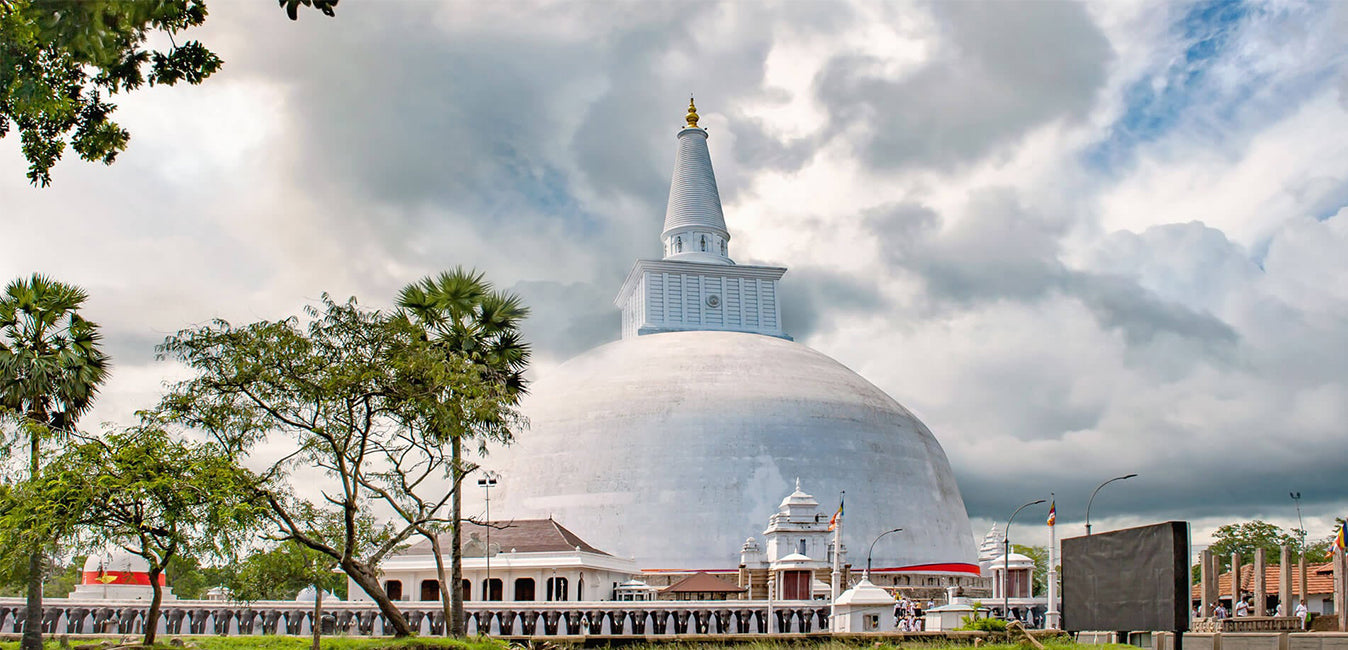
Stupa Džetávánárámája


Stupa Jetavanarama nebo Jetavanaramaya je stupa, nebo buddhistická reliquiární památka, která se nachází v ruinách kláštera Jetavana ve městě Anuradhapura, Srí Lanka. V době svého postavení byla s výškou 122 metrů (400 stop) nejvyšší stupa na světě a třetí nejvyšší stavba na světě, kterou postavil král Mahasena z Anuradhapury (273–301). Zahájil stavbu stupy: 49 po zničení Mahaviharaya z Anuradhapury. Jeho syn Maghavanna I. dokončil stavbu stupy a byla zrekonstruována Parakramabahu I. z Polonnaruwy. Některé části pásu nebo opasku, který byl spojen s Buddhou, jsou považovány za relikvii, která je zde uchována.
Stavba je významná v historii ostrova, protože představuje napětí mezi sektami buddhismu Theravády a Mahájány; je také významná v zaznamenané historii jako jedna z nejvyšších staveb ve starověkém světě; a nejvyšší nen pyramidová budova; výška stupy byla 122 metrů (400 stop), což ji činilo nejvyšší stupou ve starověkém světě. Po zničení a opuštění království Anuradhapura v 11. století byla stupa spolu s dalšími zakrytá džunglí. Král Parakramabahu se ve 12. století pokusil obnovit tuto stupu a byla přestavěna na současnou výšku, což je snížení z původní výšky. Dnes stojí ve výšce 71 metrů (233 stop).
Komplex pokrývá přibližně 5,6 hektaru a odhaduje se, že měl 10 000 buddhistických mnichů. Jedna strana stupy je dlouhá 176 m (576 stop) a schody na každé ze čtyř stran stupy jsou široké 9 m (28 stop). Dveřní rám do svatyně, která se nachází na nádvoří, je vysoký 8 m (27 stop). Stupa má základ o hloubce 8,5 m (28 stop) a stojí na skalní podložce.
Stavba již není nejvyšší, ale stále je největší, s podlahovou plochou 233 000 m2 (2 508 000 čtverečních stop). Na její stavbu bylo použito přibližně 93,3 milionu vypálených cihel; inženýrská vynalézavost při stavbě této struktury je významným vývojem v historii ostrova.


-
 Sri Maha Bodhiya
Jaya Sri Maha Bodhi is a sacred bo tree in the Mahamewna Gardens, Anuradhapura, Sri Lanka. It is the southern branch from the historical Sri Maha Bodhi at Buddha Gaya in India under which Buddha attained Enlightenment. It was planted in 288 BC, and is the oldest living human-planted tree in the world with a known planting date.
-
 Ruwanweliseya
The Ruwanweli Maha Seya, also known as the Mahathupa (the Great Thupa) is a stupa (a hemispherical structure containing relics) in Anuradhapura, Sri Lanka. Two quarts or one Dona of the Buddha's relics are enshrined in the stupa, making it the largest collection of his relics anywhere. It was built by Sinhalese King Dutugemunu in c. 140 B.C., who became king of Sri Lanka after a war in which the Chola King Elāra (Ellalan) was defeated.
-
 Thuparamaya
Thuparamaya is the first Buddhist temple that was constructed, after the arrival of mahinda thero(mahindagamanaya) in Sri Lanka. Located in the sacred area of Mahamewna park, the Thuparamaya Stupa is the earliest Dagoba to be constructed in the island, dating back to the reign of King Devanampiya Tissa (247-207 BC). The temple has been formally recognised by the Government as an archaeological site in Sri Lanka.
-
 Lovamahapaya
Lovamahapaya is a building situated between Ruwanweliseya and Sri Mahabodiya in the ancient city of Anuradhapura, Sri Lanka. It is also known as the Brazen Palace or Lohaprasadaya because the roof was covered with bronze tiles. In ancient times, the building included the refectory and the uposathagara (Uposatha house).
-
 Abhayagiri Stupa
Abhayagiri Vihāra was a major monastery site of Mahayana, Theravada and Vajrayana Buddhism that was situated in Anuradhapura, Sri Lanka. It is one of the most extensive ruins in the world and one of the most sacred Buddhist pilgrimage cities in the nation.
-
 Jetavanaramaya
The Jetavanarama stupa or Jetavanaramaya is a stupa, or Buddhist reliquary monument, located in the ruins of Jetavana monastery in the UNESCO world heritage city of Anuradhapura, Sri Lanka. At 122 metres (400 ft), it was the world's tallest stupa, and the third tallest structure in the world when it was built by King Mahasena of Anuradhapura (273–301).
-
 Mirisawetiya Stupa
The Mirisaweti Stupa is a memorial building, a stupa, situated in the ancient city of Anuradhapura, Sri Lanka. King Dutugamunu (161 BC to 137 BC) built the Mirisaveti Stupa after defeating King Elara. After placing the Buddha relics in the sceptre, he had gone to Tissa Wewa for a bath leaving the sceptre.
-
 Lankarama
Lankarama is a stupa built by King Valagamba, in an ancient place at Galhebakada in the ancient kingdom of Anuradhapura, Sri Lanka. Nothing is known about the ancient form of the stupa, and later this was renovated. The ruins show that there are rows of stone pillars and it is no doubt that there has been a house built encircling the stupa (vatadage) to cover it.
-
 Isurumuniya
Isurumuniya is a Buddhist temple situated near to the Tissa Wewa (Tisa tank) in Anuradhapura, Sri Lanka. There are four carvings of special interest in this Vihara. They are the Isurumuniya Lovers, Elephant Pond and The Royal Family. The ancient Meghagiri Vihara or Meygiri Vihara is presently identified as the Isurumuni Vihara.