Embekka Devalaya (chrám)

Chrám Embekke Chrám Embekke Chrám Embekke

Chrám Embekke na Srí Lance: Místo s některými z nejlepších dřevořezeb na světě

V oblasti Udu Nuwara v okrese Kandy se nachází chrám s historií starou více než šest století. Byl postaven za vlády krále Wickremabahu III. (1371-1394 n. l.), který vládl v království Gampola, a je prakticky pokryt dřevořezbami. UNESCO potvrdilo, že tyto dřevořezby patří k nejkvalitnějším a nejdetailnějším na světě. Chrám je zasvěcen bohu, kterého hinduisté znají jako 'Murugan' a buddhisté jako 'božstvo Katharagama'.

Příběh

Legenda praví, že se choť krále Vickramabahu III., Henakanda Biso Bandara, probudila z podivného snu, ve kterém se jí zjevil bůh a požádal ji, aby pro něj postavila chrám. Když zjistila, že bubeník Rangama měl stejný sen, považovali to za znamení a postavili chrám společně. Původní chrám měl být třípatrovou stavbou, která bohužel nepřežila zub času.

Struktura

Chrám se skládá ze tří hlavních částí. První je Svatyně Garagha, což je vnitřní svatyně, kde se nacházejí sochy boha. Další je Taneční sál neboli Digge, který představuje královu choť Henakandu Bandaru a kde se za časů králů konaly taneční události. Poslední částí je Bubenícký sál, představující bubeníka Rangamu a kde se kdysi konaly hudební události.

Dřevořezby

S výjimkou Svatyně je zbytek chrámu vyroben téměř výhradně ze dřeva. Od vyřezávaných dřevěných sloupů v sálech s otevřenými stranami až po nádherně zpracovanou střechu, celá oblast je pokryta řezbami. Základny sloupů jsou osmibokého tvaru, zatímco jejich vrcholy končí ve tvaru čtyř listů naskládaných do čtverce. Sloupy mají na stranách základen vyřezané různé obrazy. Kromě toho zdobí řezby trámy, krokve a zárubně dveří.

Mezi pozoruhodné řezby mezi těmito mistrovskými díly patří propletené labutě, dvouhlaví orli, propletené provazové vzory, obraz kojící ženy, voják bojující na koni, tanečnice, zápasníci, ženy vycházející z žíly, hybridy ptáka a člověka, hybridy slona a býka, hybridy slona a lva a mnoho dalších. Řezby celého chrámu zahrnují 125 sérií dekorací, 256 vzorů typu liyawela, 64 lotosových vzorů, 30 dekorativních vzorů a vzory střech, což dohromady činí 514 unikátních vzorů.

Střecha chrámu je vynikajícím příkladem starověké dřevěné architektury, kde je 26 krokví podepřeno jediným dřevěným kolíkem.

Související ruiny

Asi osminu míle od chrámu se nacházejí ruiny se skupinou kamenných sloupů. Řezby na sloupech jsou totožné s těmi v chrámu Embekke. Říká se, že kdysi na těchto sloupech spočívala dřevěná střecha, ale nyní jsou v troskách.

Jak chrám Embekke, tak blízké ruiny stojí za návštěvu pro milovníky historie i umění.

Chrám Embekke Chrám Embekke Chrám Embekke

About Kandy District

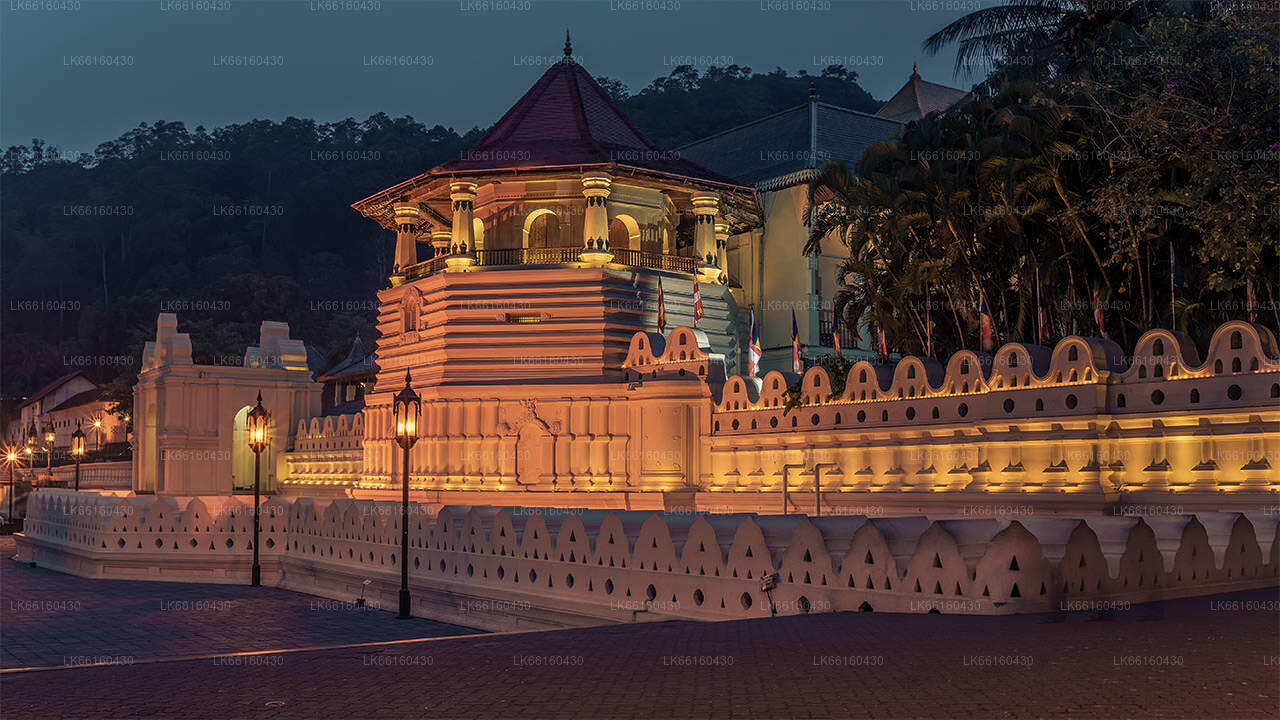
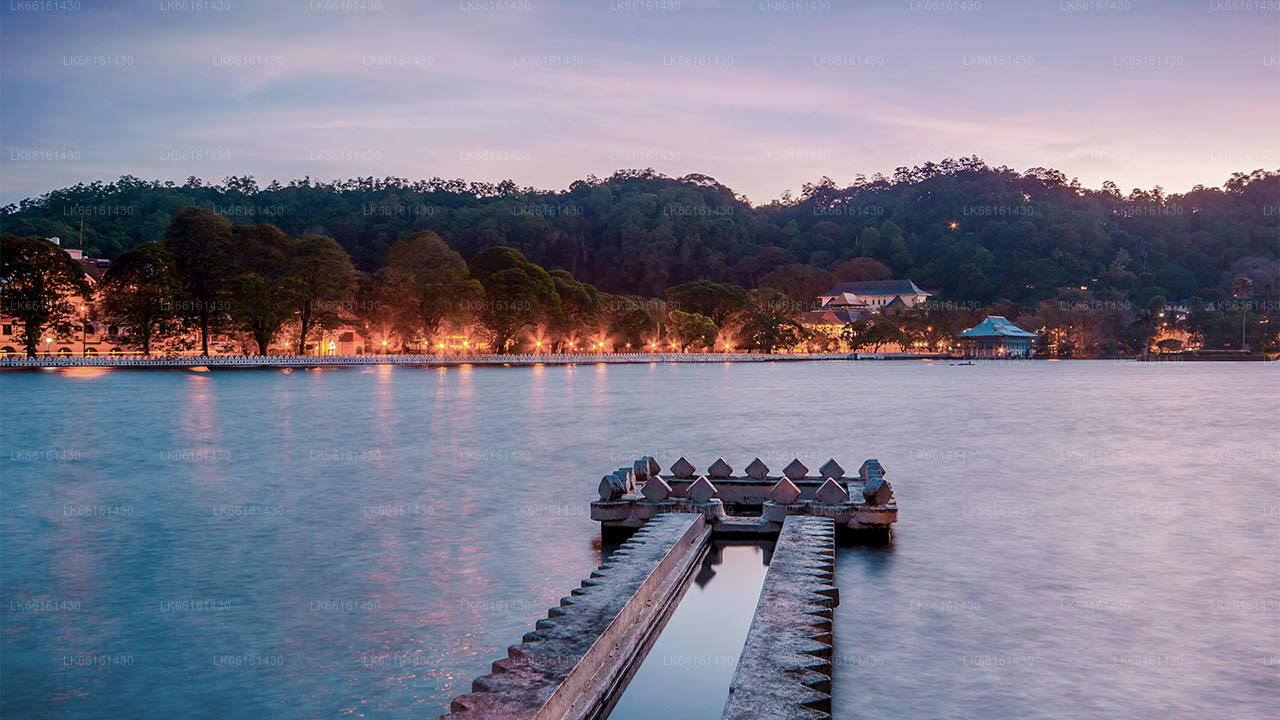
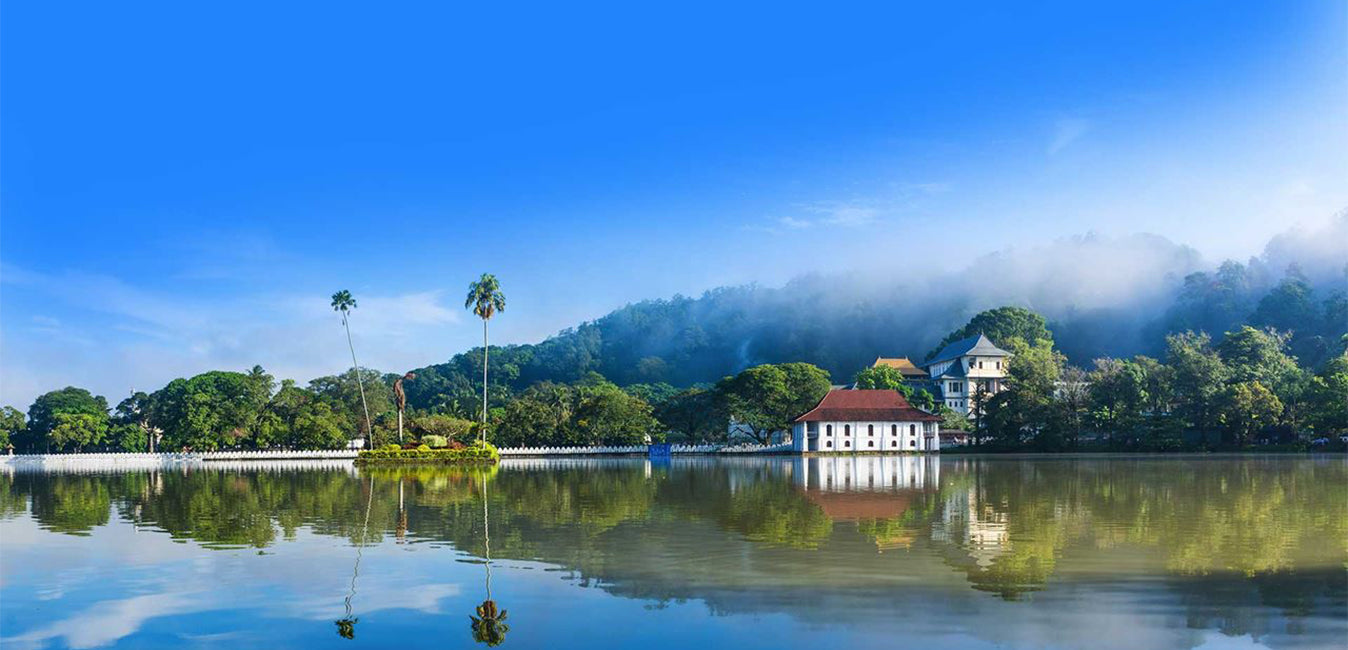
Kandy district is situated in the centrel province of Sri Lanka. One of the seven World Heritage Sites in Sri Lanka, Kandy was once home to the Kandyan Kings of yore in the 16th-century and a fountainhead for all the music, arts, crafts and culture in the country. About 129 km away from Colombo, Kandy is ensconced amongst a hilly terrain and all eyes are drawn to the centre of the city, where the Kandy Lake forms a charming feature. Kandy retains great religious significance for Sri Lanka, because it is in this charming city that the Dalada Maligawa or "Temple of the Tooth" is located, within which the sacred tooth relic of Lord Buddha lies well guarded.

The Royal Botanical Garden, Peradeniya is situated about 5 km to the west of the city centre at Peradeniya and is visited by 1.2 million people per year. It is the largest botanical garden on the island. The Udawatta Kele (Udawatta Forest) is a protected sanctuary situated in the heart of the city, just north of Temple of the Tooth.

Kandy is a Sinhala majority city; there are sizeable communities belonging to other ethnic groups, such as Moors and Tamils. Kandy is second only to Colombo the center of the Sri Lankan Economy. Many major co operations have large branch officers in Kandy and many industries include textiles, furniture, Information Technology and jewellery are found here. Many agriculture research centers are located in the city.

And a fountainhead for all the music, arts, crafts and culture in the country. About 129 km away from Colombo, Kandy is ensconced amongst a hilly terrain and all eyes are drawn to the centre of the city, where the Kandy Lake forms a charming feature. Kandy retains great religious significance for Sri Lanka , because it is in this charming city that the Dalada Maligawa or Temple of the Toothis located, within which the sacred tooth relic of Lord Buddha lies well guarded.

About Central Provincce

The Central Province of Sri Lanka consists primarily of mountainous terrain. The province has an area of 5,674 km², and a population of 2,421,148. Some major towns include Kandy, Gampola (24,730), Nuwara Eliya and Bandarawela. The population is a mixture of Sinhalese, Tamil and the Moors.

Both the hill capital Kandy and the city of Nuwara Eliya are located within the Central Province as well as Sri Pada. The province produces much of the famous Ceylon tea, planted by the British in the 1860s after a devastating disease killed all the coffee plantations in the province. Central Province attracts many tourists, with hill station towns such as Kandy, Gampola, Hatton and Nuwara Eliya. Temple tooth or Dalada maligawa is the main sacred place in Centrel province.

The climate is cool, and many areas about 1500 meters often have chilly nights. The western slopes are very wet, some places having almost 7000 mm of rain per year. The eastern slopes are parts of the mid-dry zone as it is receiving rain only from North-Eastern monsoon. The Temperatures range from 24°C at Kandy to just 16°C in Nuwara Eliya, which is located 1,889 m above sea level. The highest mountains in Sri Lanka are located in the Central Province. The terrain is mostly mountainous, with deep valleys cutting into it. The two main mountain regions are the central massif and the Knuckles range to the east of Kandy.