Dill


Description
Providing a tangy addition to pickles, salad dressing and fish dishes, fresh dill is available at markets during the summer and early fall while dried dill is available throughout the year.
Dill is a unique plant in that both its leaves and seeds are used as a seasoning. Dill's green leaves are wispy and fernlike and have a soft, sweet taste. Dried dill seeds are light brown in color and oval in shape, featuring one flat side and one convex ridged side. The seeds are similar in taste to caraway, featuring a flavor that is aromatic, sweet and citrusy, but also slightly bitter.
Dill's name comes from the old Norse word dilla which means "to lull." This name reflects dill's traditional uses as both a carminative stomach soother and an insomnia reliever. Dill is scientifically known as Anethum graveolens and is part of the Umbelliferae family, whose other members include parsley, cumin and bay.
History
Dill is native to southern Russia, western Africa and the Mediterranean region. It has been used for its culinary and medicinal properties for millennia. Dill was mentioned both in the Bible and in ancient Egyptian writings. It was popular in the ancient Greek and Roman cultures, where it was considered a sign of wealth and was revered for its many healing properties. Dill was used by Hippocrates, the father of medicine, in a recipe for cleaning the mouth. Ancient soldiers would apply burnt dill seeds to their wounds to promote healing.
The curative properties of dill have been honored throughout history. The Conqueror Charlemagne even made it available on his banquet tables, so his guests who indulged too much could benefit from its carminative properties. Today, dill is a noted herb in the cuisines of Scandinavia, Central Europe, North Africa and the Russian Federation.
How to Select and Store
Whenever possible, choose fresh dillweed over the dried form of the herb since it is superior in its delicate fragrant flavor. The leaves of fresh dill should look feathery and green in color. Dill leaves that are a little wilted are still acceptable since they usually droop very quickly after being picked.
Even through dried herbs and spices are widely available in supermarkets, explore the local spice and ethnic stores in your area. Oftentimes, these stores feature an expansive selection of dried herbs and spices that are of superior quality and freshness compared to those offered in regular markets. Just like with other dried herbs, try to select organically grown dill seeds since this will give you more assurance that the spice has not been irradiated.
Fresh dill should always be stored in the refrigerator either wrapped in a damp paper towel or with its stems placed in a container of water. Since it is very fragile, even if stored properly, dill will only keep fresh for about two days. Dill can be frozen, either whole or chopped, in airtight containers. Alternatively, you can freeze the dill leaves in ice cube trays covered with water or stock that can be added when preparing soups or stews.
Dried dill seeds should be stored in a tightly sealed glass container in a cool, dry and dark place where they will keep fresh for about six months.
-
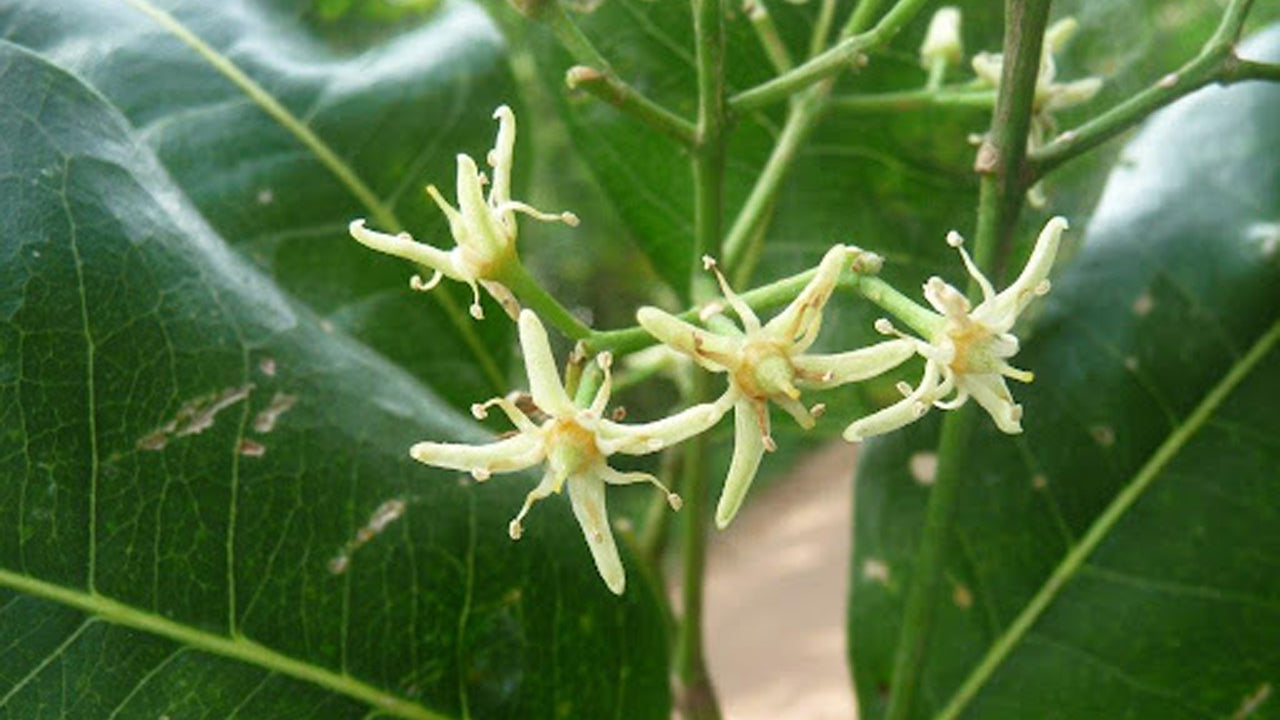
Claw-flowered laurel
Acronychia pedunculata -
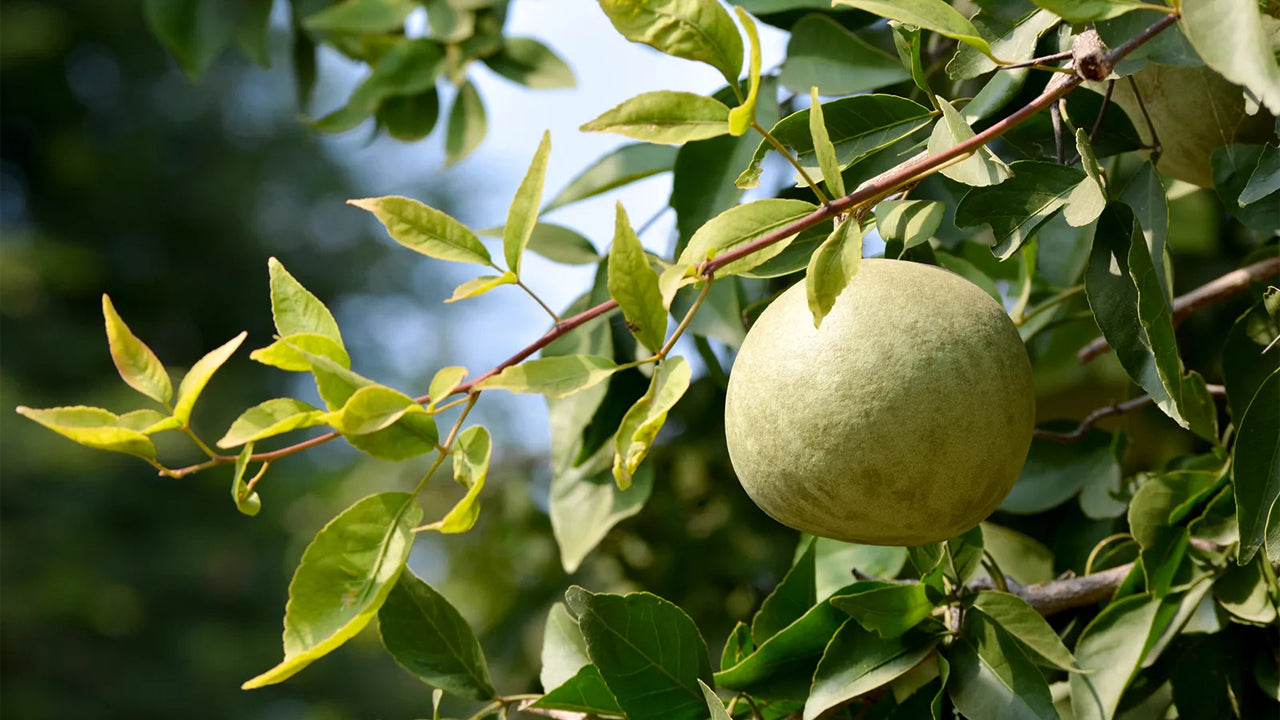
Bael
Aegle marmelos -
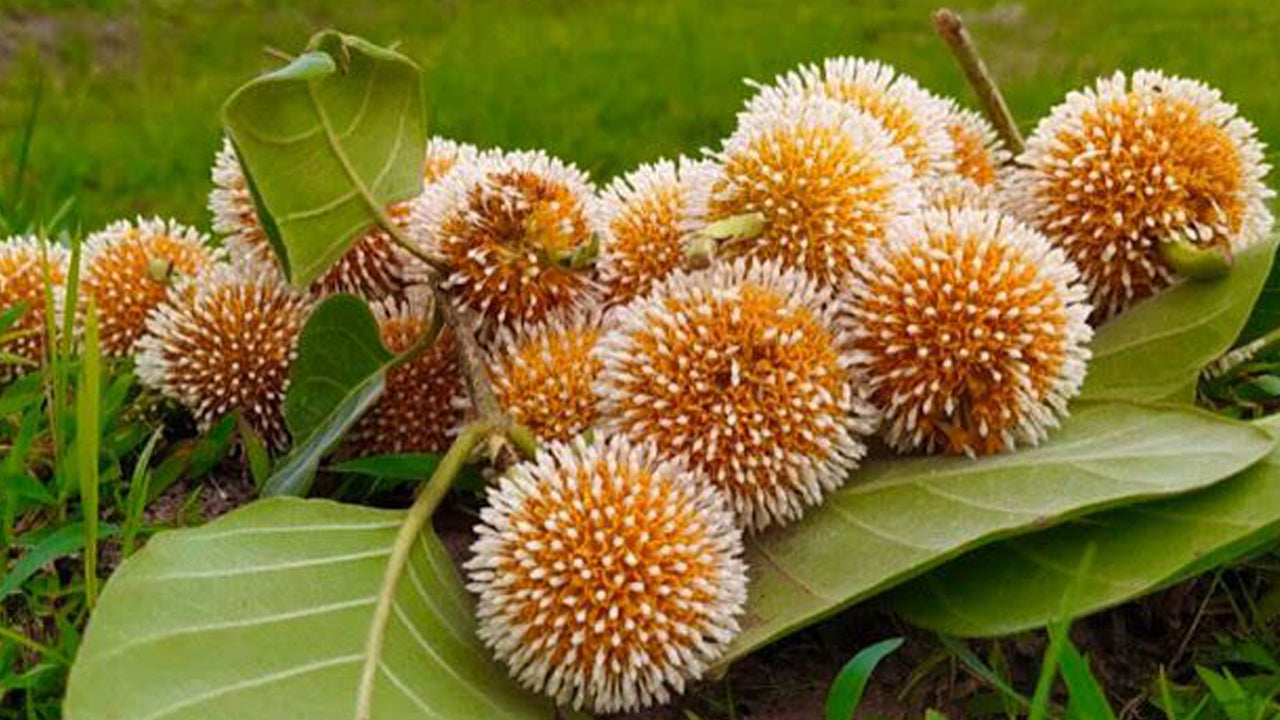
Leichhardt tree
Nauclea orientalis -
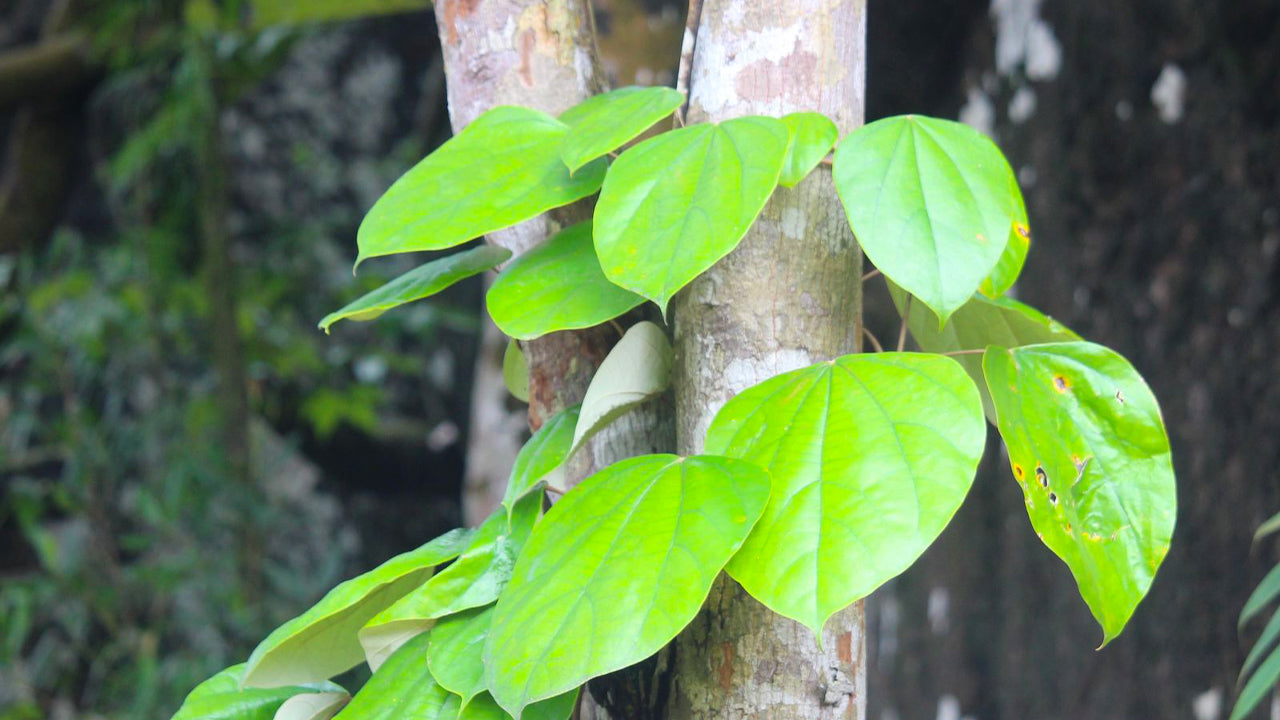
False Calumba
Coscinium fenestratum -

Malabar Gulbel
Tinospora malabarica -
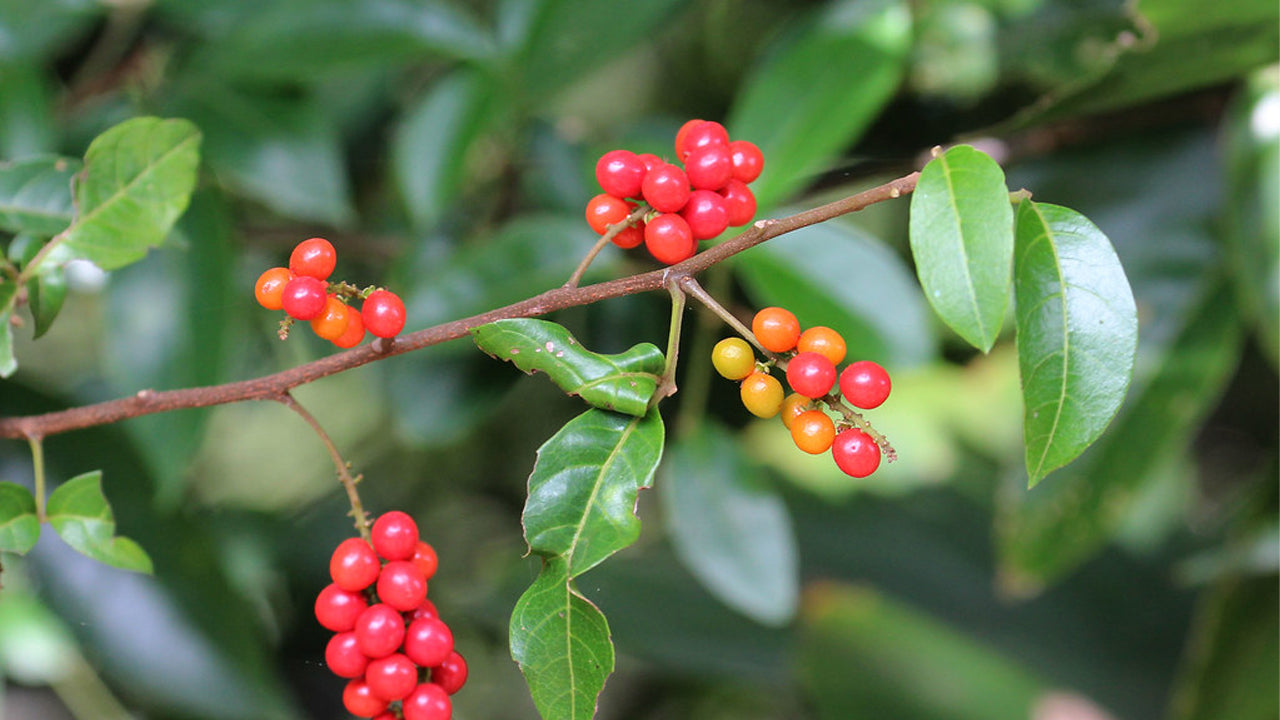
Titberry
Allophylus cobbe -
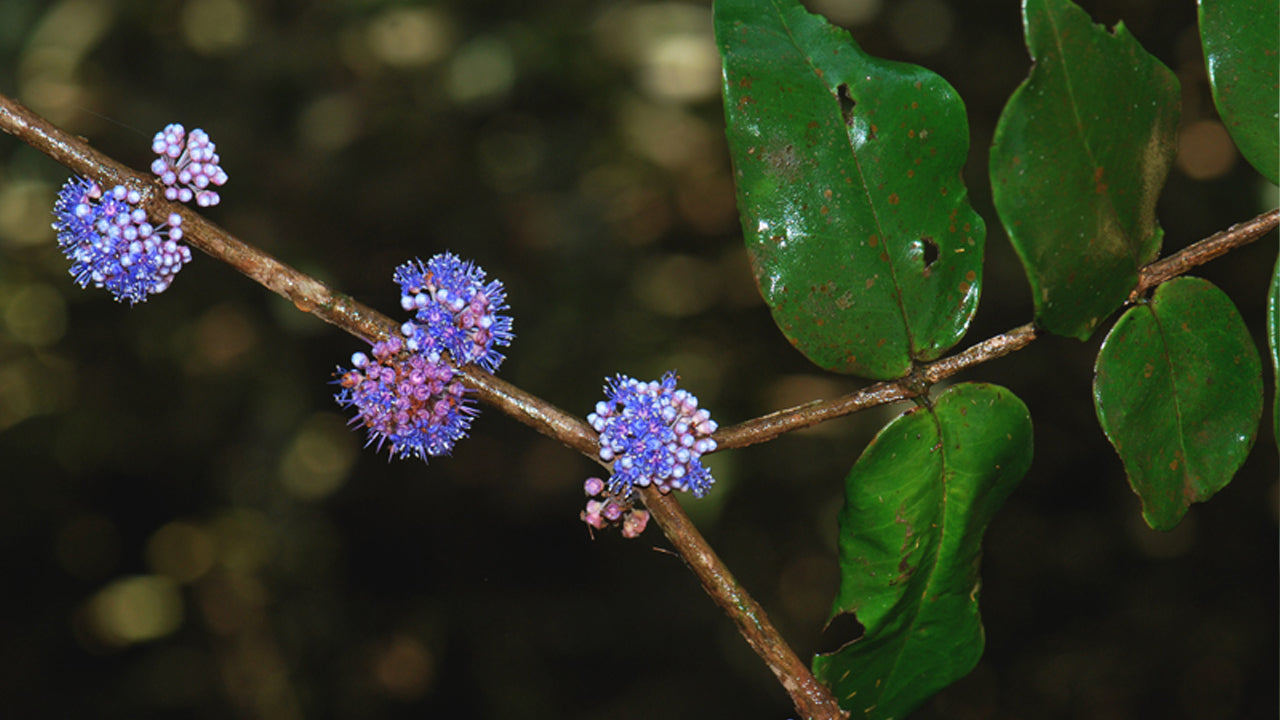
Ironwood Tree
Memecylon capitellatum -
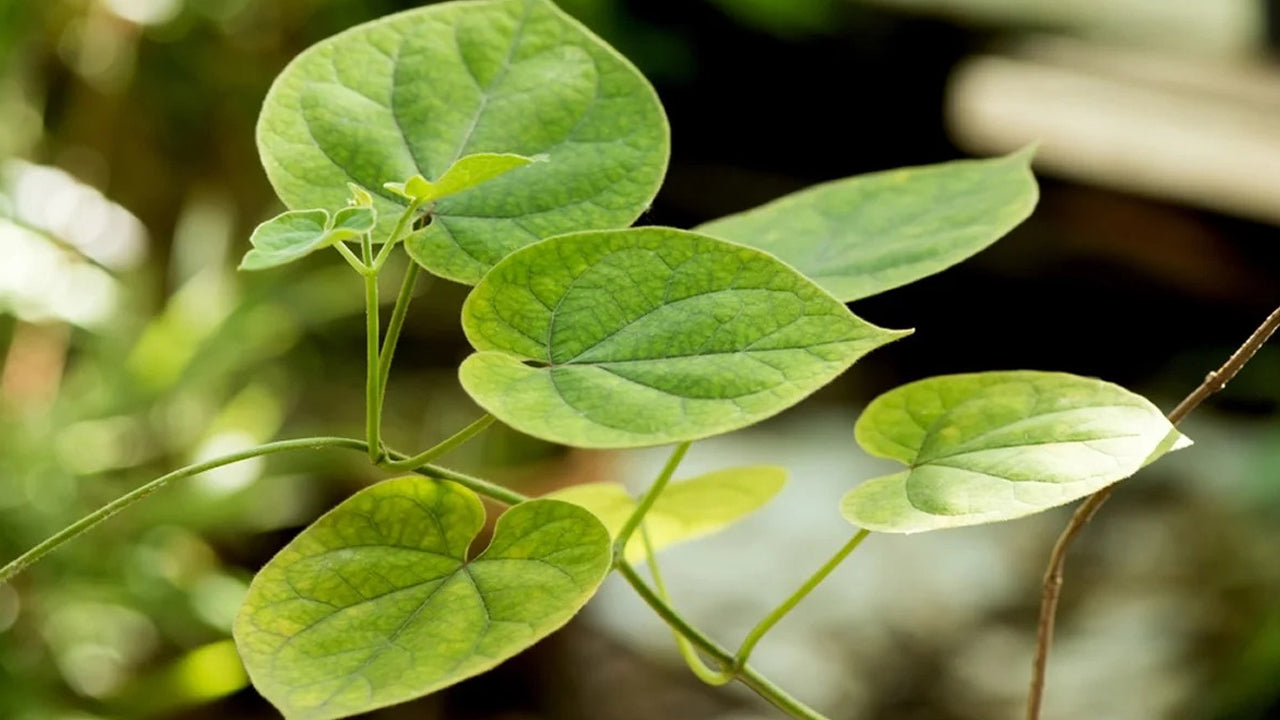
Velvet Leaf
Cissampelos pareira -
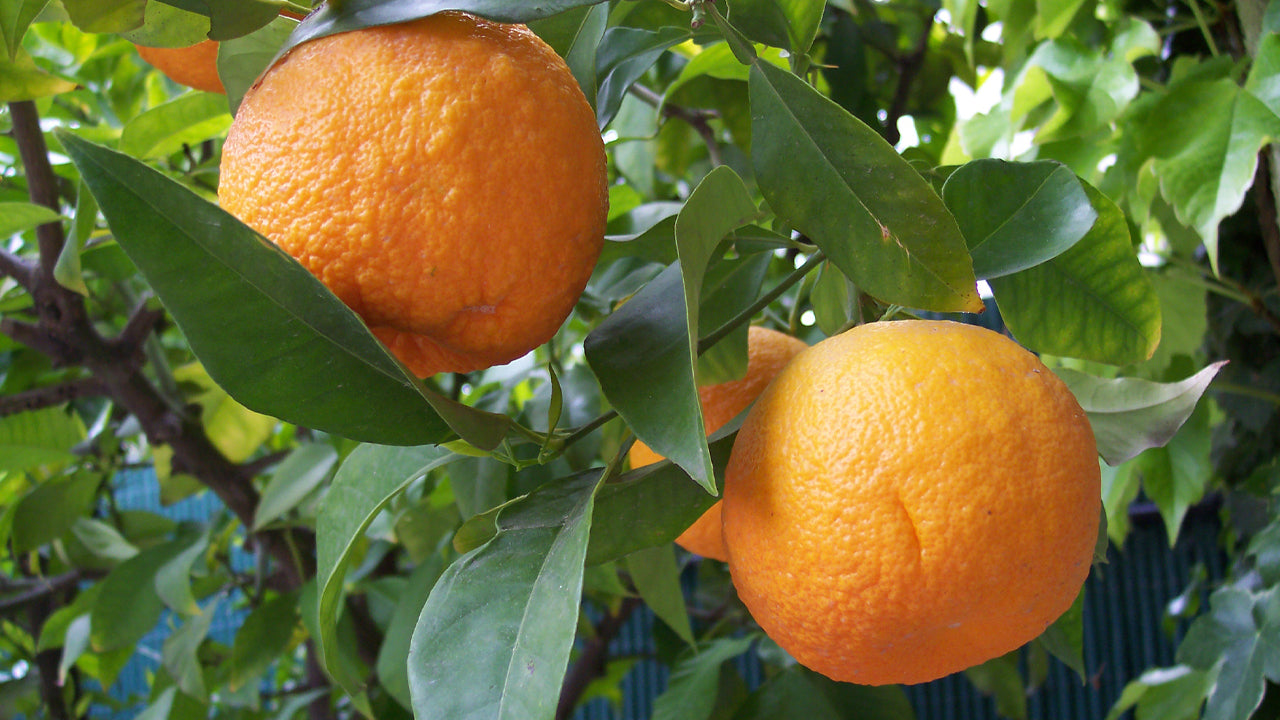
Bitter orange
Citrus aurantium -

Reinwardt's Tree Plant
Biophytun reinward -
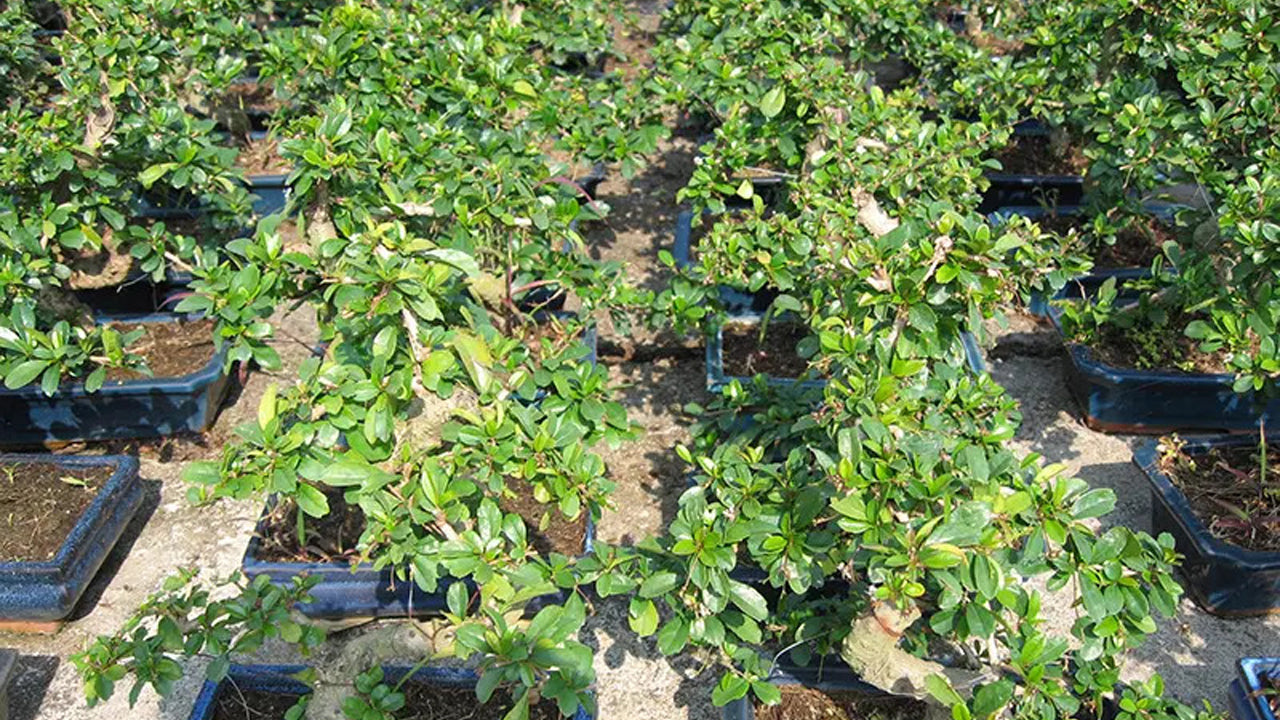
Fukien tea
Carmona microphylla -
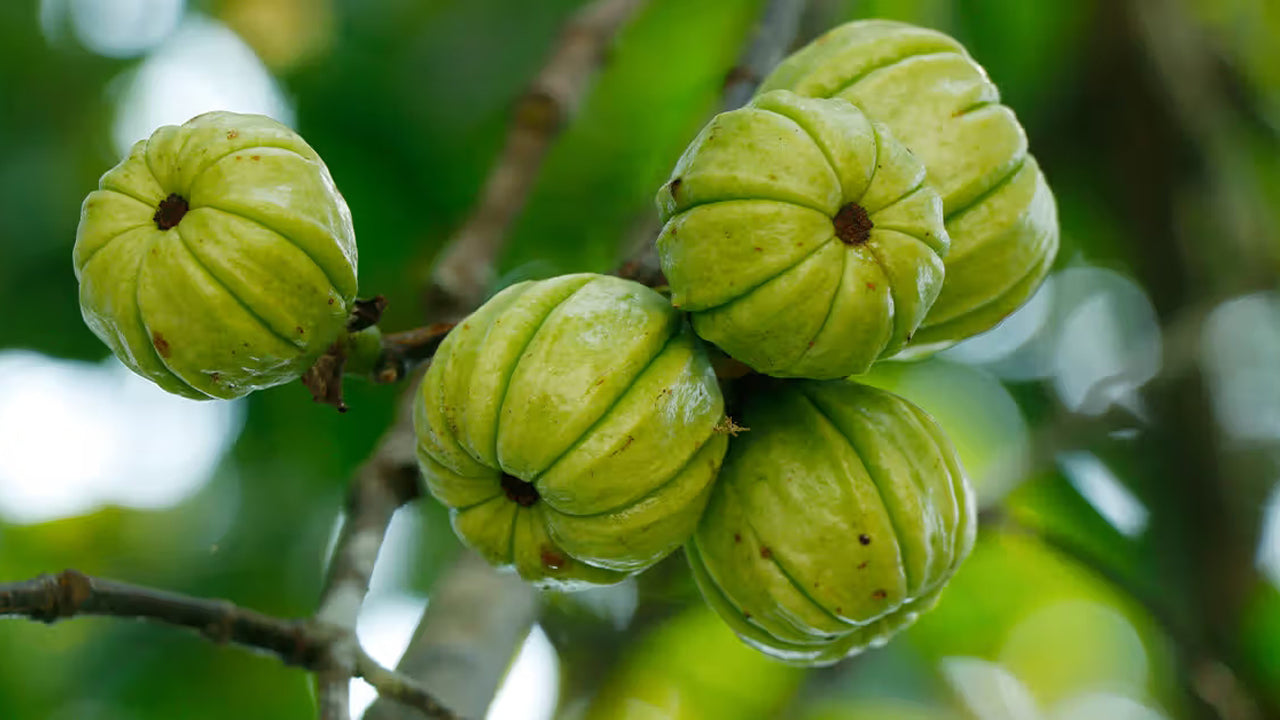
Malabar tamarind
Garcinia cambogia -
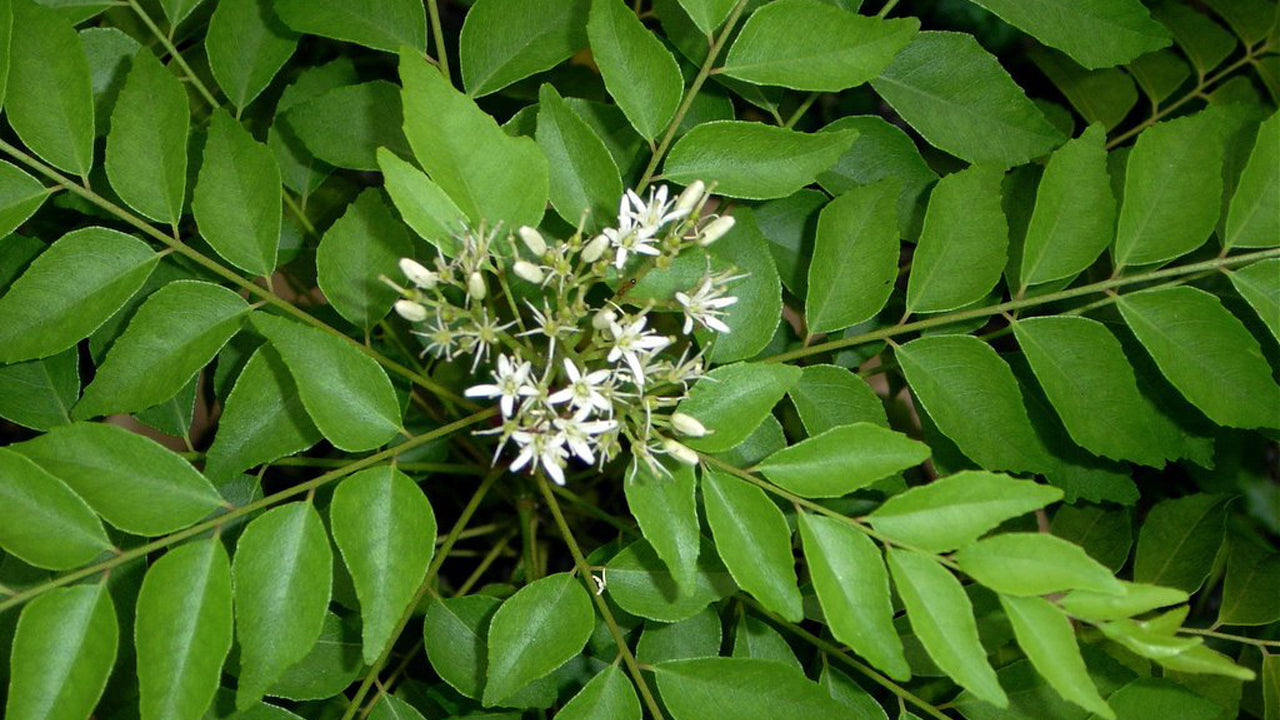
Curry leaf tree
Murraya koenigii -
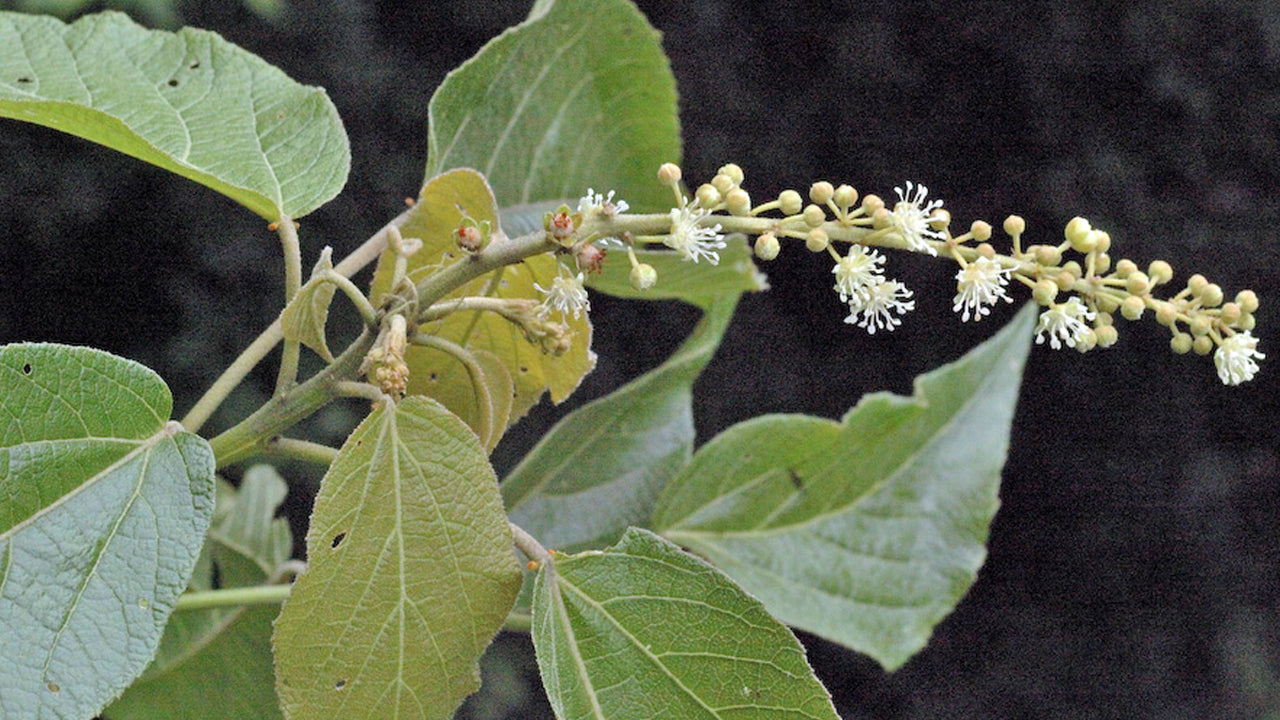
Kappetiya
Croton laccifer -
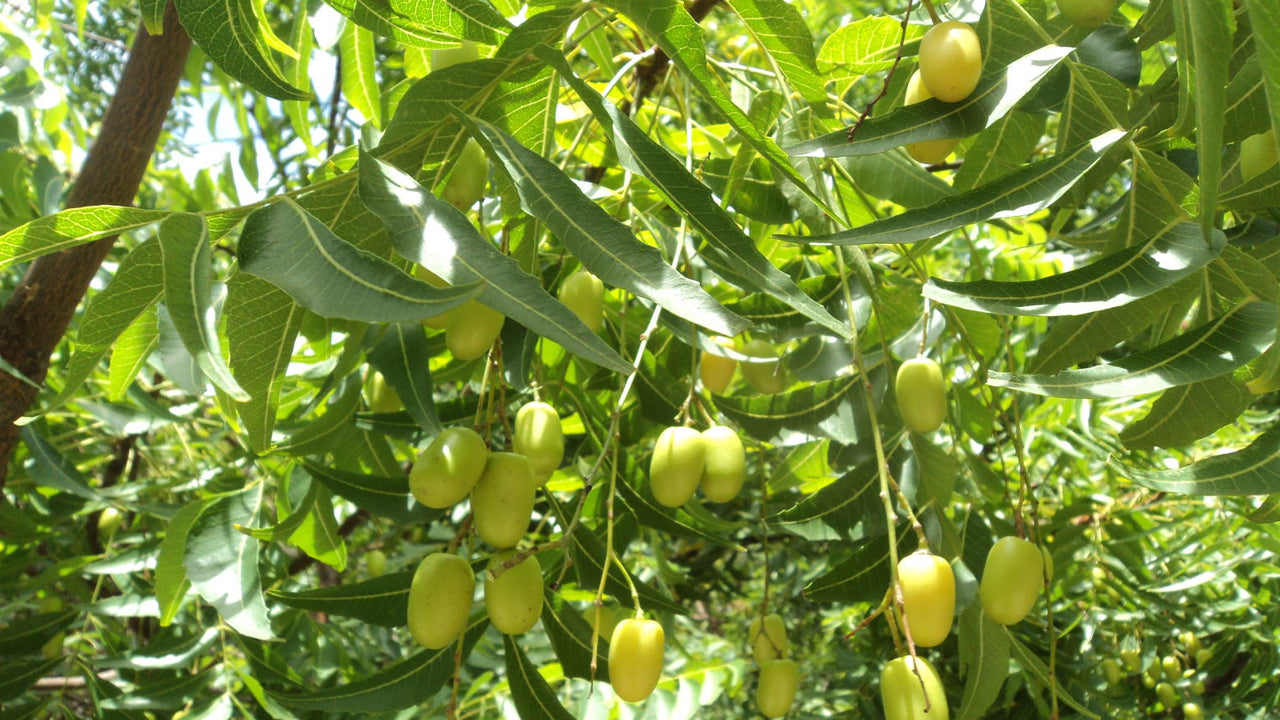
Indian lilac
Azadirachta indica -
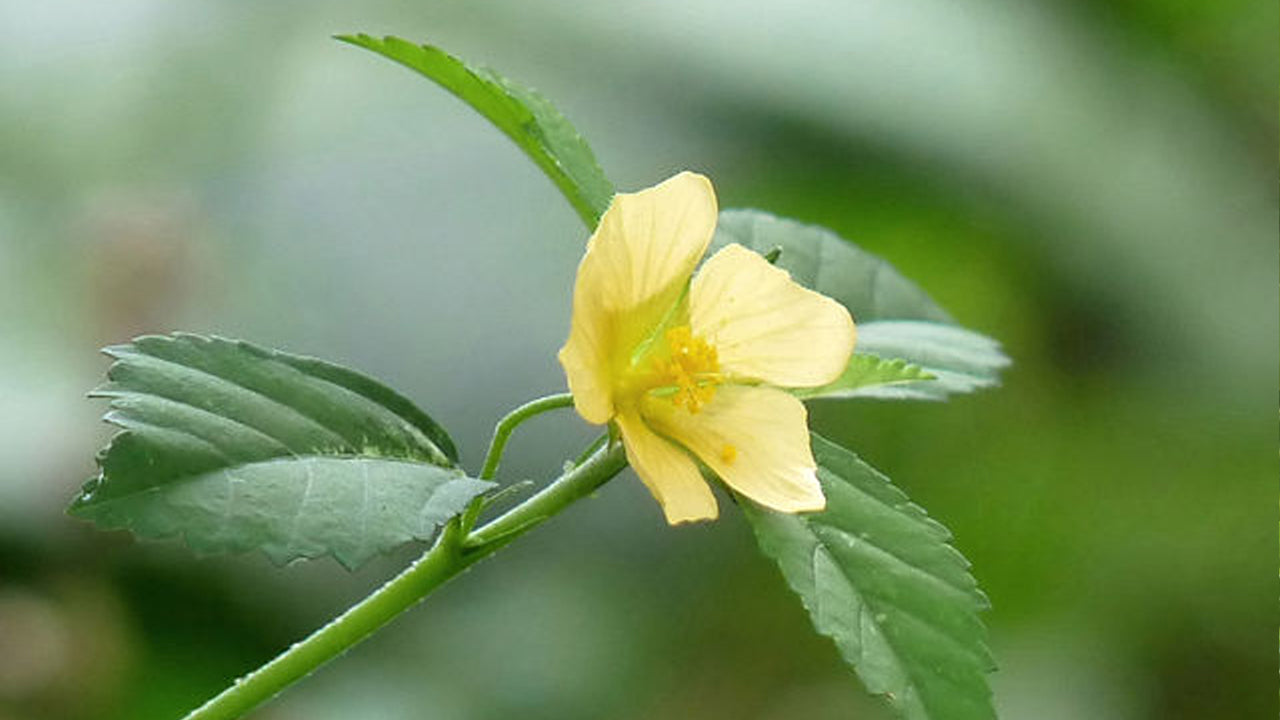
Spiny sida
Sida alba -
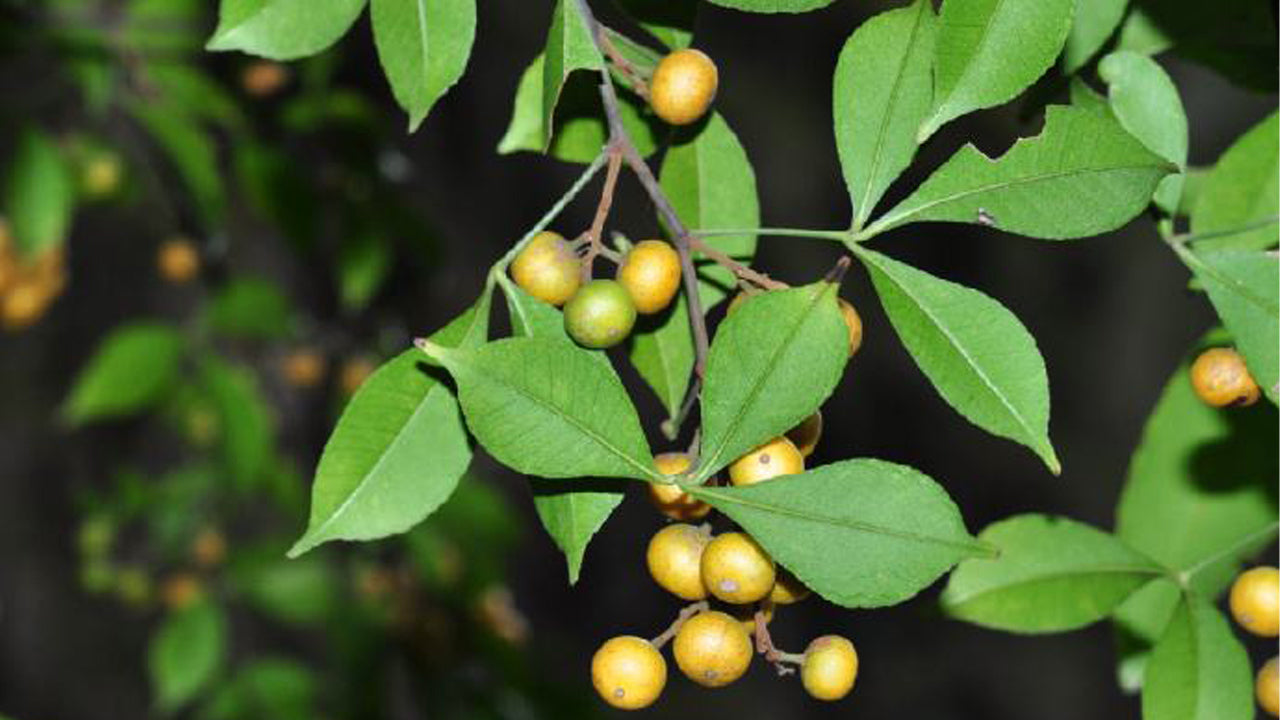
Orange climber
Toddlia asiatica -
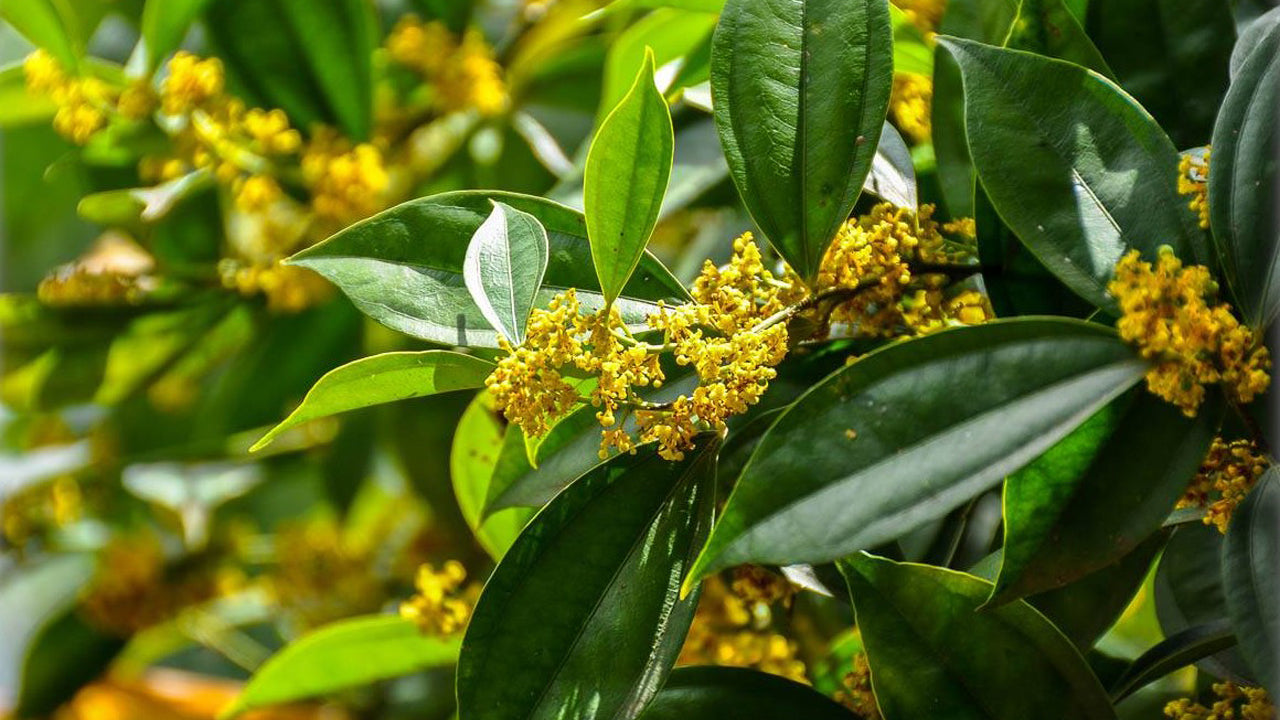
Ceylon cinnamon
Cinnamomum zeylanicum -
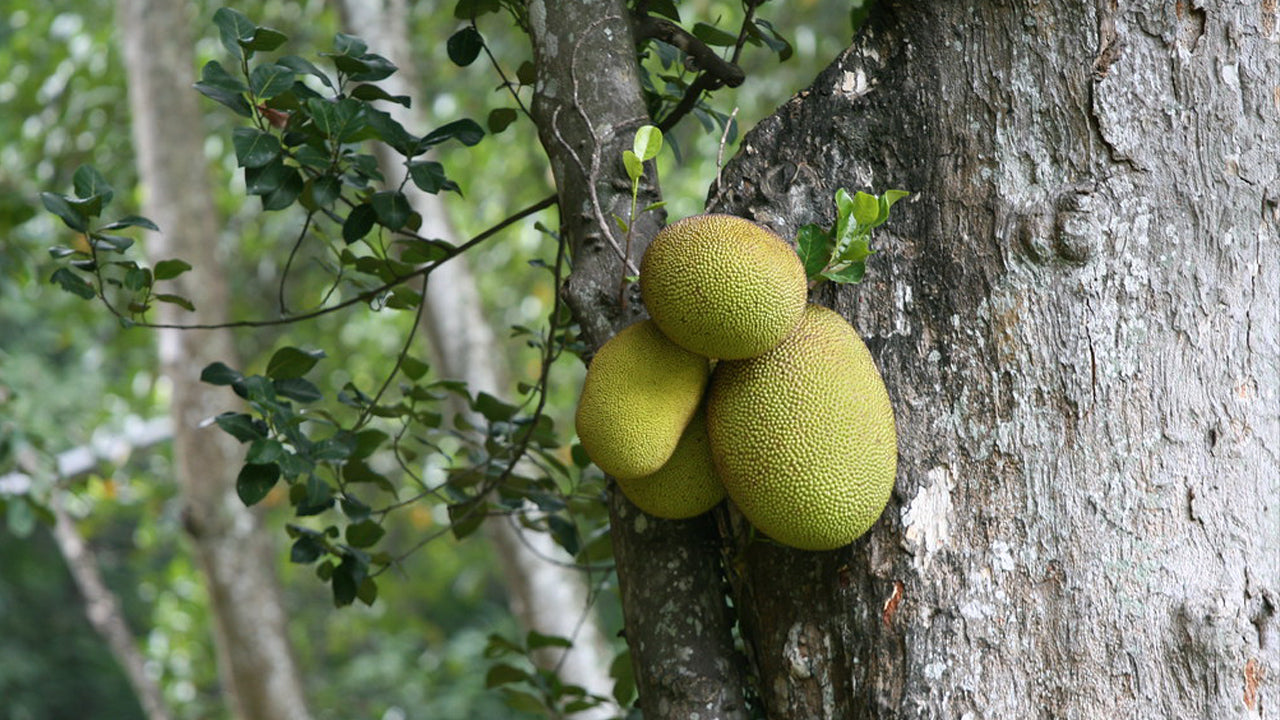
Jackfruit
Artocarpus heterophyllus -
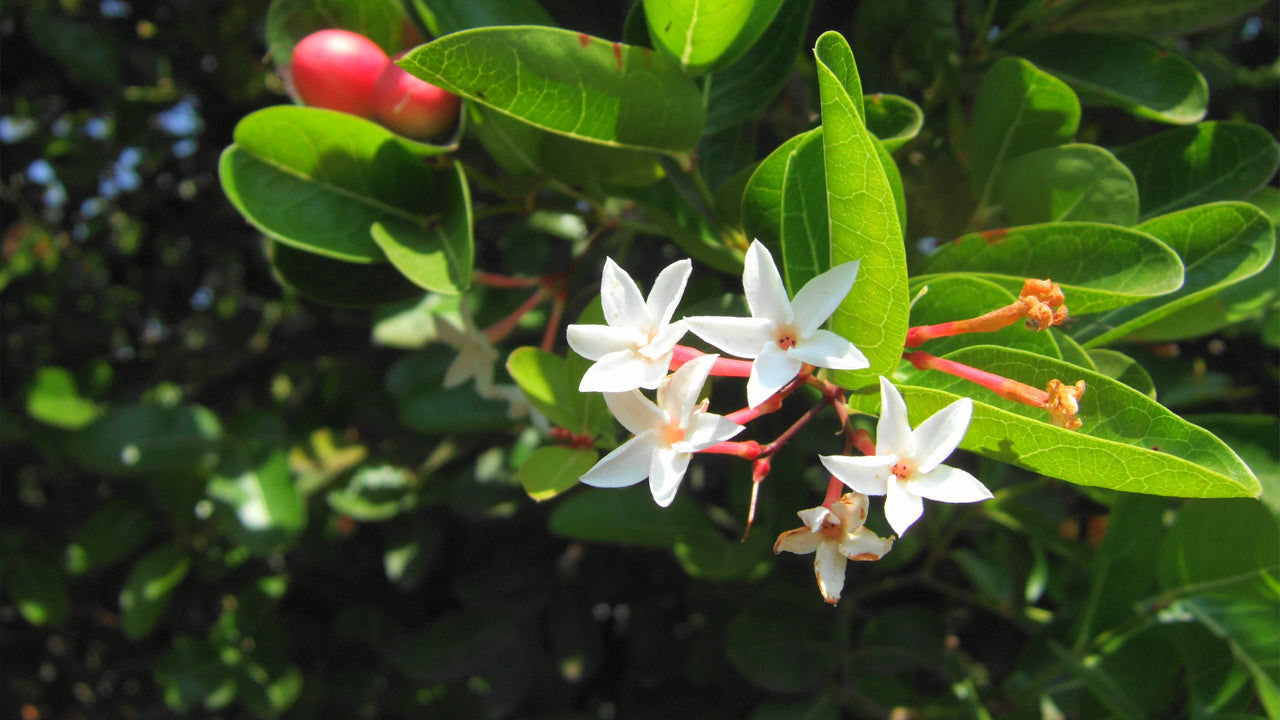
Karonda
Carissa carandas -
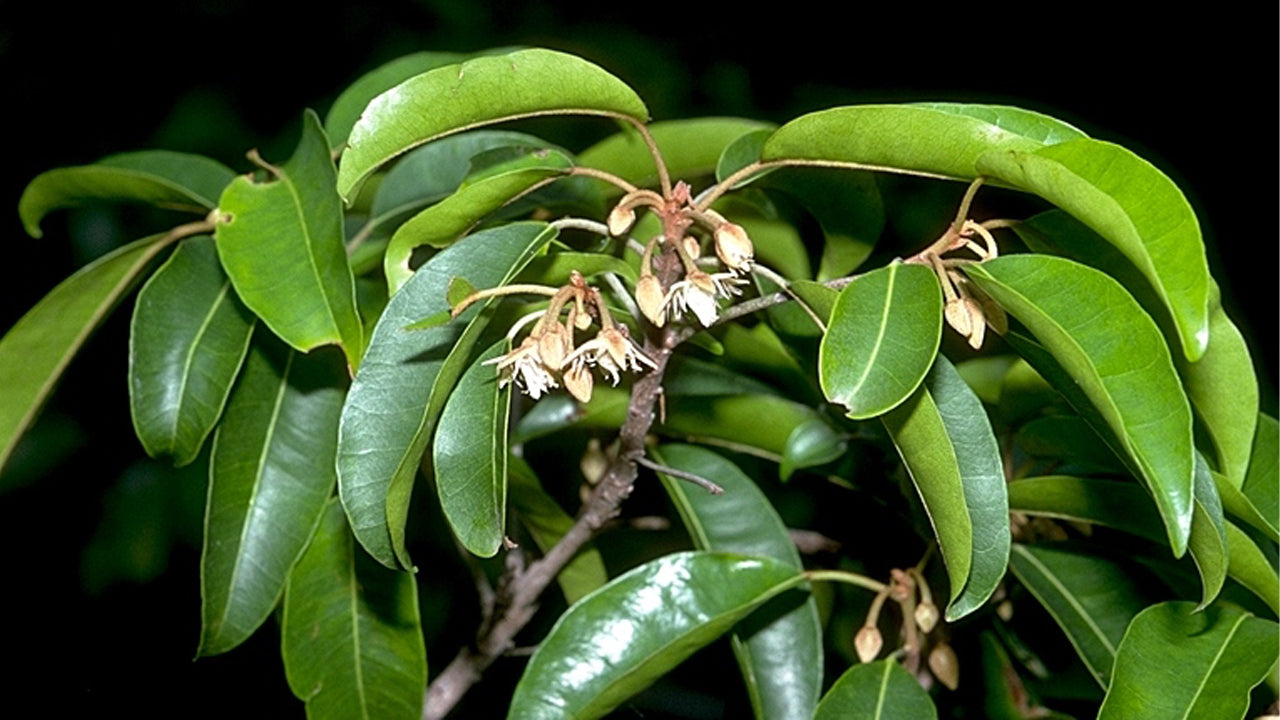
Spanish cherry
Mimusops elengi -
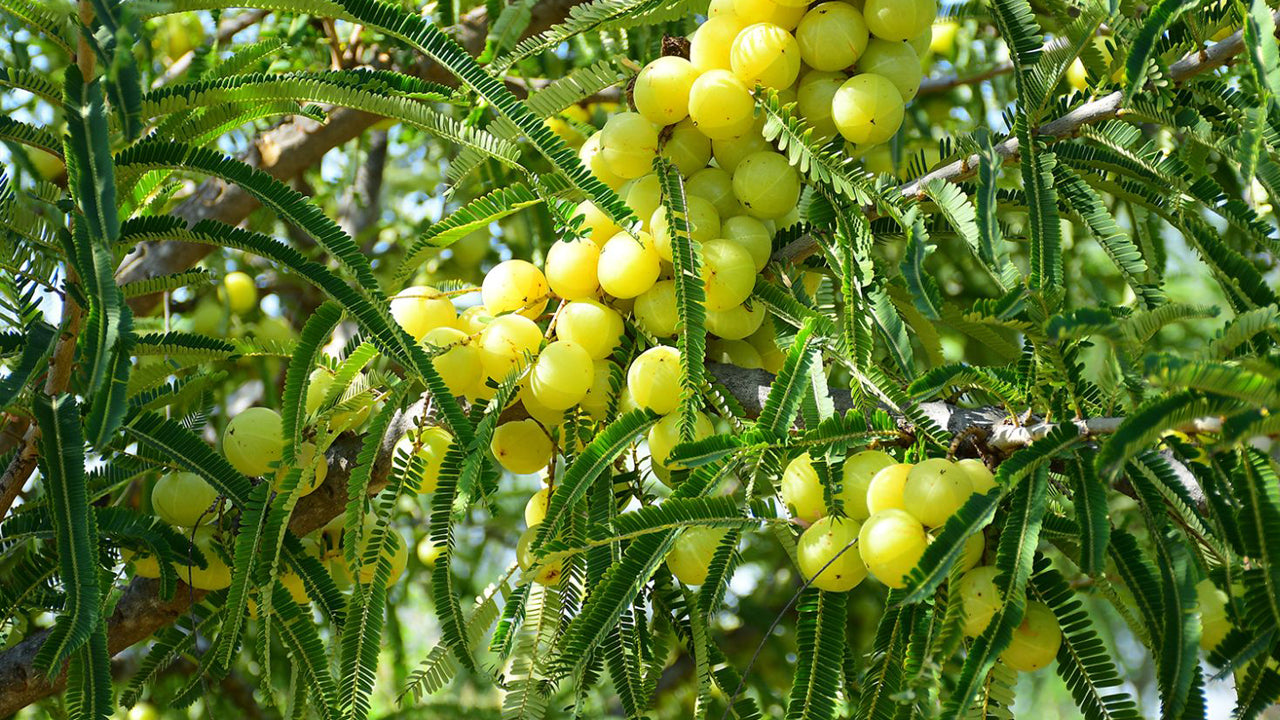
Indian gooseberry
Phyltanthus emblica -
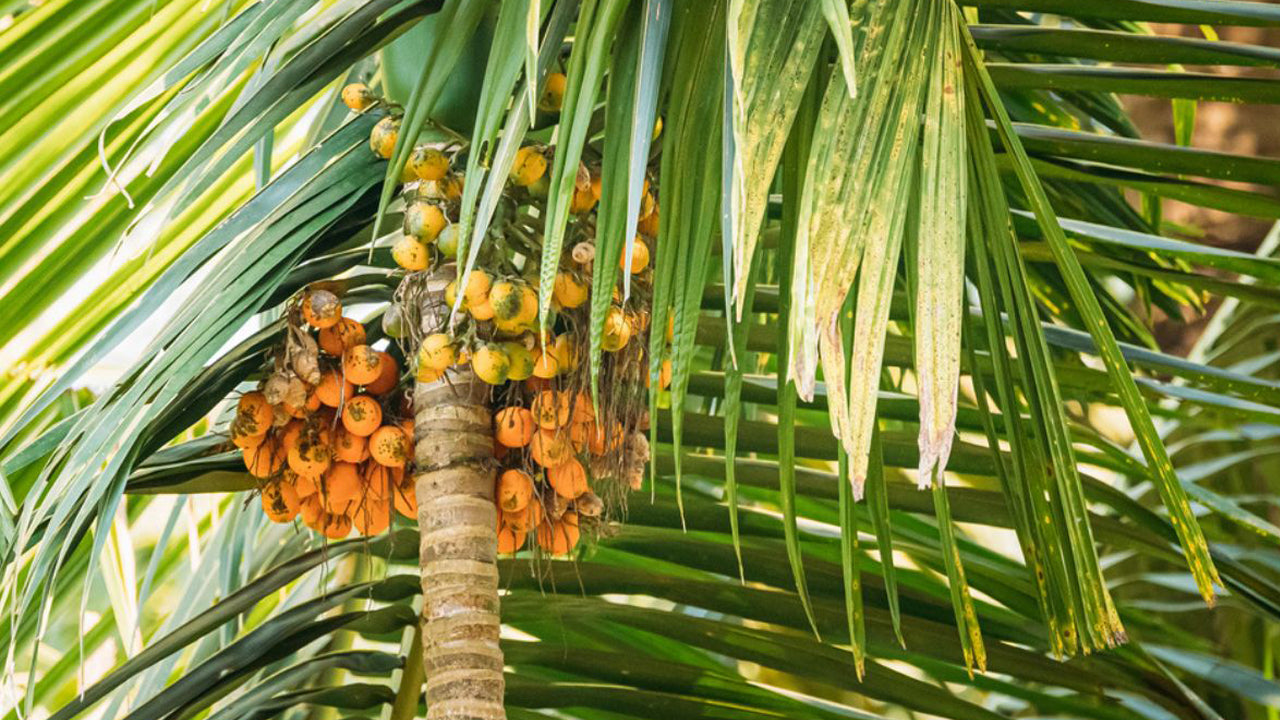
Betel palm
Areca catechu -
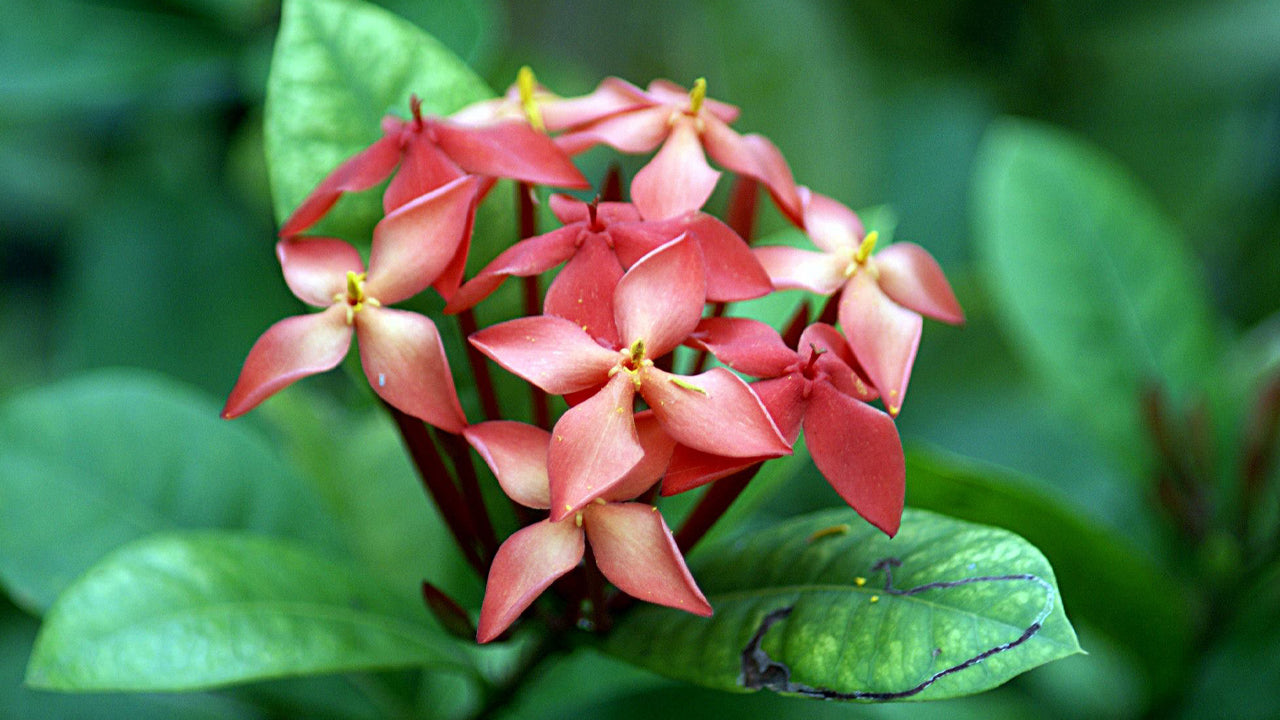
Jungle geranium
Ixora coccinea -
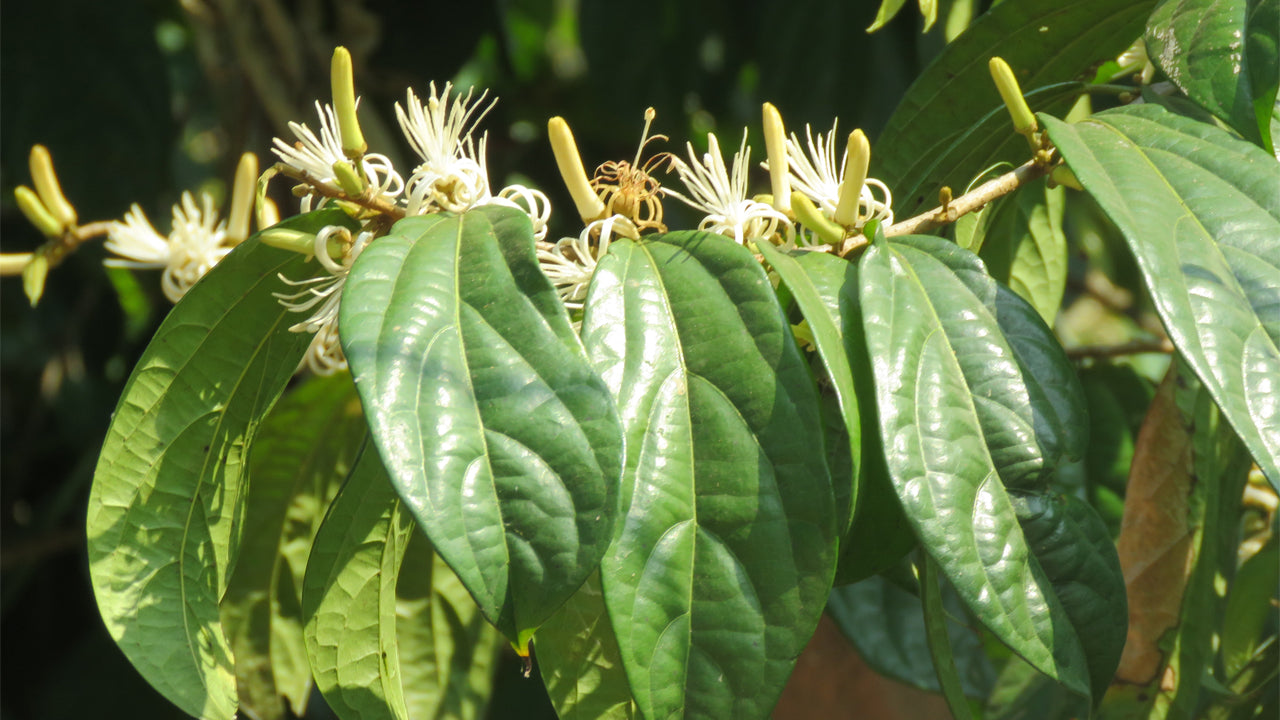
Sage-leaved alangium
Alangium salviifolium -
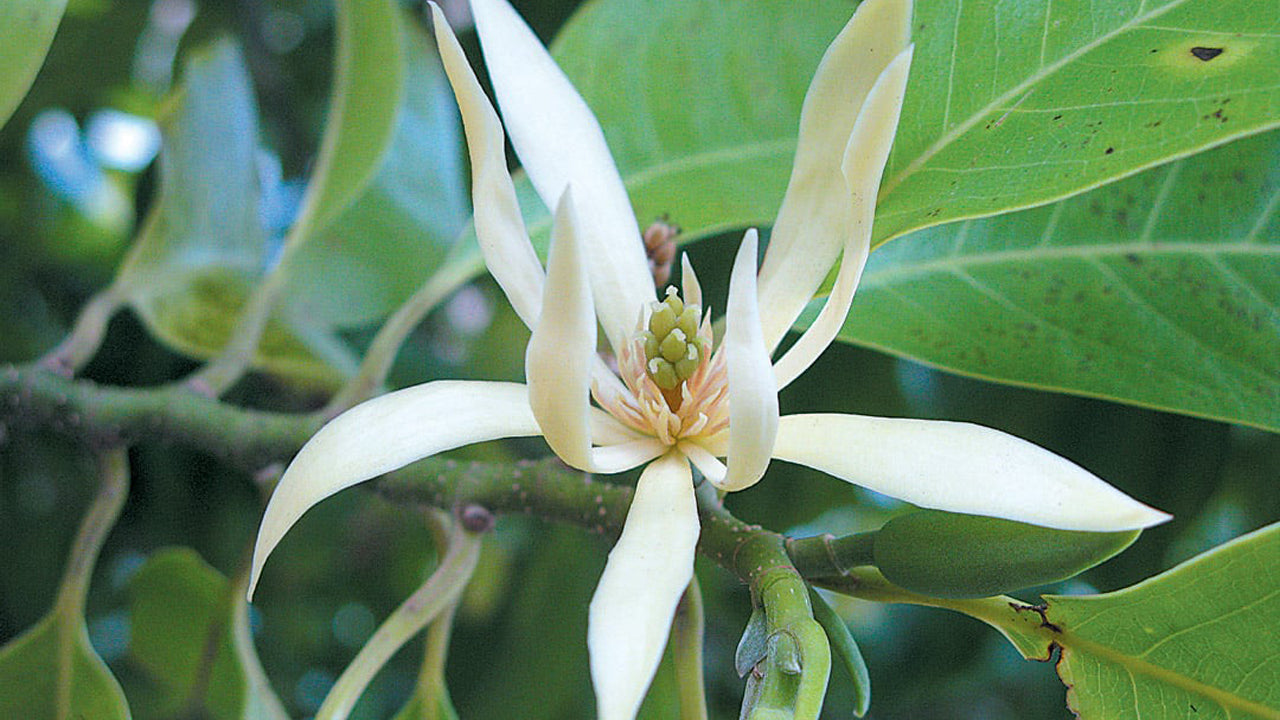
Champak
Michelia champaca -
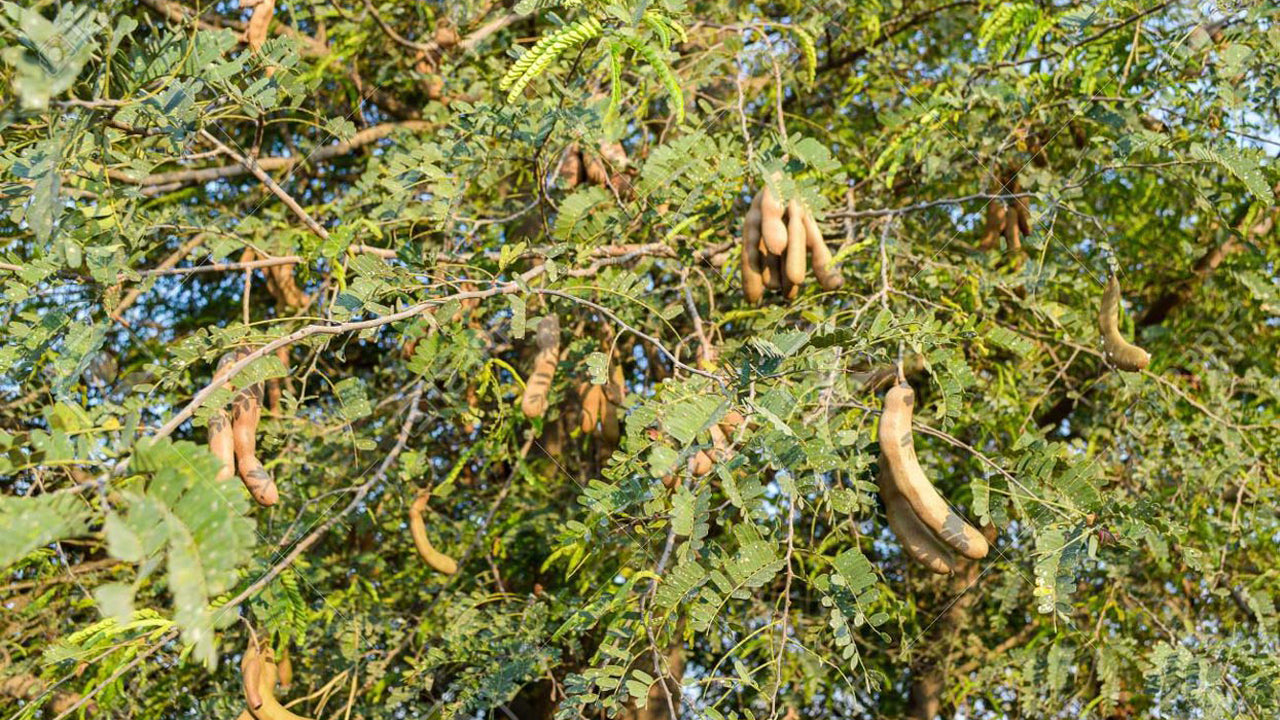
Tamarind
Tamarindus indica -
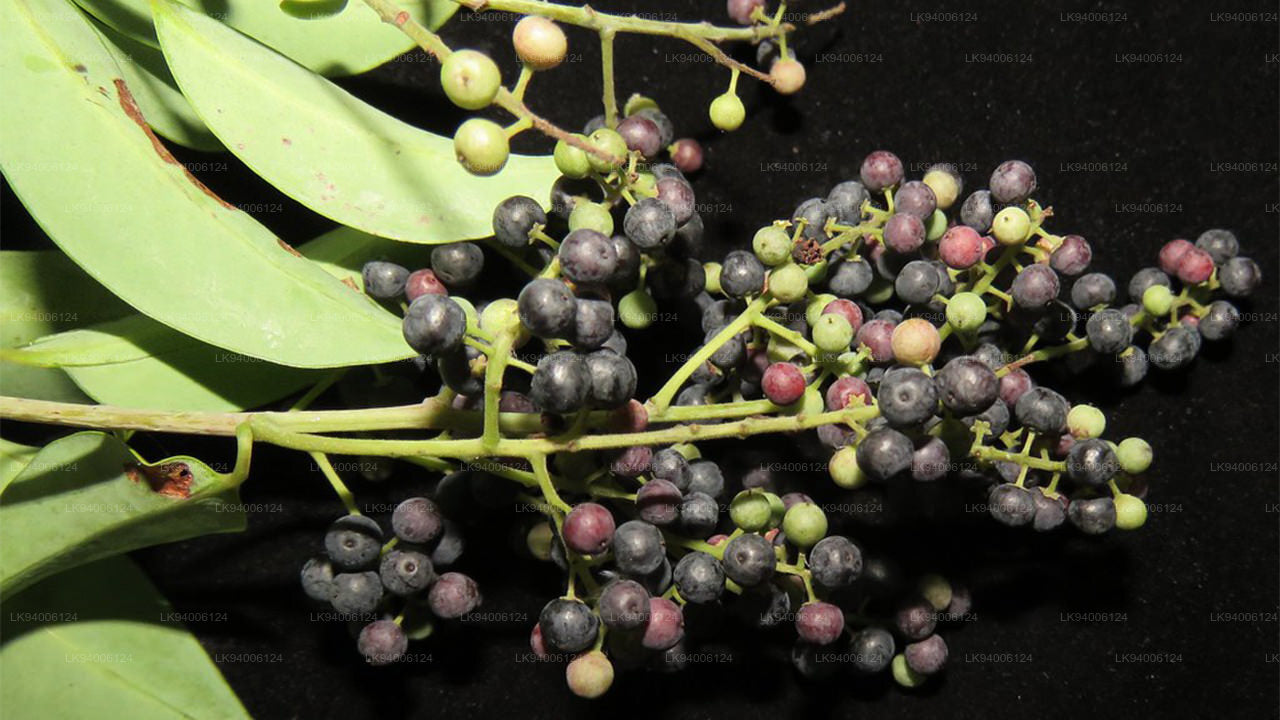
False Black Pepper
Embelia ribes -
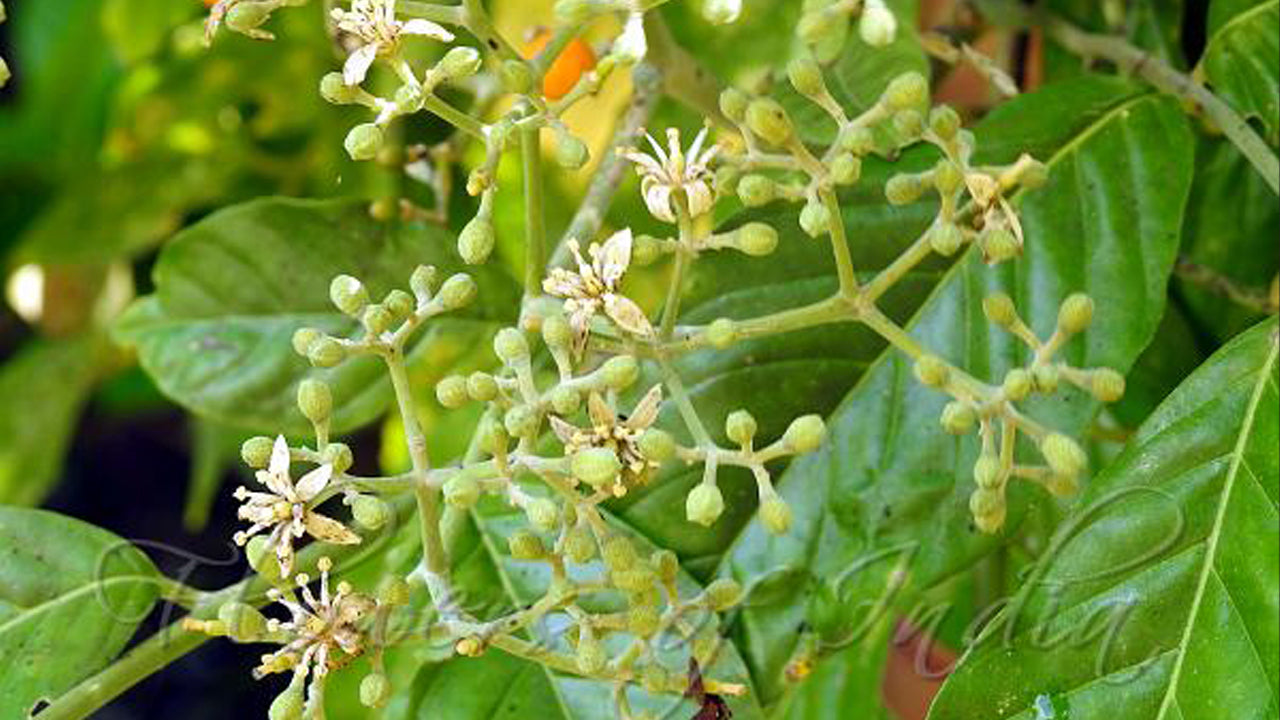
Limeberry
Micromelum ceylanicum -
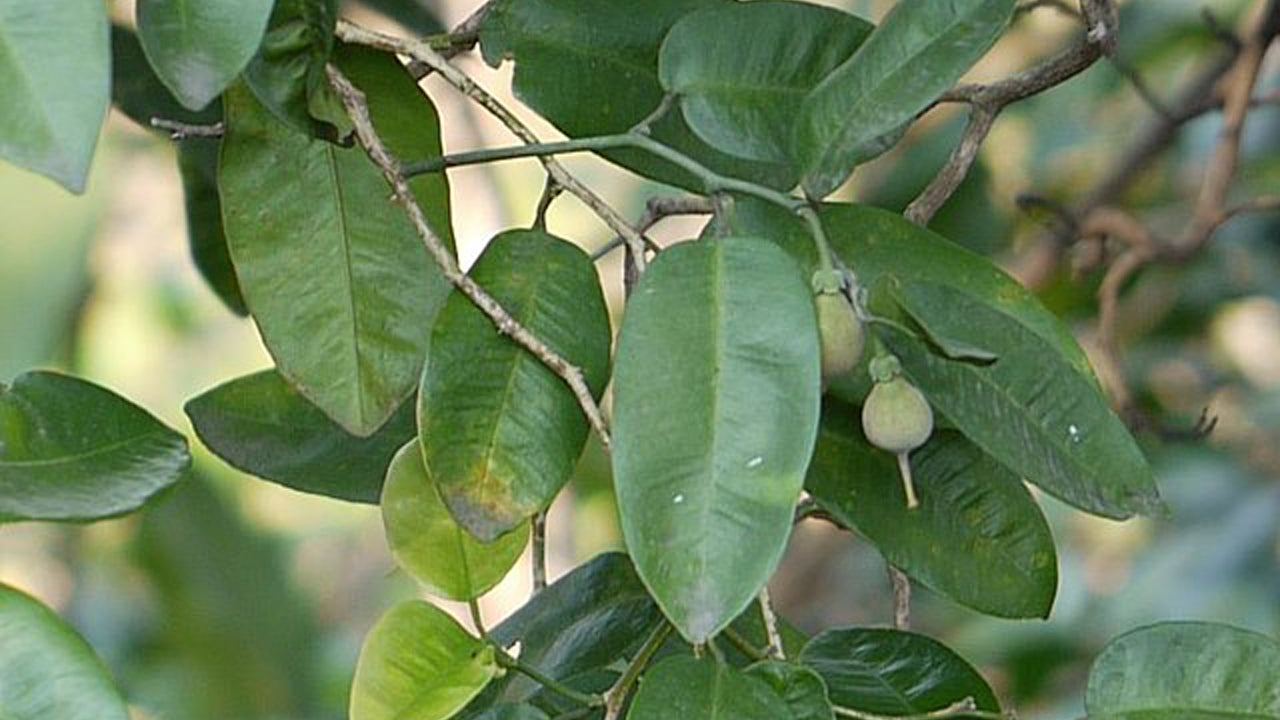
Climbing Atalantia
Paramignya monophylla





Ayurvedic and Herbal
-
Bylinný balzám Siddhalepa Ayurvéda
Běžná cena Od $0.48 USDBěžná cena$0.54 USDVýprodejová cena Od $0.48 USDSleva -
 Sleva
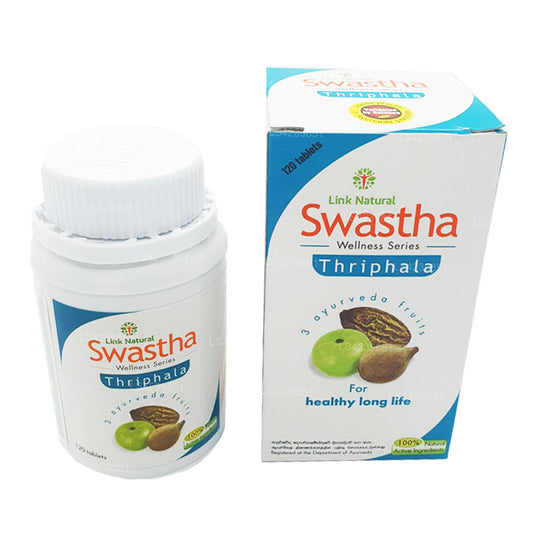
SlevaLink Swastha Triphala
Běžná cena Od $1.74 USDBěžná cena$1.93 USDVýprodejová cena Od $1.74 USDSleva -
Lakpura® Divoce pěstované listy kyselé papričky (Guanabana, Graviola, Guyabano) Dehydratované celé listy
Běžná cena Od $0.72 USDBěžná cena$0.81 USDVýprodejová cena Od $0.72 USDSleva -
 Sleva
SlevaOlej Setsuwa Pranajeeva
Běžná cena Od $3.85 USDBěžná cena$4.28 USDVýprodejová cena Od $3.85 USDSleva