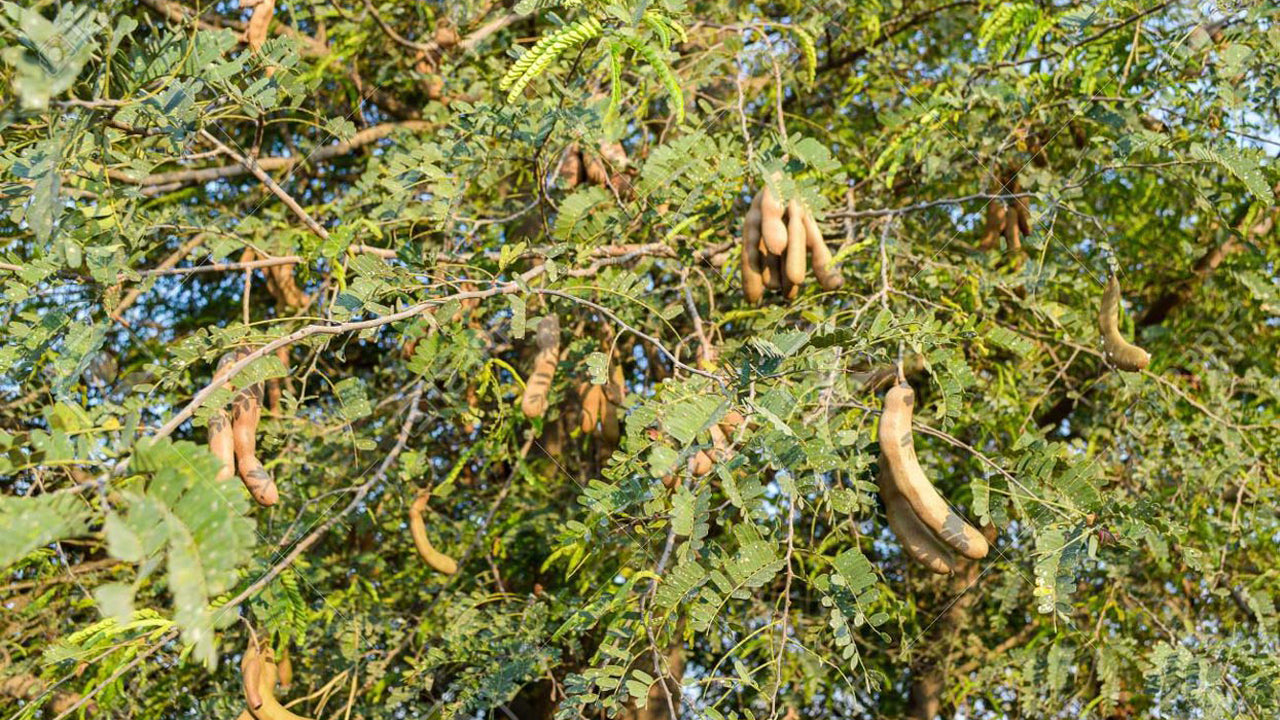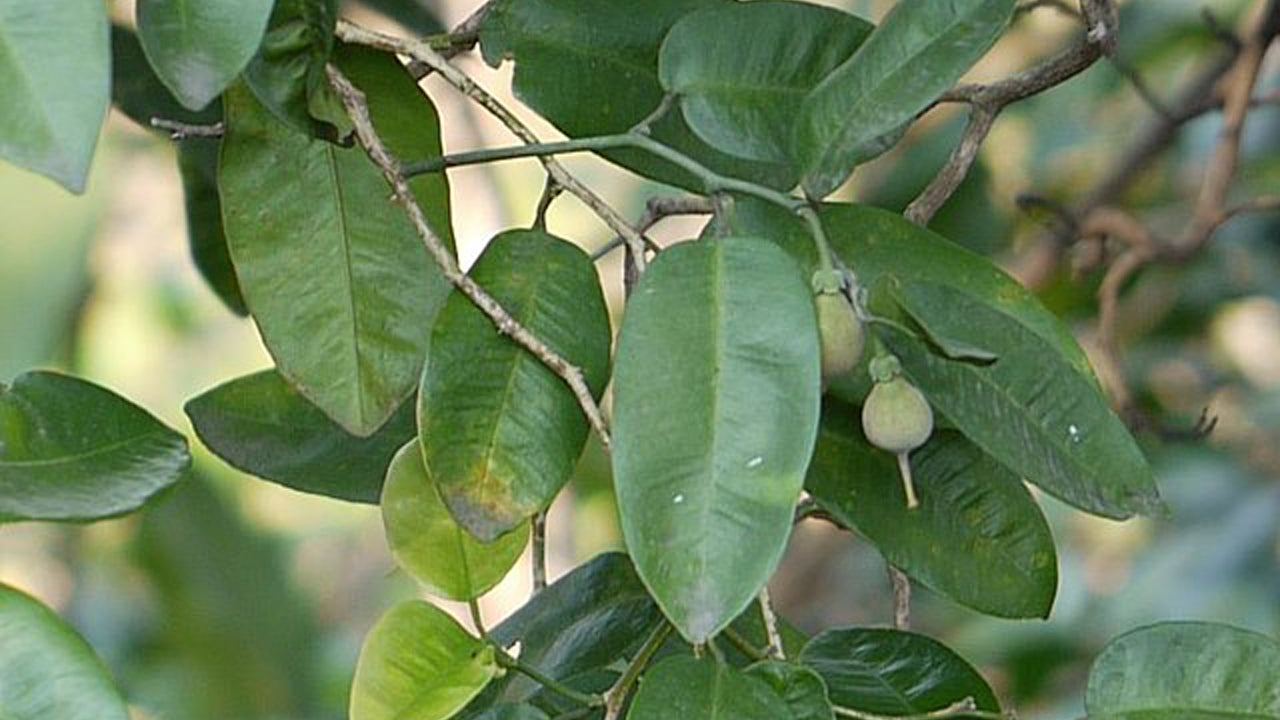
Clerodendrum indicum, known locally as Siritekku, is a semi-deciduous perennial plant with a long history of use in traditional medicine across South and Southeast Asia. In Sri Lanka, it holds a recognised place in the Ayurvedic pharmacopoeia, appearing in home gardens and wild landscapes alike. Its upright, largely unbranched stems and striking tubular flowers make it visually distinctive — though it is valued far more for what it offers the healer than the gardener.
What does Clerodendrum indicum look like?
The plant typically reaches up to 3 metres in height, growing from a vigorous, stoloniferous rootstock that spreads aggressively through underground runners. Stems are usually very straight or gently arching, mostly unbranched, and hollow inside. Depending on growing conditions, the stems can remain herbaceous or develop into woody growth, giving the plant the character of a shrub or, in older specimens, a small tree.
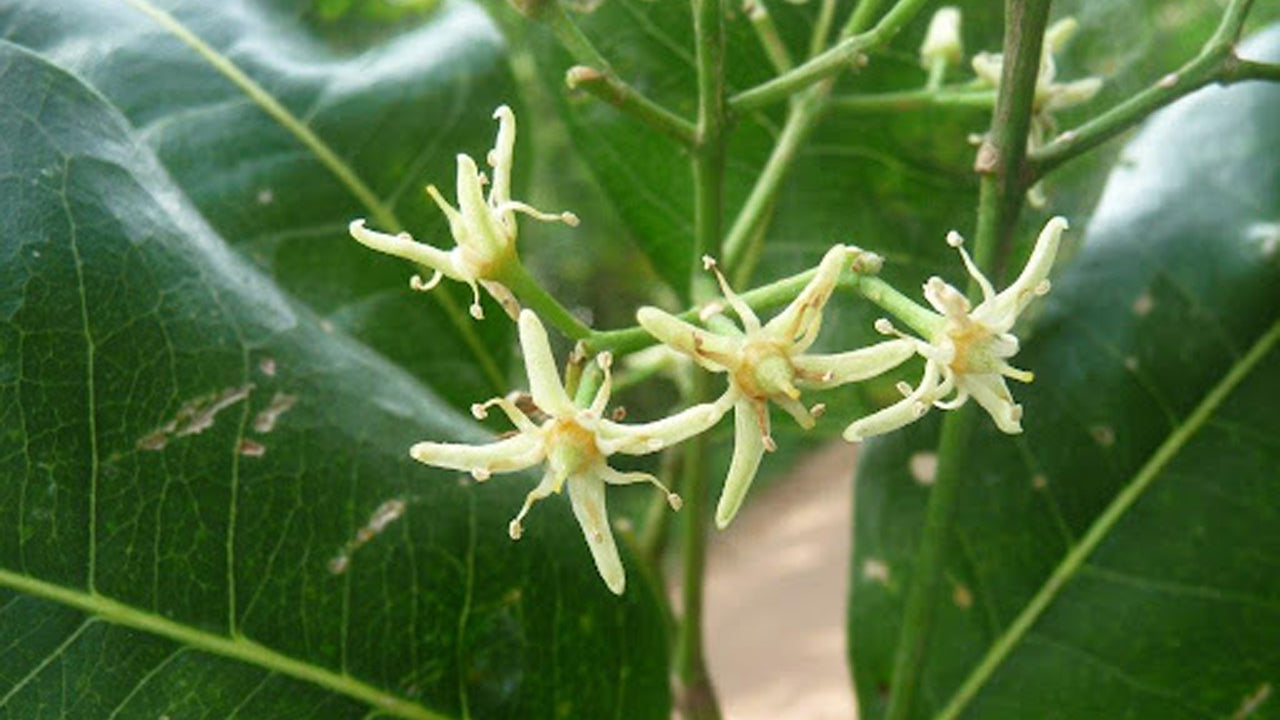
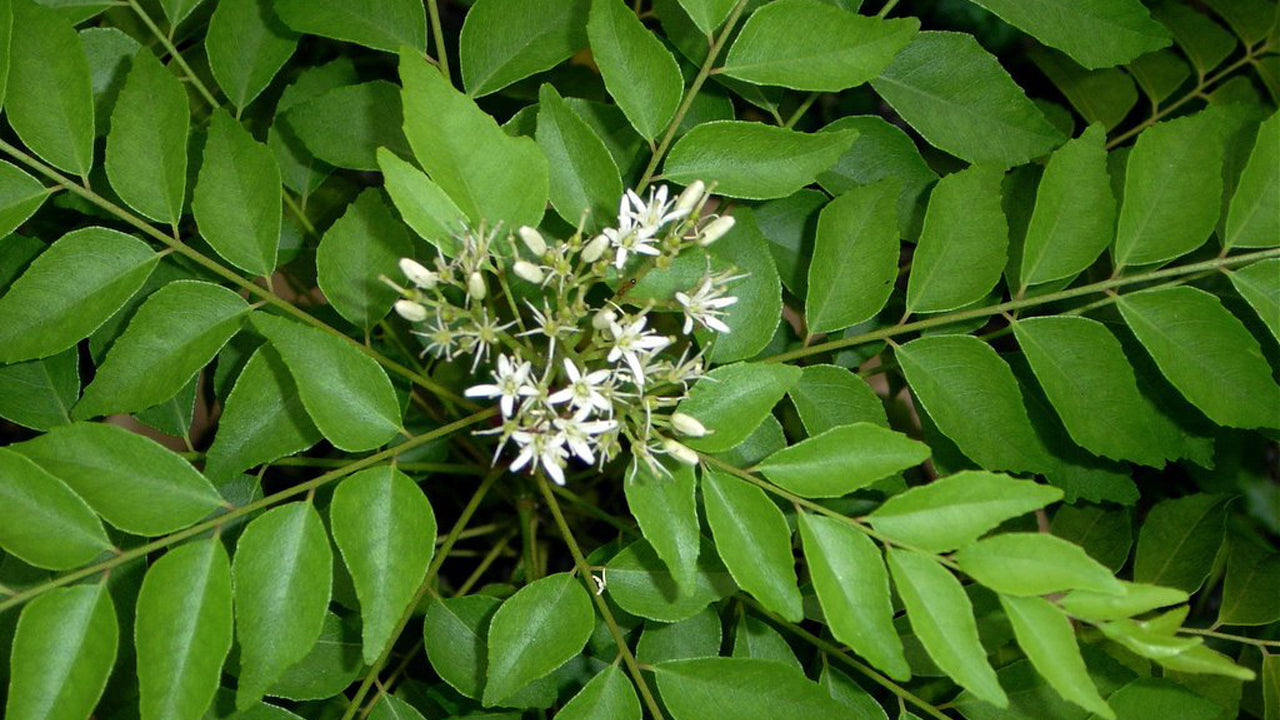
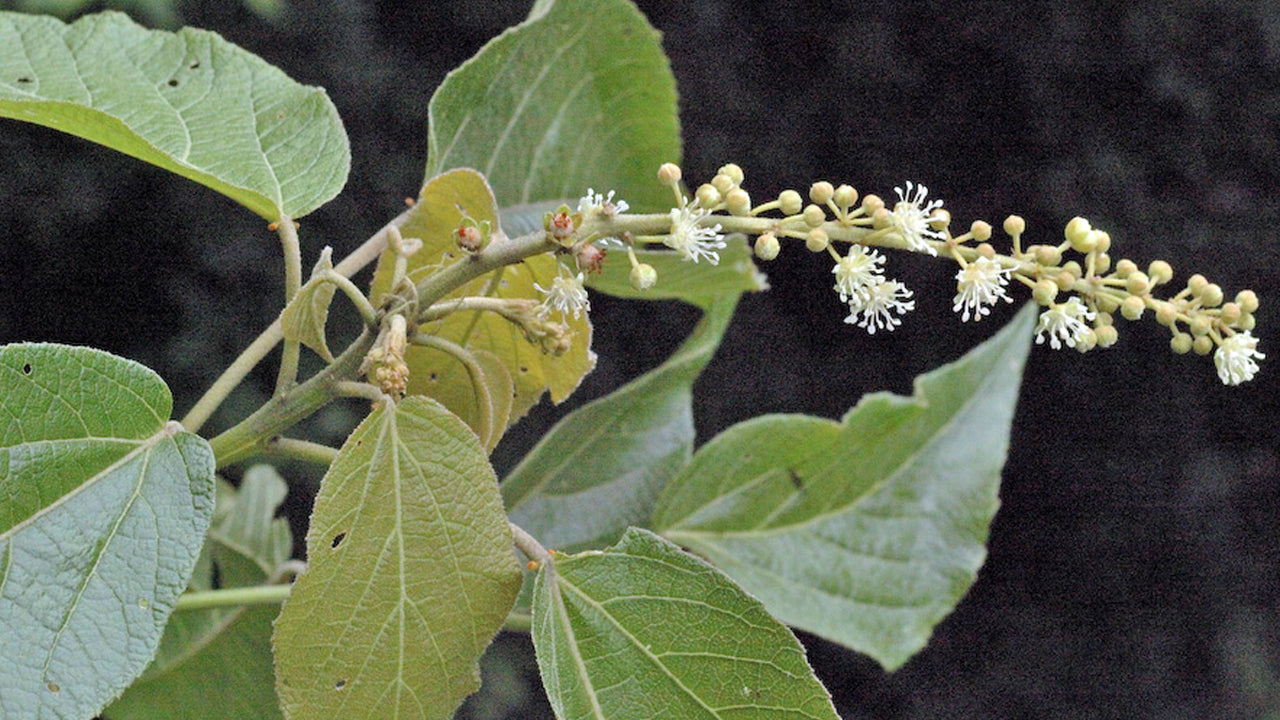
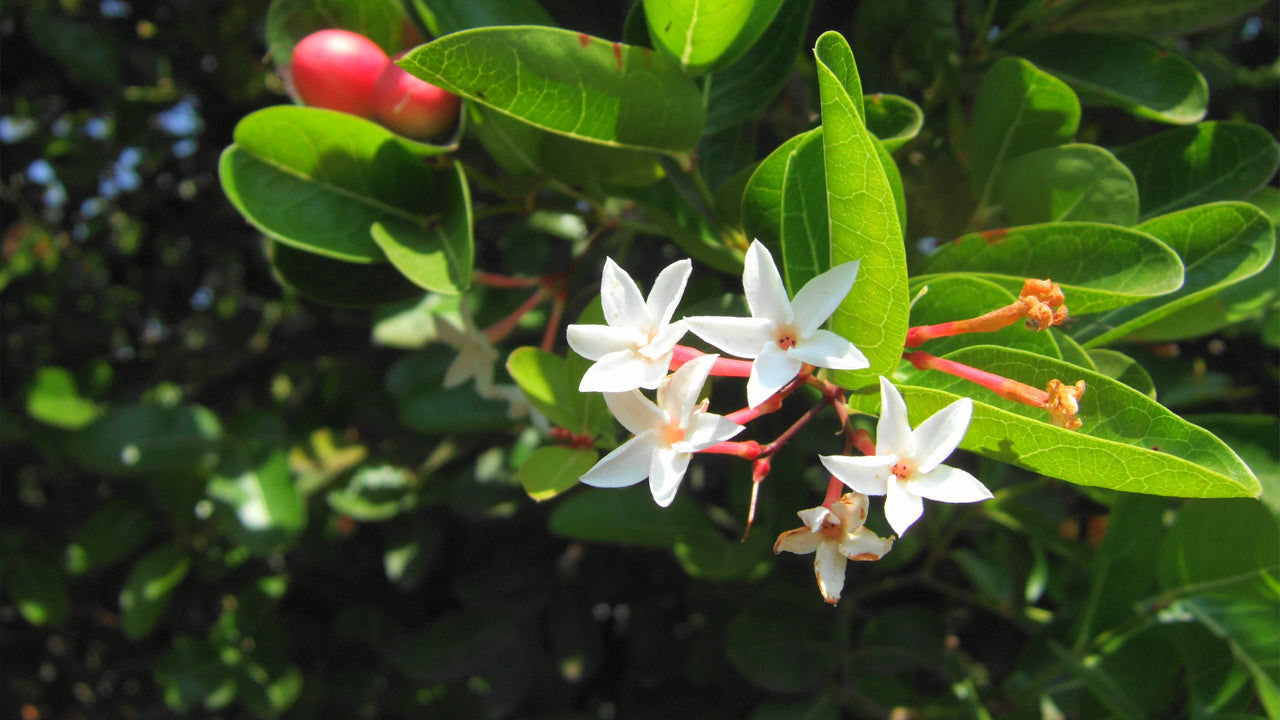
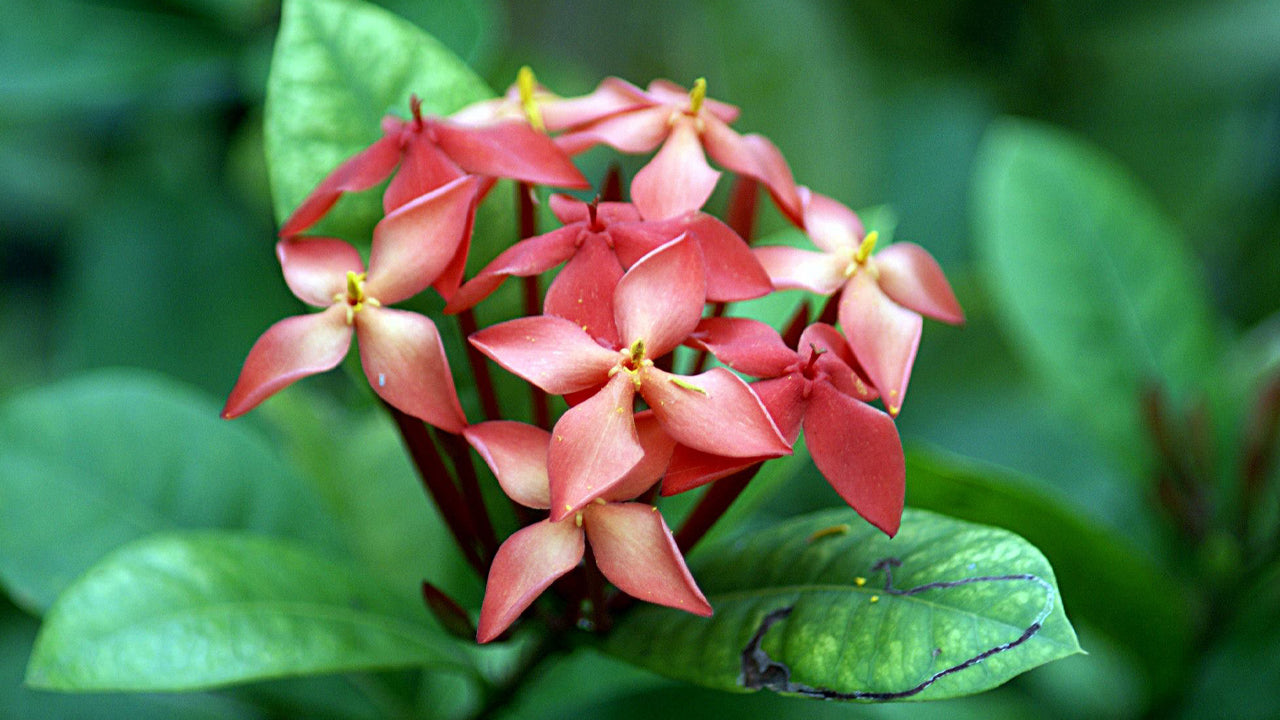
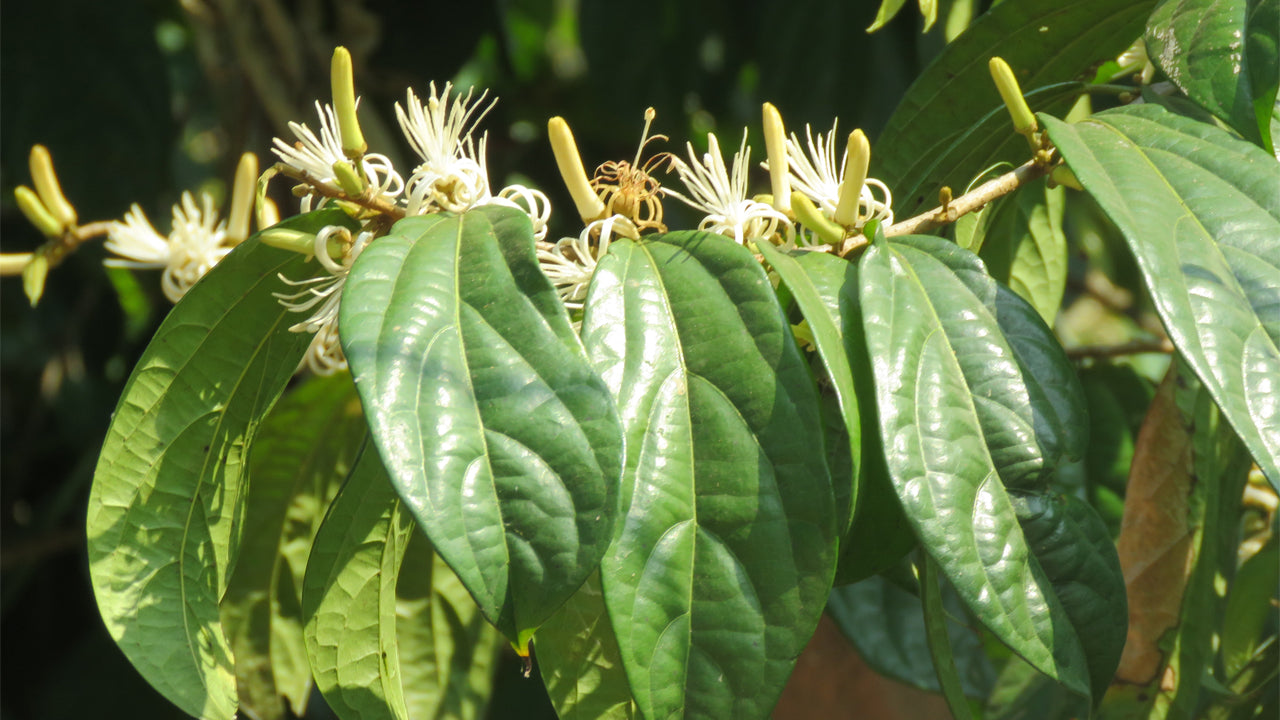
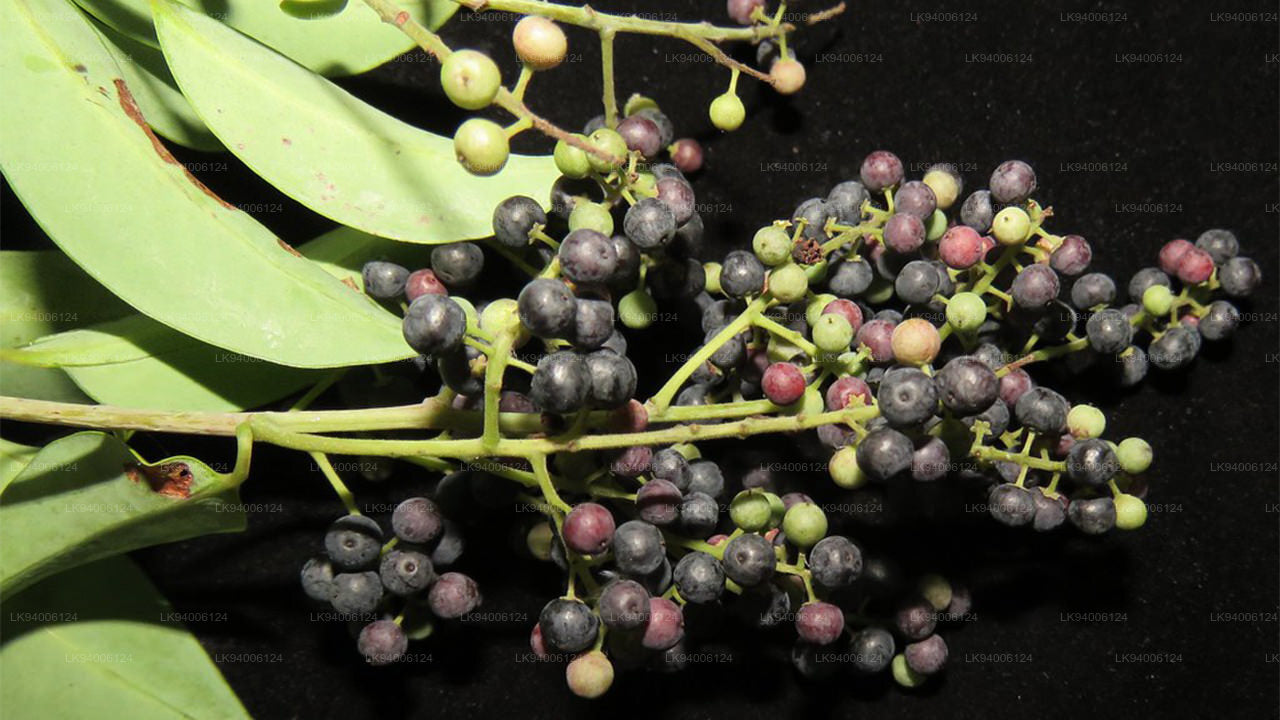
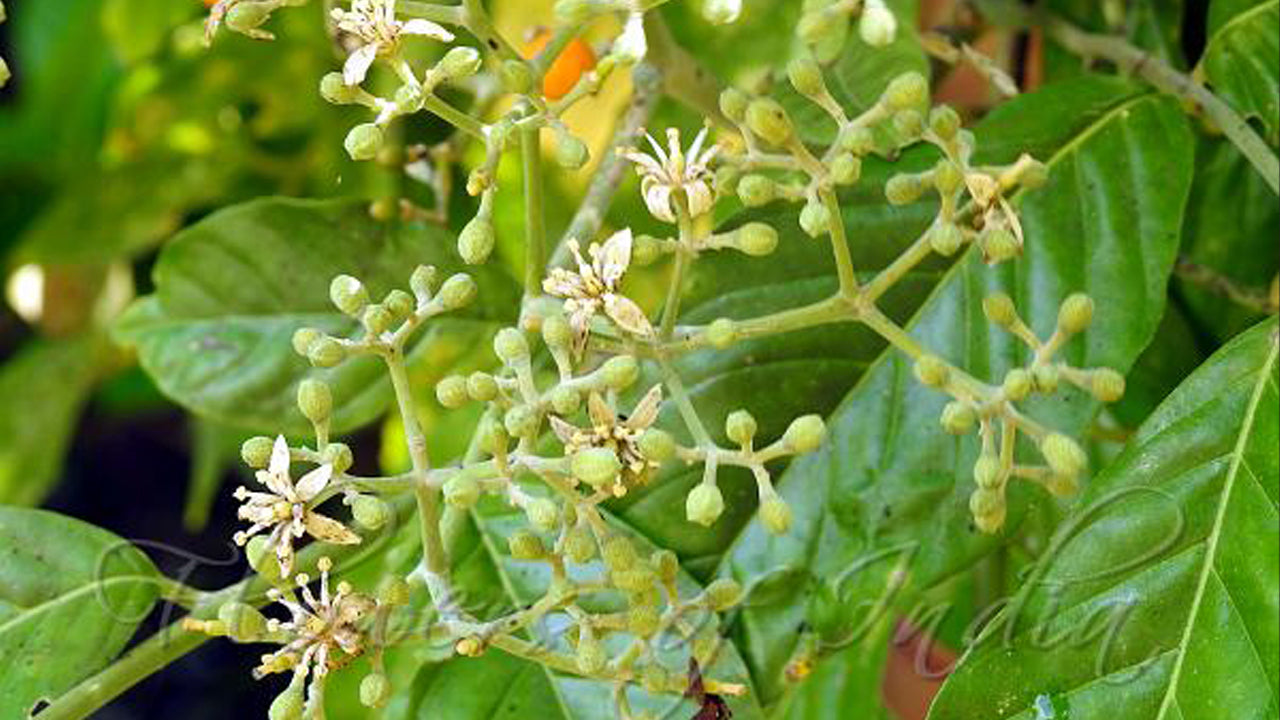
Leaves are arranged in whorls of three to four, lance-shaped and deep green. The flowers are long, white, and tubular — emerging from reddish calyces — and are followed by small, rounded drupes that turn dark violet to black when ripe. The overall silhouette is slender and architectural, which explains why it is sometimes planted as an ornamental in warmer parts of Asia.
Where does Siritekku grow in Sri Lanka?
In Sri Lanka, Clerodendrum indicum is found growing wild in disturbed forest margins, along roadsides, and in the transitional zones between secondary forest and cultivated land — particularly in the low country wet and intermediate zones. It thrives in humid, tropical conditions and tolerates semi-shaded environments. The plant's stoloniferous habit means it can colonise an area rapidly once established.
Beyond the wild, Siritekku is commonly cultivated in traditional home gardens — especially in rural communities in the southern and western provinces — where it is kept alongside other medicinal species. It is not typically found in large-scale commercial cultivation in Sri Lanka; most harvesting for medicinal use remains small-scale and localised.
What are the traditional medicinal uses of Clerodendrum indicum?
Clerodendrum indicum is part of the official catalog of Ayurvedic medicinal plants of Sri Lanka, recognised by the Department of Ayurveda. In traditional practice, various parts of the plant — roots, leaves, and stems — have been used in preparations targeting respiratory conditions, including asthma and chronic cough. The roots in particular are cited in classical Ayurvedic texts as an ingredient in compound formulations.
Across its broader range in South and Southeast Asia, the plant has been used in traditional systems for its reputed anti-inflammatory and expectorant properties. In southern China, it is cultivated specifically for medicinal purposes in home gardens, indicating a shared cross-cultural recognition of its therapeutic value.
It is worth noting that traditional use does not constitute medical advice. Anyone seeking treatment with Ayurvedic preparations should consult a qualified Ayurvedic physician. Sri Lanka's formal Ayurvedic tradition — overseen by the Ministry of Indigenous Medicine — provides a structured framework within which plants like Siritekku are used responsibly.
How does Clerodendrum indicum fit into Sri Lanka's Ayurvedic tradition?
Sri Lanka has one of the oldest continuous traditions of Ayurvedic medicine in Asia, and the country's biodiversity provides an exceptionally rich pharmacopoeial base. Clerodendrum indicum sits alongside hundreds of other plants documented in the Sri Lankan Ayurvedic formulary. Plants such as Acacia chundra and Pongamia pinnata are similarly catalogued for their therapeutic applications in classical Sinhala medicine.
The integration of medicinal plants into everyday life remains strong in rural Sri Lanka. Home gardens frequently function as living pharmacies, where families grow and harvest plant material for minor ailments according to knowledge passed down through generations. Siritekku is one of many species that embodies this living tradition.
Is Clerodendrum indicum used ornamentally?
While its primary reputation is medicinal, Clerodendrum indicum does attract ornamental interest in some parts of Asia. The long white flowers, held above reddish calyces, are visually appealing and occasionally fragrant. In tropical gardens, the plant's tall, upright habit provides vertical structure. In Sri Lanka, however, ornamental planting of Siritekku is secondary to its medicinal role, and you are more likely to encounter it in a traditional home garden than in a designed landscape.
What is the botanical classification of Siritekku?
Clerodendrum indicum belongs to the family Lamiaceae (formerly placed within Verbenaceae under older classifications). The genus Clerodendrum is large and diverse, encompassing several hundred species distributed across tropical and subtropical regions. Several other members of the genus are also used medicinally or ornamentally across South Asia. The species epithet indicum reflects its historical association with the Indian subcontinent, though the plant's native range extends through much of tropical Asia.
In Sinhala, the common name Siritekku (සිරිතෙක්කු) is widely understood, though regional vernacular names may vary. Accurate botanical identification matters in Ayurvedic practice, as different Clerodendrum species are used for distinct purposes and are not necessarily interchangeable.
Where can travellers encounter traditional Ayurvedic plant knowledge in Sri Lanka?
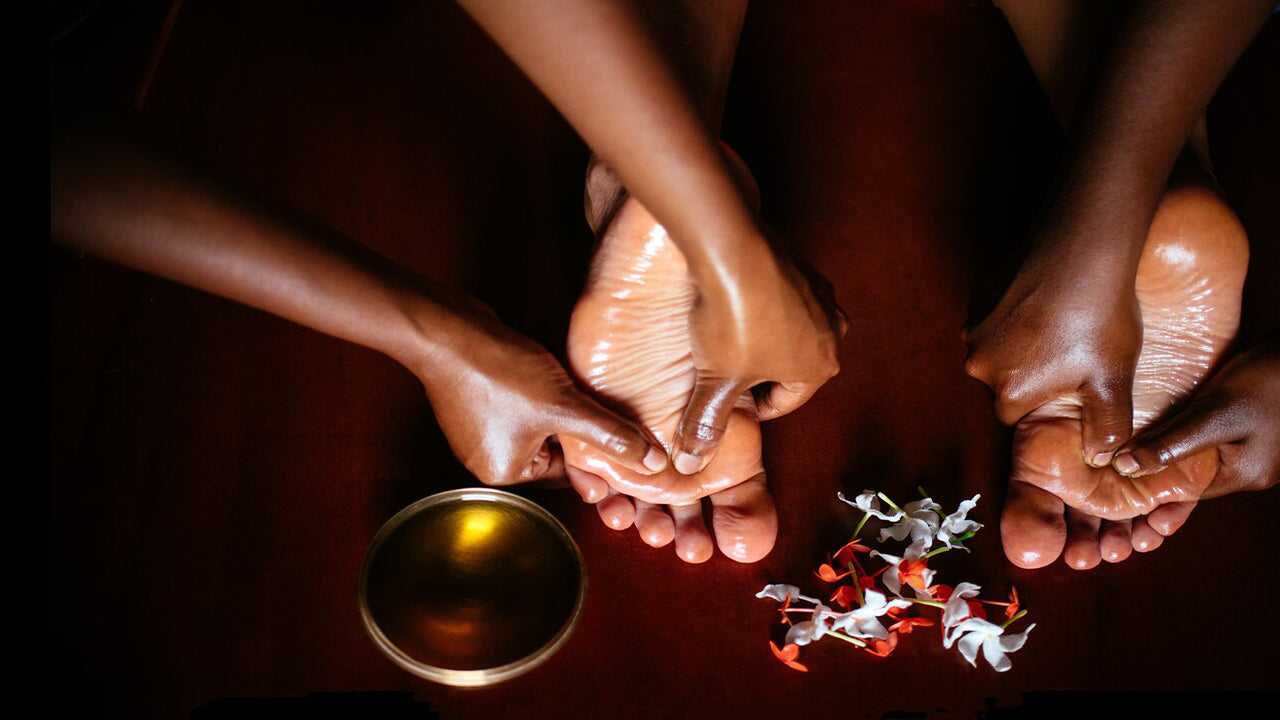
For visitors interested in Sri Lanka's living herbal traditions, a number of experiences bring this knowledge to life. Spice gardens in the Kandy and Matale areas often include medicinal plants and guided commentary on their uses. Traditional Ayurvedic wellness centres — particularly in the hill country and south coast — offer consultations and treatments rooted in the same pharmacopoeial tradition that includes plants like Siritekku.
The Sinharaja Forest Reserve in the wet zone, a UNESCO World Heritage Site, provides a window into Sri Lanka's extraordinary botanical diversity, and guided forest walks frequently highlight the medicinal value of native species. Understanding plants like Clerodendrum indicum adds a meaningful layer to any engagement with Sri Lanka's natural and cultural heritage.