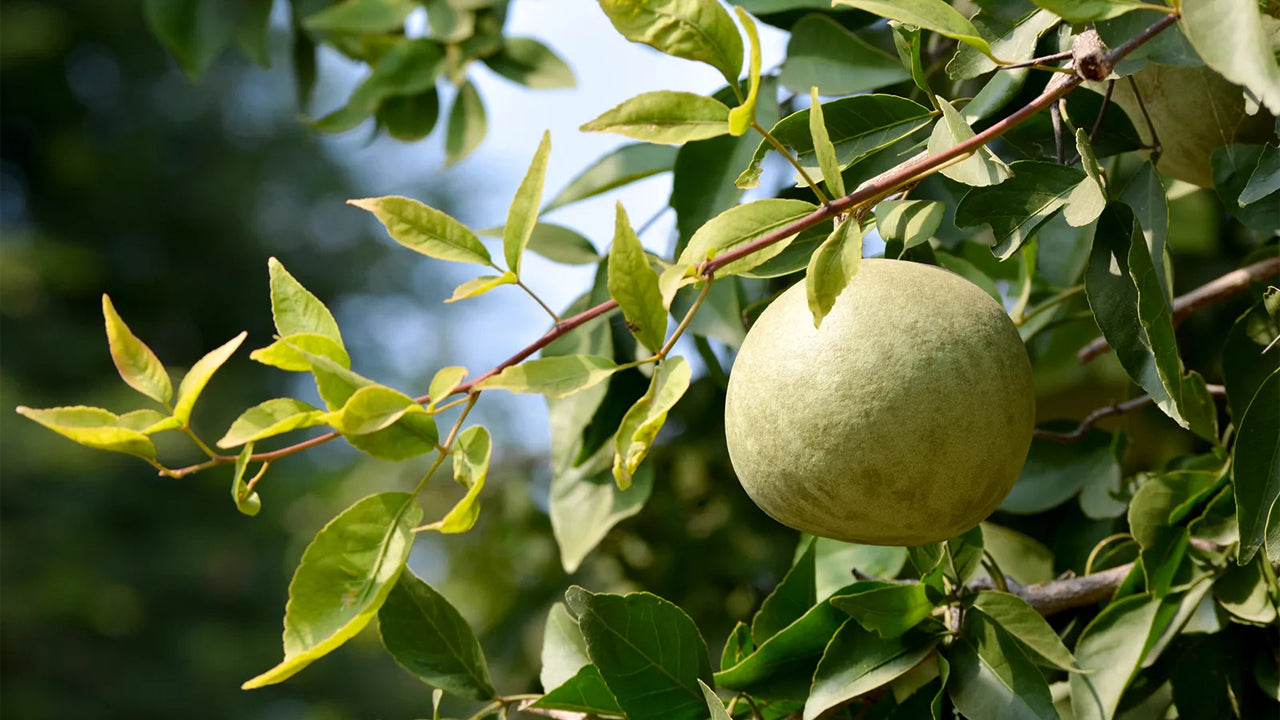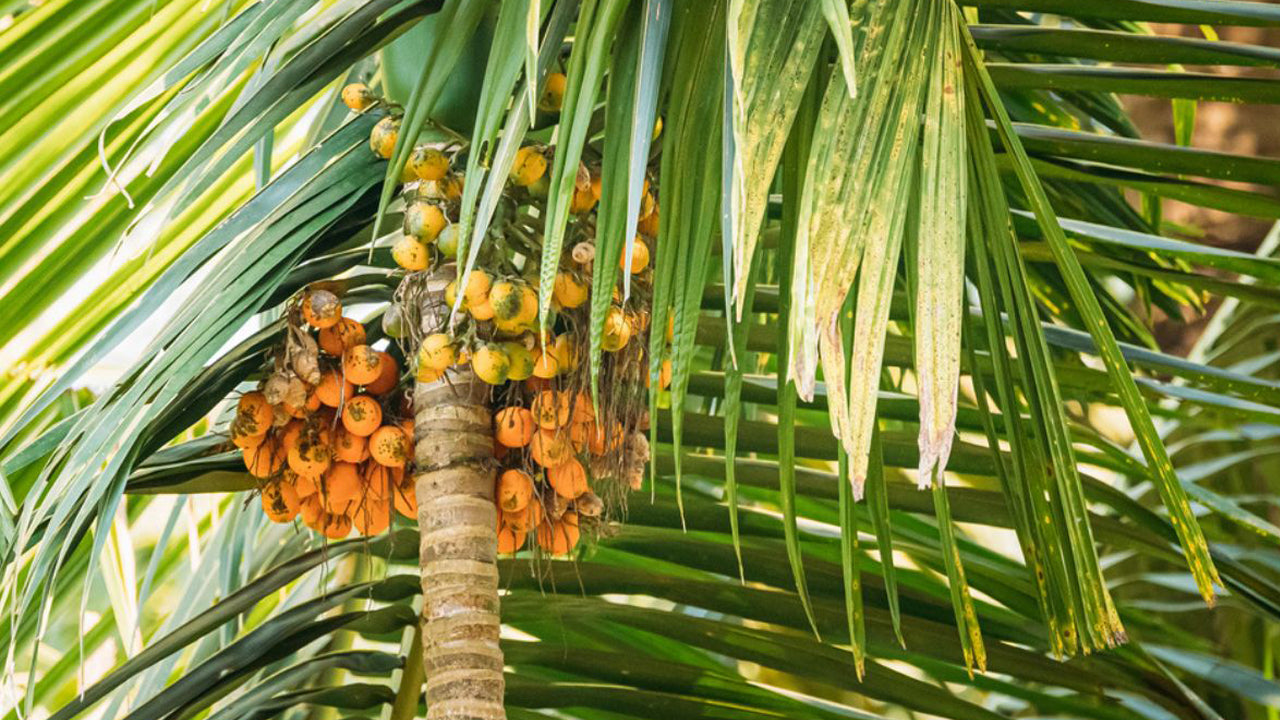



Annona squamosa, widely known as Sugar Apple or Sitaphal, is a small tropical tree that has made itself thoroughly at home in Sri Lanka's gardens, home orchards, and traditional medicine cabinets. Originally native to the tropical Americas, the species spread through trade routes into South and Southeast Asia centuries ago and is now considered a familiar fixture across the island. Its gently bumpy, pale-green fruits — soft, fragrant, and sweet — are a seasonal pleasure that many Sri Lankans remember from childhood.
What does Annona squamosa look like?
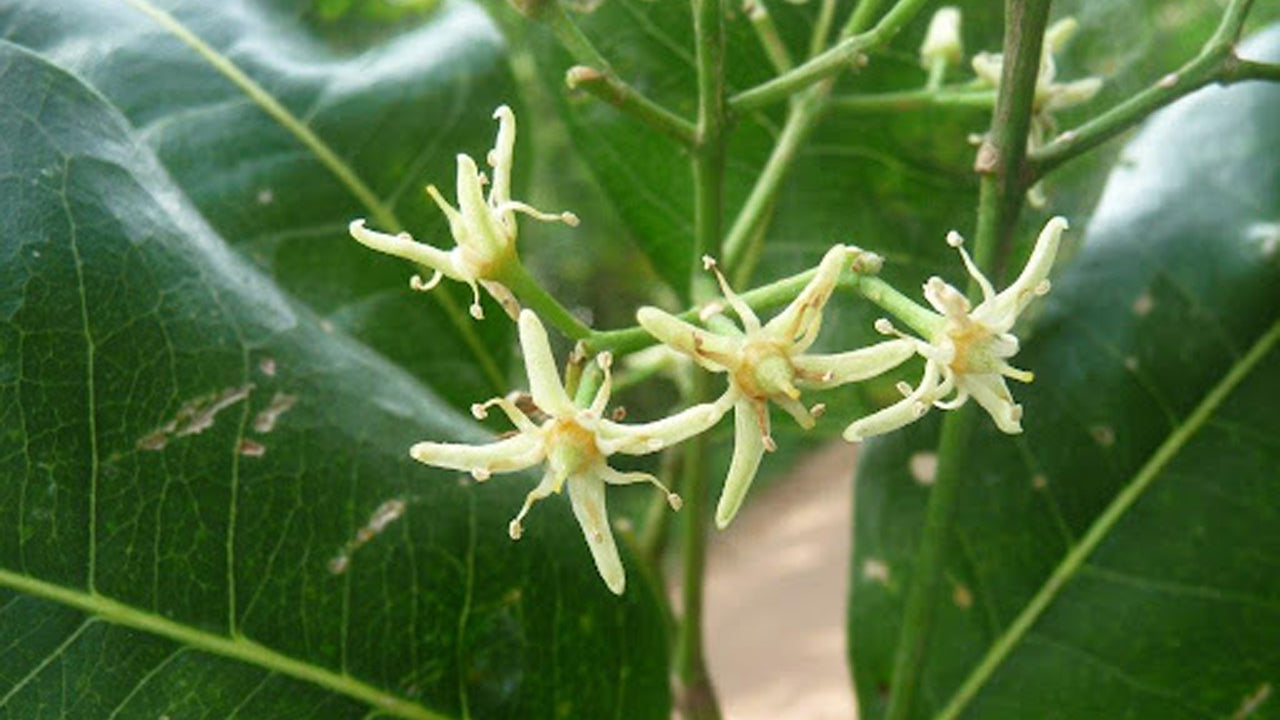
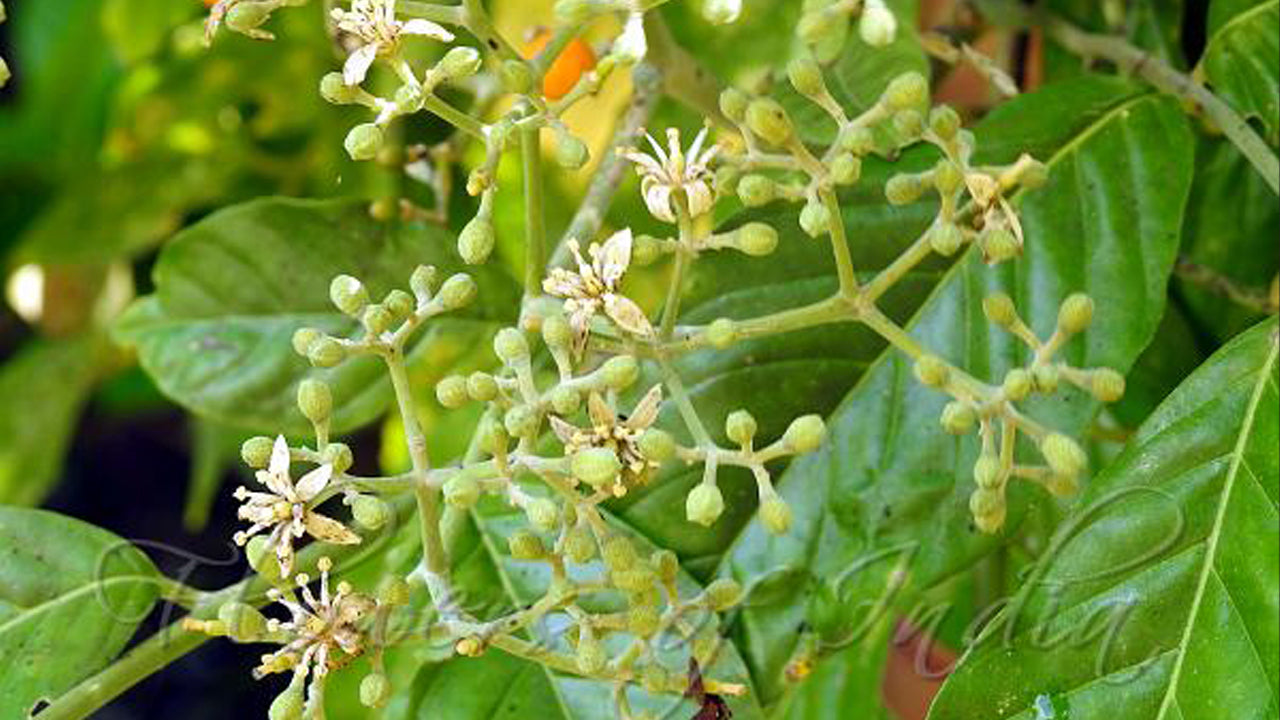
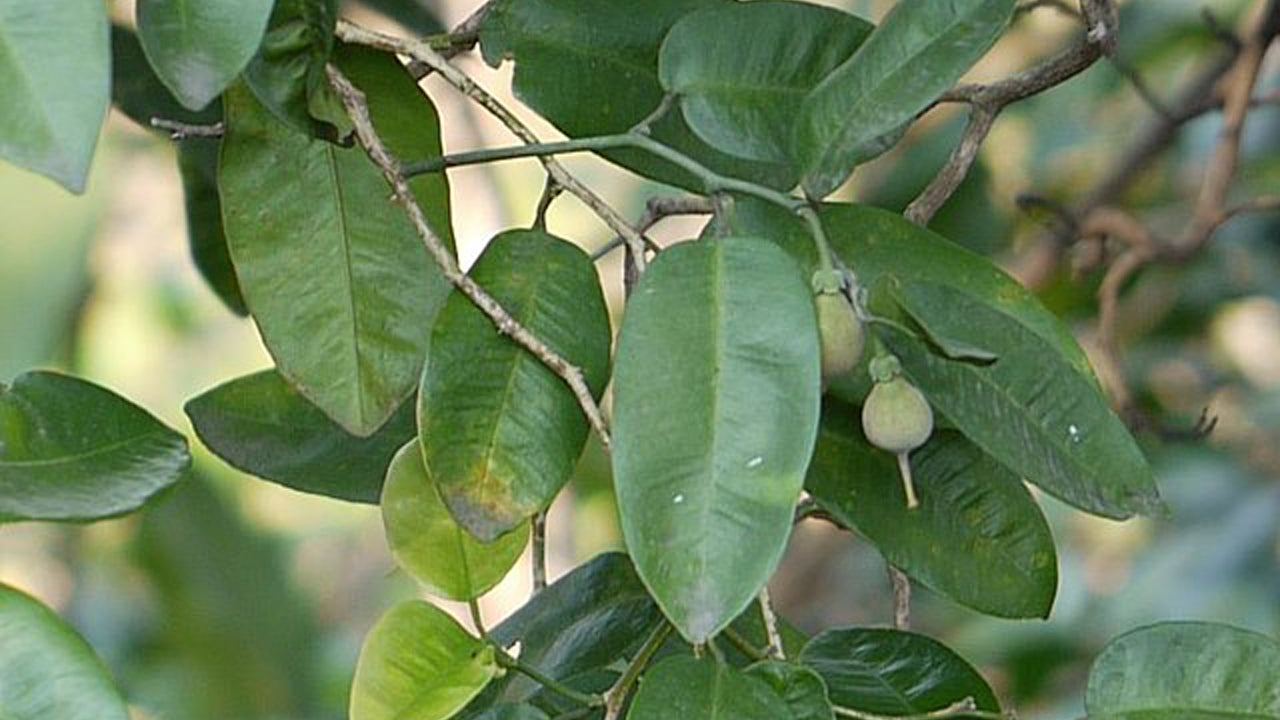
The tree is deciduous to semi-evergreen, typically reaching between three and six metres in height. Its leaves are broadly lance-shaped with a slightly glossy surface, and when crushed they release a faint, pleasant scent. Flowers are small, greenish-yellow, and hang in clusters; they depend on a narrow group of pollinators — primarily certain beetles and bees — to set fruit successfully. The fruit itself is a compound structure made up of fused carpels, giving it the characteristic knobbled, scale-like exterior that peels apart segment by segment when ripe.
How is the fruit eaten and used in cooking?
At peak ripeness, the flesh is custard-soft, ivory to pale yellow in colour, and intensely sweet with a light floral note. Most Sri Lankans eat it fresh by hand, scooping the pulp away from the hard black seeds. It also appears in smoothies and cold drinks — blended with milk or coconut water — and occasionally as a base for ice cream or dessert puddings. The seeds are inedible and mildly toxic if crushed, so they are always discarded. Because the fruit bruises easily and has a short shelf life once picked, it rarely makes it far from where it is grown, which is part of why it feels so distinctly local and seasonal.
What are the nutritional qualities of Sugar Apple?
The pulp is a reasonable source of vitamin C, several B vitamins — particularly B6 and thiamine — and minerals including potassium and magnesium. It also provides dietary fibre, which supports digestive health. Like many tropical fruits, it is relatively high in natural sugars, so while it is nutritious it is best enjoyed in moderate portions by people managing blood-sugar levels. Its combination of energy density and micronutrients has made it a traditional weaning food in parts of Asia.
What is the Ayurvedic and medicinal significance of Annona squamosa?
In Sri Lanka's Ayurvedic tradition, Annona squamosa is catalogued among the island's medicinal plants, and different parts of the tree serve different purposes. Leaf preparations have been used in folk medicine to address fever and to apply topically to skin irritations. Root extracts have a longstanding reputation in the treatment of digestive complaints. The seeds, properly processed and used under guidance, have historically been applied as an agent against external parasites — though their inherent toxicity means they should never be used without qualified supervision. The fruit pulp itself is regarded as gently digestive and mildly immune-supportive, though these uses belong to traditional practice and should not be treated as clinical health claims.
For travellers interested in Sri Lanka's living plant-medicine heritage, a visit to Midigama Fruit Farm can illustrate how tropical species like Sugar Apple are grown and used alongside other traditional crops in a working agricultural setting.
Where does Annona squamosa grow in Sri Lanka?
The tree is adapted to the dry and intermediate zones of the island, where well-drained soils and reliable sunshine are available. It is relatively drought-tolerant once established and performs well without intensive irrigation, which makes it attractive to smallholder farmers and home gardeners alike. You are most likely to encounter it in the North Central, North Western, and Eastern provinces, often growing beside roads, in village gardens, or as part of mixed-fruit orchards. It can also be grown in containers, making it suitable for urban households with limited land.
- Preferred climate: tropical lowlands, dry and intermediate zones
- Soil: well-drained, sandy loam to light clay
- Altitude: generally below 1,000 metres above sea level
- Fruiting season in Sri Lanka: typically June to October, though micro-climate variations apply
How does Annona squamosa support local ecology?
One often-overlooked quality of this species is its role in supporting pollinator communities. The flowers are pollinated chiefly by small beetles of the family Nitidulidae rather than by bees alone, which is unusual among cultivated fruit trees. This specificity means the tree contributes to a distinct ecological niche and can support insect diversity in home gardens and mixed-species orchards. Like Pongamia pinnata, another multi-purpose tropical tree documented in Sri Lanka's traditional plant knowledge, Annona squamosa illustrates how single species can serve culinary, medicinal, and ecological functions simultaneously.
How does Annona squamosa relate to Sri Lanka's Ayurvedic plant catalogue?
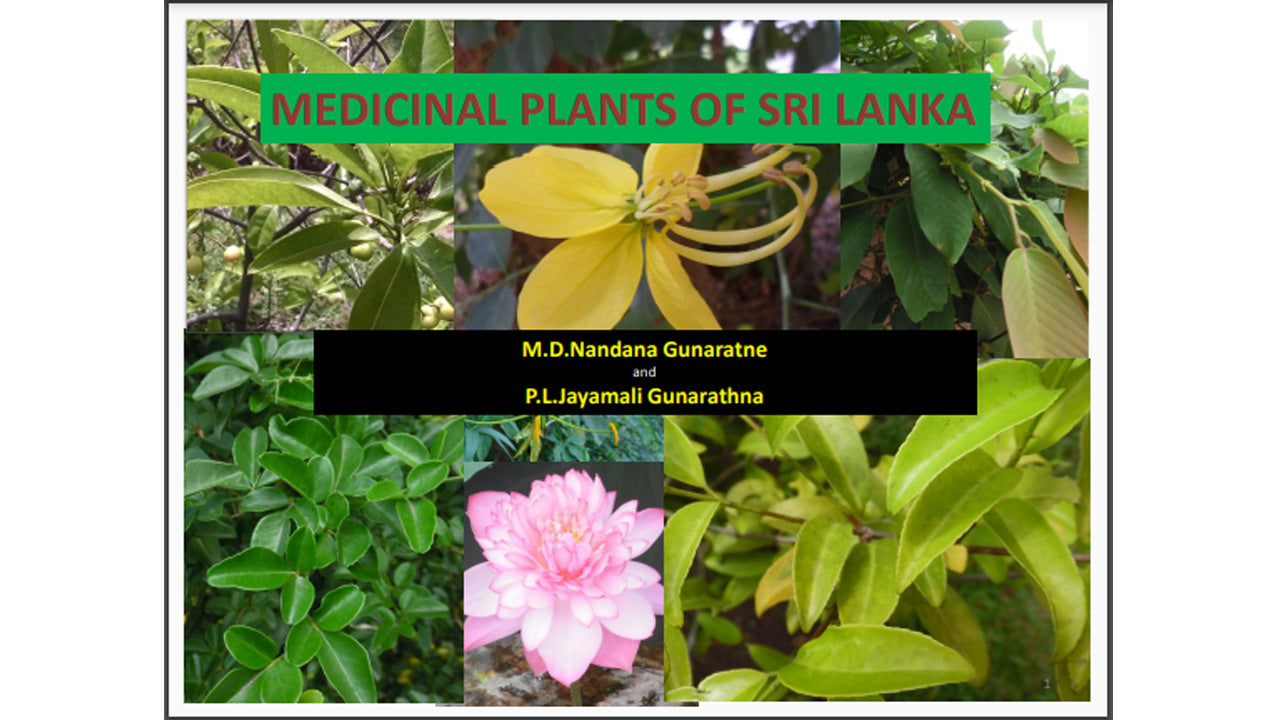
Sri Lanka has a formally documented tradition of Ayurvedic medicine stretching back over two thousand years, and the island's flora has been systematically recorded in government and institutional catalogues of medicinal plants. Annona squamosa appears in this catalogue alongside hundreds of other species, many of which are endemic or long-naturalised. The continued cultivation of such plants in village gardens is one of the ways traditional botanical knowledge is preserved informally, often passed between generations without formal documentation. This living knowledge is part of what gives Sri Lanka's rural landscapes much of their character — a mix of productive, medicinal, and ecologically valuable plants growing in close proximity.
Can you grow Sugar Apple in a home garden in Sri Lanka?
Yes, and it is one of the more straightforward tropical fruit trees to establish in the right conditions. Seeds extracted from ripe fruit germinate reliably, though grafted or budded plants will produce fruit sooner and more consistently. The tree requires full sun for at least six hours a day, good drainage to prevent root rot, and minimal pruning beyond shaping. It is not well-suited to the wet zone's heavy rainfall or the cool temperatures of the hill country above roughly 1,000 metres. In suitable locations, a well-managed tree will begin fruiting within three to four years from seed, and grafted specimens often earlier.
| Growing Factor | Requirement |
|---|---|
| Sunlight | Full sun, minimum 6 hours daily |
| Water | Moderate; drought-tolerant once established |
| Soil | Well-drained; tolerates sandy soils |
| Altitude | Best below 1,000 m above sea level |
| Time to fruit (from seed) | Typically 3–4 years |
Sugar Apple sits within a broader tradition of multi-purpose tropical plants that Sri Lanka has cultivated and documented for centuries. Whether encountered in a village market, a home garden, or an Ayurvedic dispensary, it offers a small but genuine window into the island's relationship with its botanical heritage.