Sudu Heeneti


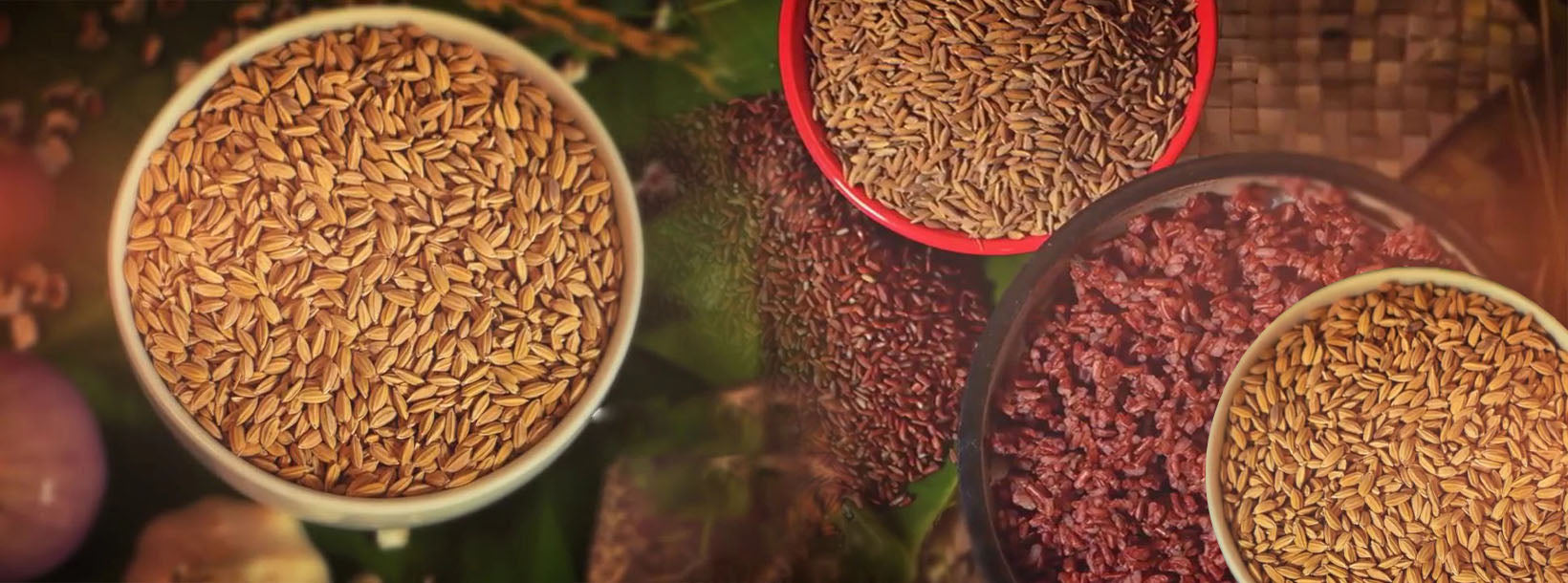
"Sudu Heeneti" is a traditional variety of rice from Sri Lanka, known for its distinct characteristics. This rice variety is highly regarded in the country for its texture and taste. The term "Sudu Heeneti" directly translates to "White Rice" in Sinhala, but it specifically refers to a particular variety of rice grown in Sri Lanka.
This rice variety is often used for daily meals, special occasions, and traditional Sri Lankan dishes like kiribath (milk rice), a dish commonly served at ceremonies and celebrations.
Sudu Heeneti rice is considered an important part of the country's food culture, embodying the essence of Sri Lankan cuisine and traditions.
-
 Sudu Heeneti
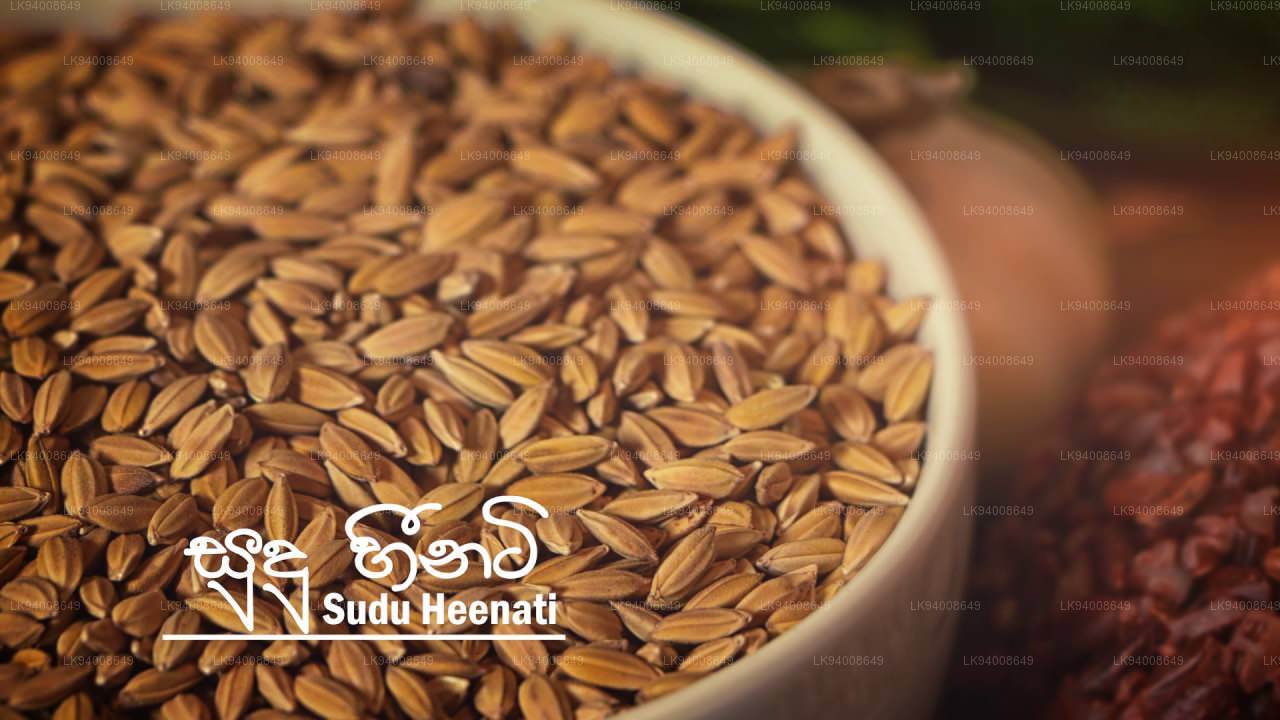
A small white heirloom rice variety, Sudu Heeneti is highly nutritious, rich in antioxidants, and ideal for traditional Sri Lankan medicinal diets. It has a soft texture and mild, earthy flavor.
-
 Dahanala
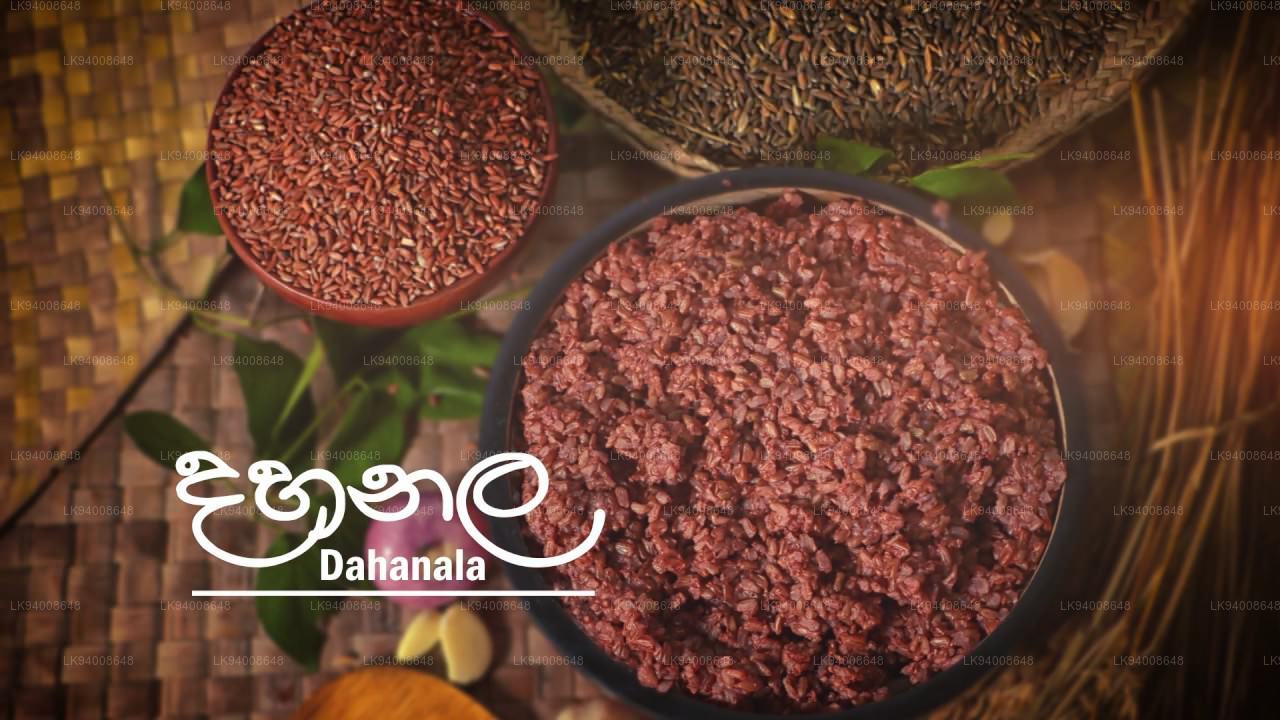
Dahanala is a rare, nutrient-dense traditional rice with a reddish hue. It is favored for its high fiber content and mild, sweet taste, making it perfect for porridge and healthy meals.
-
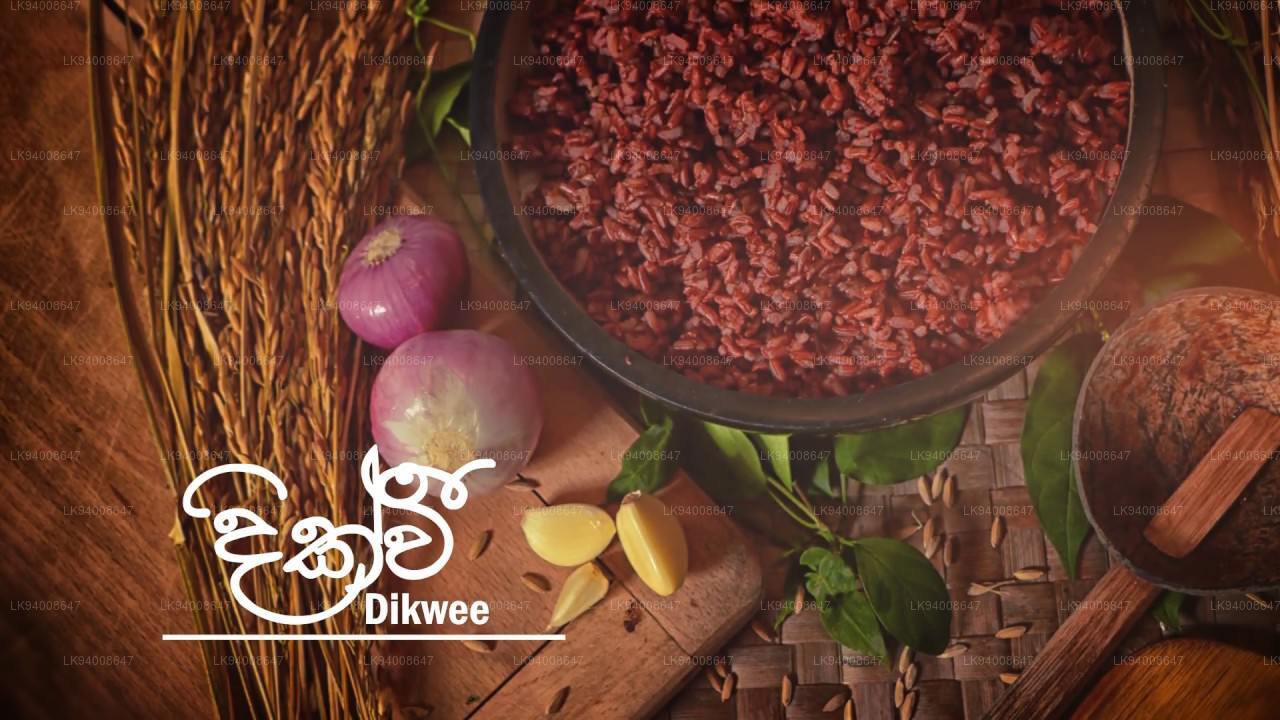 Dik Wee
Dik Wee is a medium-grain red rice variety traditionally cultivated in Sri Lanka. The plant develops to a maximum height of 150 cm. This crop can be harvested within 4 to 4½ months from seeding.
-
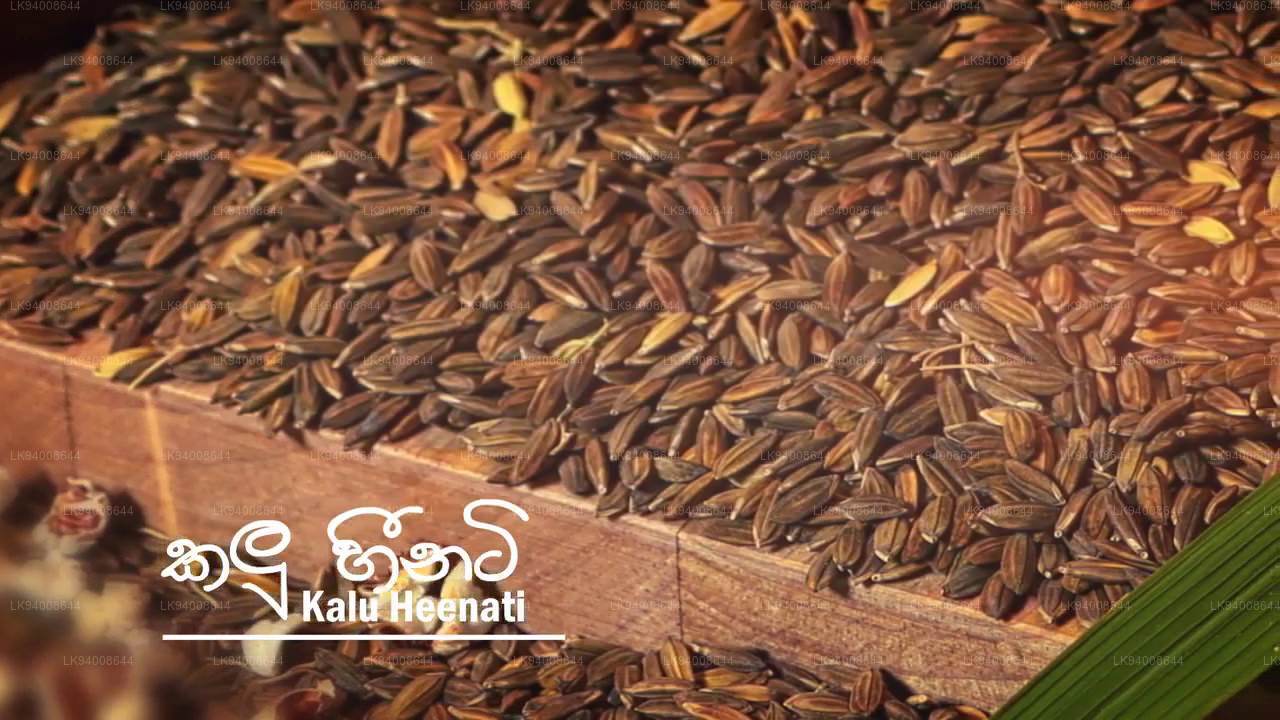 Kalu Heeneti
This variety of rice is named Kalu Heeneti because of the color of its lemma and palea which turn blackish at maturity. It is traditionally cultivated in Sri Lanka and produces a red medium sized grain. The plant develops to a maximum height of 120 cm.
-
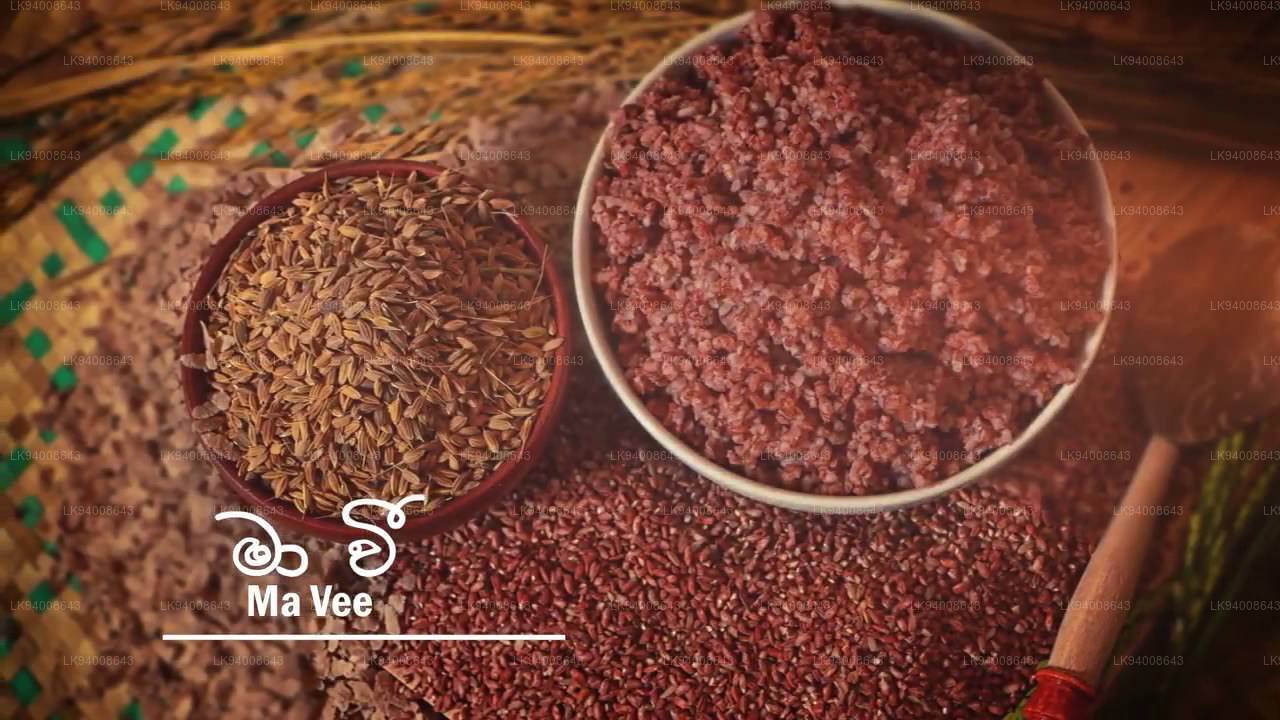 Ma Wee
Ma Wee is a red rice variety traditionally cultivated in Sri Lanka. The grain varies in size and shape from short and round varieties to long medium sized varieties. It is one of the tallest rice plants cultivated and develops to a maximum height of 350 cm.
-
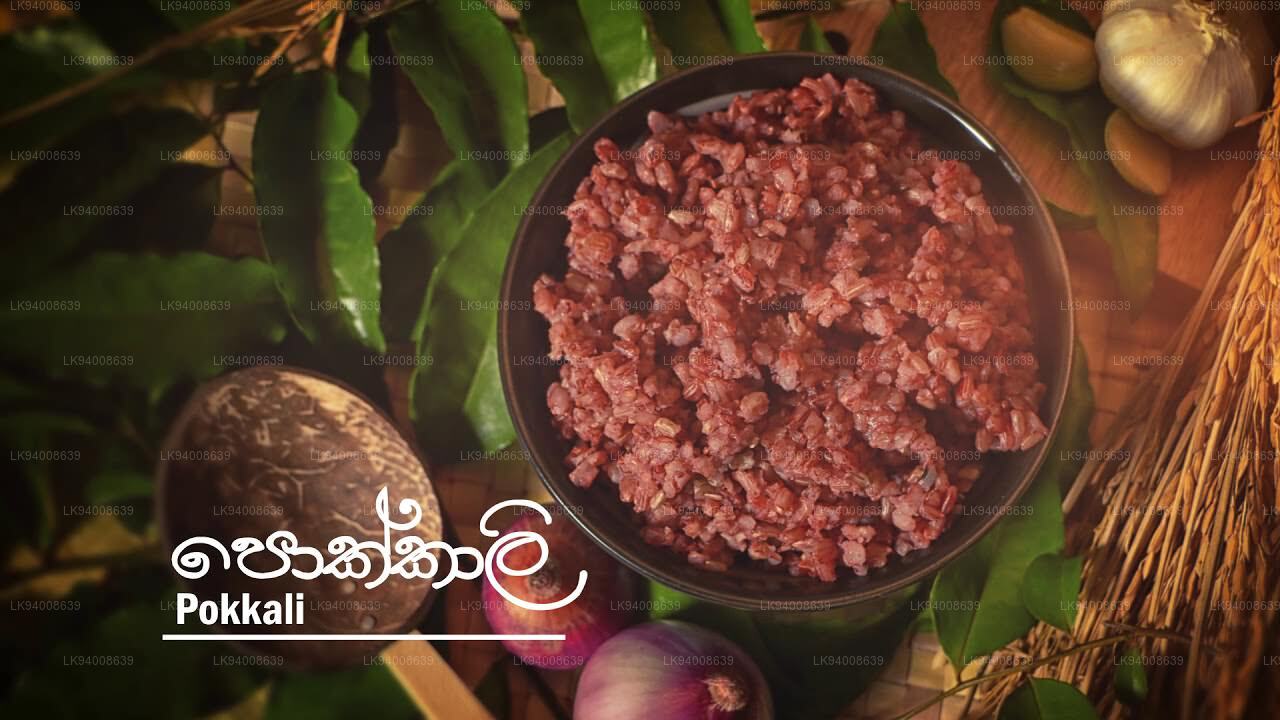 Pokkali
Pokkali is a popular red rice variety traditionally cultivated in Sri Lanka. The culm of plant is about 130 cm in height and bears about 10 tillers per plant. This crop can be harvested within 3½ months from seeding.
-
 Pachchaperumal
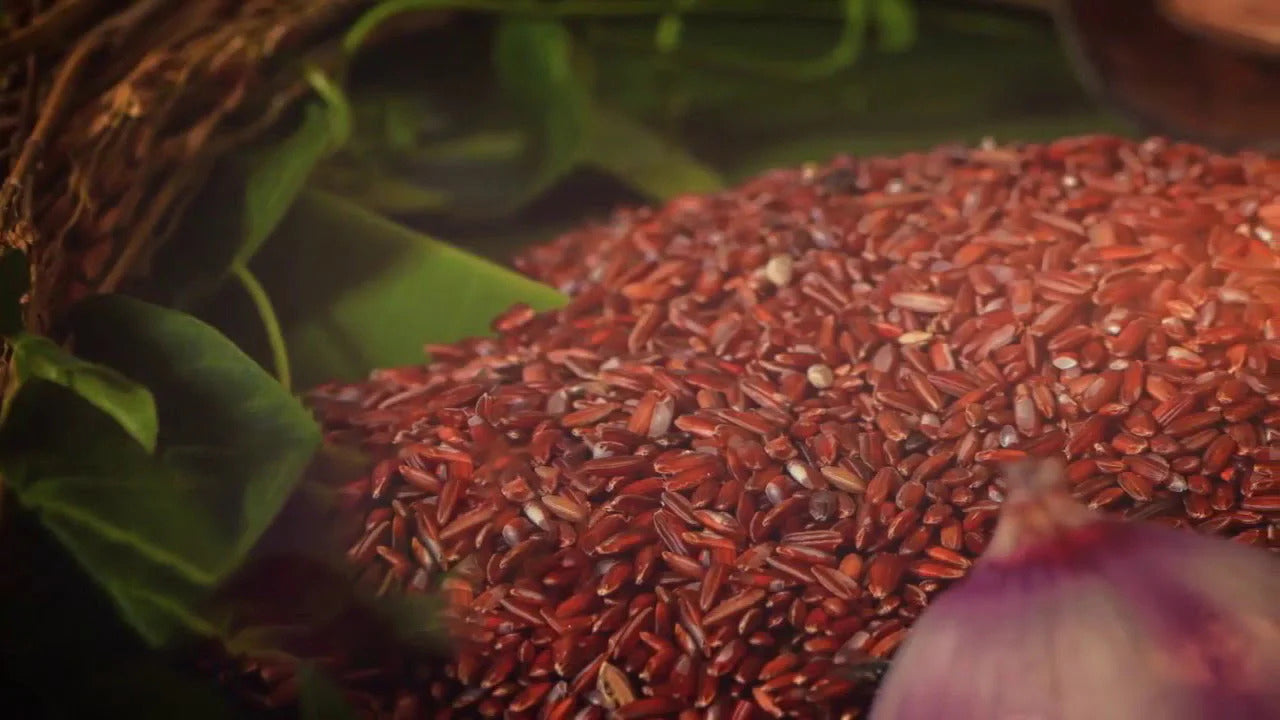
Pachchaperumal is a very popular medium-grain red rice variety traditionally cultivated in Sri Lanka. The plant develops to a maximum height of 120 cm. This crop can be harvested within 3½ months from seeding. At the stage of ripening the plant stem becomes light bluish in color.
-
 Madathawalu
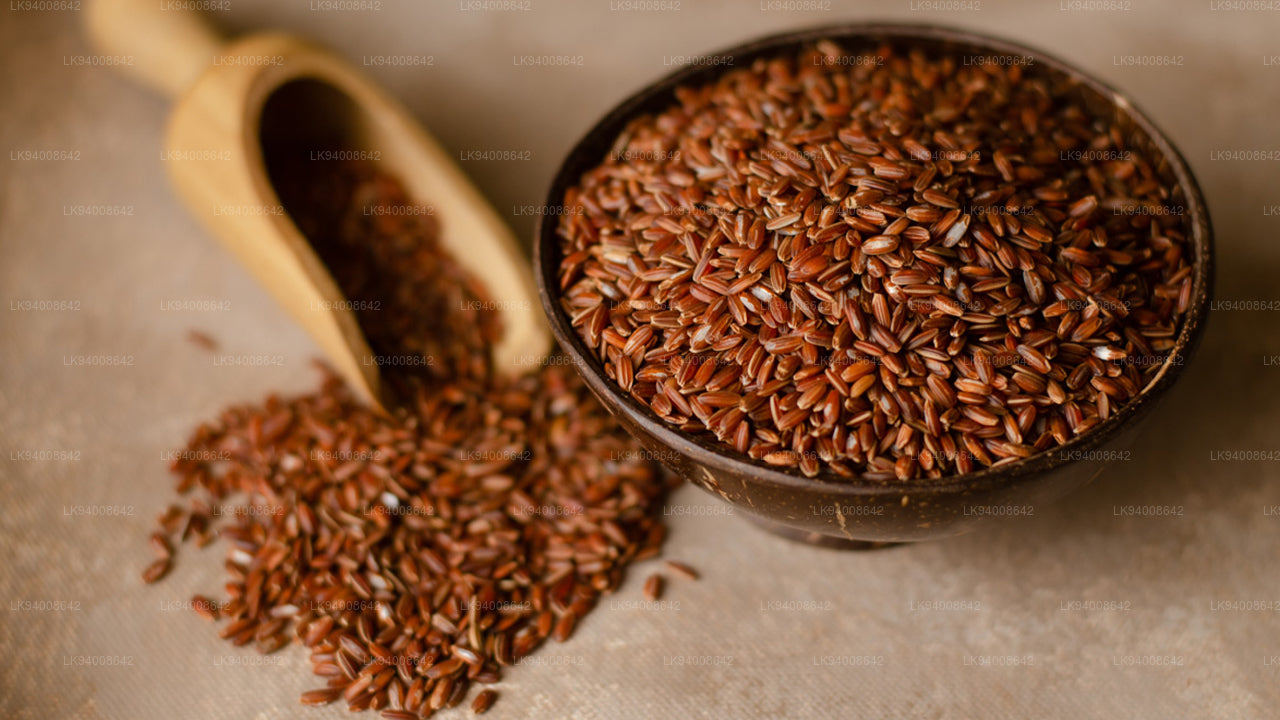
Madathawalu is a very popular short-grain red rice variety traditionally cultivated in Sri Lanka. The plant develops to a maximum height of 130 cm. This crop can be harvested within 4 months from seeding.
-
 Gonabaru
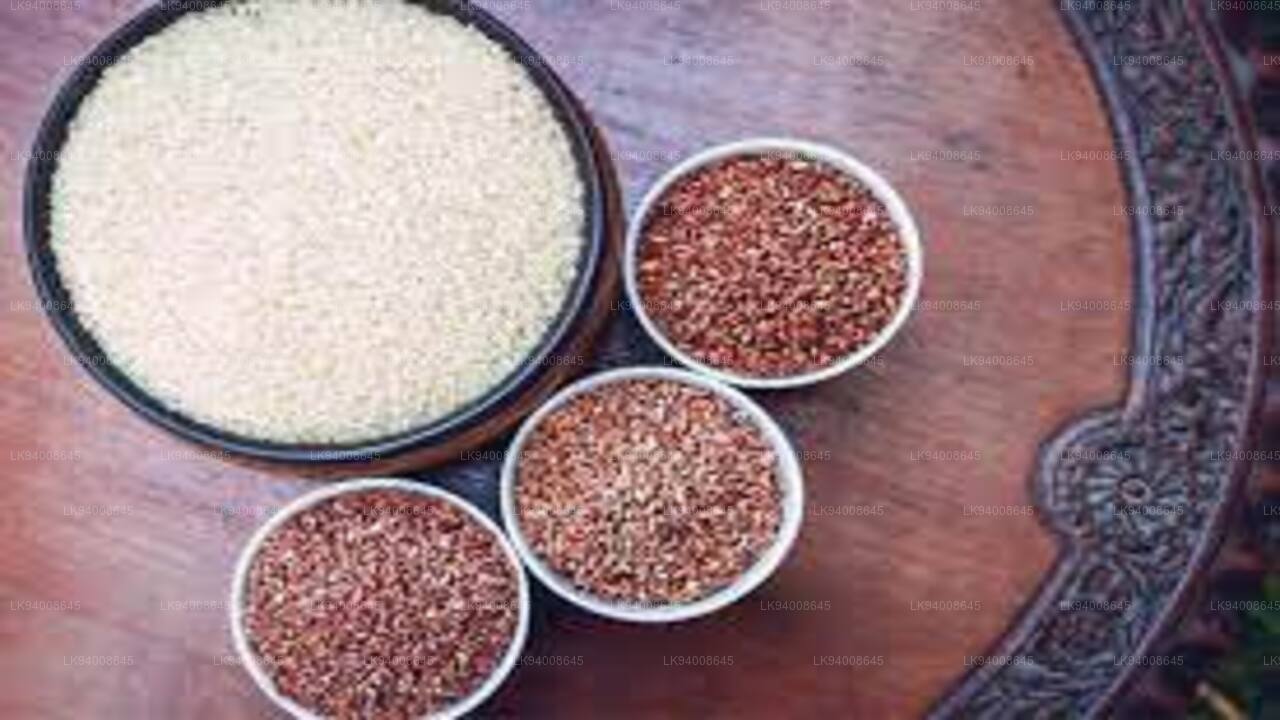
Gonabaru is a popular medium-grain rice variety traditionally cultivated in Sri Lanka. The plant develops to a maximum height of 140 cm. This crop can be harvested within 5 months from seeding.
-
 Goda Heeneti
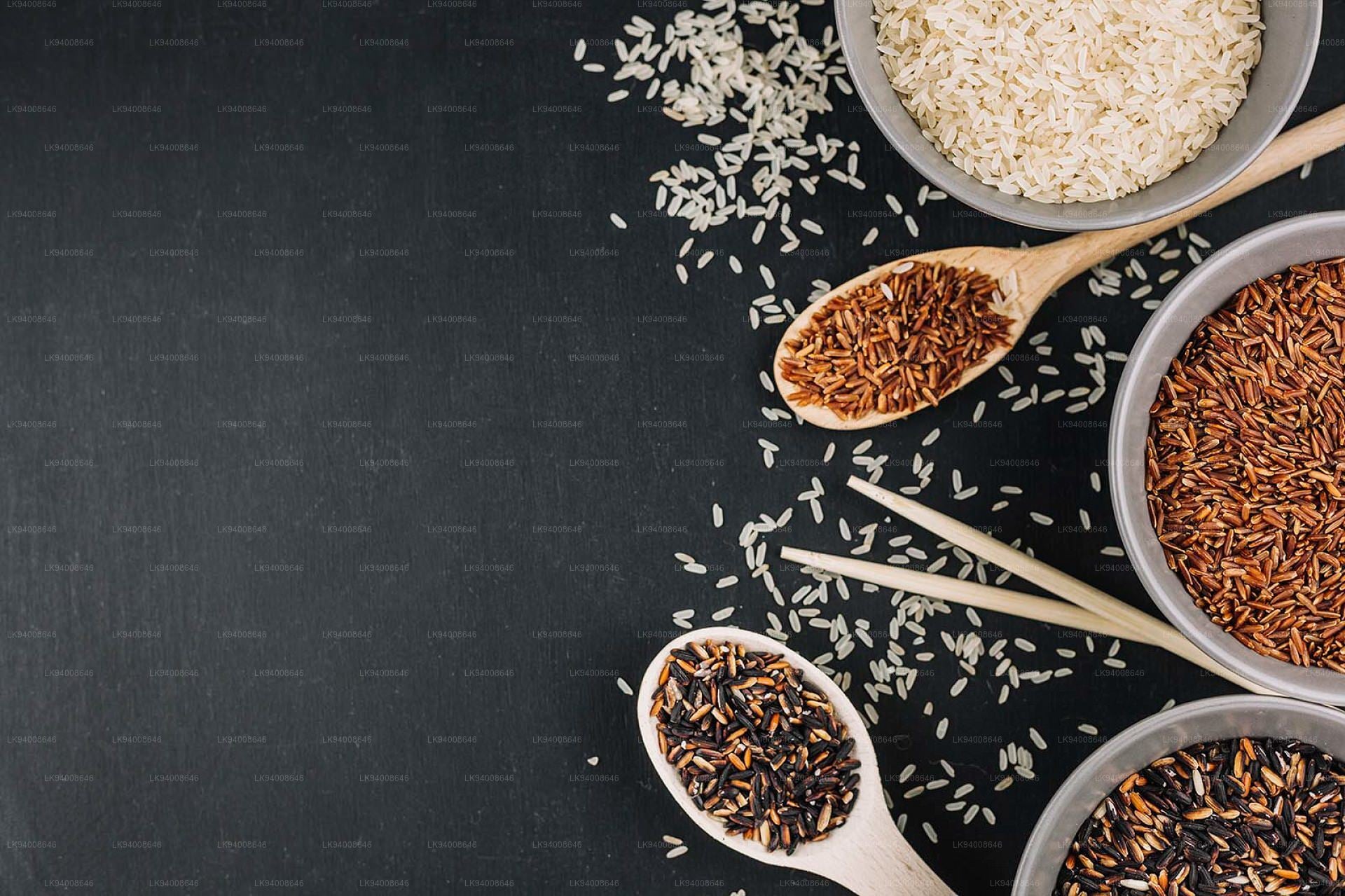
Godaheeneti is a popular medium-grain red rice variety traditionally cultivated in Sri Lanka, which belongs to the heeneti type. The plant develops to a maximum height of 160 cm. This crop can be harvested within 3½ months from seeding.
-
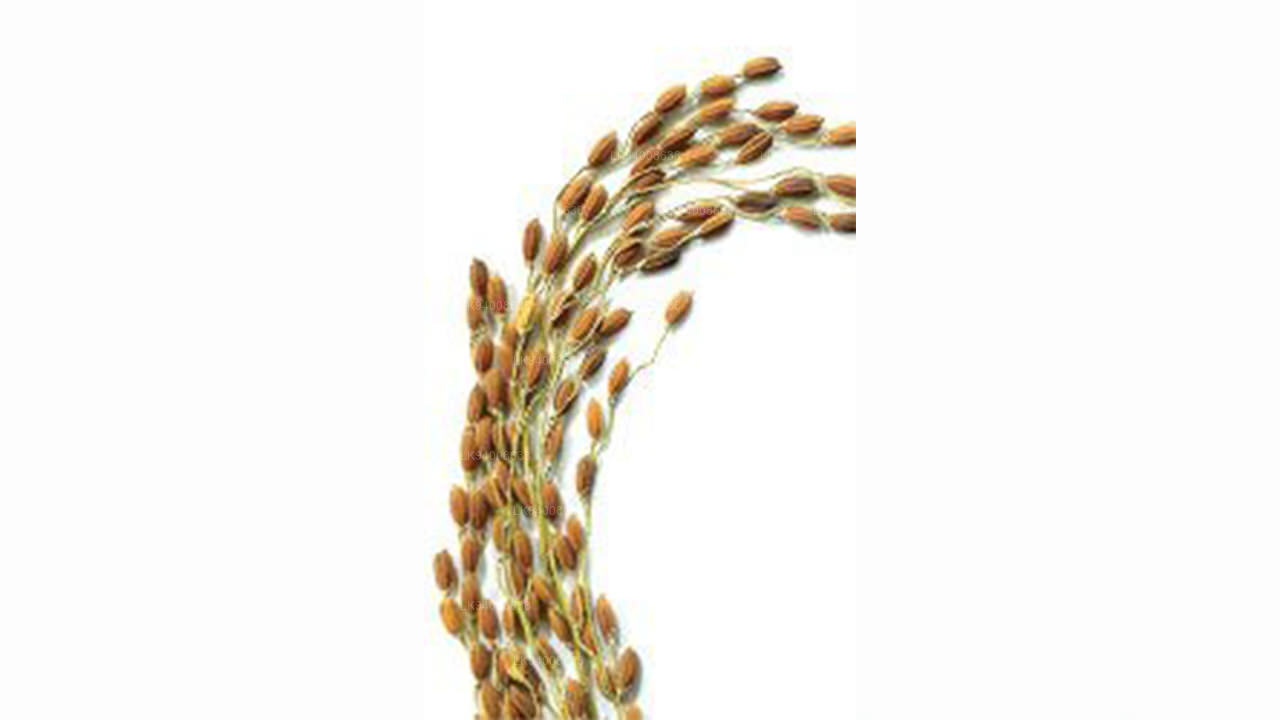 Rath Suwandal
Rathsuwandal is a popular medium-grain red rice variety traditionally cultivated in Sri Lanka. The plant develops to a maximum height of 120 cm. This crop can be harvested within 3½ months from seeding.