Lakpura
Lakpura®

Jasa Kolama (Washerman comedy)

Jasa Kolama — also known as Jeydi Vidane or Rada Kolama, meaning the washerman's comedy — is one of the most recognisable characters in Sri Lanka's ancient tradition of Kolam dance. With his exaggerated mask, shuffling gait, and sharp satirical dialogues, Jasaya has entertained village audiences for generations, holding up a comic mirror to everyday rural life.

What is Kolam dance, and where does Jasa Kolama fit in?

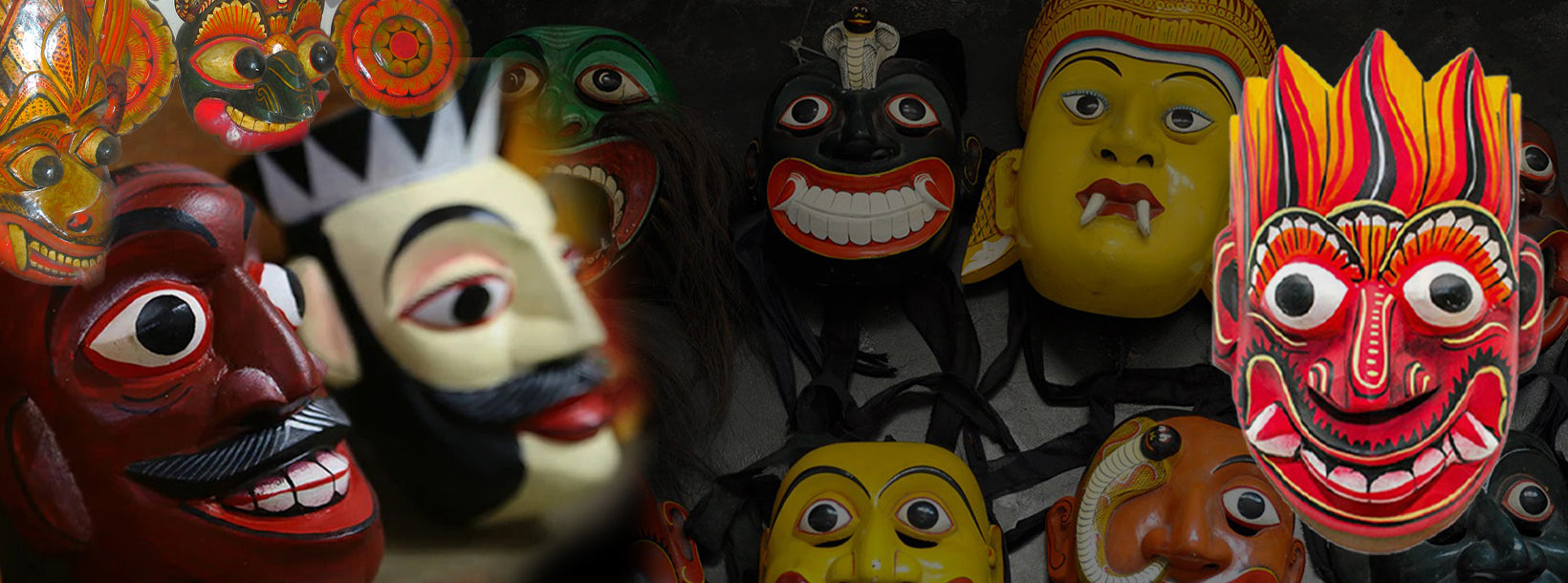
Kolam is a form of masked dance-drama that originated in the coastal low-country regions of Sri Lanka. Performers wear elaborately carved and painted masks and enact a loose narrative filled with stock characters — royalty, demons, village types, and comic figures. Among these, the comic characters, known collectively as the kolama roles, draw the loudest laughter from the crowd.

Jasaya belongs firmly to this comic tier. He represents the washerman caste, and his scenes typically involve exaggerated physical comedy, wordplay, and gentle mockery of social conventions. His role is not merely entertainment; through humour, Jasaya comments on hierarchy, pretension, and the ordinary struggles of village existence.

The Esala Perahera Festival is perhaps the most globally recognised expression of Sri Lankan performing arts, but Kolam dance represents an older, more intimate layer of the island's performance heritage — staged not in grand processions but in village courtyards by lantern light.

What does the Jasaya mask look like?

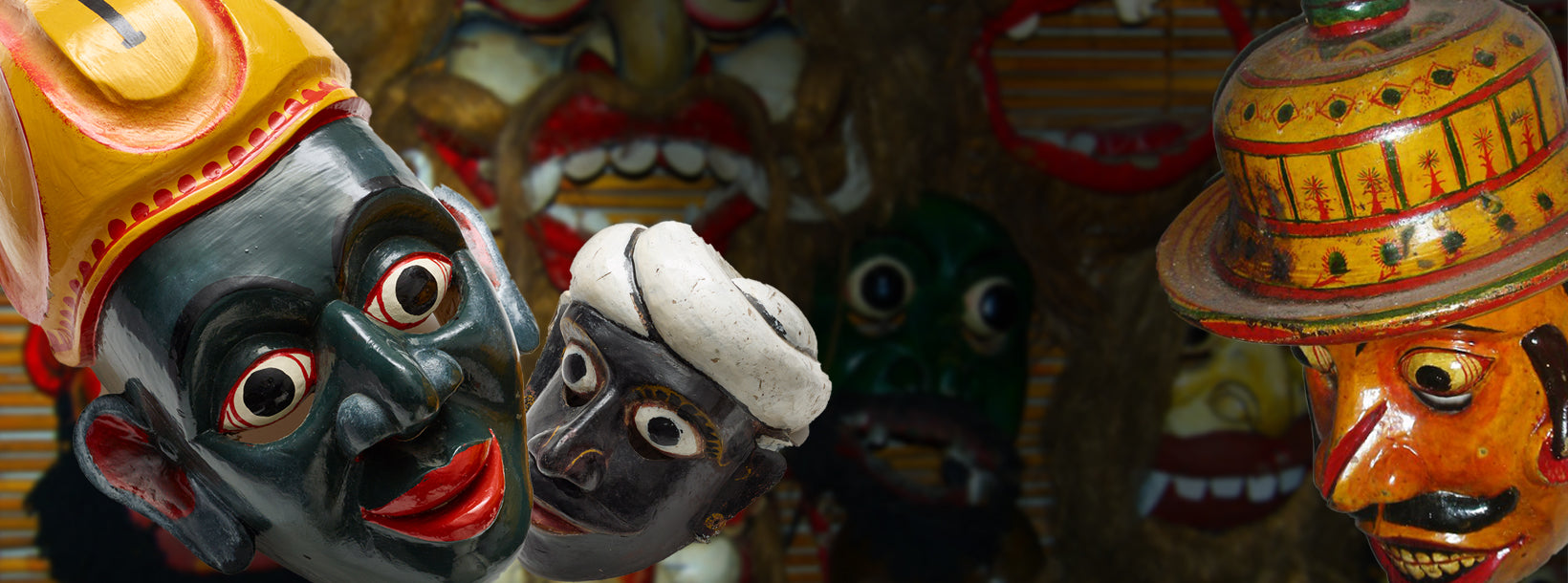
The mask is the heart of any Kolam character, and Jasaya's is immediately distinctive. The example belonging to the Bandula Wijesuriya Kolam Kuttama (comic dance troupe) is carved so that the jaw is separated from the rest of the face, allowing the performer to move it — giving Jasaya a convincingly talking, almost living expression.

In colouring, a dark brown paint is applied, distinguishing him visually from the paler masks used for higher-status characters. Scholar Gunasinghe has described the face as carrying a jovial appearance: eyes that protrude slightly forward, and a tongue that hangs out a little — details that signal buffoonery the moment the mask appears on stage.

A second tradition, from the Olaboduwa, Gonapola Kolam Kuttama, presents a somewhat different Jasaya: a well-built, sturdy figure with upturned moustaches and a broad smiling mouth, projecting physical confidence rather than the more wheedling version seen elsewhere. Both share the same essential comedic spirit, but the regional differences in carving style are significant to mask scholars and cultural historians.

How is Jasaya described in traditional verse?

In the literary tradition of Kolam, characters were introduced and described in verse before or during their appearance on stage. The verse describing Jasaya captures his physical peculiarities with affectionate mockery:

Keeping a swollen leg slowly on the ground,
Looking this way and that, bending his back and lowering his shoulders a little way,
Wearing a cloth up to his knees only —
Look how he comes before the audience here assembled.

These lines do more than describe a costume. They choreograph the character's entrance: the careful placement of a bad leg, the shifty sideways glances, the cloth worn short in the style of a working man. A skilled performer could conjure the whole character from those four lines alone.

Who are the other characters that appear alongside Jasaya?

In the Bandula Wijesuriya Kolam troupe, Jasaya is not alone. A character named Sebara — a servant — also comes on stage, and the mask made for him is very similar in colour to Jasaya's. This pairing is typical of Kolam's ensemble logic: comic characters rarely appear in isolation but in relationship to one another, so that the humour arises from their interaction, their misunderstandings, and their shared social position at the bottom of the village hierarchy.

The presence of Sebara amplifies Jasaya's comedy. The washerman may be ridiculous, but he has a servant — and the servant is just as ridiculous. Together they represent a micro-world of low-status characters finding dignity, mischief, and laughter in their own sphere.

What makes Kolam masks significant beyond performance?

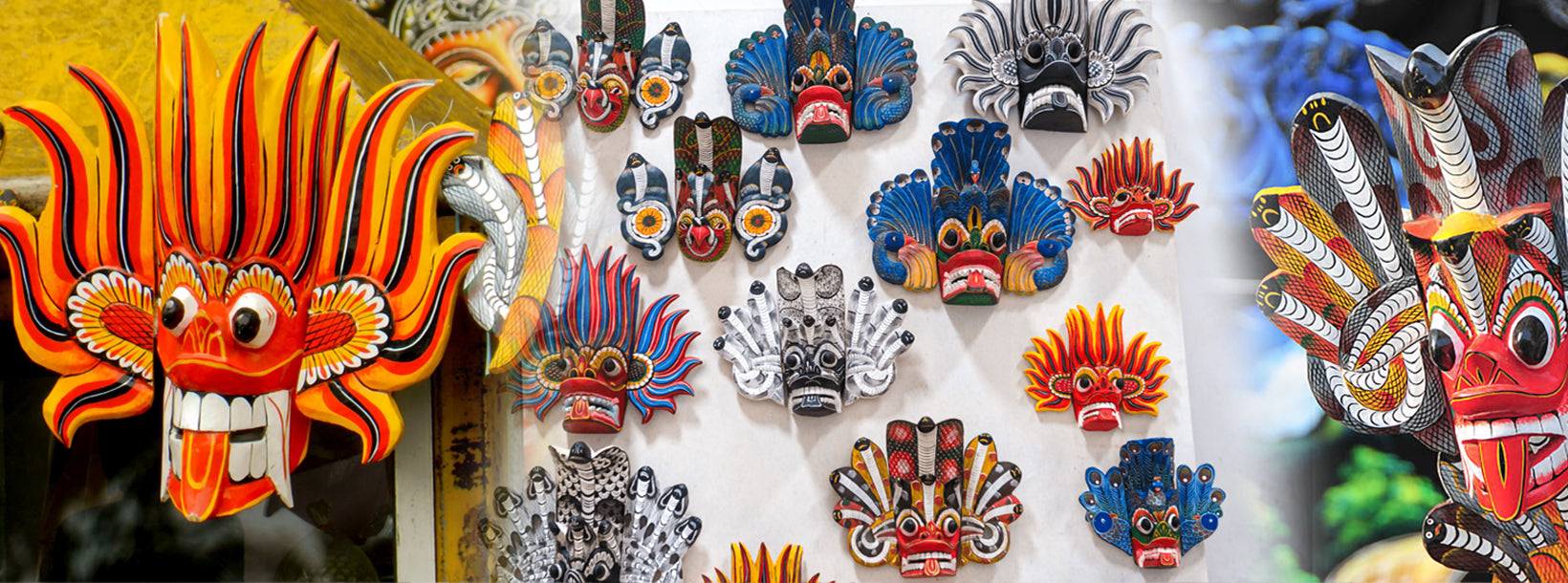
Kolam masks are not merely theatrical props. They are carved wooden objects with considerable artistic and anthropological value. Each mask encodes regional carving traditions, caste dynamics, and aesthetic choices about how humour, authority, and the supernatural should be represented visually.

The differences between the Bandula Wijesuriya tradition and the Olaboduwa, Gonapola tradition — even for the same character — demonstrate how localised these performance cultures were. Before the age of mass media, a village troupe's Jasaya mask was as distinctive as a regional dialect. Collectors and ethnographers have documented these variations extensively, and a number of fine examples can be seen in Sri Lanka's national museum collections.

Understanding Kolam also deepens appreciation for other forms of Sri Lankan heritage. The island's mask-carving tradition, centred in the Southern Province, spans Kolam, Tovil healing rituals, and Raksha dances — each genre with its own mask typology and performance context.

Where can travellers encounter Kolam dance in Sri Lanka?

Kolam performances are not staged daily for tourists the way some cultural shows are, which is part of what makes encountering them genuinely memorable. The Southern coastal belt — particularly the areas around Ambalangoda — is the heartland of Sri Lanka's mask-carving and Kolam performance tradition. Ambalangoda is home to dedicated mask museums where historic examples, including comic characters like Jasaya, are displayed with contextual information.

Kandy is the natural starting point for visitors interested in Sri Lankan performing arts more broadly. The Kandy city tour typically includes a Kandyan dance performance, and local cultural centres can advise on Kolam events if any are scheduled during a visit. Timing a trip to coincide with a village festival or Kolam season in the south is the most authentic way to see these characters in context.

Why does Jasa Kolama matter today?

Comic folk characters like Jasaya occupy an important but sometimes overlooked place in cultural history. They preserved social commentary in a form that could not easily be censored — laughter has always travelled more freely than direct criticism. The washerman's swollen leg and short cloth were not just comic props; they marked the limits of social mobility, the dignity found in physical labour, and the pleasure a village audience took in seeing its own life reflected back with warmth and wit.

As Kolam traditions face the usual pressures of modernisation, documenting and understanding characters like Jasaya becomes more urgent. The masks that survive in museums and private collections are not relics — they are records of a performance culture that was once as central to Sri Lankan village life as any religious ceremony.

Ask Lakpura® Agent