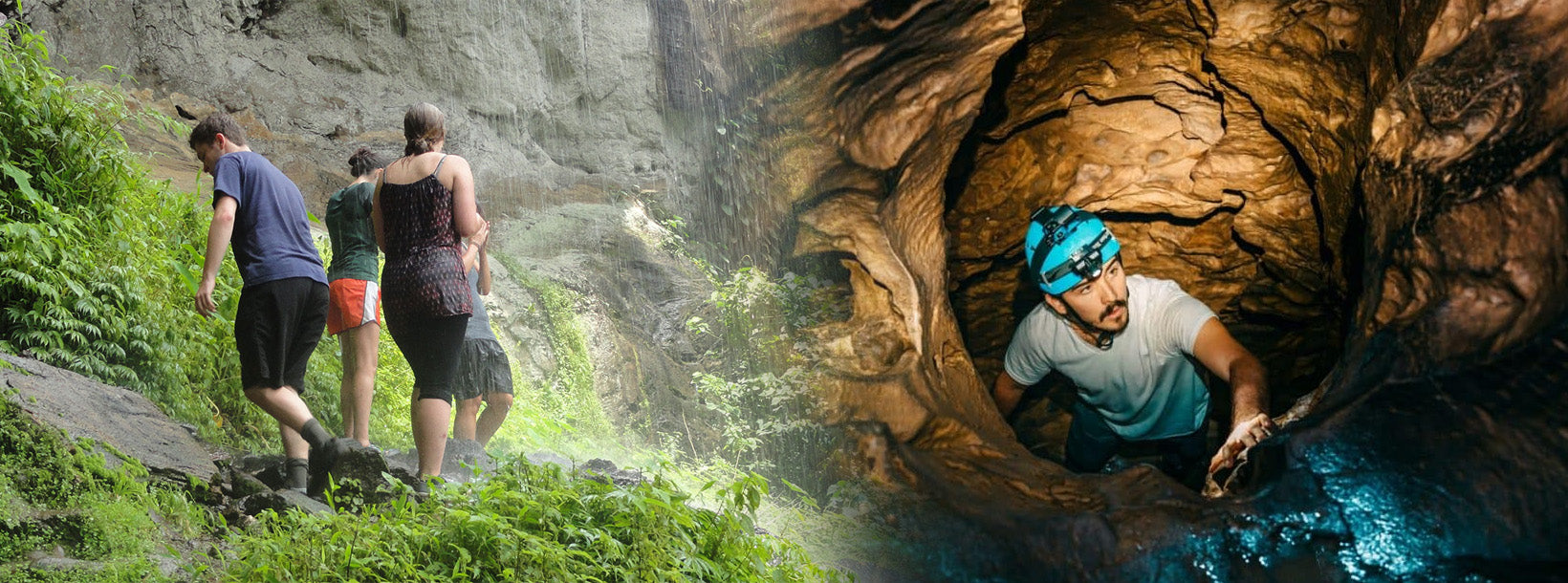
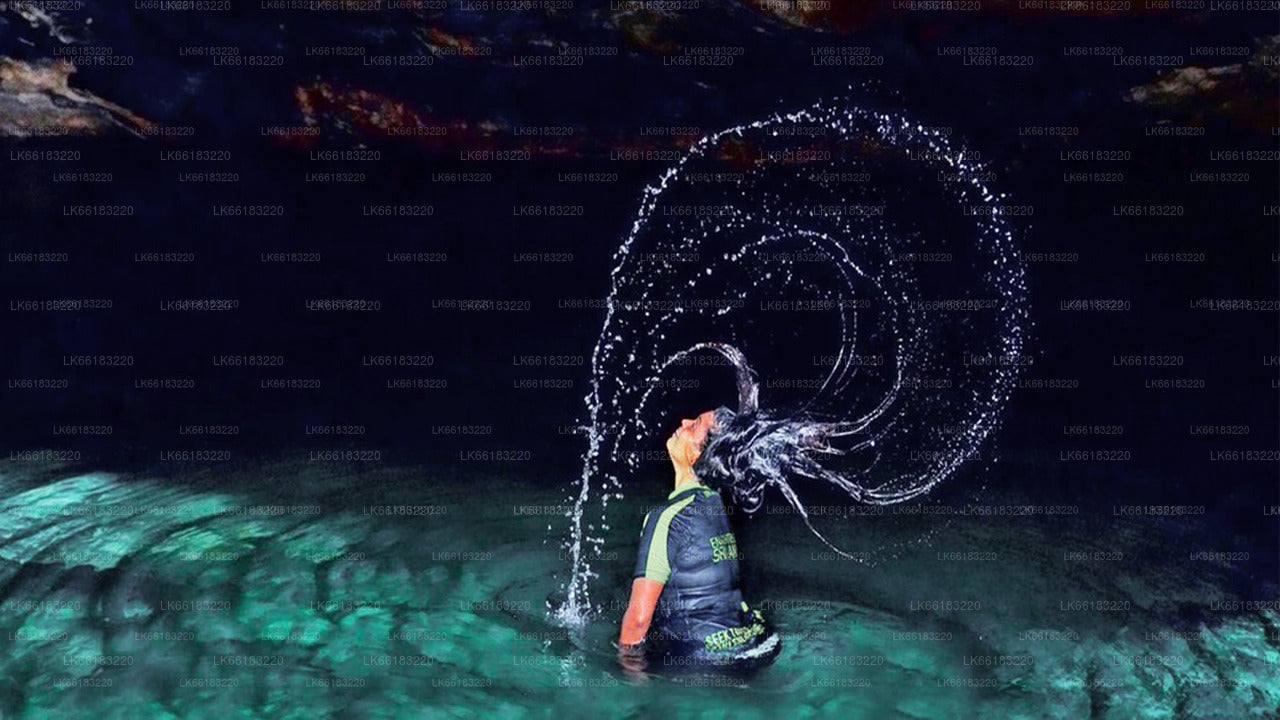
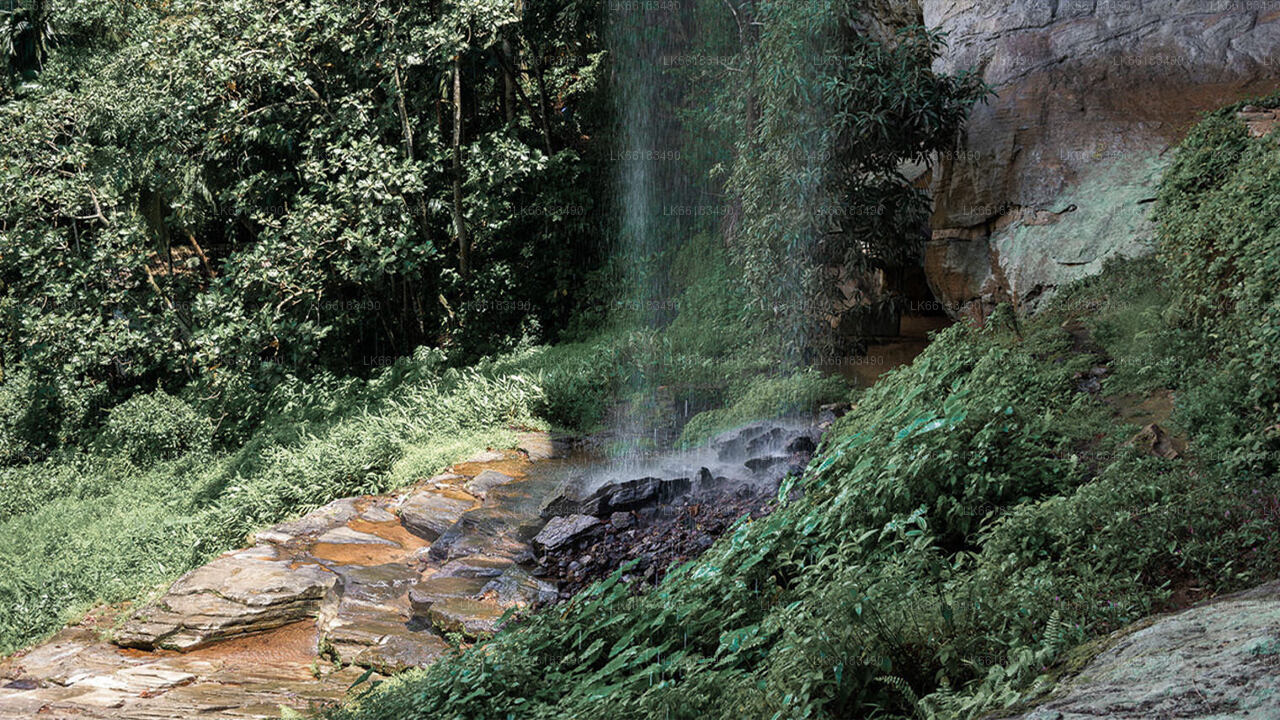
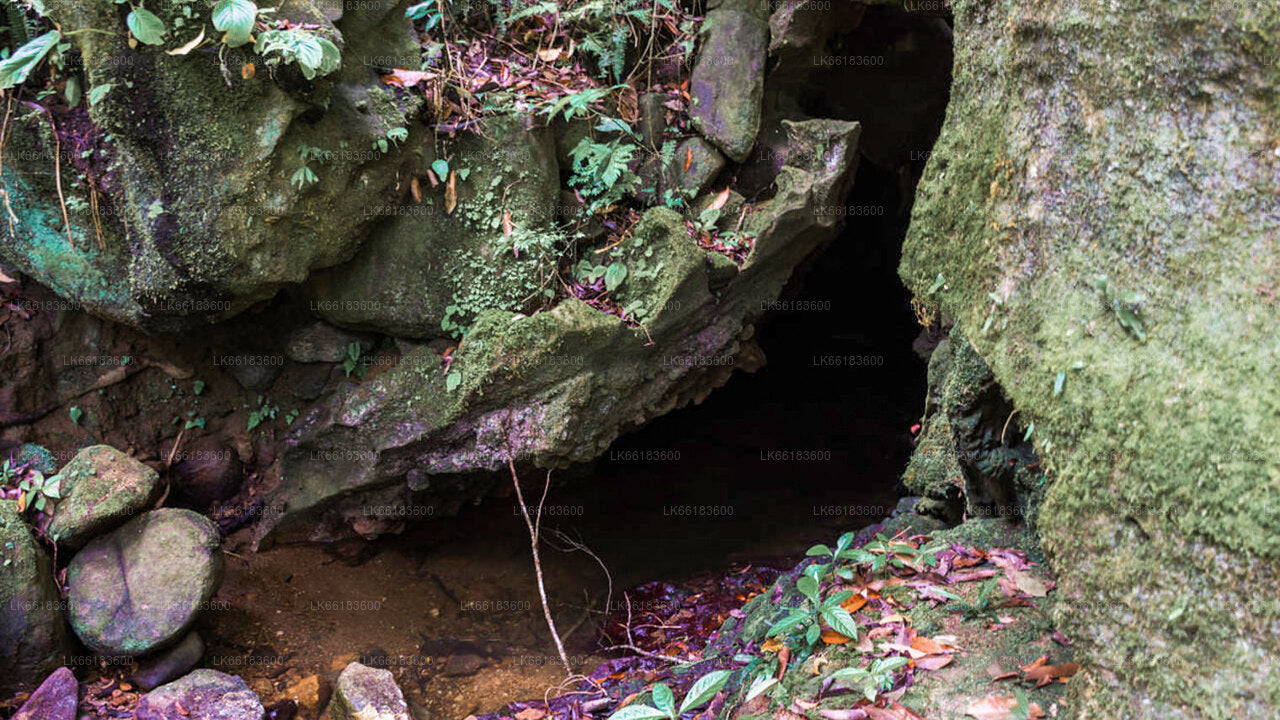
Caving is one of Sri Lanka's less-charted adventure pursuits, yet the island holds a surprisingly dense network of limestone and granite caves spanning its full length — from the dry-zone hills of the north to the mist-wrapped ridges of the central highlands and the southern lowlands. Some of these caverns sheltered prehistoric communities tens of thousands of years ago. Others remain largely unexplored, their interior lakes and passages still yielding new species to researchers. Whether you approach caving as a speleologist, a history enthusiast, or simply someone drawn to places few travellers reach, Sri Lanka's cave systems reward the effort.
What is speleology, and how does it apply to Sri Lanka's caves?
Speleology is the scientific discipline of exploring, surveying, mapping, and photographing cave systems. Sri Lanka's caves are of particular interest to speleologists because many of the formations — stalactites and stalagmites built from centuries of calcium-carbonate deposit — have been developing for an extraordinarily long time, in some cases within rock that has existed for around 500 million years. The caves also support a rich ecosystem of nocturnal fauna: bats, blind fish, cave spiders, and invertebrate species, several of which have been formally described only in recent decades.
For general travellers, speleology translates into practical adventure: navigating narrow passages by torchlight, reading the geological story written in the rock walls, and occasionally emerging into cathedral-sized chambers that give a genuine sense of discovery.
Which caves in Sri Lanka are open to visitors?
The caves listed below represent the most accessible and historically significant sites. Conditions vary considerably — some require only a short walk, while others demand a climb or a squeeze through tight passages. Always go with an experienced local guide, carry reliable lighting, wear non-slip footwear, and check current access conditions before setting out.
Batatotalena (Batadombalena) Cave — Sudugala
Widely regarded as the most archaeologically important cave in Sri Lanka, Batatotalena sits above the small township of Sudugala and requires a hike followed by a climb of around 50 metres to reach the entrance. Inside, excavations have uncovered evidence of continuous human habitation dating back to roughly 32,000 BC, along with ten skeletal remains identified as Homo sapiens balangodensis — the so-called Balangoda Man. This early population is now thought to have shaped much of the central highlands, possibly including the clearance that created the grasslands now protected within Horton Plains National Park.
Belilena Cave — Kitulgala
Located close to Kitulgala, approximately two hours from Colombo, Belilena holds archaeological evidence of a civilization dating back around 12,000 years, most likely also associated with the Balangoda Man. Entry requires descending a rope ladder, and a lake at the cave mouth remains largely uncharted — researchers believe it may harbour undiscovered aquatic fauna. The surrounding Makandawa Rainforest adds further ecological interest to a day visit here.
Wavulpone Cave
The name means, roughly, "bat cave" in Sinhala, and it is apt. Wavulpone is home to one of the largest bat colonies in the country, with some records suggesting a population approaching 100,000 individuals. Watching the colony spiral out of the cave mouth at dusk is a striking natural spectacle. The cave also contains significant speleothem formations, and the guano-rich floor supports its own micro-ecosystem.
Andirilena Cave — Udugama, Galle District
Situated about 4 km from Udugama in the Galle District, Andirilena is reached via a relatively manageable approach. The cave system begins through an entrance roughly 1.2 metres high before branching into two main channels and several smaller passages, which converge again approximately 500 metres in. The scale of the interior surprises most visitors given the modest entrance, and the formations along the walls are well preserved.
Bogoda Cave
Tradition holds that Bogoda Cave served as a hide-out for King Walagamba (Vattagamani Abhaya) during his retreat from invading South Indian forces in the first century BC. It is thought to be part of a broader network of refuge points that includes the Narangala mountain cave, the Dowa Rock Temple near Bandarawela, and the Rawana Ella cave at Ella. At present, the accessible passage extends only about 15 metres into the rock through a narrow corridor, so the claim of an interconnected tunnel system cannot be verified — but the historical atmosphere of the site is undeniable.
Aluvihare Rock Temple — Matale
Strictly speaking, Aluvihare is a rock temple rather than a wild cave, but its cave chambers are central to its significance. Located around 30 km north of Kandy on the Matale–Dambulla road, the site dates to the third century BC and the reign of King Devanampiyatissa, who is credited with founding the temple following the introduction of Buddhism to Sri Lanka. The caves here contain painted murals and reclining Buddha statues, and the complex is revered as the site where the Pali Canon — the scriptural foundation of Theravada Buddhism — was first committed to writing, during the first century BC.
What wildlife can you encounter inside Sri Lanka's caves?
Cave ecosystems in Sri Lanka support an impressive range of specialist fauna. Bats are the most visible residents, with several species roosting in large numbers in the darker chambers. Cave-dwelling spiders, crickets, and various crustaceans are common in damper passages. Researchers have formally identified new invertebrate species from Sri Lankan cave systems in recent years, underscoring how little of this environment has been comprehensively surveyed. Reptiles, including small geckos, are sometimes found near cave entrances where there is some ambient light.
- Bats — multiple species, some roosting in colonies of tens of thousands
- Cave spiders and harvestmen
- Cave crickets and other nocturnal insects
- Freshwater crustaceans in flooded cave sections
- Geckos and skinks near cave entrances
When is the best time to go caving in Sri Lanka?
Caving is possible year-round in Sri Lanka, but conditions differ by region and season. The dry season in the central highlands (roughly January to April) makes approach trails more manageable and reduces the risk of flash flooding in cave passages. Caves in the southern and western lowlands are more accessible between November and April, when the southwest monsoon has ended. Avoid entering any cave system during or immediately after heavy rain — water levels inside can rise quickly and without warning.
Early morning visits reduce heat inside the caves and increase the chance of observing bat colonies returning from night feeding. Dusk visits are better for watching bats emerge.
How do I prepare for a caving trip in Sri Lanka?
Most of Sri Lanka's cave sites do not require technical climbing skills, but preparation still matters. The following checklist covers the essentials for a day caving excursion:
- Lighting: Carry at least two reliable light sources — a head torch and a hand-held backup. Cave interiors are completely dark once you move away from the entrance.
- Footwear: Rubber-soled shoes or boots with ankle support. Cave floors are frequently wet and uneven.
- Clothing: Long trousers and a long-sleeved top protect against abrasion in narrow passages and against insect bites.
- Guide: Engage a knowledgeable local guide for any cave beyond a simple walk-in chamber. Many passages branch and disorientation is a real risk.
- Hydration: Carry water. Cave exploration is more physically demanding than it looks.
- Permissions: Some cave sites are on protected or temple land. Confirm access arrangements in advance.
How do I get to Sri Lanka's main cave sites from Colombo?
| Cave | Nearest town | Approximate distance from Colombo | Typical travel time |
|---|---|---|---|
| Batatotalena (Batadombalena) | Sudugala / Balangoda | Around 155 km | 4–5 hours |
| Belilena | Kitulgala | Around 85 km | 2–2.5 hours |
| Andirilena | Udugama, Galle District | Around 165 km | 3.5–4.5 hours |
| Aluvihare Rock Temple | Matale | Around 140 km | 3–3.5 hours |
| Bogoda Cave | Badulla / Ella area | Around 200 km | 5–6 hours |
Travel times are approximate and depend on road conditions and route chosen. A private driver is the most practical way to reach cave sites that lack reliable public transport connections.
Is caving in Sri Lanka suitable for families and beginners?
Several cave sites — including Aluvihare Rock Temple and the entrance sections of Belilena — are accessible to adults and older children with no prior caving experience. More technical exploration of passages deep inside systems such as Batatotalena or Andirilena is better suited to adults who are reasonably fit and comfortable in confined spaces. Anyone with claustrophobia should assess each cave individually before committing to a passage. Children should always be accompanied by adults and should not enter narrow or flooded sections.