Lakpura
Lakpura®

Vetiveria zizanioides (Savendara)

Vetiver — known botanically as Vetiveria zizanioides and in Sri Lanka by its Sinhala name Savendara — is a perennial herbaceous grass prized across Asia for its deep, fibrous root system and its remarkably complex, earthy fragrance. In Sri Lankan traditional medicine, particularly within the Ayurvedic system, vetiver has been employed for centuries as a cooling, calming, and healing plant. Its roots, which can grow to a metre or more in length, are the most medicinally and commercially valuable part of the plant.

What is the history and cultural significance of vetiver in Sri Lanka?

In classical Helawedaka — the indigenous healing tradition of Sri Lanka — vetiver is recorded under approximately thirty-two distinct names. Among the most frequently cited are Indra Gupta, Abhaya, Sugandhimulaka, Rathapriya, and Jalavasa. This diversity of names reflects how deeply the plant is woven into local pharmacopoeia, with different regions and traditions emphasising different properties.

Across South Asia, vetiver has paralleled the importance of plants such as Acacia chundra in traditional healing, often appearing in classical Ayurvedic texts as a remedy for heat-related conditions, urinary disorders, and nervous complaints. Its use in Sri Lanka is not confined to medicine: woven vetiver mats and screens have historically been used to cool homes and scent the air during dry seasons.

Where is vetiver cultivated in Sri Lanka?

Vetiveria zizanioides grows readily in Sri Lanka's wetland and lowland environments. The plant tolerates a wide range of soil types and is particularly well adapted to areas with high moisture, making river banks, paddy margins, and seasonally flooded fields typical cultivation sites. It is also grown in the hill country, where its deep root system makes it valuable for stabilising slopes and preventing soil erosion — an application recognised by agricultural authorities across South and Southeast Asia.

Farmers often plant vetiver as a border crop alongside paddy fields, taking advantage of both its commercial value and its ability to filter runoff and anchor soil on embankments. The plant is equally cultivated in home gardens for household medicinal use.

What are the medicinal uses of vetiver in Ayurveda?

Within Sri Lankan Ayurveda, vetiver root is classified as a cooling herb with diuretic, anti-inflammatory, and nervine properties. The following applications are among those traditionally recorded:

  • Urinary tract conditions: Vetiver roots are typically macerated in water overnight; the infusion is consumed in the morning to soothe inflammation along the urinary tract. This preparation is valued for its mild diuretic action and its ability to reduce burning sensations.
  • Skin care and wound relief: A water-based soak using vetiver roots is applied topically to calm skin irritation, reduce the appearance of surface bumps, and support healing of minor wounds. The roots contain compounds — notably sesquiterpenes — associated with anti-inflammatory and antimicrobial effects.
  • Acne and complexion: In Ayurvedic skin preparations, vetiver is often combined with other botanical agents and applied as a paste to the face. It is left for around twenty minutes before rinsing. The practice is considered beneficial for oily and acne-prone skin, and the cooling nature of the herb is said to reduce redness and congestion in skin tissue.
  • Stress, anxiety, and nervous tension: Vetiver is one of a small group of Ayurvedic botanicals used for their nervine properties. The root, when burned as incense or diffused as an oil, is believed to calm the nervous system and ease mental fatigue. Modern aromatherapy has arrived at a similar conclusion, with vetiver essential oil now widely used in stress-management formulations.
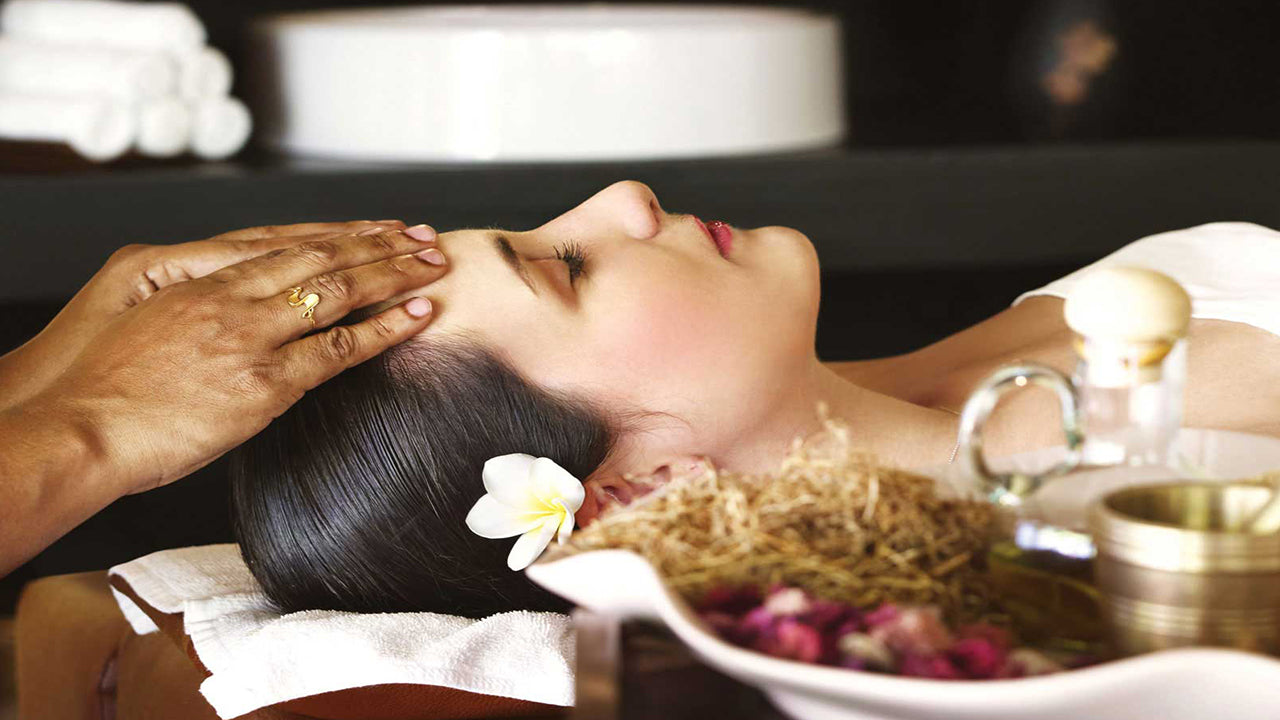
  • Headaches: In traditional practice, a small quantity of dried vetiver root is placed on hot coals; the aromatic smoke that rises is inhaled to relieve headache and a feeling of heaviness in the head. This reflects the plant's long association with clearing heat from the upper body in classical Ayurvedic theory.

As with all traditional remedies, these uses should be understood in their cultural and historical context. Anyone managing a health condition is advised to consult a qualified Ayurvedic or medical practitioner before relying on herbal preparations.

How is vetiver used commercially and industrially?

Beyond Ayurveda, Vetiveria zizanioides holds a significant place in global industries. The roots yield vetiver essential oil — sometimes called khus oil — one of the most complex and persistent base notes in perfumery. Many classic and contemporary fragrances include vetiver as a foundational ingredient, and Sri Lankan vetiver oil is exported to perfume manufacturers in Europe and Asia.

Additional commercial applications include:

  • Soaps and cosmetics: Vetiver extract appears in cleansing bars, toners, and skin-care products formulated for oily or sensitive skin.
  • Woven goods: Dried vetiver roots are plaited into mats, fans, and screens. When dampened, these release their characteristic scent and cool the surrounding air — a traditional form of passive evaporative cooling.
  • Soil conservation: The Vetiver System, endorsed by organisations including the World Bank and various national agricultural bodies, uses dense rows of vetiver to stabilise embankments, reduce runoff, and rehabilitate degraded land. This application is increasingly relevant to Sri Lanka's highland agriculture regions.

The plant shares some of this versatility with other economically important Sri Lankan botanicals. Pongamia pinnata, for instance, is similarly valued across medicine, biodiesel production, and soil improvement in local agroforestry systems.

What does vetiver look like and how is it identified?

Vetiveria zizanioides is a clump-forming grass that typically reaches 1–2 metres in height. Its leaves are long, narrow, and stiff, with sharply serrated edges. Above ground, it resembles several other tropical grasses, which is why the root system is the most reliable identification feature: vetiver roots grow straight downward rather than laterally, forming a dense mass that is spongy, strongly aromatic, and a distinctive yellowish-tan colour when fresh.

The plant produces inconspicuous flowering panicles during the dry season. Unlike many tropical grasses, it does not spread aggressively by runners, making it relatively easy to manage in cultivation.

How does vetiver compare to other aromatic plants used in Sri Lankan Ayurveda?

Sri Lanka's Ayurvedic pharmacopoeia draws on a rich landscape of aromatic and medicinal plants. Vetiver occupies a distinct niche as a cooling, grounding herb — contrasting with warming spices such as Syzygium aromaticum (clove), which is used for its stimulating and analgesic properties, or Ceylon black pepper, valued for its digestive and circulatory benefits. Together, these plants illustrate the range and sophistication of Sri Lanka's indigenous botanical tradition.

Can vetiver be used at home safely?

Dried vetiver roots are widely available in Sri Lankan herbal markets and pharmacies. Common household preparations — such as root infusions for drinking water or roots placed in water for bathing — are generally considered safe for most adults when used in moderate amounts. Vetiver essential oil is potent and should be diluted appropriately before skin application.

Pregnant women, young children, and those with existing medical conditions should consult a qualified practitioner before use. The traditional preparations described in this page are documented as part of Sri Lanka's living herbal heritage; they are not a substitute for clinical medical advice or treatment.

Ask Lakpura® Agent