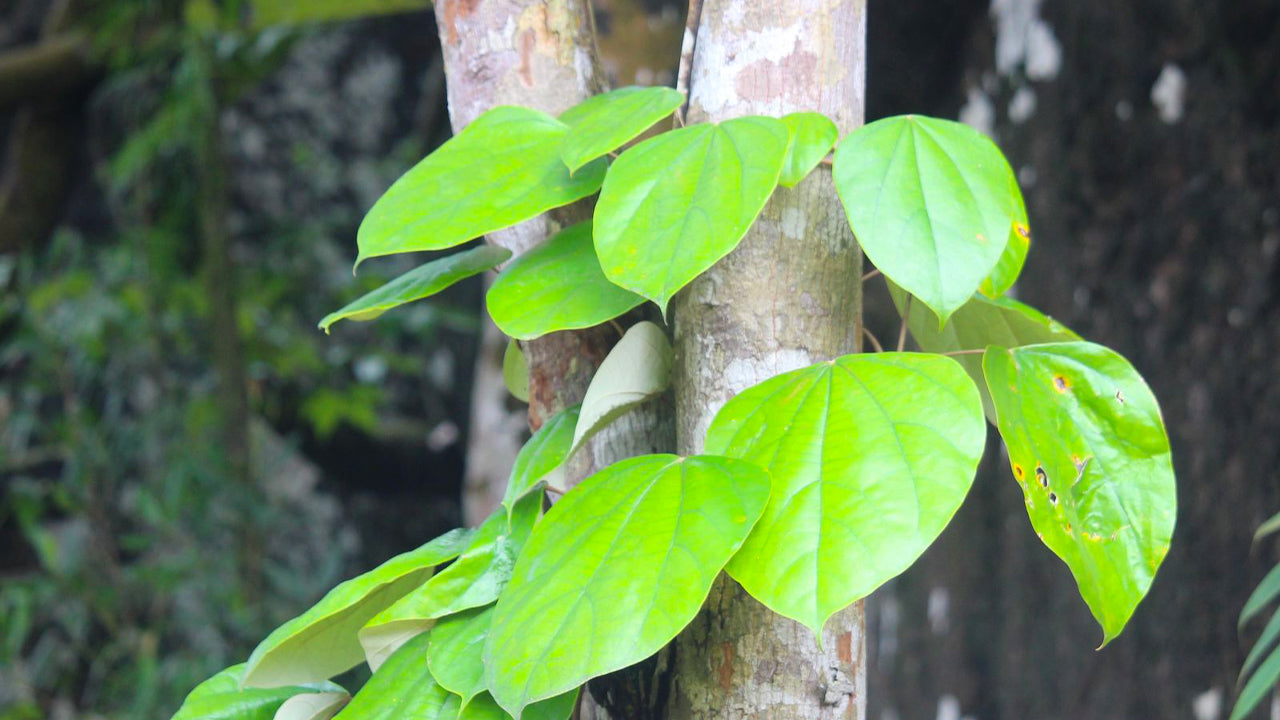
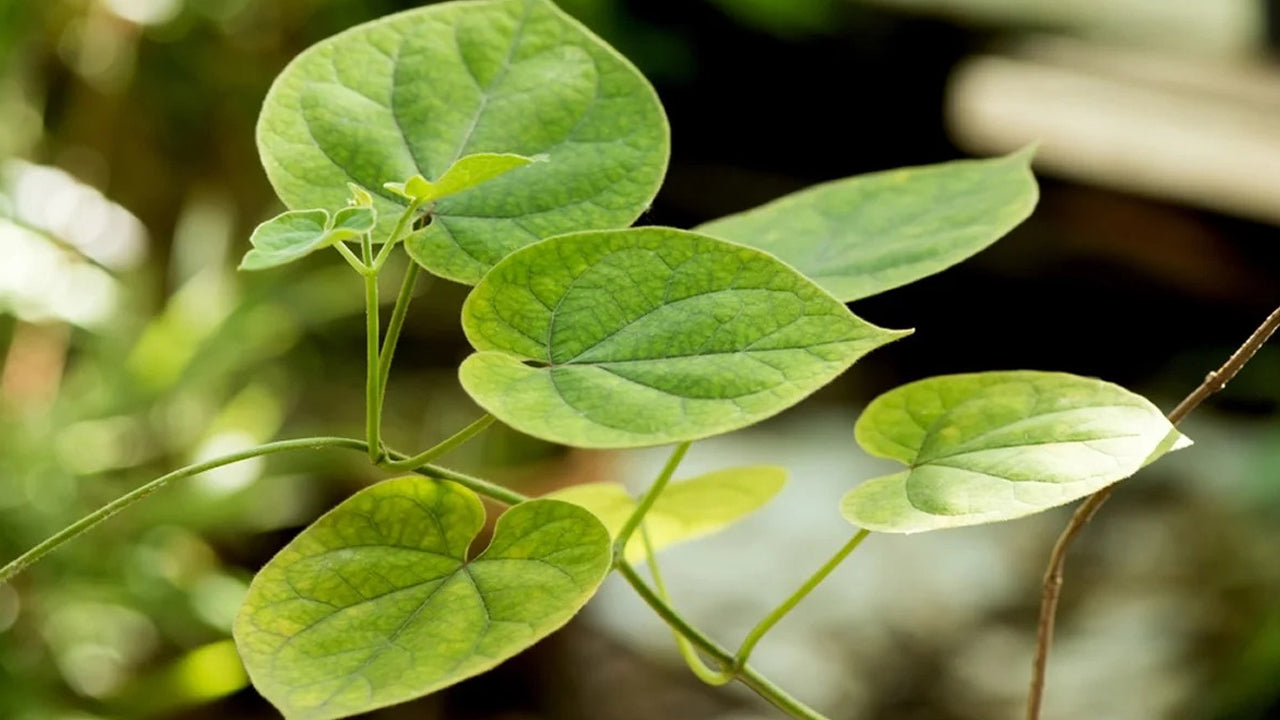
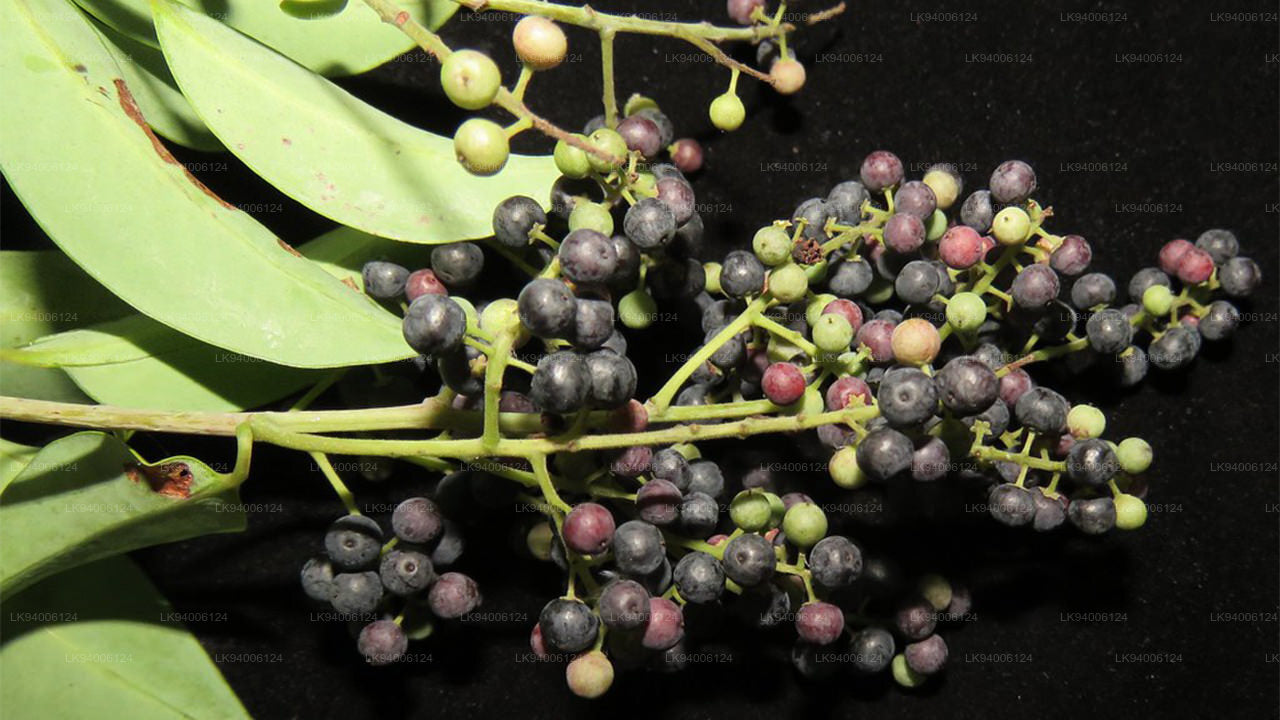
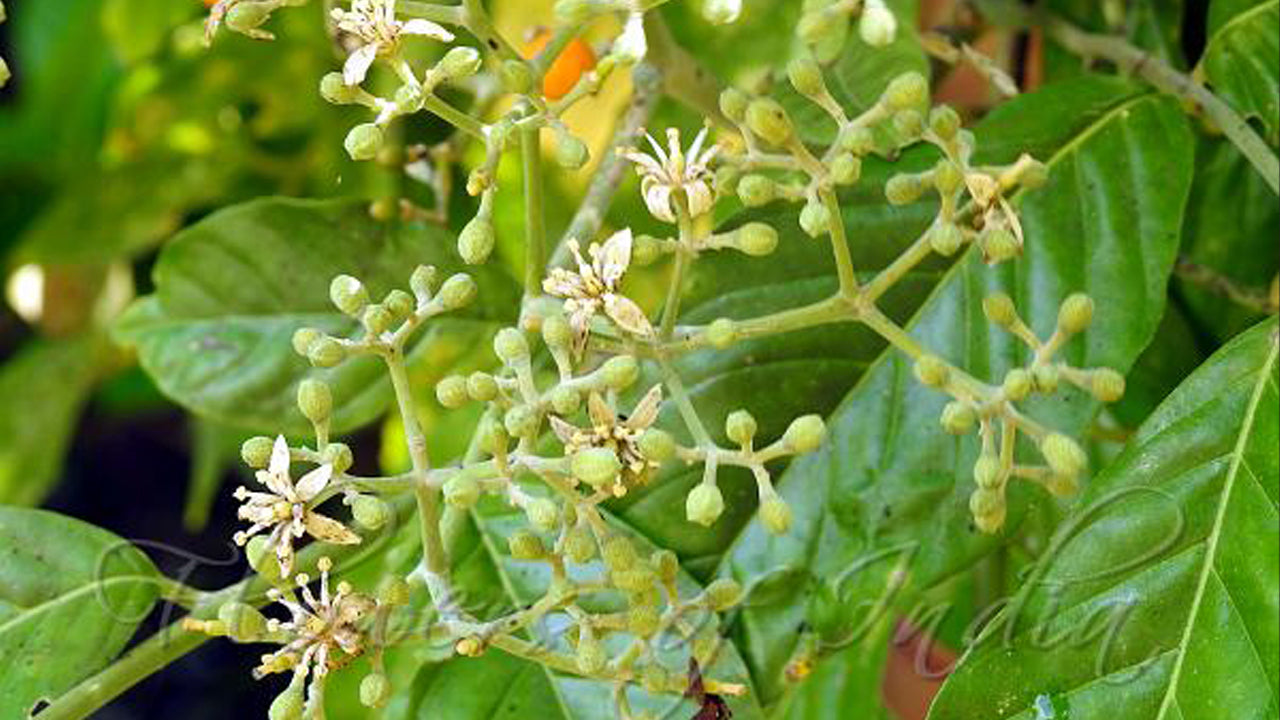
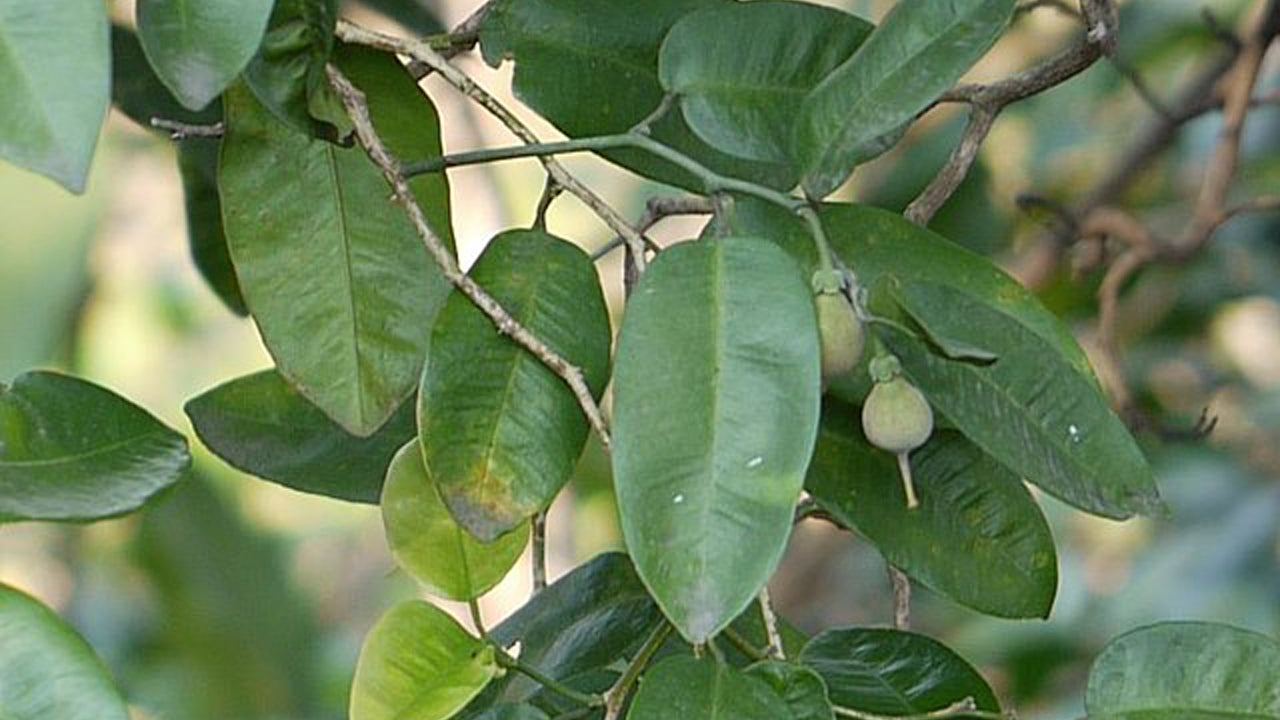
Tragia involucrata, widely recognised as Indian stinging nettle, is a slender perennial climbing shrub that grows quietly along forest edges, hedgerows, and roadsides across tropical Asia. In Sri Lanka it appears in moist lowland and mid-elevation habitats, often going unnoticed until bare skin brushes against it. Despite its modest appearance, the plant carries genuine significance — in traditional medicine, in local ecosystems, and increasingly in phytochemical research.
What is Tragia involucrata and how can you identify it?
Tragia involucrata belongs to the Euphorbiaceae family, the same large family that includes cassava, rubber, and castor oil. The plant is a twining, herbaceous climber with slender stems densely covered in stiff, hollow trichomes — the microscopic hair-like structures responsible for the characteristic sting on contact with skin. The sting is chemically similar to that of true nettles (Urtica species), though the two plants are botanically unrelated.
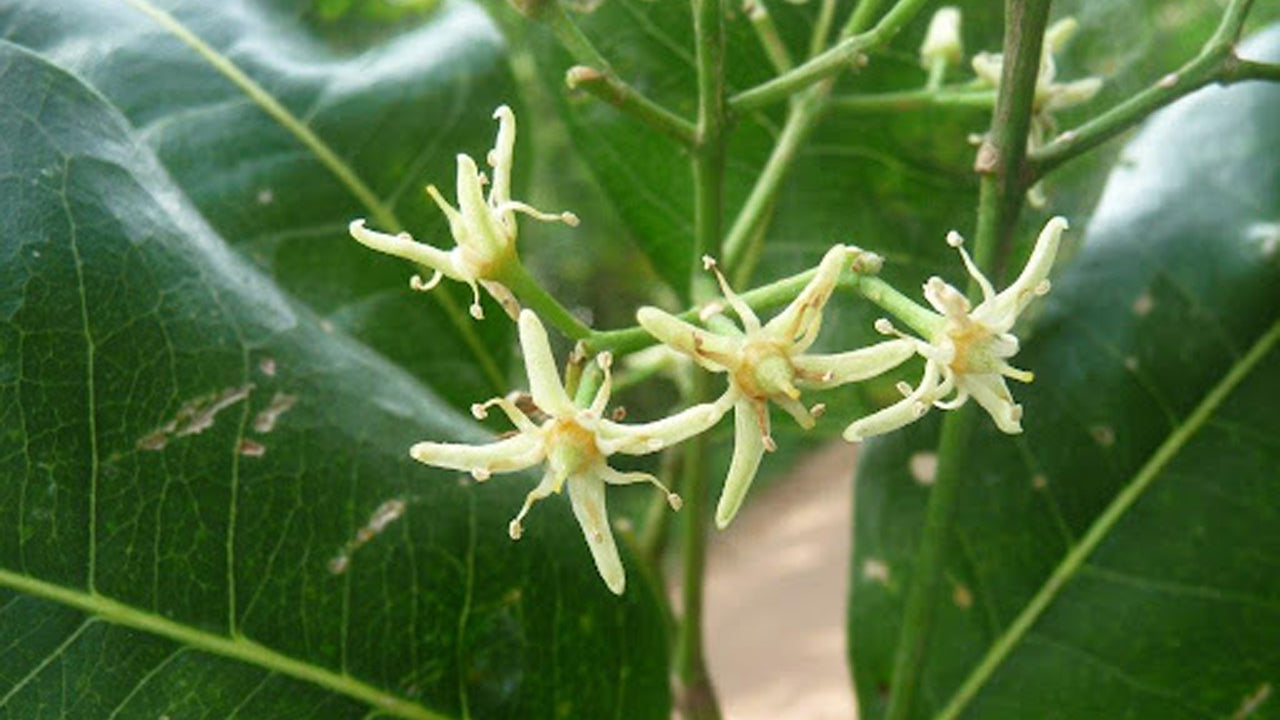
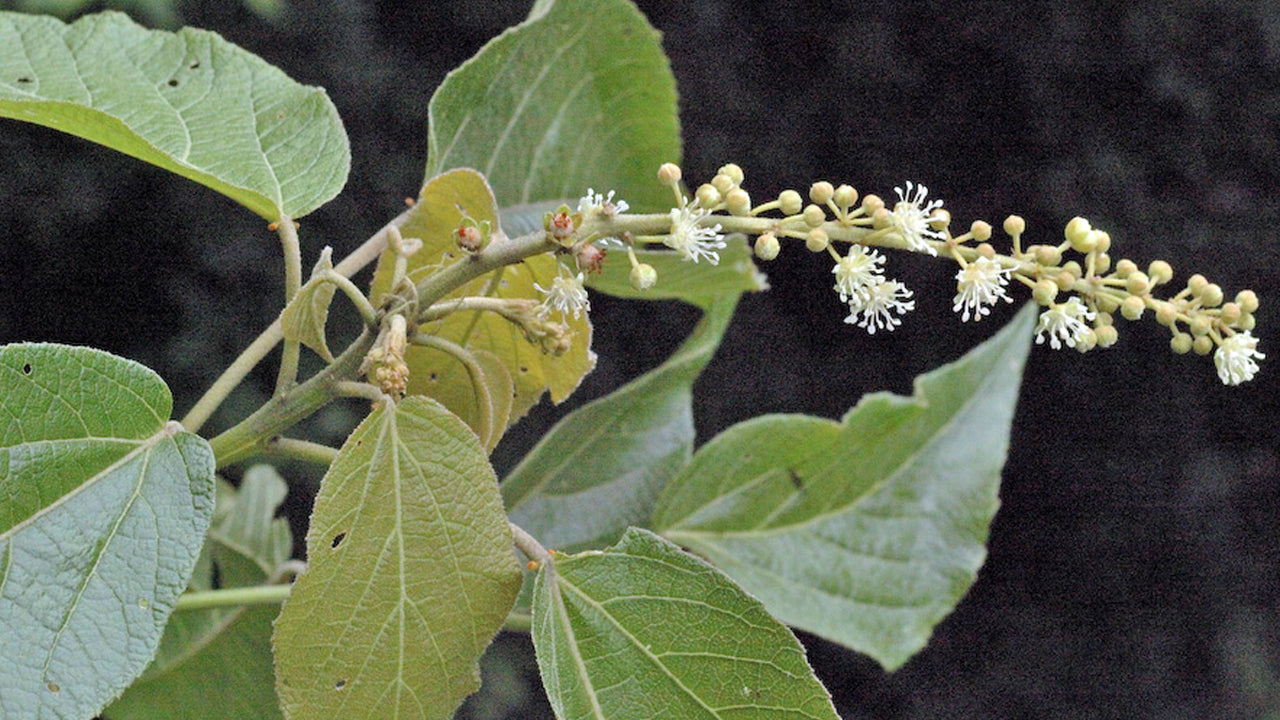
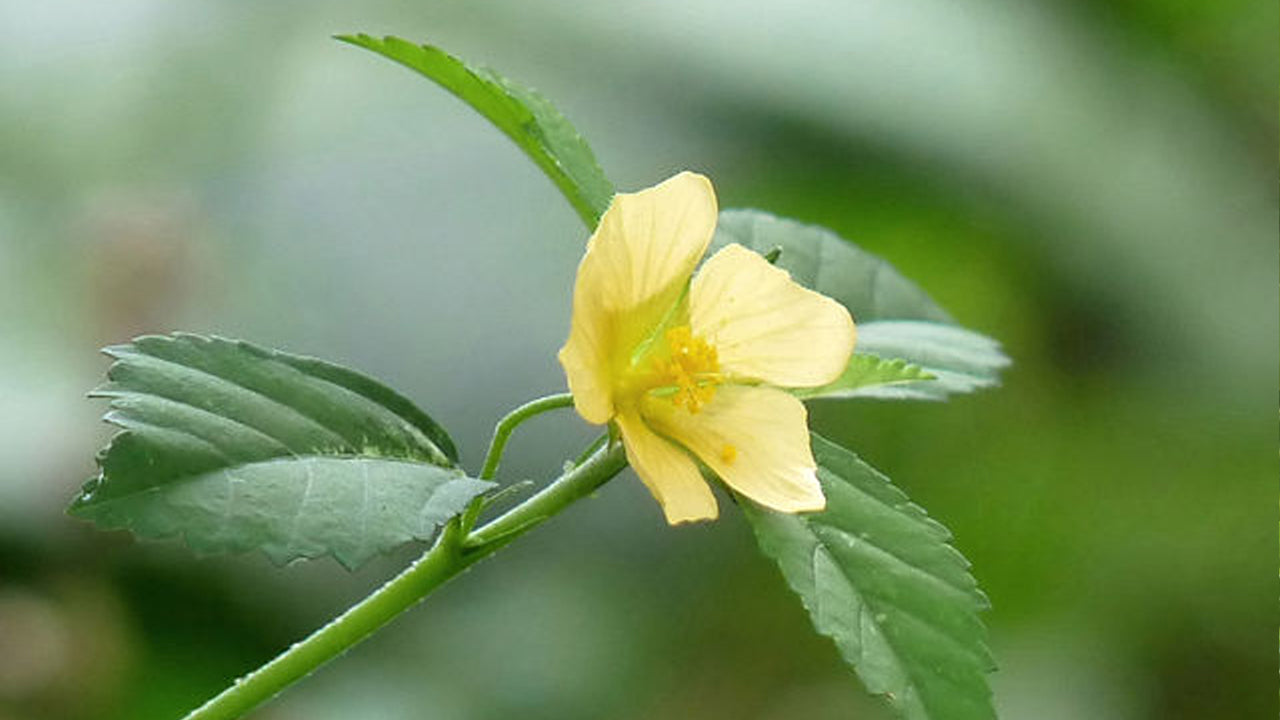
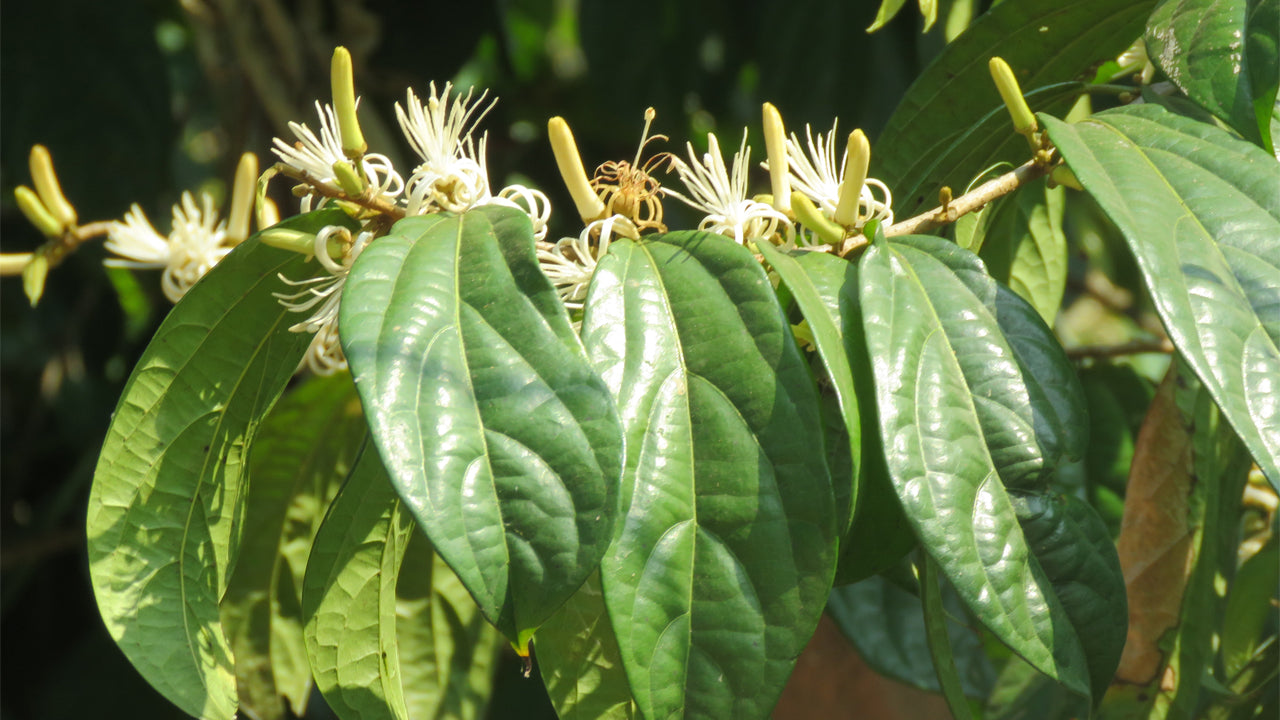
Leaves are simple, ovate to lanceolate, arranged alternately along the stem, and have slightly serrated margins. The flowers are small and inconspicuous — greenish or yellowish — and appear in axillary racemes. Male and female flowers occur on the same plant (monoecious), a common arrangement within the Euphorbiaceae. The fruit is a three-lobed capsule that splits open to release seeds, the plant's primary means of propagation.
Where does Tragia involucrata grow in Sri Lanka?
The plant is widespread across the wet and intermediate zones of Sri Lanka, typically found below 1,000 m elevation. It favours disturbed ground — secondary forest margins, scrubland, roadsides, and the edges of cultivated areas — where it climbs over neighbouring vegetation using its twining stems. It tolerates moderate shade but grows most vigorously where there is filtered sunlight and reasonably consistent moisture.
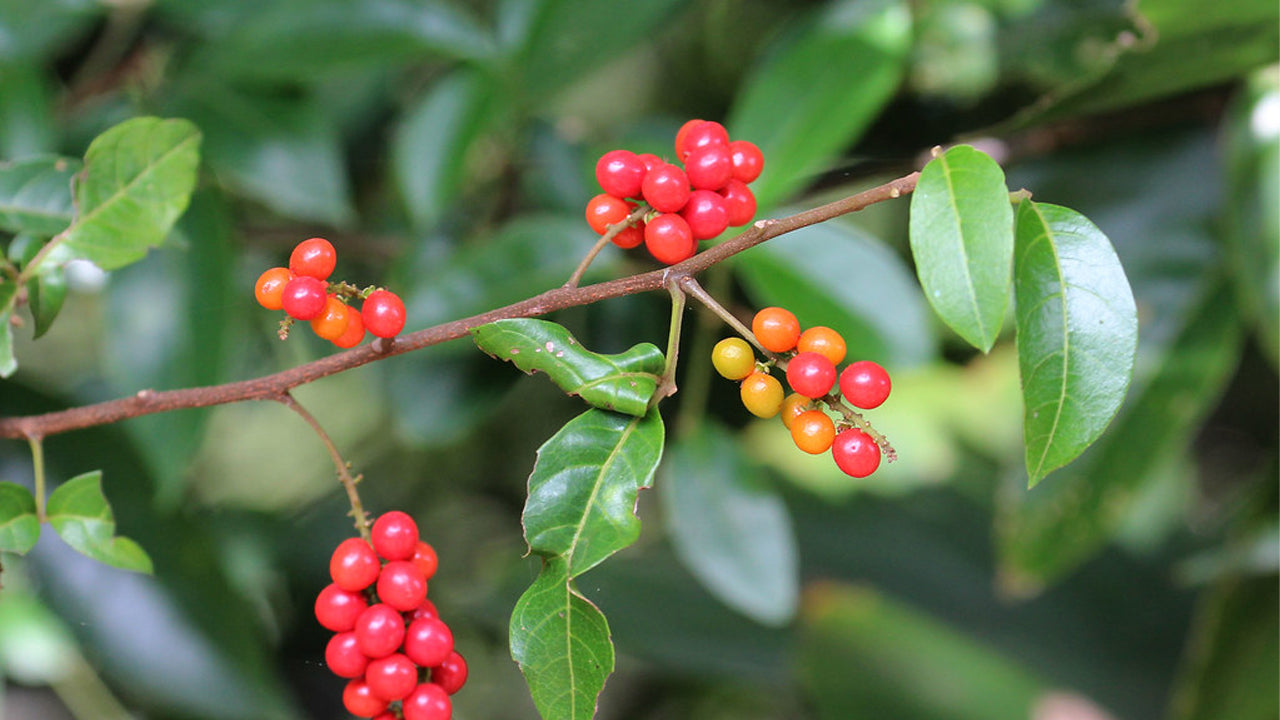
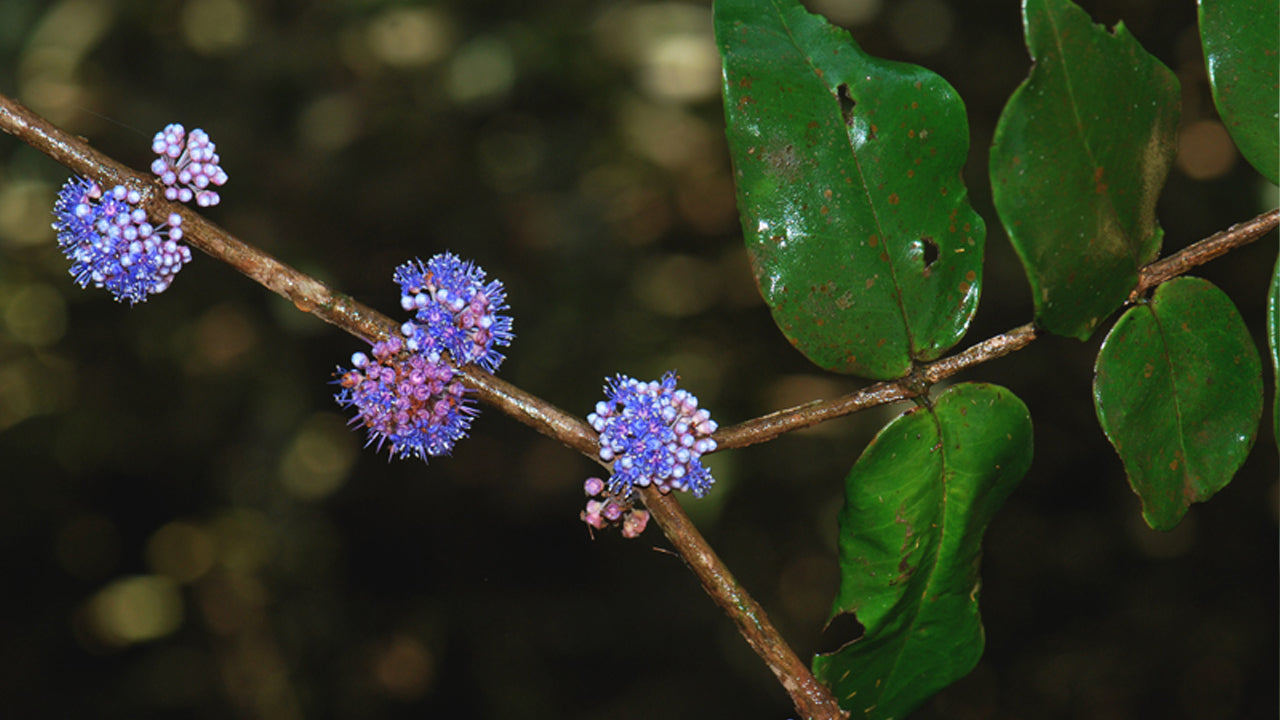
In the island's protected landscapes, Tragia involucrata forms part of the understorey flora in moist zones. Forest reserves with rich ground-level biodiversity, such as the Sinharaja Forest Reserve, harbour the kind of layered vegetation structure this plant favours, though it is more commonly encountered along the reserve boundaries and adjacent secondary growth than within intact primary forest.
What are the traditional medicinal uses of Tragia involucrata?
The plant has a well-documented place in Ayurveda and the related Siddha tradition practised in southern India and parts of Sri Lanka. Practitioners have long drawn on its roots, leaves, and stems to address a range of conditions.
- Skin conditions: Leaf preparations are applied topically for itching, eczema, and minor wounds. Ironically, a plant that causes skin irritation is also used to soothe it — the key is preparation method and dosage.
- Inflammatory disorders: Root decoctions are used internally for conditions associated with inflammation, including joint pain and swelling.
- Respiratory complaints: Formulations incorporating dried plant material appear in traditional references for coughs and bronchial congestion.
- Fever management: The plant is cited in classical Ayurvedic texts as a febrifuge, used to help reduce elevated body temperature.
- Urinary tract support: Certain Siddha preparations use root extracts to support kidney function and address dysuria.
Traditional use of Tragia involucrata aligns well with that of other Ayurvedic botanicals documented in Sri Lanka, such as Acacia chundra, which shares overlapping applications in anti-inflammatory and wound-healing contexts.
What bioactive compounds give Tragia involucrata its medicinal properties?
Phytochemical studies have identified several classes of bioactive compounds in different parts of the plant, helping to explain — at least partially — the effects observed in traditional practice.
| Compound class | Reported activity | Plant part |
|---|---|---|
| Flavonoids | Antioxidant, anti-inflammatory | Leaves, stems |
| Alkaloids | Antimicrobial, analgesic | Roots, stems |
| Tannins | Astringent, wound-healing support | Leaves, roots |
| Saponins | Expectorant, anti-inflammatory | Roots |
| Glycosides | Diuretic effects reported in vitro | Leaves |
It is worth noting that most of the available research is laboratory-based or draws on animal models. Clinical trials in human populations remain limited, and the mechanisms behind many traditional applications have not been fully characterised. Anyone considering therapeutic use should consult a qualified practitioner of Ayurveda or conventional medicine.
How does Tragia involucrata contribute to its ecosystem?
Beyond its role in medicine, Tragia involucrata plays a quiet but real part in the habitats where it grows. Its climbing habit allows it to cover bare or degraded ground rapidly, providing some degree of soil stabilisation on slopes and disturbed margins. The flowers, though tiny, attract small pollinators including certain flies and bees that visit the inconspicuous blooms.
The plant also functions as a larval host for several butterfly and moth species in Asia. This relationship places it within the broader food web of forest-edge communities, where even common and unspectacular plants contribute to the survival of specialist insects. In Sri Lanka, where habitat pressure on invertebrate populations is considerable, host plants for specialist lepidoptera carry ecological weight disproportionate to their size.
Similar ecological roles are shared by other native climbing and shrubby plants documented across Sri Lanka's diverse habitats, including Pongamia pinnata, a tree that also supports pollinators while serving traditional medicinal purposes.
Is Tragia involucrata safe to handle?
The stinging trichomes deliver a histamine-like reaction on contact with bare skin or mucous membranes. The sensation is typically a sharp, burning sting followed by redness and localised swelling that subsides within an hour or two for most people. Those with sensitive skin or allergies may experience a more prolonged reaction.
Protective gloves are advisable when collecting or handling the plant in the field. If skin contact occurs, washing the affected area promptly with cool water reduces the severity of irritation. Avoid rubbing the area, as this can drive the trichomes deeper into the skin. Folk remedies for the sting vary by region, though their efficacy has not been systematically studied.
What is the conservation status and availability of Tragia involucrata?
Tragia involucrata is not considered threatened. It is classified as a common species across its range in tropical Asia, and its affinity for disturbed habitats means it is often among the first plants to colonise cleared ground. There is no current conservation concern related to wild populations, and it is not subject to trade restrictions.
The plant is not widely cultivated commercially, though it is occasionally grown in Ayurvedic herb gardens and research institutions with interest in medicinal plants. Propagation from seed is straightforward in warm, humid conditions consistent with its native range.