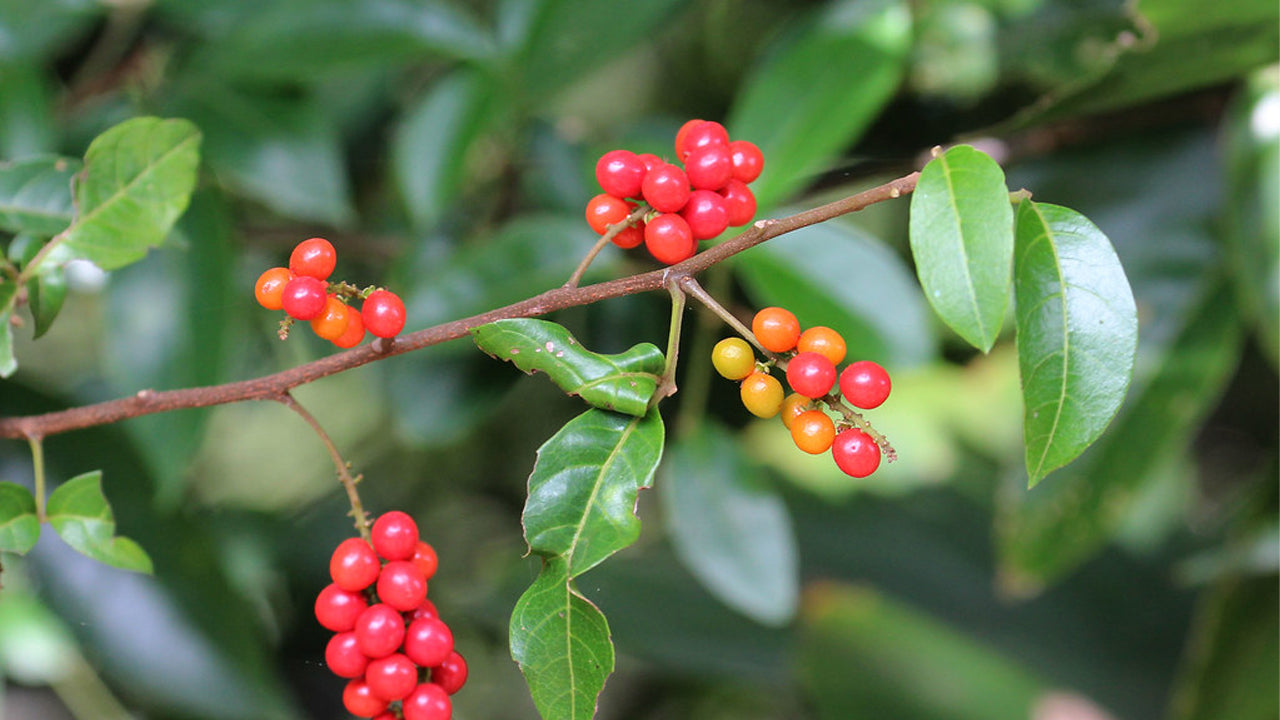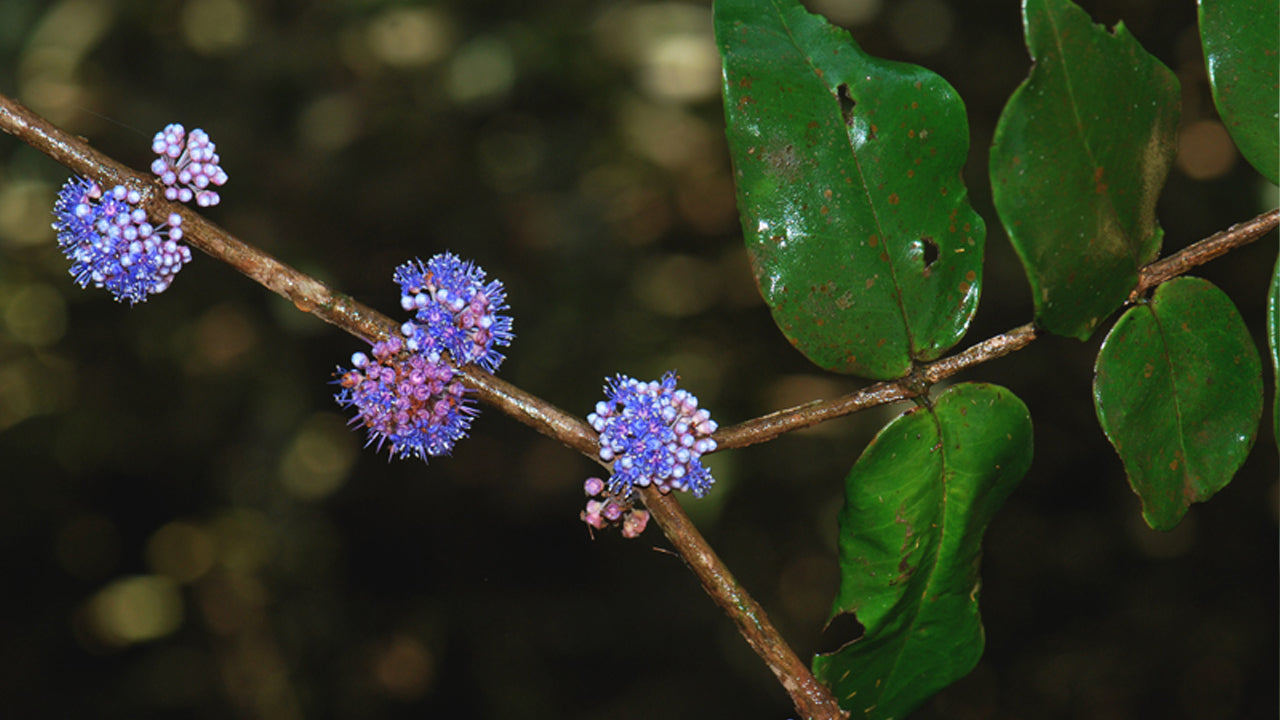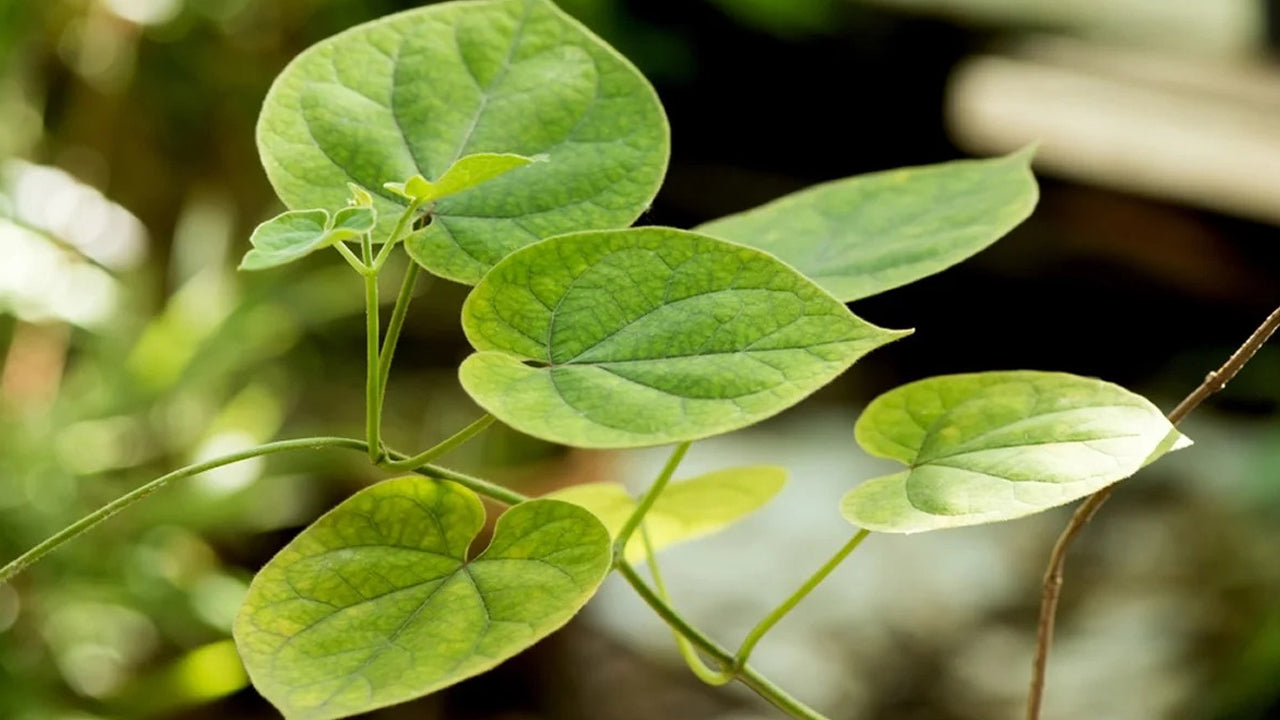
Sandalwood has been traded, carved, burned, and distilled for thousands of years across Asia. Few natural materials carry the same cultural weight: it has scented temples, preserved manuscripts, perfumed royalty, and formed the backbone of Ayurvedic medicine — all from the heartwood of a single genus of trees. This page covers what sandalwood is, where it grows in Sri Lanka, how it is used, and why it remains commercially significant today.
What is sandalwood, and why does it smell the way it does?
Sandalwood refers to wood from trees in the genus Santalum. What sets it apart from most other aromatic timbers is the persistence of its scent: the fragrance, derived primarily from a class of sesquiterpene alcohols called santalols, can remain detectable in carved objects and stored powders for several decades. The wood itself is heavy, fine-grained, and pale yellow-to-cream in colour, making it as valued by craftspeople as by perfumers.
The most commercially important species is Indian Sandalwood (Santalum album), which is also the variety native to Sri Lanka. Other species — from Australia, Hawaii, and the broader Pacific — entered global trade largely because of colonial-era sea routes established in the 18th and 19th centuries, when demand for the Indian variety began to outrun supply.
Where does sandalwood grow in Sri Lanka?
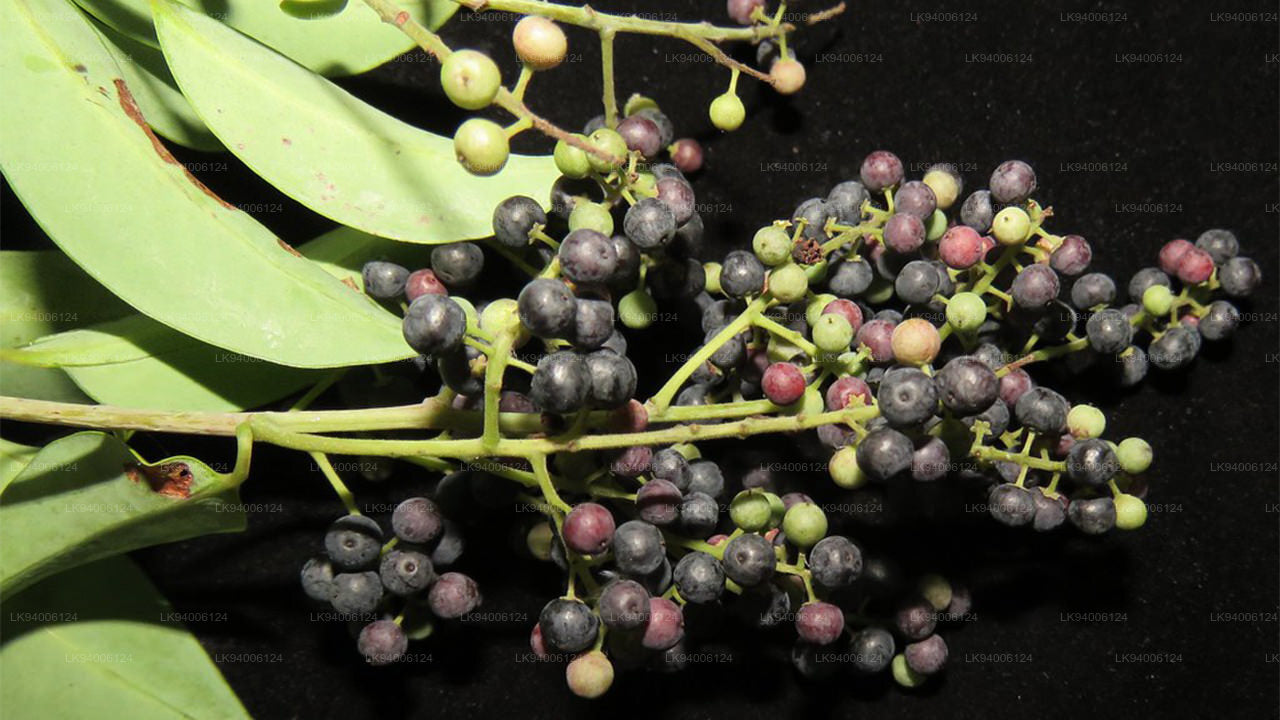
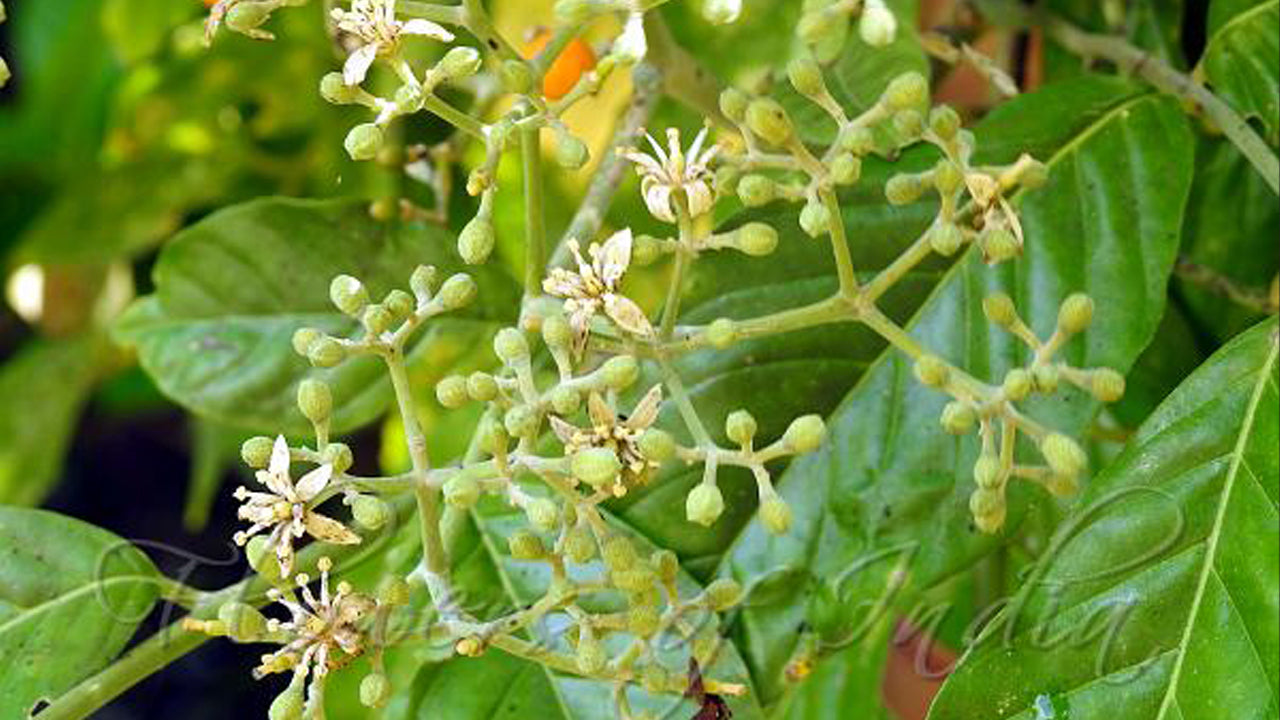
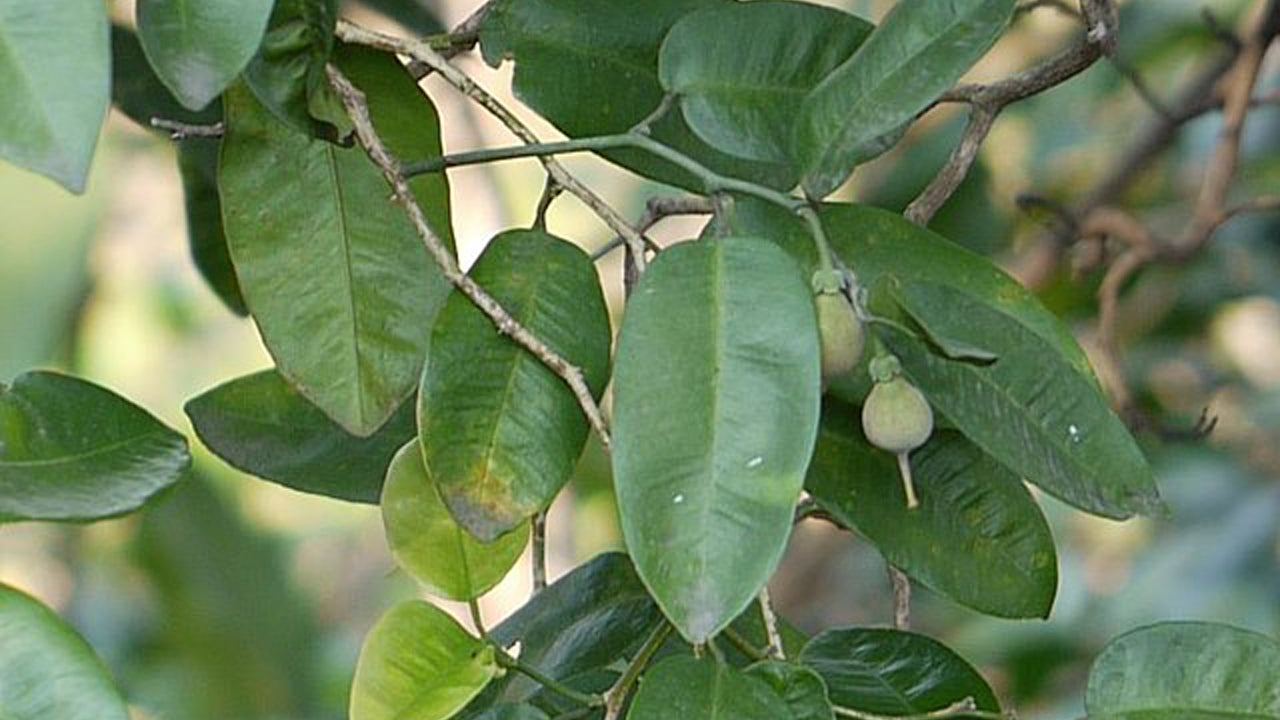
Santalum album is native to the island, though its natural distribution is limited and the tree is considered commercially sensitive given decades of overexploitation across its South Asian range. Early botanical records placed native specimens in the cooler upland areas around Beragala and near the Ella region, where the altitude and climate suited heartwood development. Later surveys identified populations in the intermediate and dry zones as well, suggesting greater ecological adaptability than initially assumed.

Optimal conditions for heartwood formation — which is where the commercially valuable oil is concentrated — typically occur at elevations between 600 m and 900 m, with annual rainfall in the range of 850–1,200 mm. The tree tolerates a range of soils, including sandy, laterite, loam, and clay-red types, making it feasible to cultivate across several Sri Lankan agro-climatic zones. A comparatively cool climate with moderate rainfall and ample sunshine encourages the richest heartwood development.
It is worth noting that sandalwood is hemi-parasitic: the young tree attaches its roots to those of host plants to obtain nutrients. Successful cultivation therefore requires careful selection of companion species, a practice well understood in traditional South Asian agroforestry.
How has sandalwood been used historically?
Sandalwood's recorded use in Asian civilisations spans more than two millennia. It appears in Sanskrit texts as a medicinal and ritual material, and evidence of sandalwood paste used in Hindu and Buddhist ceremonies is found across the subcontinent. In Sri Lanka, the material's role in religious practice — coating statues, preparing aromatic pastes for festival offerings, and burning as incense — runs alongside its longer history as an export commodity.
The wood's fine grain made it a natural medium for decorative carving. Boxes, figurines, and religious icons produced from sandalwood were prized across East and Southeast Asia precisely because the object retained its fragrance while aging. Traditional East Asian markets — particularly in China, Taiwan, and Japan — have historically been the largest consumers of sandalwood products. Global demand for raw sandalwood is estimated at roughly 5,000–6,500 tonnes annually across all uses.
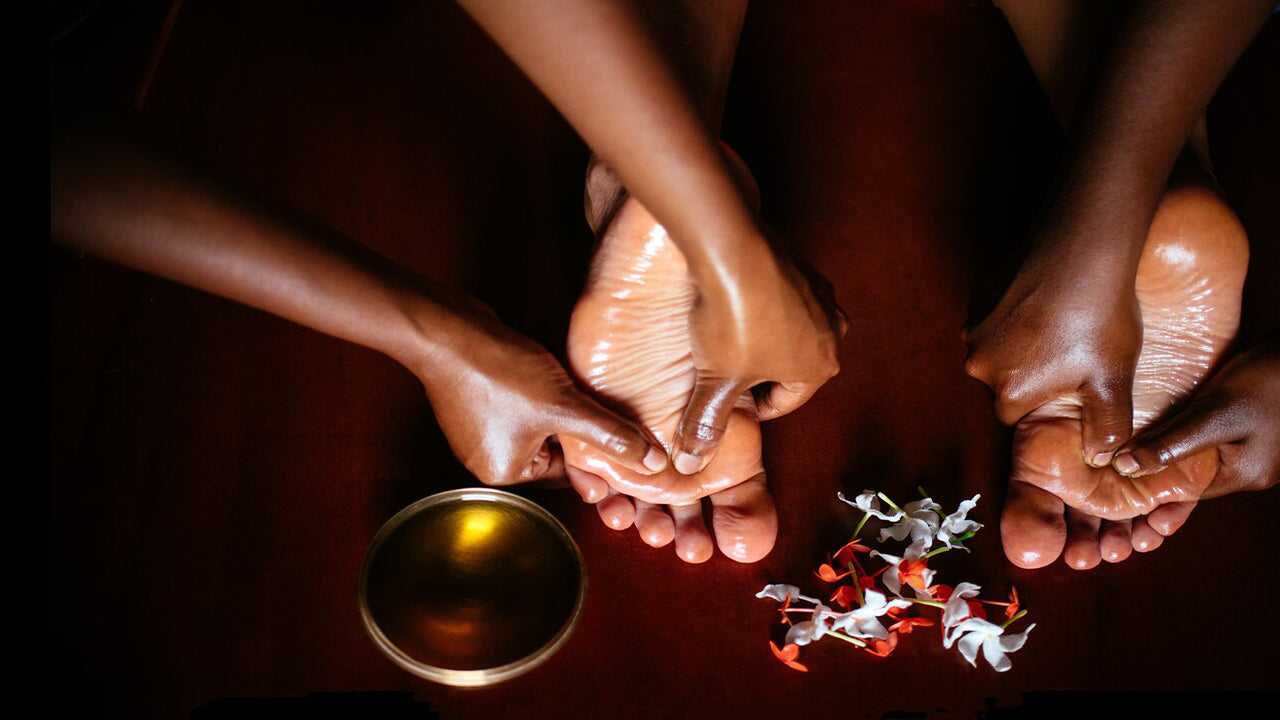
In traditional botanical medicine, sandalwood paste and oil have been used to treat skin conditions, reduce fever, and address urinary disorders, applications documented in both Ayurvedic and Unani medical traditions.
What products are made from sandalwood?
The two primary commercial outputs are heartwood (used whole, as chips, or as powder) and essential oil. Steam distillation of pulverised heartwood and root material yields the essential oil, which is used extensively in fine perfumery as both a fragrance and a fixative — meaning it slows the evaporation of lighter top notes and extends the life of a blend.
- Incense: Sandalwood incense sticks are among the most widely used ritual items across Buddhist, Hindu, and other Asian spiritual traditions. The smoke is considered purifying, and the scent is believed to aid meditation and concentration.
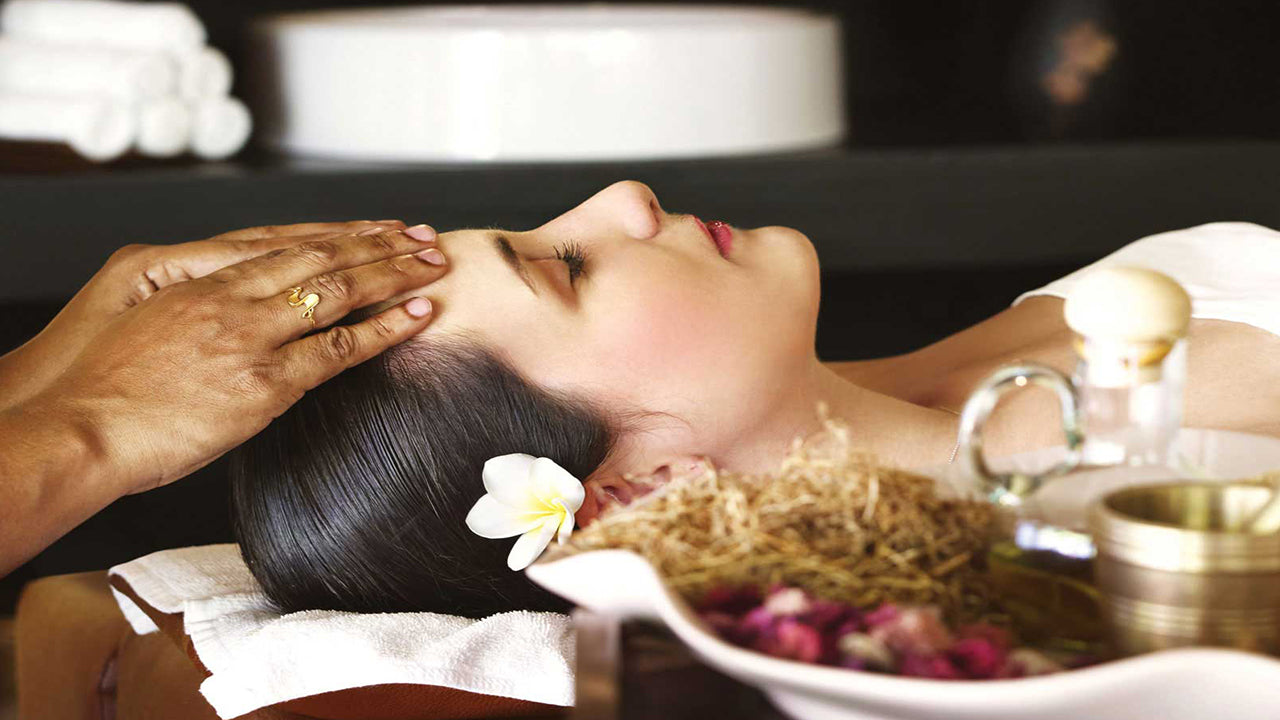
- Cosmetics and skincare: Sandalwood powder and oil appear in soaps, face packs, body lotions, and toners. Traditional formulations use the powder mixed with rosewater or milk as a cooling paste for sensitive or sun-exposed skin.
- Carvings and decorative objects: The wood's resistance to warping and insect attack, combined with its close grain, makes it ideal for detailed work. Religious statuettes and decorative boxes are the most common carved products.
- Perfumery: Sandalwood base notes appear in a very large proportion of oriental and woody fragrance families. Synthetic sandalwood analogues now supplement the supply of natural oil, but natural Santalum album oil commands a significant premium.
- Ayurvedic preparations: The heartwood is used in several classical formulations for its anti-inflammatory and cooling properties.
What is the difference between white sandalwood and red sandalwood?
The two terms refer to botanically distinct trees. White sandalwood (Santalum album) is the fragrant species described above — it is the source of sandalwood essential oil and is the tree most people mean when they say "sandalwood." Red sandalwood (Pterocarpus santalinus) belongs to an entirely different family and produces no comparable essential oil. Its value lies in its intense red pigment, used as a dye and in traditional medicine, and in its exceptionally hard, dense wood. Despite the shared common name, the two should not be confused when purchasing powder or bark.
Sri Lankan producers, including Lakpura, supply both varieties: white sandalwood barks and powder for fragrance and skincare use, and red sandalwood barks and powder for pigment and traditional health applications.
Is sandalwood sustainable, and what should buyers know?
Santalum album is listed on the IUCN Red List as Vulnerable, reflecting decades of overharvesting in its native range across South Asia. India has regulated the harvest of wild sandalwood trees for many years, and demand has shifted significantly toward plantation-grown material, particularly from Australia, where large commercial plantations now supply a substantial share of global oil production.
When purchasing sandalwood products, buyers are encouraged to look for items derived from plantation-grown trees or certified sustainable sources. Powder and bark sold for skincare or ritual use should ideally carry documentation of origin. Products made from genuine Santalum album remain more expensive than those using synthetic sandalwood or substitute species — the price difference is a reasonable guide to authenticity.
For travellers passing through areas such as the Sinharaja Forest Reserve region or the hill country, locally produced sandalwood soaps and skincare items available at craft markets represent a straightforward, low-impact way to bring the material home.
How does sandalwood connect to Sri Lanka's broader spice and botanical heritage?
Sandalwood sits within a long tradition of Sri Lankan botanical exports that predates modern commerce. The island built much of its early international trade identity around aromatic and medicinal plants — a legacy shared with materials like Ceylon black pepper and cloves, which were equally sought after by ancient and medieval traders navigating the Indian Ocean. That same commercial logic — rare, aromatic, and medically valued — applied to sandalwood, making it part of the broader spice-trade geography that shaped Sri Lanka's historical relationships with Arab, Chinese, Portuguese, Dutch, and British merchants over centuries.
Today, sandalwood-derived products remain a small but meaningful part of Sri Lanka's natural products export sector, and they form a recognisable category within the island's Ayurvedic and wellness industry.