
桑达卡达·帕哈纳


沙达卡达帕哈纳(Sandakada Pahana),也被称为月亮石,是斯里兰卡古代历史中的一个重要文化和建筑特色,出现在岛上许多最受尊敬的佛教圣地,包括阿努拉德普勒、波隆纳鲁瓦和狮子岩的岩石寺庙中。这块精雕细琢的石头作为通向圣地的入口标志,象征着从世俗到神圣的过渡。它的美丽和象征意义使其成为斯里兰卡最具代表性的建筑元素之一,反映了岛屿在数百年来深厚的精神和艺术传统。
沙达卡达帕哈纳通常呈半圆形,通常装饰有莲花花瓣、大象、马匹和其他象征性图案,每个图案都代表着佛教、自然和斯里兰卡的文化。这些元素常见于如康提和加勒等地区,反映了岛屿丰富的生物多样性,其中大象和其他野生动物在斯里兰卡的古老民间传说中是常见的。雕刻传达了纯洁、开悟和保护等精神思想,为游客提供了与岛屿佛教遗产的文化和艺术联系。
参观拥有沙达卡达帕哈纳的遗址,游客可以欣赏它的艺术复杂性以及与斯里兰卡宗教历史的联系。这些月亮石位于舍利塔、寺庙和修道院的入口处,作为视觉提醒,展示了斯里兰卡对神圣建筑和佛教传统的献身。游览古代城市如阿努拉德普勒,或探索像丹布拉和狮子岩这样的岩石寺庙的旅行者,常常停下来欣赏这些石雕,它们引导他们通过斯里兰卡的文化景观进行精神之旅。沙达卡达帕哈纳邀请人们思考自然、艺术和信仰之间的联系。
沙达卡达帕哈纳可以全年在斯里兰卡的许多历史和宗教遗址中看到。干季,从12月到4月,提供了理想的条件来探索这些古老的纪念碑,提供清澈的天空和平静的天气,适合观光。从阿努拉德普勒、康提和狮子岩等主要城市可轻松到达这些圣石,它们继续激励那些试图理解斯里兰卡丰富的精神和文化 遗产的游客。无论是因其艺术价值、历史意义还是宗教象征而受到赞赏,沙达卡达帕哈纳仍然是斯里兰卡永恒遗产的有力见证。


-
 Sri Maha Bodhiya
Jaya Sri Maha Bodhi is a sacred bo tree in the Mahamewna Gardens, Anuradhapura, Sri Lanka. It is the southern branch from the historical Sri Maha Bodhi at Buddha Gaya in India under which Buddha attained Enlightenment. It was planted in 288 BC, and is the oldest living human-planted tree in the world with a known planting date.
-
 Ruwanweliseya
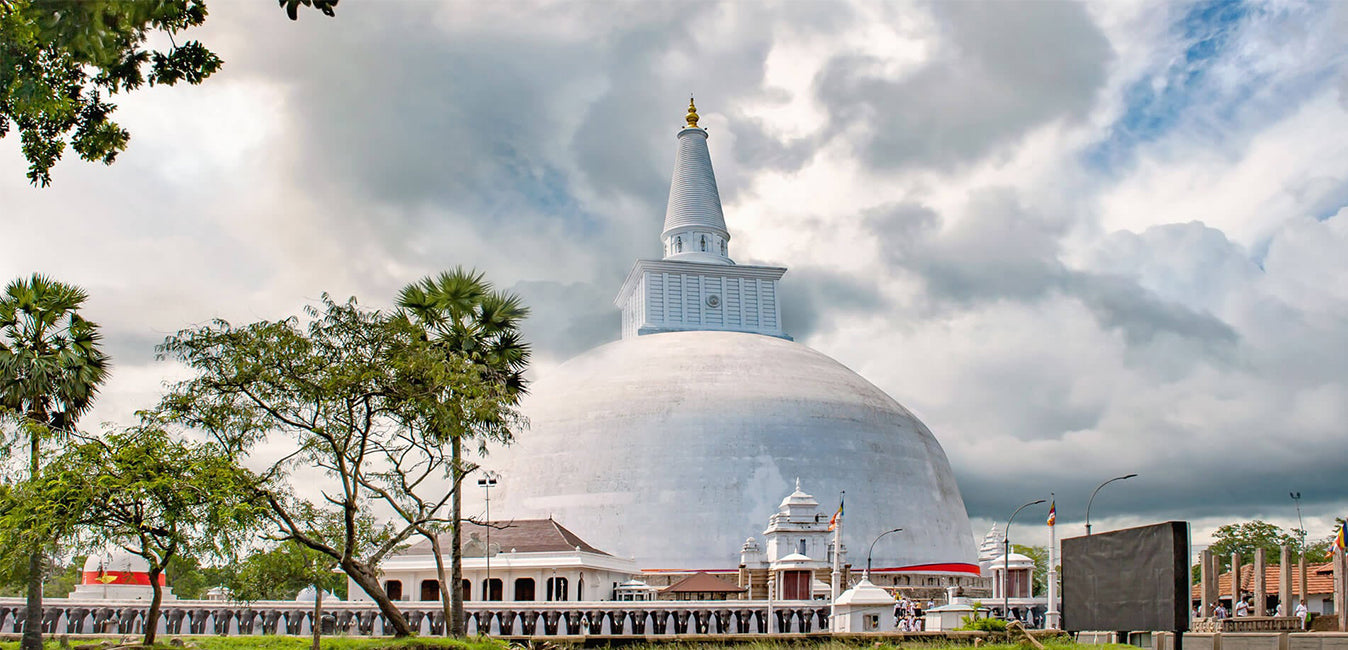
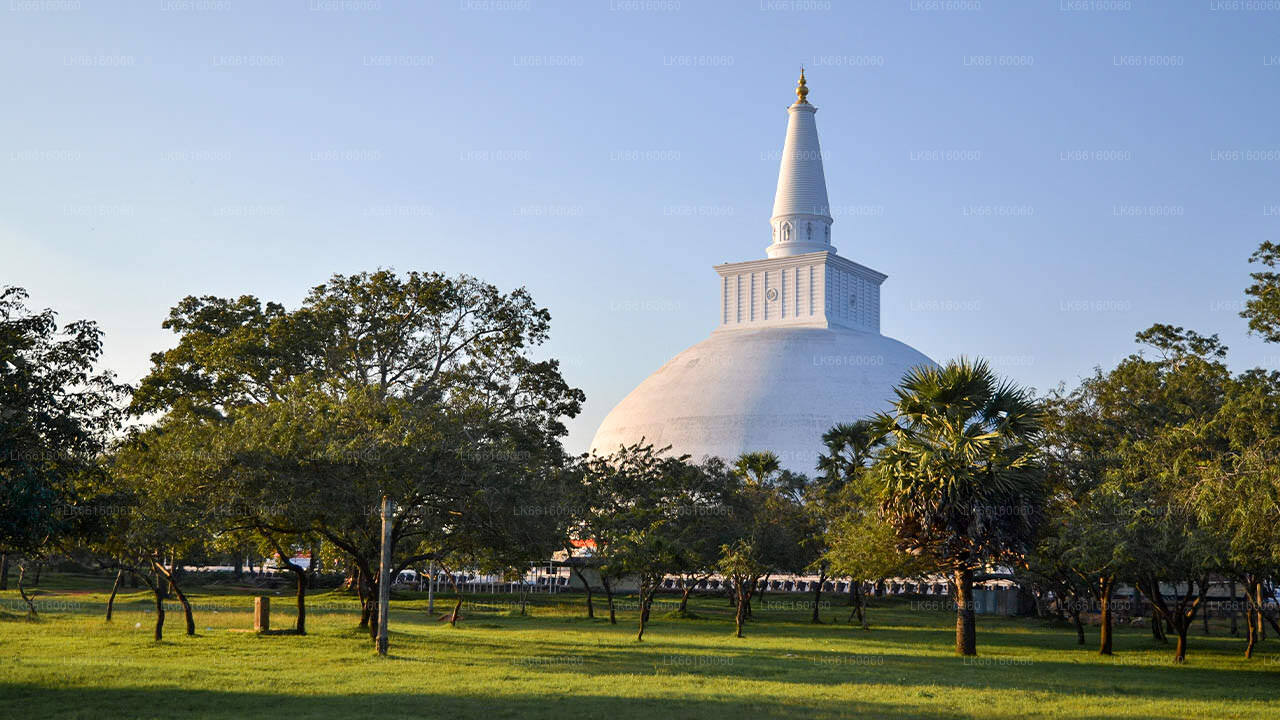
The Ruwanweli Maha Seya, also known as the Mahathupa (the Great Thupa) is a stupa (a hemispherical structure containing relics) in Anuradhapura, Sri Lanka. Two quarts or one Dona of the Buddha's relics are enshrined in the stupa, making it the largest collection of his relics anywhere. It was built by Sinhalese King Dutugemunu in c. 140 B.C., who became king of Sri Lanka after a war in which the Chola King Elāra (Ellalan) was defeated.
-
 Thuparamaya
Thuparamaya is the first Buddhist temple that was constructed, after the arrival of mahinda thero(mahindagamanaya) in Sri Lanka. Located in the sacred area of Mahamewna park, the Thuparamaya Stupa is the earliest Dagoba to be constructed in the island, dating back to the reign of King Devanampiya Tissa (247-207 BC). The temple has been formally recognised by the Government as an archaeological site in Sri Lanka.
-
 Lovamahapaya
Lovamahapaya is a building situated between Ruwanweliseya and Sri Mahabodiya in the ancient city of Anuradhapura, Sri Lanka. It is also known as the Brazen Palace or Lohaprasadaya because the roof was covered with bronze tiles. In ancient times, the building included the refectory and the uposathagara (Uposatha house).
-
 Abhayagiri Stupa
Abhayagiri Vihāra was a major monastery site of Mahayana, Theravada and Vajrayana Buddhism that was situated in Anuradhapura, Sri Lanka. It is one of the most extensive ruins in the world and one of the most sacred Buddhist pilgrimage cities in the nation.
-
 Jetavanaramaya
The Jetavanarama stupa or Jetavanaramaya is a stupa, or Buddhist reliquary monument, located in the ruins of Jetavana monastery in the UNESCO world heritage city of Anuradhapura, Sri Lanka. At 122 metres (400 ft), it was the world's tallest stupa, and the third tallest structure in the world when it was built by King Mahasena of Anuradhapura (273–301).
-
 Mirisawetiya Stupa
The Mirisaweti Stupa is a memorial building, a stupa, situated in the ancient city of Anuradhapura, Sri Lanka. King Dutugamunu (161 BC to 137 BC) built the Mirisaveti Stupa after defeating King Elara. After placing the Buddha relics in the sceptre, he had gone to Tissa Wewa for a bath leaving the sceptre.
-
 Lankarama
Lankarama is a stupa built by King Valagamba, in an ancient place at Galhebakada in the ancient kingdom of Anuradhapura, Sri Lanka. Nothing is known about the ancient form of the stupa, and later this was renovated. The ruins show that there are rows of stone pillars and it is no doubt that there has been a house built encircling the stupa (vatadage) to cover it.
-
 Isurumuniya
Isurumuniya is a Buddhist temple situated near to the Tissa Wewa (Tisa tank) in Anuradhapura, Sri Lanka. There are four carvings of special interest in this Vihara. They are the Isurumuniya Lovers, Elephant Pond and The Royal Family. The ancient Meghagiri Vihara or Meygiri Vihara is presently identified as the Isurumuni Vihara.





Lakpura® Services




- 选择某一选项会使整个页面刷新。
- 在新窗口中打开。