Lakpura
Lakpura®

Pogostemon heyneanus

Pogostemon heyneanus, commonly known as Indian Patchouli, is a perennial herb in the Lamiaceae family — the same botanical family that includes mint, basil, and lavender. Native to South and Southeast Asia, the plant grows wild and under cultivation in India, Sri Lanka, and parts of tropical Southeast Asia. Although it shares its genus with the better-known Pogostemon cablin (the source of commercial patchouli oil), Indian Patchouli is a distinct species with its own aromatic profile, medicinal reputation, and ecological role.

What does Pogostemon heyneanus look like?

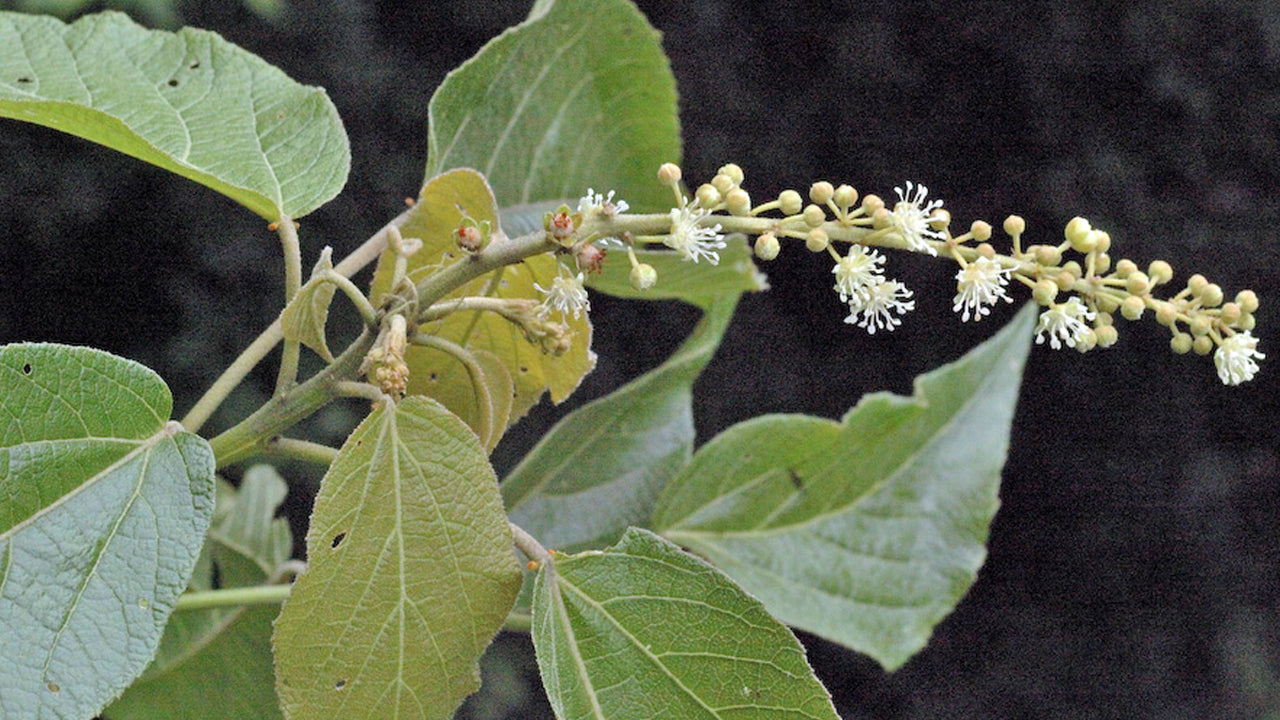
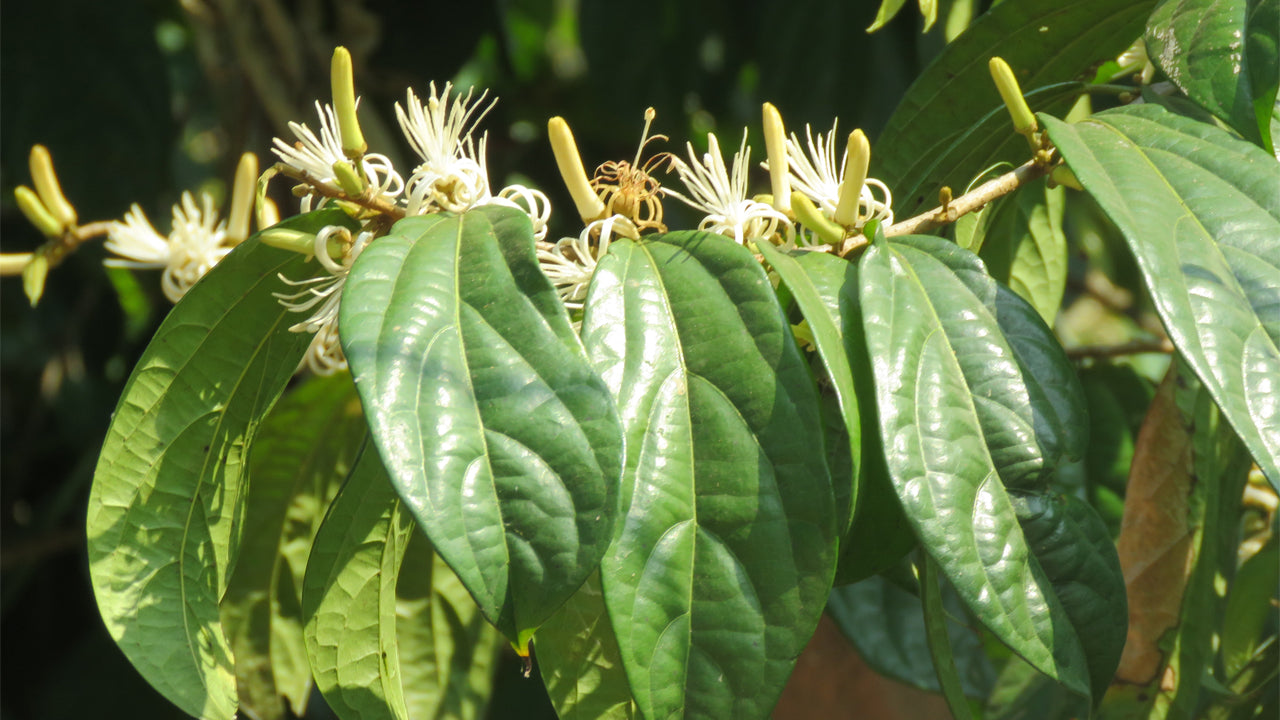
In habit, Pogostemon heyneanus is a bushy, branching herb that can reach around 60–90 cm in height under favourable conditions. Its stems are softly woody at the base and tend to be slightly hairy. The leaves are arranged in opposite pairs along each stem and are broadly oval to lance-shaped, with coarsely toothed margins and a noticeably wrinkled, slightly rough texture — a surface that helps trap and release the plant's aromatic oils.

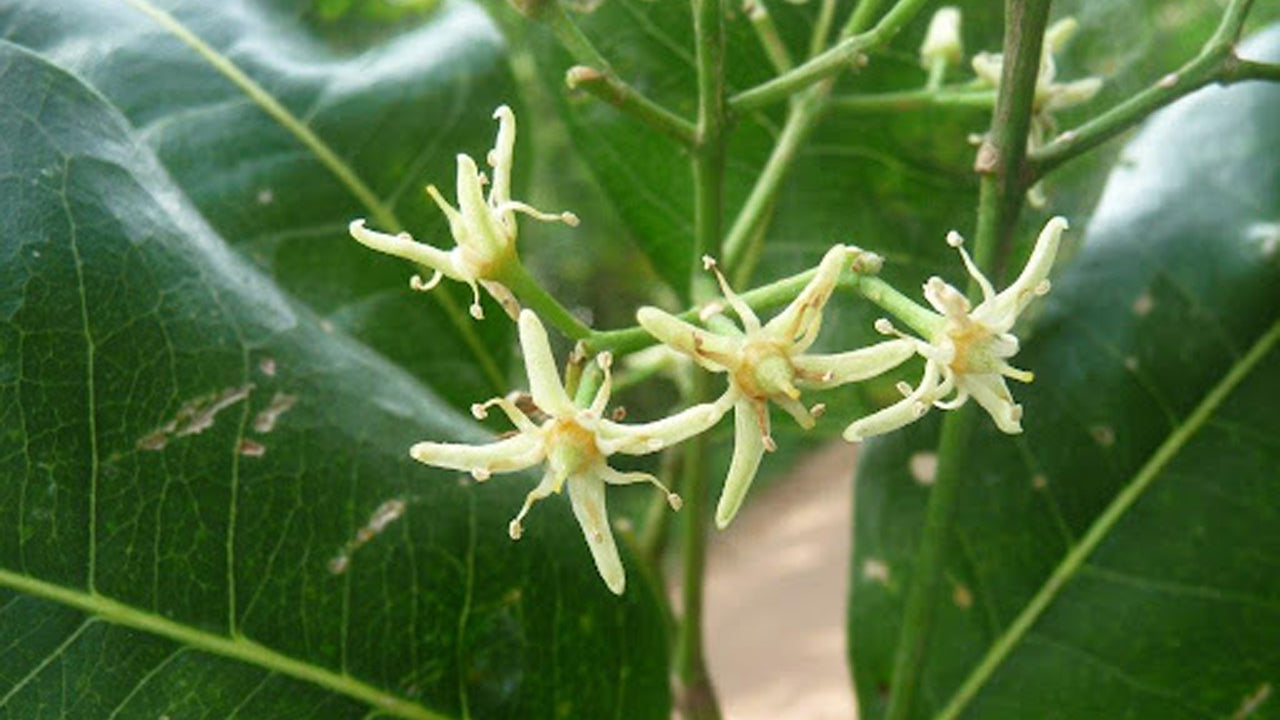
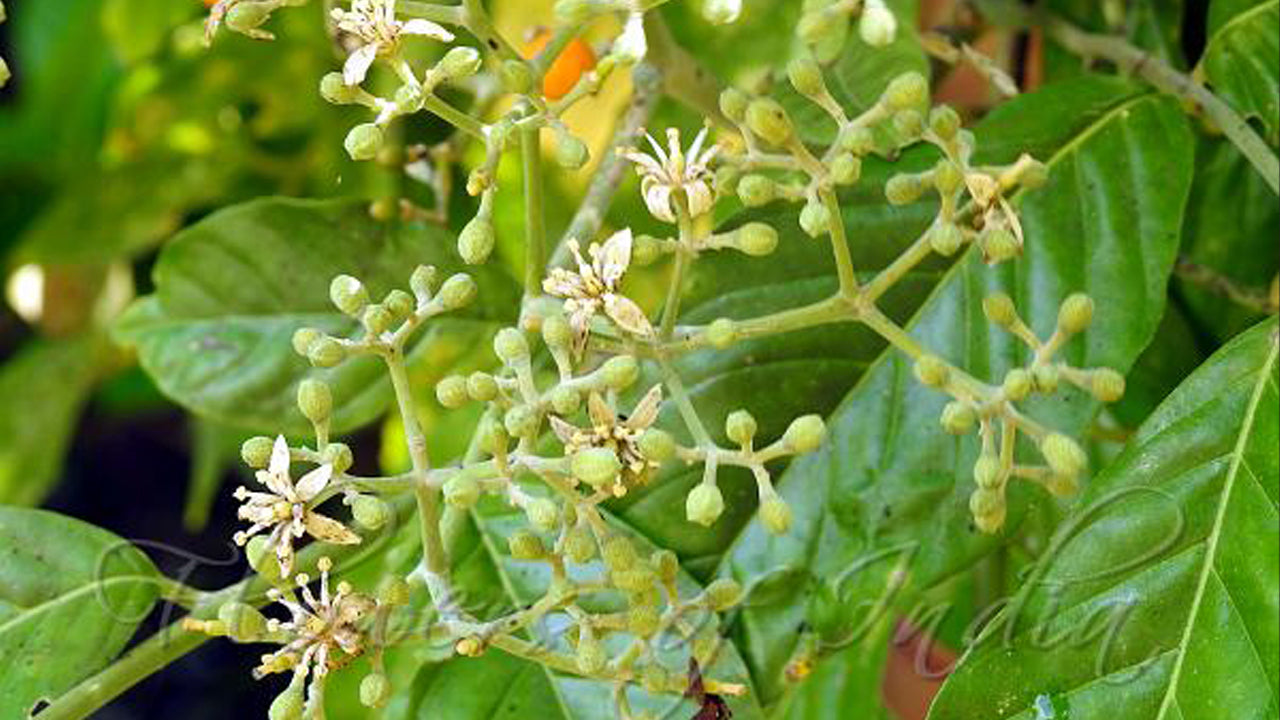
Flowers appear in elongated, spike-like clusters (technically a verticillaster inflorescence). Individual blooms are small and tubular, ranging in colour from white to pale purple or lilac. Like many members of the Lamiaceae family, the flowers are two-lipped and attract bees and small pollinating insects. Flowering typically occurs in the cooler months of the year across its native range.

What does Indian Patchouli smell like?

The fragrance of Pogostemon heyneanus is one of its most immediately recognisable traits. Crushing a leaf releases a rich, earthy, musky scent with woody undertones — comparable to patchouli but generally perceived as softer and less intense. This subtlety makes it appealing in applications where a lighter aromatic character is preferred.

The essential oil extracted from the leaves and stems contains patchoulol as a key constituent, along with other sesquiterpene compounds that collectively produce its characteristic odour profile. Compared to Pogostemon cablin, the oil yield is typically lower and the chemical composition differs in proportions, which is why the two species are not fully interchangeable in high-grade perfumery, even though heyneanus is sometimes used as a substitute or adulterant in regional markets.

Where does Pogostemon heyneanus grow in Sri Lanka?

In Sri Lanka, Indian Patchouli tends to be found in the island's lowland and mid-elevation tropical zones, often growing semi-wild at the edges of forest clearings, along stream banks, and in home gardens where it is cultivated for domestic use. The plant performs well in humid, warm conditions with partial to full sun exposure. It prefers well-drained, fertile soils and does not tolerate waterlogging or prolonged drought.

Sri Lanka's wet zone and intermediate zone provide near-ideal conditions: consistent rainfall, moderate temperatures, and organically rich soils. The plant can be found growing alongside other aromatic and medicinal species in traditional home gardens (known locally as gedara vatta), which have long served as living pharmacies in rural communities. Other aromatics cultivated in similar settings include Syzygium aromaticum (cloves), which also has deep roots in Sri Lankan spice culture.

How is Pogostemon heyneanus cultivated?

Propagation is straightforward, which partly explains the plant's wide distribution in home cultivation across tropical Asia. Three methods are commonly used:

  • Stem cuttings: The most reliable and widely practised method. A 10–15 cm cutting taken from a healthy, non-flowering stem is planted directly in moist soil or rooted in water before transplanting.
  • Seeds: Seeds germinate well under warm, humid conditions, though seedling growth is slower than vegetative propagation.
  • Root division: Established clumps can be divided and replanted, particularly after the growing season.

The plant responds well to periodic pruning, which encourages bushy, leafy growth and prevents it from becoming leggy. For essential oil production, harvesting is typically done before or during early flowering, when aromatic compound concentrations in the leaves are highest.

What are the traditional medicinal uses of Indian Patchouli?

Across India and Sri Lanka, Pogostemon heyneanus has a documented place in traditional herbal medicine. Ayurvedic and folk practitioners have used preparations from the leaves and roots to address a range of conditions, drawing on the plant's bioactive compounds.

Key traditional applications include:

  • Anti-inflammatory use: Leaf poultices or decoctions are applied to swellings and skin irritations in traditional practice.
  • Antimicrobial properties: The essential oil has been studied for activity against certain bacteria and fungi, lending some scientific basis to its traditional role in treating minor skin infections and wounds.
  • Digestive support: In some regional traditions, preparations from the plant are used to relieve stomach complaints and bloating.
  • Fever management: Herbal infusions have been employed as part of fever treatments in folk medicine.

It is important to note that while these uses are culturally established, clinical evidence for many of them remains limited. Anyone considering therapeutic use of plant-derived preparations should consult a qualified practitioner.

How is Pogostemon heyneanus used in fragrance and cosmetics?

The aromatic oil extracted from Indian Patchouli finds its way into several commercial and artisanal applications. In South and Southeast Asia, it has been used in the preparation of incense, where its earthy scent adds depth and grounding notes. It also appears in some natural cosmetics, soaps, and hair preparations, valued for its fragrance and potential antimicrobial properties.

In regional perfumery, particularly at artisan and small-scale levels, Pogostemon heyneanus oil is blended with other botanical extracts to create complex base notes. Its similarity to — but distinction from — patchouli (Pogostemon cablin) makes it an interesting component for perfumers seeking natural, place-specific aromatic ingredients.

The essential oil is also noted for its potential as a natural insect repellent. The strong volatile compounds released by the plant are believed to deter certain insects, and this property has been explored in the formulation of plant-based repellent products.

How does Pogostemon heyneanus differ from common patchouli?

The distinction between Pogostemon heyneanus and Pogostemon cablin is worth understanding clearly, as the two are sometimes conflated in popular descriptions of patchouli.

Feature Pogostemon heyneanus Pogostemon cablin
Common name Indian Patchouli Patchouli
Primary range India, Sri Lanka, parts of SE Asia Philippines, Indonesia; widely cultivated
Fragrance intensity Softer, more subtle Stronger, more persistent
Commercial oil use Limited; regional and artisan Dominant in global perfumery
Patchoulol content Present, typically lower High; primary quality marker
Leaf texture Wrinkled, coarsely toothed Soft, broadly toothed

Both species belong to the same genus and share a broadly similar ecological preference for tropical, humid conditions, but for commercial patchouli oil production, Pogostemon cablin remains the industry standard.

What is the conservation and ecological status of Pogostemon heyneanus?

Indian Patchouli is not currently listed as threatened or endangered. Its adaptability to disturbed habitats, forest margins, and cultivated settings means it maintains stable populations across its native range. In Sri Lanka, the plant benefits from the tradition of home-garden cultivation, which incidentally conserves a wide range of useful plant species outside formal protected areas.

The island's biodiversity-rich environments — from the wet lowlands to mid-elevation forests like those of the Sinharaja Forest Reserve — support a remarkable density of plant species with aromatic and medicinal value, of which Pogostemon heyneanus is one relatively understudied example. Greater ethnobotanical documentation of such species remains an ongoing need in Sri Lanka's research community.

Ask Lakpura® Agent