Lakpura
Lakpura®

Mentha arvensis var. javanica (Oduthalan,ඔඩුතලං)

Mentha arvensis var. javanica, known in Sinhala as ඔඩුතලං (Oduthalan), is a subtropical subspecies of wild mint prized across Asia for its exceptionally high menthol content. In Sri Lanka it grows readily in home gardens and small herbal farms, threading its way into both everyday kitchens and the island's deep tradition of plant-based medicine.

What does Mentha arvensis var. javanica look like?

The plant has the characteristic square stems shared by all members of the mint family (Lamiaceae). Its leaves are lance-shaped, serrated at the edges, and covered in fine hairs that release a sharp, cooling scent when bruised. Small purple to pale-pink flowers appear in whorls along the upper stem, though growers typically harvest the plant before it reaches full bloom to protect the volatile oil content in the leaves.

  • Height: typically 30–60 cm when fully grown
  • Stems: square in cross-section, a reliable field identification marker
  • Leaves: lance-shaped, 3–7 cm long, prominently veined
  • Flowers: small, purple or pale pink, arranged in axillary whorls

Where is Japanese mint cultivated in Sri Lanka?

Mentha arvensis var. javanica thrives in the moist, well-drained soils found across Sri Lanka's intermediate and wet zones. Home gardeners grow it alongside other culinary herbs, while larger-scale cultivation supports the island's essential oil trade. The plant tolerates a wide altitudinal range, though it performs best in cooler upland conditions — areas around the hill country and the central highlands are well suited.

Propagation is almost always done by stem cuttings rather than seed, since cuttings root quickly in moist soil and preserve the parent plant's oil profile. The crop is typically year-round in warm lowland districts, with harvest timed just before flower bud formation when leaf-oil concentration peaks. Farmers growing for the essential oil market often take two to three cuts per year.

What are the traditional medicinal uses of Oduthalan?

Sri Lanka's Ayurvedic and traditional herbal systems have long drawn on Mentha arvensis var. javanica as a practical household remedy. Its active constituent, menthol, gives the plant most of its therapeutic character.

  • Digestive complaints: A mild infusion of fresh leaves is used to ease bloating, nausea, and indigestion.
  • Respiratory relief: Steam inhalation with mint leaves or preparations containing the essential oil is a common home remedy for nasal congestion and mild coughs.
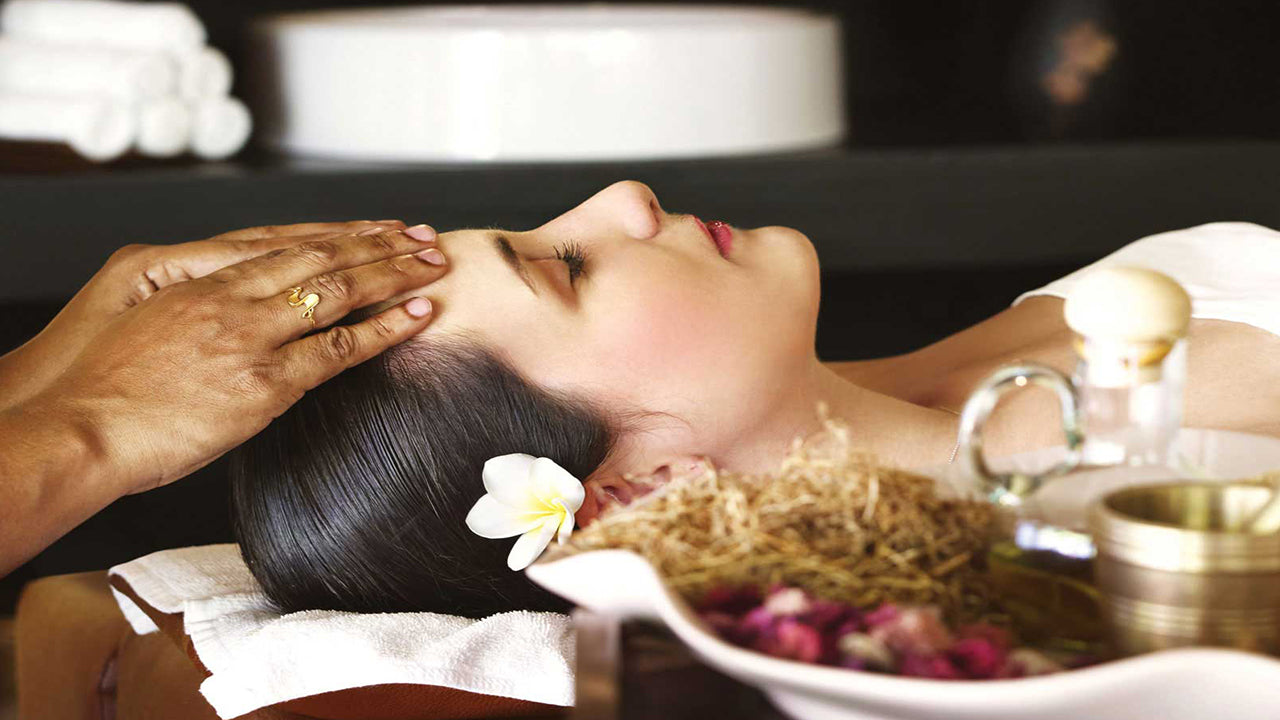
  • Headache: Diluted mint oil applied to the temples is traditionally used to relieve tension headaches.
  • Skin irritation: The cooling effect of menthol makes leaf poultices a folk remedy for minor skin inflammation and insect bites.

Contemporary Ayurvedic formulations produced in Sri Lanka often incorporate mint alongside complementary herbs. Syzygium aromaticum (clove), for example, frequently appears in compound preparations alongside mint for its complementary aromatic and antimicrobial properties.

How is the essential oil extracted and used commercially?

The primary commercial value of Mentha arvensis var. javanica lies in its essential oil, obtained by steam distillation of freshly harvested aerial parts. The oil is rich in free menthol and menthol esters, making it a preferred raw material for the pharmaceutical and personal-care industries.

  • Oral care: Toothpaste, mouthwash, and breath fresheners rely on mint oil for its flavour and mild antibacterial action.
  • Topical balms and ointments: Muscle rubs, cold-relief balms, and medicated patches use menthol for its characteristic cooling sensation on the skin.
  • Confectionery and beverages: Food-grade mint oil flavours chewing gum, sweets, and herbal teas.
  • Aromatherapy: The oil is diffused or blended as a refreshing and mentally clarifying agent.

Sri Lanka exports a portion of its mint oil production to regional markets, though domestic demand from the herbal product sector is substantial and growing.

How do you grow Mentha arvensis var. javanica in a home garden?

Japanese mint is one of the more forgiving herbs for a Sri Lankan home garden. It spreads enthusiastically via underground runners, so growing it in a container or a raised bed with defined borders helps prevent it from crowding neighbouring plants.

  1. Soil: Rich, moisture-retentive but well-drained loam. Mix in compost before planting.
  2. Light: Partial to full sun. In Sri Lanka's lowland heat, some afternoon shade improves leaf quality.
  3. Water: Regular watering is important — mint does not tolerate prolonged drought, but waterlogged roots encourage fungal disease.
  4. Propagation: Take 10–15 cm stem cuttings, strip the lower leaves, and push into moist soil or water until roots form (usually within a week).
  5. Harvest: Pinch stems regularly to promote bushy growth and delay flowering. Harvest just before buds appear for maximum flavour and oil content.

What culinary uses does Japanese mint have in Sri Lanka?

Fresh Oduthalan leaves are brewed into a simple herbal tea that many Sri Lankans drink for digestive comfort after meals. The herb also appears in cooling drinks, light chutneys, and occasionally as a garnish in modern cooking that draws on the island's herbal heritage. Its flavour profile — clean, cool, and slightly sweet — complements both savoury and sweet preparations, though it is used more sparingly than the sweeter spearmint cultivars common in Western kitchens.

Beyond the kitchen, the fresh plant is sometimes placed in living spaces or tucked among stored clothing as a natural insect deterrent — a practical use that speaks to the herb's place in everyday Sri Lankan domestic life.

How does Mentha arvensis var. javanica relate to other Sri Lankan herbs?

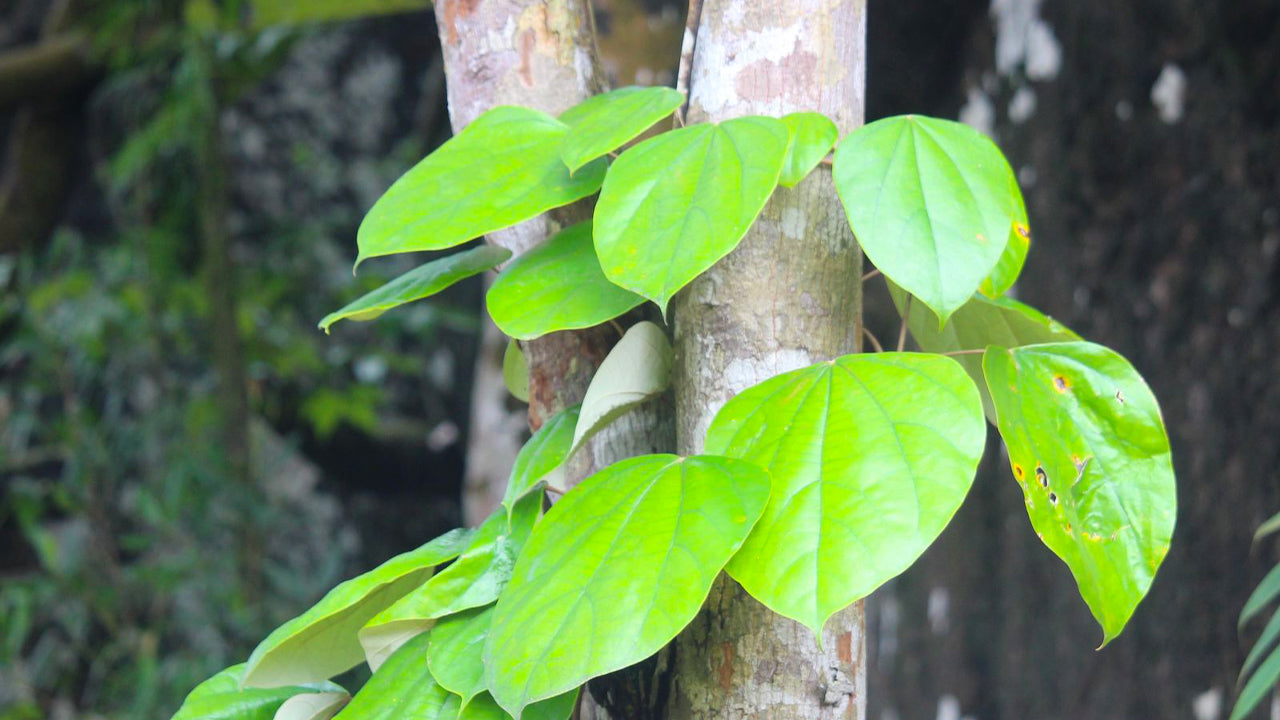
Sri Lanka's botanical heritage is exceptionally rich, and Japanese mint is one of dozens of economically important aromatic and medicinal plants cultivated on the island. It sits alongside better-known exports such as Ceylon black pepper in the broader picture of Sri Lanka's spice and herbal economy. Understanding this plant in context — alongside cloves, cinnamon, pepper, and a range of Ayurvedic botanicals — reveals how deeply integrated herbal cultivation is with the island's agricultural identity.

Ask Lakpura® Agent