Lakpura
Lakpura®

Lawsonia inermis

Lawsonia inermis, commonly known as henna, is one of the oldest cultivated dye plants in the world. A small flowering shrub or tree reaching around 6 metres at full height, it thrives in the hot, dry climates of tropical and subtropical Africa, Asia, and the Middle East. In Sri Lanka, henna has been part of cultural and domestic life for centuries, used by communities across the island for body art, hair care, and traditional medicine.

What does Lawsonia inermis look like?

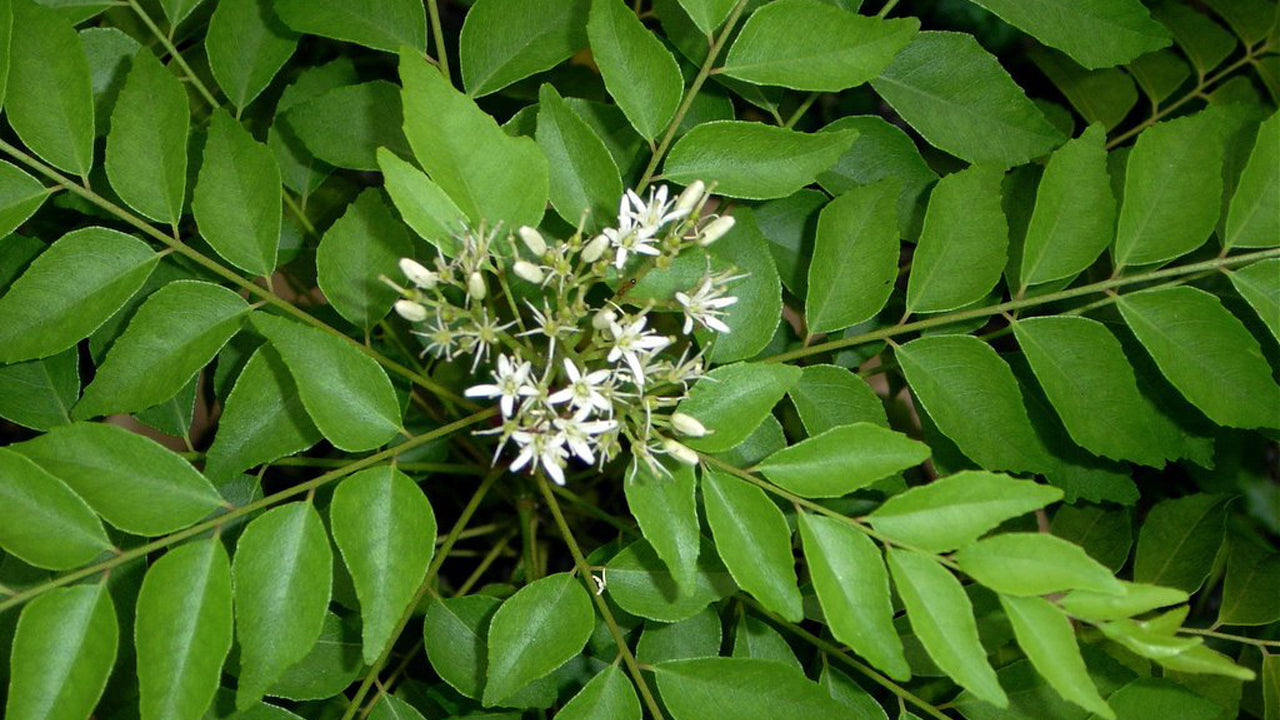
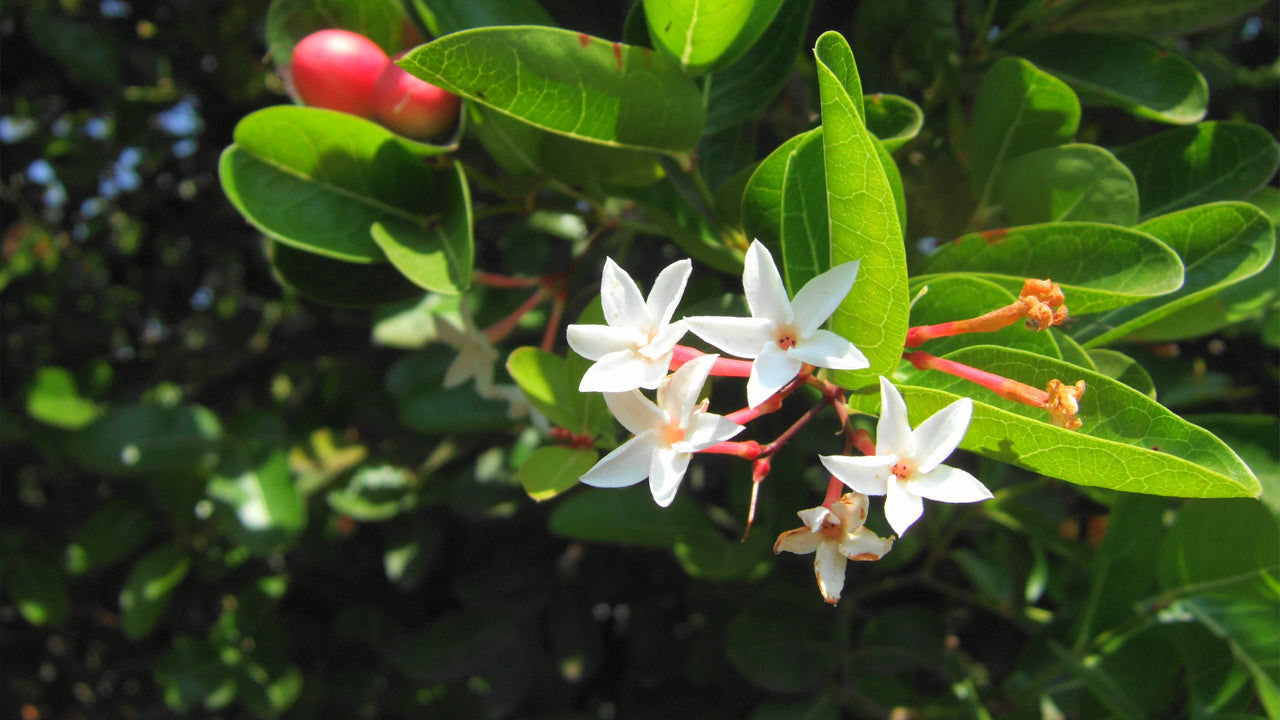
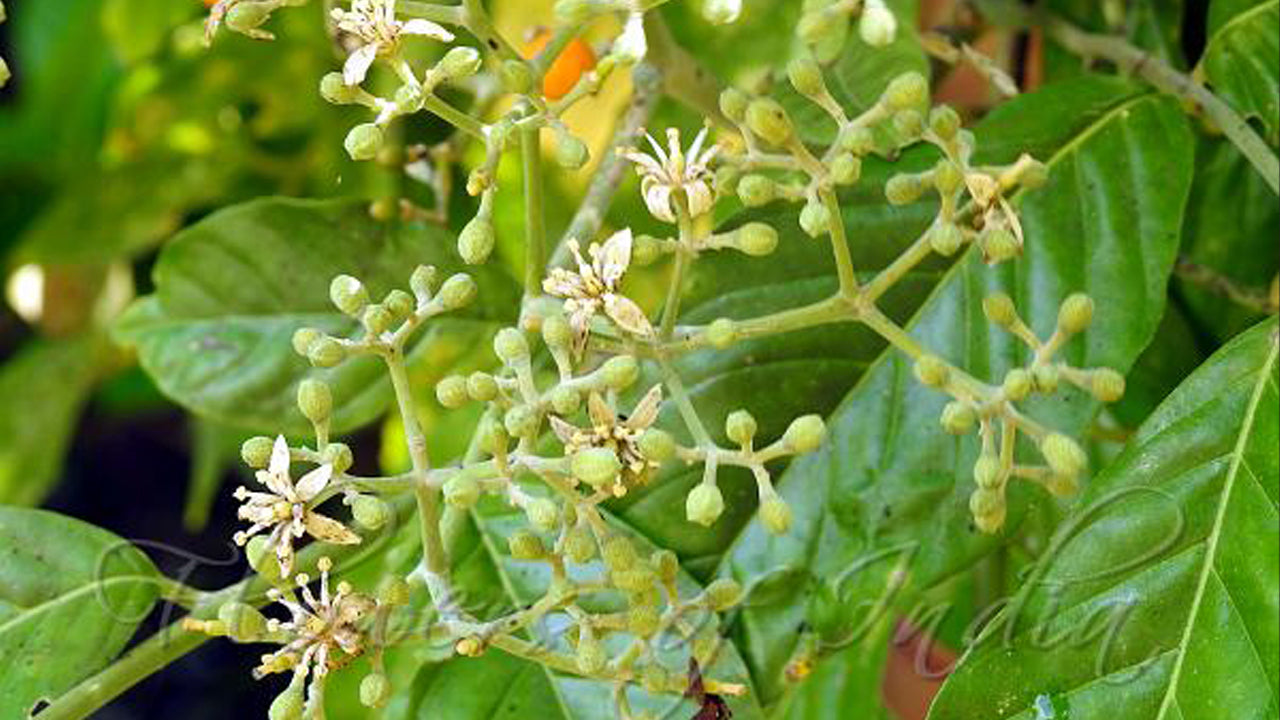
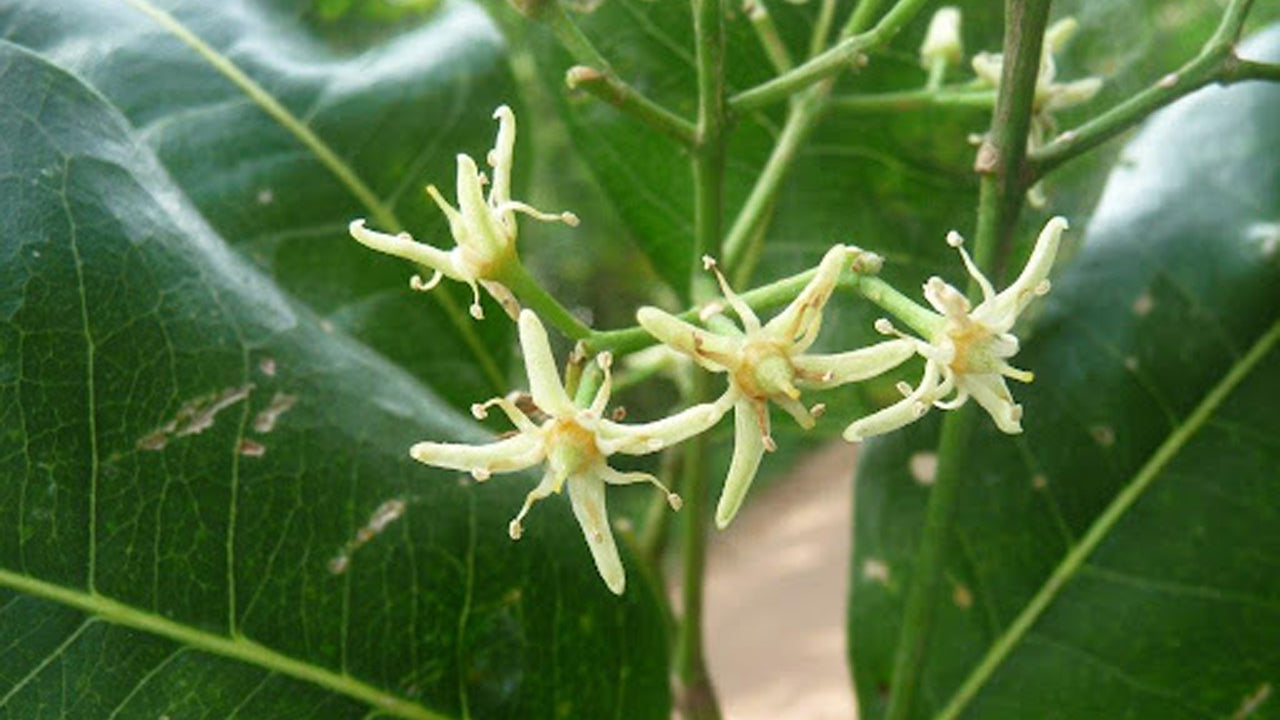
The plant is easily recognised by its small, lance-shaped green leaves arranged in opposite pairs along slender branches. In flowering season it produces clusters of tiny white or pinkish blossoms with a delicate, sweet fragrance. The bark has a reddish tinge, and the branches tend to become woody with age. Left unpruned, henna forms dense hedgerows — a quality that has long made it useful as a natural boundary plant in rural gardens and farms.

What is the natural dye in henna and how does it work?

The colouring agent in henna is lawsone (2-hydroxy-1,4-naphthoquinone), a compound concentrated mainly in the leaves. When fresh leaves are dried and ground into a fine powder, then mixed with a mildly acidic liquid — lemon juice and water being common choices — lawsone is released and binds to the keratin proteins in skin and hair, producing shades that range from orange-red to deep brown depending on the body chemistry of the individual and the length of time the paste is left on.

The dye is entirely plant-derived and requires no synthetic fixative, which is why it has remained attractive to people seeking a chemical-free alternative to synthetic hair colours and body inks. In textiles, henna can be used to achieve warm golden and ochre tones on natural fibres such as cotton, wool, and silk.

How has henna been used in traditional medicine?

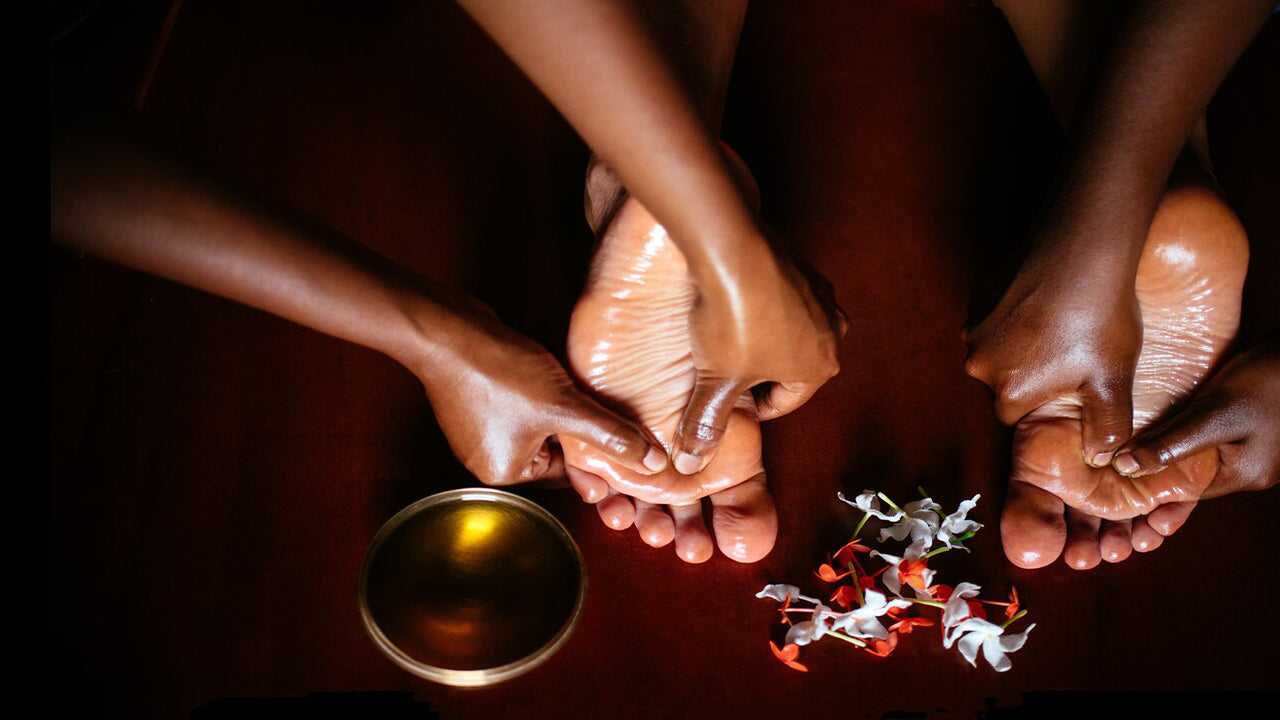
Across South Asia and the Middle East, henna has an established record in folk medicine that predates modern pharmacology. The leaves and bark contain compounds with documented antiseptic, antifungal, and anti-inflammatory activity. Traditionally, leaf poultices are applied to minor burns, skin rashes, and small wounds, and the cooling sensation the paste produces on skin has led to its use as a remedy for fever and headaches — particularly applied to the soles of the feet.

In Sri Lanka's Ayurvedic tradition, henna-based preparations appear alongside other plant medicines. Related formulations such as Yogaraja Guggulu reflect how plants in the same therapeutic category have been systematically documented in indigenous medical texts. Henna extracts have also been studied for potential activity against certain fungal infections, though clinical evidence remains preliminary and therapeutic use should always be guided by a qualified practitioner.

What is the cultural significance of henna in South Asia?

In the Indian subcontinent and Sri Lanka, henna body art — known as mehndi — is closely woven into the rituals surrounding weddings, religious festivals, and rites of passage. Intricate patterns traced on the hands and feet of brides are among the most familiar images associated with South Asian marriage ceremonies. The motifs used often carry symbolic meaning: paisley patterns suggest fertility and luck, while geometric forms are associated with protection and auspiciousness.

Across the Muslim communities of Sri Lanka's north-west coast and the Muslim quarters of historic cities, henna night celebrations — held the evening before a wedding — have remained a living tradition. The Esala Perahera Festival in Kandy and other public religious events also see henna stalls set up near the procession routes, where both locals and visitors can have simple designs applied.

In North Africa and the Middle East, henna traditions follow distinct regional aesthetics, with Moroccan, Gulf, and Sudanese styles each having characteristic patterns that differ markedly from South Asian mehndi.

Where does Lawsonia inermis grow in Sri Lanka?

Henna is not native to Sri Lanka but has naturalised across the island's drier zones, particularly in the North Central and Northern provinces. It grows readily in the low-country dry zone — the same broad landscape that contains ancient irrigation systems and heritage sites such as Polonnaruwa. Gardeners cultivate it in domestic compounds for its practical uses; it also appears semi-wild along roadsides and field margins in areas with laterite or sandy soils that drain freely.

The plant performs poorly in waterlogged soils and does not tolerate frost, but is notably drought-tolerant once established — a trait that suits large parts of the Sri Lankan interior.

How is henna paste prepared at home?

  1. Dry fresh henna leaves in the shade until brittle, then grind to a fine powder. Alternatively, use commercially dried and sifted powder.
  2. Mix the powder with freshly squeezed lemon juice, a small amount of strong black tea, or plain water to form a smooth paste roughly the consistency of toothpaste.
  3. Allow the paste to rest, covered, for 6–12 hours so that lawsone is fully released. An aromatic oil such as eucalyptus or lavender is often added at this stage to deepen the eventual colour.
  4. Apply with a cone, brush, or toothpick. Leave on skin for 2–8 hours — the longer the contact, the darker the result.
  5. Remove dried paste without water (scraping or peeling is preferred). The initial orange stain deepens to reddish-brown over 24–48 hours as the dye oxidises.

Is black henna safe to use?

"Black henna" sold at markets and tourist areas typically contains para-phenylenediamine (PPD), a synthetic chemical added to produce a darker, faster result that natural henna cannot achieve on its own. PPD is a recognised skin sensitiser and allergen; reactions range from contact dermatitis to, in severe cases, permanent scarring. Genuine Lawsonia inermis paste is never naturally black — if a paste dries black on skin without oxidation, it very likely contains PPD or another additive. Travellers are advised to request natural henna only and to do a small patch test before full application.

How does henna compare with other natural dyes used in Sri Lanka?

Plant Part used Colour range Primary use
Lawsonia inermis (Henna) Leaves Orange to deep brown Body art, hair colouring
Acacia chundra Heartwood Red-brown Tanning, traditional medicine
Pongamia pinnata Seeds, bark Yellow-brown Insecticide, folk medicine
Syzygium aromaticum (Clove) Buds, bark Pale brown Spice, essential oil

Sri Lanka's botanical heritage extends well beyond henna. The island's wet zone forests and spice gardens host dozens of economically and culturally significant plants, making plant-focused itineraries a rewarding way to understand the country beyond its beaches and ancient monuments.

Ask Lakpura® Agent