Lakpura
Lakpura®

Ipomoea mauritiana (Kiri badu)

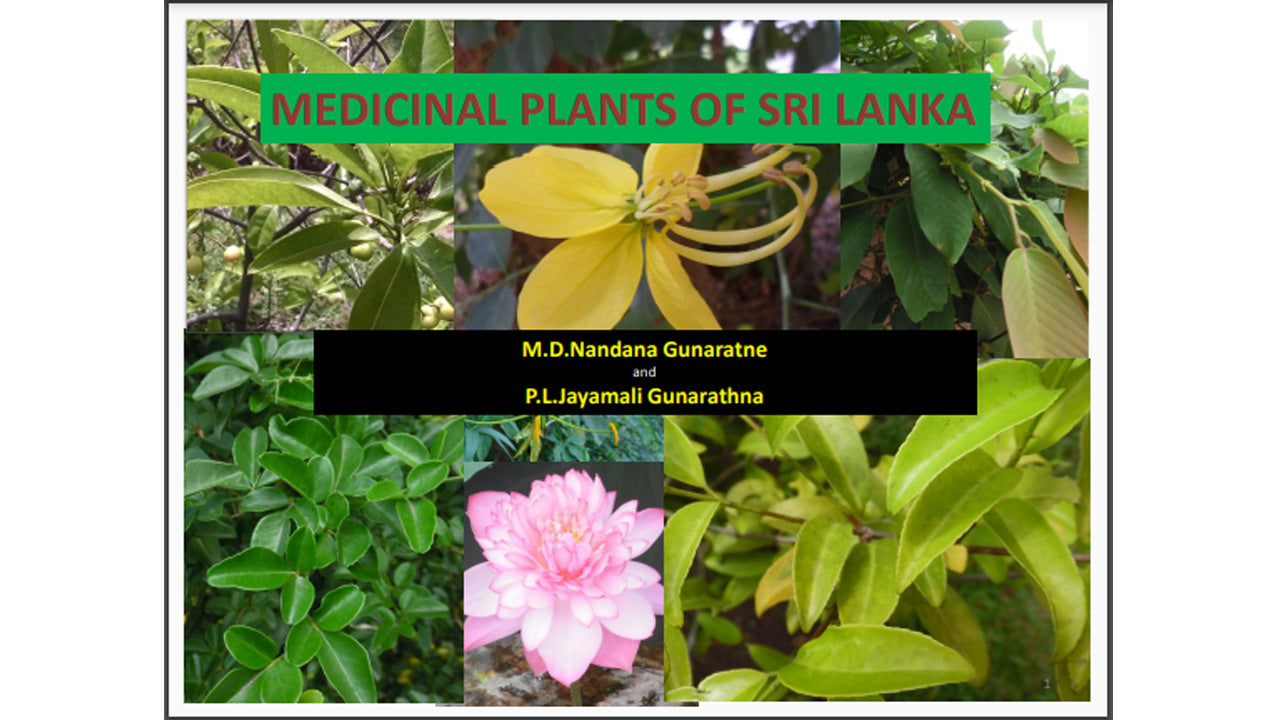
Ipomoea mauritiana, known in Sri Lanka as Kiri Badu (කිරි බඩු), is a perennial climbing plant with a long history in Ayurvedic and traditional healing practices across the island. Prized primarily for its large, starchy tuberous roots, the plant occupies a quiet but important place in Sri Lanka's botanical heritage — one that sits alongside other well-documented medicinal species such as Acacia chundra and Pongamia pinnata.

What is Ipomoea mauritiana and where does it grow?

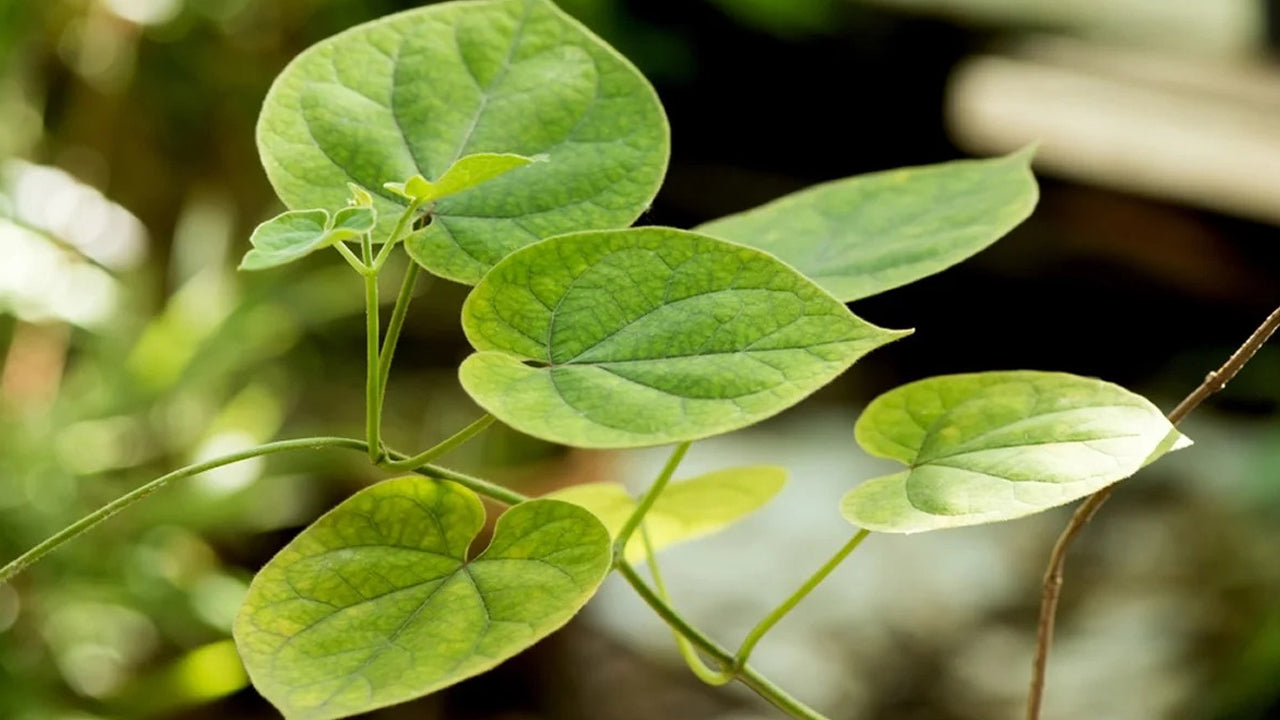
Ipomoea mauritiana belongs to the Convolvulaceae family — the same broad family as the common morning glory. It is a vigorous, fast-growing creeper that can reach considerable lengths when conditions suit it. The plant favours tropical and subtropical climates, and in Sri Lanka it is typically found along forest edges, open scrubland, roadsides, and home gardens throughout the low and mid-country zones.

The leaves are deeply lobed, often palmately divided into five to seven segments, and the flowers are pale pink to purple, resembling those of other members of the Ipomoea genus. The most economically and medicinally significant part of the plant is its root system — large, tuberous, and starch-rich, sometimes compared loosely in appearance to cassava.

What are the traditional medicinal uses of Kiri Badu?

In Ayurvedic medicine as practised in Sri Lanka and India, Ipomoea mauritiana is classified among the Vidari group of plants — herbs traditionally associated with nourishment, strength, and vitality. The root tuber is the part most commonly used, and practitioners prepare it in several forms depending on the intended application.

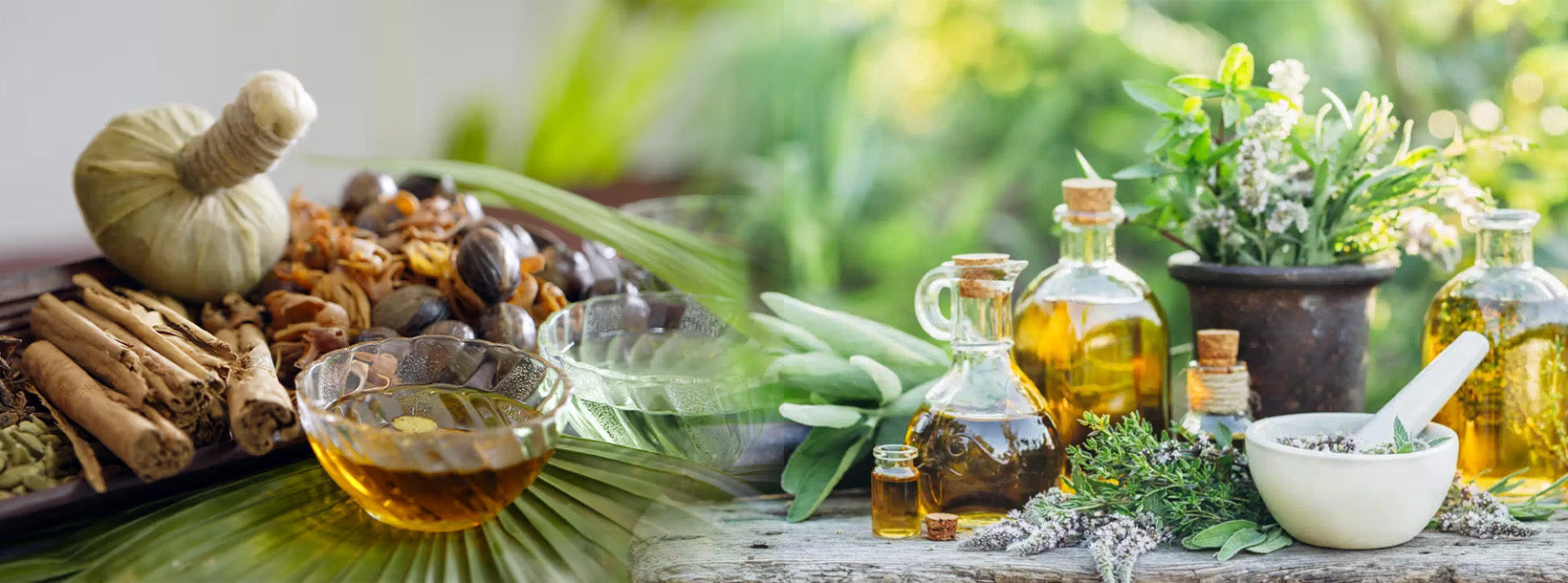
  • Powder (churna): Dried and ground root powder is blended into compound formulations, often mixed with honey, ghee, or warm milk.
  • Decoction (kashaya): Boiled preparations are used for internal consumption, typically aimed at supporting stamina and recovery.
  • Paste (lepa): Ground fresh root may be applied externally in some traditional preparations.

Traditional uses documented in Ayurvedic texts include support for physical endurance, reproductive health, and recovery from general fatigue. The plant is also considered a rasayana herb — one associated with rejuvenation and long-term wellbeing rather than acute treatment. As with all traditional herbal preparations, these uses reflect centuries of empirical practice and should be understood within that cultural and historical context.

What bioactive compounds does Ipomoea mauritiana contain?

Preliminary phytochemical studies have identified several classes of bioactive compounds in the tuberous roots of Ipomoea mauritiana, including resin glycosides, alkaloids, flavonoids, and various carbohydrate fractions. The starch content of the tubers is high, contributing to their traditional use as a nourishing, energy-providing food supplement in certain preparations.

Researchers have noted antioxidant and adaptogenic properties in laboratory settings, though clinical evidence in humans remains limited. The plant is listed in the Ayurvedic Pharmacopoeia used in South Asia, which provides standardised guidelines for its preparation and dosage within formal Ayurvedic practice.

How is Kiri Badu harvested and cultivated?

Ipomoea mauritiana is propagated either from seeds or from root cuttings. The plant establishes relatively quickly in well-drained, sandy or loamy tropical soils and requires adequate sunlight to produce substantial root growth. It is drought-tolerant once established, making it well suited to Sri Lanka's drier intermediate zones as well as wetter regions.

Tubers are typically harvested during the dry season, when the plant has directed energy reserves into the roots. At this point the tubers are fully developed and the concentration of active compounds is considered to be at its highest. After harvest, roots are cleaned, sliced, and either used fresh or sun-dried for later processing.

How does Kiri Badu fit into Sri Lanka's broader herbal medicine tradition?

Sri Lanka has a remarkably rich tradition of indigenous medicine — Deshiya Chikitsa — that draws on centuries of documented knowledge, much of it preserved in palm-leaf manuscripts and in the living practice of registered Ayurvedic physicians. Kiri Badu is one of dozens of native and naturalised plants that feature regularly in compound preparations used in this system.

It commonly appears alongside other tonic herbs in formulations such as Yogaraja Guggulu and Pushyanuga Churna, both of which are classical Ayurvedic compound preparations still used today. The continued cultivation of plants like Ipomoea mauritiana in home gardens and small herbal farms reflects the practical, everyday role that traditional medicine plays in Sri Lankan life — particularly in rural communities.

For visitors interested in exploring this dimension of Sri Lankan culture, Ayurvedic wellness centres and village herbal garden tours offer direct engagement with traditional plant knowledge. Several eco-lodges and rural experiences around the country incorporate medicinal plant walks as part of their programmes.

Is Ipomoea mauritiana safe to use?

As with any herbal medicine, informed and guided use is important. Within the formal Ayurvedic system in Sri Lanka, qualified practitioners assess individual constitution and health status before recommending formulations containing Ipomoea mauritiana. Self-administration of root preparations without guidance is not generally advised, particularly for individuals with existing health conditions or those taking pharmaceutical medications.

The plant is not considered a food crop in mainstream Sri Lankan cuisine, and its tuberous roots are not commonly eaten as a vegetable outside of specific therapeutic contexts. Anyone seeking to explore Ayurvedic treatments during a visit to Sri Lanka is best served by consulting a registered Ayurvedic physician at a recognised institution.

Ask Lakpura® Agent