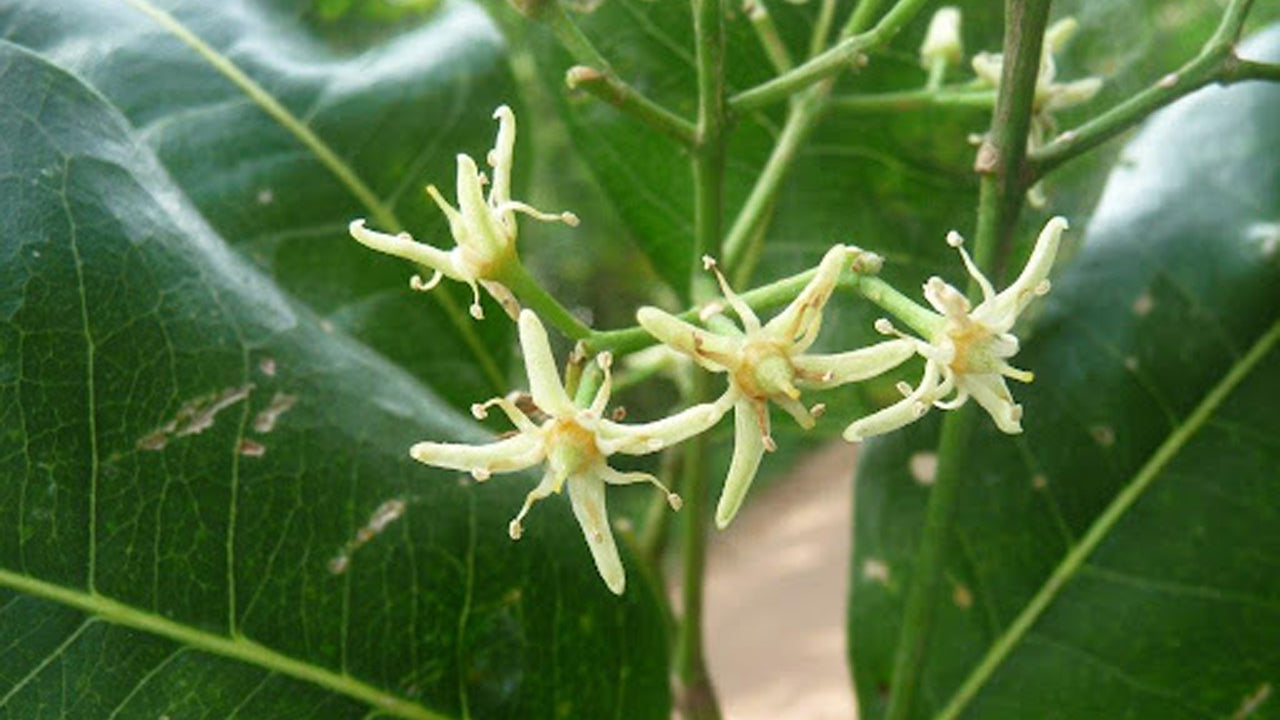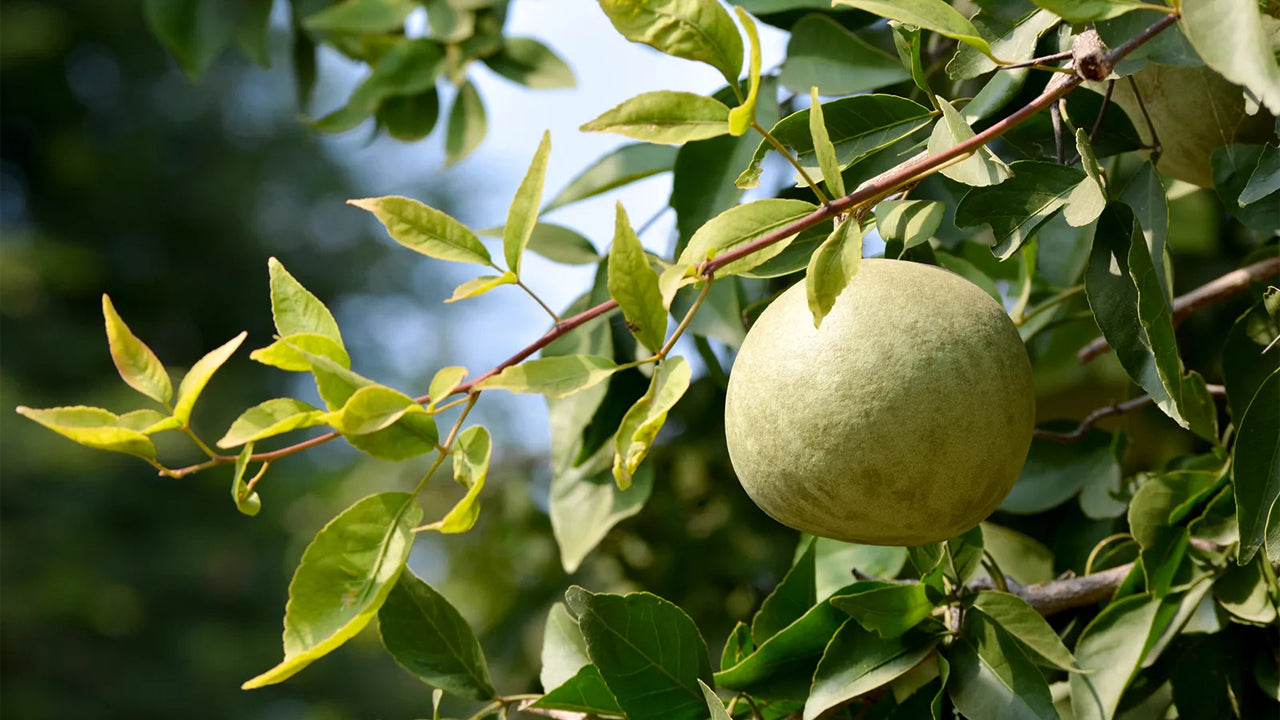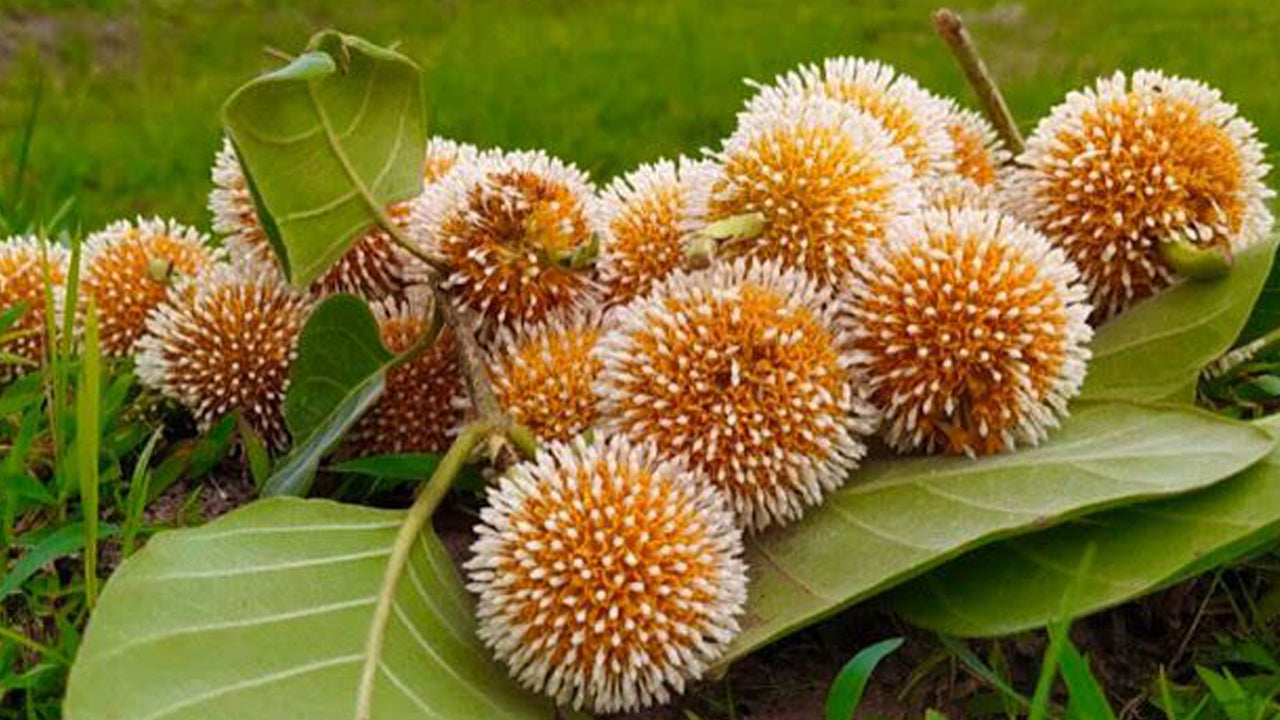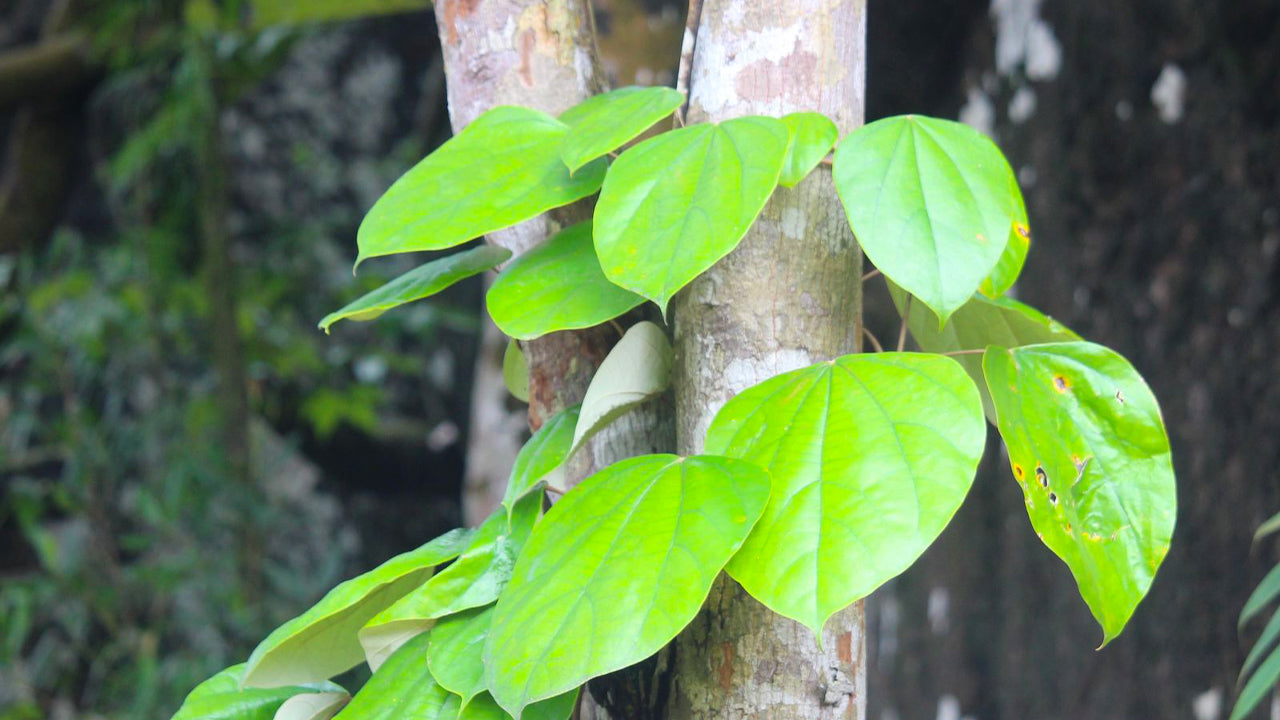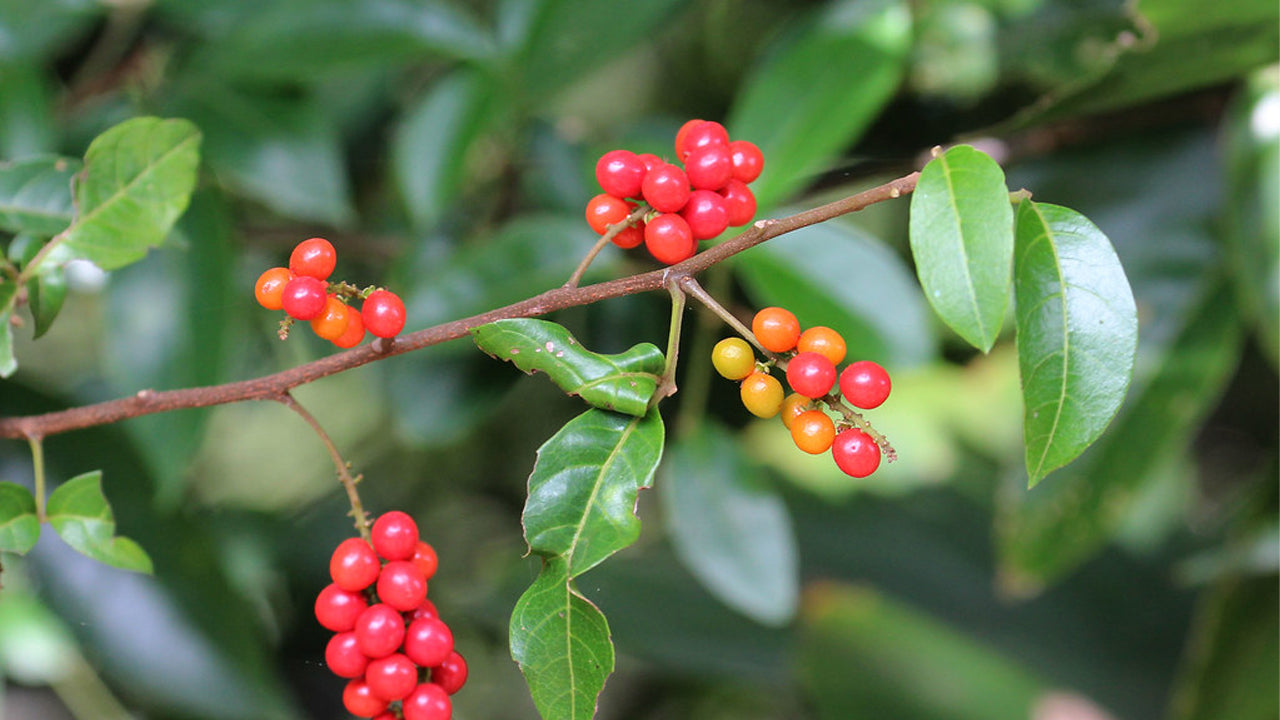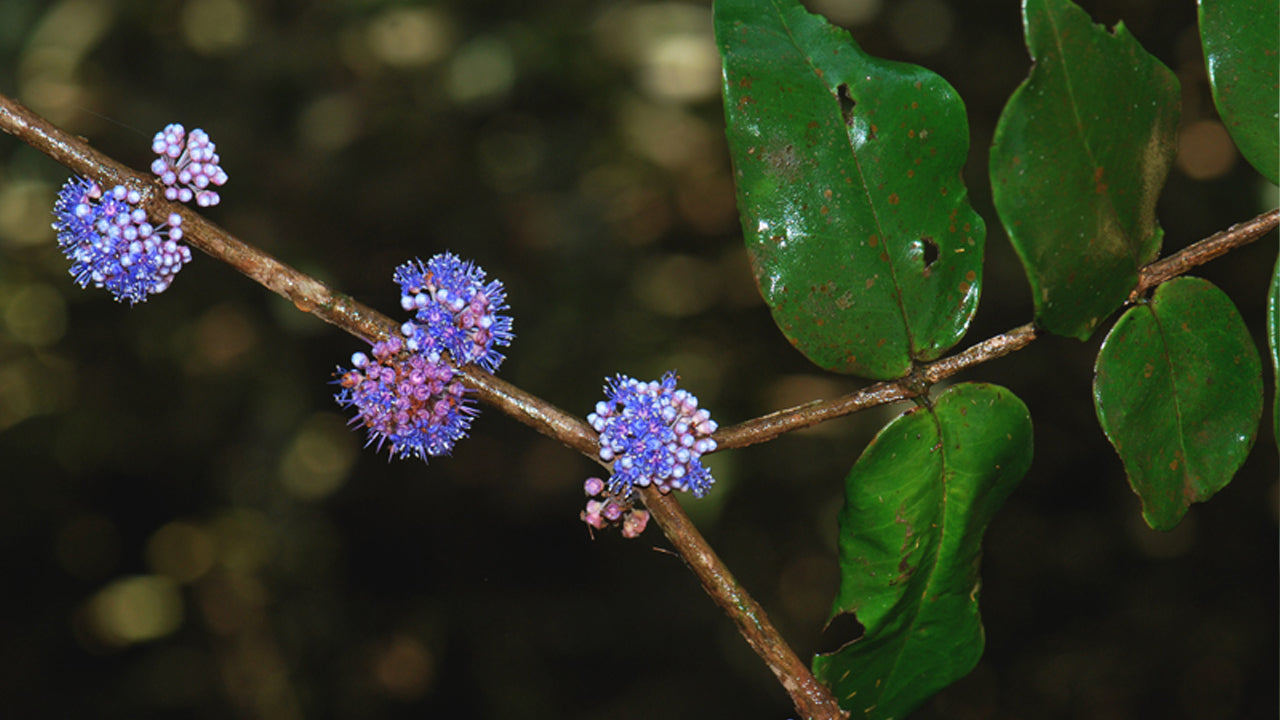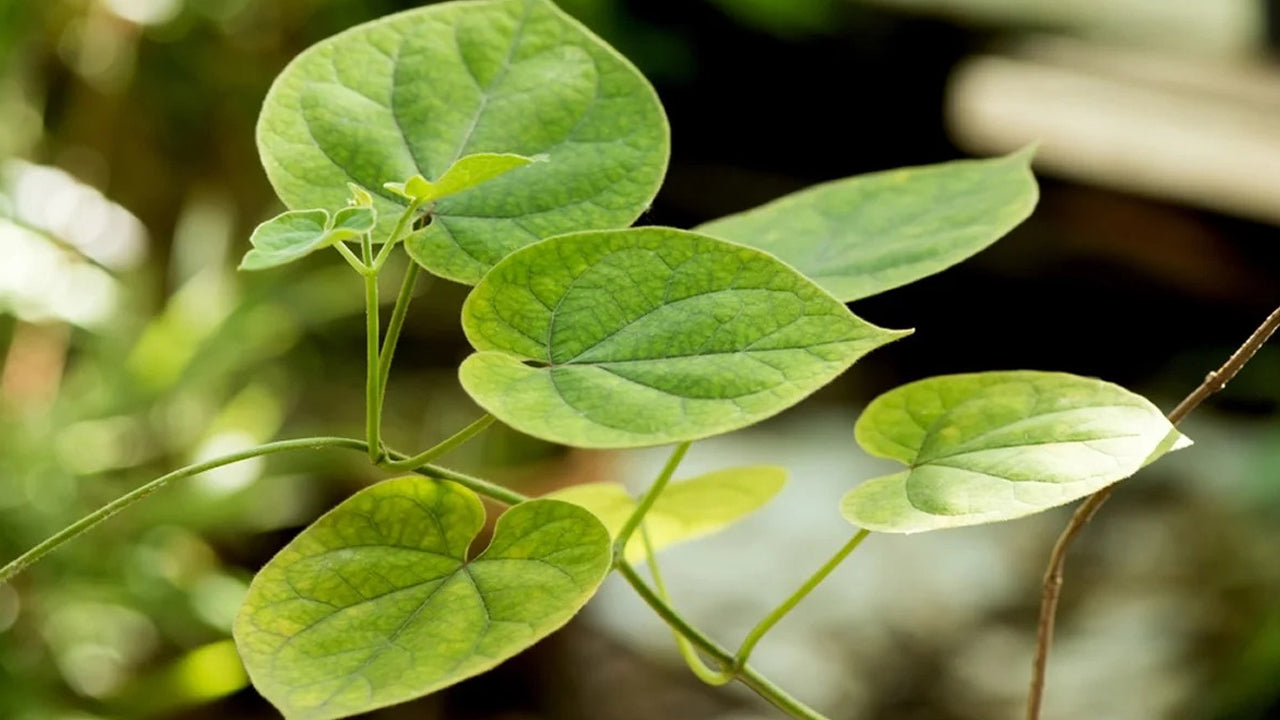
Glycyrrhiza glabra, known in Sri Lankan Ayurvedic tradition as Valmi, is a herbaceous perennial belonging to the family Fabaceae. Its root — licorice root — has been valued across cultures for thousands of years, used as both a culinary flavouring and a medicinal ingredient in systems ranging from Traditional Chinese Medicine to South Asian Ayurveda. Despite its unassuming appearance as a shrubby plant with small violet-blue flowers, the root holds a remarkable concentration of bioactive compounds that continue to attract scientific interest today.
What are the active compounds in Glycyrrhiza glabra?
The medicinal power of licorice root lies in its phytochemical profile. The most extensively studied compounds include:
- Glycyrrhizin — a triterpenoid saponin that gives licorice its characteristic sweetness (roughly 50 times sweeter than sucrose) and contributes potent anti-inflammatory and antiviral properties.
- Glycyrrhetinic acid — the aglycone metabolite of glycyrrhizin, known to inhibit the enzyme 11β-hydroxysteroid dehydrogenase, thereby influencing cortisol metabolism.
- Flavonoids and isoflavonoids — including liquiritin, isoliquiritin, and formononetin, which exhibit antioxidant and estrogenic activity.
- Chalcones — a subclass of flavonoids associated with antimicrobial and anti-inflammatory effects.
Because glycyrrhizin and glycyrrhetinic acid share structural similarities with steroidal hormones, they can modulate cortisol metabolism — a property that underpins several of licorice root's traditional applications, while also requiring careful dosing in therapeutic use.
How is Valmi used in Ayurvedic medicine?
In the Ayurvedic pharmacopoeia, Glycyrrhiza glabra is classified as a Rasayana — a rejuvenating substance — and as a Madhura (sweet) herb with cooling and soothing qualities. Sri Lankan practitioners, like their counterparts across South Asia, have historically employed the root in compound formulations to address a wide range of conditions.
Traditional Ayurvedic applications include:
- Respiratory conditions: cough, bronchitis, asthma, laryngitis, and symptoms associated with chronic obstructive pulmonary disease (COPD)
- Upper respiratory infections: colds, pharyngitis, and congestion
- Oral and throat health: stomatitis and laryngitis
- Digestive disorders: chronic dysentery and liver congestion
- Eye conditions: conjunctivitis and general eye inflammation
- Women's health: menstrual irregularities and conditions associated with fertility
- Serious systemic conditions: pulmonary tuberculosis and appendicitis (historically, always as a supportive adjunct, not a standalone treatment)
Many of these applications align with the anti-inflammatory, expectorant, and demulcent (soothing) properties attributed to glycyrrhizin. Valmi is often combined with other Ayurvedic herbs — sometimes appearing alongside formulations such as Yogaraja Guggulu — to create synergistic remedies suited to individual constitutions (prakriti).
What does modern research say about licorice root?
Contemporary pharmacological research has largely corroborated the traditional uses of Glycyrrhiza glabra. Studies published in peer-reviewed journals have demonstrated:
- Anti-inflammatory activity: Glycyrrhetinic acid inhibits prostaglandin synthesis and arachidonic acid metabolism, pathways central to inflammation.
- Antiviral properties: Glycyrrhizin has shown in-vitro activity against several viruses, generating interest in its potential as an adjunct antiviral agent.
- Expectorant effect: The root's saponins help thin and loosen mucus in the respiratory tract, lending credibility to its long history as a cough remedy.
- Hepatoprotective potential: Some studies suggest glycyrrhizin may protect liver cells from oxidative damage and has been investigated in the management of chronic hepatitis in clinical settings in Japan and China.
- Antimicrobial activity: Flavonoid fractions have demonstrated activity against certain bacterial strains, including Staphylococcus aureus.
It is important to note that high-dose or prolonged consumption of licorice root can cause pseudohyperaldosteronism — characterised by elevated blood pressure, sodium retention, and potassium loss — due to the cortisol-sparing action of glycyrrhetinic acid. Therapeutic use should always be guided by a qualified Ayurvedic or medical practitioner.
Where does Glycyrrhiza glabra grow and how is it cultivated?
Glycyrrhiza glabra is native to the Mediterranean region, Central Asia, and parts of the Middle East and Northern India. The plant thrives in deep, well-drained sandy or loamy soils with full sun exposure and moderate water availability. It is typically propagated from root cuttings or suckers rather than from seed, and the medicinal roots are harvested after three to four years of growth when the concentration of active compounds peaks.
In Sri Lanka, the plant is not widely cultivated commercially; the root is more commonly imported or obtained through Ayurvedic pharmacies and herbal suppliers. It is frequently incorporated into preparations alongside other endemic medicinal plants such as Pongamia pinnata, reflecting the island's rich tradition of compound herbal formulation.
What forms of Valmi are available for medicinal use?
Licorice root is prepared and administered in several forms within Ayurvedic practice:
| Form | Preparation method | Common application |
|---|---|---|
| Churna (powder) | Dried root ground into a fine powder | Mixed with honey or warm water for coughs and sore throats |
| Kwatha (decoction) | Root boiled in water and reduced | Respiratory and digestive conditions |
| Arishta / Asava (fermented) | Fermented with other herbs | Systemic tonification and liver support |
| Ghrita (medicated ghee) | Root infused into clarified butter | Eye disorders, nervous system conditions |
| Standardised extract | Commercial processing to concentrate glycyrrhizin | Supplements, topical creams |
How does Glycyrrhiza glabra fit into Sri Lanka's herbal heritage?
Sri Lanka has maintained an unbroken tradition of Ayurvedic medicine for over two millennia, sustained by royal patronage, monastic scholarship, and a continuous body of practitioners. Ancient texts such as the Sarartha Sangrahaya reference sweet-rooted herbs in formulations for respiratory and digestive ailments, and Valmi is understood to have featured in these traditions. Today, the government-regulated Ayurveda sector on the island continues to use Glycyrrhiza glabra in licensed preparations, sold through registered Ayurvedic dispensaries and practitioners.
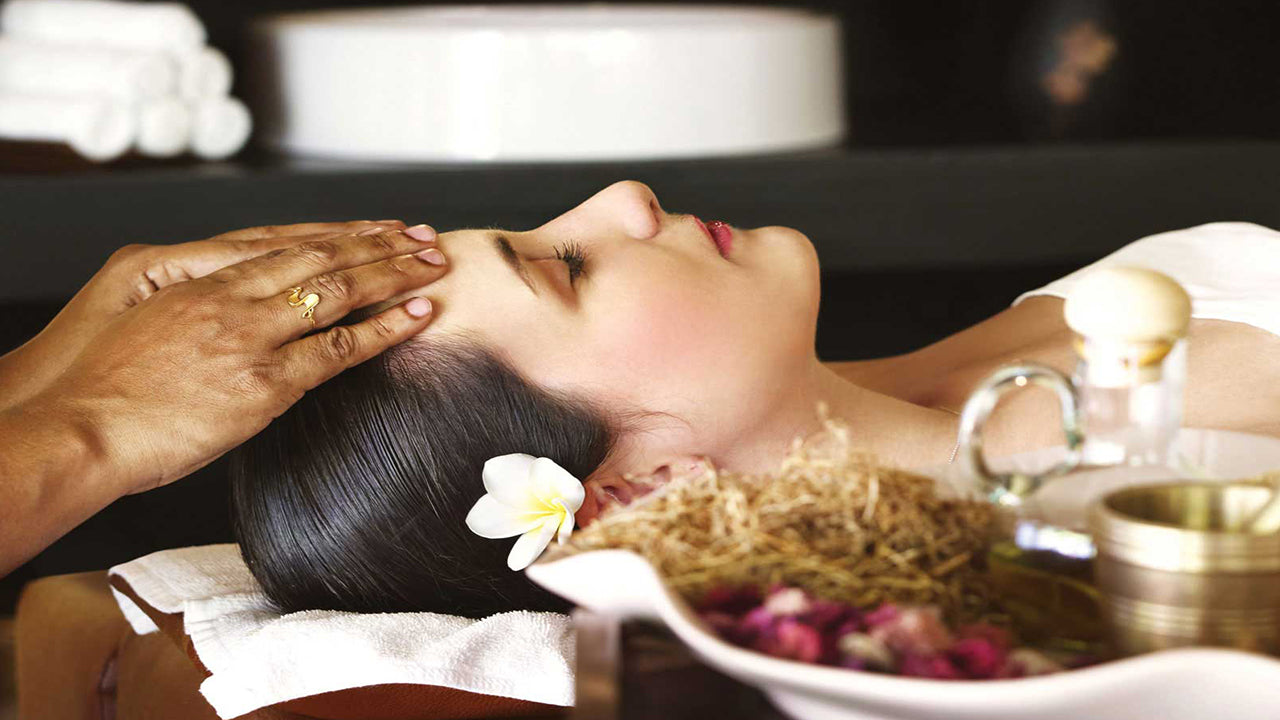
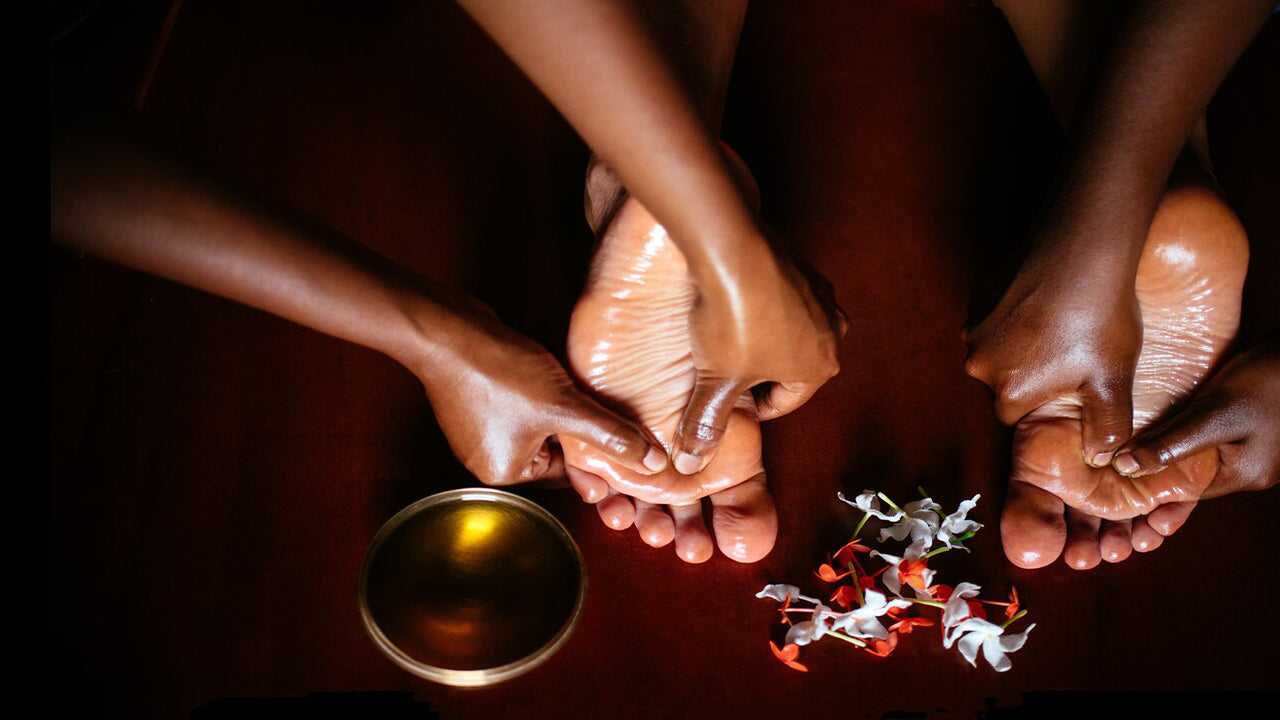
For visitors interested in Sri Lanka's living wellness traditions, Ayurvedic centres across the island offer consultations and treatments that may incorporate Valmi and related herbs. This botanical heritage sits alongside the island's wider natural abundance — from the Sinharaja Forest Reserve with its endemic flora to the spice gardens of the hill country that have supplied healers for centuries.