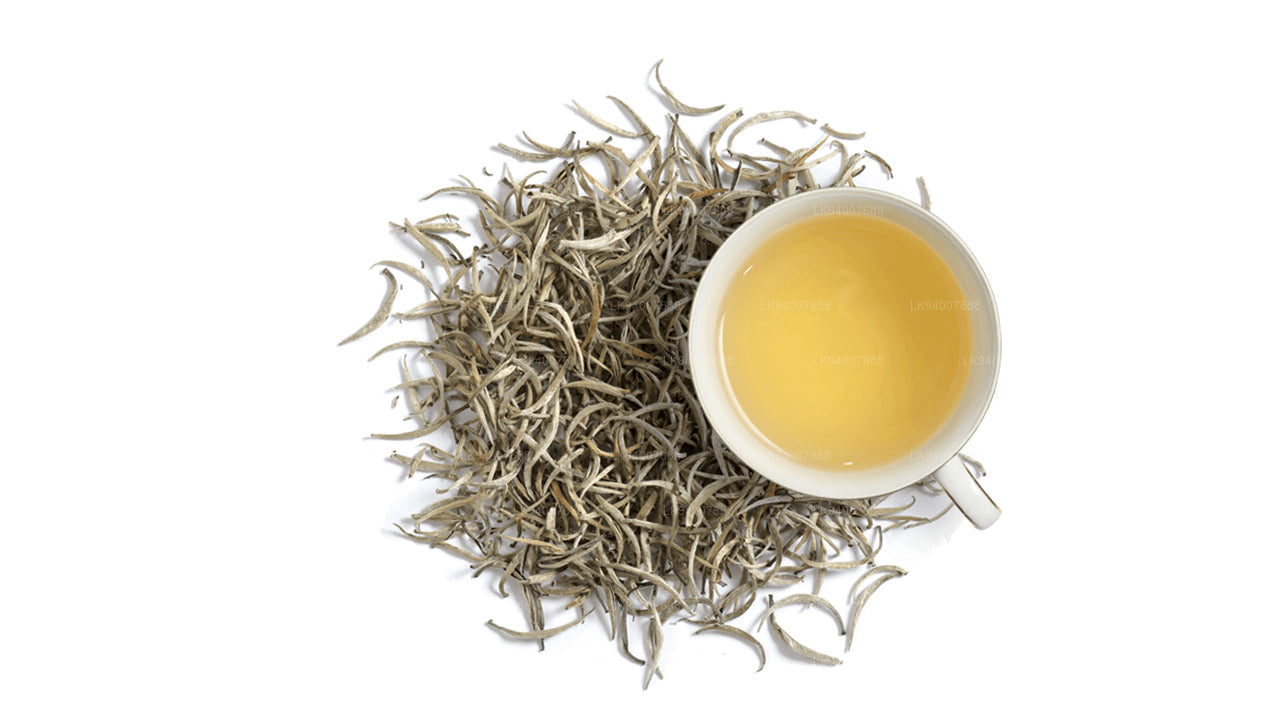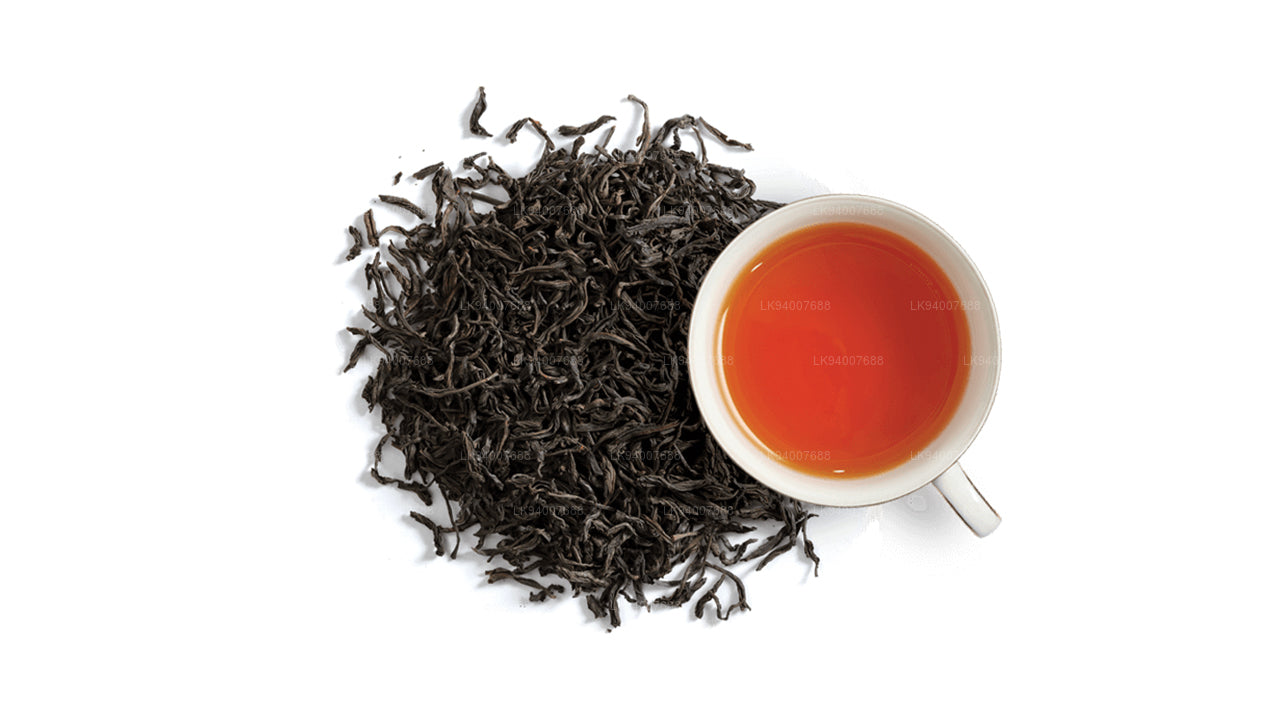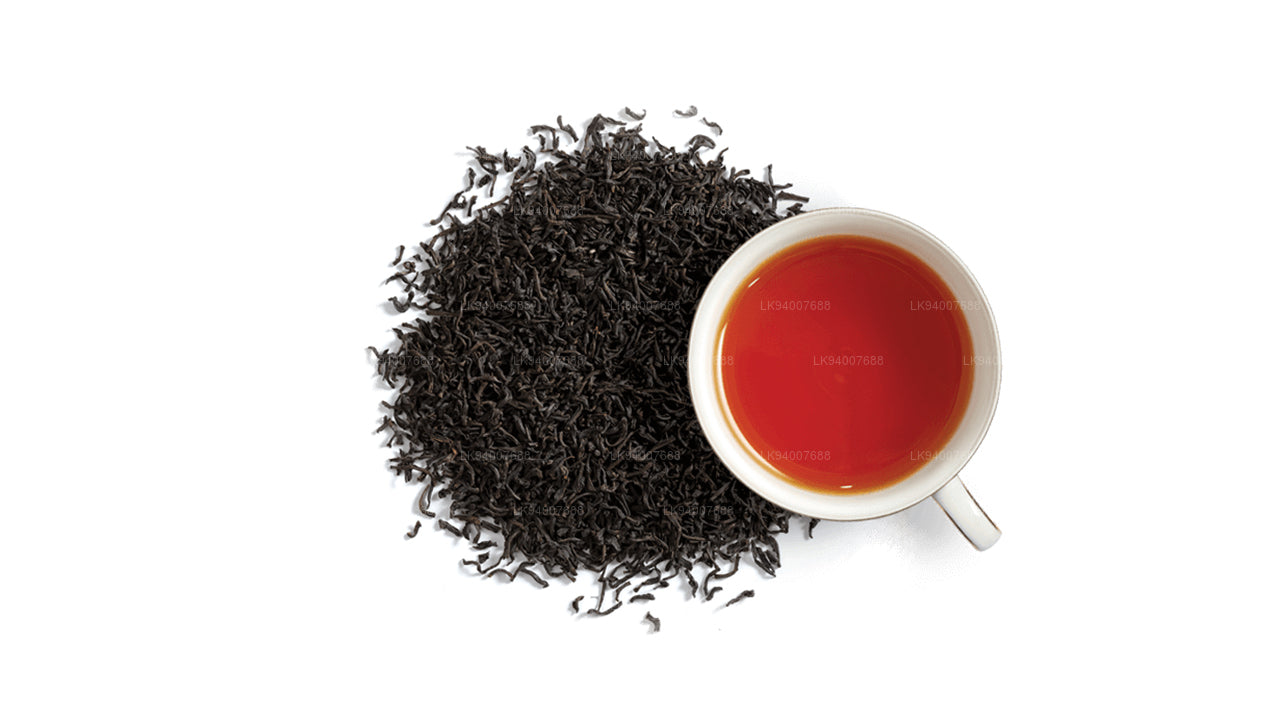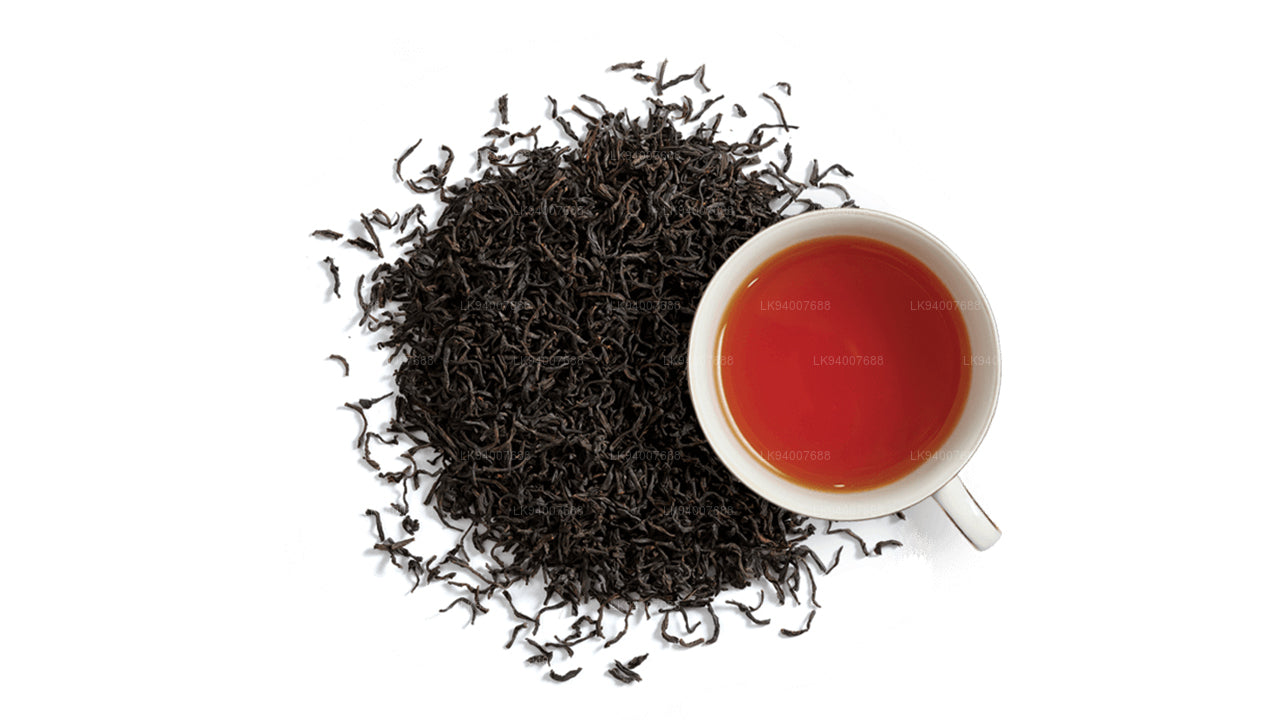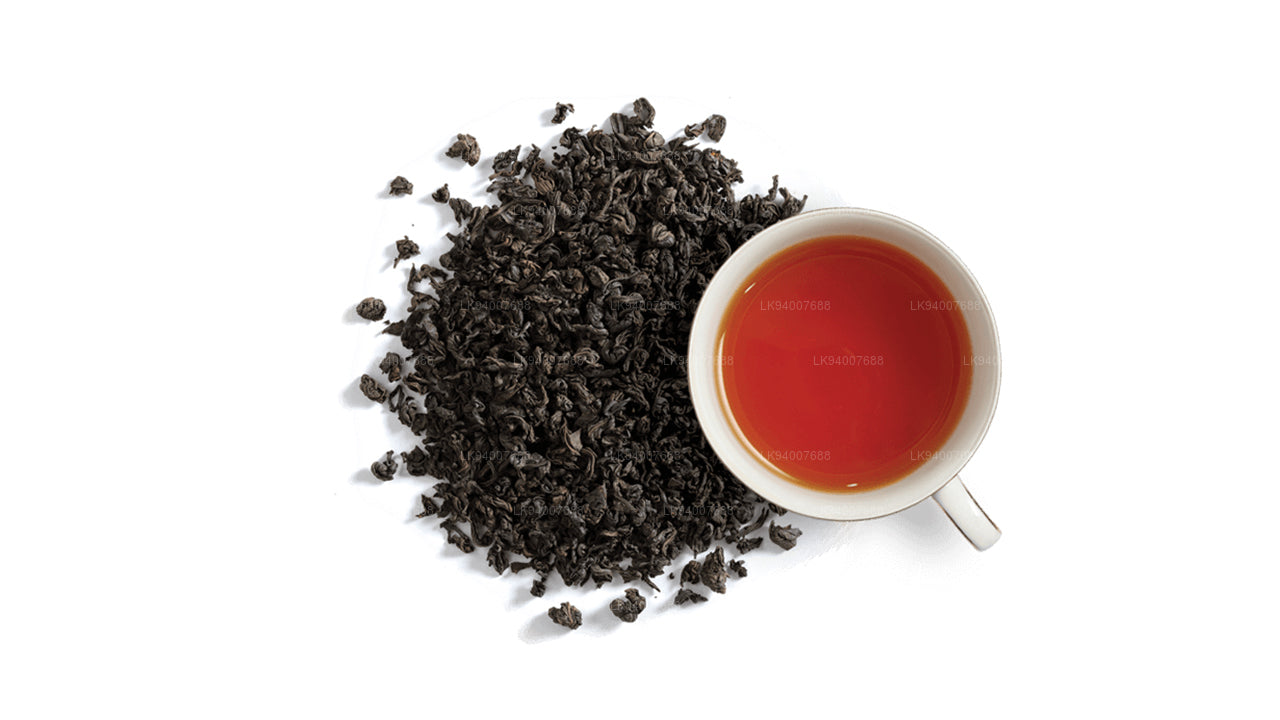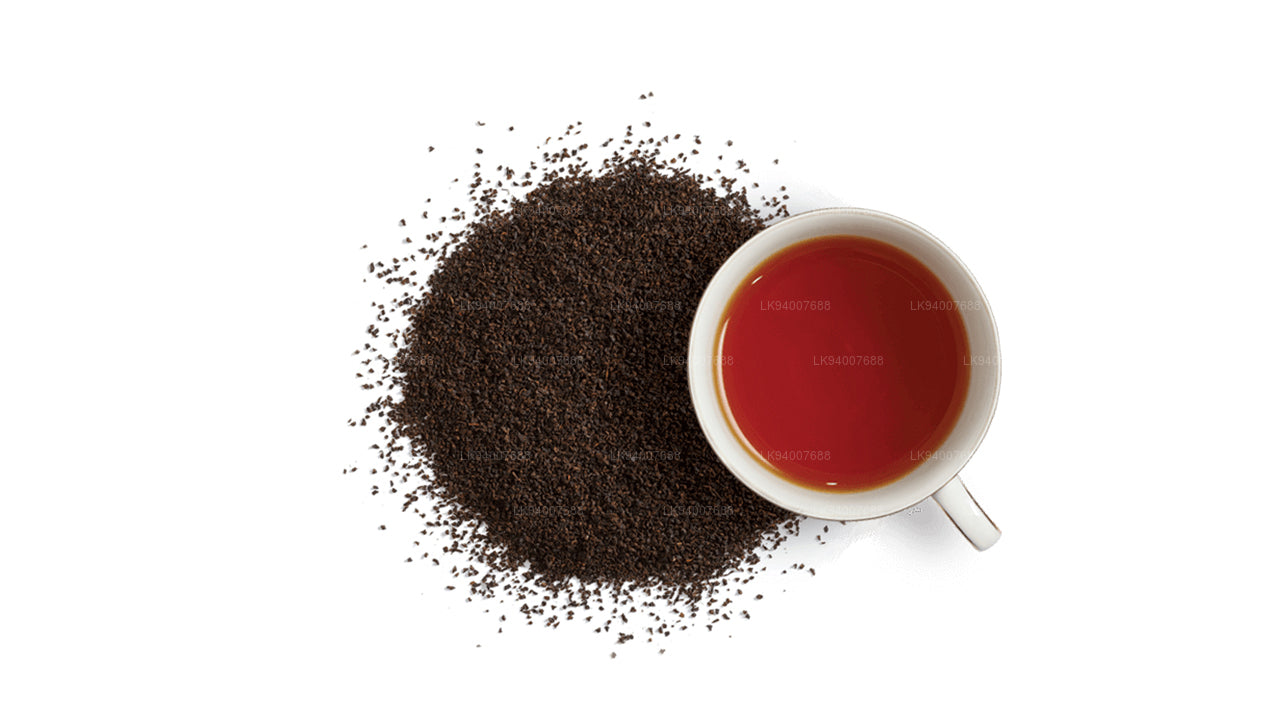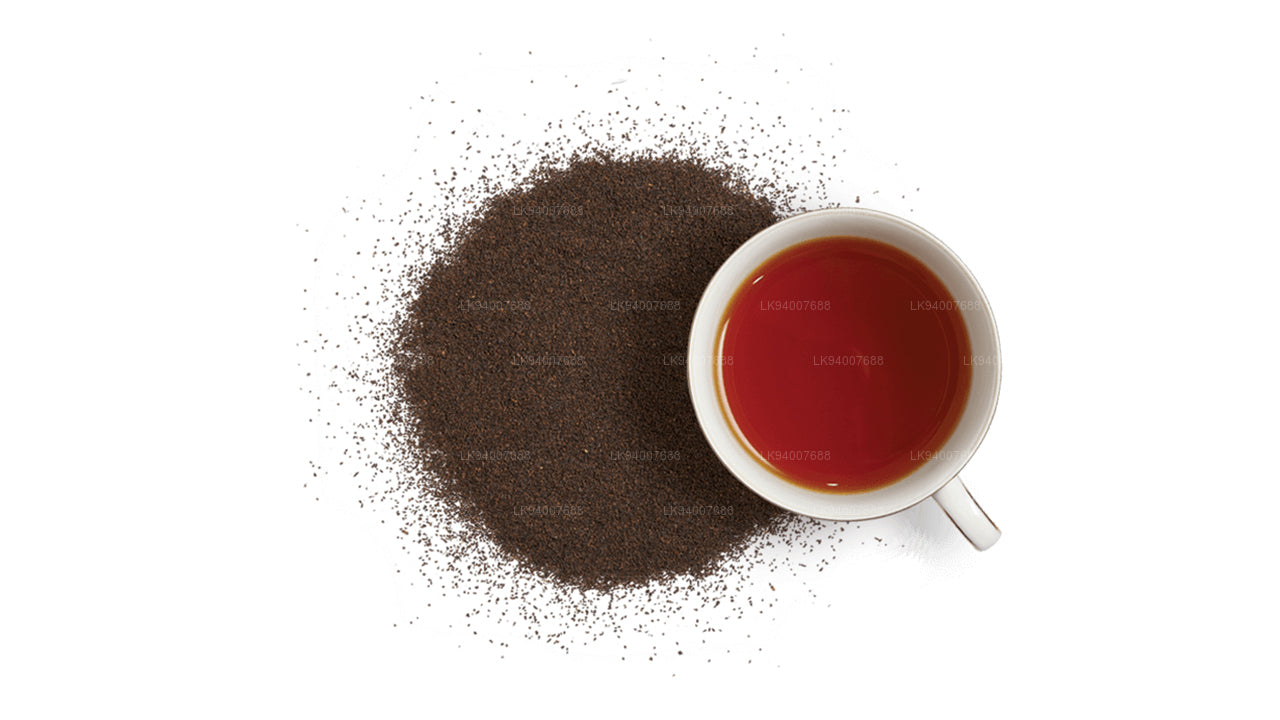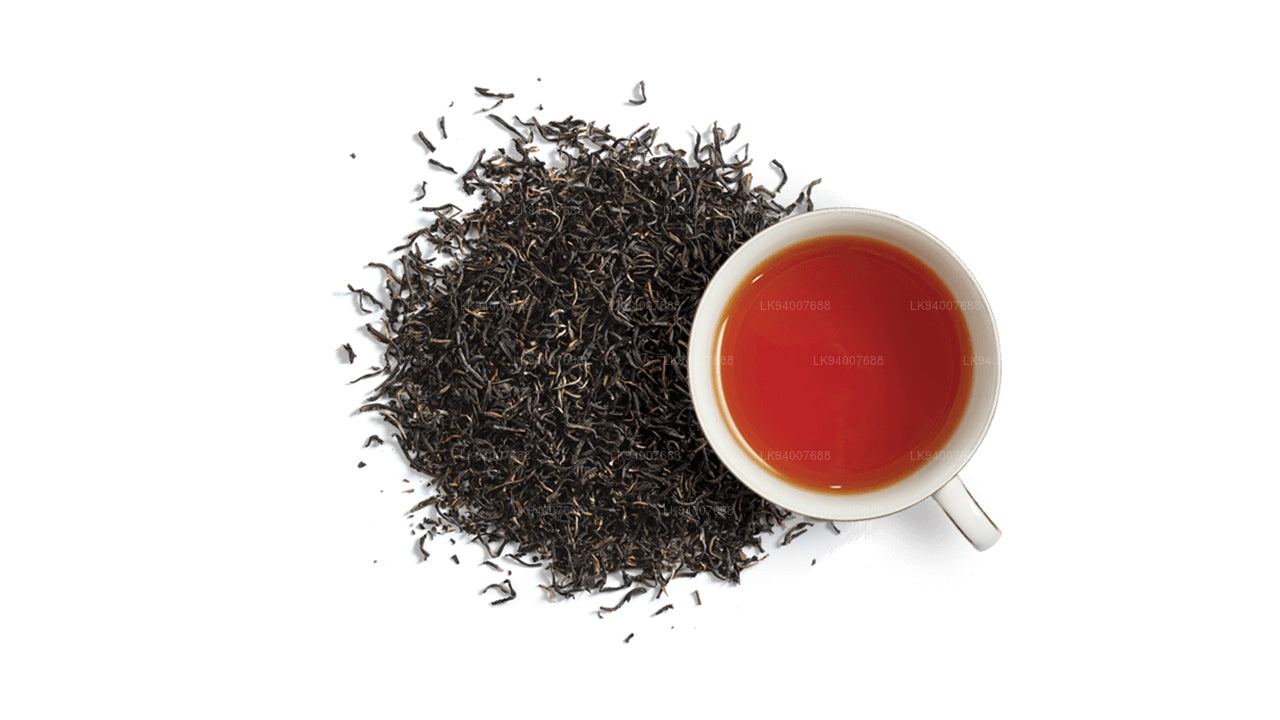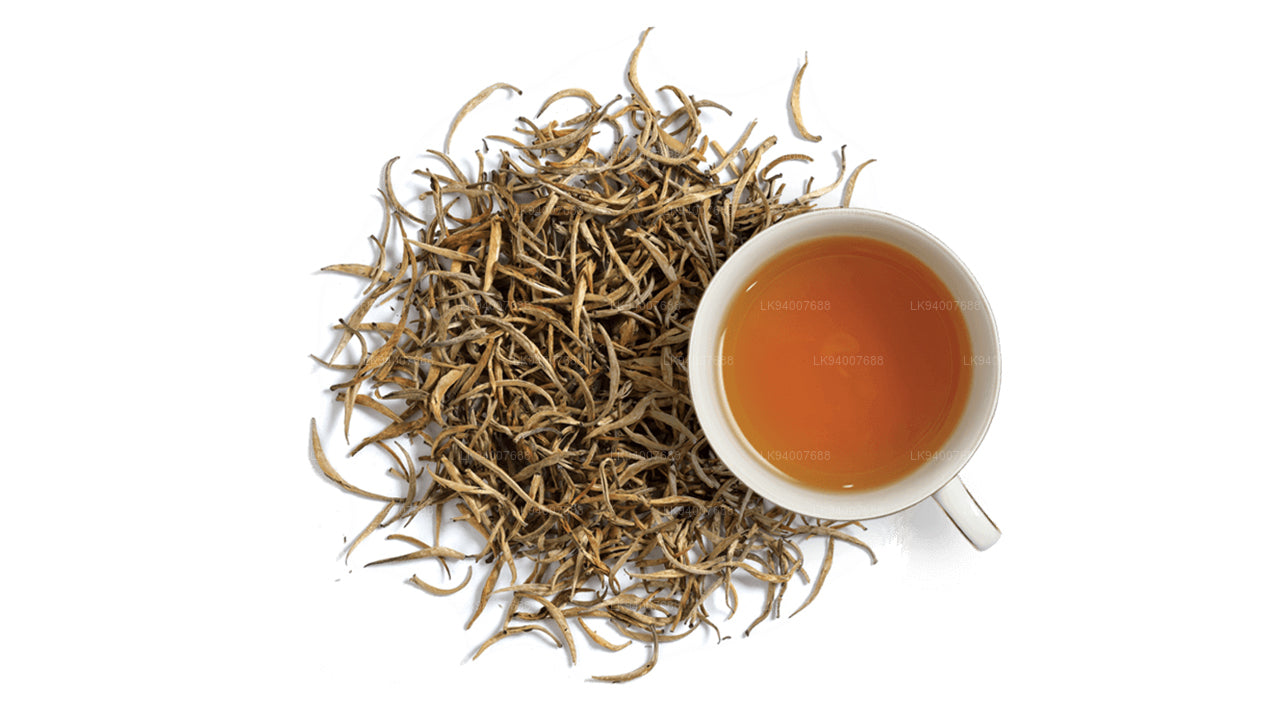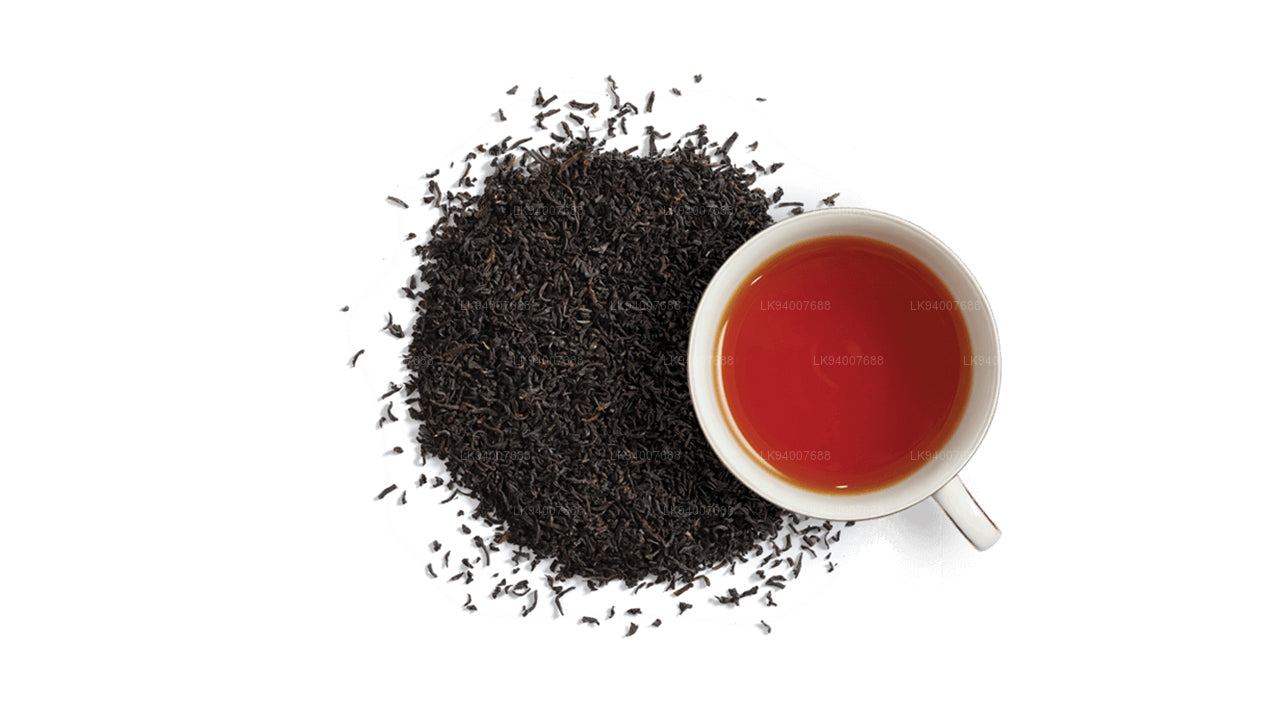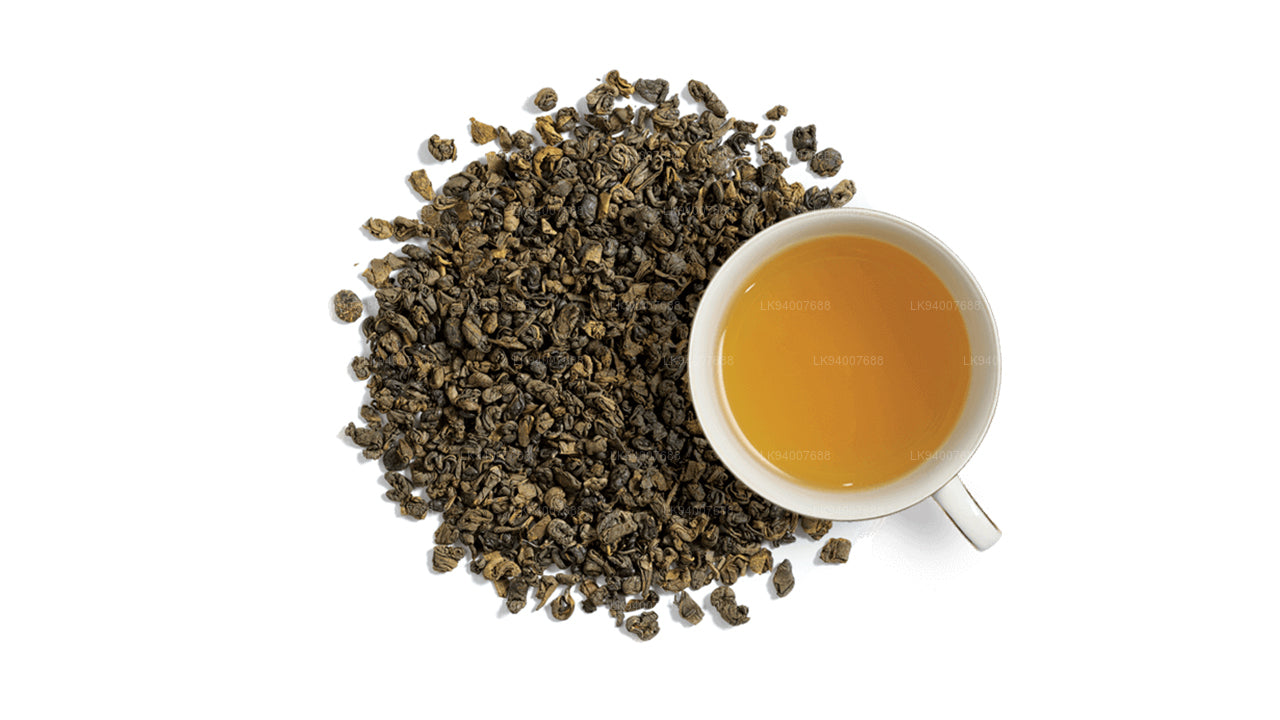
Ceylon tea is graded with remarkable precision, and Flowery Fannings 1 — often abbreviated FF1 — sits near the top of the fannings quality ladder. Understanding what the grade means helps you choose a tea that suits your cup, whether you brew loose-leaf at home or source commercially for blending or hospitality.
What Does "Flowery Fannings 1" Actually Mean?
The grade name is made up of three distinct descriptors, each carrying specific meaning within the orthodox Ceylon Tea grading system.
- Flowery — signals the presence of a notable proportion of tips, the tender leaf buds harvested from the top of the Camellia sinensis plant. Tips add brightness and a subtle sweetness to the liquor.
- Fannings — refers to the particle size. Fannings are smaller than broken-grade leaves but larger than dust. They are produced when sifted during the orthodox manufacture process, and they infuse quickly and evenly.
- 1 — the numeral denotes the highest tier within the fannings sub-category, indicating that the leaf particles meet the most stringent size uniformity and tip-content standards set at the point of grading.
Together, FF1 describes a small-particle, tip-rich tea that brews a bright, well-rounded cup — faster than whole-leaf grades but with noticeably more character than standard fannings or dust.
How Do Fannings Differ from Other Ceylon Tea Grades?
Ceylon tea grades follow a hierarchy based on leaf particle size and the share of golden tips present. The table below places FF1 in context.
| Grade | Particle size | Typical use |
|---|---|---|
| Orange Pekoe (OP) | Long, whole leaf | Premium loose-leaf brewing |
| Broken Orange Pekoe (BOP) | Broken leaf | Loose-leaf, strong-brew blends |
| Broken Orange Pekoe Fannings (BOPF) | Small broken particles | Tea bags, quick-brew loose tea |
| Flowery Fannings 1 (FF1) | Small particles, high tip content | Premium tea bags, specialty loose-leaf |
| Dust (D) | Very fine powder | Commercial tea bags, mass-market blends |
The key distinction between FF1 and standard BOPF is the elevated tip content, which produces a more nuanced liquor — typically lighter in colour, less astringent, and with a slightly longer finish.
What Does FF1 Tea Taste Like?
Because the fannings contain a meaningful proportion of young buds, the infusion tends to be delicate relative to other small-particle grades. Expect a bright amber cup, moderate body, and a clean finish with low bitterness when brewed correctly. Astringency increases quickly if the tea is steeped longer than around three minutes, so it rewards attentive brewing.
Compared to whole-leaf grades — which release flavour slowly and reward extended steeping — FF1 reaches full extraction in two to three minutes. This makes it practical for households and hospitality settings that want a quality cup without the longer brew time associated with larger leaf grades.
Where Is FF1 Tea Produced in Sri Lanka?
FF1 is produced across several of Sri Lanka's main tea-growing elevations, though high-grown estates in the central highlands — including regions around Nuwara Eliya, Dimbula, and Uva — tend to produce fannings with the most prized aromatic qualities. The altitude, temperature variation, and rainfall patterns of these zones slow leaf growth, concentrating the compounds that give Ceylon tea its characteristic brightness.
Mid-grown and low-grown estates also produce fannings grades. Low-grown teas from estates such as those in the Sabaragamuwa region generally yield a fuller-bodied, darker liquor, which suits strong-brew applications. The character of an FF1 lot therefore depends considerably on the estate and elevation of origin, not just the grade designation itself.
The Bluefield Tea Gardens in the Hatton area offer a good illustration of how elevation and microclimate shape the leaf — a visit provides tangible context for what grading categories actually look and smell like at source.
How Is FF1 Graded and Certified?
Sri Lanka's tea industry is regulated by the Sri Lanka Tea Board, which sets the grading standards that estate and factory operators follow. After the orthodox manufacture process — withering, rolling, oxidation, and firing — the dried leaf is passed through a series of sieves. The sieve aperture determines which fraction becomes dust, fannings, or broken grade. Leaf particles that fall within the fannings size range and carry a sufficient tip proportion are assigned the FF designation; those meeting the highest internal quality benchmark receive the "1" qualifier.
Estates that achieve consistently high grades at the Colombo Tea Auction — the world's largest single-origin tea auction — can command meaningful price premiums. The record price achieved by Pettiagalla Estate at that auction is one of the more vivid examples of how grade quality translates directly into market value.
How Should You Brew Flowery Fannings 1 Tea?
The small particle size means FF1 releases colour and flavour rapidly. A few practical guidelines:
- Water temperature: freshly boiled water at around 90–95 °C works well for black FF1; slightly cooler water (around 80 °C) is better suited to any green-fannings variant to avoid over-extraction.
- Steeping time: two to three minutes for black fannings. Taste at two minutes and extend only if you prefer a stronger cup.
- Quantity: a heaped teaspoon (approximately 2–2.5 g) per 200 ml of water is a reasonable starting point for loose fannings.
- Milk and sugar: FF1 holds up well with milk due to its moderate body. Adding milk before or after steeping is a matter of personal preference — neither approach affects extraction.
Is FF1 the Same as FFSP?
No — though the names are related. FFSP stands for Flowery Fannings Special, a sub-grade that typically signifies an even higher tip concentration or a more carefully sorted lot within the flowery fannings family. Some estates use FFSP to denote their top-performing seasonal pickings. FF1 and FFSP are distinct grades, and the precise standards can vary slightly between estates and factories. When buying, checking the estate source and the season of production — particularly whether it is a "high-grown mid-country" or "low-grown" lot — will tell you more about likely cup character than the grade label alone.