Lakpura
Lakpura®

Coffea arabica

Coffea arabica — the species behind roughly 60 percent of the world's coffee — has found a second home in the cool highlands of Sri Lanka. Long before specialty coffee became a global conversation, Arabica was grown on estates in Kandy and Nuwara Eliya, and today those same hills are driving a quiet but serious revival of Ceylon Arabica as a premium export and a point of national pride.

What makes Coffea arabica different from other coffee species?

Arabica belongs to the Rubiaceae family and is one of only two species that account for the vast majority of commercial coffee production worldwide — the other being Coffea canephora (Robusta). The two differ in almost every meaningful way. Arabica beans are oval and slightly elongated, typically lower in caffeine, and far more complex in flavour. A well-processed Arabica cup tends toward sweetness, with floral or fruity top notes and a mild, pleasant acidity. Robusta, by contrast, is stronger, more bitter, and considerably easier to grow.

That ease of cultivation is precisely why Arabica commands a premium. The plant is more sensitive to temperature swings, frost, drought, and fungal disease — particularly coffee leaf rust (Hemileia vastatrix), the pathogen that devastated Sri Lanka's colonial-era coffee industry in the 1870s. Producing high-quality Arabica requires attention, altitude, and patience.

Where does Coffea arabica grow in Sri Lanka?

Arabica thrives between roughly 1,000 and 2,000 metres above sea level, where temperatures stay cool and steady, rainfall is well-distributed, and the soil drains freely. In Sri Lanka, those conditions exist primarily in the central highlands — the districts of Kandy, Nuwara Eliya, Badulla, and Matale.

The Nuwara Eliya plateau, famous for producing the world's highest-grown Ceylon tea, turns out to be equally well-suited to Arabica. The same mist-covered ridges and red laterite soils that define single-estate teas also allow coffee cherries to ripen slowly, concentrating sugars and aromatic compounds. Ella, a small hill town that sits at around 1,000 metres and is surrounded by tea estates, has also become a small but notable coffee-growing pocket. Estates near Horton Plains National Park benefit from similar microclimatic conditions.

Lower-altitude areas do cultivate coffee, but they lean toward Robusta. For specialty-grade Arabica, the central highlands remain the focus.

What is the history of Arabica coffee in Sri Lanka?

Coffee arrived in Sri Lanka — then Ceylon — during the Dutch colonial period and expanded dramatically under British rule. By the mid-19th century, Ceylon was one of the world's leading coffee exporters, with Arabica estates blanketing the hill country. The collapse came swiftly: a single pathogen, coffee leaf rust, spread across the island from the 1860s onward, and by the 1880s the industry had been effectively wiped out. Planters pivoted to tea, and Ceylon's coffee heritage receded into historical footnote.

The current revival is more deliberate and more careful. A generation of Sri Lankan entrepreneurs, agri-entrepreneurs, and returning diaspora are reintroducing Arabica using disease-resistant cultivars, shade-grown techniques, and direct-trade relationships with specialty roasters abroad. The goal is quality over volume — small lots, traceable origins, and processing methods (natural, washed, honey) that allow the highland terroir to express itself in the cup.

How is Ceylon Arabica coffee grown and harvested?

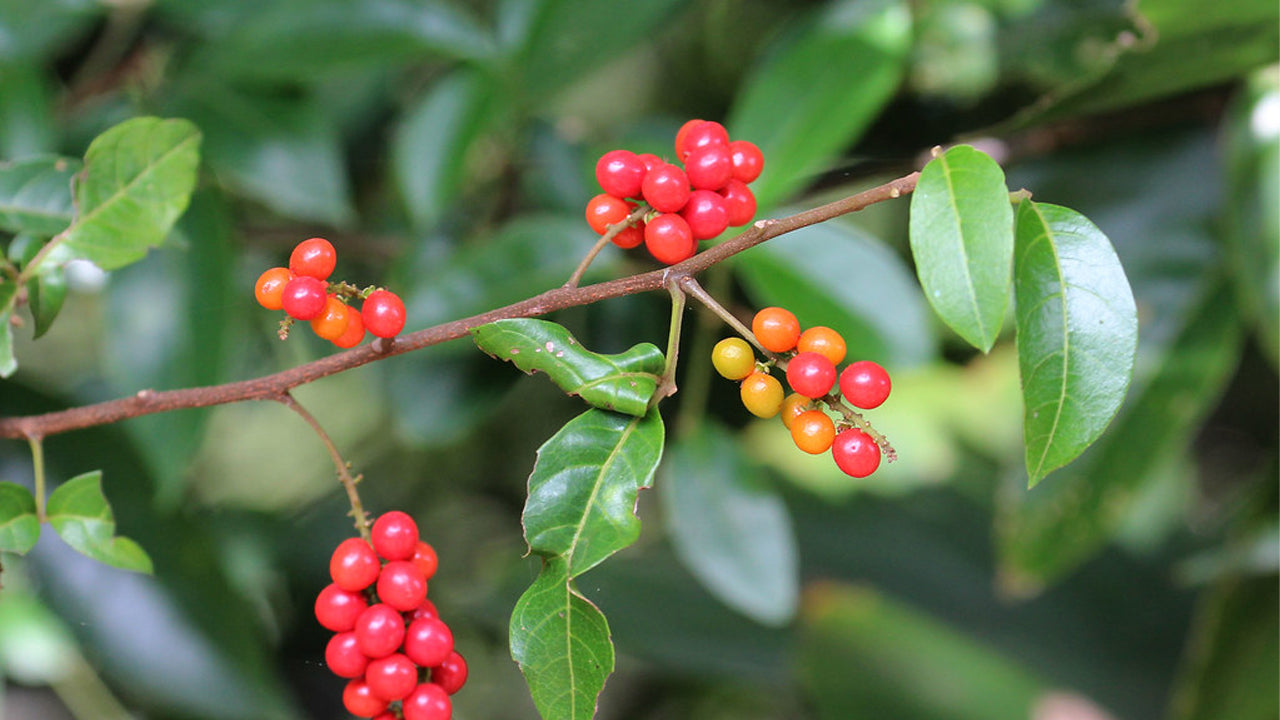
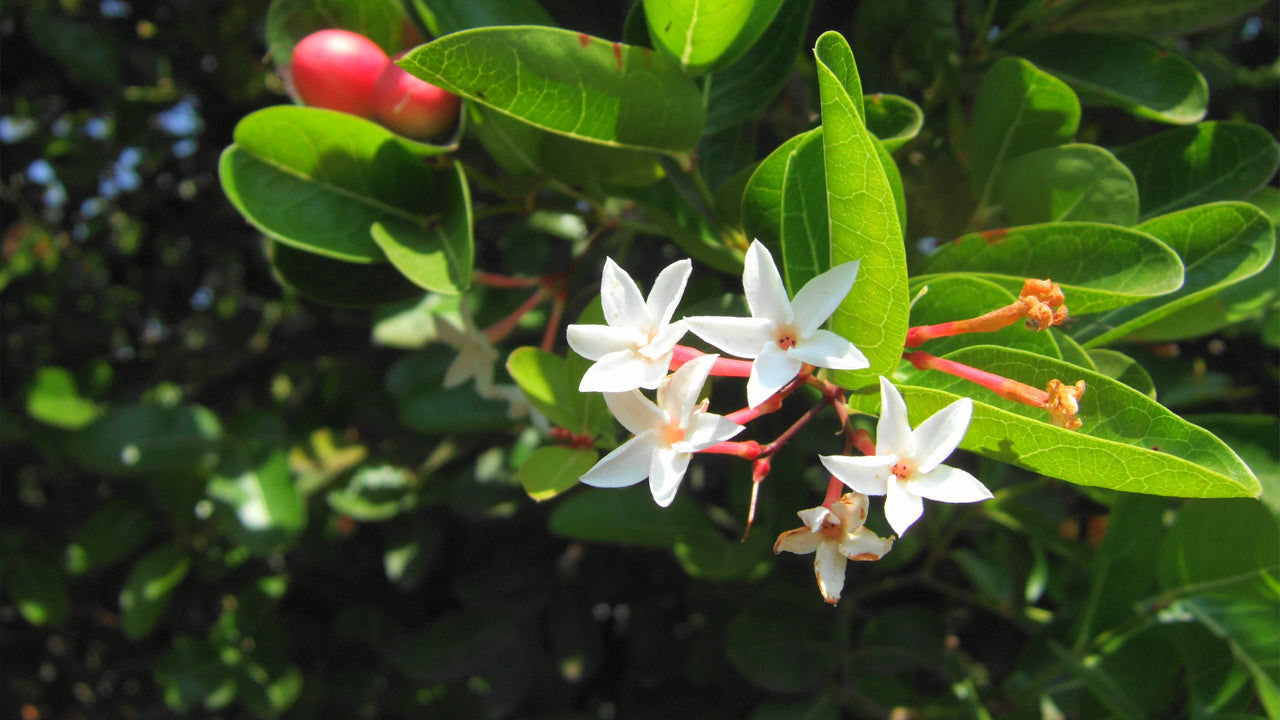
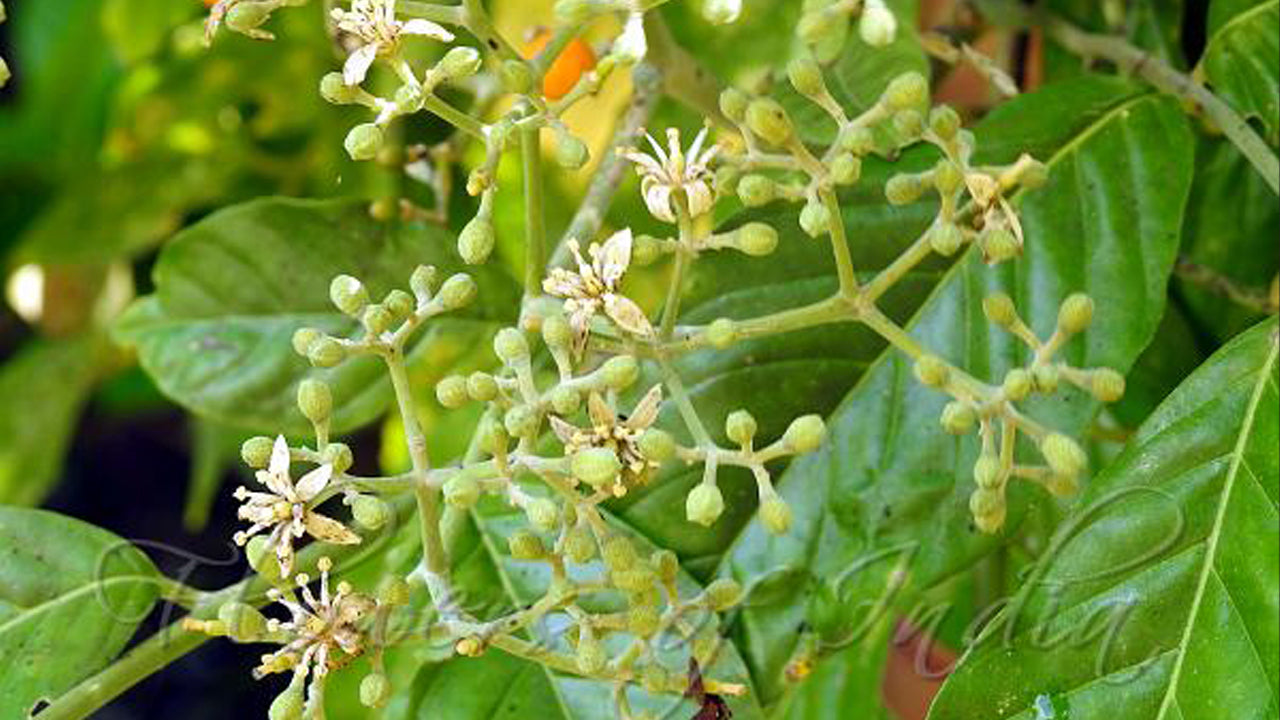
Coffea arabica is an evergreen shrub that, left unpruned, can reach four to five metres. On managed estates it is kept shorter for easier harvesting. Glossy, dark-green leaves produce clusters of small white flowers — jasmine-scented — that develop into coffee cherries over several months. Each cherry typically contains two seeds (the beans), enclosed in layers of pulp, mucilage, and parchment.

Selective hand-picking is the standard for Arabica. Pickers move through the rows multiple times during the harvest season (broadly October to February in the central highlands), taking only cherries that have turned a deep red or, in some varieties, yellow. This labour-intensive approach is one reason Ceylon Arabica costs more to produce than mechanically harvested Robusta — and one reason the finished product commands a higher price.

After picking, cherries are processed using one of three main methods:

  • Washed (wet): The pulp is removed mechanically before fermentation and drying. This produces a clean, bright cup that highlights floral and citrus notes.
  • Natural (dry): Whole cherries are dried on raised beds in the sun for several weeks. The result is a fuller-bodied, fruitier coffee — often with notes of berry or stone fruit.
  • Honey: A middle path — some mucilage is left on the bean during drying, producing a sweetness and body that sits between washed and natural.

Sri Lanka's highland climate — warm days, cool nights, low humidity at altitude — is well-suited to all three methods, though natural processing requires careful monitoring to prevent over-fermentation.

What does Ceylon Arabica coffee taste like?

Ceylon Arabica is generally described as smooth and medium-bodied, with a sweetness that sets it apart from the sharper profiles of some East African or Central American Arabicas. Common tasting notes include mild citrus, caramel, a subtle nuttiness, and — in naturally processed lots — hints of dried fruit. The acidity is present but gentle, making it approachable for drinkers who find brighter coffees too sharp.

The flavour varies by estate, altitude, and processing. Coffees from Nuwara Eliya's highest gardens tend toward floral and tea-like delicacy; those from lower Kandy estates can be richer and more chocolatey. As the specialty market matures, more estates are releasing single-origin lots that let these differences speak clearly.

Ceylon Arabica pairs naturally with the island's own food culture. It complements the sweetness of Pani Kadju (jaggery cashews) and cuts through the richness of traditional short eats.

How does Coffea arabica fit into Sri Lanka's agricultural landscape?

Sri Lanka's export agriculture is still dominated by tea, rubber, and coconut — the colonial triumvirate that replaced coffee after the leaf-rust catastrophe. Arabica's revival is modest in volume terms but significant in value. Specialty-grade Ceylon Arabica is already attracting attention from roasters in Europe, Japan, and North America who are drawn to its unique highland terroir and relatively limited supply.

The crop also dovetails with broader sustainability goals. Shade-grown Arabica — planted under a canopy of native trees — supports biodiversity, reduces erosion on steep hillsides, and can be certified organic more readily than monoculture tea. For smallholder farmers in the hill country, intercropping Arabica with spices such as Ceylon black pepper and cloves provides an additional income stream without requiring large capital investment.

Can travellers visit Arabica coffee estates in Sri Lanka?

A small but growing number of highland estates welcome visitors for tours that cover everything from nursery propagation through to processing and cupping. Kandy, as the gateway to the hill country, is the most practical base; the Kandy city tour can be extended with a half-day estate visit arranged through your DMC. Nuwara Eliya estates are typically a further two to three hours by road but reward the effort with dramatic scenery and some of the highest-grown coffee on the island.

Estate visits are generally by appointment rather than open-door. A reputable destination management company can arrange access, arrange transport, and pair the experience with broader hill-country itineraries that include tea gardens, nature reserves, and cultural sites.

Book this experience with Lakpura

Curated by our local team. Direct booking, instant confirmation.

Ask Lakpura® Agent