Pidurutalagala

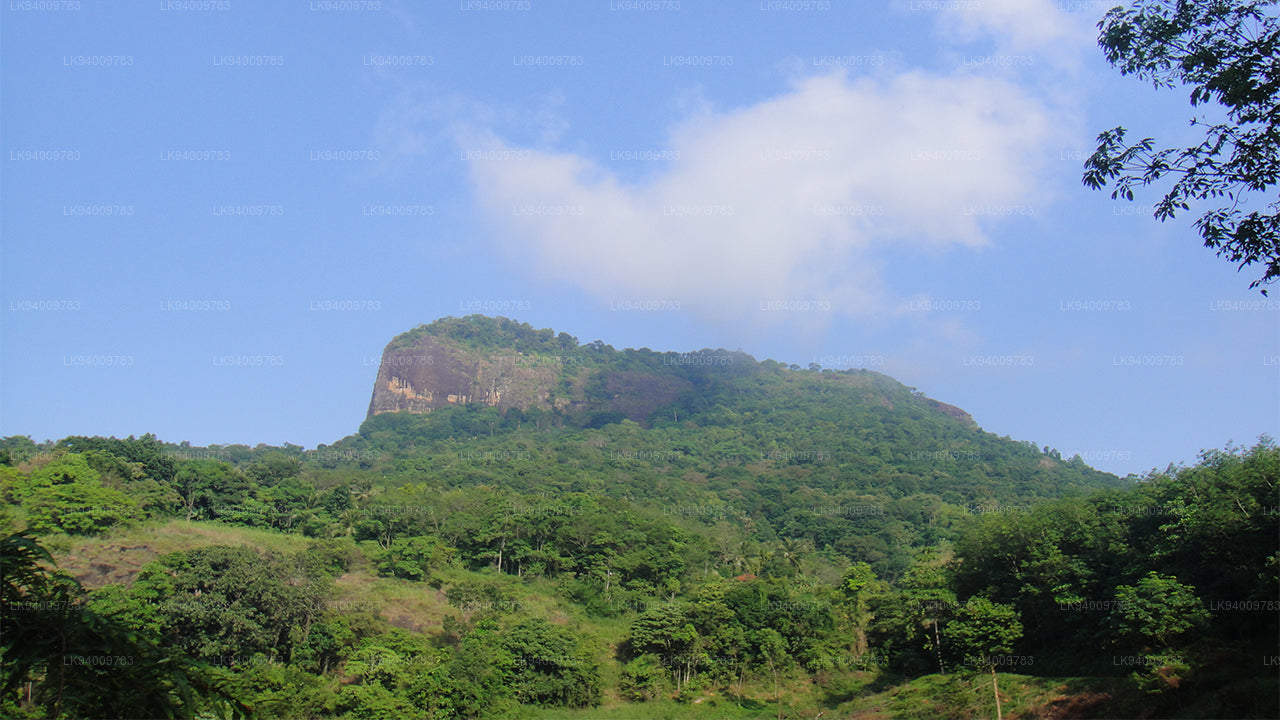
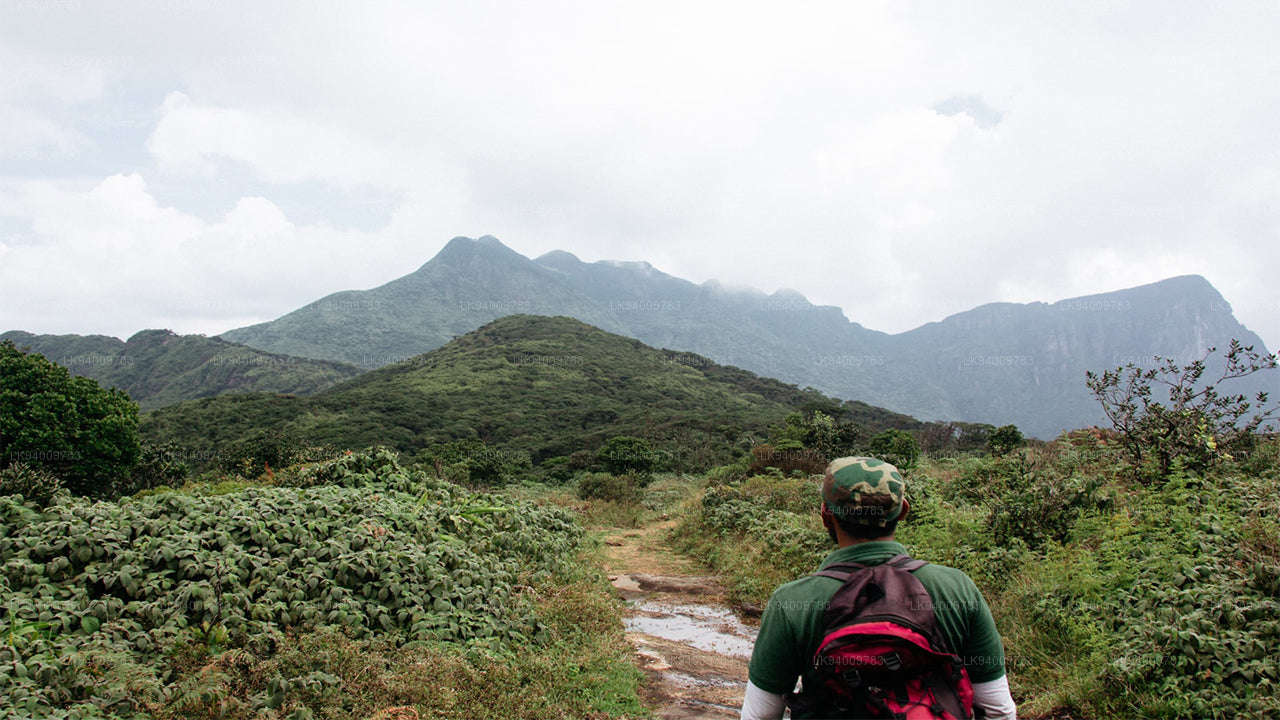
Pidurutalagala Mountain in Sri Lanka (literally translating to Straw Plateau Rock), which is also called Mount Pedro in English is the tallest mountain on the island and situated in the Central Province, north – northeast to the town of Nuwara Eliya. It is also the only ultra prominent peak on the island, and one of only 1515 ultra prominent peaks around the world. An ultra prominent peak is a mountain that has topographic prominence (height of the peak’s summit above the lowest contour line encircling it up to the highest summit) above 1500 meters. Mount Pedro has prominence and elevation of 2524m (8281 feet) (8292 feet according to the Survey Department).

The mountain of Pidurutalagala has a forest reserve surrounding it. The forest underwent damage five years ago in a forest fire, causing the loss of some 3 acres of forest. However, the damage is being repaired now with the assistance of nature and human intervention. The area of the mountain and forest reserve has been designated an ultra-high security zone due to the summit being used to house the communications array of the Sri Lankan Government and the Armed Forces of the country.

Pidurutalagala Mountain in Sri Lanka: Historical Background

The mountain was famed as a place to visit during the British regimen; and records show that, during the year of 1897, there were paths to climb the mountain by foot using a two and half hour trek or in a shorter time by horseback.

It was so popular that there were sedan chairs available for the ladies who wished to visit the mountaintop. Sedans were a form of wooden litter which was used primarily in Britain and Europe at the time. It was a chair placed on top of two long wooden poles (in the case of the chairs used on Mount Pedro, they were bamboo) and the parallel poles were borne by strong men on their shoulders. Some chairs had additional décor such as carved seats, hoods to keep out the sun, curtains to protect from the draft and etc. They were usually used by highborn ladies of the West. Hence their presence in the rural Sri Lanka of those ages shows the presence and visits of many such ladies to the mountain. The mountain gained its nickname ‘Pedro’ from the British as pronouncing the word ‘Pidurutalagala’ was a difficult feat for them.

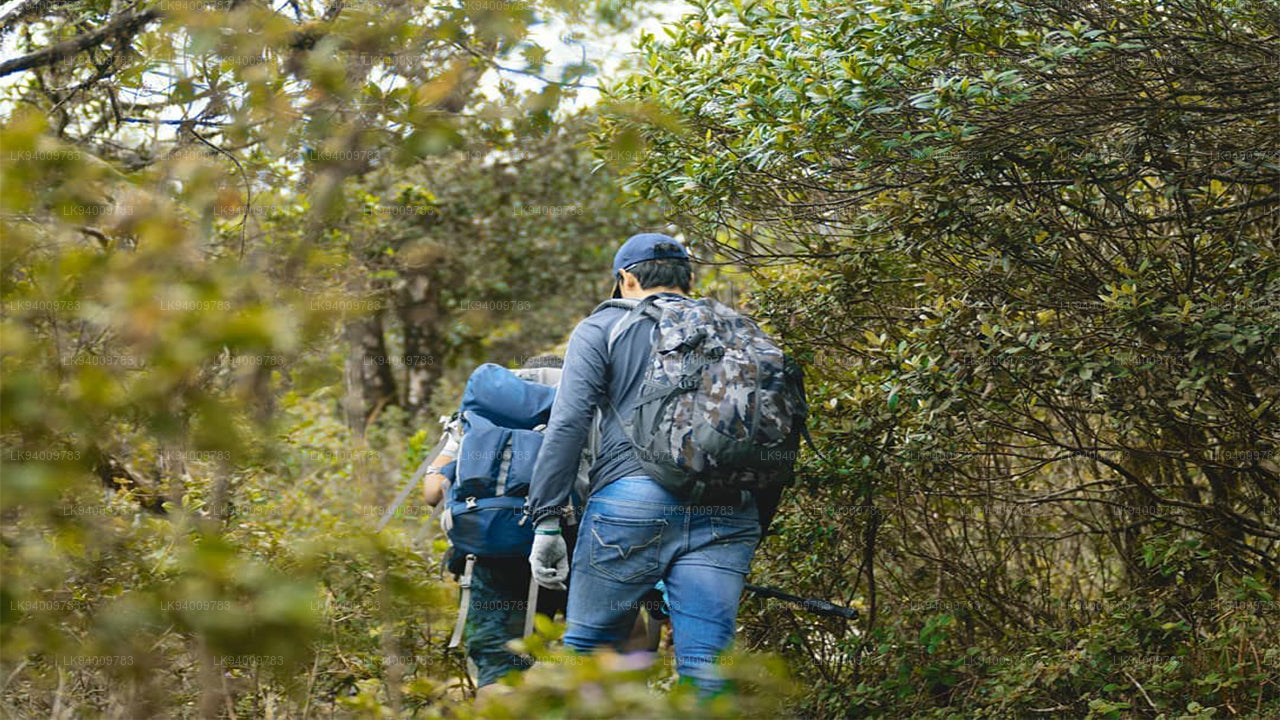
Unlike most mountain summits which are rocky, Pidurutalagala Mountain in Sri Lanka had a cap of pale green vegetation on its somewhat flat summit as per eyewitness accounts of the 1940s. During the summer months the vegetation had a tendency to dry to a pale yellow giving it a straw-like appearance, and hence the name ‘Straw Laden Rock’ or ‘Pidurutalagala’ in Sinhala. During the early 20th century the mountain still had only a single human-made path to the summit. The only other trails were from the elephants that frequented the mountain. The rest of the mountain was all untouched vegetation. The forest visibly changed drastically from the lowland forests as the height increased. Most notably, the trees were shorter and the tops flattened higher up on the mountain; primarily due to the strong winds. They were also more gnarled and branched out and had lichen and moss clinging to them, displaying characteristics of cloud forests. The single man-made path had way stones with the height from sea level marked on them in feet.

Pidurutalagala Mountain in Sri Lanka: The Geology

  • İngilizce adıyla Pedro Dağı olarak da bilinen Pidurutalagala, 2.524 metre (8.281 fit) yüksekliğiyle Sri Lanka'nın en yüksek dağıdır ve oldukça belirgin bir zirveye sahiptir. Pedro Dağı, Nuwara Eliya şehrine yakın konumdadır ve Orta Bölge'nin çoğu yerinden kolayca görülebilir. Nuwara Eliya kasabasının kuzey-kuzeydoğusunda yer almaktadır.

    Pidurutalagala 
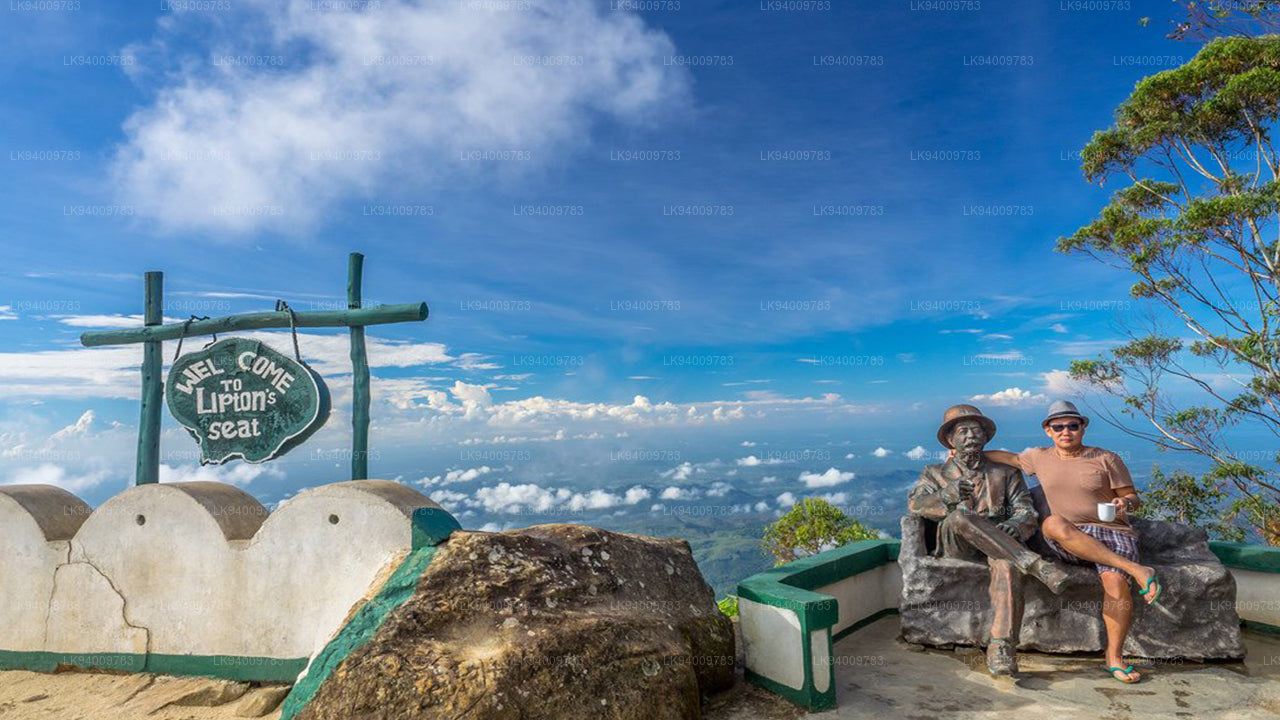
  • Lipton's Seat, Poonagala tepelerinde bulunan yüksek bir gözlem noktasıdır. Kasabaya adını veren Poonagala Tepesi'nin zirvesinde yer alan bu nokta, Dambatenne Çay Fabrikası'na da yakındır. Lipton's Seat, adını ünlü İskoç baron ve çay plantasyoncusu Sir Thomas Lipton'ın, çok eski zamanlarda imparatorluğunu gözlemlemek için burayı kullandığı yerden almıştır.

    Lipton'ın Koltuğu 
  • Sri Lanka'daki güzel turistik yer olan Küçük Adam Tepesi'ni küçümsemeyin; "Küçük" kelimesi, iki dağ arasındaki benzerlik nedeniyle kutsal Adam Tepesi'nden (Sri Pada - Buda'nın ayak izinin korunduğu yer) adını almıştır.

    Küçük Adam Tepesi 
  • Ritigala'ya, Habarana'dan 12 km uzaklıktaki Habarana-Anuradhapura yolundan sapaktan ulaşılabilir. Dağın eteğine ise, çakıllı ancak araçla geçilebilen 5 km'lik bir yol daha bulunmaktadır.

    Ritigala 
  • Ethagala (Fil Kayası), Sri Lanka'daki Kurunegala kasabasına bakan yedi kayadan biridir. Kaya yüzeyi, kasabanın 316 metre (1.037 ft) üzerinde yükselir ve şekli çömelmiş bir file benzer; bu da kayanın adını açıklar.

    Ethgala (Fil Kayası) 
  • Rumassala Dağı. Geçmişte Rumassala, sömürge dönemine dayanan ve büyük olasılıkla bir bozulma sonucu ortaya çıkan Buona Vista adıyla biliniyordu.

    Rumassala Dağı 
  • Knuckles sıradağları, diğer adıyla Dumbara sıradağları, Sri Lanka'nın Orta Yaylalarının kuzey ucunda, Kandy'nin açıklarında yer almaktadır. Sıradağların güney ve doğusunda Mahaweli nehri havzası, batısında ise Matale ovaları bulunmaktadır.

    Knuckles Serisi 
  • Alagalla Dağ Silsilesi. Alagalla Dağ Silsilesi veya "Patates Silsilesi", Sri Lanka'da Orta ve Sabaragamuwa illerinin sınırlarında yer almaktadır.

    Alagalla Dağ Silsilesi 
  • "İncil Kayası", Sri Lanka'nın merkezindeki Kegalle Bölgesi'nde, Aranayake yakınlarında bulunan bir dağdır. Yüzeyinin İncil'e benzemesinden dolayı "İncil Kayası" olarak bilinir.

    İncil Kayası 
  • Ura Kanda. Urakanda sıradağları Kegalle Bölgesi'nde yer almaktadır. Nefes kesen manzaralara sahip güzel bir dağ.

    Ura Kanda 
  • Maymun Dağı. Gal Oya bölgesi, yemyeşil bitki örtüsü ve ormanlarıyla göz kamaştırıyor. Savaş sırasında tamamen ıssız ve girişlere kapalı olan bölge, büyük ölçüde gelişmeden uzak kalmış ve manzarası bozulmamış durumda.

    Maymun Dağı 
  • Büyük Kral Ravana'nın naaşı, hemşehrilerinin sevgili krallarına son saygılarını sunabilmeleri için ölümünden sonra Yahangala (ana kaya) adı verilen bu kayanın üzerine yerleştirildi.
    Yahangala