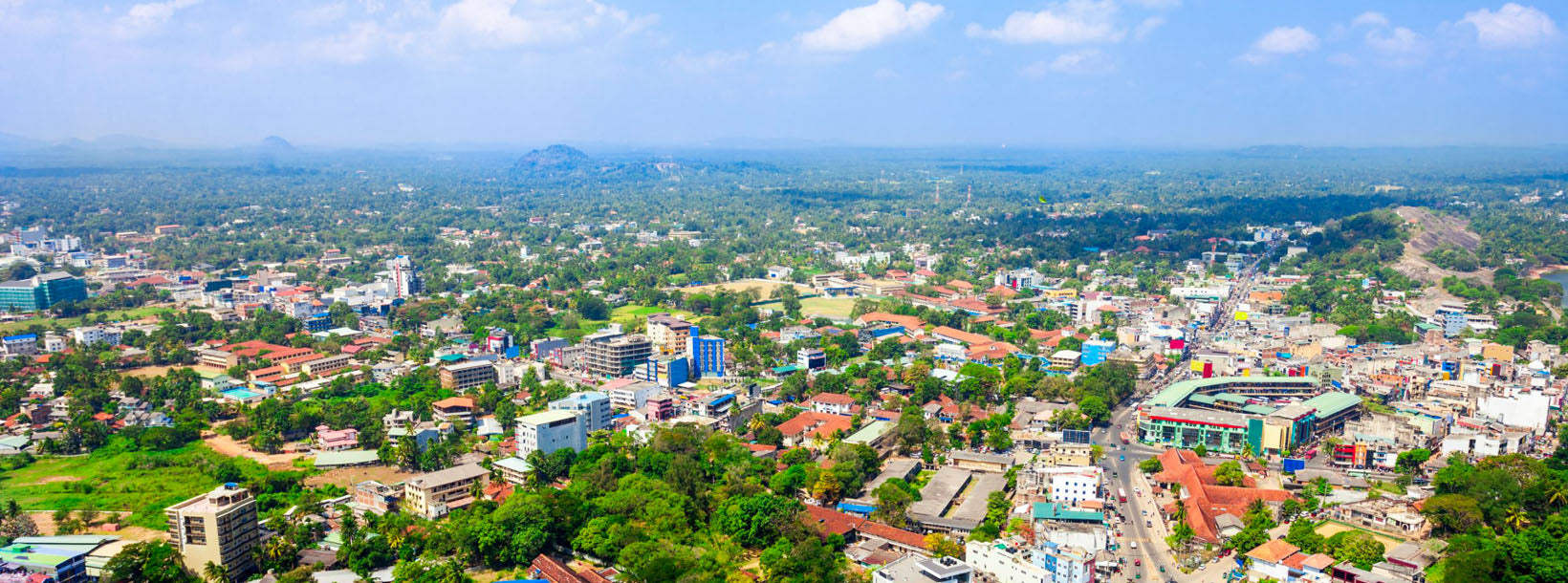
Kurunegala Saray Kompleksi

Palace Complex Palace Complex Palace Complex

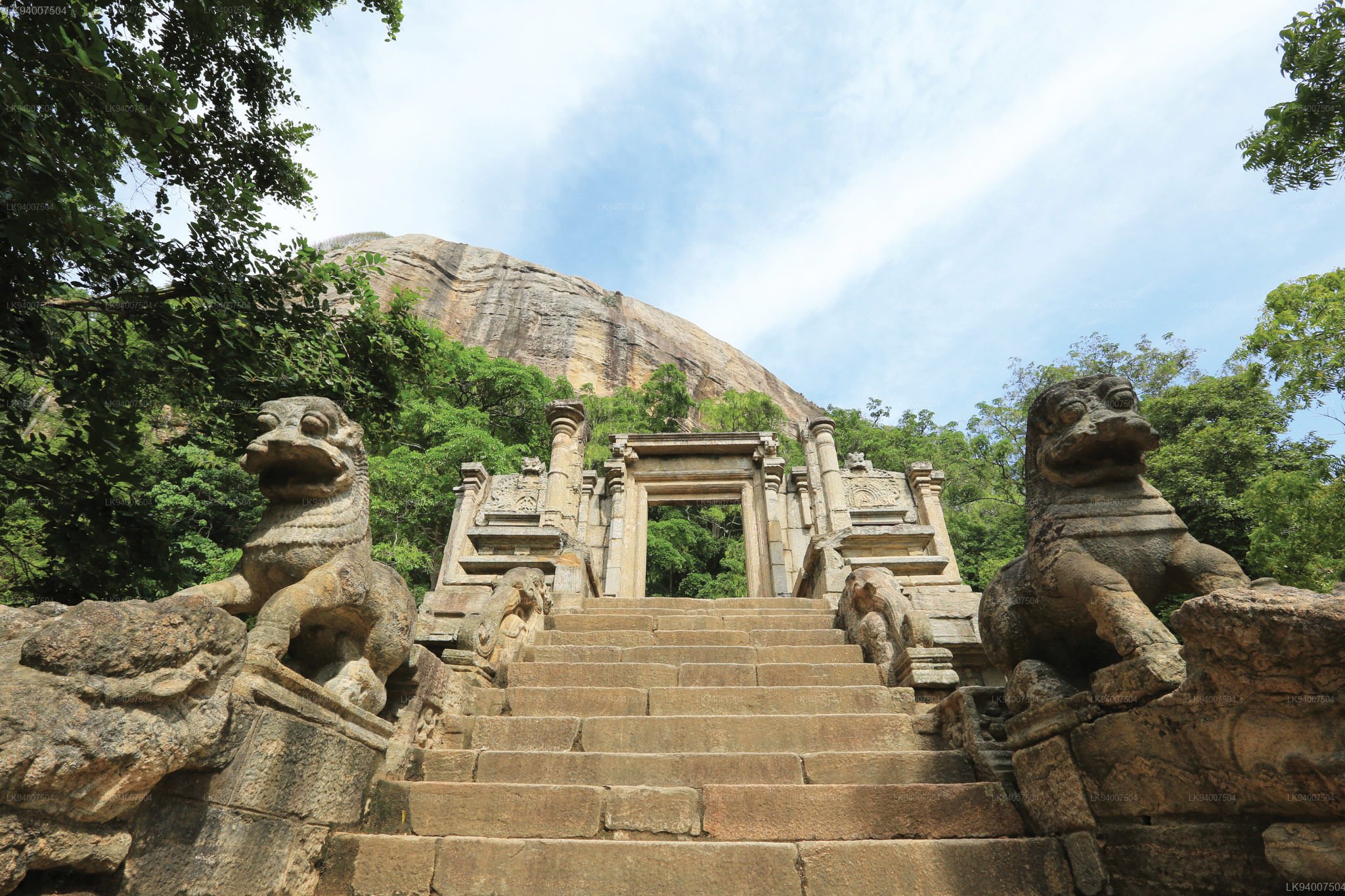
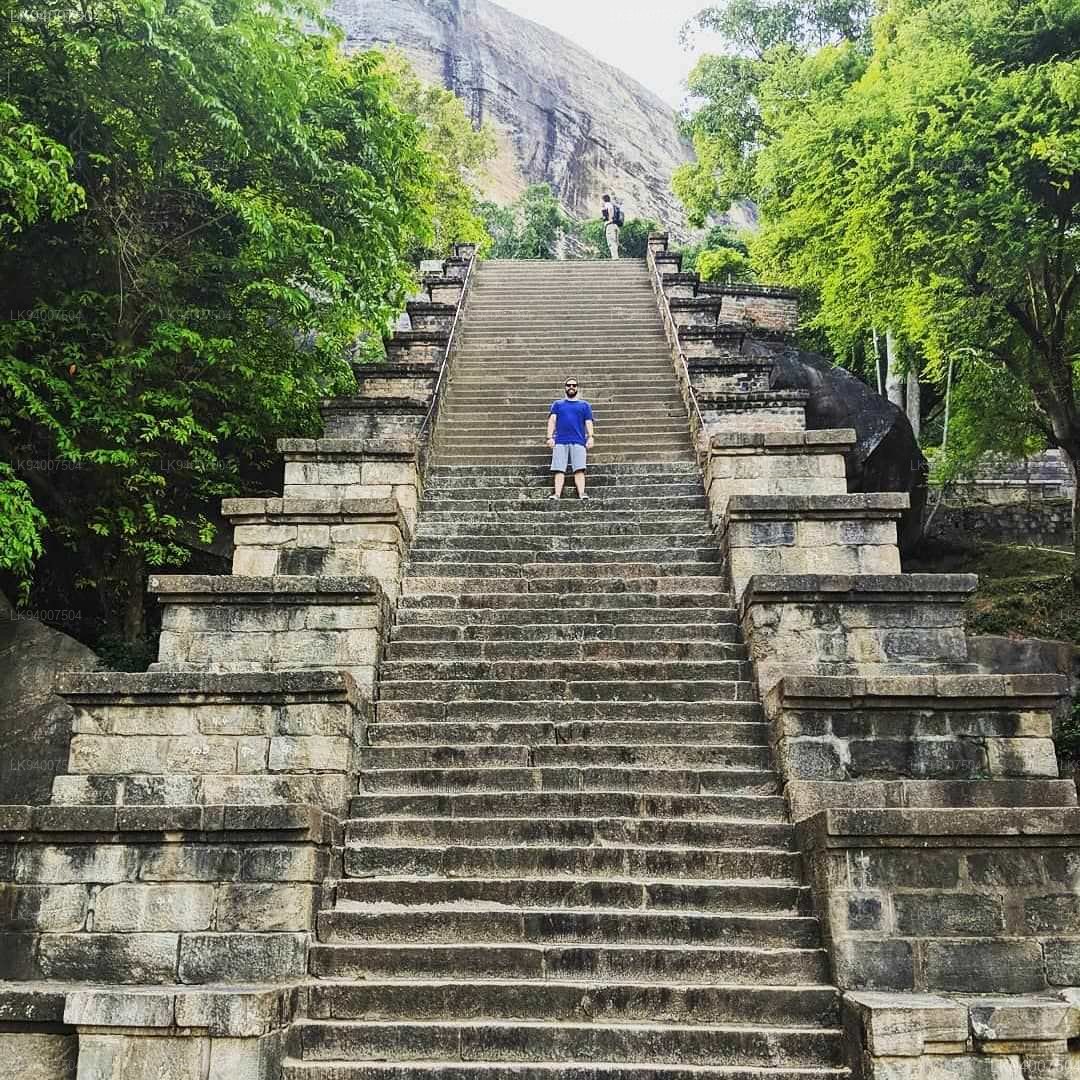
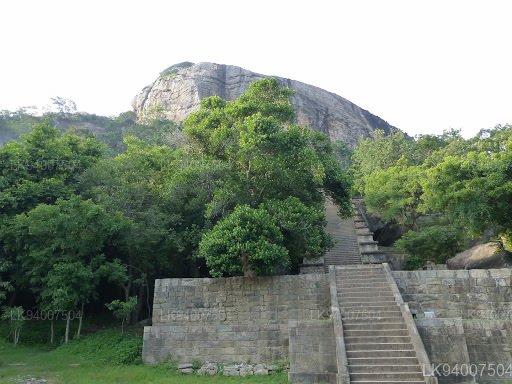
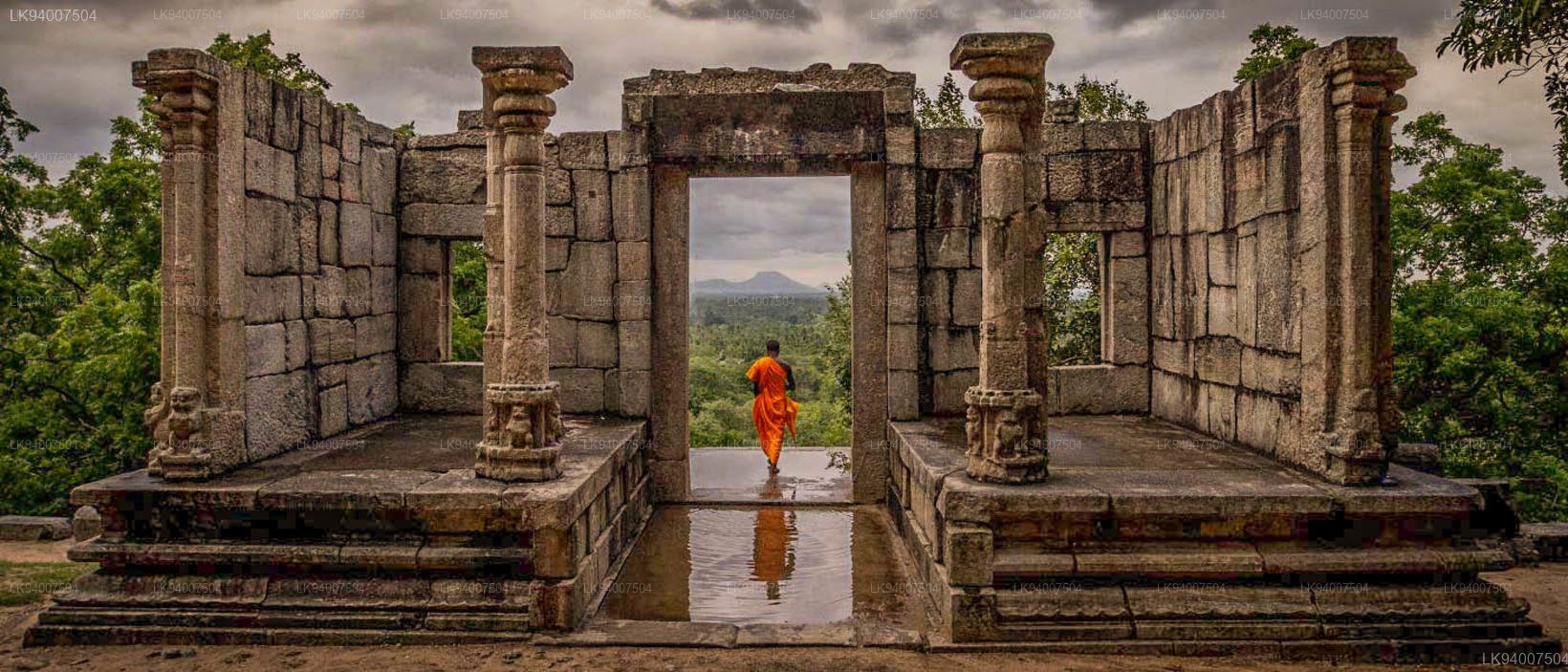
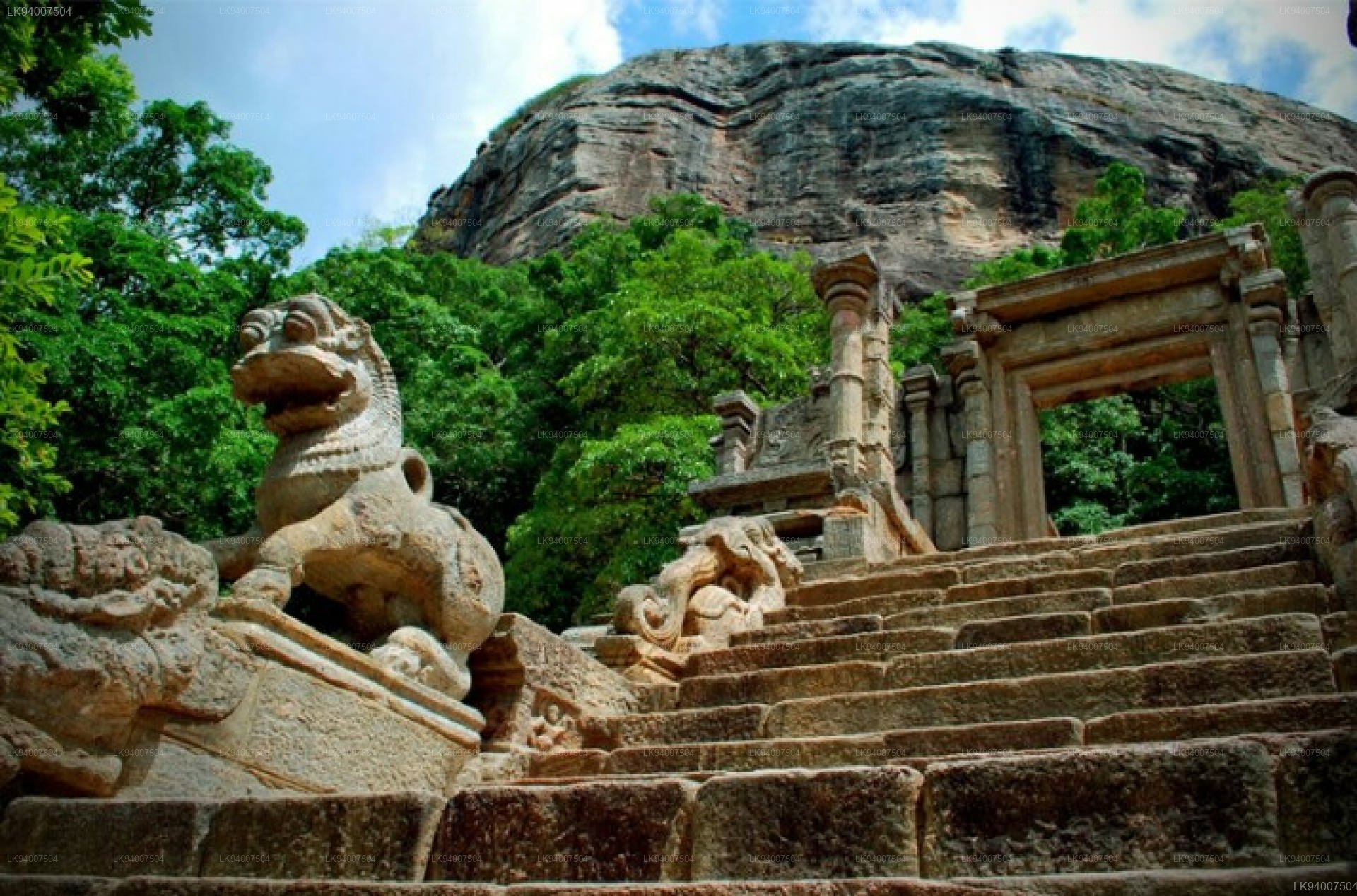
Bu geniş kompleks, 13. yüzyılın sonunda bir saray ve askeri kale olarak kullanılıyordu, saldırı korkusu içinde yaşayan kralın evi. Bir zamanlar derin hendekler ve kalın duvarlar düşmana karşı direniyordu, ancak şimdi bunlar köprülerle ya da düzleştirilmiş. Eski krallığın fenomenal şekilde fotoğraflanan merkezi, bugün simgesi olan çok dik bir taş merdivendir. İnce işçilikle yapılan heykellerle süslenmiştir.

Tırmanışın ortasında, Çin sanatından ilham alınarak yapılmış, çok belirgin iki büyük taş aslanla karşılaşırsınız. Bunlar, tırmanıcıya doğru yüzlerini buruşturuyor. Güzel heykeller her iki tarafta da çiçek açmaktadır. Eski zamanlarda, adanın hükümeti, Yüce Buddha'nın Kutsal Diş Relikviyesi ile yakından ilişkilendiriliyordu. Bu nedenle, kral, eski Polonnaruwa krallığını terk ettiğinde, Relikviyi yanına alarak terk etti. Yapahuwa kalesinin hikayesi, bu nedenle, Kutsal Relikviyle yakından ilişkilidir. Kurulmasından yıllar sonra, Hindistan'ın güneyinden bir ordu akın etti ve Kutsal Diş Relikviyi alarak, krallığın çöküşüne yol açtı.

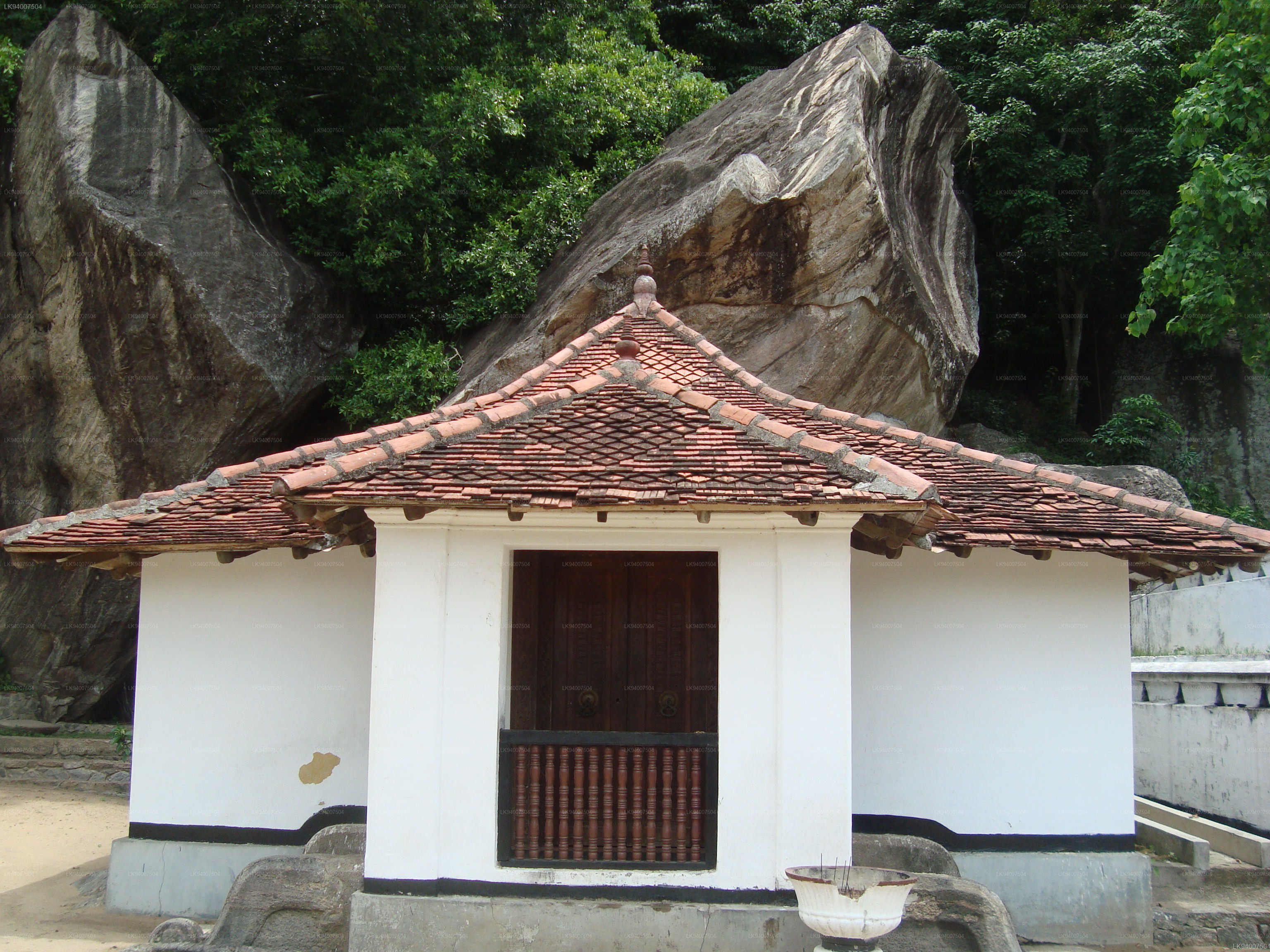
Dağın zirvesine kadar tırmanarak, burada yaşayan ilk sakinlerin kalıntılarını keşfedin. Onlar Budist rahipleriydi. Rüzgarla savrulmuş küçük bir stupa, bir Bo ağacı çiti ve bir kaya mağarasının yanında yer almaktadır. Dağın zirvesinden manzara, geniş bir alana, yeşil pirinç tarlalarının ve uzak mavi dağlara kadar uzanan ormanların bir mozaiğine dair bir görüntü yakalar.
Palace Complex Palace Complex Palace Complex

About Kurunegala District

Kurunegala is the capital of the Wayamba Province in Sri Lanka and the Kurunegala District.Kurunegala was a royal capital for only 50 years, from the end of the 13th century to the start of the next, though even before this it was strategically placed in the middle of other majestic strongholds such as Yapahuwa to the north, Dambadeniya to the south and Panduwasnuwara in the east. Ethagala a rock reaching 316 meters, towers over the town, which is located at an altitude of 116 meters above sea level. The shape of Ethagala resembles an Elephant. A transport hub, it has a railway station, and several main roads linking important parts of the country.Kurunegala is situated about 94 km from Colombo, and 42 km from Kandy.

Most of Kurunegala's residents belong to the Sinhalese majority. Other ethnic minorities include the Sri Lankan Moors, Sri Lankan Tamils, Burghers and Malays. Residents from ethnic minorities live in all parts of the city, however, sizeable communities of Moors and Tamils also live in the areas of Teliyagonna and Wilgoda.

About North Western Province

North Western Province is a province of Sri Lanka. The districts of Kurunegala and Puttalam formulate North Western or Wayamba. Its capital is Kurunegala, which has a population of 28,571. The province is known mainly for its numerous coconut plantations. Other main towns in this province are Chilaw (24,712) and Puttalam (45,661), which are both small fishing towns. The majority of the population of Wayamba province is of Sinhalese ethnicity. There is also a substantial Sri Lankan Moor minority around Puttalam and Sri Lankan Tamils in Udappu and Munneswaram. Fishing, prawn farming and rubber tree plantations are other prominent industries of the region. The province has an area of 7,888 km² and a population of 2,184,136 (2005 calculation).

Wayamba is the third largest paddy producing area in Sri Lanka .Wayamba has a highly developed agricultural economy, growing a variety of fruits and vegetables, flowering plants, spices, oil-seeds in addition to the traditional plantation crops such as Coconut, Rubber and Rice. Rich soils and varied climate give Wayamba a potential for growing of virtually any crop.

In Wayamba or North western province, home for ancient Buddhist rock temples, magnificent citadels Panduwasnuwara, Dambadeniya, Yapahuwa and Kurunegala. Impressive remains of those citadels, palaces, Buddhist temples and monasteries provide exciting sight seeing to the visitors.