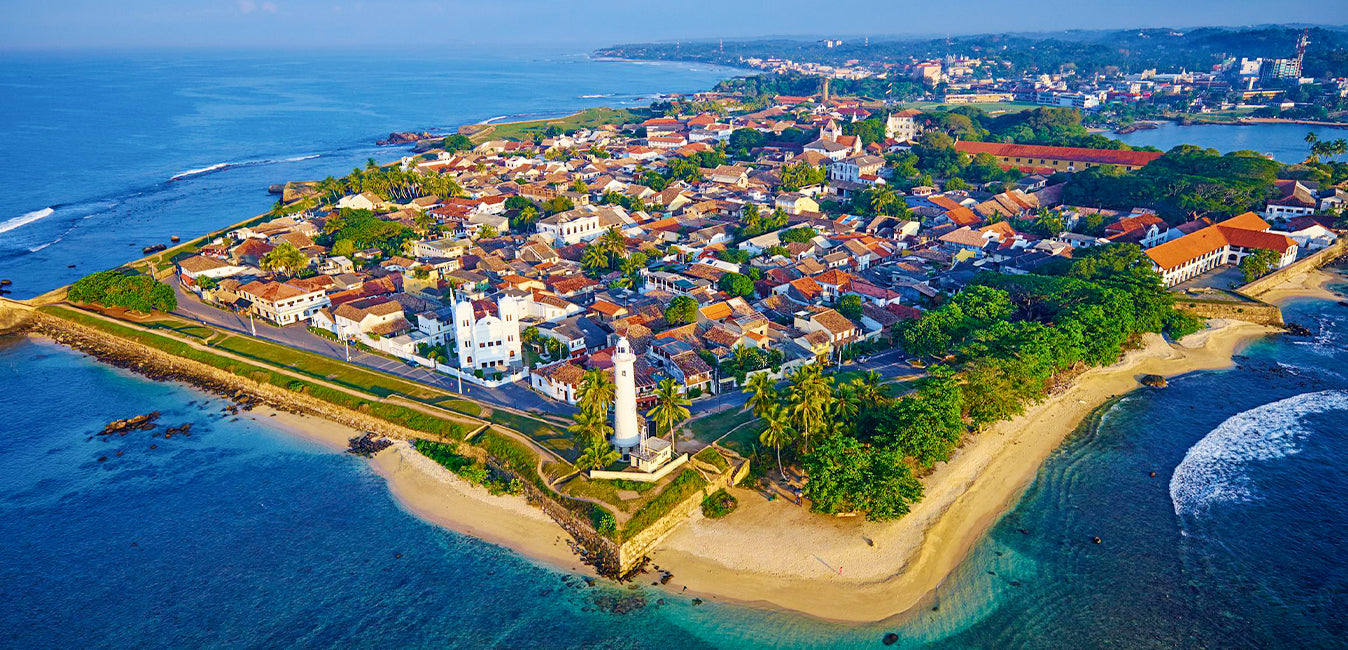
Habaraduwa sits quietly on Sri Lanka's southern coastline, roughly 14 km south of Galle in the Galle District, Southern Province. It occupies a stretch of coast between the colonial city of Galle and the busy town of Matara, yet it moves at an entirely different pace from either. The beach is the main draw, but the town also rewards travellers who take time to explore its lagoon edges, turtle hatchery, and low-key local food scene.
What is Habaraduwa known for?
Most visitors come for the beaches. The coastline here is wide and relatively uncrowded, with calm inshore waters that suit swimming for much of the year. Unlike the more commercialised resort strips farther along the southern coast, Habaraduwa has retained a neighbourhood feel — a mix of fishing families, small guesthouses, and boutique villas rather than large resort blocks.
Beyond the sand, the town is recognised for its sea turtle conservation work. The Habaraduwa Turtle Hatchery collects eggs laid on nearby beaches, incubates them in a protected environment, and releases hatchlings back into the Indian Ocean. It is one of several community-run hatcheries operating along this stretch of coast, and a visit here gives tangible context to the broader conservation challenges facing Sri Lanka's marine turtle populations.
What can you see and do in Habaraduwa?
- Turtle hatchery visits: The hatchery operates year-round. Guided walks explain the incubation process, and on lucky evenings visitors may witness a nest being excavated and hatchlings released. Participation in a supervised baby turtle release is available through Lakpura as a bookable experience.
- Beach activities: Swimming and snorkelling are popular from around November through April, when the southwest monsoon has passed and the sea settles. The reef patches close to shore support modest coral cover and occasional reef fish.
- Koggala Lake excursions: A few kilometres up the coast, Koggala Lake is one of the largest natural lakes in Sri Lanka. Boat tours navigate through mangrove channels and past small islands that shelter Buddhist temples and cinnamon plantations. Birdwatchers can expect kingfishers, herons, and a range of migratory species depending on the season.
- Stilt fishermen: The iconic image of men perched on single poles driven into the shallows is still visible in this part of the Southern Province, particularly near Koggala and Ahangama. Early morning is the best time to observe them.
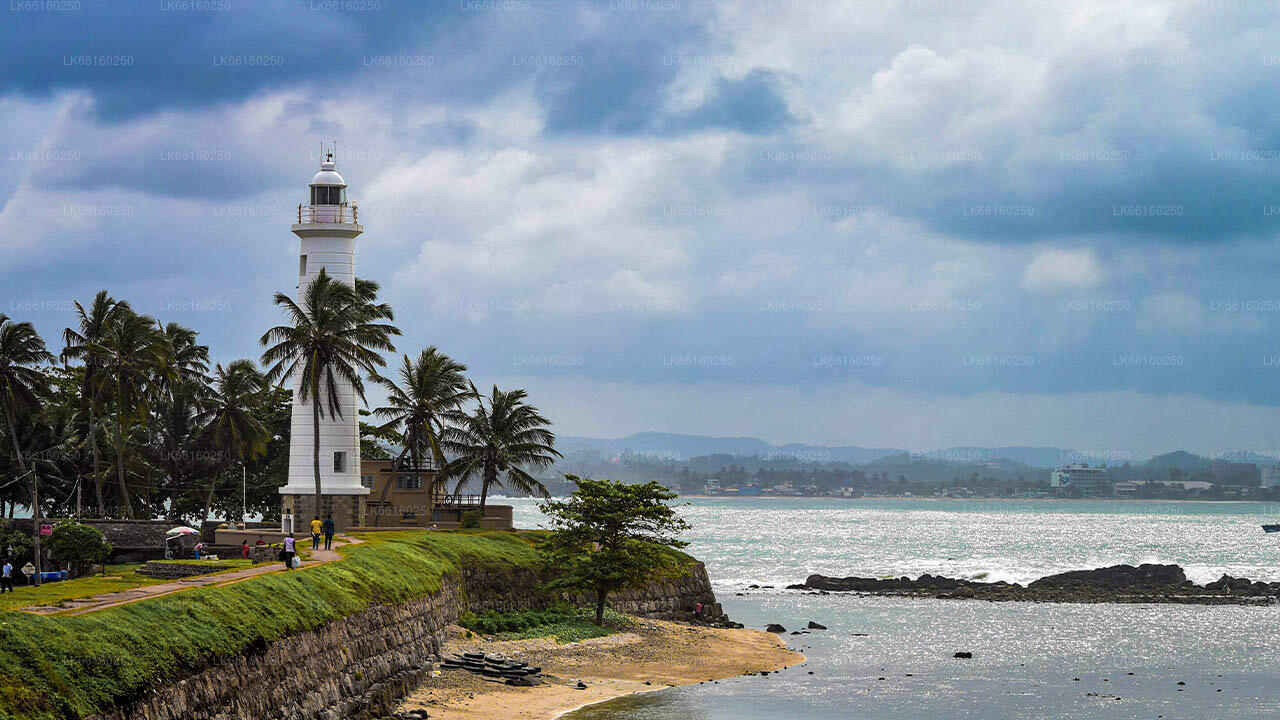
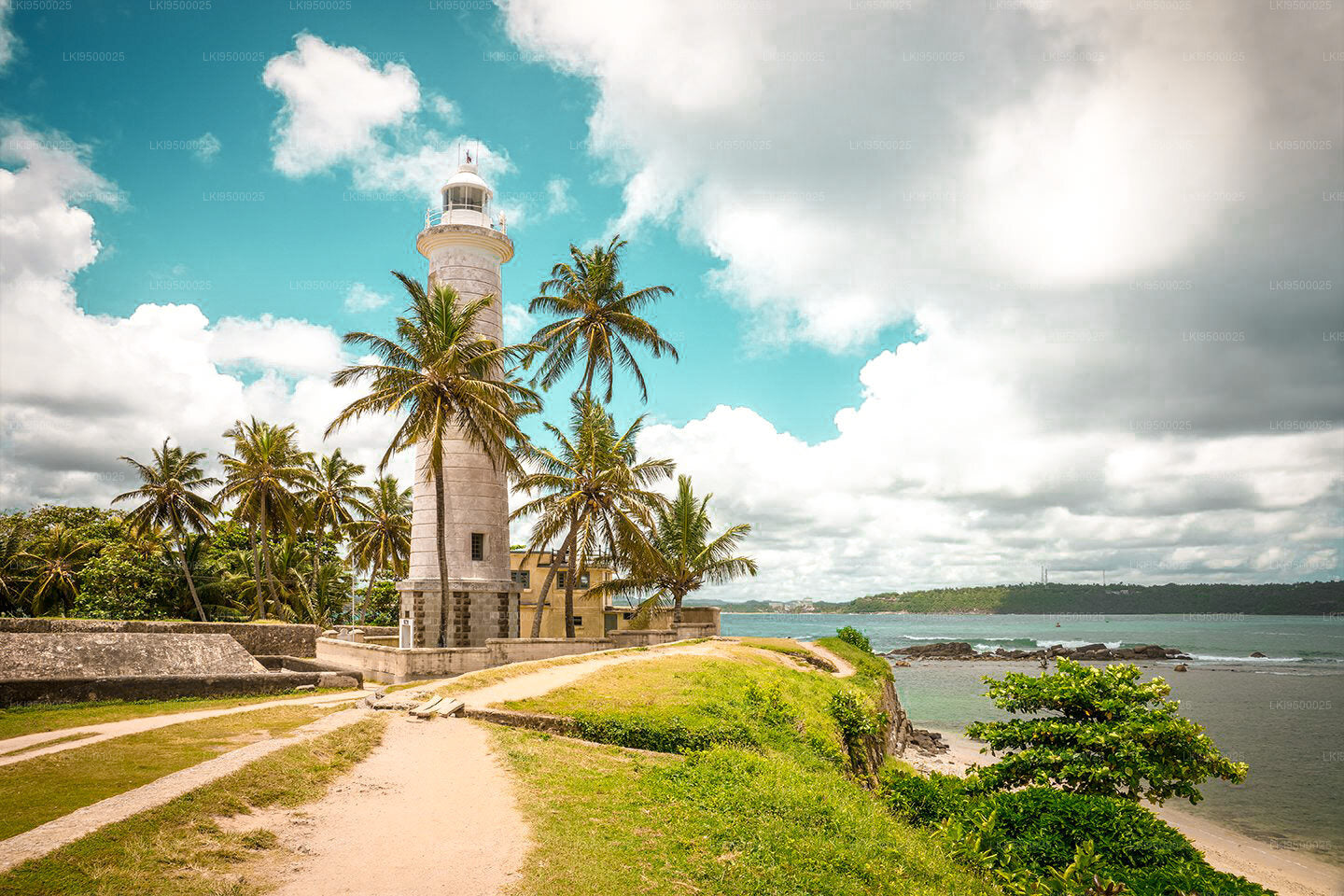
- Day trips to Galle: The Galle Fort, a UNESCO World Heritage Site, is about 20–25 minutes by road. It makes an easy half-day excursion for history, boutique shopping, and the fort ramparts at sunset.
When is the best time to visit Habaraduwa?
The southern coast has two distinct weather windows. The main dry season runs from around mid-November to April, when skies are generally clear and the Indian Ocean on this side of the island is calm. This is the most reliable period for beach activities and water sports.
From May to September, the southwest monsoon brings heavier rain and rougher seas to the southern coast. Sea swells can make swimming inadvisable, though surfers from intermediate to advanced level often find the conditions appealing at nearby breaks. The shoulder months of October and late April can be unpredictable but are often quieter and cheaper for accommodation.
| Month | Weather | Sea Conditions |
|---|---|---|
| Nov – Apr | Dry, sunny | Calm; good for swimming and snorkelling |
| May – Sep | Wet, humid | Rough swells; suitable for experienced surfers |
| Oct | Transitional | Variable; intermittent rain showers |
How do I get to Habaraduwa from Colombo?
By road, Habaraduwa is approximately 140 km south of Colombo along the Southern Expressway (E01). The drive typically takes around two to two-and-a-half hours depending on traffic at the Colombo end. Private transfers from Bandaranaike International Airport (CMB) to Habaraduwa are a practical option and can be arranged through Lakpura, with vehicles ranging from standard sedans to larger vans for groups.
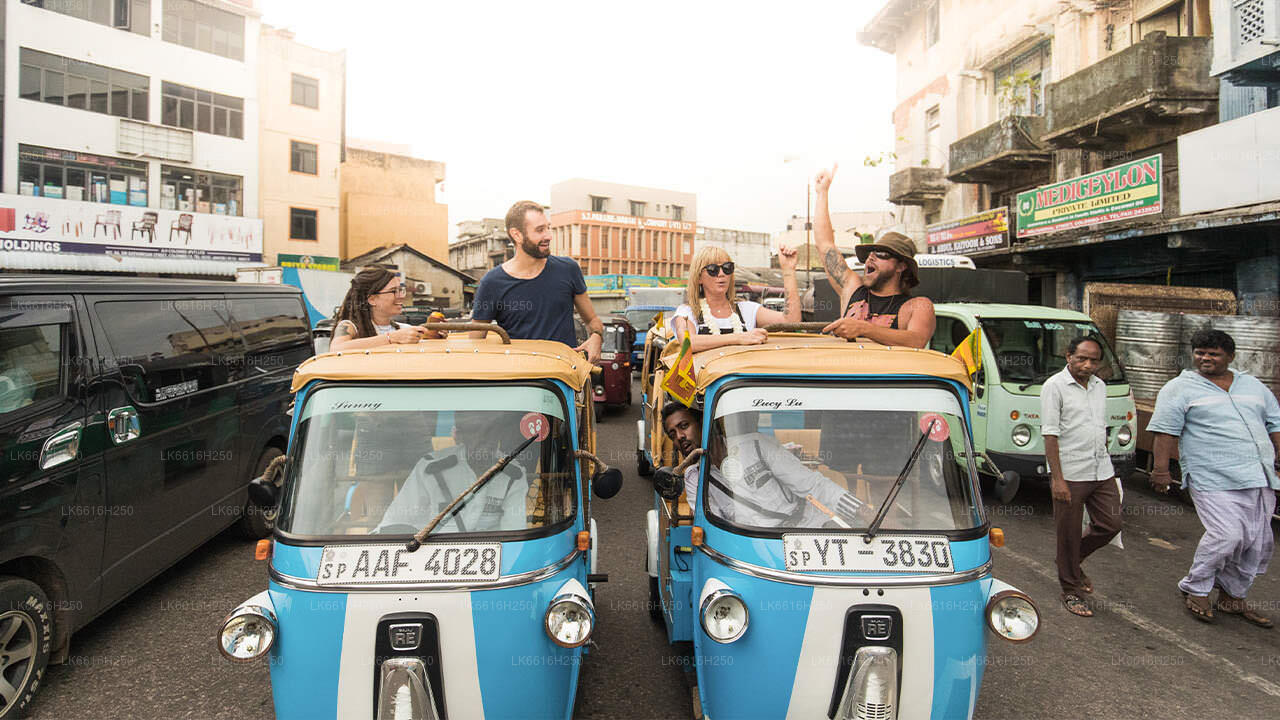
The coastal railway line connecting Colombo Fort to Matara passes through Ahangama, the nearest station to Habaraduwa, roughly 3–4 km away. The train journey from Colombo Fort takes around three hours on the intercity express and offers views of the coast from Ambalangoda southwards. Tuk-tuks and taxis are available at Ahangama station for the short final leg.
Where to eat in Habaraduwa
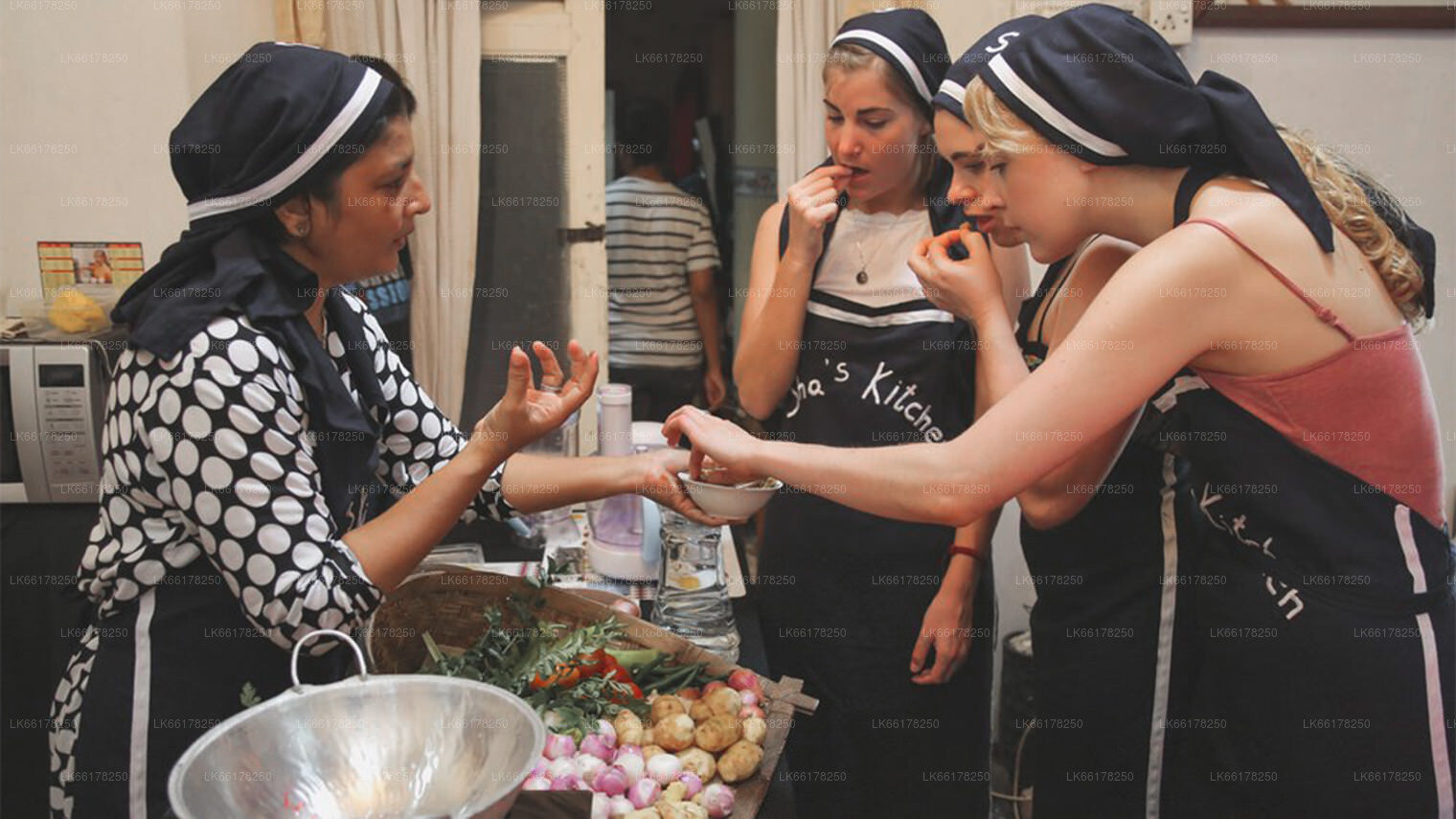
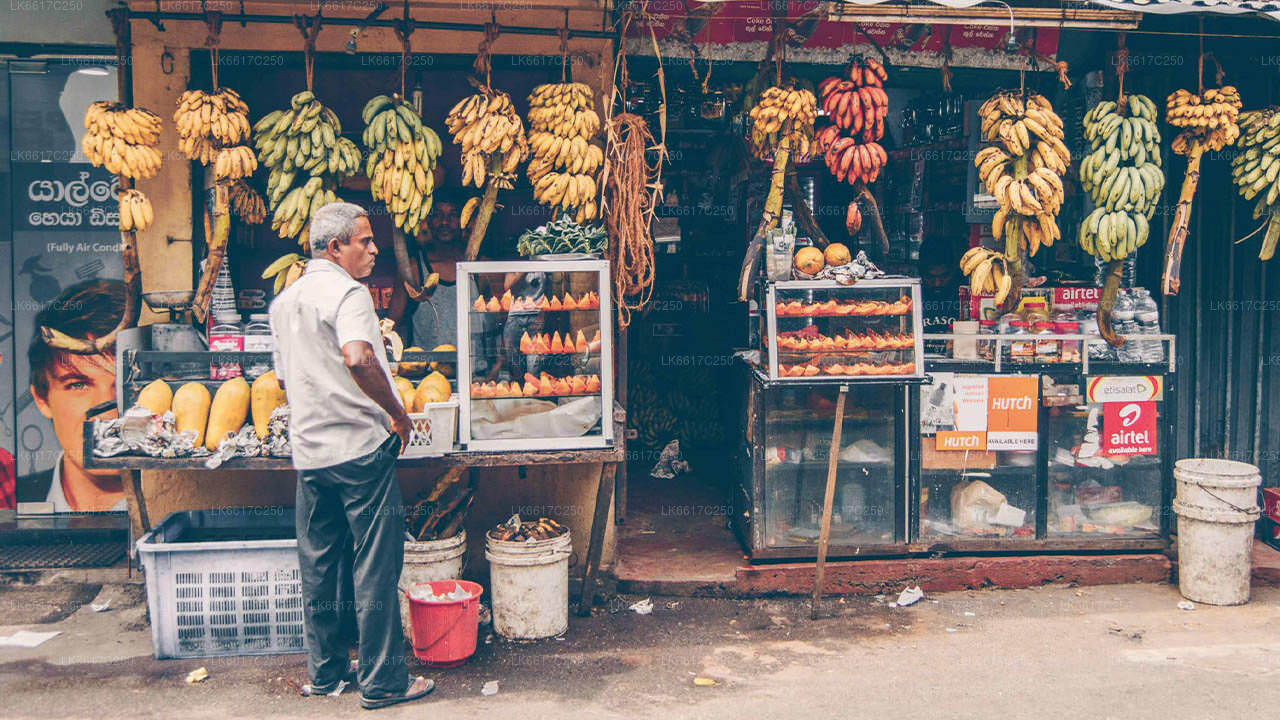
The local food scene revolves around fresh seafood. Small family-run restaurants along the main road and beachfront serve rice and curry at lunch, with grilled fish, crab, and prawn dishes in the evenings. The curries in this part of the Southern Province tend to be rich with coconut milk and tempered with a generous hand with black pepper — a regional characteristic distinct from the drier curries of the north and east.
Several of the boutique villas in town offer dinner to non-staying guests if booked in advance. This can be a good way to sample home-style cooking in a more relaxed setting than a restaurant.
Where to stay in Habaraduwa
Accommodation in Habaraduwa leans toward intimate properties: beachfront villas that can be taken exclusively, small boutique resorts, and family-run guesthouses. The villa model is particularly well-suited to couples or small groups who want a dedicated cook, driver, and garden to themselves without the overhead of a large hotel. Properties vary considerably in quality and configuration, so it is worth reviewing amenities carefully before booking.
Lakpura offers a curated selection of stays in the area, including Habaraduwa House and Tabula Rasa Resort, both of which combine direct beach access with personalised service typical of southern Sri Lanka's villa circuit.