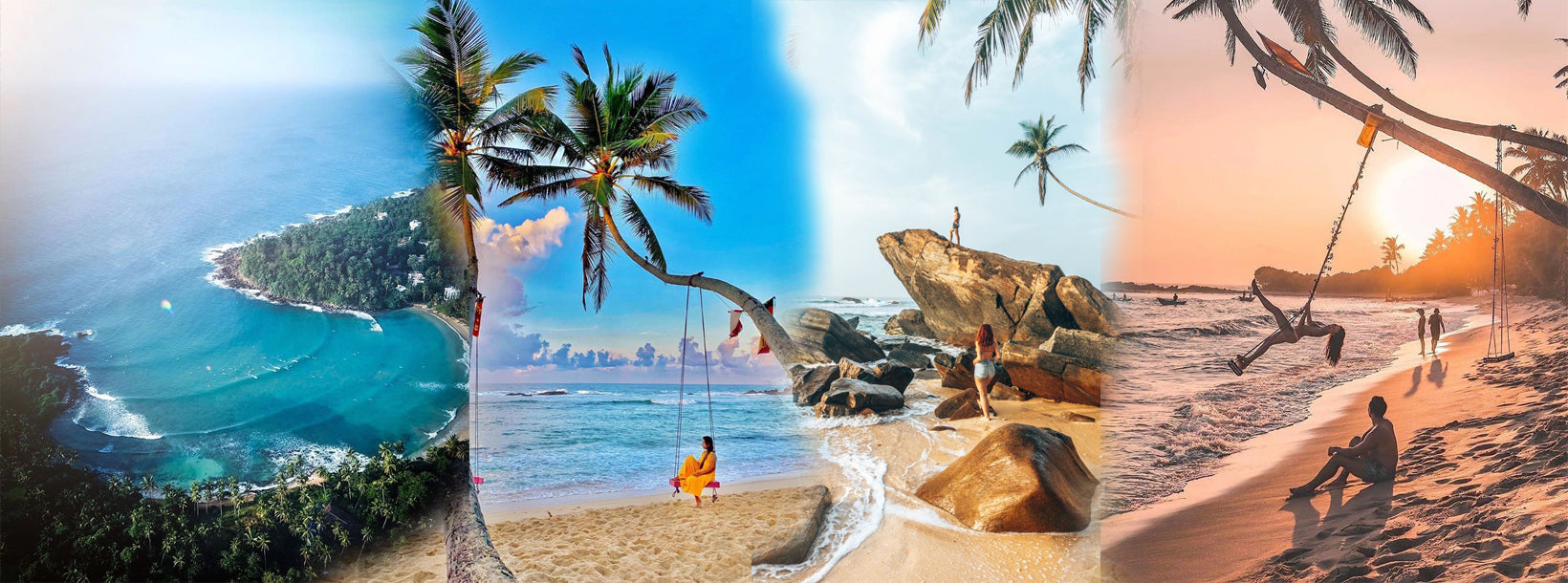
Dikwella (also spelled Dickwella) sits quietly on Sri Lanka's southern coast, roughly midway between the colonial port city of Galle and the surf-famous town of Tangalle. It is primarily a working fishing settlement — one where traditional outrigger catamarans still put out to sea after dark, navigating by stars rather than GPS — yet it has gradually earned a reputation among travellers who want the southern coast experience without the crowds that gather around better-known resort strips.
What makes Dikwella different from other southern coast towns?
Most visitors to the south coast move quickly between Galle, Unawatuna and Mirissa. Dikwella sits just beyond that well-worn circuit, which gives it a character that feels closer to everyday Sri Lankan coastal life. The beach itself is backed by coconut palms rather than souvenir stalls, and the pace of the town reflects that of its fishermen rather than its tourists.
One sight that draws photographers and curious travellers alike is the stilt fishermen — anglers who perch on a small wooden seat fixed to a pole driven into the seabed, casting their lines from just above the surf. This practice is unique to a short stretch of Sri Lanka's southern coast, and Dikwella is one of the more reliable spots to see it, particularly in the early morning hours.
Just north of town, Hiriketiya Bay has emerged in recent years as a low-key favourite among surfers and free-divers for its horseshoe-shaped cove and relatively gentle waves — a contrast to the open beach at Dikwella proper.
What can you see and do around Dikwella?
The area packs a surprising range of experiences into a small radius.
- Wewurukannala Vihara – One of the largest seated Buddha statues in Sri Lanka, standing around 50 metres tall, is located just outside Dikwella town. The temple complex includes a series of painted rooms depicting Buddhist cosmology in vivid detail and is open to visitors year-round.
- Whale and dolphin watching – The deep water off the southern coast is a reliable corridor for blue whales, particularly between November and April. Shared-boat excursions depart from nearby Dondra and Mirissa, and Lakpura can arrange dedicated departures from Dikwella itself.
- Deep-sea fishing – The same waters that sustain the local fishing fleet make for productive sport fishing. Yellowfin tuna, dorado and barracuda are among the common catches. Learn more on the deep sea fishing page.
- Dondra Head Lighthouse – A short drive east brings you to the southernmost point of Sri Lanka, marked by a lighthouse built during the British colonial period. The headland offers open views across the Indian Ocean.
- Handungoda Tea Estate – A small, independently run estate producing hand-rolled "virgin white" tea, located between Dikwella and Galle. Tours of the estate explain both the cultivation and the unusual rolling process.
- Galle and surrounding sites – The UNESCO-listed Galle Fort is around an hour's drive west. A Galle city tour pairs well with a Dikwella base, covering the fort, the maritime museum and the Dutch Reformed Church in a single day.
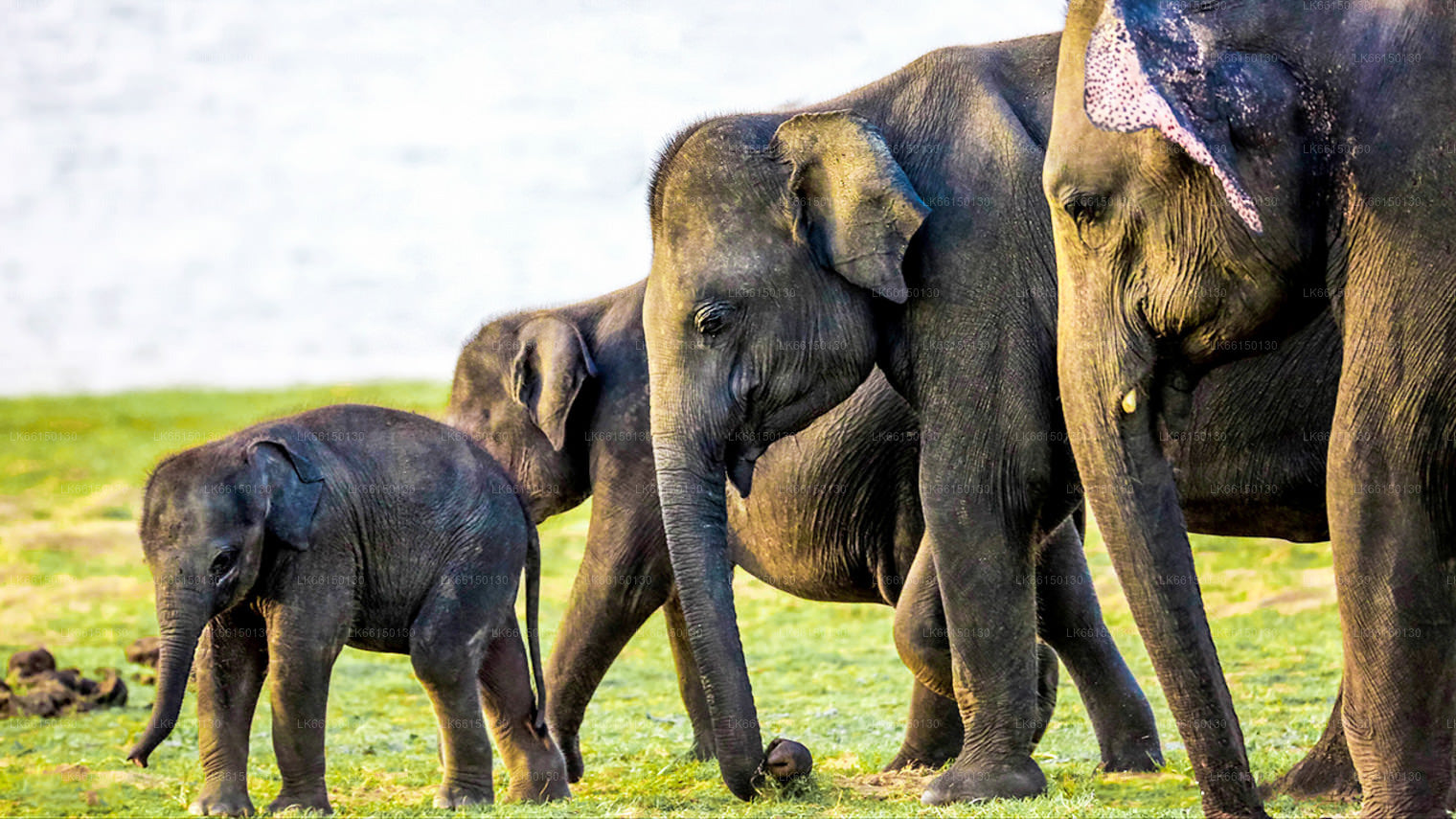
- Udawalawe National Park – For a longer day trip inland, Udawalawe National Park is accessible in roughly 90 minutes and offers some of the most reliable elephant sightings in South Asia.
When is the best time to visit Dikwella?
Dikwella follows the southwest monsoon pattern. The dry season on the southern coast runs broadly from November through April, when seas are calm, skies are clear and whale-watching conditions are at their best. December and January bring the largest number of visitors, so accommodation fills quickly during that window.
The southwest monsoon arrives around May and typically intensifies through June and July, bringing heavy swells and rougher seas. Accommodation rates drop noticeably during this period, and the landscape turns intensely green. The beach itself becomes unsuitable for swimming during peak monsoon months, though the town and inland attractions remain accessible.
Surfers looking for Hiriketiya Bay note that the bay's sheltered shape means it remains surfable at wave heights that would close out more exposed beaches nearby.
How do I get to Dikwella from Colombo?
The most practical option is a private vehicle, which takes around three to four hours from Colombo depending on traffic and the route taken. The Southern Expressway (E01) covers most of the distance quickly before the road transitions to the coastal highway near Matara.
Intercity trains run from Colombo Fort station to Matara, the nearest mainline terminus, from where Dikwella is a short tuk-tuk or taxi ride of roughly 20 kilometres. The coastal rail journey is scenic and the train is comfortable, though journey times are longer than by road.
Lakpura operates private airport transfers directly to hotels and villas in Dikwella, avoiding any need for onward connections after a long flight.
Where should I stay in Dikwella?
Accommodation in Dikwella has diversified considerably. At the upper end, Dikwella Resort and Spa occupies a clifftop position above the beach with sea-facing rooms and pool access. A cluster of boutique villas and small guesthouses around Hiriketiya Bay cater to surfers and longer-stay travellers looking for self-catering flexibility. Several eco-conscious properties have also opened in recent years, reflecting growing interest in sustainable travel on the southern coast.
Guesthouses run by local families remain an option for budget travellers and typically offer home-cooked meals featuring the fresh catch of the day — often a simple curry of tuna or seer fish that is far better than anything on a restaurant menu card.
What is the local food scene like in Dikwella?
The diet in Dikwella, as across the southern coast, centres on seafood. Freshly caught fish appears at nearly every meal in some form — grilled, curried with coconut milk, or dried and served as a side with rice and lentils. Small "hotels" (the local term for casual eateries) along the main road serve rice and curry at lunch, while a handful of beachside restaurants near Hiriketiya target travellers with wood-fired pizza and fresh juice menus alongside more traditional dishes.
Kitul treacle — the syrup tapped from the kitul palm — is produced in the interior hills and commonly appears poured over curd (buffalo yoghurt) as a dessert. It is worth seeking out at any guesthouse that makes it fresh.
Is Dikwella suitable for families with children?
The main beach at Dikwella has a fairly strong shore break and should be treated with care by young or inexperienced swimmers. Hiriketiya Bay is calmer inside the cove and generally considered safer for families during the dry season. The Wewurukannala Vihara temple is engaging for older children given its large sculptural displays, and a visit to a working fishing beach at dawn — watching boats come in with the night's catch — is memorable at any age. Day trips to Udawalawe for elephant watching tend to be a consistent highlight for families travelling the southern circuit.