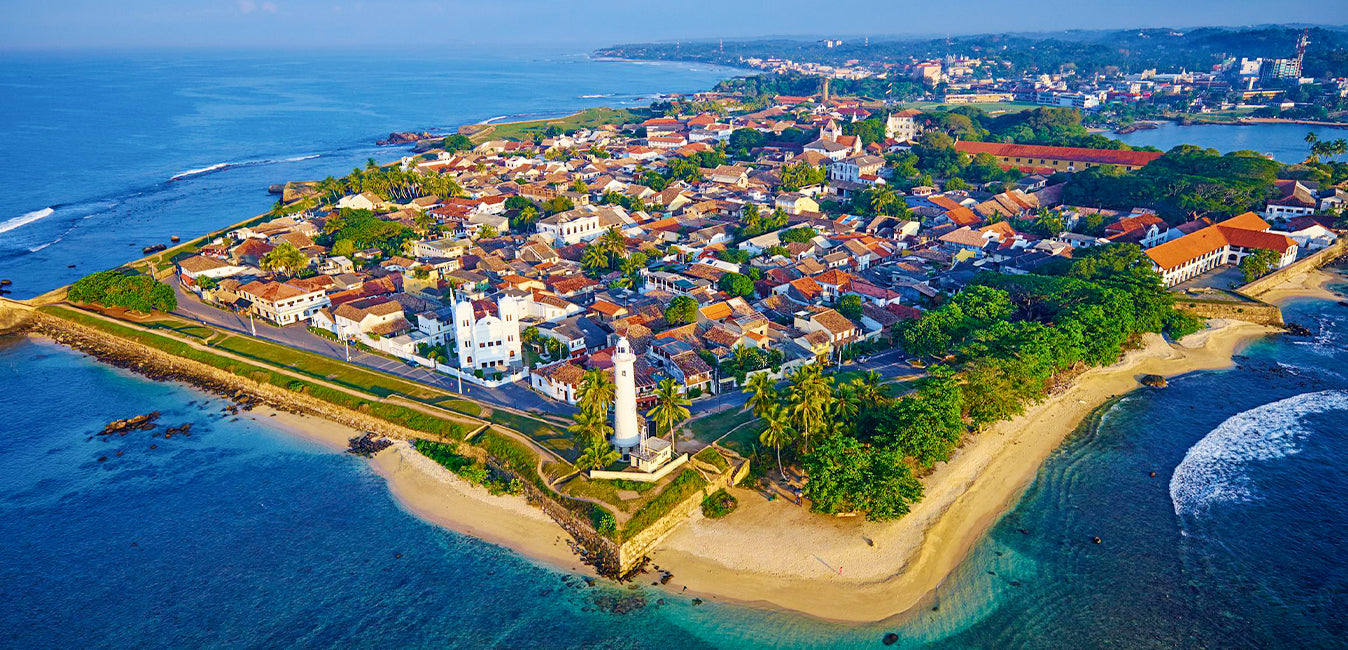
Groote Kerk


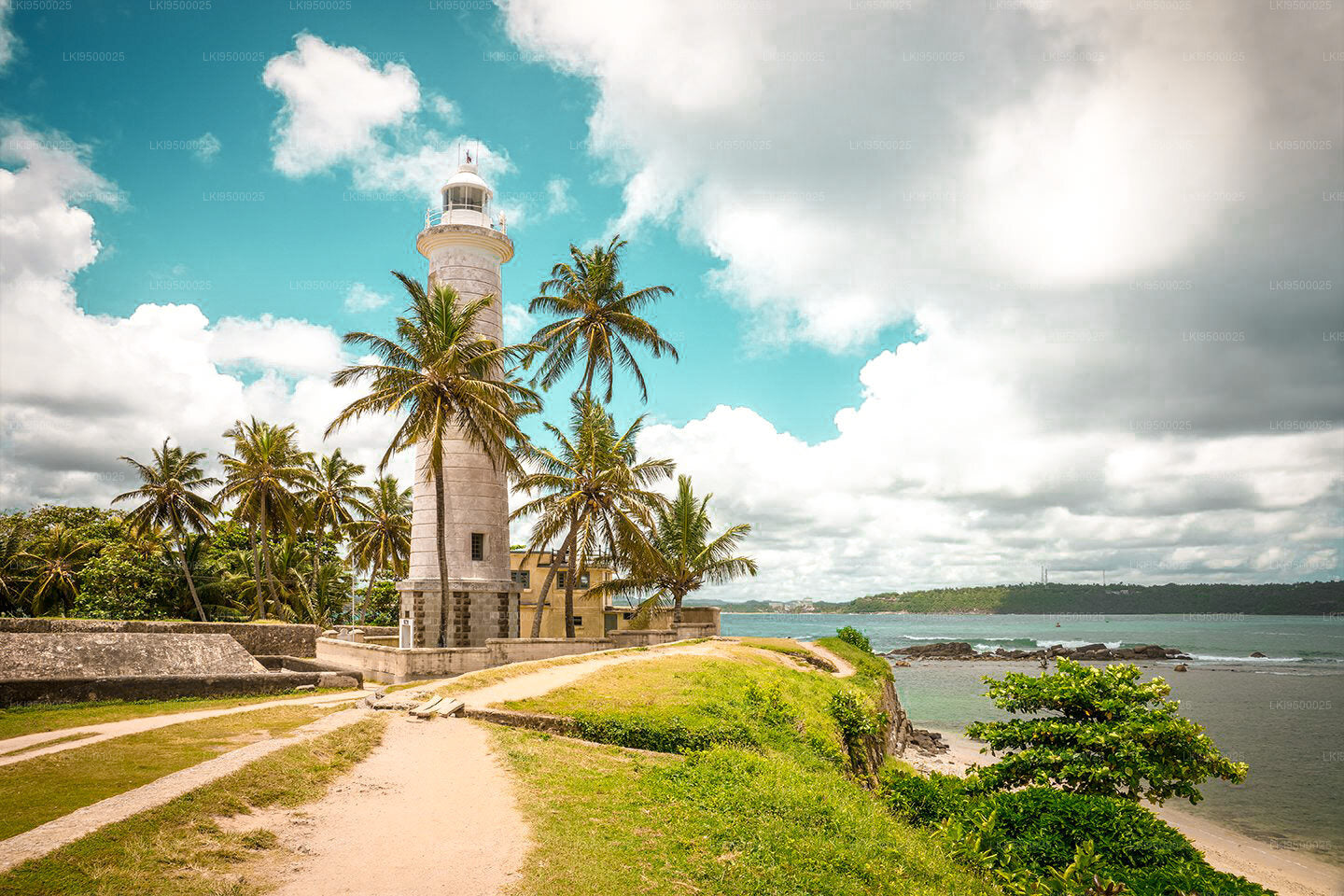
Sri Lanka, then known as Ceylon, survived invasions from the Portuguese, the Dutch, and the English one after the other between the 15th and 20th centuries. Among the old cities of Ceylon, Galle was one of the most affected cities during the foreign occupations. As a major port that was one of most important stopping points of many olden day naval trade routes, Galle was used as a main base in Sri Lanka by both the Portuguese and the Dutch.
As such, the location still holds many remnants from the Portuguese and Dutch occupation. One of these is Groote Kerk, the Dutch Reformed Church named as the ‘Great Church’ by the Dutch.
History
The very first Dutch reformed church of Galle was near where the Clock Tower is now. However, it was small and with the growing congregation soon had to be moved to a larger and more elaborate building opposite where Groote Kerk is currently. But that structure too did not last. With the building not being very stable, the Dutch Reformed Church of the area, decided to be proactive and build a new church structure on the opposite side of the street to the existing structure. This location was the highest point within the Galle Fort at 12m above sea level. The foundations were laid in 1682.
Yet, funds were lacking and the construction stagnated shortly after. Years passed and the old church continued to be used, despite its increasingly dilapidated condition. While there was not sufficient funds to continue the construction, a church belfry was built adjoining the old church in 1701. The bell was cast only in 1709, and was later rung to announce Sunday services.
Then in 1755, Casparus de Jong, Lord of Spanbroek and Commandeur of Galle, saw the birth of his long awaited for daughter. Filled with gratitude to god; he and his wife, Geertruyda Adriana Le Grand, decided to donate money for the new church building that was pending construction. It is said that the child was not baptized until the church was completed. In the Baptismal Register of Groote Kerk, the date of baptism for De Jong’s daughter is recorded as the 24th of August 1755. This means that the church completed very shortly before this. Considering that the child was born in 1755, it would also mean that the time taken to finish the construction was around 9 months at most.
In any case, the construction was very successful and the Dutch Reformed Church was moved to its third location since initiation in Galle. The new larger church was christened ‘Groote Kerk’. The congregation grew. In 1760, a used but beautiful, high quality church organ was purchased in Colombo and installed within the hallowed space. A good church choir then started gracing each prayer time.
A few years passed and the Dutch were defeated by the British. They up and left Ceylon, returning to their homeland. The British took over. While they didn't place as much importance in