


Lakpura
Lakpura®

Annona cherimola

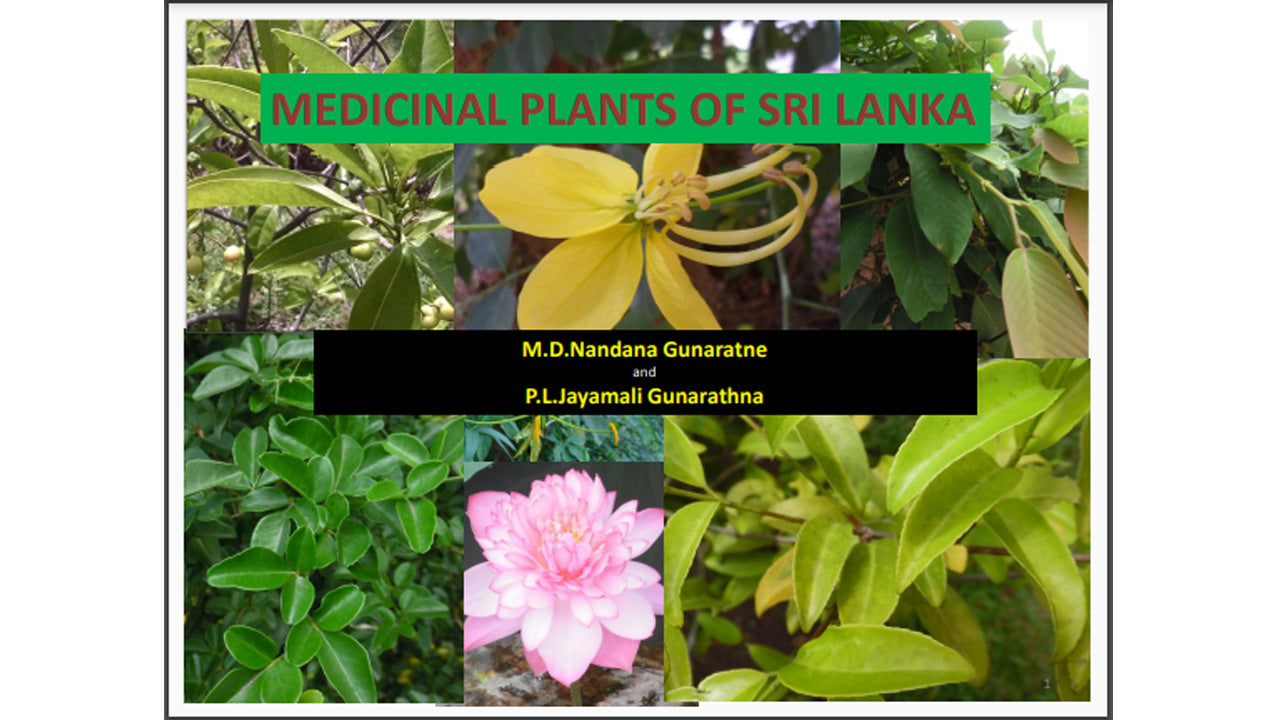
Annona cherimola, commonly known as cherimoya, is a fruit-bearing tree that holds a recognised place in the catalogue of ayurvedic medicinal plants of Sri Lanka. Though its origins trace to the Andean highlands of South America, the plant has been cultivated across tropical and subtropical regions of Asia for centuries, and Sri Lankan traditional medicine practitioners have long incorporated parts of the plant into herbal formulations and remedies.

What is Annona cherimola?

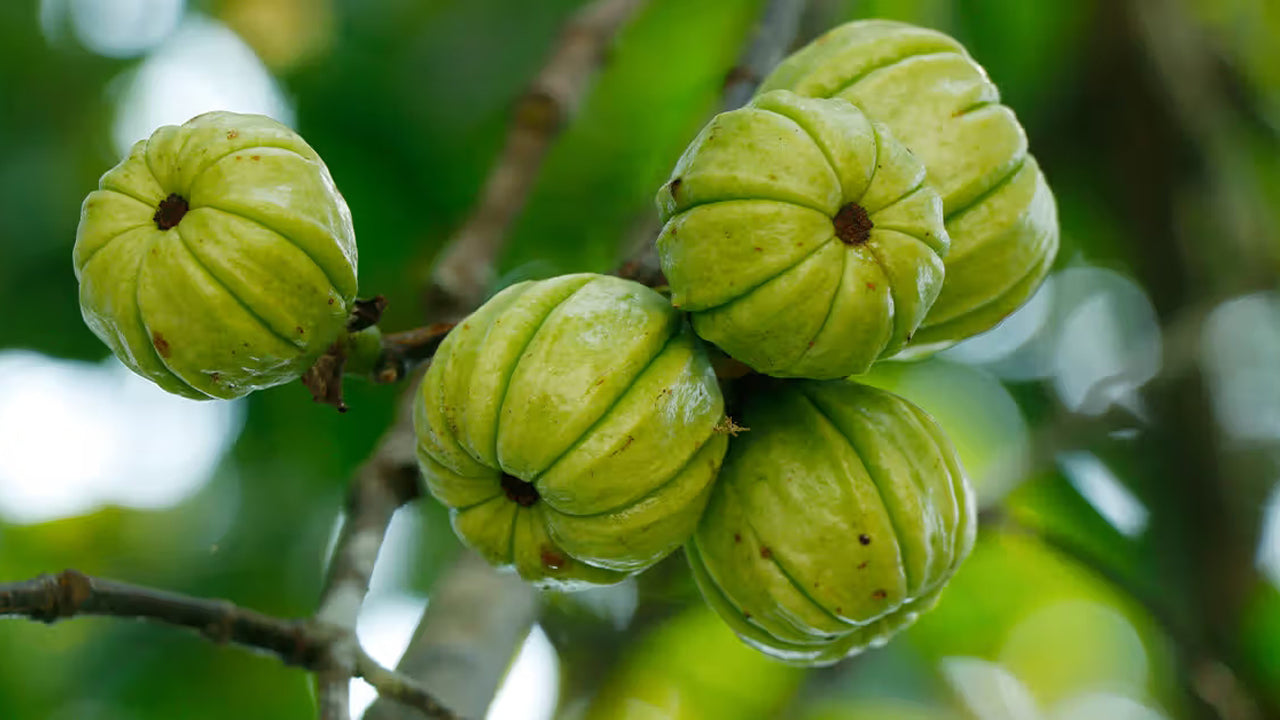
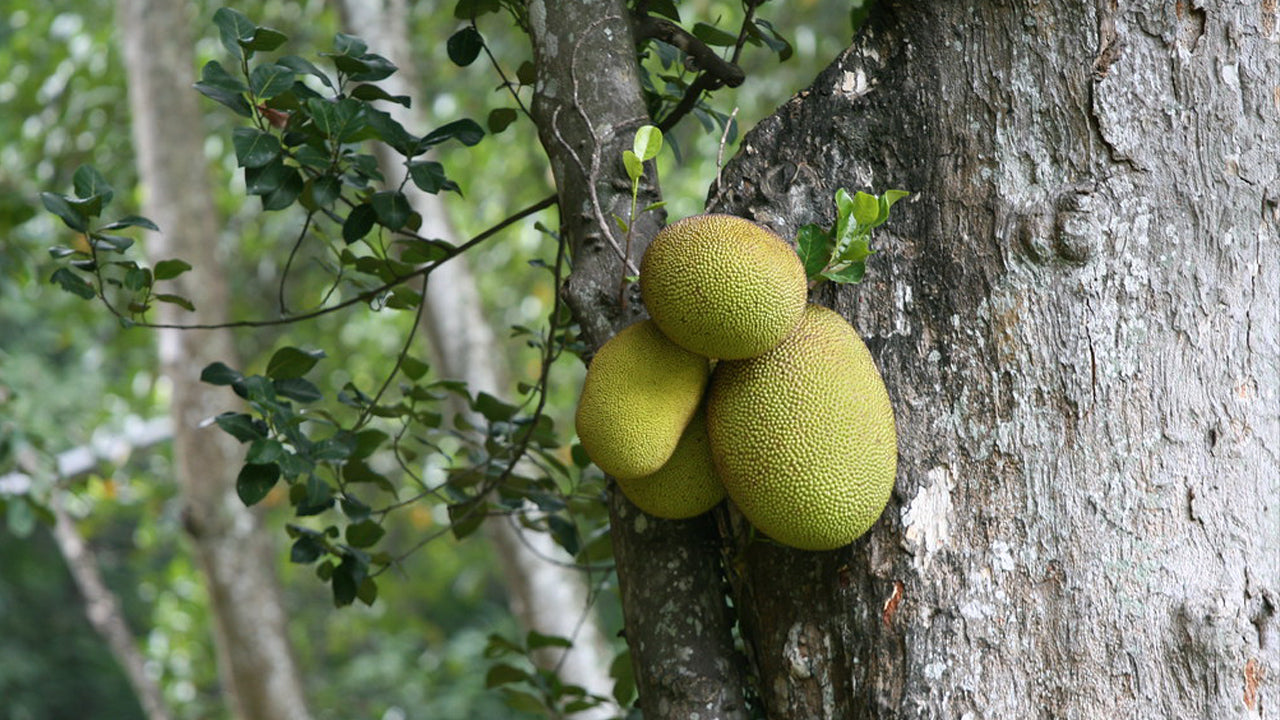
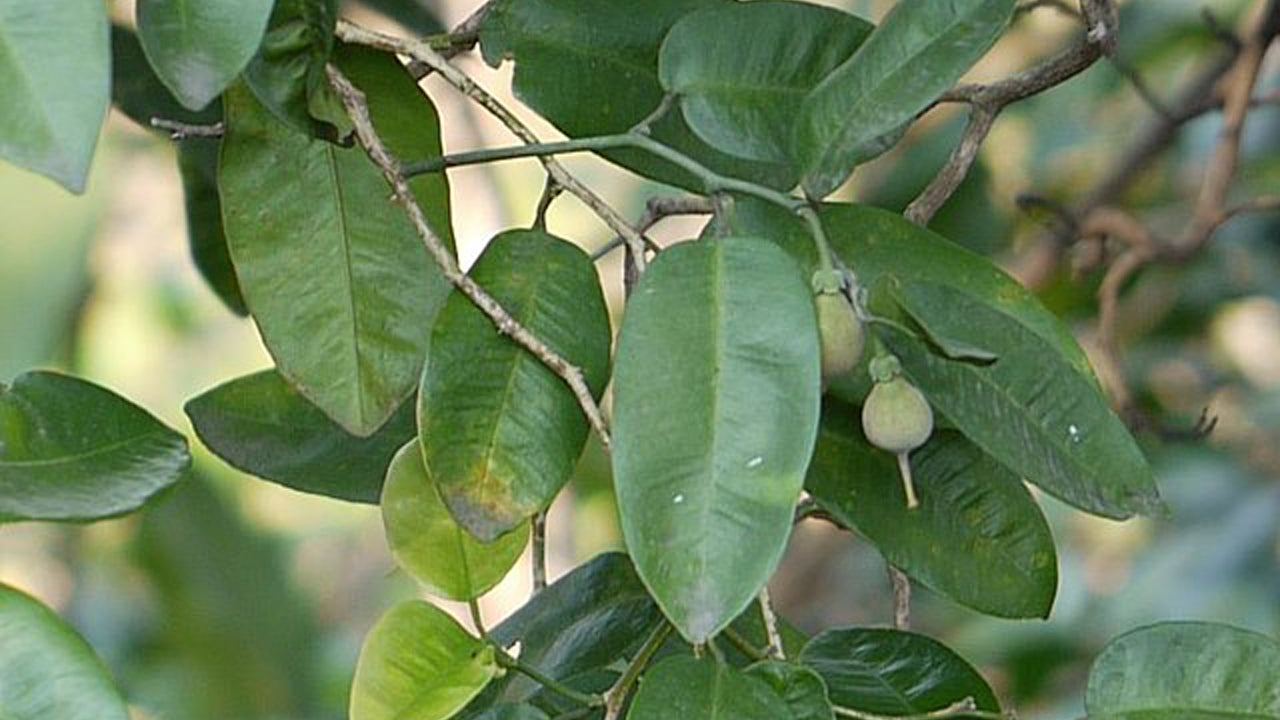
Annona cherimola belongs to the family Annonaceae, a group of flowering plants that includes several species prized for their edible fruits and medicinal properties. The cherimoya tree typically grows to a moderate height and bears large, heart-shaped or conical fruits with a distinctive scaly green skin. The white, creamy flesh inside has a custard-like texture and a sweet flavour that blends notes reminiscent of banana, pineapple, and vanilla.

In botanical terms, the plant is a semi-deciduous tree that prefers cool highland climates with moderate rainfall — conditions found in several elevated regions of Sri Lanka. It is known under a variety of local names across different cultures, and within the Annonaceae family it is considered one of the most commercially significant species.

How is Annona cherimola used in ayurvedic medicine?

In Sri Lanka's ayurvedic tradition, different parts of the Annona cherimola plant are used for distinct therapeutic purposes. The leaves, seeds, bark, and fruit each carry properties that traditional practitioners reference when preparing remedies.

  • Leaves: Leaf preparations are traditionally associated with anti-inflammatory and wound-healing applications. Poultices made from crushed leaves have been used topically in folk medicine.
  • Seeds: The seeds contain alkaloids and are noted in ethnobotanical literature for antiparasitic properties. They require careful preparation, as raw seeds can be toxic in larger quantities.
  • Bark: Bark extracts have been used in some traditional formulations aimed at supporting digestive health.
  • Fruit: The ripe fruit is valued nutritionally and is considered in ayurvedic dietary guidelines as a food that supports energy and vitality. It is a source of vitamin C, B vitamins, and dietary fibre.

It is important to note that ayurvedic use of plant parts beyond the ripe fruit — particularly the seeds — should only be undertaken under the guidance of a qualified ayurvedic physician. Self-medication with seed extracts is not recommended.

What are the known phytochemical properties of Annona cherimola?

Modern phytochemical research has identified a range of bioactive compounds in Annona cherimola that help explain its traditional uses. These include acetogenins, alkaloids, flavonoids, and tannins. Acetogenins in particular have attracted scientific interest for their cytotoxic activity, and ongoing research continues to explore their pharmacological potential.

Flavonoids and tannins present in the leaves and bark contribute to the antioxidant profile of the plant. The fruit pulp contains significant levels of ascorbic acid and potassium, supporting its reputation as a nutritious food in both folk tradition and contemporary dietetics.

Where does Annona cherimola grow in Sri Lanka?

Annona cherimola is primarily cultivated in the cooler mid-country and up-country zones of Sri Lanka, where temperatures and rainfall patterns suit its growth requirements. Elevations above roughly 1,000 metres tend to produce better fruit quality, and the plant is sometimes found in home gardens and small cultivation plots in areas around Nuwara Eliya and the central highlands.

Sri Lanka's rich botanical heritage means that many such introduced and naturalised plants have become integrated into traditional agricultural and medicinal practices over generations. The country's ayurvedic pharmacopoeia documents a broad range of plant species — from widely known trees like Cocos nucifera to more specialised medicinal plants — reflecting centuries of accumulated botanical knowledge.

How does Annona cherimola relate to Sri Lanka's broader ayurvedic tradition?

Sri Lanka has one of the world's oldest continuous traditions of ayurvedic medicine, with knowledge of medicinal plants documented in ancient texts and passed through generations of practitioners. Government bodies, including the Department of Ayurveda, maintain official catalogues of recognised medicinal plants, and Annona cherimola features among those formally documented for therapeutic use.

Alongside species such as Syzygium aromaticum (clove) and Acacia chundra, Annona cherimola represents the diversity of the island's plant-based medical heritage — a system that integrates locally endemic species with plants introduced through historical trade and cultural exchange.

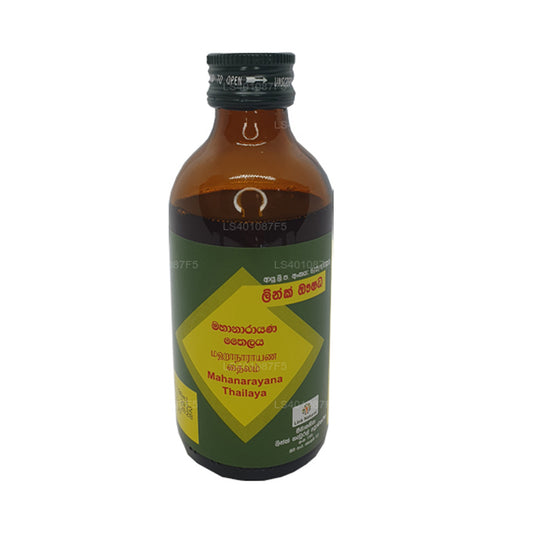
Ayurvedic formulations documented in Sri Lankan practice frequently combine multiple plant ingredients. Preparations such as Yogaraja Guggulu and Kaishore Guggulu illustrate how complex herbal compounds are assembled from individual plant sources, each contributing specific properties to the overall remedy.

Can visitors learn about Sri Lanka's medicinal plants firsthand?

Travellers with an interest in ethnobotany and traditional medicine will find Sri Lanka a rewarding destination. Ayurvedic centres across the island offer educational experiences, and herb gardens associated with wellness resorts and cultural sites frequently grow and label a range of medicinal species. Village and nature tours in areas such as the Sinharaja Forest Reserve sometimes include introductions to medicinal plant use as part of a broader ecological narrative.

For those visiting fruit farms, locations like Midigama Fruit Farm offer direct encounters with tropical and subtropical species that bridge the gap between culinary and medicinal traditions — providing context for how plants like Annona cherimola are understood and used in everyday Sri Lankan life.

What precautions should be taken when using Annona cherimola medicinally?

While the ripe fruit of Annona cherimola is safe for general consumption and widely eaten across tropical regions, other parts of the plant — especially the seeds — contain compounds that can be harmful if ingested inappropriately. Ethnobotanical records consistently flag the need for professional guidance when preparing leaf or seed-based remedies.

Pregnant women and individuals with pre-existing health conditions are generally advised to consult a qualified practitioner before using any part of the plant therapeutically. As with all traditional medicinal plants, the context, dosage, and preparation method are critical to safe use.

Ask Lakpura® Agent