Spondias dulcis (Ambarella)
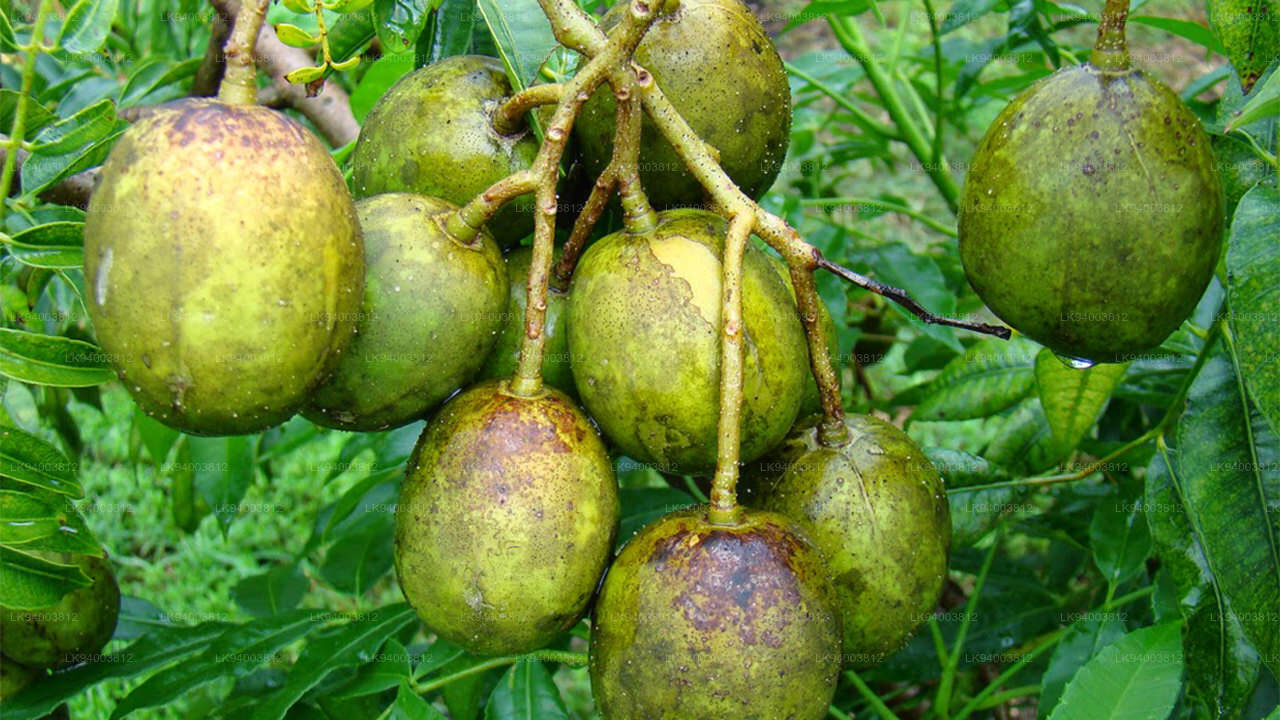
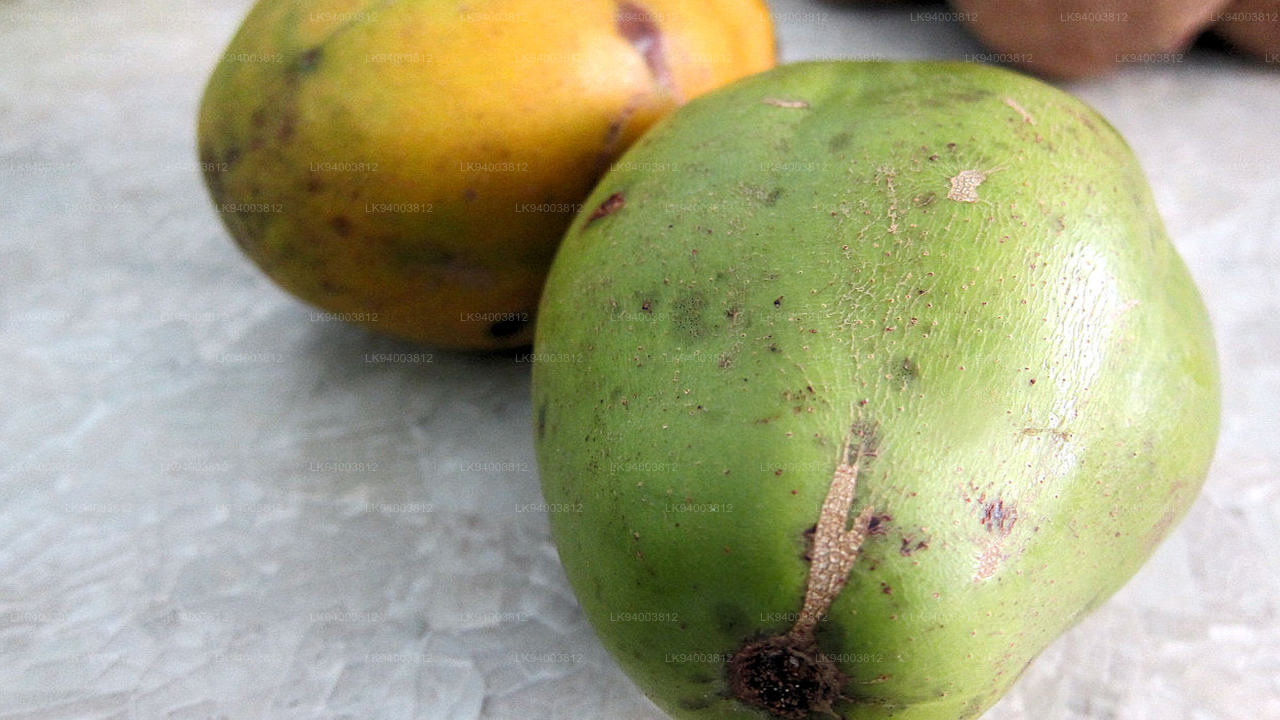
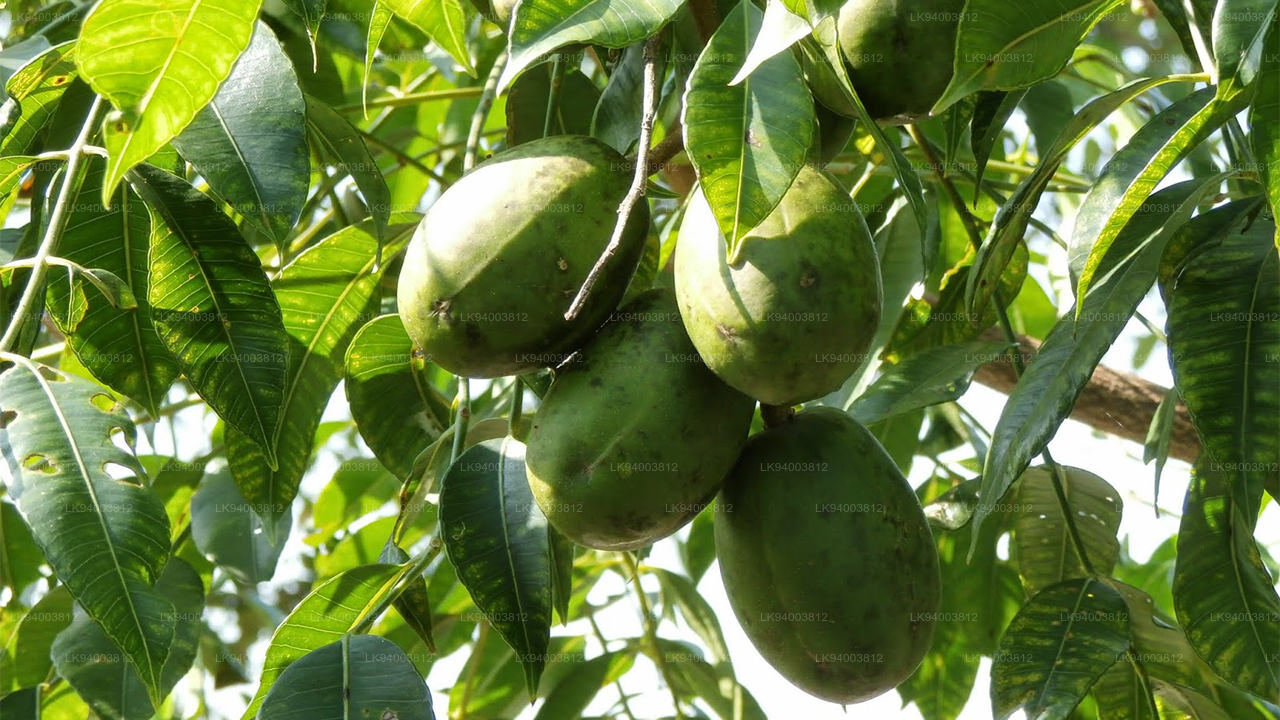
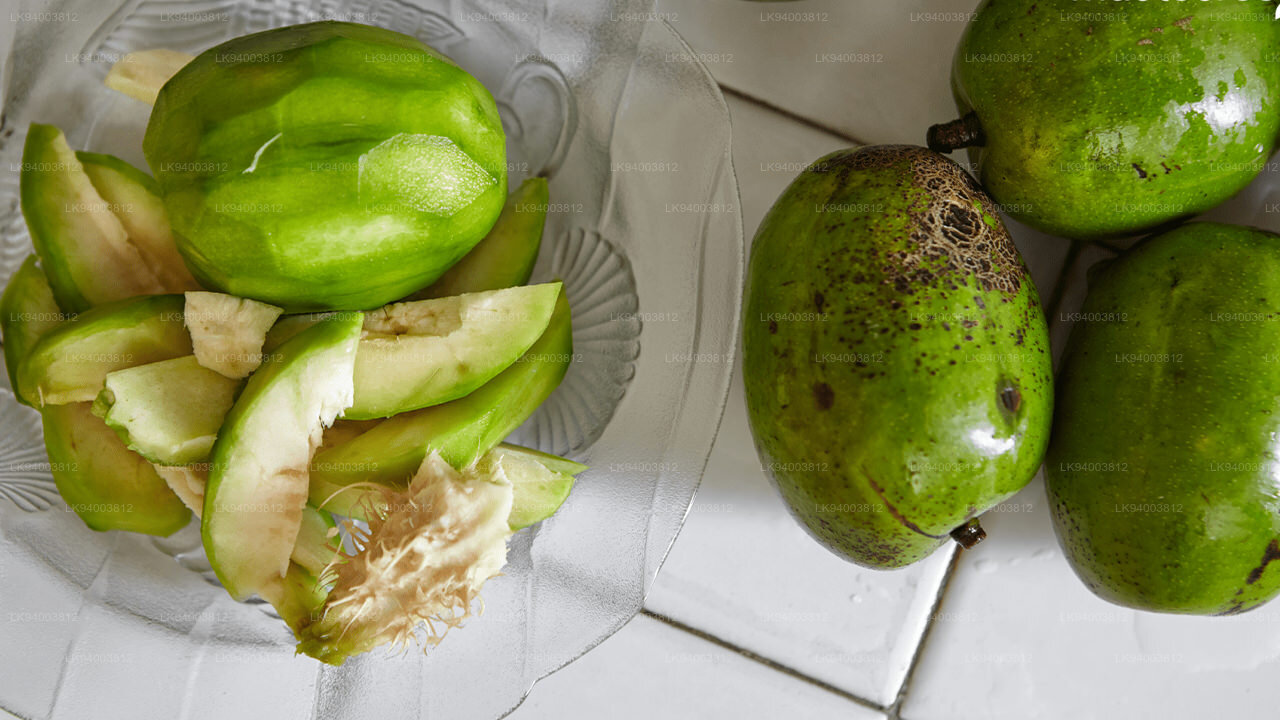
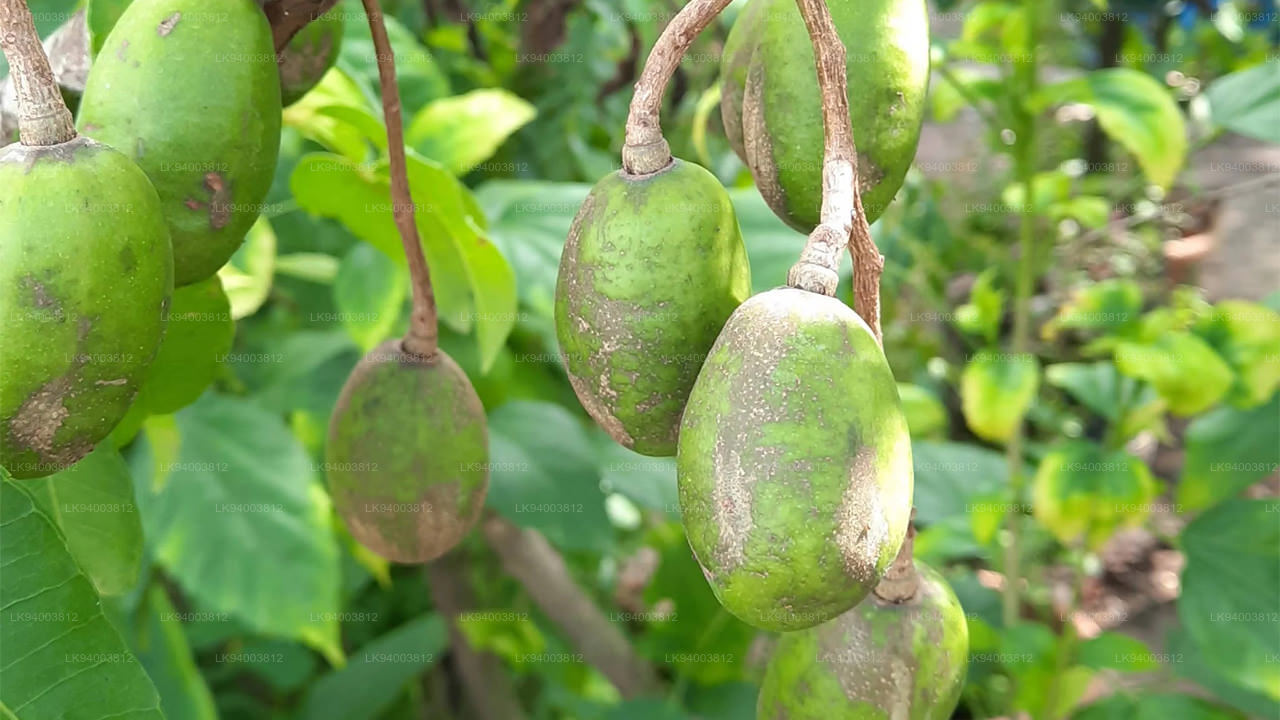
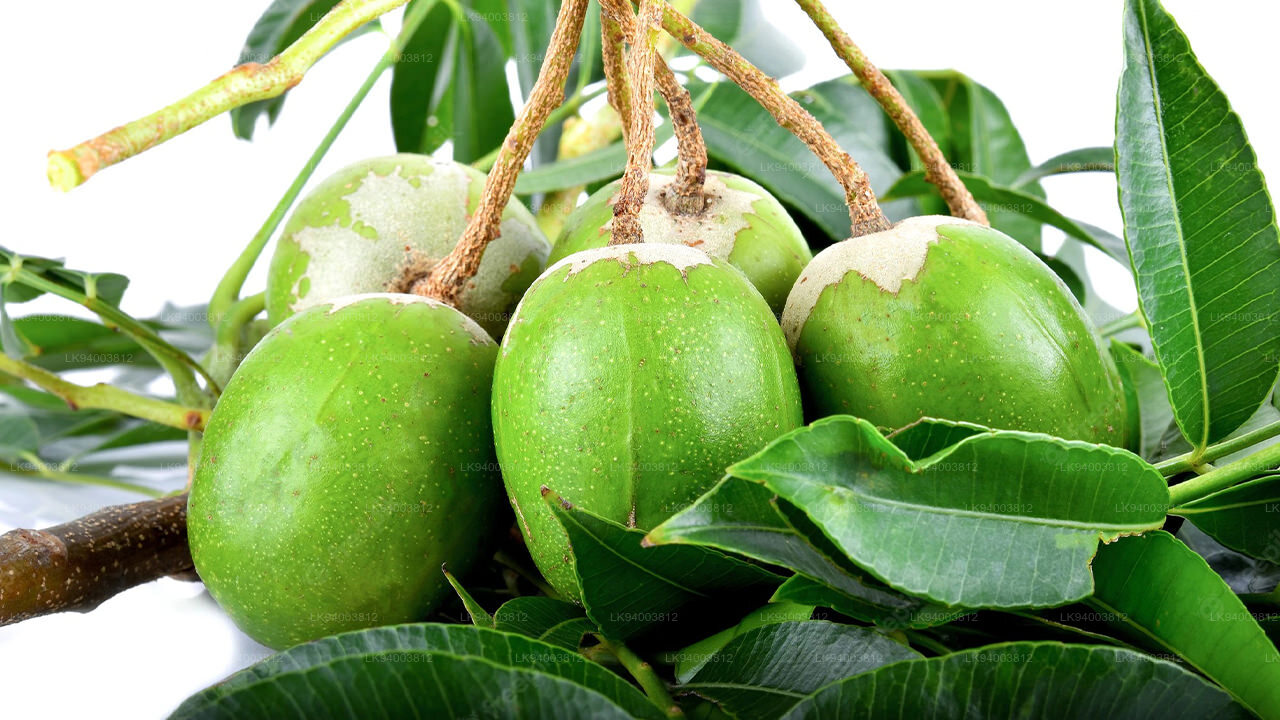
Spondias dulcis (syn. Spondias cytherea), allmänt känd som ambarella (ඇඹරැල්ලා) på Sri Lanka, är ett tropiskt träd med ätbara frukter som innehåller en fiberrik kärna. I den engelsktalande delen av Karibien kallas den ofta “golden apple”, och på andra håll i Karibien är den känd som pommecythere eller cythere.
Detta snabbväxande träd kan nå upp till 20 meter i höjd i sitt ursprungliga utbredningsområde i Melanesien och Polynesien; i andra områden blir det vanligtvis mellan 10 och 12 meter högt. Spondias dulcis har lövfällande, parbladiga blad, 20–60 cm långa, bestående av 9 till 25 blanka, elliptiska eller omvänt äggrunda småblad på 9–10 cm, fint tandade mot spetsen. Trädet producerar små, oansenliga vita blommor i terminala klasar. Dess ovala frukter, 6–9 cm långa, växer i klasar om 12 eller fler på långa stjälkar. Under flera veckor faller frukterna till marken medan de fortfarande är gröna och hårda, och blir gyllengula när de mognar.
Medicinskt värde hos Ambarella
Trädets blad, nötter, bark och kåda används för att behandla olika sjukdomar. Ambarella, som vi känner den som frukt, är en växt med högt medicinskt värde.
Omogna mangofrukter har en sammandragande och sur smak. Mogna, söta mangofrukter har kylande egenskaper och används därför som läkemedel mot olika sjukdomar.
Ambarella, rik på kalcium och fosfor, skyddar benens och tändernas hälsa. Den hjälper till att upprätthålla hjärtats normala funktion. Tack vare sitt höga innehåll av vitamin A förebygger den ögonproblem. Eftersom den innehåller vitamin C stärker den immunförsvaret. Den förebygger anemi, avlägsnar oönskat fett från kroppen och hjälper till att motverka fetma. Den reglerar kolesterolnivåer, ökar salivproduktionen och aptiten samt stärker kroppens nerver.
Att äta mogen ambarella kan förebygga vata dosha-störningar, matsmältningsbesvär orsakade av pitta dosha, blodsjukdomar och hudåkommor. Den är också bra för personer med svag fysisk styrka.
Spondias dulcis är en del av katalogen över ayurvediska medicinalväxter i Sri Lanka.
-
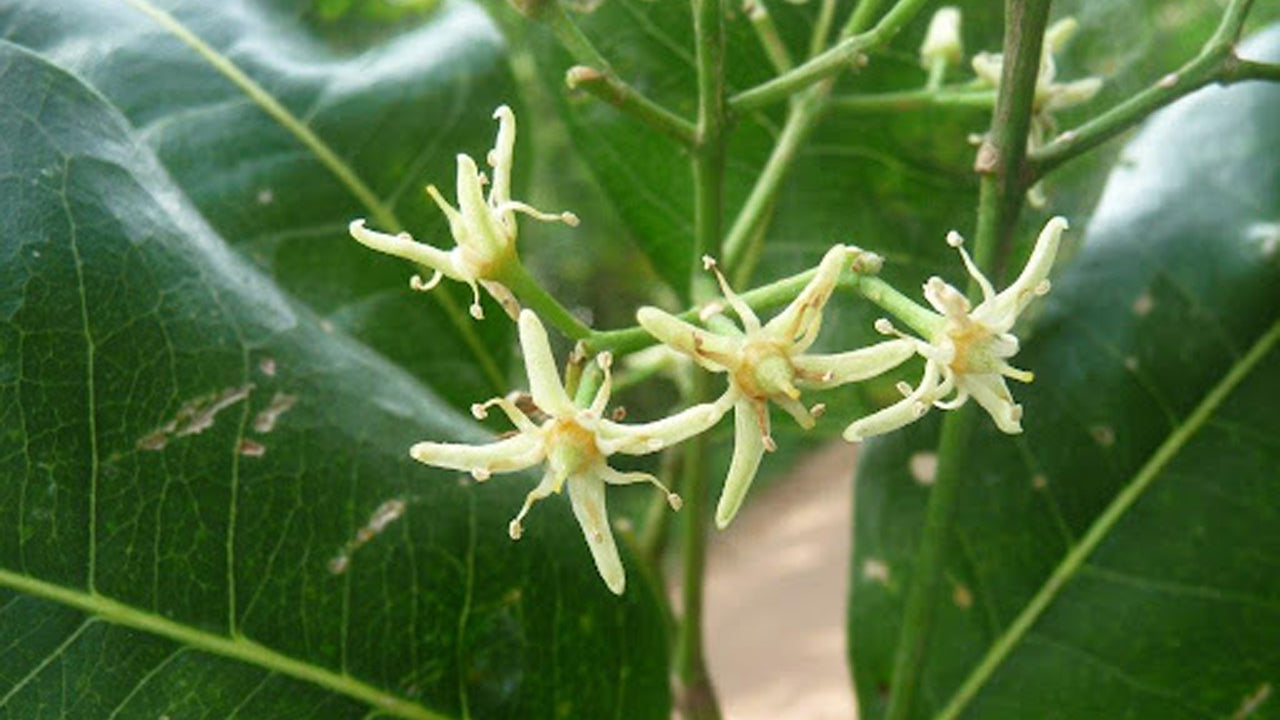
Claw-flowered laurel
Acronychia pedunculata -
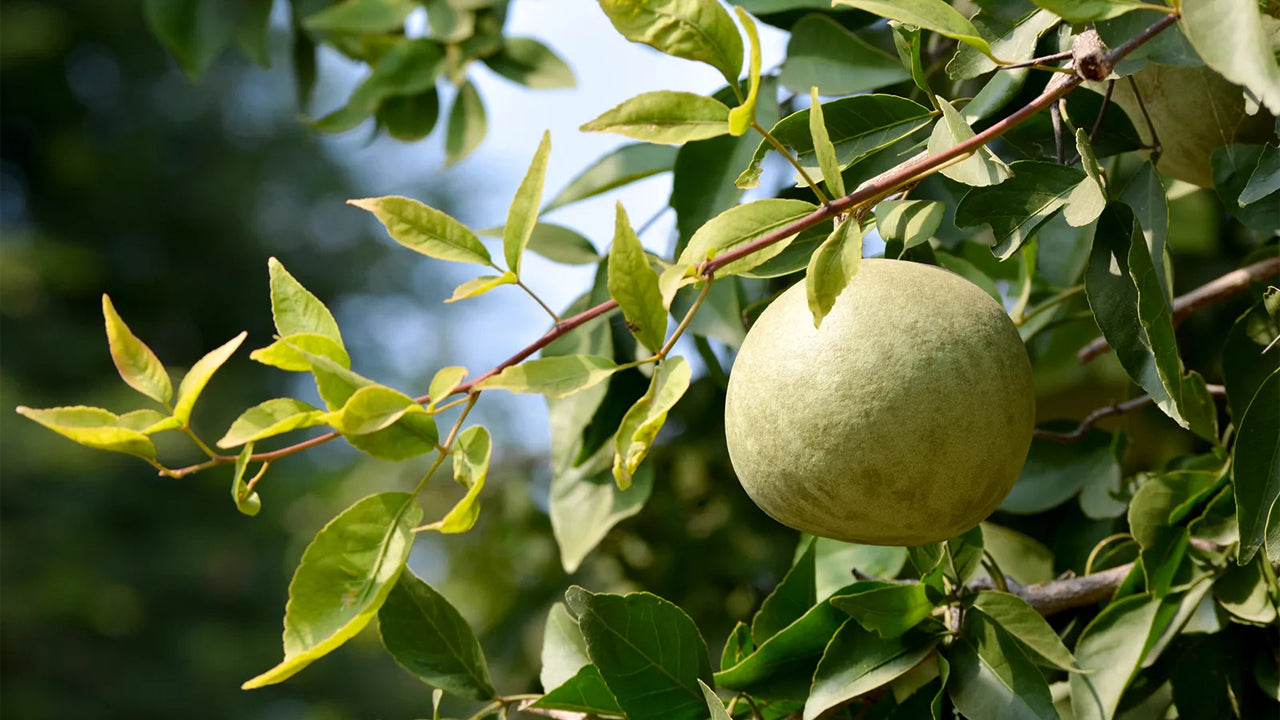
Bael
Aegle marmelos -
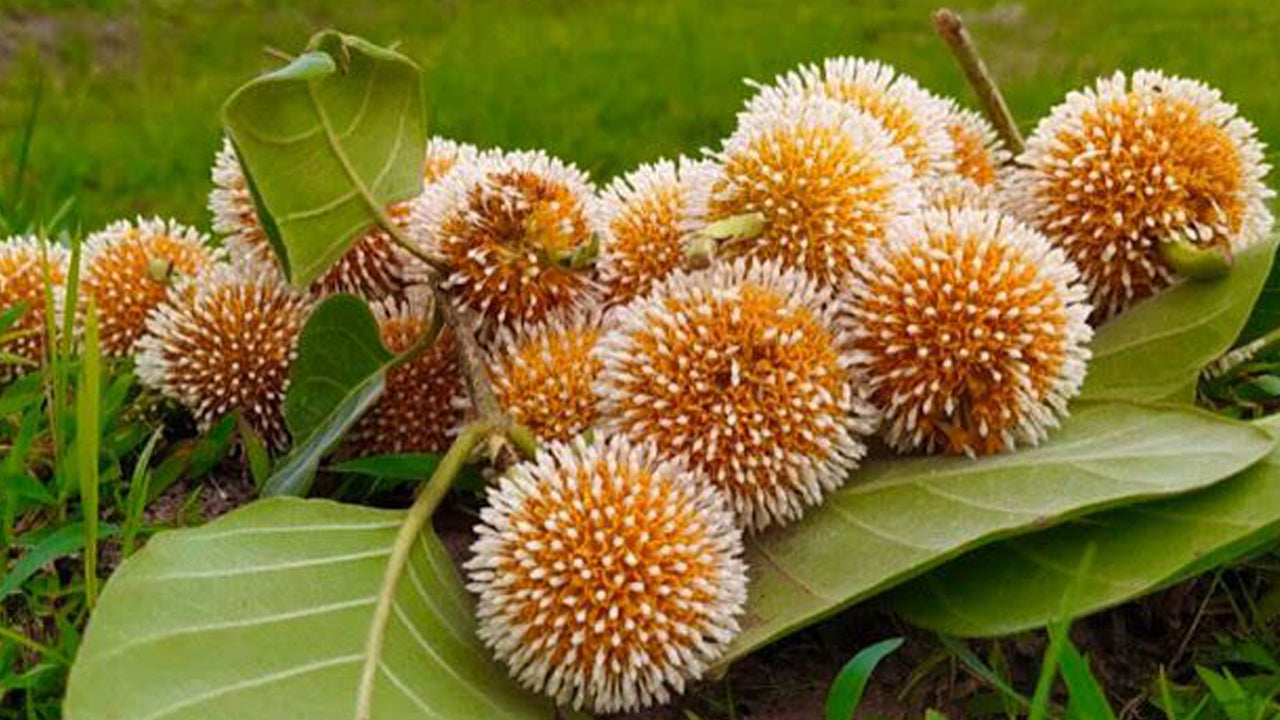
Leichhardt tree
Nauclea orientalis -
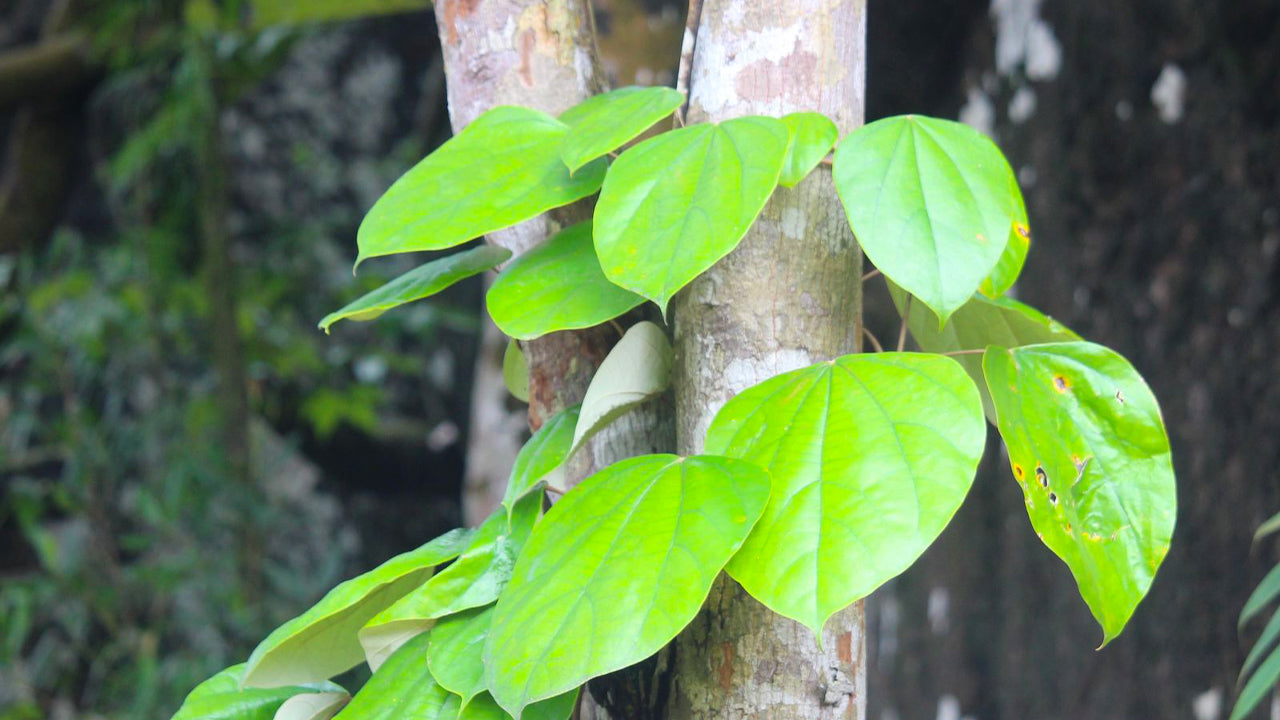
False Calumba
Coscinium fenestratum -

Malabar Gulbel
Tinospora malabarica -
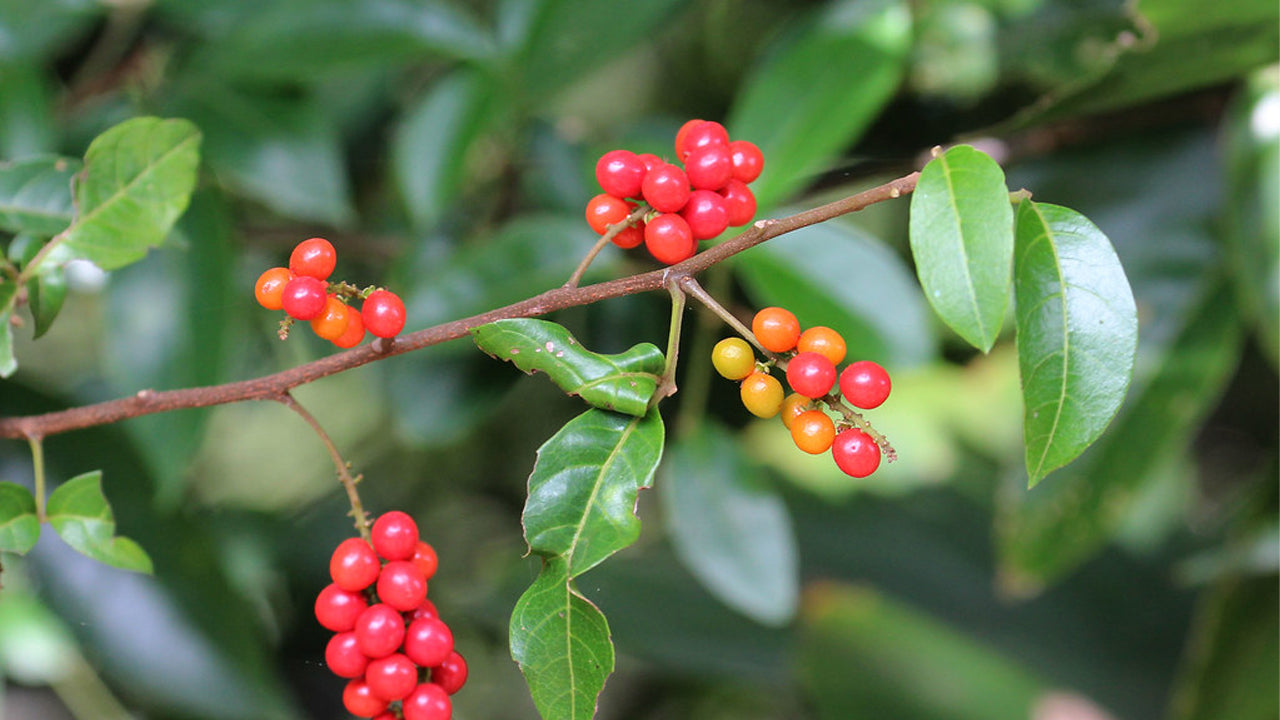
Titberry
Allophylus cobbe -
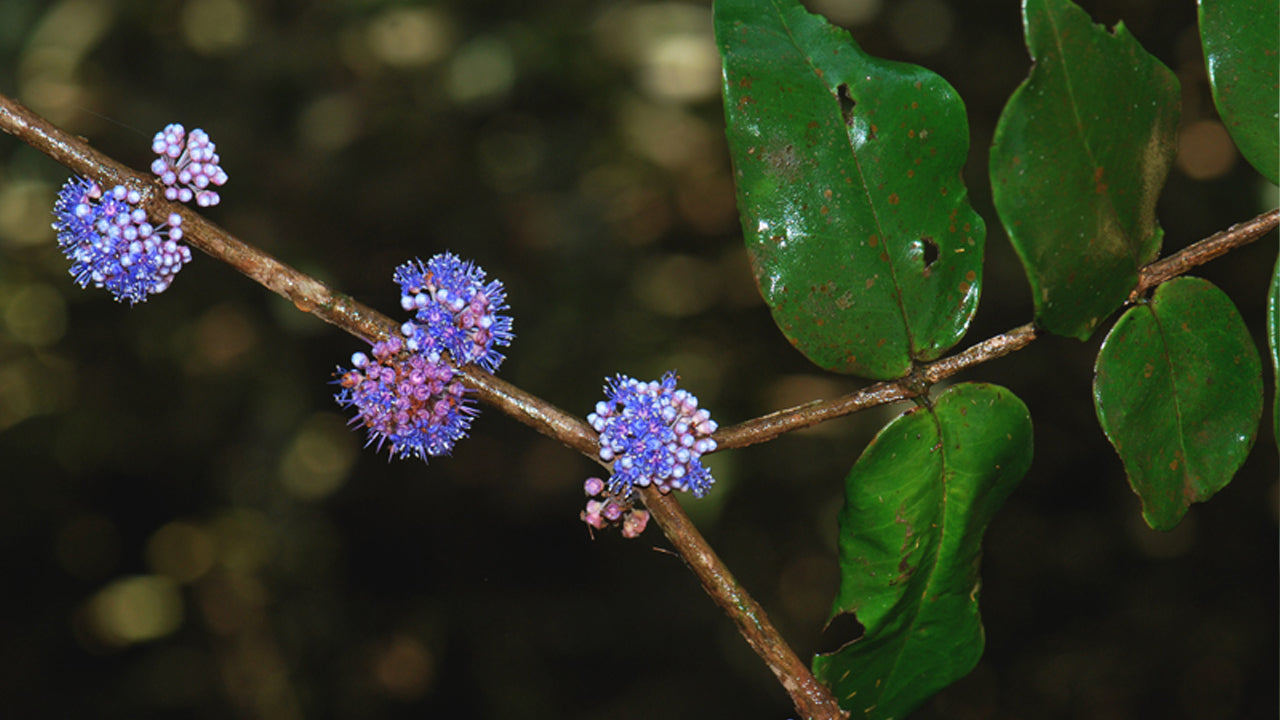
Ironwood Tree
Memecylon capitellatum -
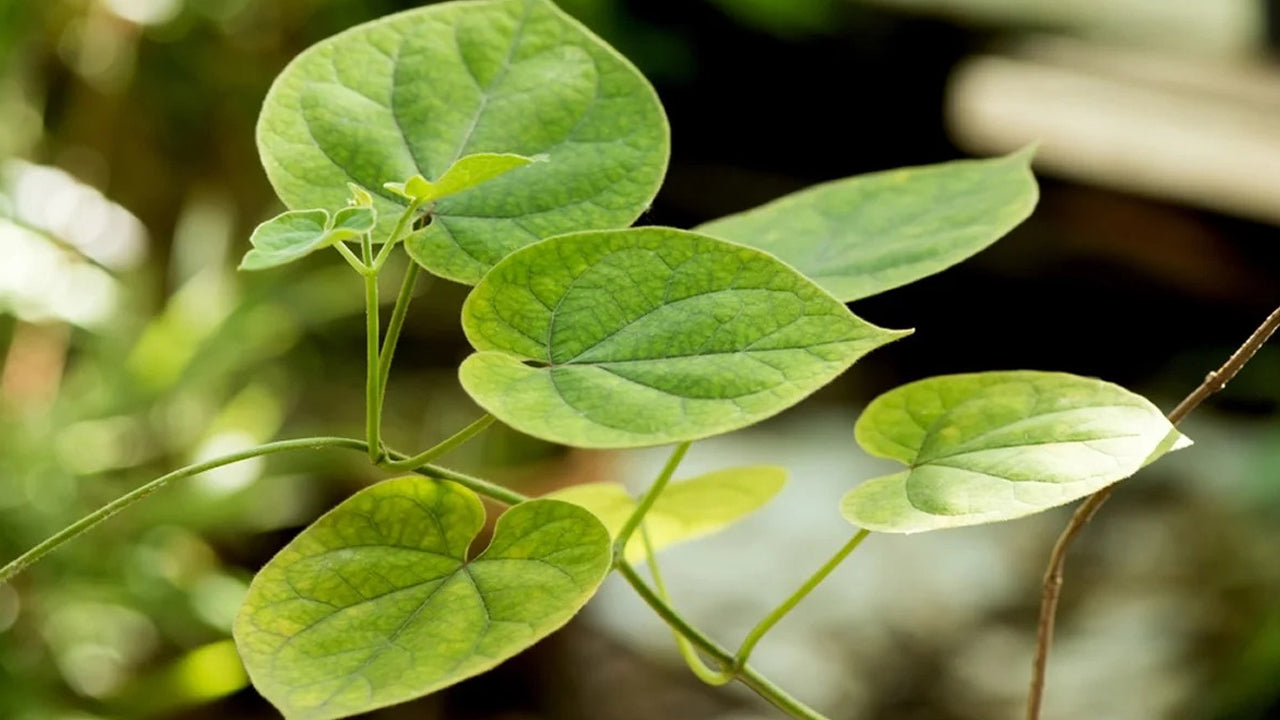
Velvet Leaf
Cissampelos pareira -
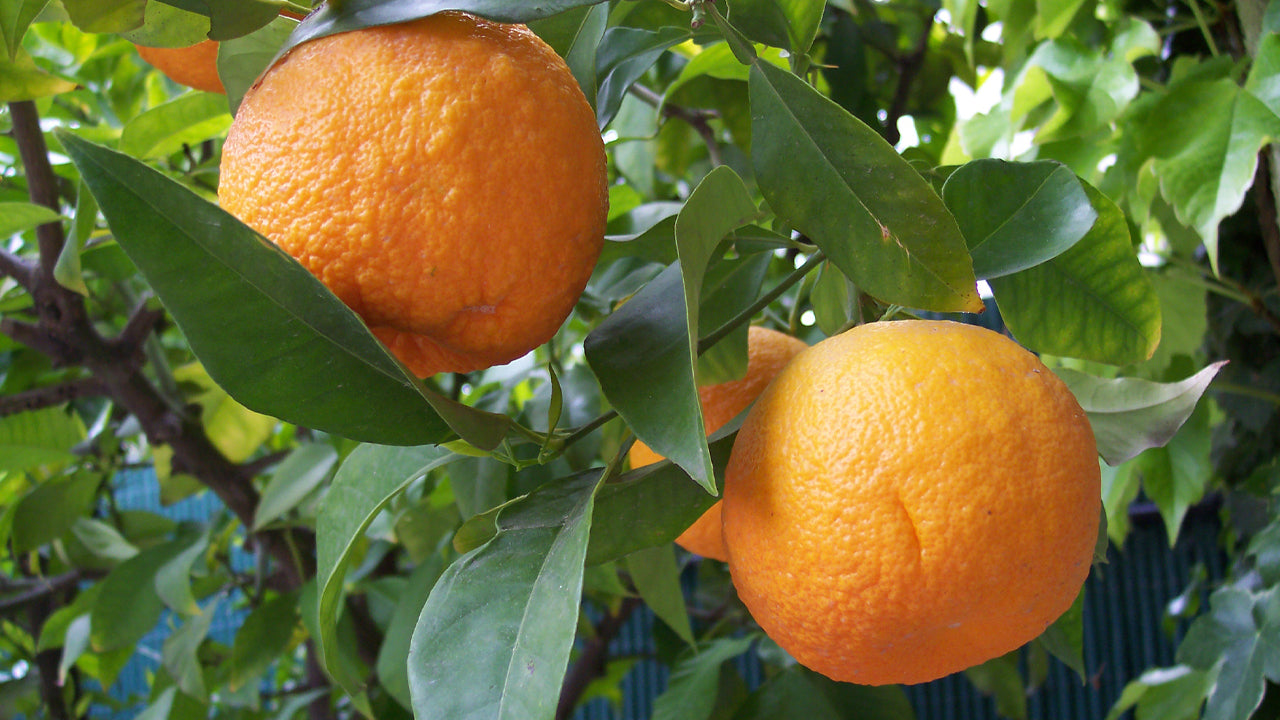
Bitter orange
Citrus aurantium -

Reinwardt's Tree Plant
Biophytun reinward -
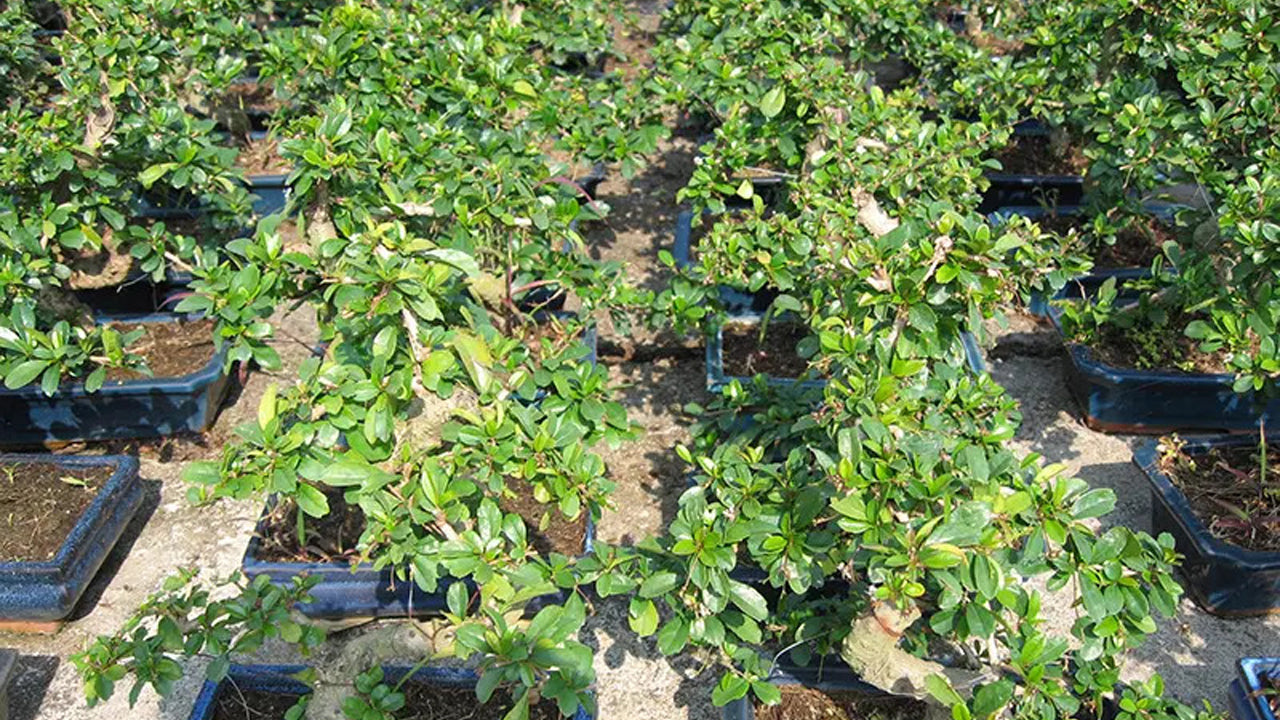
Fukien tea
Carmona microphylla -
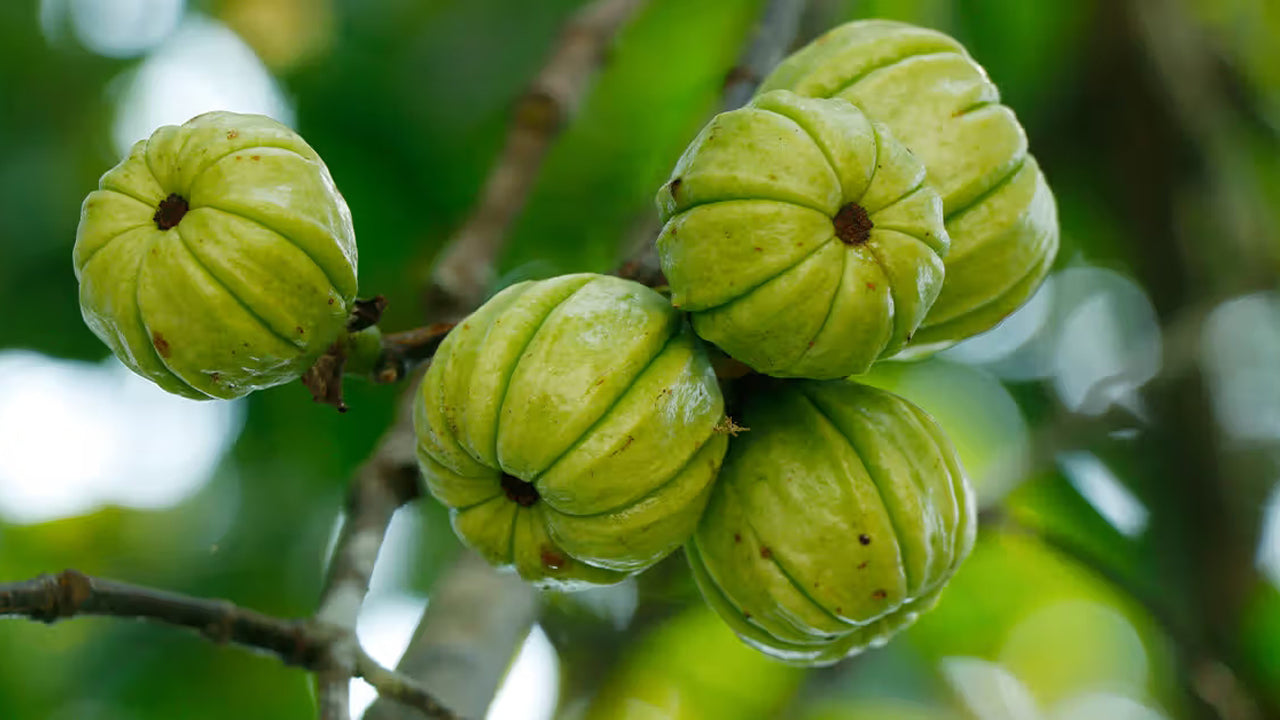
Malabar tamarind
Garcinia cambogia -
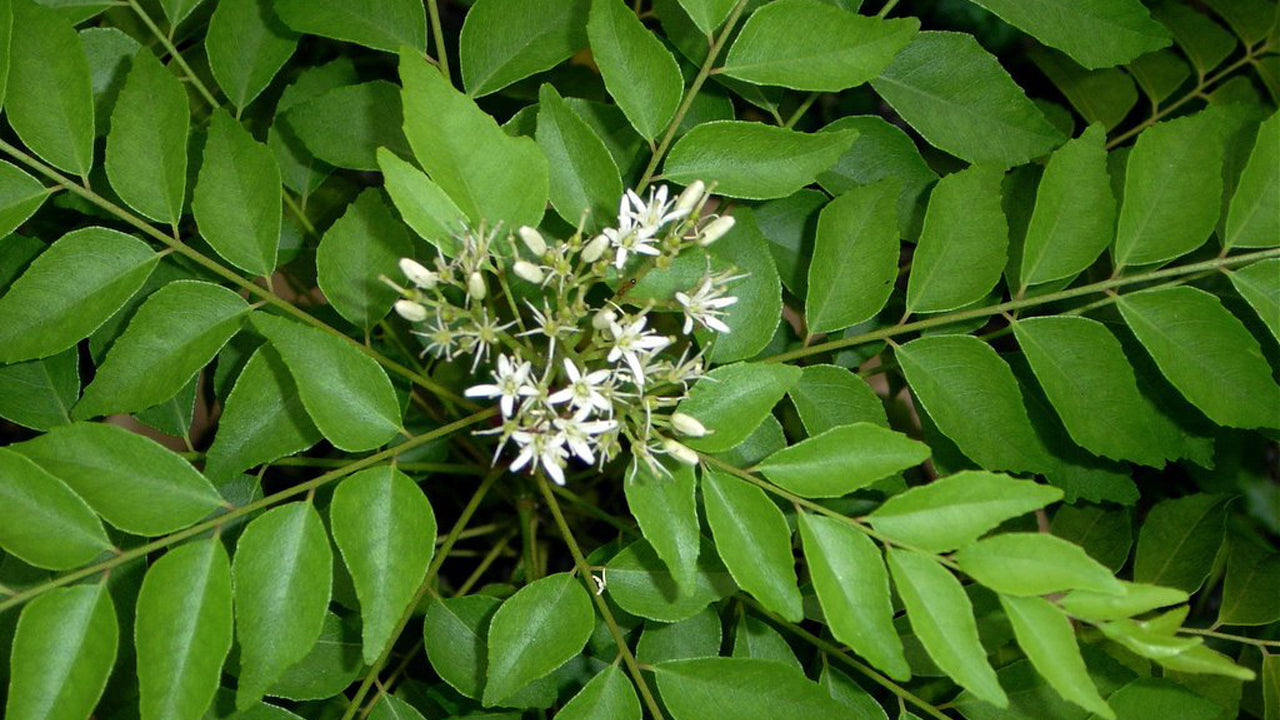
Curry leaf tree
Murraya koenigii -
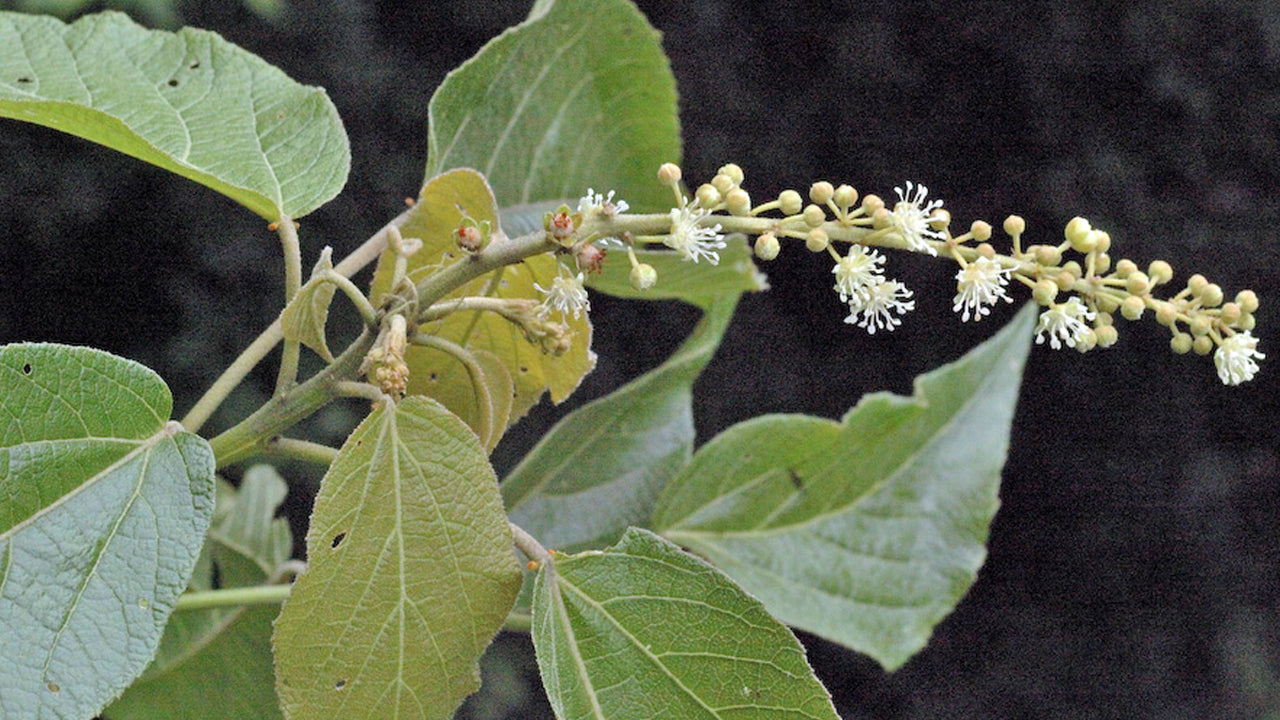
Kappetiya
Croton laccifer -
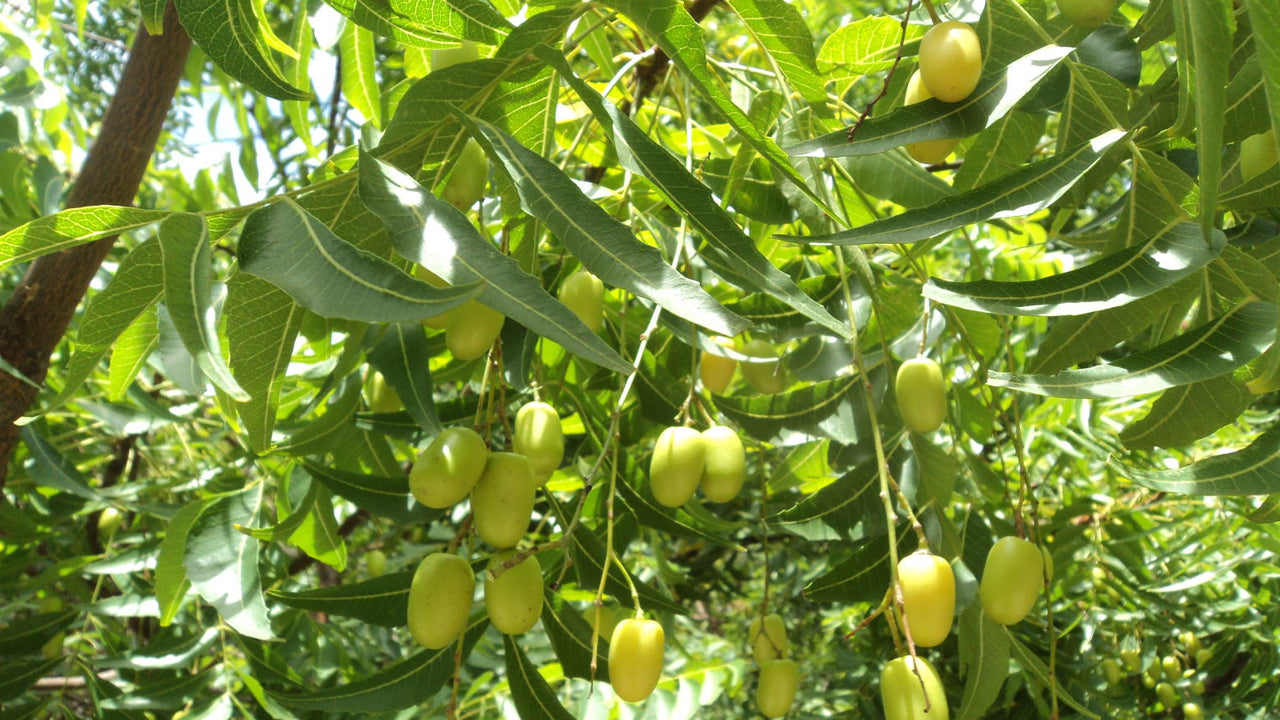
Indian lilac
Azadirachta indica -
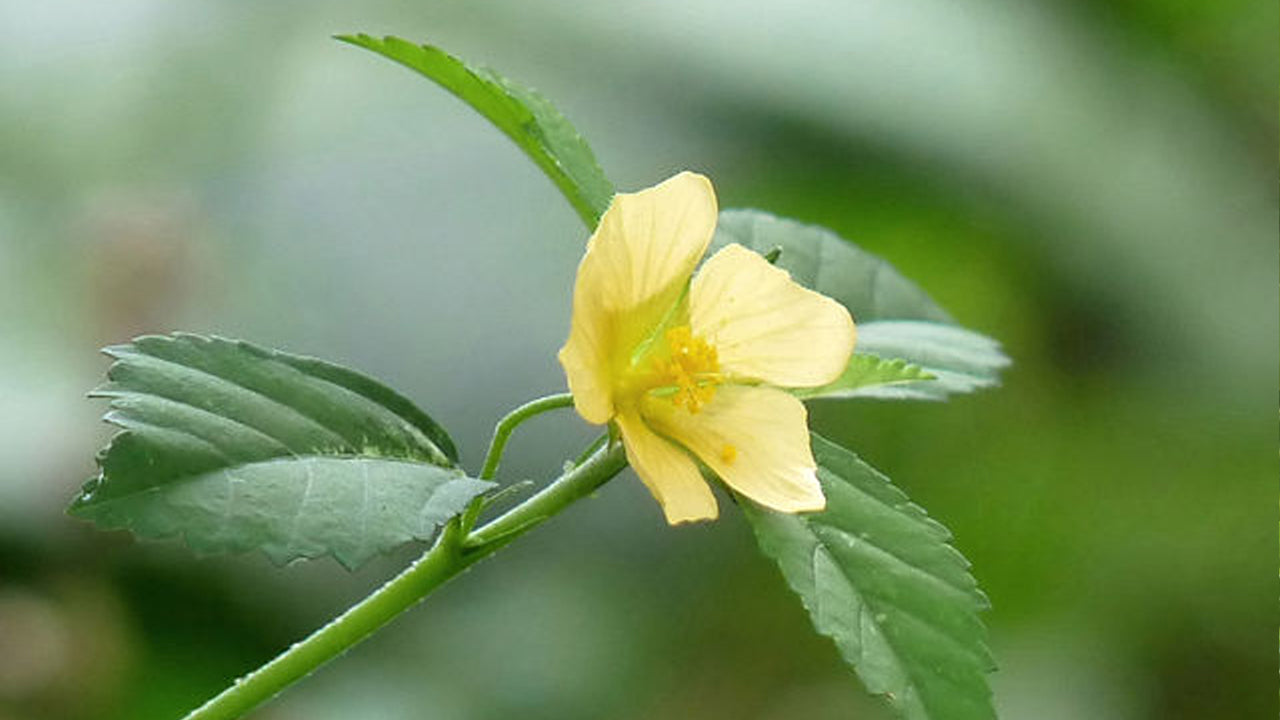
Spiny sida
Sida alba -
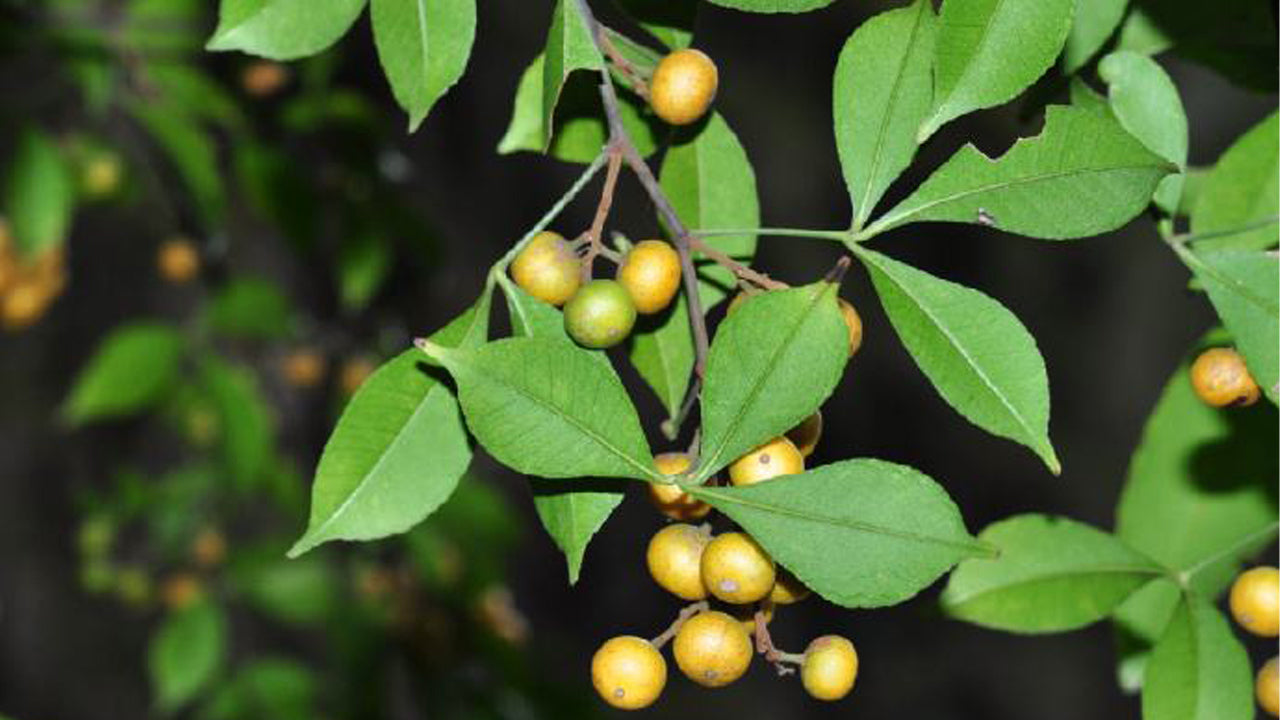
Orange climber
Toddlia asiatica -
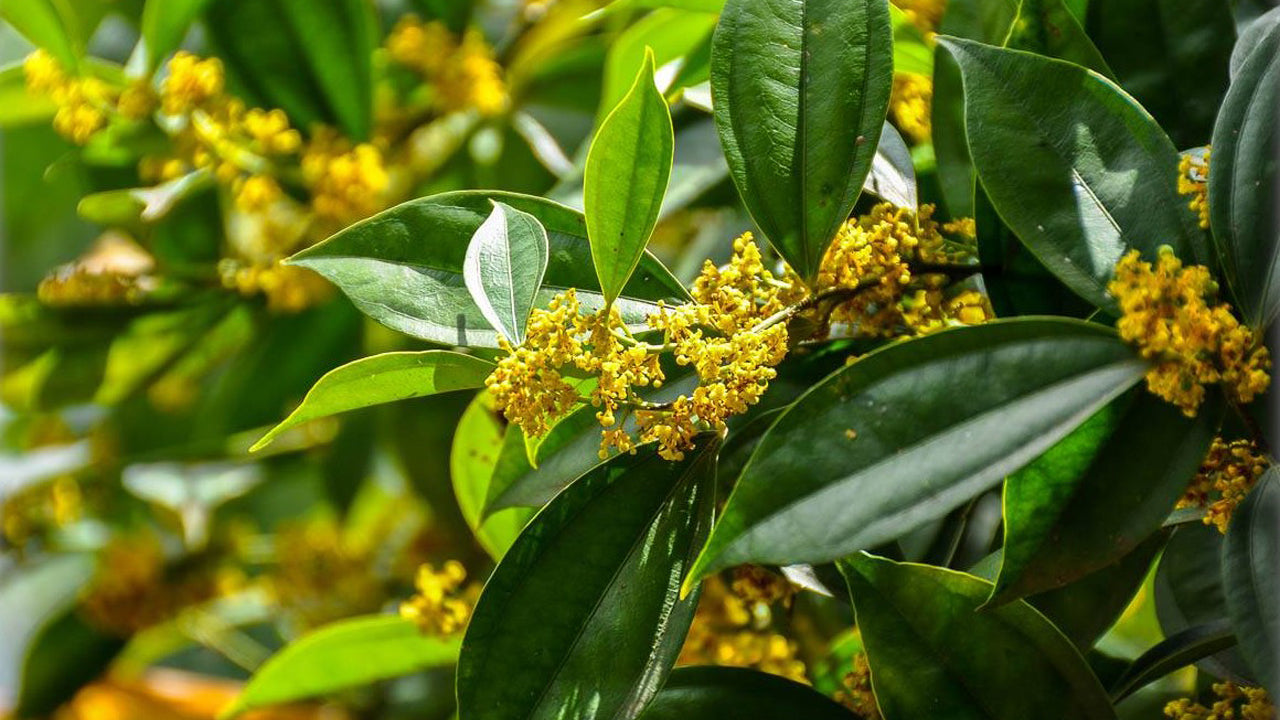
Ceylon cinnamon
Cinnamomum zeylanicum -
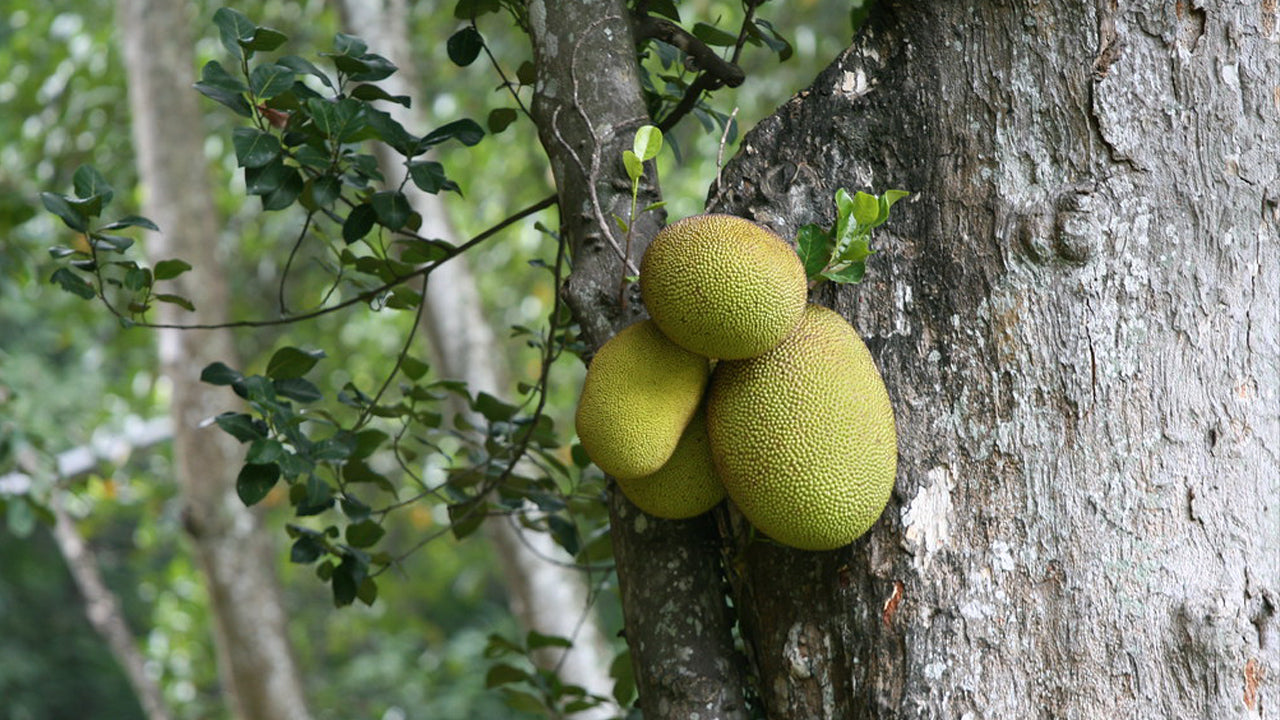
Jackfruit
Artocarpus heterophyllus -
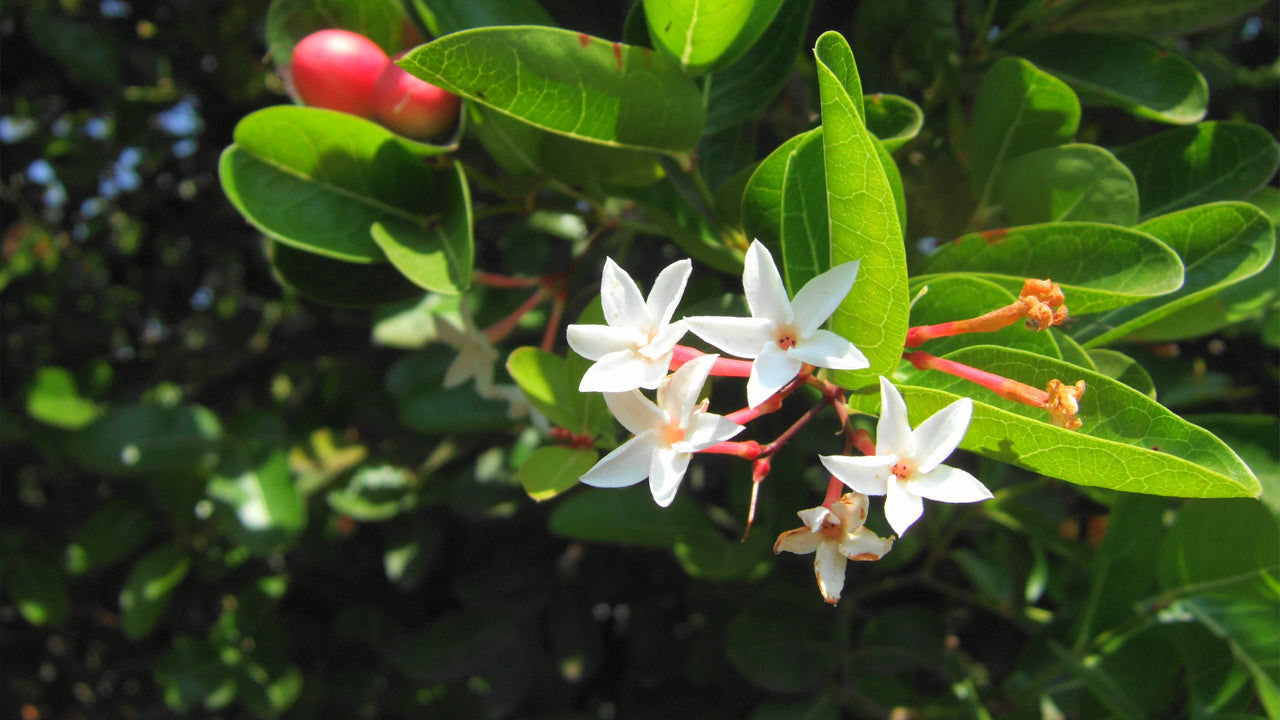
Karonda
Carissa carandas -
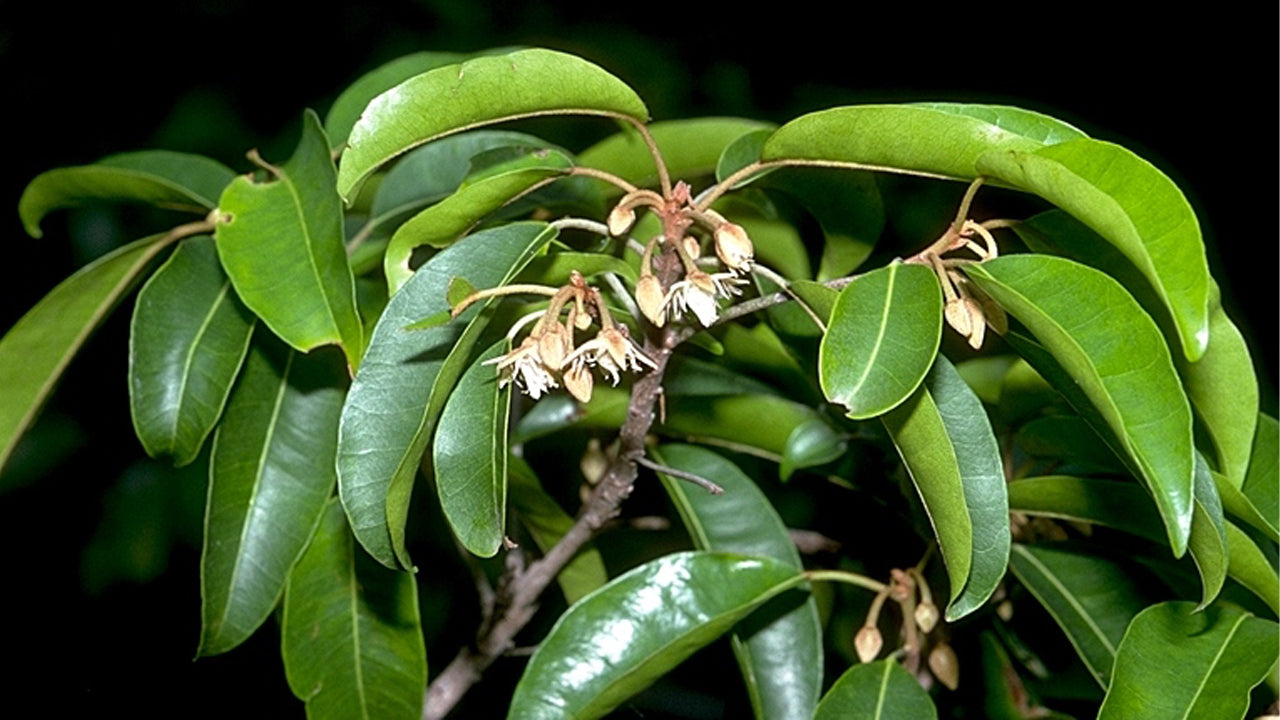
Spanish cherry
Mimusops elengi -
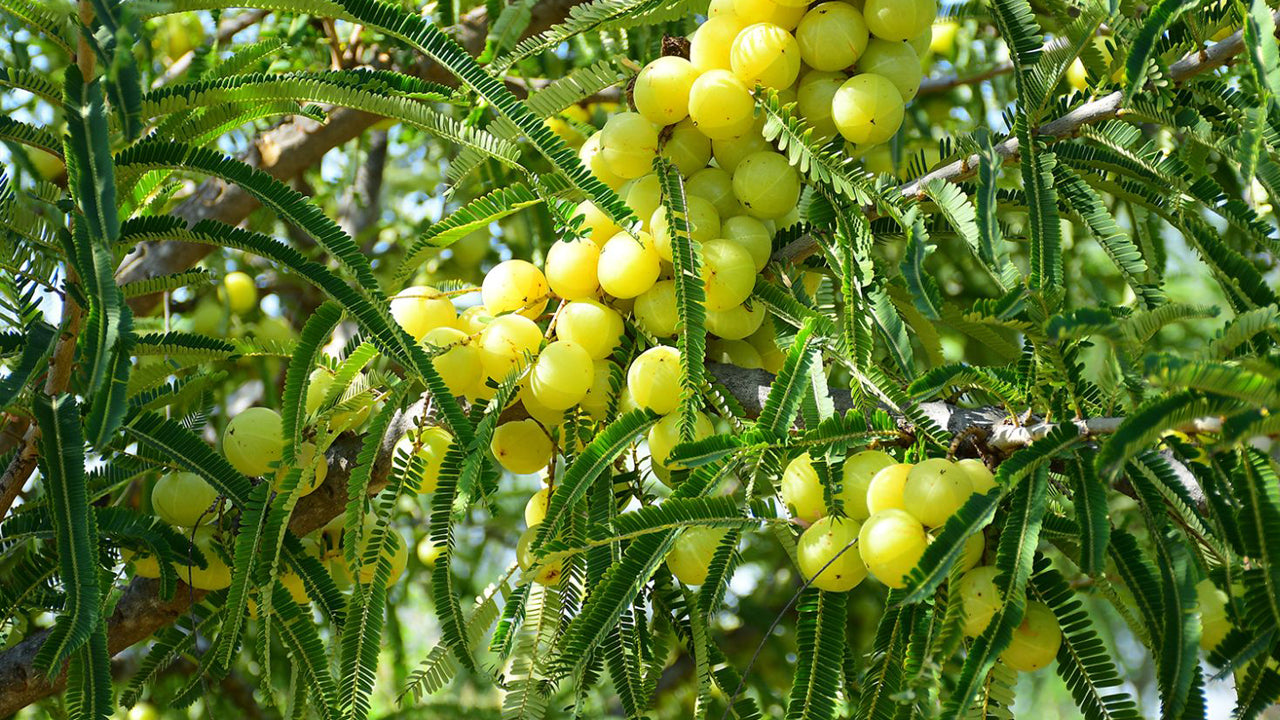
Indian gooseberry
Phyltanthus emblica -
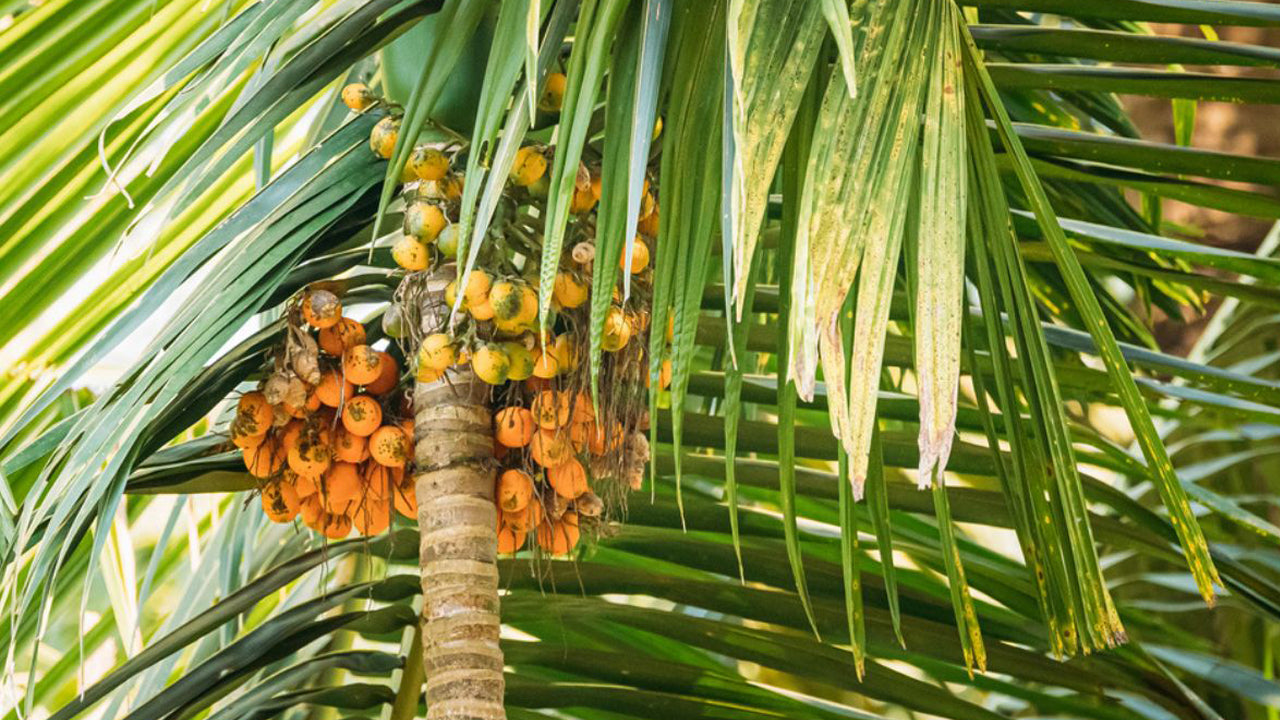
Betel palm
Areca catechu -
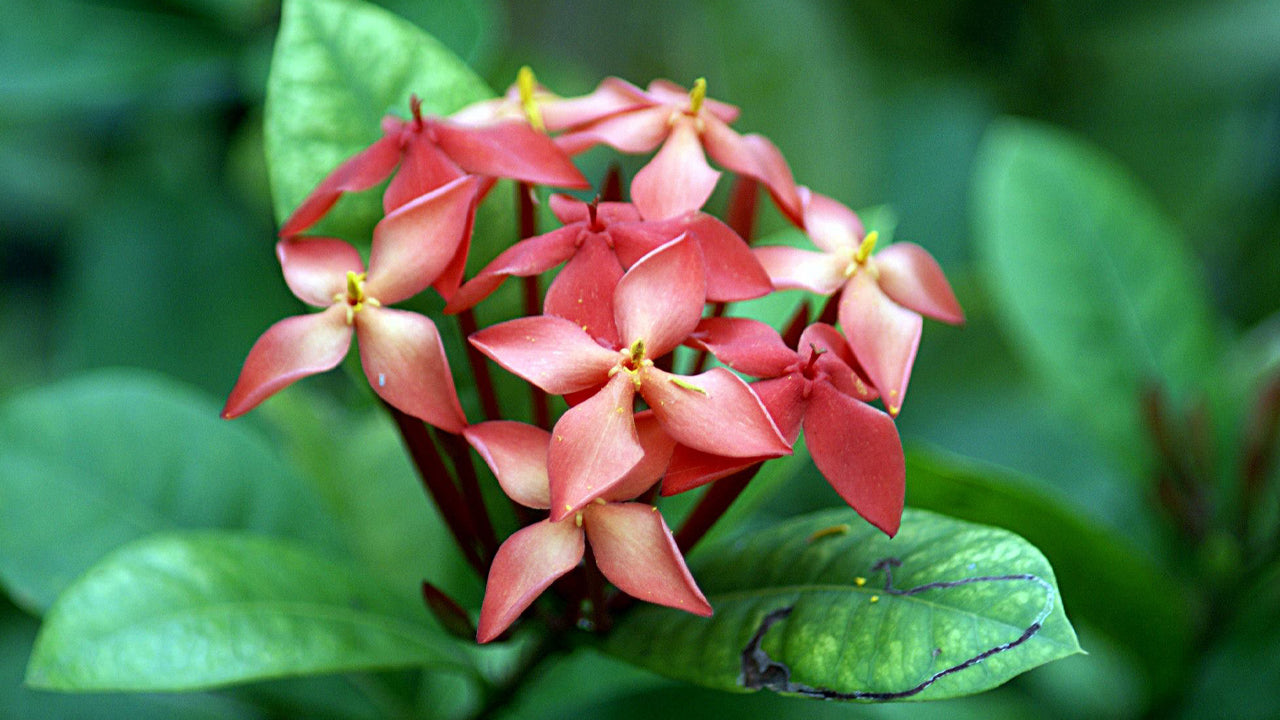
Jungle geranium
Ixora coccinea -
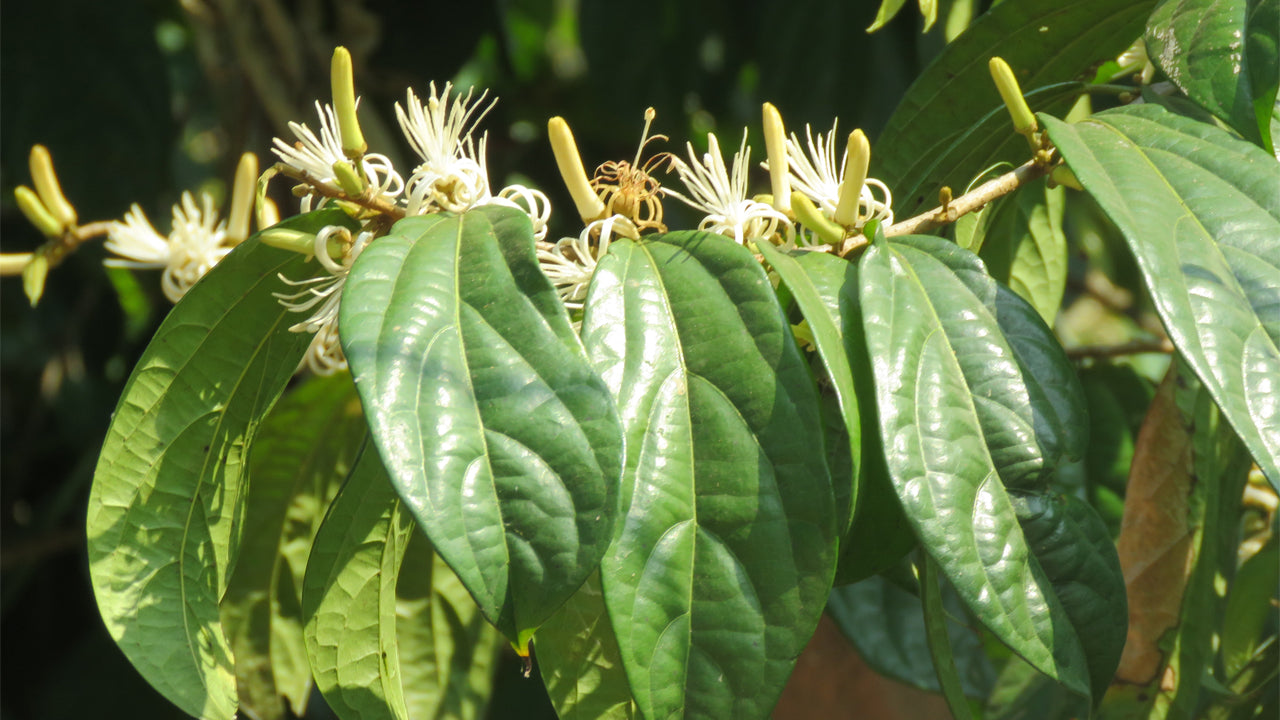
Sage-leaved alangium
Alangium salviifolium -
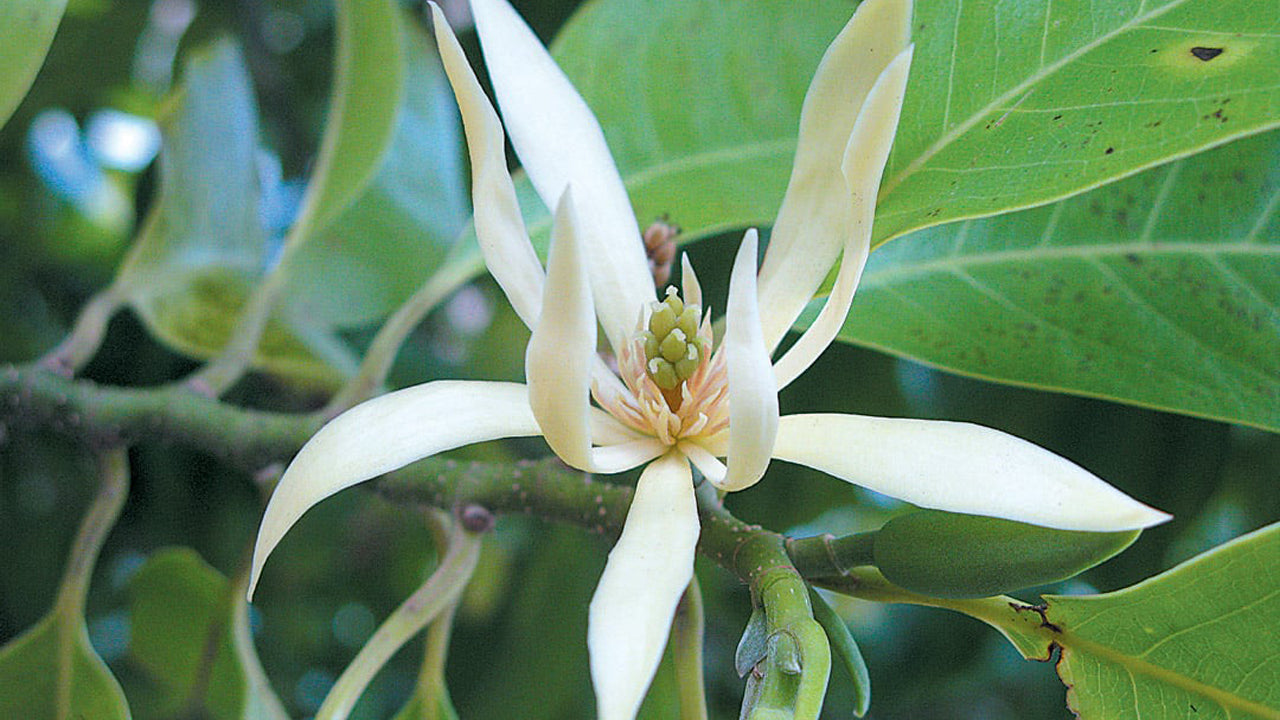
Champak
Michelia champaca -
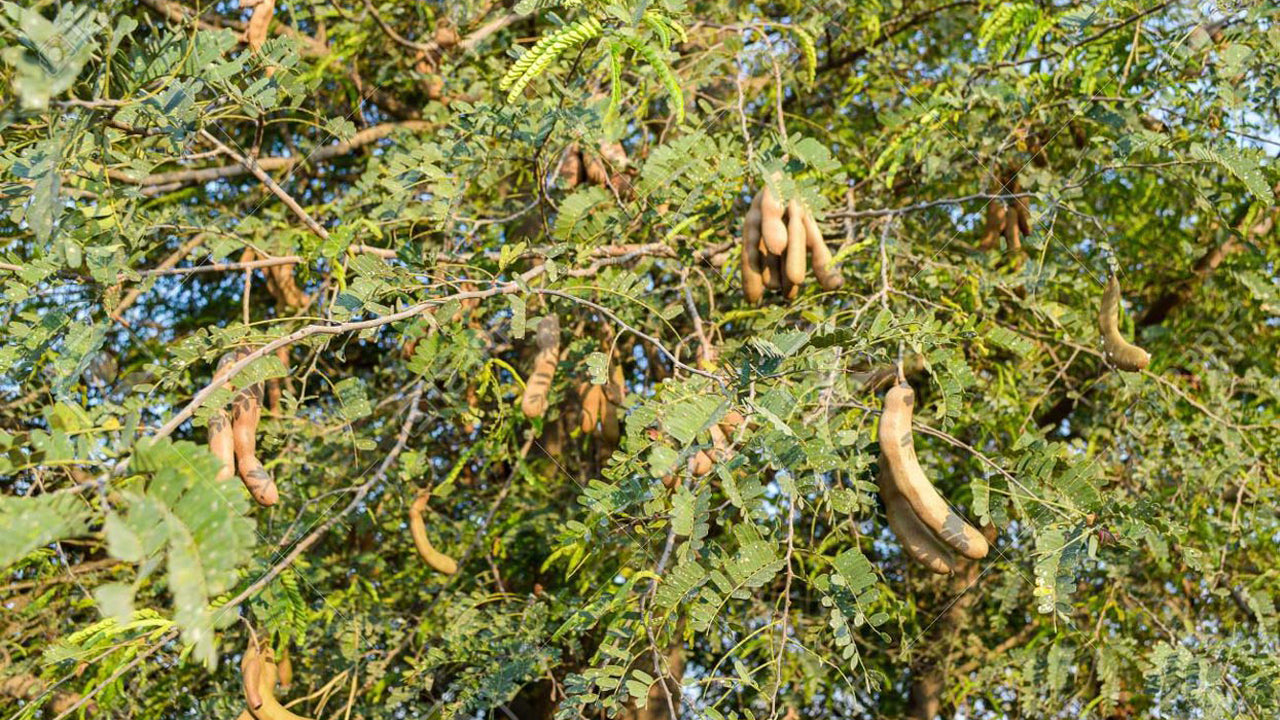
Tamarind
Tamarindus indica -
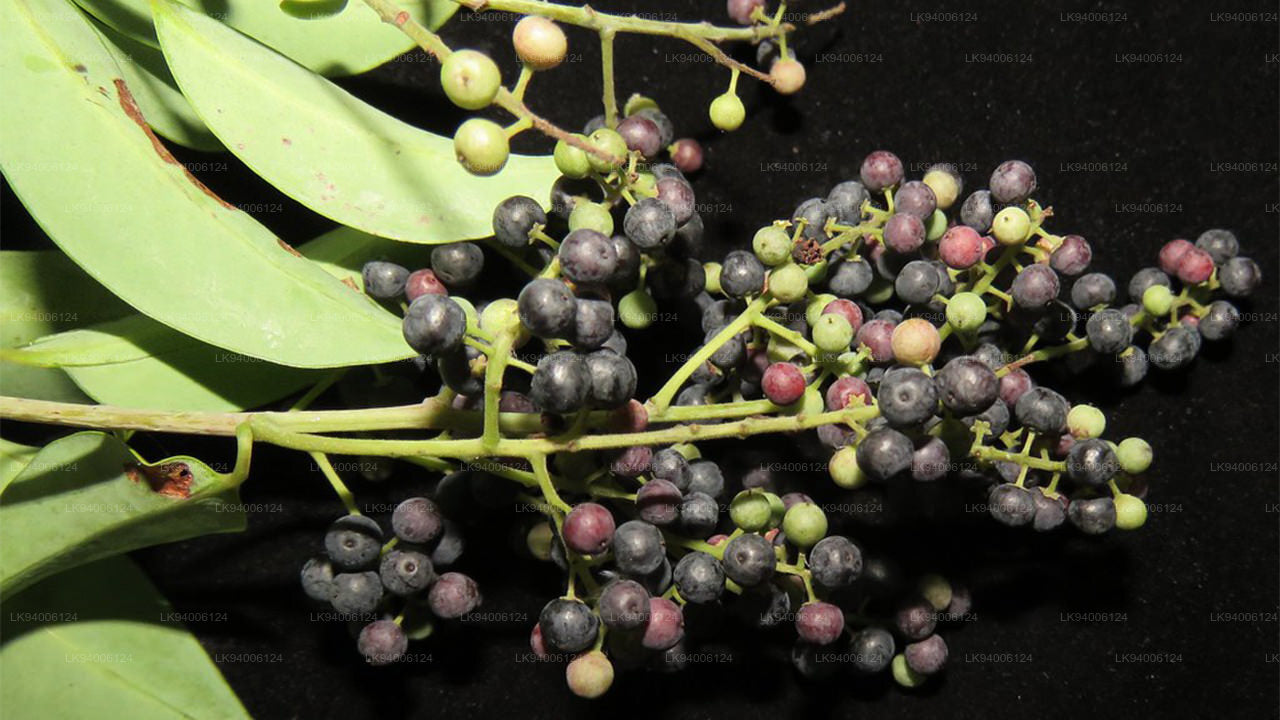
False Black Pepper
Embelia ribes -
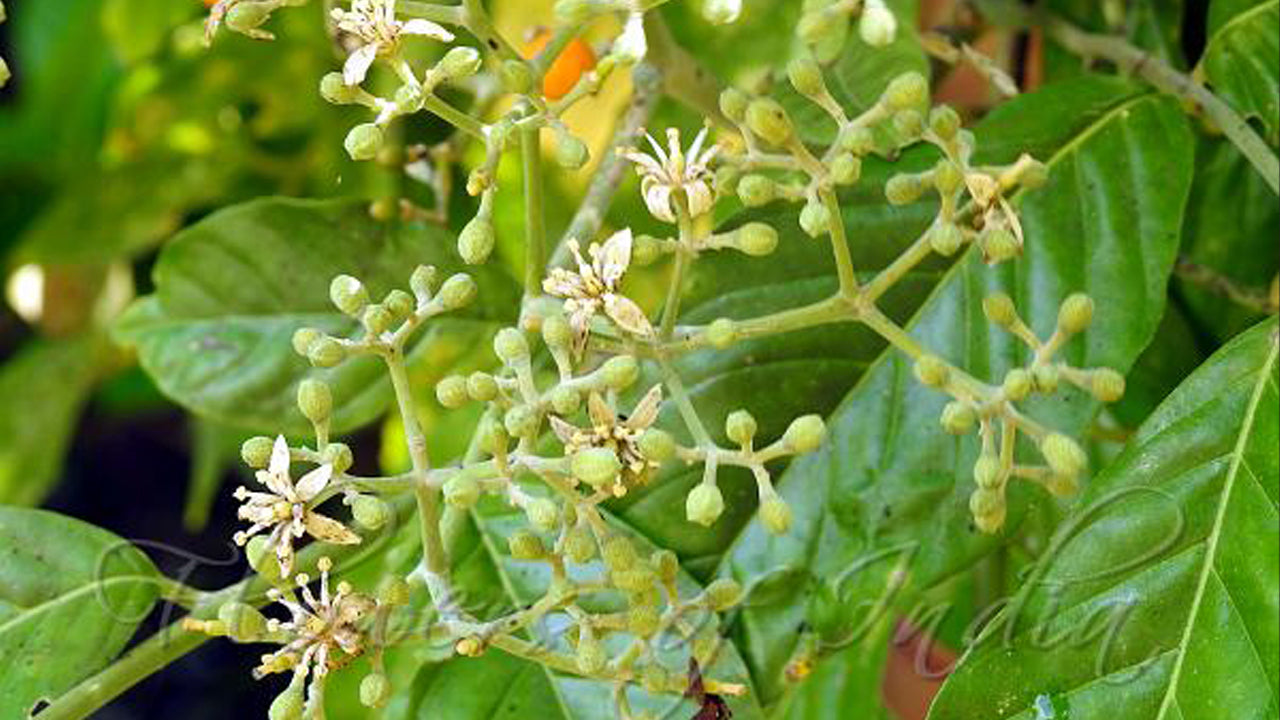
Limeberry
Micromelum ceylanicum -
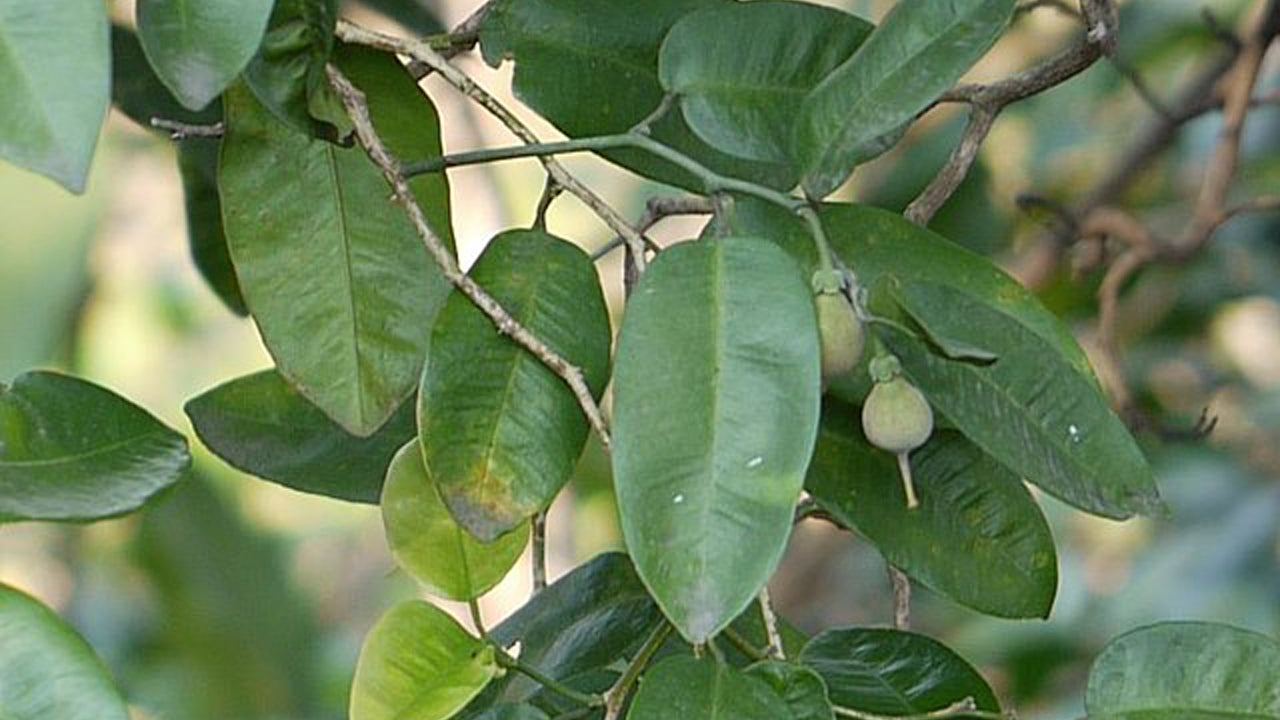
Climbing Atalantia
Paramignya monophylla


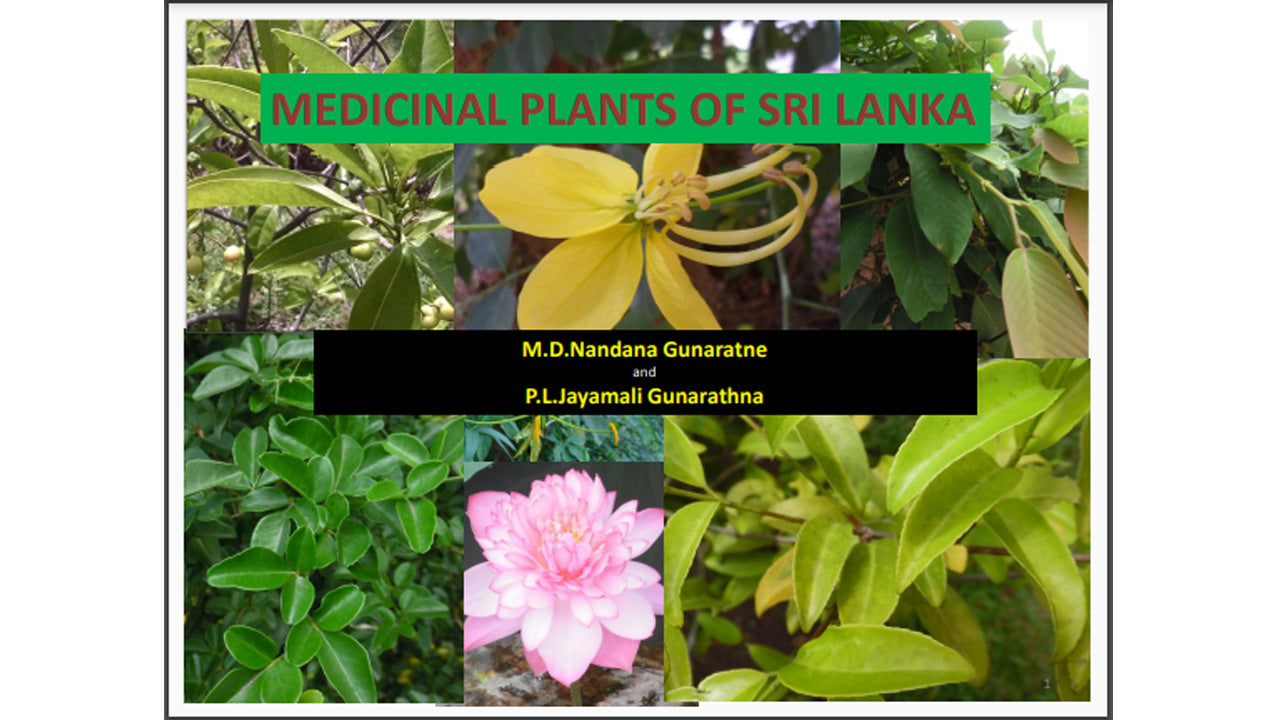

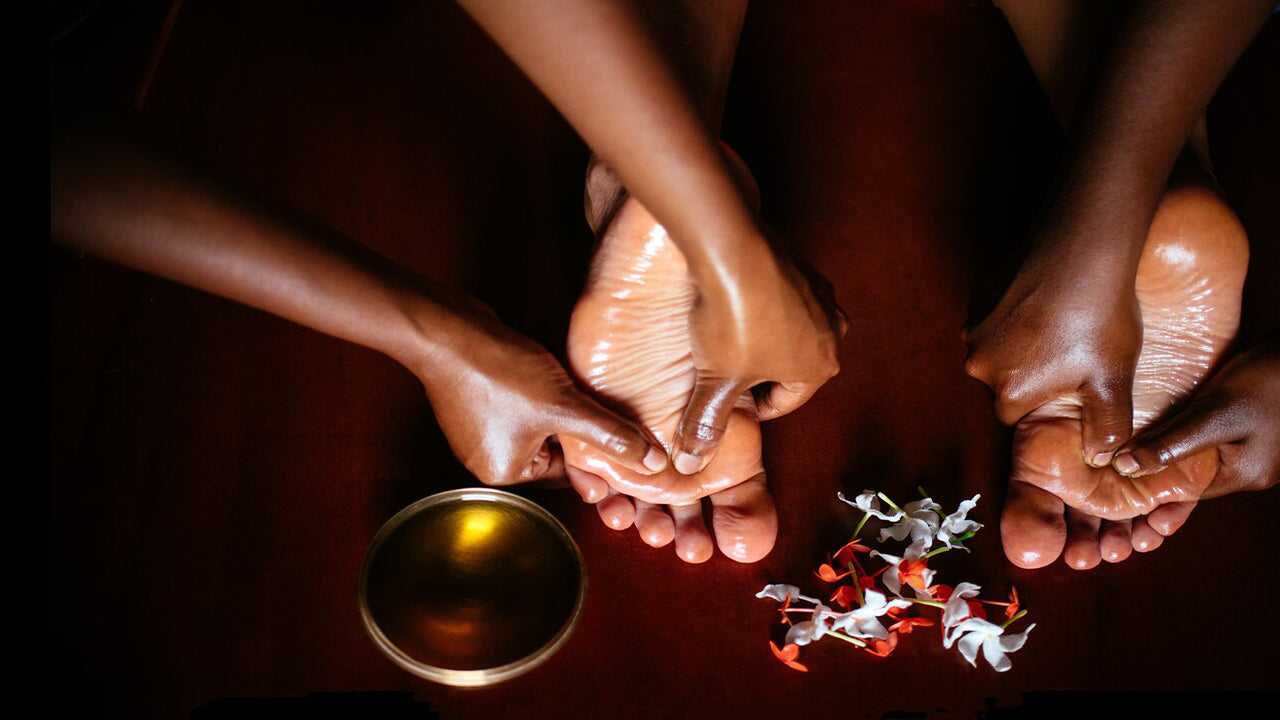

Ayurvedic and Herbal
-
Siddhalepa Ayurveda växtbaserade balsam
Ordinarie pris Från $0.48 USDOrdinarie pris$0.54 USDFörsäljningspris Från $0.48 USDRea -
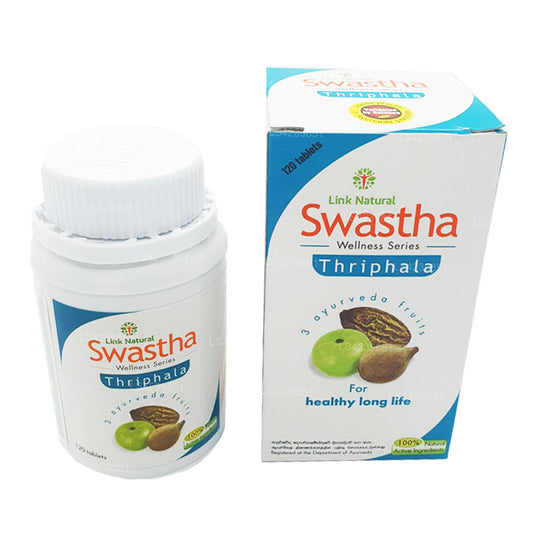
Länk Swastha Thriphala (30 tabletter)
Ordinarie pris Från $1.74 USDOrdinarie pris$1.93 USDFörsäljningspris Från $1.74 USDRea -
Lakpura® Wildcrafted Soursop (Guanabana, Graviola, Guyabano) Dehydrerade Blad Hela
Ordinarie pris Från $0.72 USDOrdinarie pris$0.81 USDFörsäljningspris Från $0.72 USDRea -
Setsuwa Pranajeeva-olja
Ordinarie pris Från $3.85 USDOrdinarie pris$4.28 USDFörsäljningspris Från $3.85 USDRea