Perumkayam


Ferula asafoetida is a strong, durable and sulfur-smelling oleo-gum resin with medicinal and nutritional value. Asafoetida has been consumed as a spice and folk medicine for centuries. Recent studies have identified a number of promising activities, including antioxidant, neuroprotective, memory enhancing, digestive enzyme, antioxidant, antispasmodic, hypotensive, hepatoprotective, antimicrobial, anticarcinogen, anticancer, antitoxic, antiobesitic, andanthelmic. This review deals effectively with various pharmacological and clinical studies of phytochemistry and asafoetida.
Medicinal uses:
Asafoetida is a very effective medicinal herb that acts mainly on the digestive system, cleansing and strengthening the gastro-intestinal tract. It is much used in the Ayurvedic tradition. The gum-resin contains a volatile oil that is as persistent in aroma as garlic. They leave the body via the respiratory system and aid the coughing up of congested mucous. The pungently flavoured gum-resin that is obtained from the root is alterative, anthelmintic, antiperiodic, antispasmodic, carminative, deobstruent, deodorant, expectorant, laxative, sedative and stomachic. It is used in the treatment of simple digestive problems such as wind, bloating, indigestion and constipation, and also for respiratory problems such as bronchitis, bronchial asthma and whooping cough. It is also used as a circulatory stimulant, lowering blood pressure and thinning the blood. The resin has a synergistic effect on other herbal preparations such as camphor, valerian and nux-vomica. It is used in tincture as a mild cardio-tonic. See below under 'Uses notes' for details on harvesting the resin.
Edible Uses:
Leaves and young shoots - cooked as a vegetable. The plant has a foetid odour, but this disappears when it is boiled. The cabbage-like folded heads are eaten raw as a delicacy. Root - cooked. It needs to be steeped in order to remove a bitterness. A starch extracted from the roots is used to make a porridge. A gum-resin from the root is used as a food flavouring. It is an essential ingredient of Worcester sauce, it is also used to flavour a wide range of dishes and drinks. It is popular in natural food cuisine as a garlic substitute. The resin obtained from this plant is probably the foulest-smelling of all herbs, with a sulphurous garlic-like odour. It is so nauseating to some people that it has been nicknamed 'dung of the devil'. However, in judicious quantities it gives a surprisingly pleasant flavour to many foods.


-
Claw-flowered laurel
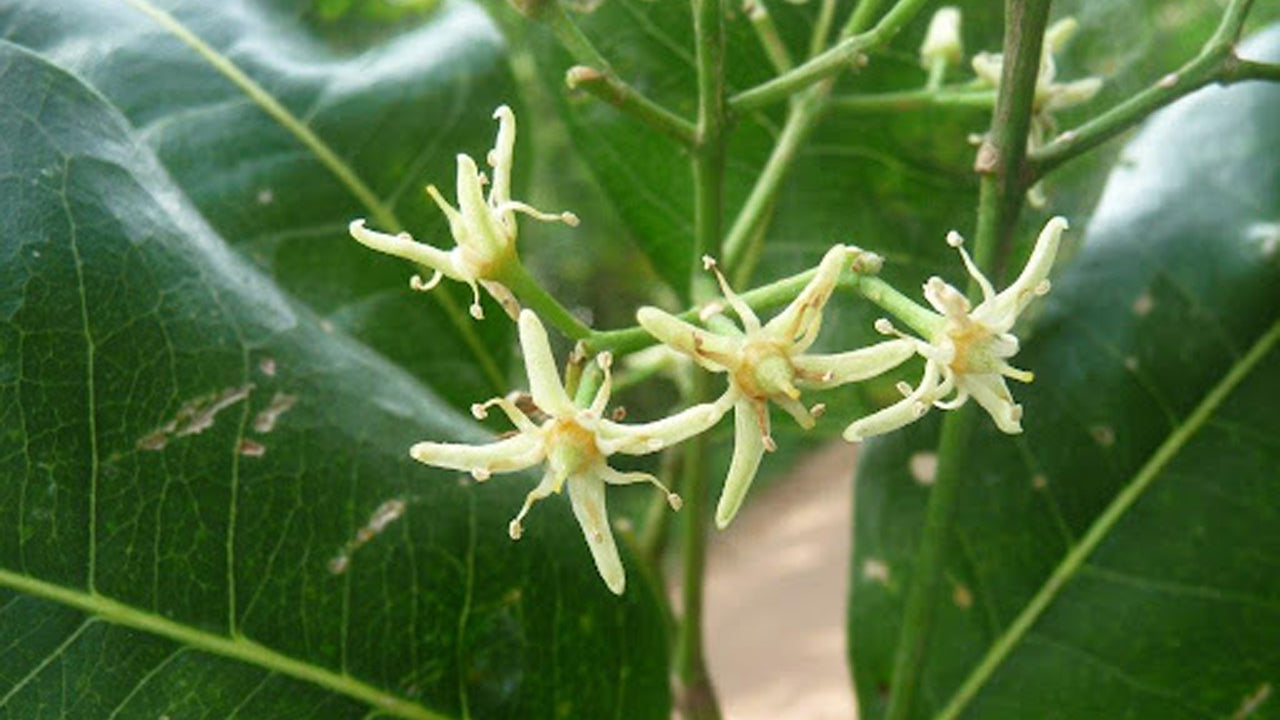
Acronychia pedunculata -
Bael
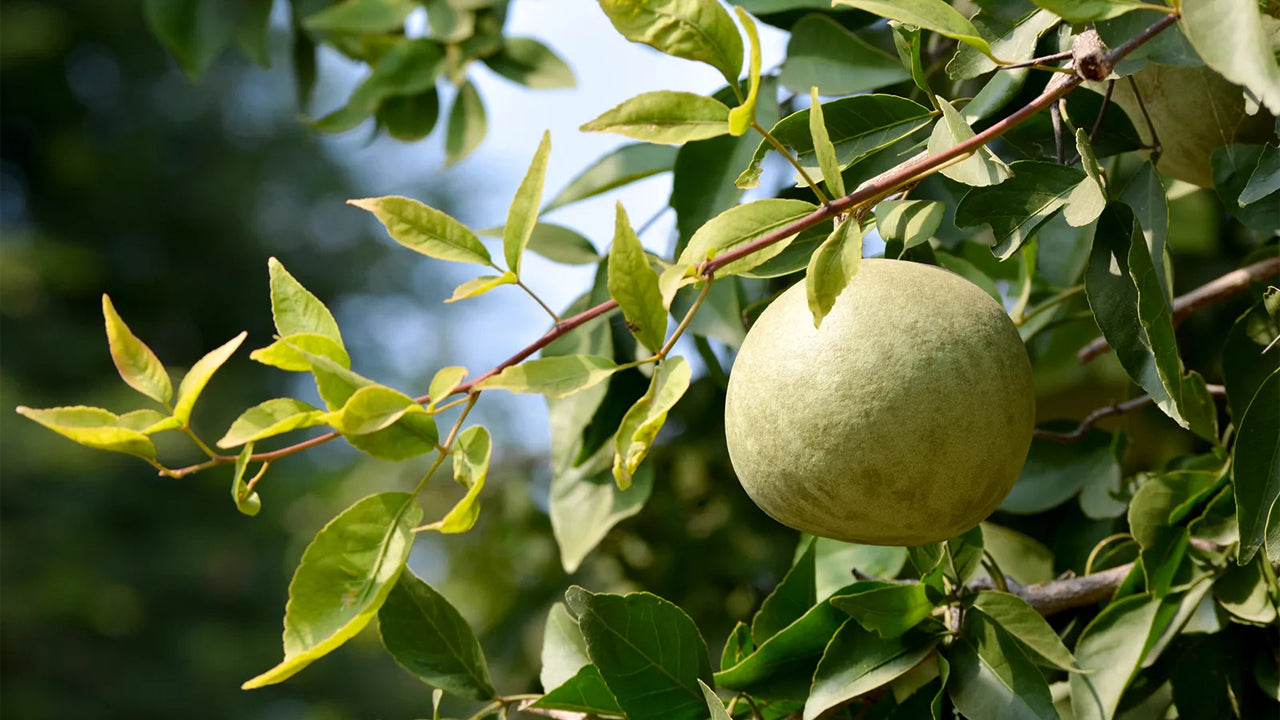
Aegle marmelos -
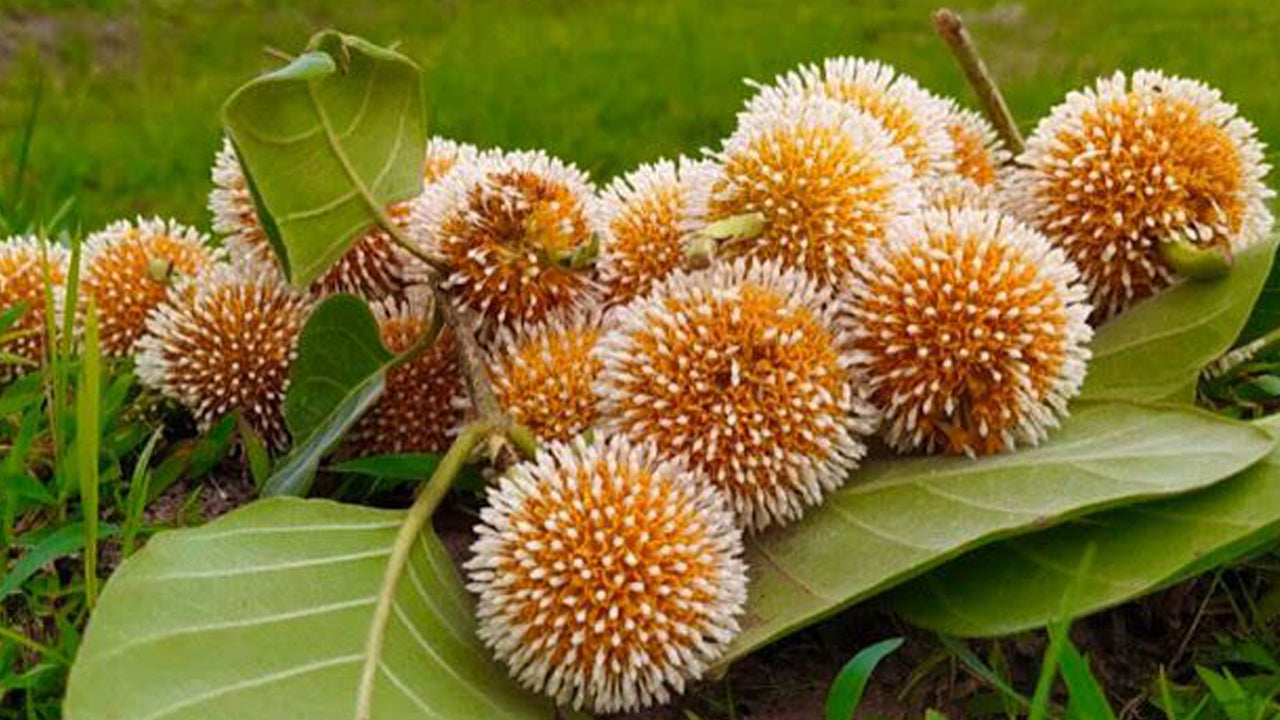
Leichhardt tree
Nauclea orientalis -
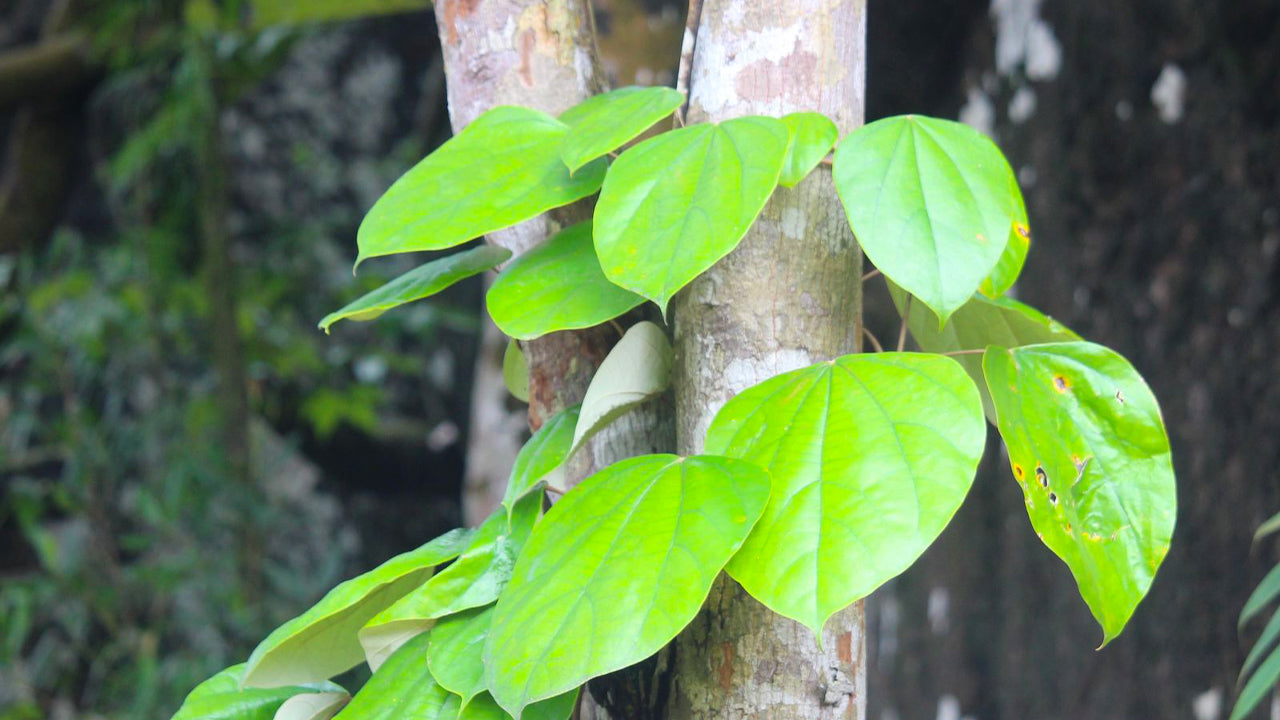
False Calumba
Coscinium fenestratum -

Malabar Gulbel
Tinospora malabarica -
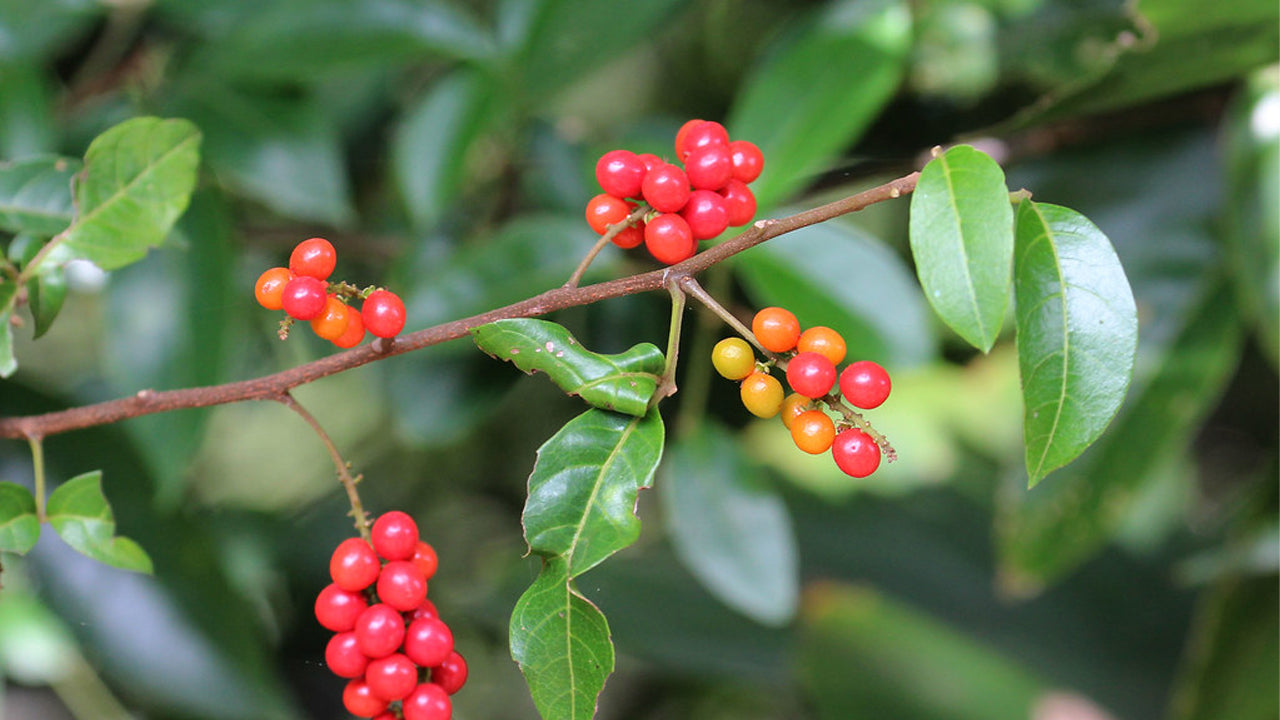
Titberry
Allophylus cobbe -
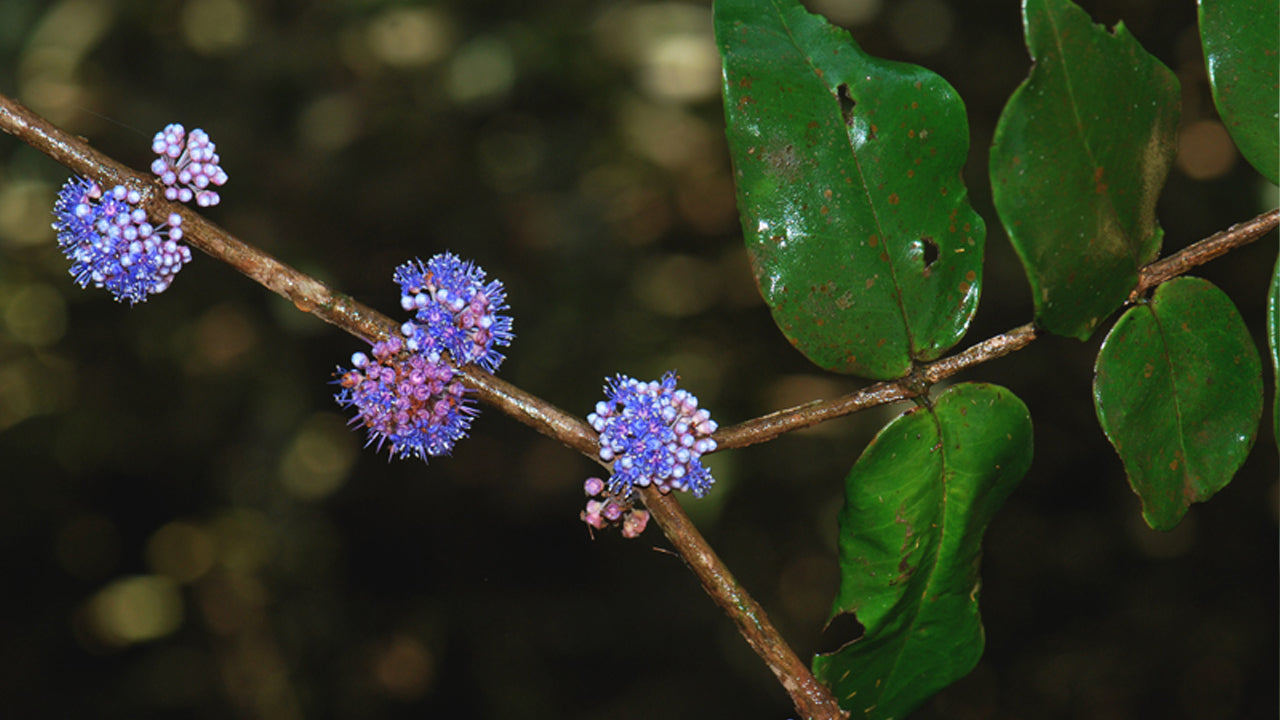
Ironwood Tree
Memecylon capitellatum -
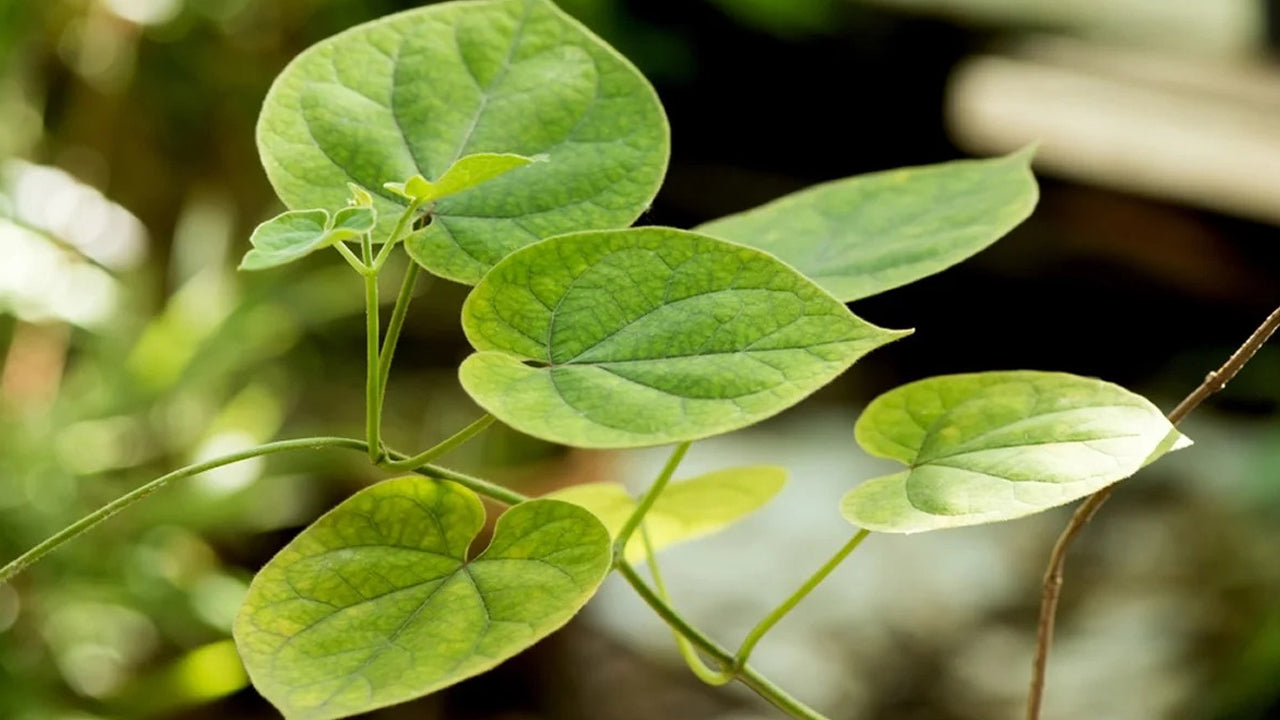
Velvet Leaf
Cissampelos pareira -
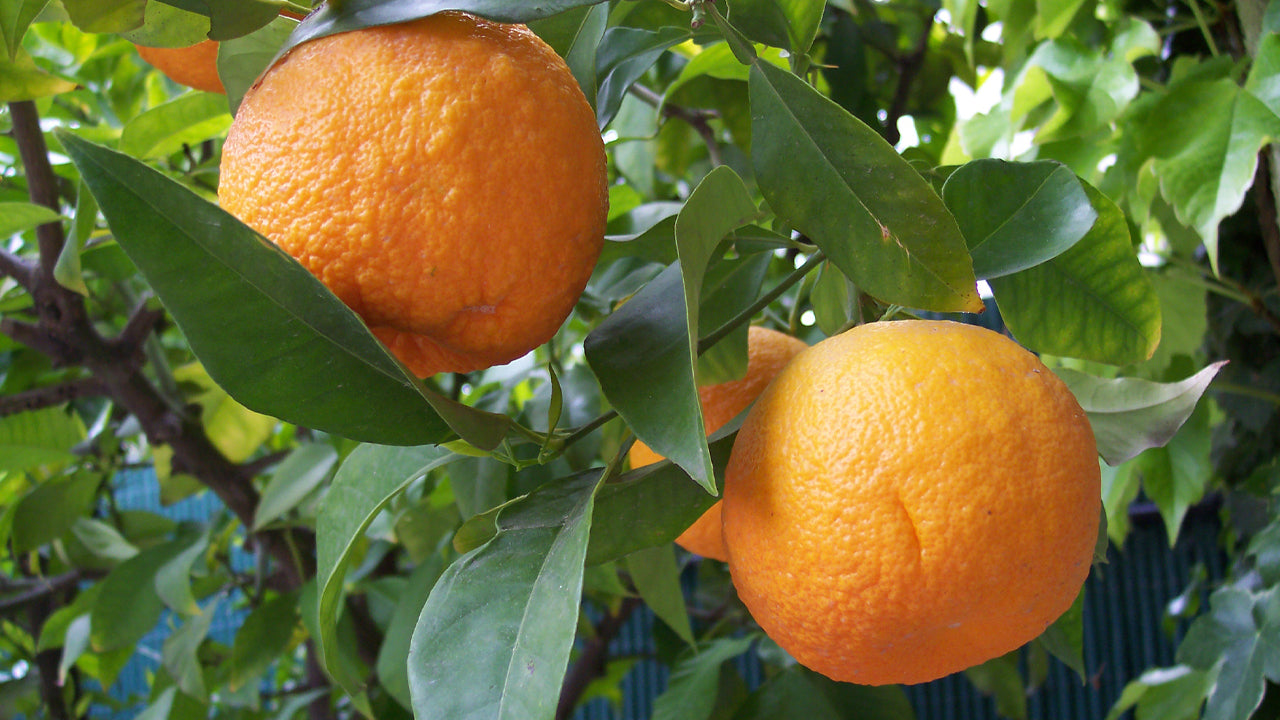
Bitter orange
Citrus aurantium -

Reinwardt's Tree Plant
Biophytun reinward -
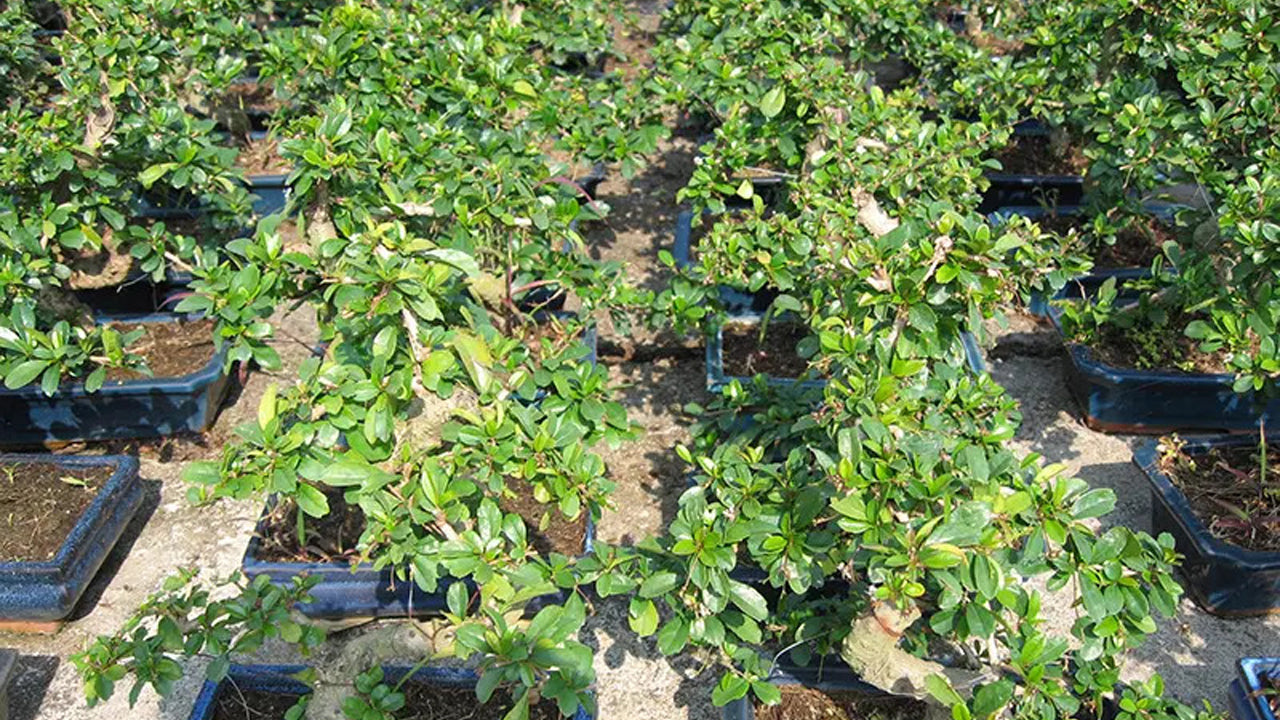
Fukien tea
Carmona microphylla -
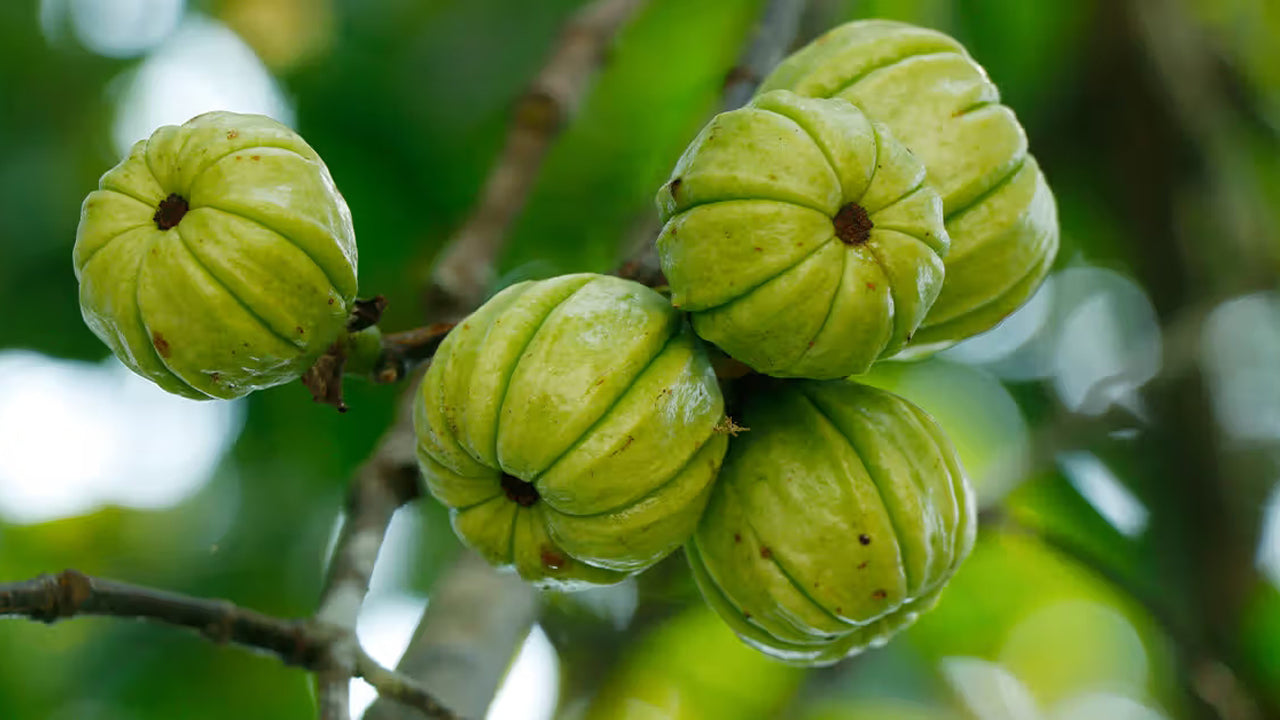
Malabar tamarind
Garcinia cambogia -
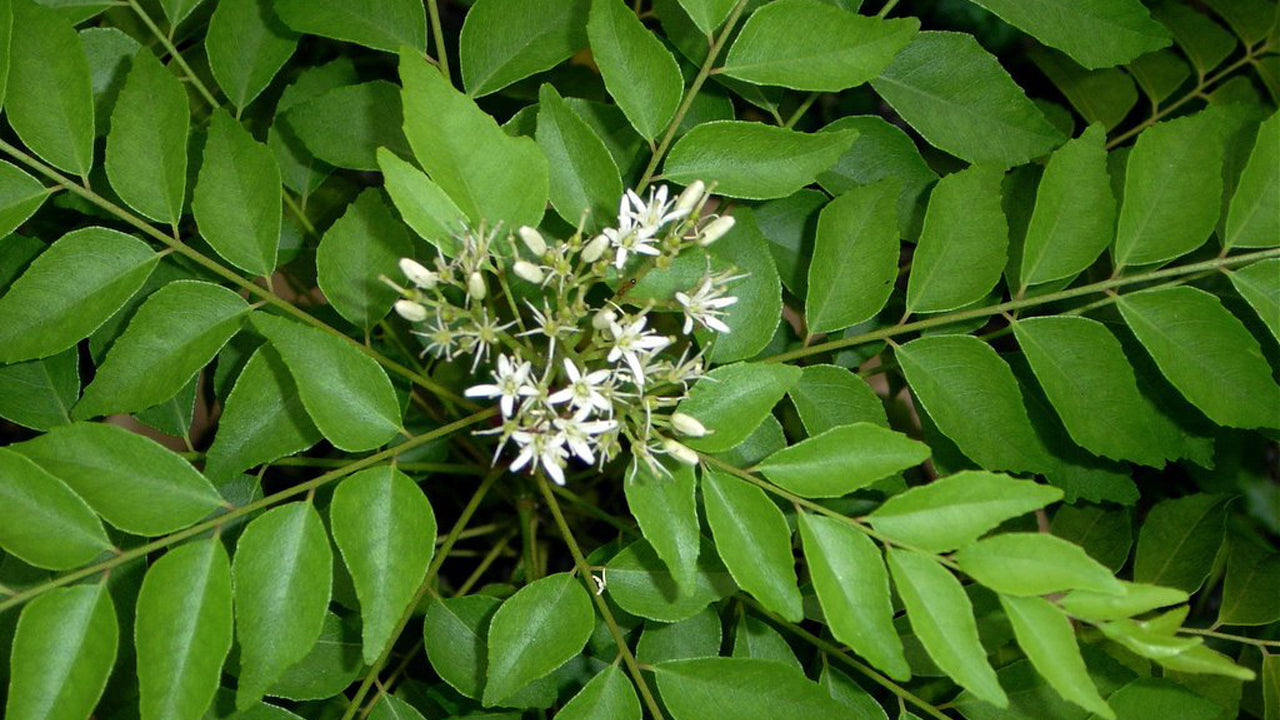
Curry leaf tree
Murraya koenigii -
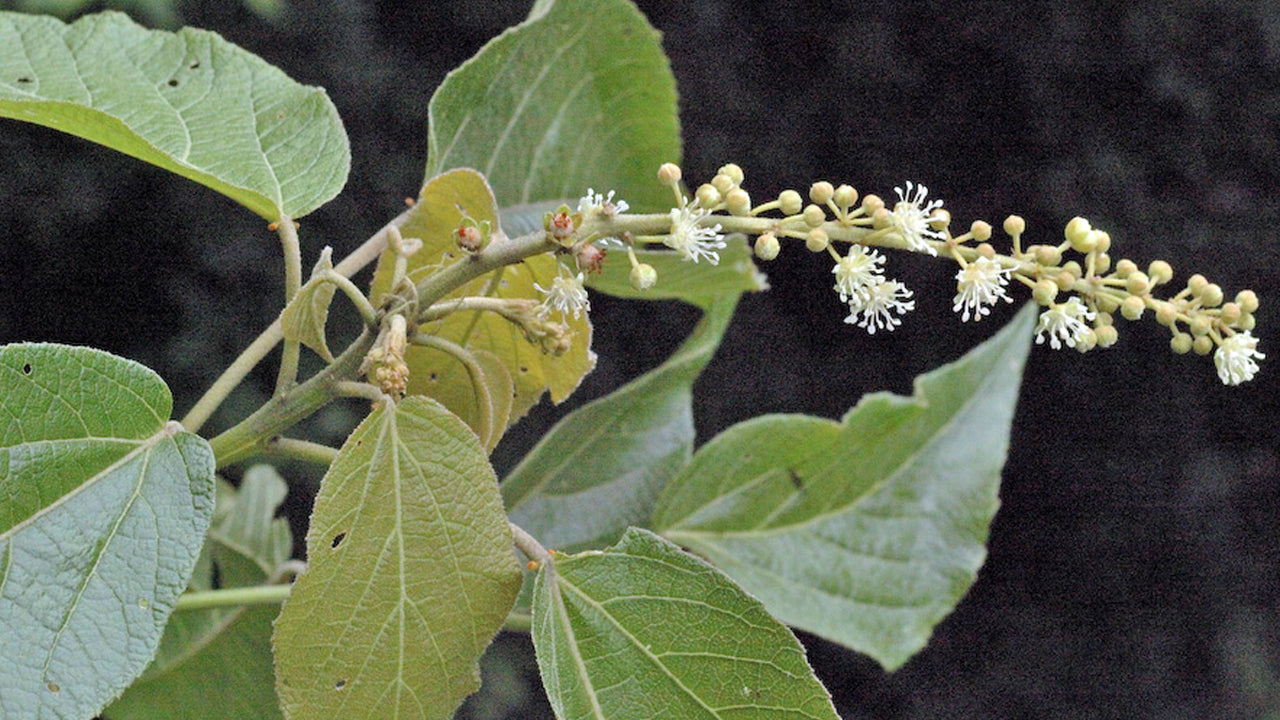
Kappetiya
Croton laccifer -
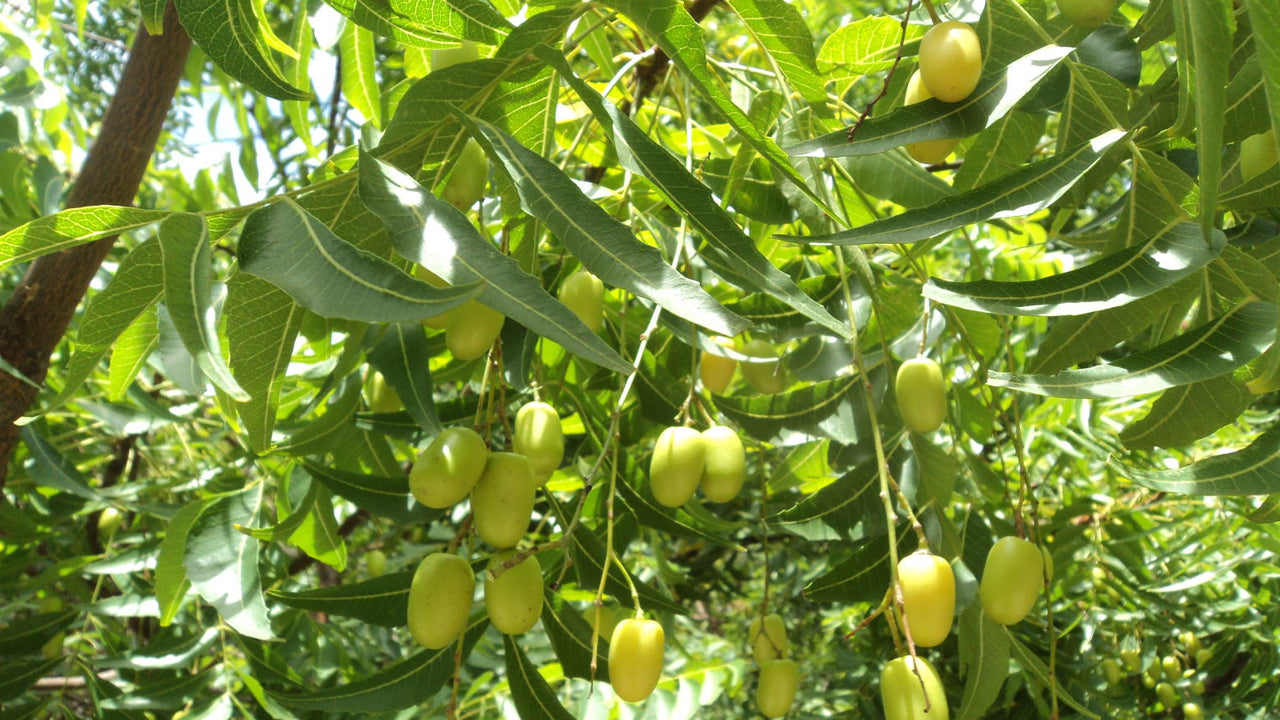
Indian lilac
Azadirachta indica -
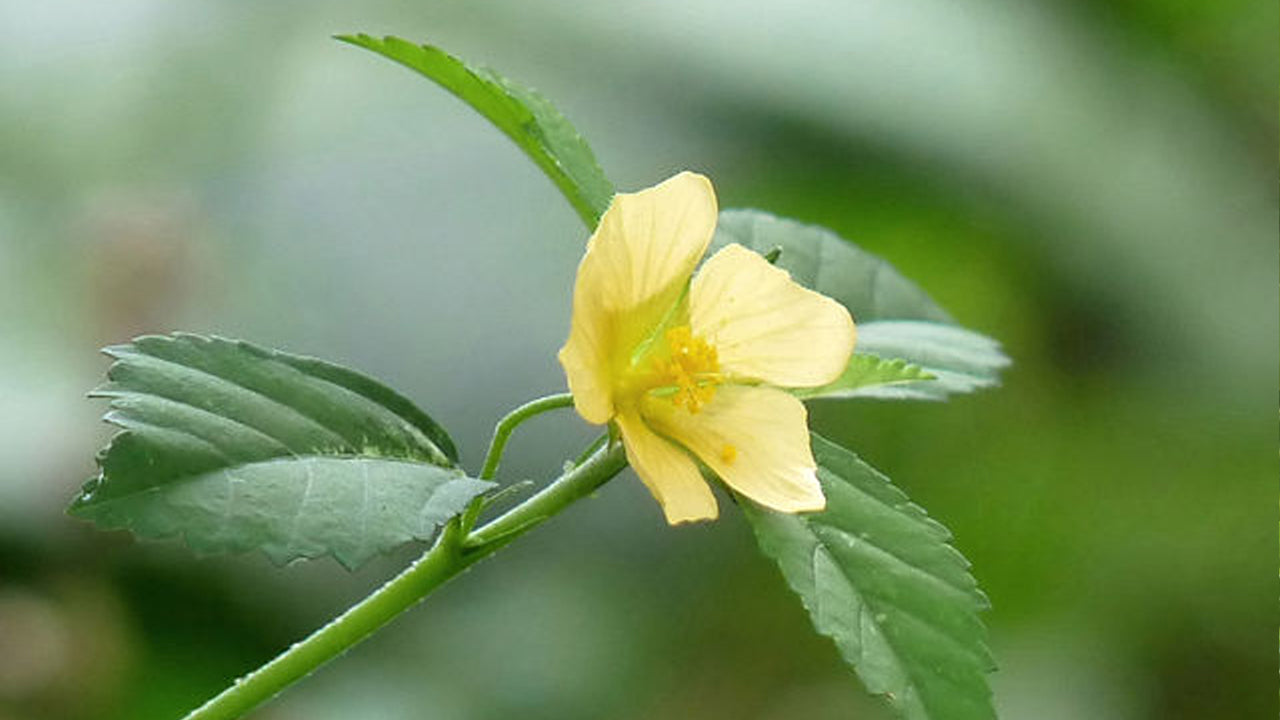
Spiny sida
Sida alba -
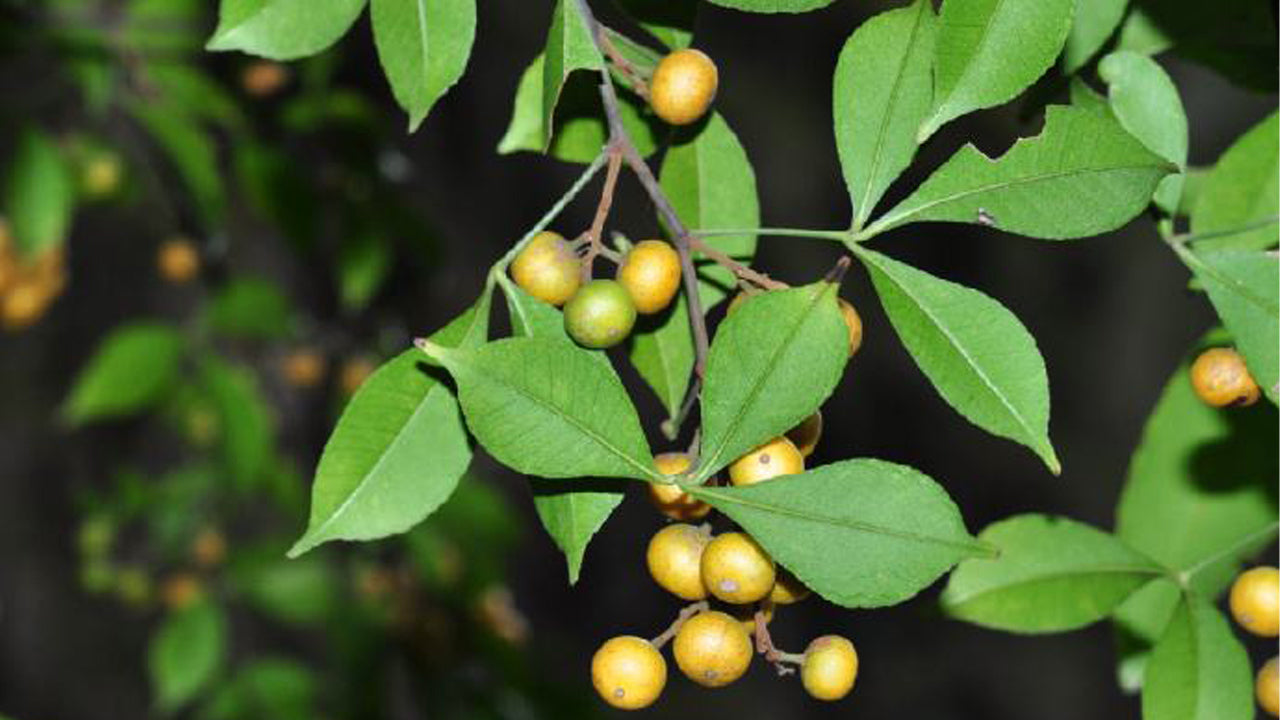
Orange climber
Toddlia asiatica -
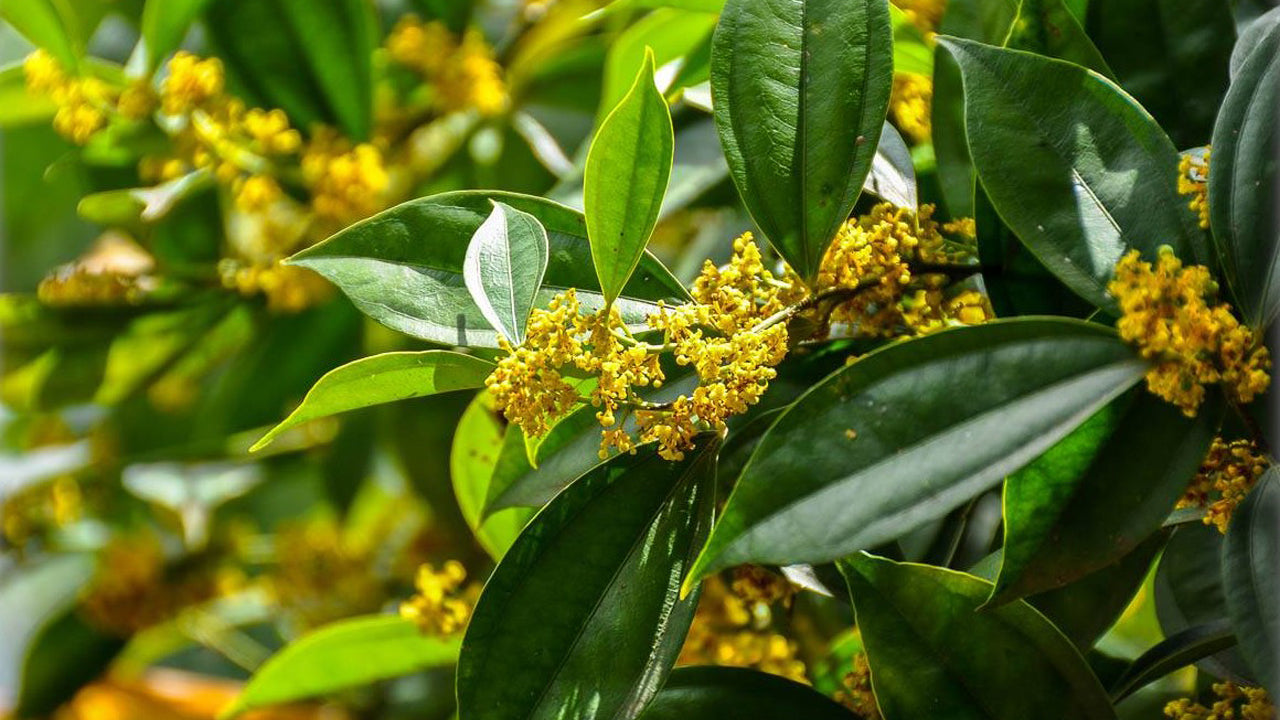
Ceylon cinnamon
Cinnamomum zeylanicum -
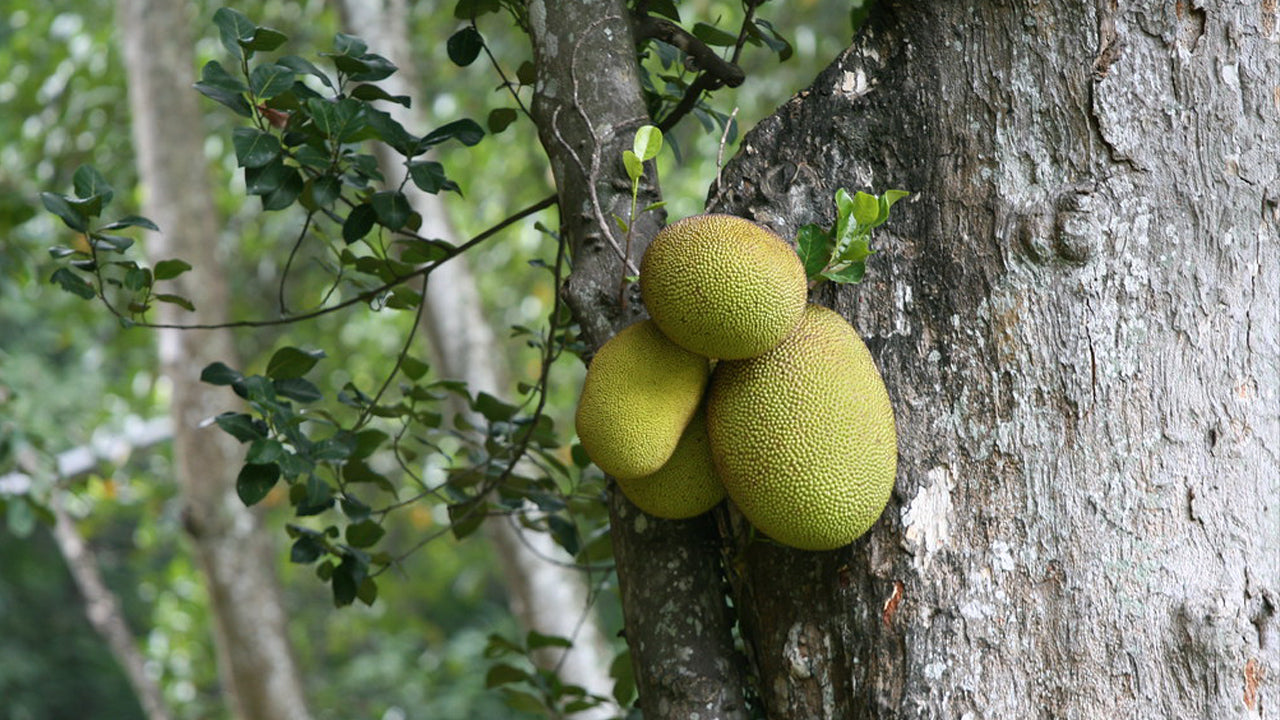
Jackfruit
Artocarpus heterophyllus -
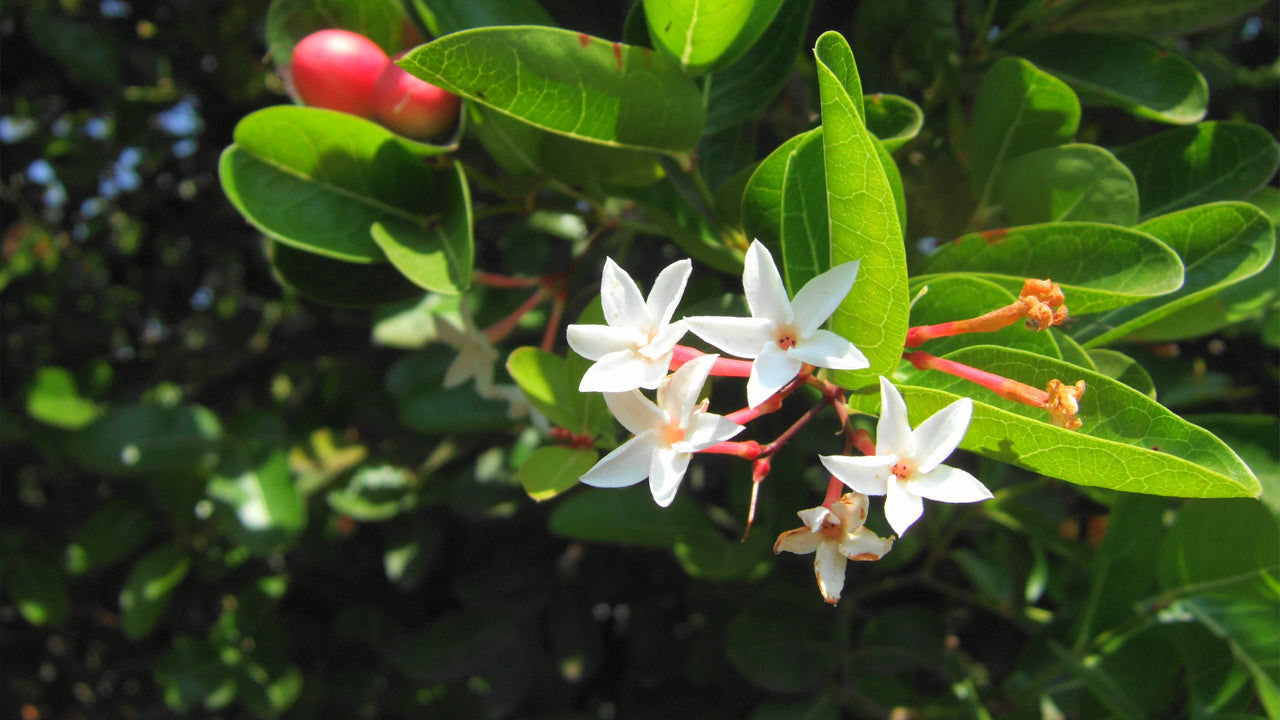
Karonda
Carissa carandas -
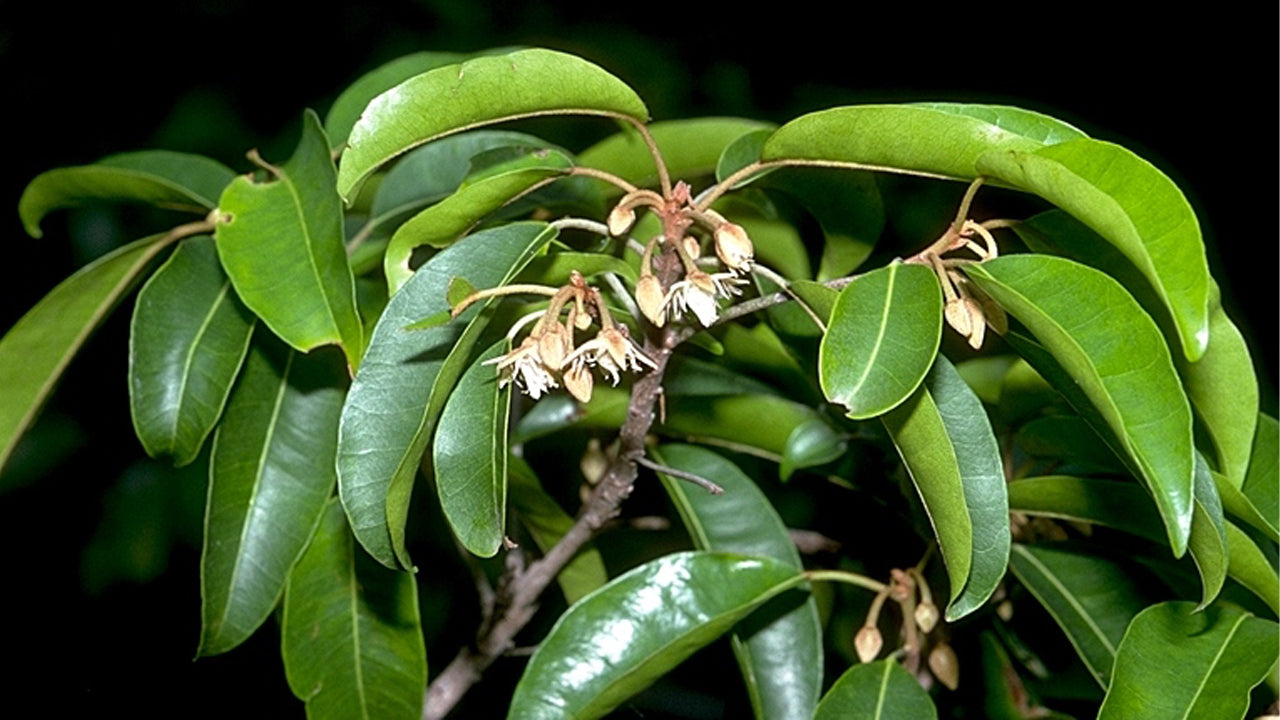
Spanish cherry
Mimusops elengi -
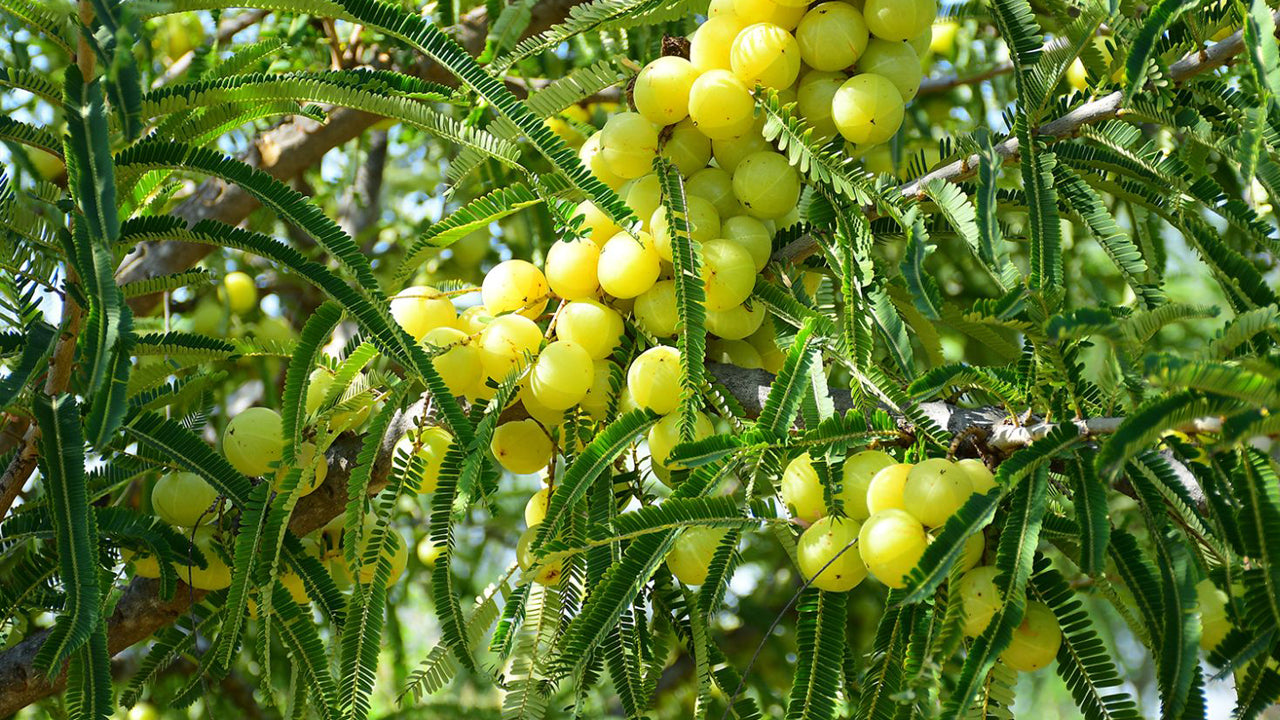
Indian gooseberry
Phyltanthus emblica -
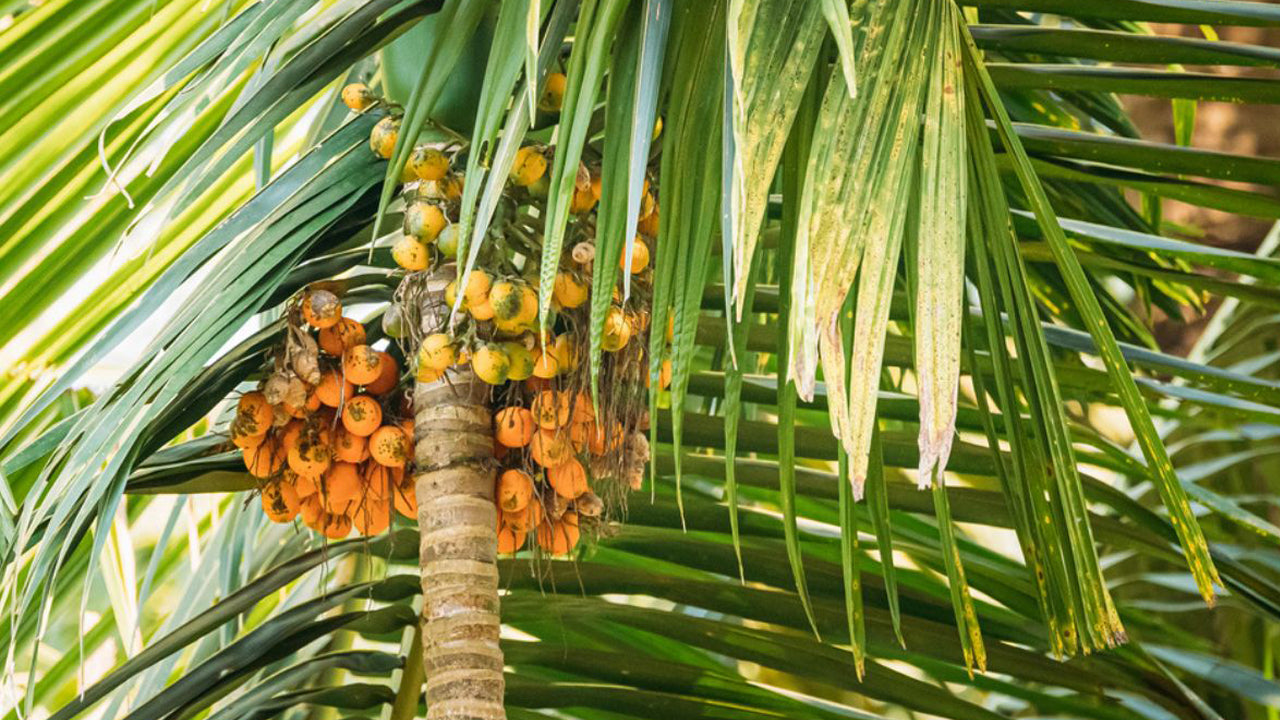
Betel palm
Areca catechu -
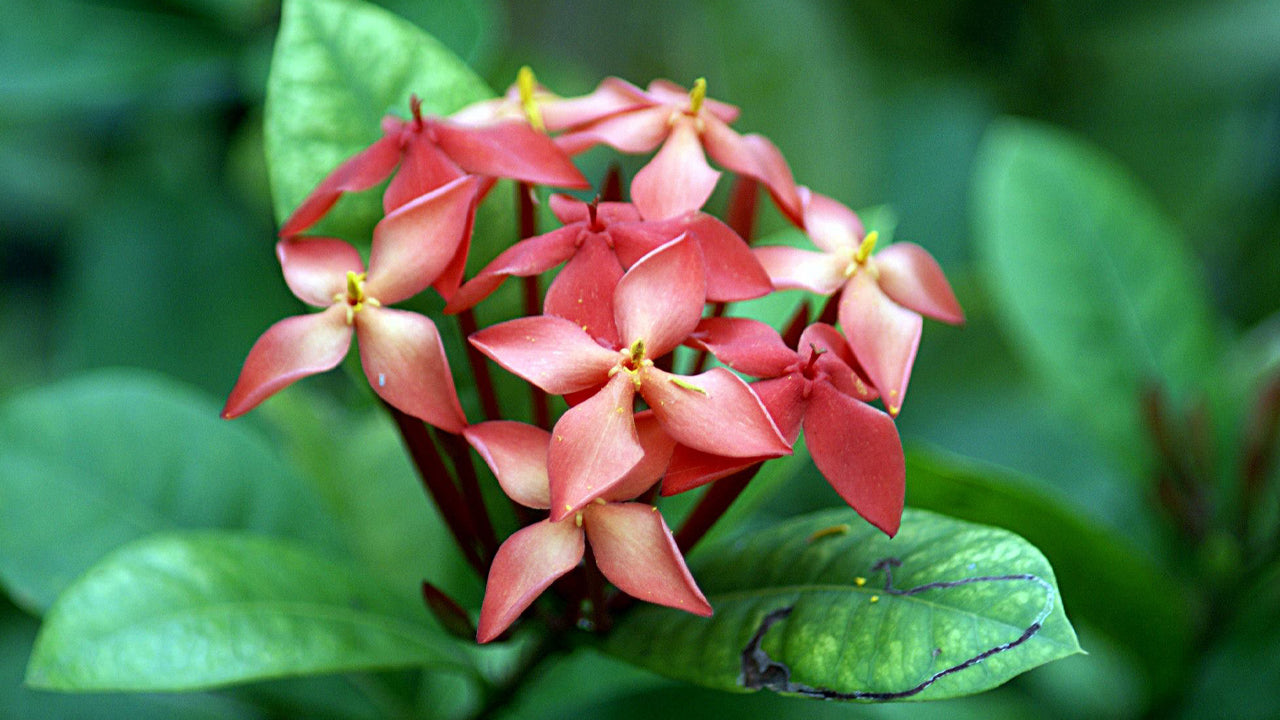
Jungle geranium
Ixora coccinea -
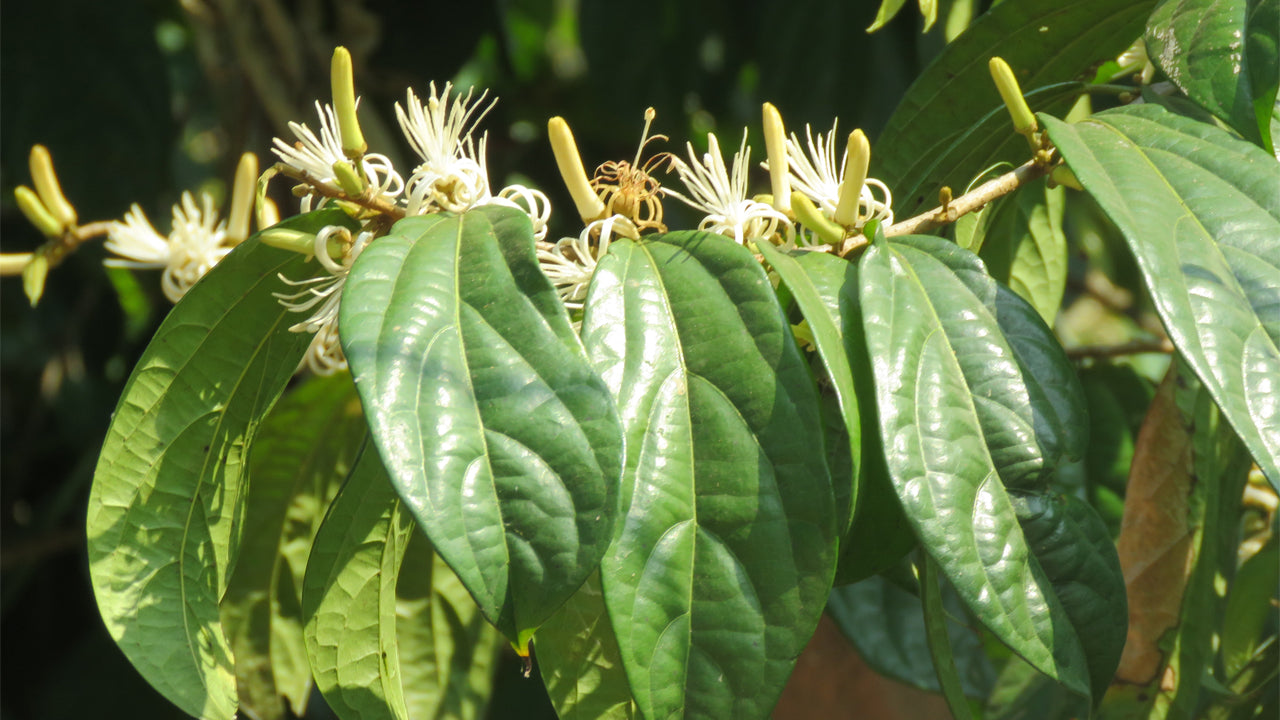
Sage-leaved alangium
Alangium salviifolium -
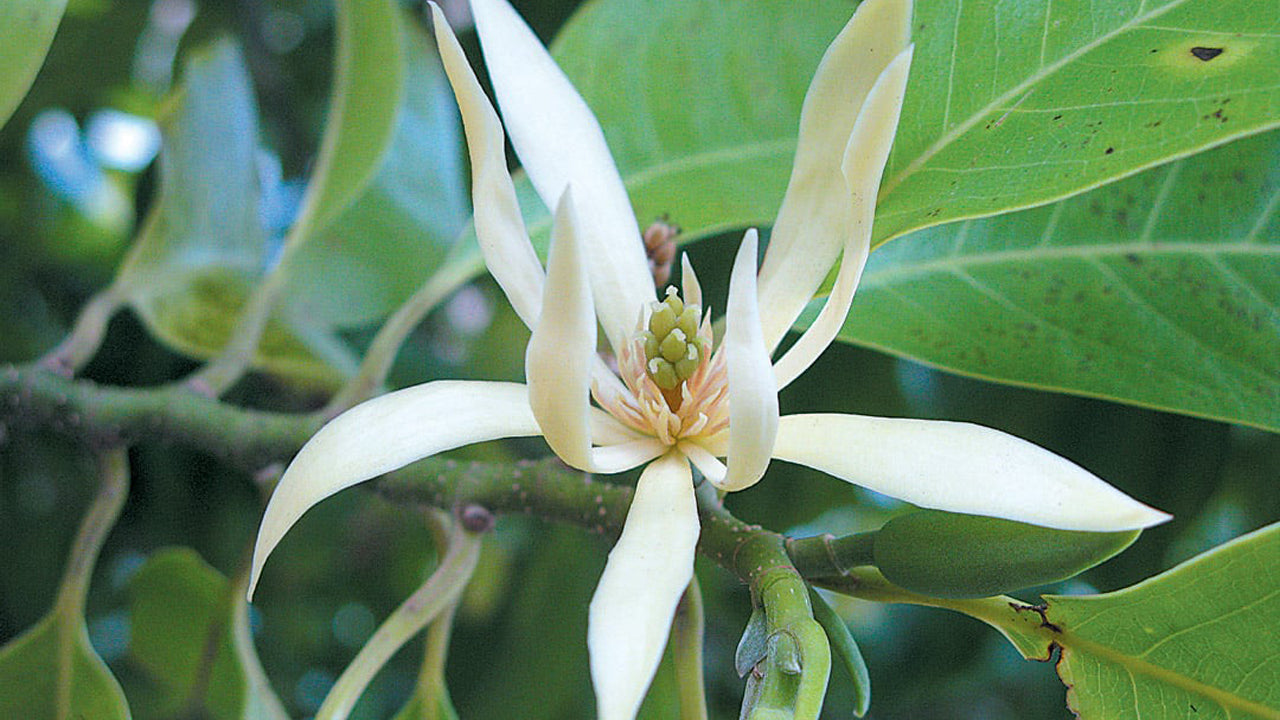
Champak
Michelia champaca -
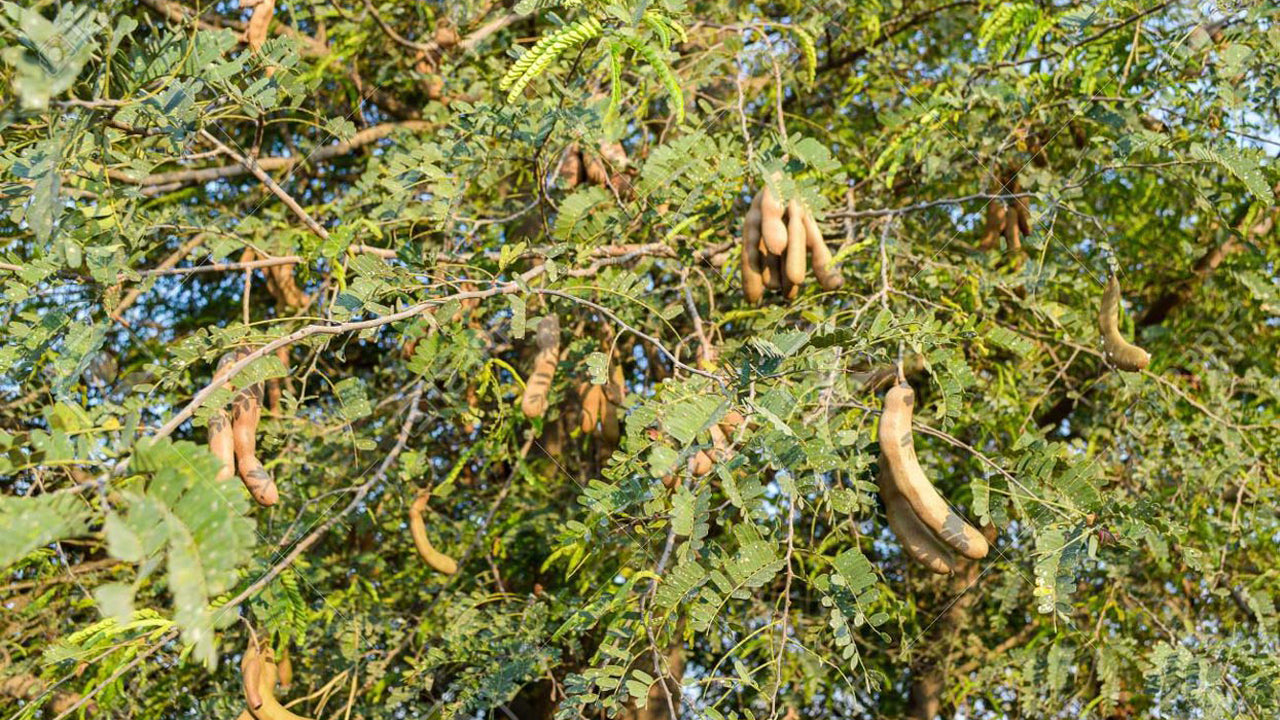
Tamarind
Tamarindus indica -
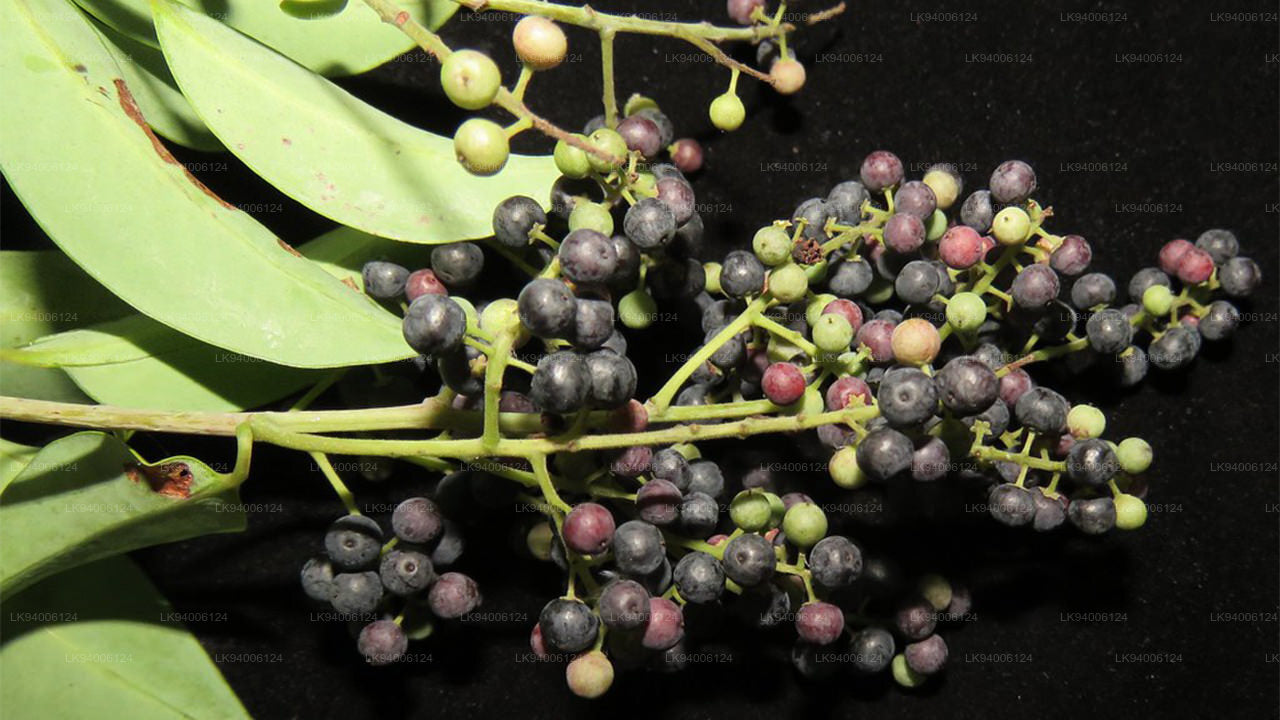
False Black Pepper
Embelia ribes -
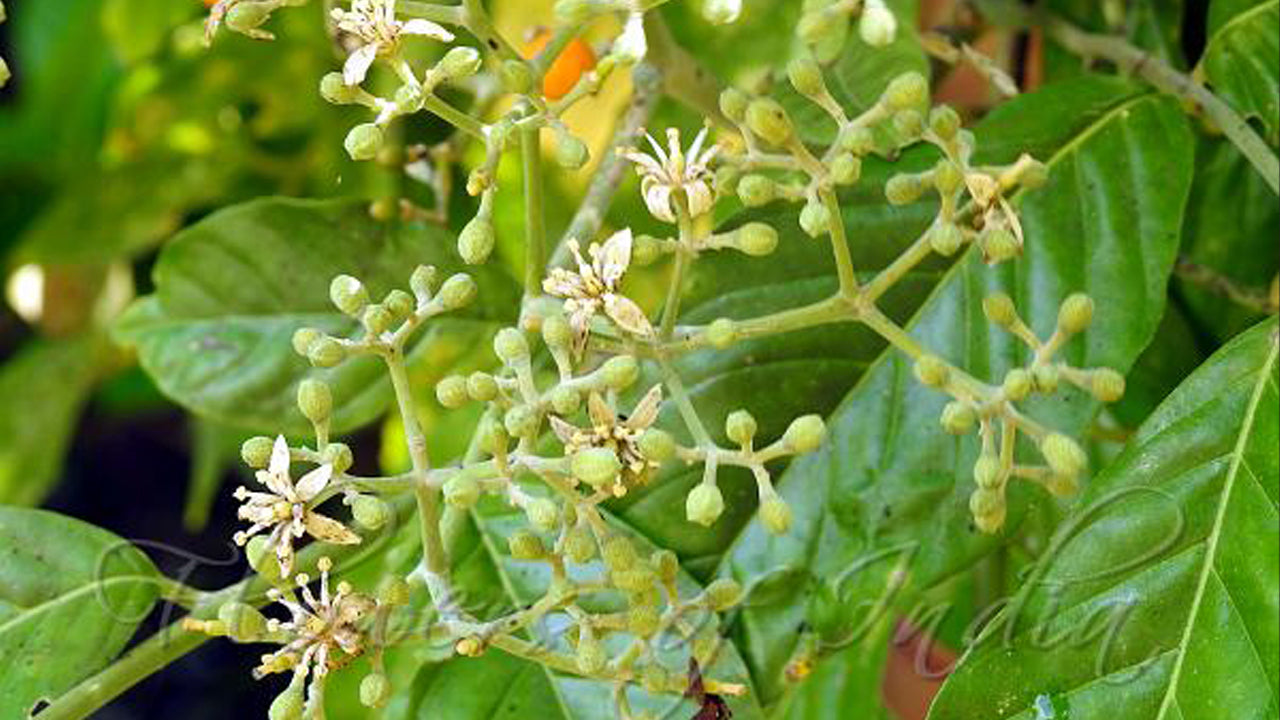
Limeberry
Micromelum ceylanicum -
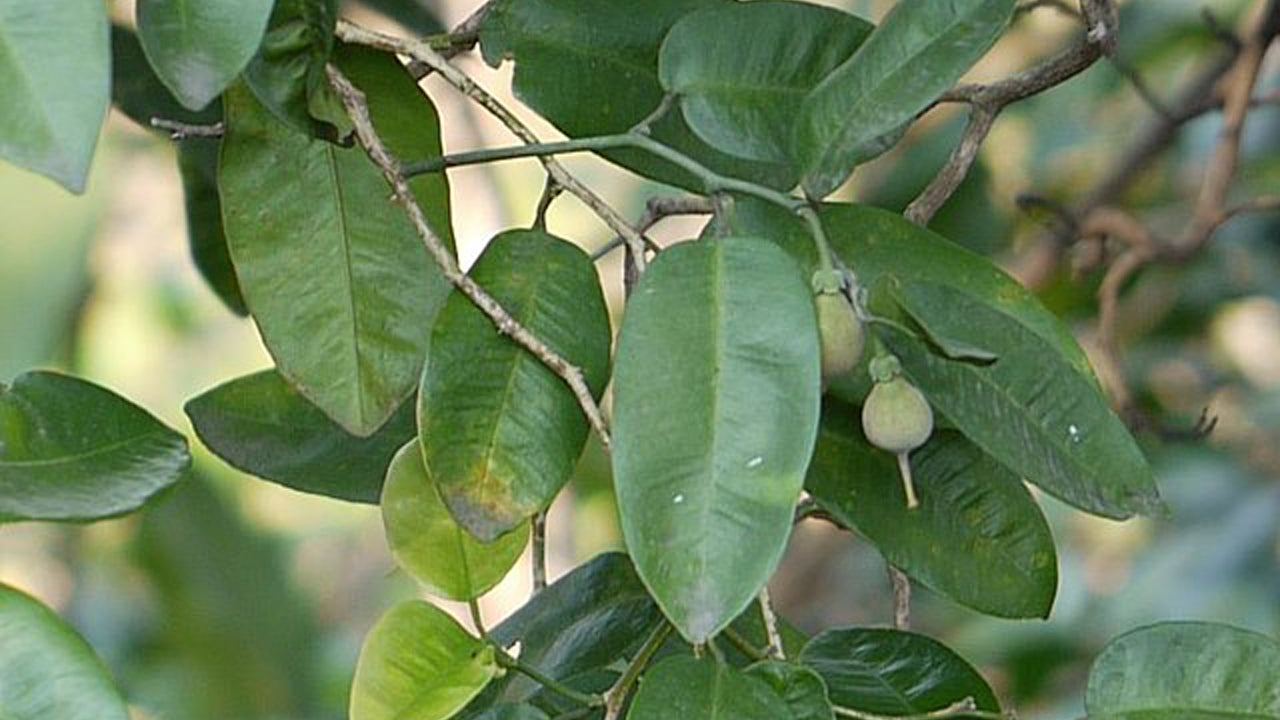
Climbing Atalantia
Paramignya monophylla





Ayurvedic and Herbal
-
Siddhalepa Ayurveda växtbaserade balsam
Ordinarie pris Från $0.48 USDOrdinarie pris$0.54 USDFörsäljningspris Från $0.48 USDRea -
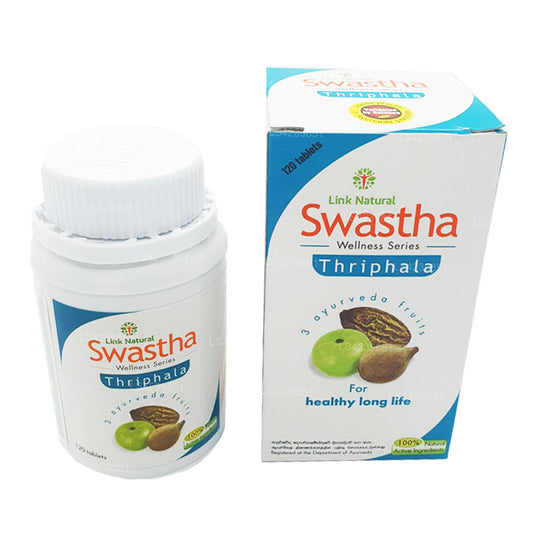
Länk Swastha Thriphala (30 tabletter)
Ordinarie pris Från $1.74 USDOrdinarie pris$1.93 USDFörsäljningspris Från $1.74 USDRea -
Lakpura® Wildcrafted Soursop (Guanabana, Graviola, Guyabano) Dehydrerade Blad Hela
Ordinarie pris Från $0.72 USDOrdinarie pris$0.81 USDFörsäljningspris Från $0.72 USDRea -
Setsuwa Pranajeeva-olja
Ordinarie pris Från $3.85 USDOrdinarie pris$4.28 USDFörsäljningspris Från $3.85 USDRea