Lakpura
Lakpura®

Nephelium lappaceum var. lappaceum

Rambutan — known botanically as Nephelium lappaceum var. lappaceum — is among the most recognisable tropical fruits in the world. Its vivid, spiny exterior and sweet, lychee-like flesh have made it a favourite across Southeast Asia and an increasingly sought-after crop in global exotic fruit markets. For travellers visiting Sri Lanka, encountering rambutan at roadside stalls or on the menu at a local fruit farm is one of the small, memorable pleasures of a tropical itinerary.
What is Nephelium lappaceum var. lappaceum?

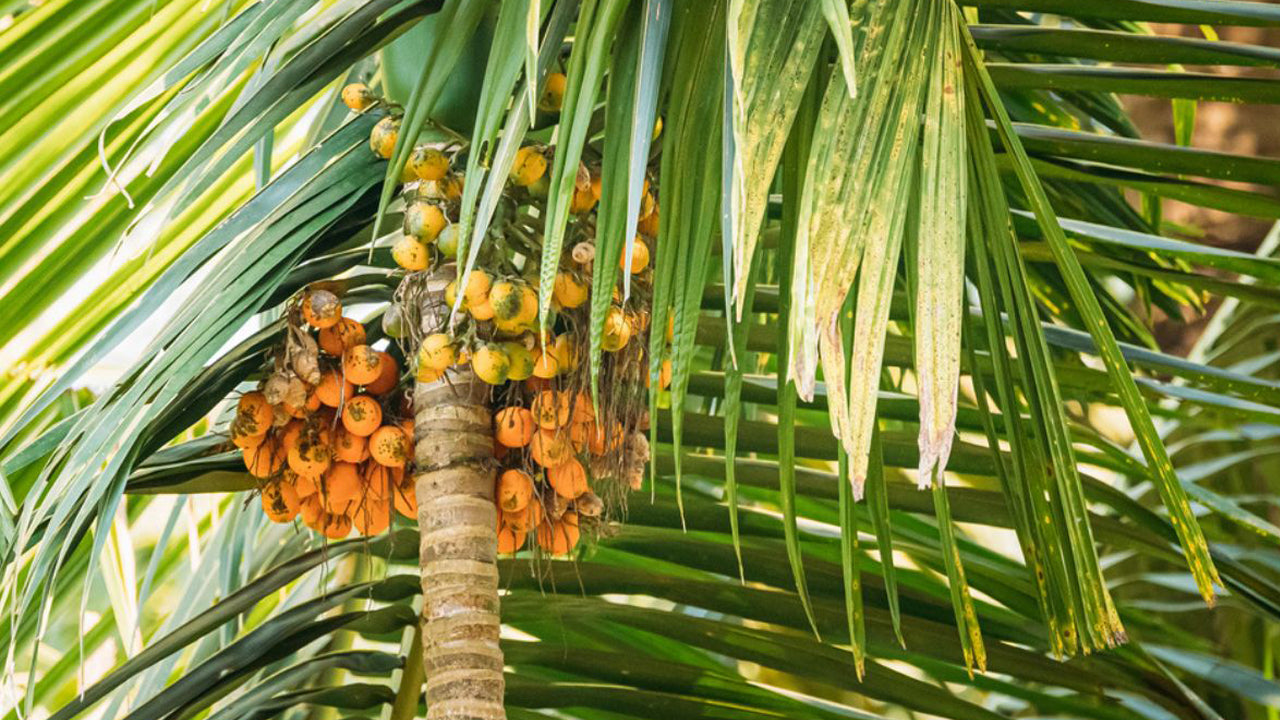
Nephelium lappaceum var. lappaceum is the primary cultivated variety of the rambutan species and the one almost universally sold in markets. It belongs to the Sapindaceae family — the same family as lychee (Litchi chinensis) and longan — which explains the close similarities in fruit texture and flavour among these species. The variety is native to the Malay Archipelago and has been cultivated across tropical Asia for centuries.
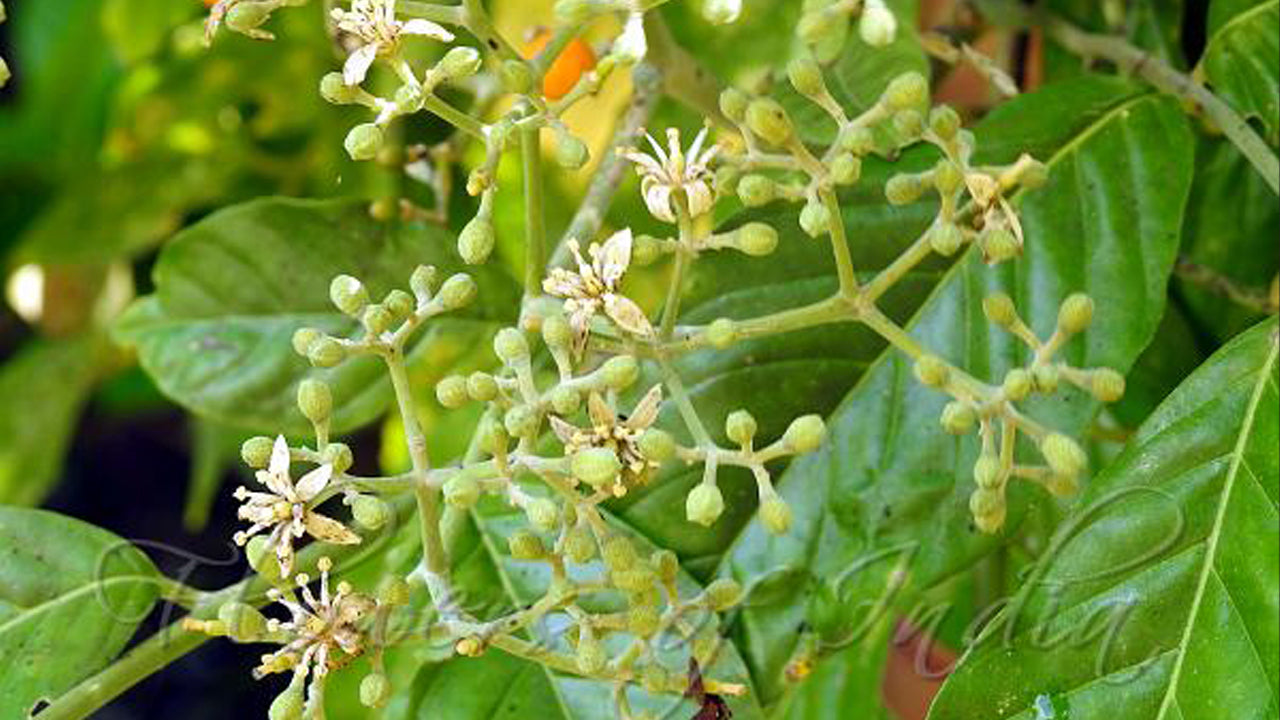
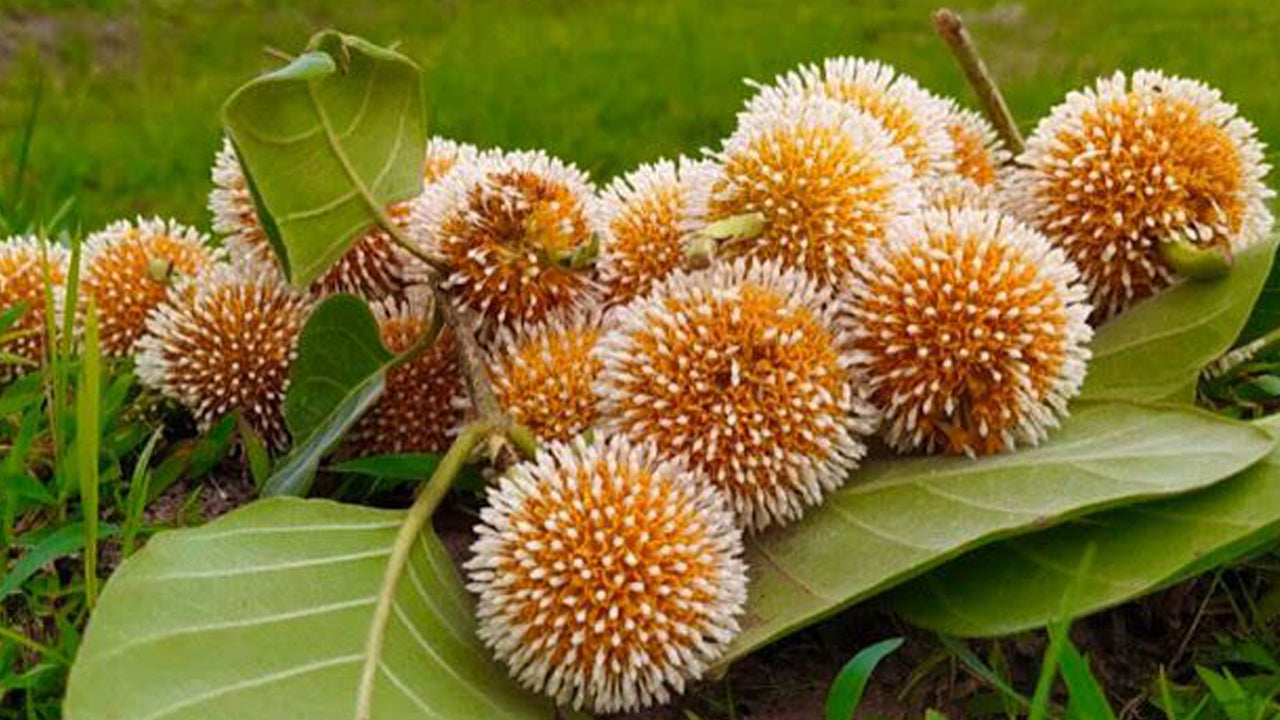
The name "rambutan" derives directly from the Malay word rambut, meaning hair, a fitting description for the fruit's most distinctive feature: a leathery outer skin covered in soft, pliable spines that give it a shaggy, almost comical appearance. When ripe, the skin turns red, yellow, or orange depending on the cultivar, signalling that the fruit inside is ready to eat.

Where does rambutan grow, and can you find it in Sri Lanka?

The tree thrives in warm, humid lowland climates with well-distributed rainfall, making it well suited to much of tropical Asia. Primary producing countries include Malaysia, Indonesia, Thailand, and the Philippines, but rambutan is also cultivated on a smaller scale across South and Southeast Asia, including Sri Lanka's wet zone and coastal lowlands.

In Sri Lanka, rambutan trees are most commonly found in home gardens and small-scale orchards in the southwestern and central low-country regions. The fruit typically comes into season between June and August, coinciding with the southwest monsoon period, and again in a shorter flush later in the year. Visiting a working tropical garden — such as those found near the Sinharaja Forest Reserve buffer zone — often gives travellers a chance to see rambutan growing in its natural setting.

What does the rambutan fruit look like inside?

Beneath the hairy rind lies a translucent to creamy-white aril — the edible flesh — that clings to a single elongated seed. The aril's texture is firm yet juicy, comparable to lychee, with a balance of sweetness and mild acidity. In superior cultivars, the flesh separates cleanly from the seed (described as "freestone"), which is a key quality trait growers select for.

  • Outer skin: Leathery, 2–3 mm thick, covered in soft spines (not sharp)
  • Flesh (aril): Translucent white, 8–15 mm thick, sweet with slight tartness
  • Seed: Single, oval, tan-coloured, not typically eaten raw
  • Colour at ripeness: Red (most common), yellow, or orange by variety

How is rambutan cultivated and harvested?

Rambutan trees grow to between 12 and 20 metres in height at maturity, though commercially managed trees are often pruned shorter to ease harvesting. They prefer deep, well-drained, organically rich soils and do not tolerate waterlogging. Consistent moisture — through rainfall or supplemental irrigation — is critical during fruit development.

Commercial growers almost always propagate through grafting or budding rather than seed, since vegetative propagation preserves the fruit quality, yield consistency, and disease resistance of proven parent stock. Seed-grown trees may take five to six years to bear fruit and produce variable results; grafted trees often bear within two to three years.

Fruits grow in hanging clusters of 10 to 20, and harvesting is done by hand — either by cutting entire clusters or by picking individual fruits. Because rambutan does not continue to ripen after harvest, timing the pick is critical: fruit picked too early will be sour, while fruit left too long on the tree deteriorates quickly.

What are the nutritional benefits of rambutan?

Rambutan is a low-calorie fruit with a useful micronutrient profile. A 100 g serving of fresh aril provides a moderate amount of vitamin C, supporting immune function and iron absorption, along with small quantities of calcium, phosphorus, and B vitamins. The fruit also contributes dietary fibre, which supports digestive health.
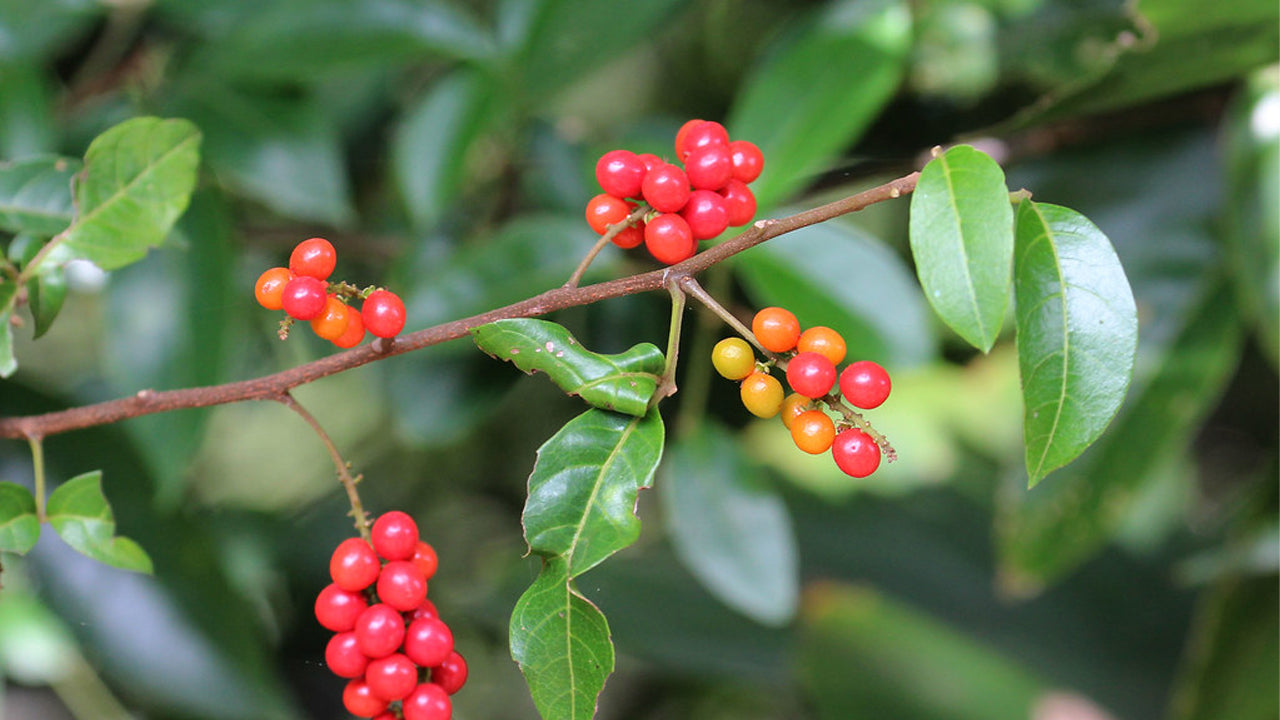
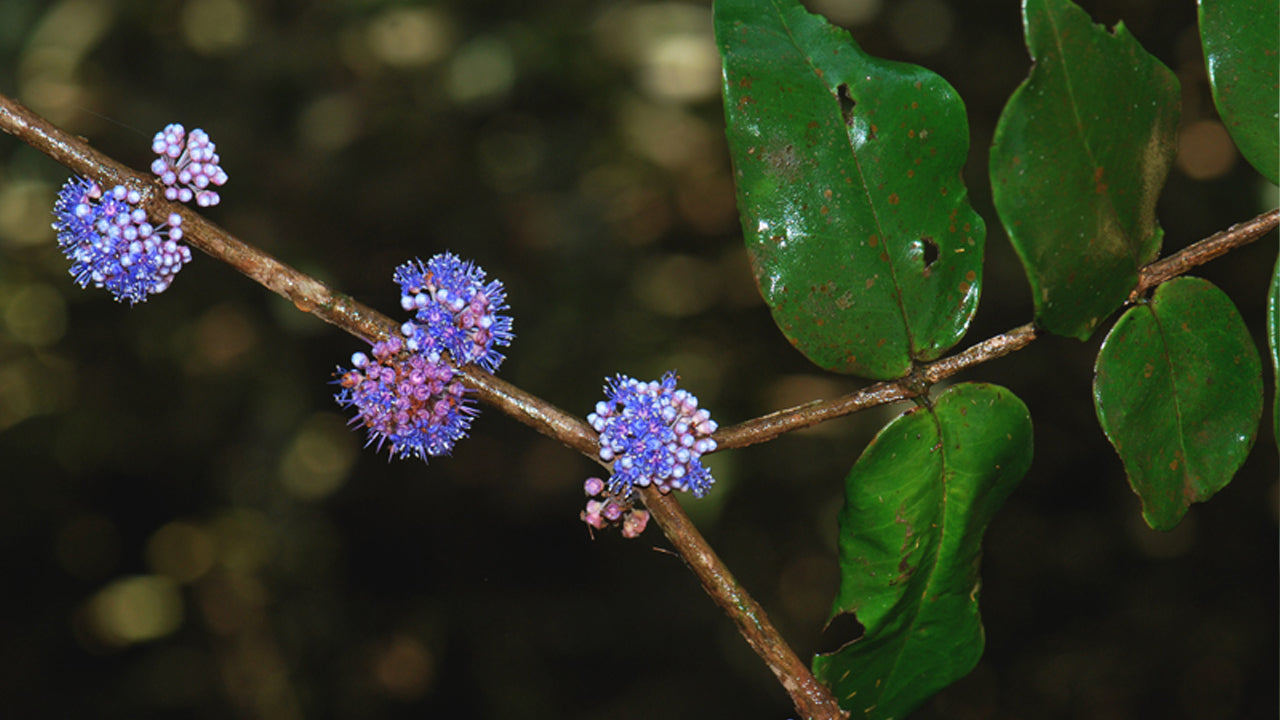
Beyond the edible flesh, research interest has grown around the seed and rind of N. lappaceum. The seed fat has been investigated as a potential source of specialty lipids, and rind extracts contain polyphenols and tannins with antioxidant properties. Traditional medicine practitioners in several Southeast Asian countries have used various parts of the plant — though these applications remain subjects of ongoing scientific study rather than established clinical guidance.

How is rambutan used in cooking and food production?

Fresh rambutan is most often eaten out of hand: the rind is slit and peeled away with the fingers, and the flesh is bitten from the seed. Beyond fresh consumption, the fruit appears in several culinary forms across Southeast and South Asia:

  1. Canned in syrup — the most common exported form, widely available in Asian grocery stores worldwide
  2. Jams and preserves — the high natural sugar content of ripe fruit makes it well suited to preserving
  3. Fruit salads and desserts — combined with other tropical fruits such as coconut-based preparations
  4. Juice and smoothies — blended with the flesh of other fruits to balance acidity
  5. Stuffed rambutan — a Thai preparation where the seed is replaced with pineapple before poaching in syrup

How does rambutan compare to lychee and longan?

Feature Rambutan Lychee Longan
Family Sapindaceae Sapindaceae Sapindaceae
Origin Malay Archipelago Southern China Southern China / SE Asia
Skin texture Soft spines (hairy) Rough, scaly Smooth, thin
Flesh flavour Sweet, mildly tart Sweet, floral, tart Sweet, musky
Flesh texture Firm, juicy Firm, juicy Softer, less juicy
Typical size 4–6 cm 3–4 cm 2–3 cm

Why is this variety important for tropical agriculture?

Nephelium lappaceum var. lappaceum is favoured by growers because it combines high yield potential with broad soil adaptability and strong commercial appeal. As global demand for exotic and tropical produce grows — particularly in European, North American, and East Asian import markets — rambutan is gaining ground as a cash crop for smallholder farmers across tropical Asia, including Sri Lanka.

Sustainable orchard management, including organic inputs and minimal pesticide use, is becoming more common, driven partly by premium-market buyers who require certification. For agri-tourism travellers interested in Sri Lanka's rich agricultural landscape, a rambutan orchard visit pairs naturally with explorations of other traditional crops such as Ceylon black pepper and spice gardens that have shaped the island's history for centuries.

Ask Lakpura® Agent