
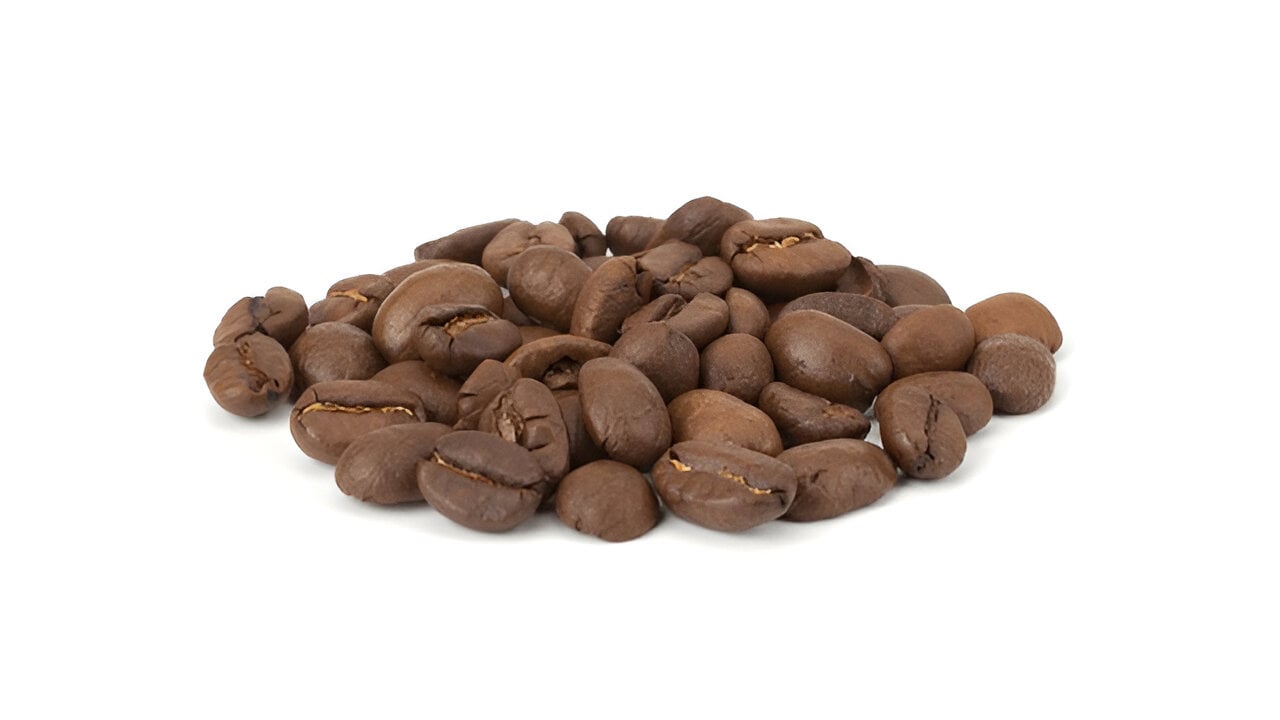

Kothmale is a mist-draped valley in Sri Lanka's Central Province, sitting at elevations that rival the island's finest tea country. For much of the 19th century, coffee was the dominant crop here — until a devastating leaf-rust outbreak in the 1870s swept through Ceylon's plantations and prompted a wholesale shift to tea. Today, a quiet revival is under way. Small-scale farmers on Kothmale's terraced hillsides are coaxing Arabica back into production, and the results are drawing attention from specialty roasters well beyond Sri Lanka.
What makes Kothmale's terroir ideal for Arabica coffee?
Altitude is the single most important variable in specialty Arabica cultivation, and Kothmale delivers it in abundance. Growing plots typically sit between 1,000 and 1,500 metres above sea level, where cooler temperatures slow the development of the coffee cherry. Slower ripening concentrates sugars and builds the layered flavour complexity that distinguishes high-grown coffee from low-land commodity beans.
The valley's topography also channels consistent rainfall and morning cloud cover without waterlogging the soil — a balance that many renowned coffee-growing regions struggle to achieve naturally. Rich, well-drained loam, formed over millennia of volcanic and sedimentary activity, provides strong mineral nutrition. Together, these conditions echo the terroir of celebrated Arabica origins such as Ethiopia's Yirgacheffe or Colombia's Huila, albeit with a distinctly Sri Lankan character.
Shade trees play a supporting role too. Many Kothmale smallholders interplant coffee beneath native forest species, which regulate temperature, suppress weeds, and feed the soil through leaf litter. This shade-grown approach is integral to both the flavour profile and the environmental credentials of the region's coffee.
What does Kothmale coffee taste like?
Kothmale Arabica typically presents a smooth, medium-to-full body with a clean, well-balanced acidity — noticeably brighter than the robusta-forward blends that once dominated Sri Lankan domestic consumption. Tasting notes that recur across different producers include caramel sweetness, dried stone fruit (apricot, peach), and a background of milk chocolate or cocoa. Floral hints appear in lightly roasted lots, while darker roasts bring out a nuttier, more rounded character.
The finish is generally gentle and lingering rather than sharp, which makes Kothmale coffee versatile across brewing methods. Pour-over and drip preparation highlight the fruit and floral notes; espresso extraction emphasises body and the caramel sweetness. Cold-brew works particularly well, with the natural sugars coming forward cleanly in the absence of heat.
How is Kothmale coffee grown and processed?
Almost all Kothmale coffee is hand-harvested by selective picking — farmers comb through each shrub to take only ripe red cherries, leaving unripe fruit to develop further. This labour-intensive practice, shared with other quality-oriented origins, is one reason the coffee commands a premium over mechanically stripped lots.
Processing methods in use include:
- Washed (wet) process: Cherries are pulped, fermented to remove the mucilage, washed with clean water, and then dried on raised beds. This produces the cleanest expression of the bean's intrinsic character.
- Natural (dry) process: Whole cherries are dried in the sun over several weeks. The extended contact with the fruit skin imparts additional sweetness and body — and sometimes intensifies the stone-fruit notes.
- Honey process: A middle path where some mucilage is left on the bean during drying, giving a balance between the clarity of washed lots and the richness of naturals.
Most smallholders use eco-friendly methods throughout, partly from tradition and partly from a growing awareness that chemical-intensive farming would undermine both the land and the specialty price premiums they rely on.
What is the history of coffee cultivation in Kothmale?
Coffee arrived in Ceylon with the Dutch in the 17th century, but it was under British colonial administration in the 19th century that large-scale plantation cultivation took hold across the central highlands. At its peak, Ceylon was one of the world's foremost coffee exporters. Kothmale, with its altitude and rainfall, was among the productive heartlands of this industry.
The catastrophic arrival of Hemileia vastatrix — coffee leaf rust — in 1869 gradually destroyed the plantation economy. By the 1880s, British planters had largely replaced coffee with Ceylon tea, setting the island on the trajectory for which it is globally known today. For more than a century, coffee survived only in backyard gardens and on marginal hillside plots, largely forgotten as a commercial crop.
The current revival is driven not by large estates but by smallholder cooperatives, NGO-supported programmes, and a handful of passionate entrepreneurs who recognised that the terroir which once made Ceylon coffee famous was still intact. Specialty coffee's global rise — and the premium prices it commands — has made the economics viable in ways that weren't possible a generation ago.
How does Kothmale coffee compare with other Sri Lankan coffee regions?
Sri Lanka's coffee revival is not limited to Kothmale. Other Central Province districts — Matale, Walapane, Badulla, and Bandarawela — are producing interesting single-origin lots, and southern regions are exploring lower-altitude robusta. Kothmale, however, is frequently cited as one of the regions with the most consistent Arabica quality, owing to its elevation band and the concentration of farming activity there.
| Region | Altitude (approx.) | Characteristic profile |
|---|---|---|
| Kothmale | 1,000–1,500 m | Caramel, stone fruit, clean acidity |
| Walapane | 900–1,400 m | Floral, mild, light body |
| Bandarawela / Badulla | 1,100–1,600 m | Bright, citrus-forward, complex |
| Matale | 400–900 m | Fuller body, earthier notes |
How can visitors experience Kothmale coffee country?
Kothmale sits close to the Kandy–Nuwara Eliya corridor, making it accessible as part of a central highlands itinerary. The reservoir formed by the Kothmale Dam is a landmark of the valley, and the surrounding landscape of forested ridges and mist is reason enough to linger. Some farms welcome visitors for informal tours during harvest season, which typically runs from November through February, though this varies by year and altitude.
The nearby Horton Plains National Park and the hill town of Ella are logical extensions of a visit to coffee country, and travellers with a specialist interest in highland produce will also encounter Ceylon green tea estates along the same road network. Organised farm visits can be arranged through local cooperatives or a destination management company with the right contacts.
How should I brew Kothmale Arabica at home?
For washed or honey-process Kothmale beans, a pour-over method (V60, Chemex, or similar) at a water temperature of around 90–94 °C brings out the brightest fruit and floral notes. A medium grind, a 1:15 coffee-to-water ratio, and a 30-second bloom pour are good starting points.
If you prefer espresso, aim for a medium-dark roast and a slightly longer extraction to develop the caramel and chocolate body without over-extracting the lighter fruit compounds. Natural-process lots are well suited to a French press or Aeropress, where their heavier, syrupy character can be appreciated without paper filtration removing the oils.
Store beans in an airtight container away from light and heat, and aim to brew within four weeks of the roast date for the best expression of the origin.