Lakpura
Lakpura®

Ambewela City

Perched at high altitude in the Nuwara Eliya District, Ambewela is one of Sri Lanka's most unusual hill stations. Its temperate climate, open grasslands, and dairy farms have earned it the nickname "Little New Zealand" — a label that feels apt the moment you see Ayrshire cattle grazing against a backdrop of mist-covered hills. Located around 17 km south-east of Nuwara Eliya, the village sits at an altitude high enough to feel a world apart from the tropical lowlands below.

What makes Ambewela different from other Sri Lankan hill towns?

Most hill destinations in Sri Lanka are defined by tea. Ambewela is defined by dairy. The village serves as a service centre for the New Galway tea planting district, yet it is the two large animal husbandries — Ambewela Farm and New Zealand Farm — that draw visitors and shape the local economy. Ambewela Farm keeps Ayrshire cattle; New Zealand Farm raises Friesian cows. Together they supply a significant share of the fresh milk consumed in the country, and the area is home to Sri Lanka's only milk powder manufacturing facility.

Walking through the farms, you encounter an atmosphere that feels genuinely pastoral rather than staged for tourism. The air is cool, sometimes cold, and the landscape opens up across rolling pastures in a way that is rare in a country more accustomed to dense jungle or terraced tea estates.

What can you see and do in Ambewela?

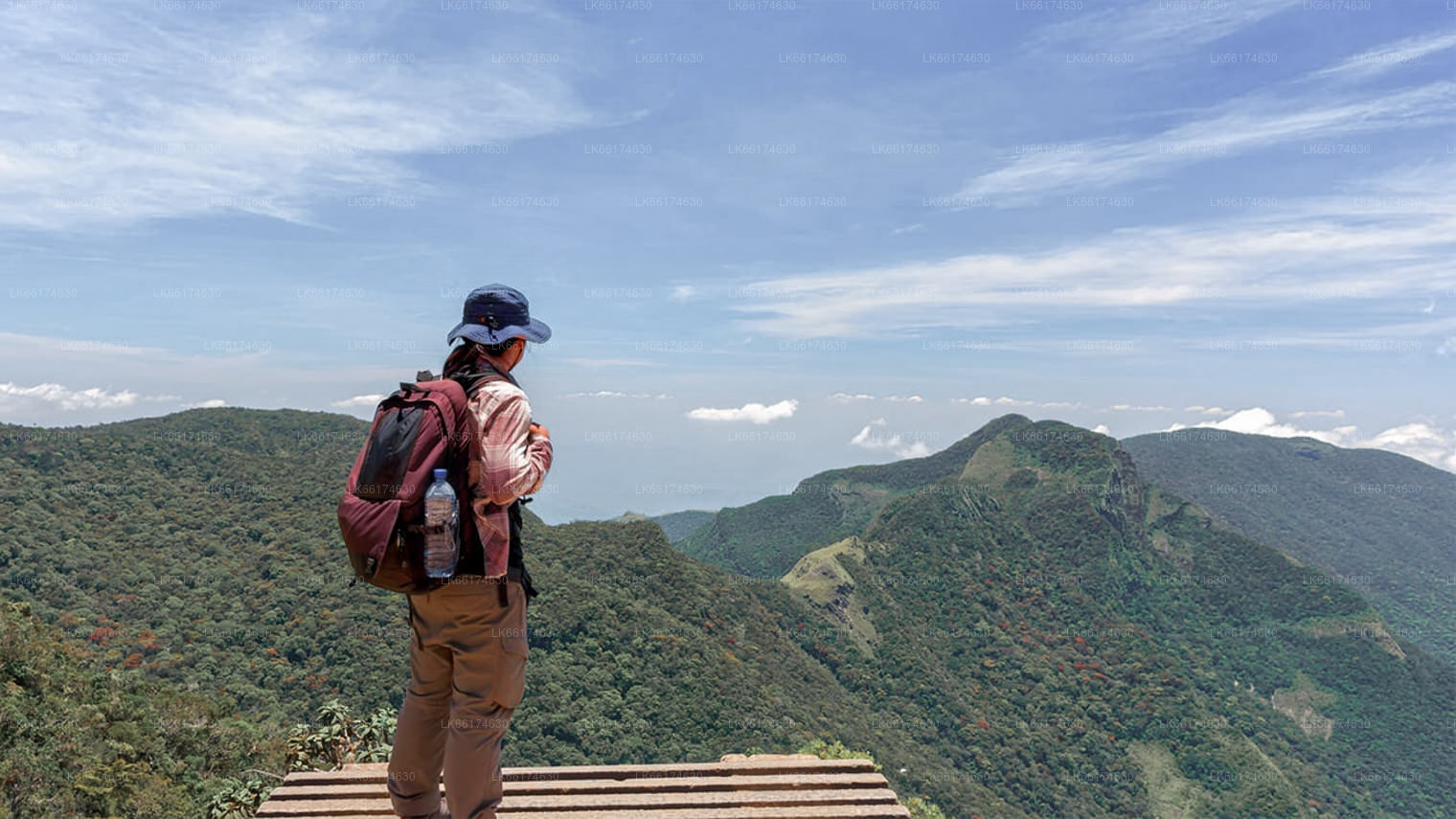
The farms themselves are the main draw. Visitors can walk among the livestock, watch milking operations, and buy fresh dairy products directly. The surrounding countryside rewards those who explore on foot — trails wind through grassland and patches of pine forest, with views that stretch toward Horton Plains National Park on clear days.

  • Ambewela Farm – Home to Ayrshire cattle, this government-run farm welcomes visitors and offers a rare look at large-scale dairy farming in a tropical country.
  • New Zealand Farm – Neighbouring Ambewela Farm, it keeps Friesian cows and contributes to the same dairy supply chain.
  • Scenic walks – The open terrain around both farms is ideal for easy walking, especially in the early morning before cloud cover settles in.
  • Photography – The combination of mist, grassland, and cattle creates landscapes that are highly photogenic and distinctly un-tropical.

How do I get to Ambewela from Colombo or Ella?

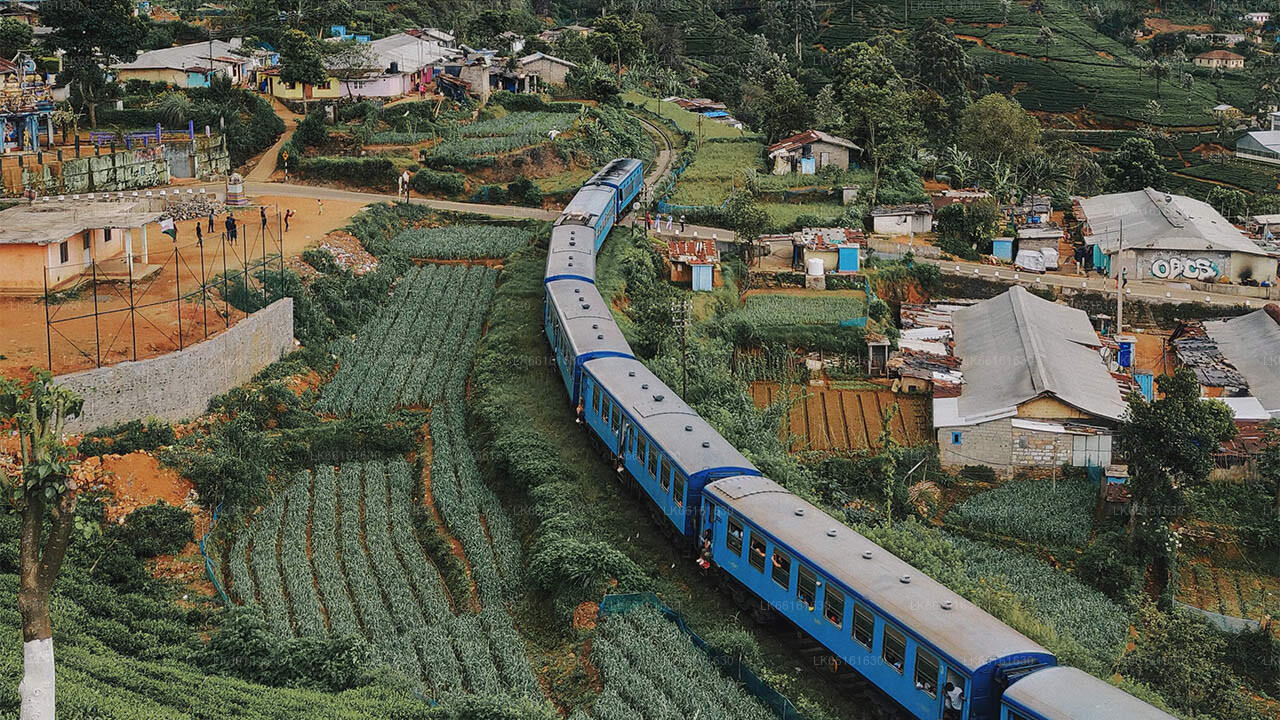
The most memorable way to arrive is by train. The Colombo–Badulla railway line passes through Ambewela, and the stretch between Ella and Nuwara Eliya is widely considered one of the most scenic rail journeys in Asia. The train climbs through tea country, crosses viaducts, and passes through tunnels before arriving at the modest Ambewela station. Booking a reserved seat in advance is strongly advised, as this section fills quickly during peak season.

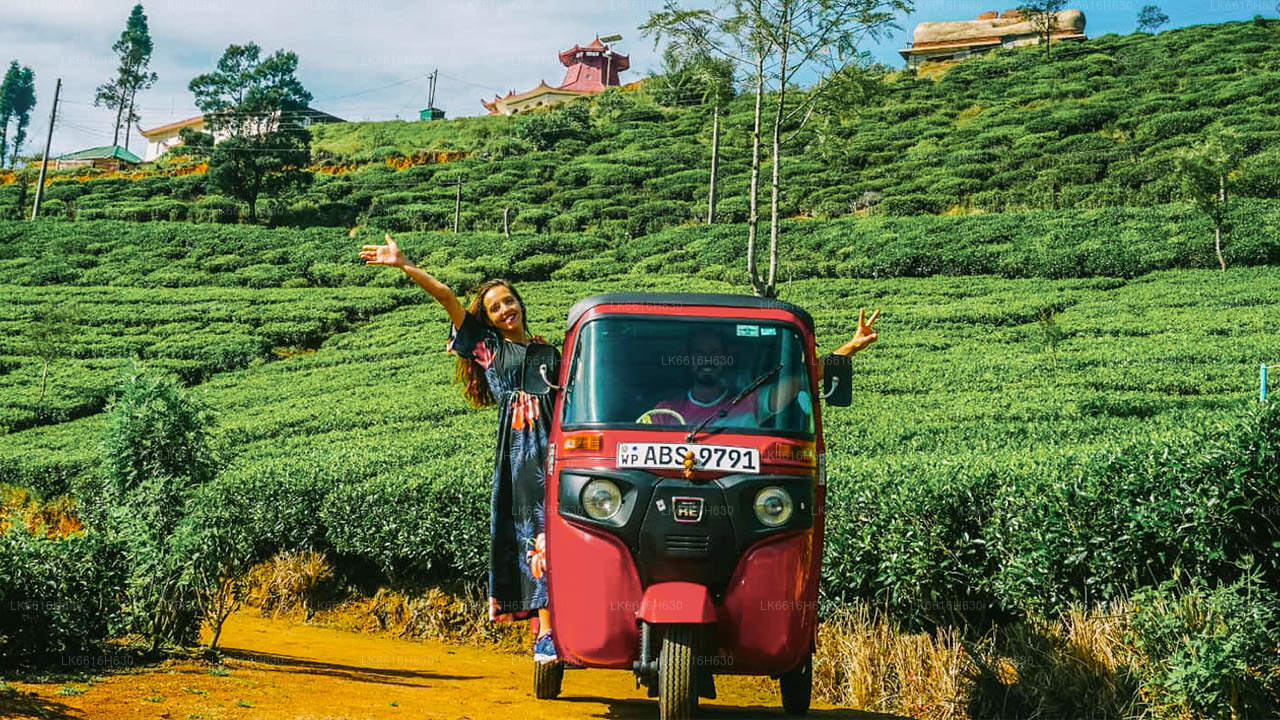
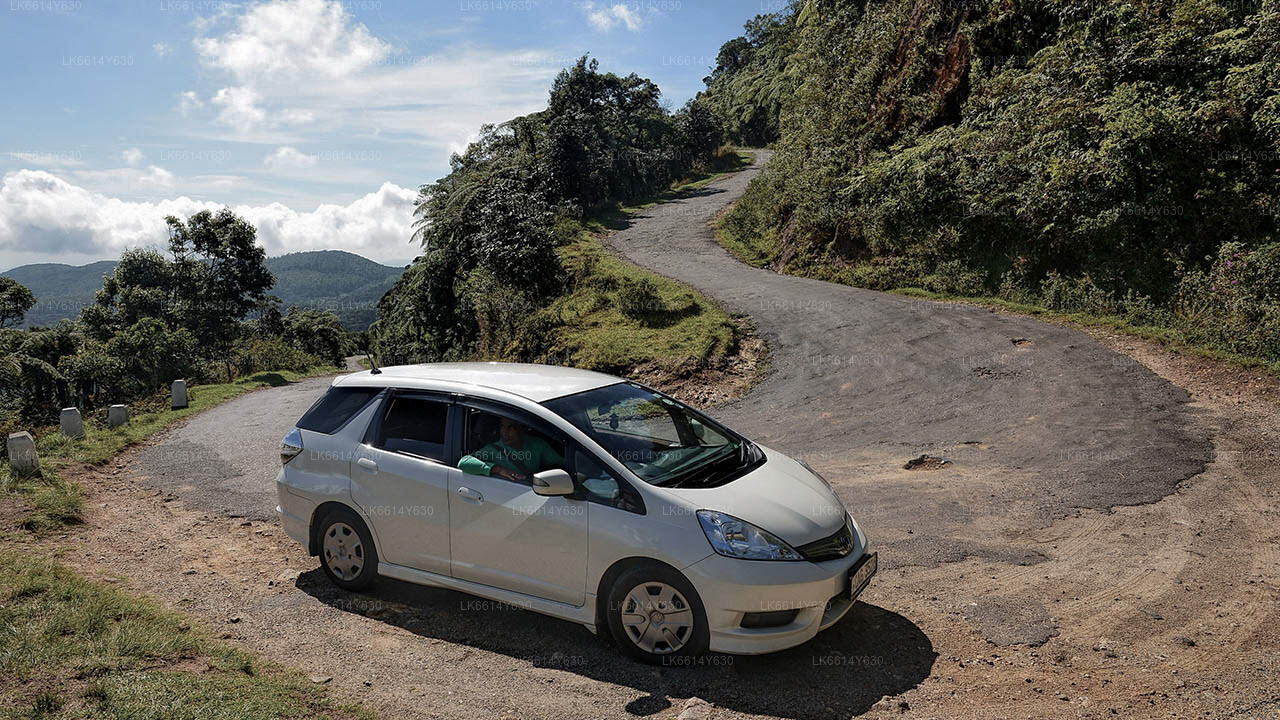
By road, Ambewela is accessible from Nuwara Eliya in under 30 minutes by car or tuk-tuk. From Colombo the drive takes around five to six hours via the A5 highway, depending on traffic through Kandy and Nuwara Eliya. Private transfers are the most practical option if you are travelling with luggage or as part of a wider itinerary through the hill country.

When is the best time to visit Ambewela?

Ambewela is cool year-round by Sri Lankan standards, but the experience changes markedly by season. The driest and most comfortable months for visitors are typically January through April, when skies are clearer and the farms are easy to walk around. The Southwest Monsoon, which arrives roughly between May and September, brings strong winds and persistent mist. Wind speeds during this period can exceed 12 m/s, creating dramatic atmospheric conditions that some visitors find appealing, though conditions underfoot can be muddy.

The Northeast Monsoon, which affects much of Sri Lanka between October and January, has limited impact on Ambewela due to its altitude and geographic position — the hills shelter the area from the north-east. This makes early-year visits the most reliable for clear views and comfortable farm walks.

Why does Ambewela have wind energy potential?

The same geography that makes Ambewela cool and pastoral also makes it one of the windier sites in Sri Lanka. Studies carried out in the early 2000s — including a collaborative assessment between the Ceylon Electricity Board and the US National Renewable Energy Laboratory — identified the area as having a useful wind resource during the Southwest Monsoon season. However, the research also found practical constraints: the resource is seasonal rather than year-round, and the logistical challenge of transporting large turbine components to such a remote, high-altitude site proved a significant barrier. Turbines smaller than 600 kW were found to be uneconomical at the scale required. As a result, large-scale wind energy development has not materialised, and the landscape remains open grassland.

What is the connection between Ambewela and Ceylon Tea?

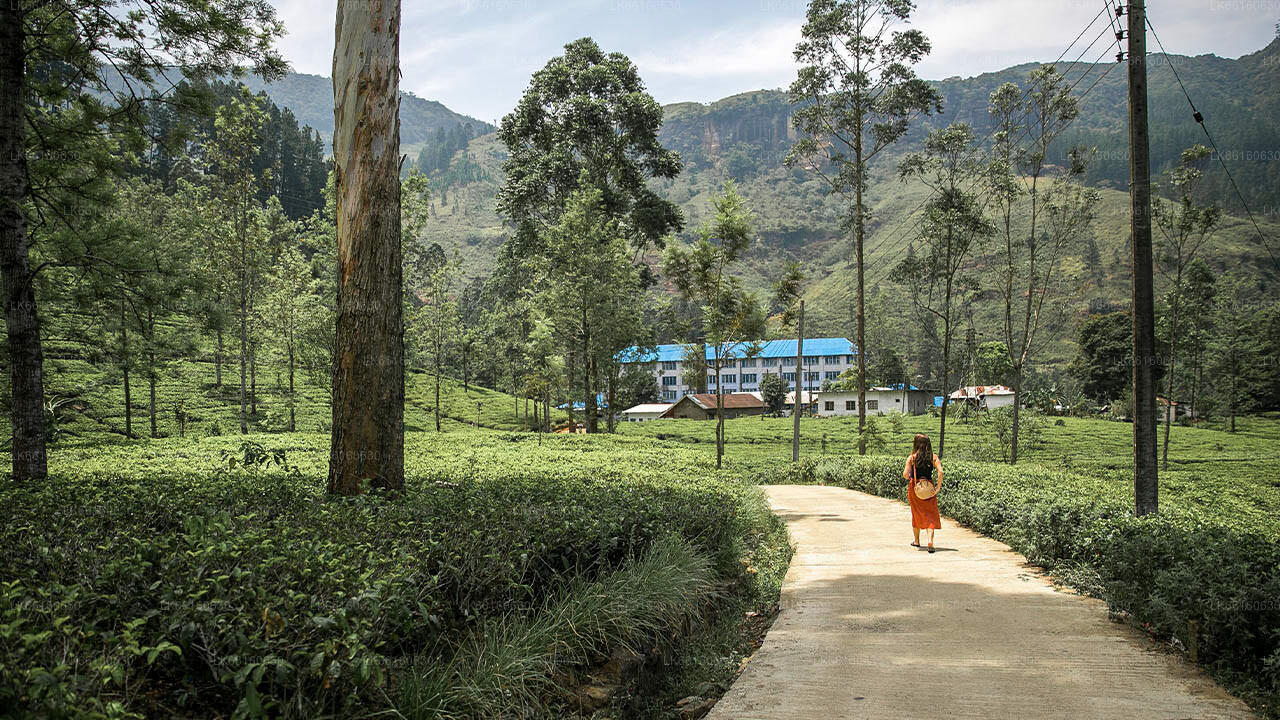
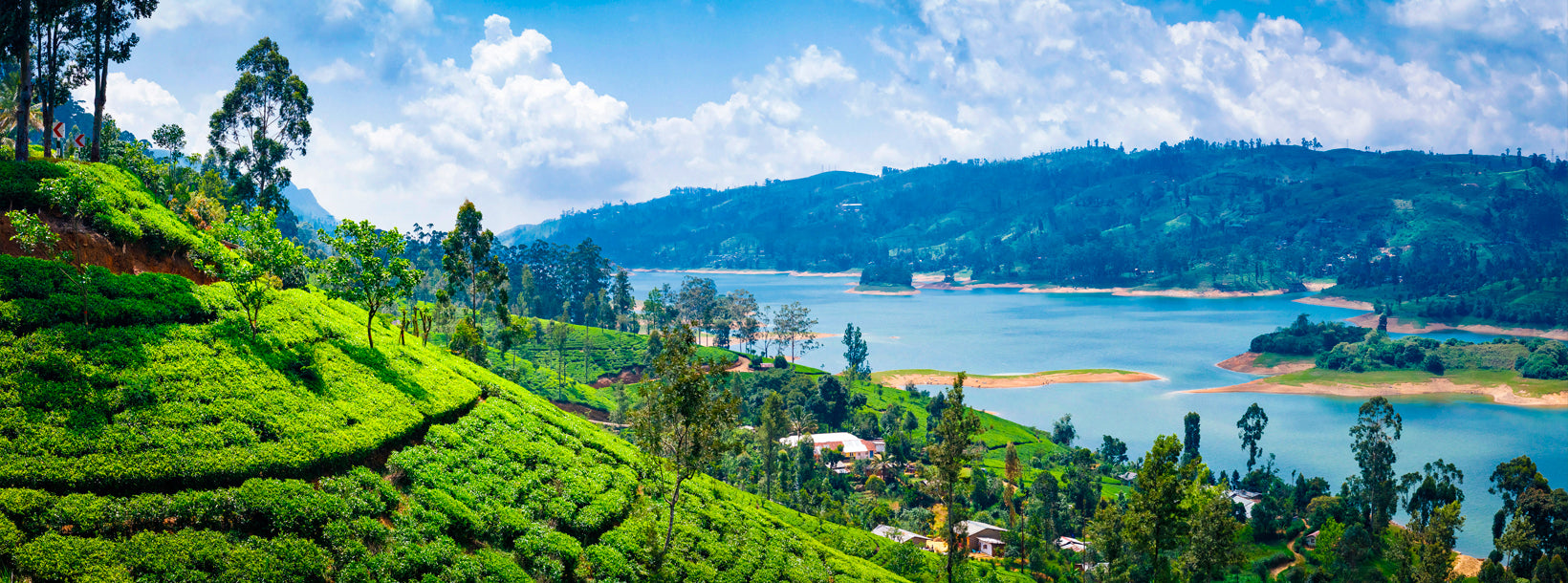
While dairy dominates Ambewela's economy, the surrounding Nuwara Eliya District is one of Sri Lanka's premier tea-growing regions. The New Galway estate, for which Ambewela acts as a service centre, produces high-grown Ceylon tea at altitudes that yield a light, delicate flavour profile. Visitors passing through Ambewela often combine a farm visit with a tour of a nearby tea estate or the tea factory at Bluefield Tea Gardens, which lies within easy reach.

Where should I stay near Ambewela?

Accommodation options directly in Ambewela are limited, which suits travellers who prefer a quiet, rural experience. The Plains Green Bungalow is among the properties situated close to the farms, offering a retreat into the hill-country atmosphere. Nuwara Eliya, 17 km to the north-west, provides a wider range of hotels and guesthouses and is a practical base for day trips to the farms and surrounding countryside.

Book this experience with Lakpura

Curated by our local team. Direct booking, instant confirmation.

Ask Lakpura® Agent