Acalypha indica (Kuppameniya)


Acalypha indica (Kuppamenia) är en örtartad ettårig växt som har kattliknande blomsterstånd med koppformade involucra som omger de små blommorna. Den är främst känd för att dess rot är attraktiv för innekatter, och för sina olika medicinska användningsområden. Den förekommer över hela tropikerna. Så snart du säger coup mania, påminns du om katternas passion för coup mania. Men inte bara katter utan alla medlemmar av kattfamiljen, inklusive tigrar, lejon och leoparder, älskar växten. Deras passion orsakas av den lukt som produceras av en kemikalie kallad trans lacta lactone, som finns i Kuppamenia växten. Kuppamenia, kattens favoritmat, sägs ha en lukt som kan kännas på cirka 50 fot [50 m] avstånd. Det är därför dessa katter hittar och äter denna coup mania när de blir sjuka. Men Kuppamenia kan inte bara användas hos katter utan också hos människor för att bota många sjukdomar. Kuppamenia växten är högt värderad både som medicin och som mat.
Kuppamenia, en medlem av Euphorbiaceae-släktet, förekommer i låglänta torra områden. Denna växt växer till en höjd av cirka 1 ½ -2 m. En liten uggla kan ses på bladen. Denna växt är en ettårig växt med en liten upprätt stam. Hela växten, inklusive blommorna, bladen och rötterna på denna växt, används för medicinska ändamål. Kuppamenia innehåller protein, kolhydrater, kalcium, järn, fett, vitamin C, fiber, fosfor och andra näringsämnen. Denna coup mania växt kan också användas som omslag vid beredning av gröt samt malva.
Medicinska användningar av Acalypha indica (Kuppamenia):
Enligt litteraturstudier har Acalypha indica (Kuppamenia) förmågan att fungera som ett antihelminthiskt, antiinflammatoriskt, antibakteriellt, anticancerogent, antidiabetiskt, antihyperlipidemiskt, antiobesitets-, anti-venom-, hepatoprotektivt, hypoxiskt och sårläkande medel.
För svullna leder: Kuppamenia bladjuice blandad med sesamolja och salt har förmågan att bota svullnad genom att appliceras på lederna.
För ormgift: Beredningen av Kuppamenia bladgröt är bättre än ormgift.
För att bli av med urininkontinens och urinera ordentligt: Kuppamenia blad kan hackas och appliceras på nedre delen av magen för att ta bort urininkontinens.
För defekation: Kuppamenia rotjuice är bäst för detta ändamål.
För brännskador: Kuppamenia kan lindras genom att gnugga salva på de brända områdena av bladen.
Det bör beaktas: Det är viktigt att personer med genetiska allergier är extra försiktiga när de äter coup de grace. Sådana personer kan vara allergiska mot coupemania, vilket kan leda till kräkningar och blödning vid urinering. Därför bör sådana personer söka medicinsk rådgivning innan de använder denna växt för medicinska ändamål och innan de konsumerar den.


-
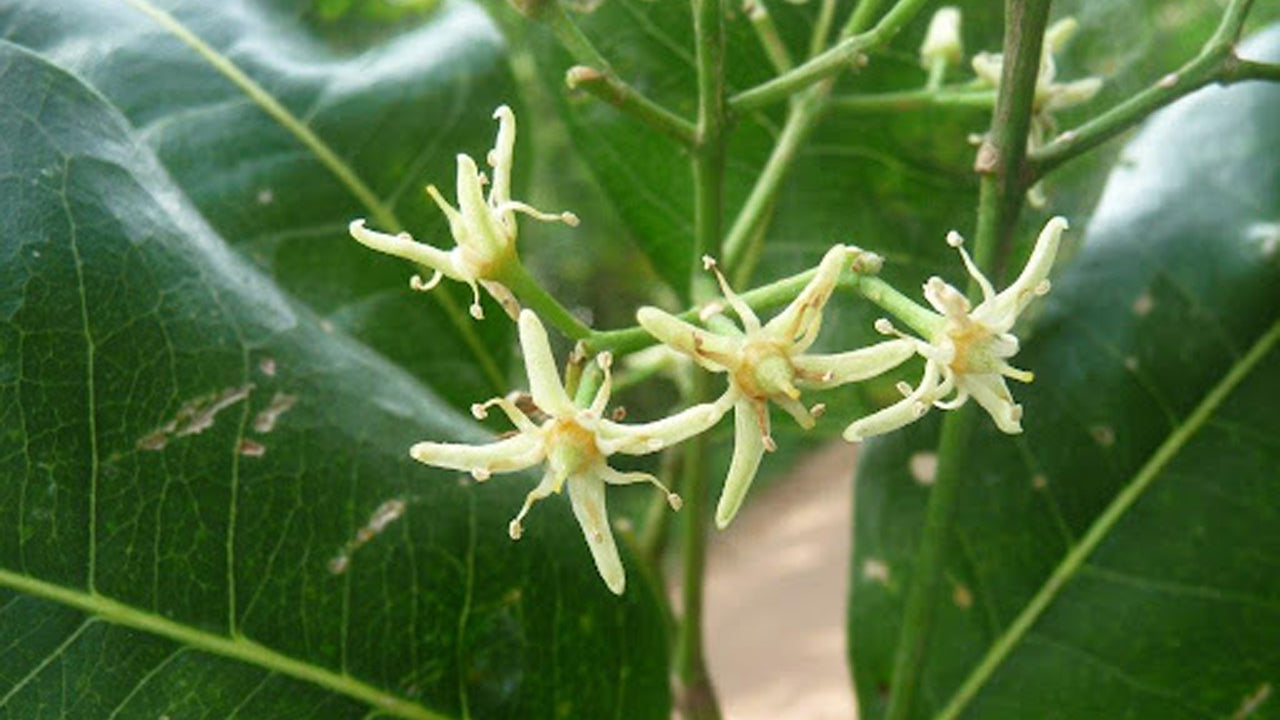
Claw-flowered laurel
Acronychia pedunculata -
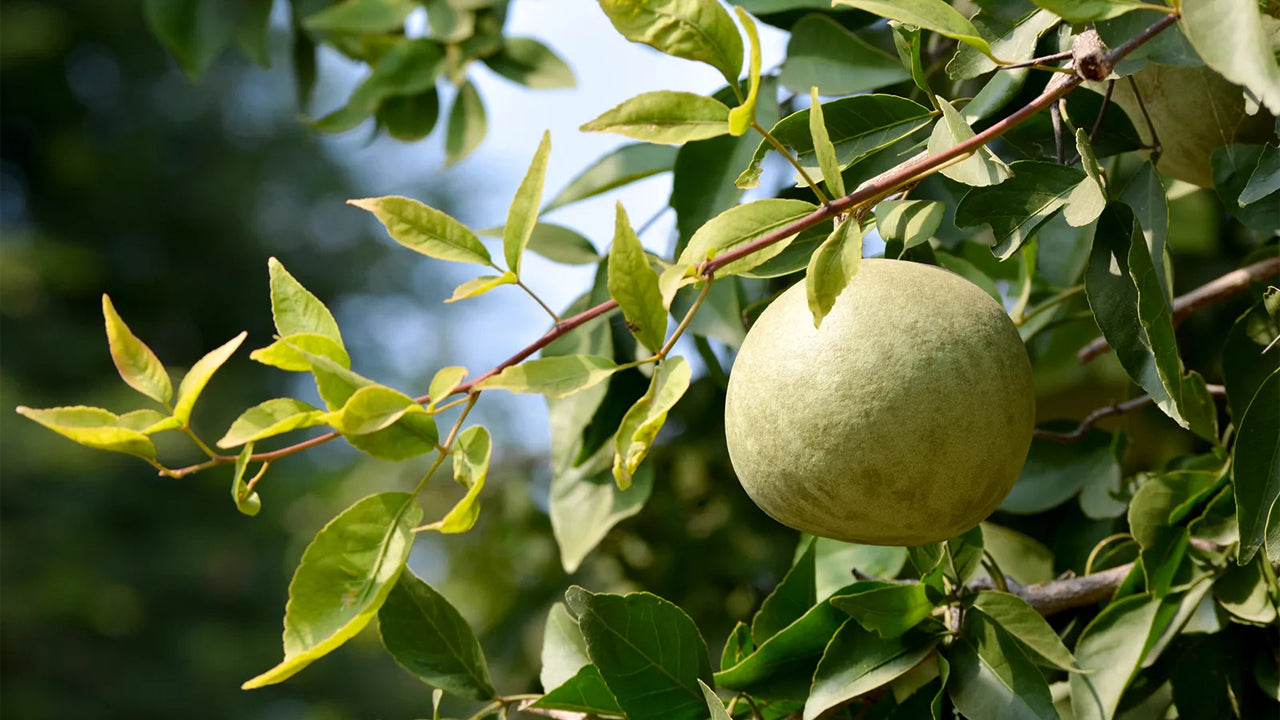
Bael
Aegle marmelos -
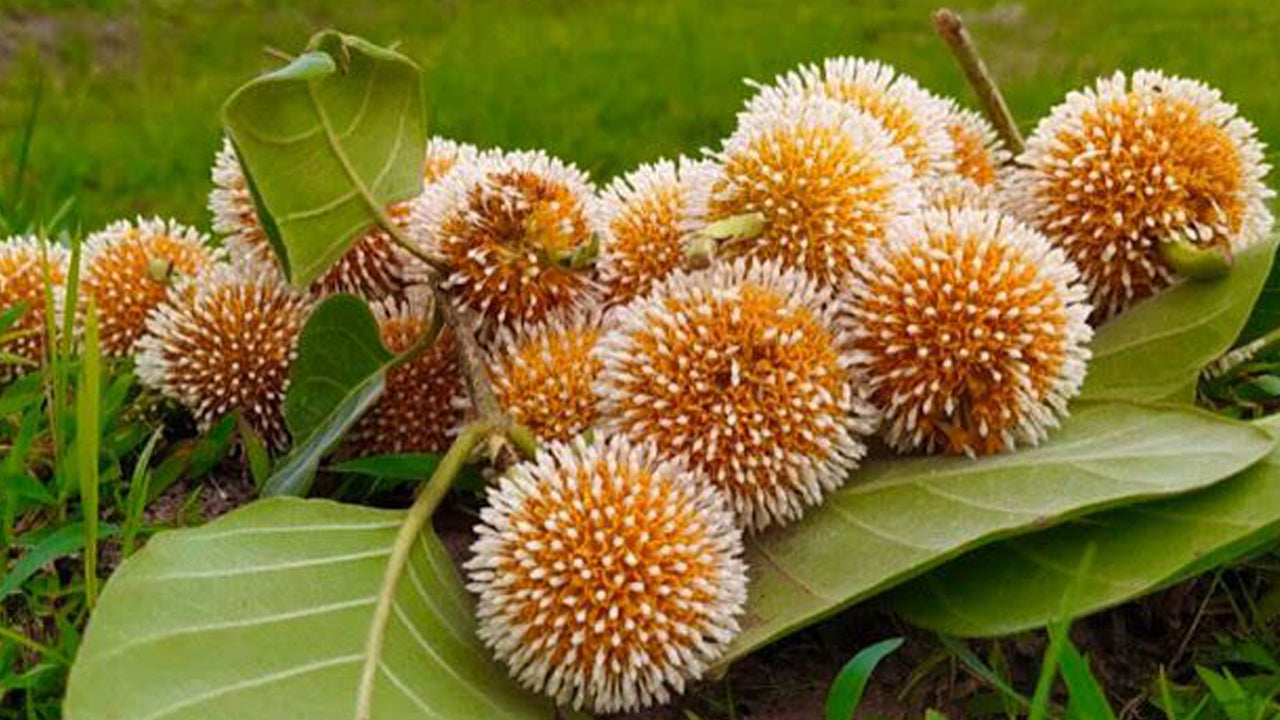
Leichhardt tree
Nauclea orientalis -
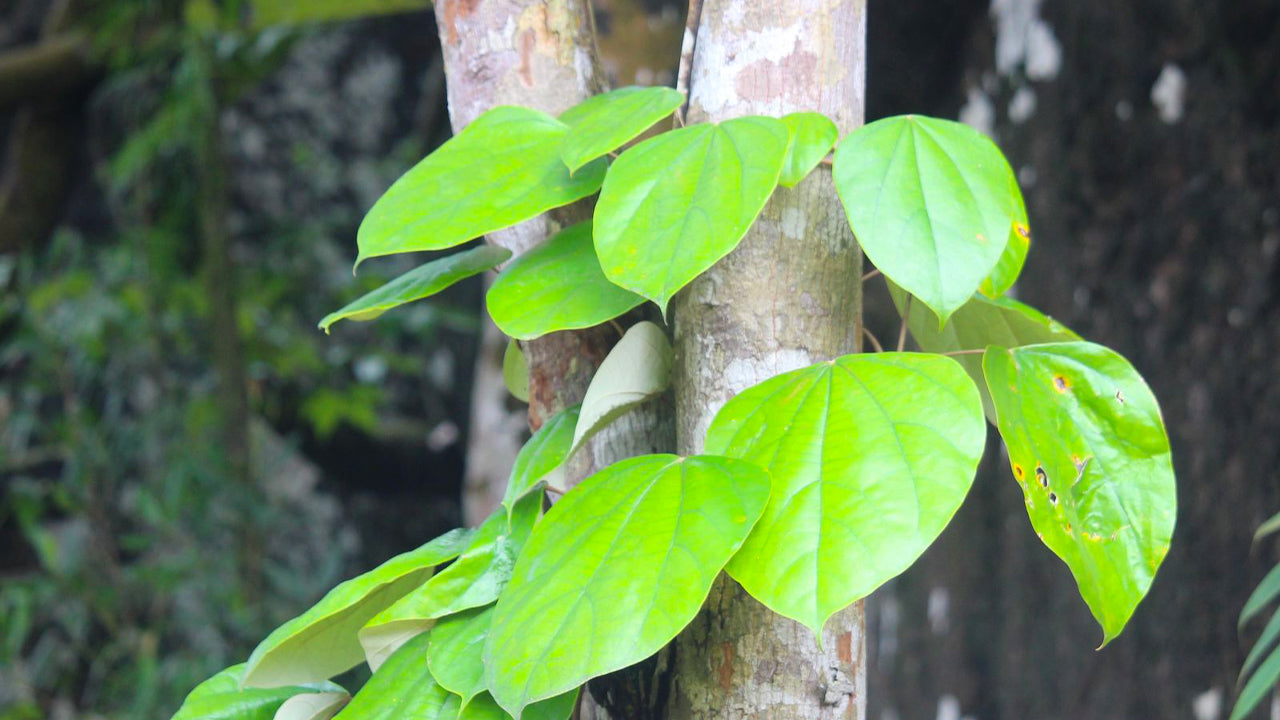
False Calumba
Coscinium fenestratum -

Malabar Gulbel
Tinospora malabarica -
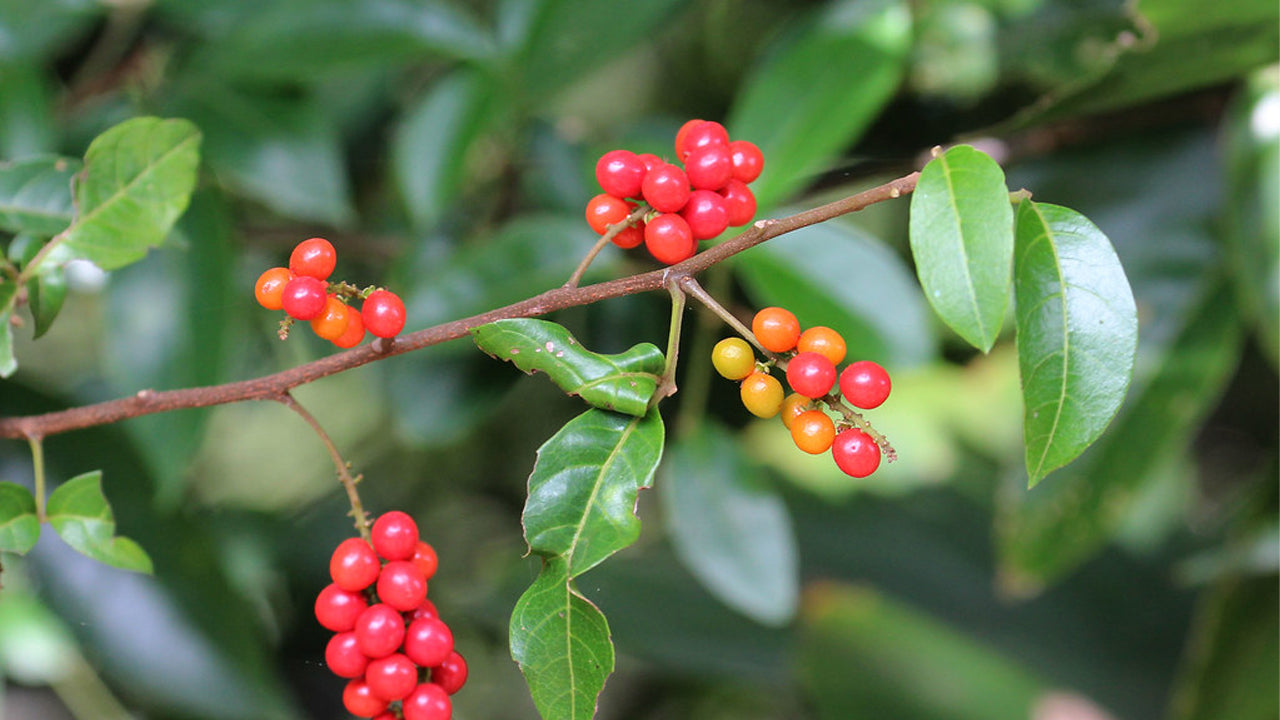
Titberry
Allophylus cobbe -
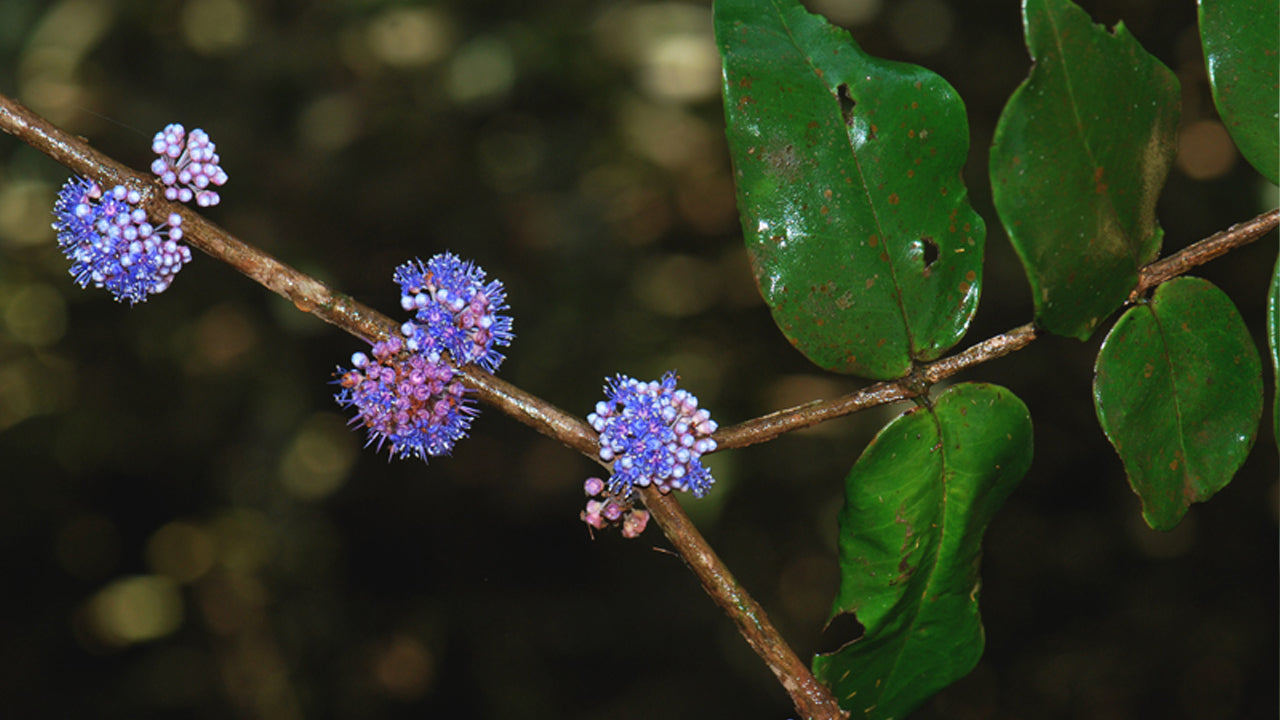
Ironwood Tree
Memecylon capitellatum -
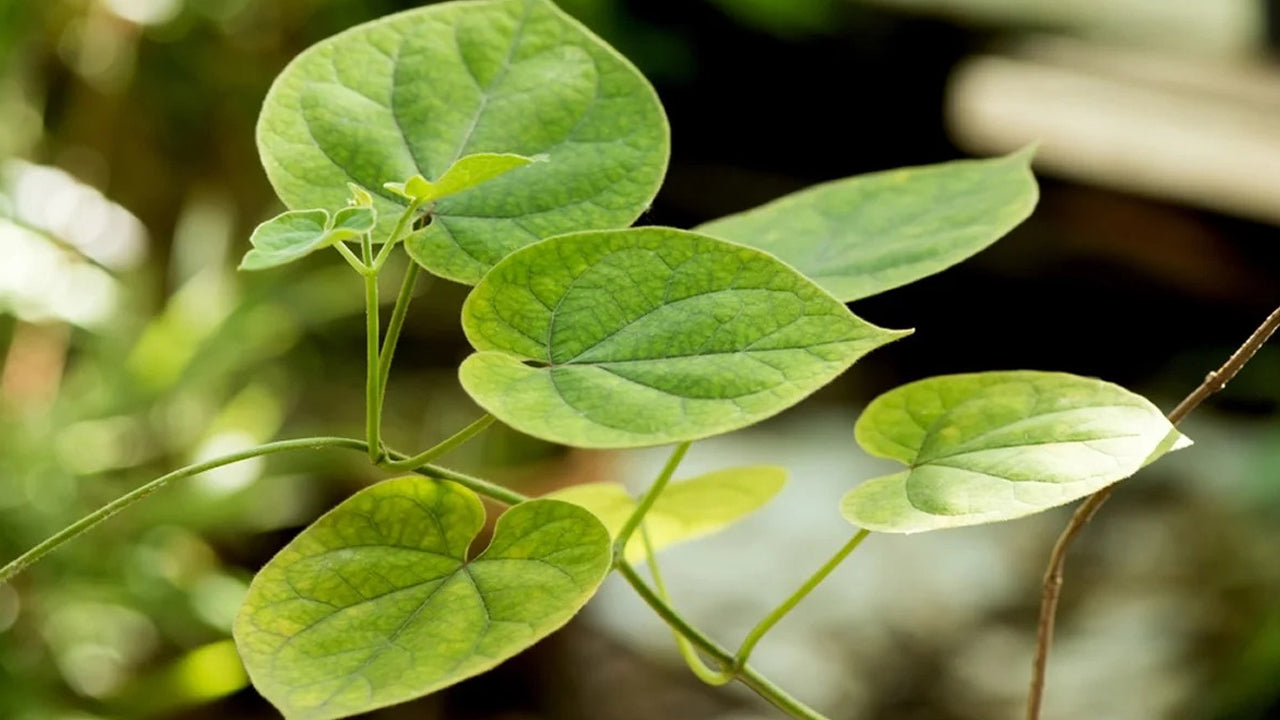
Velvet Leaf
Cissampelos pareira -
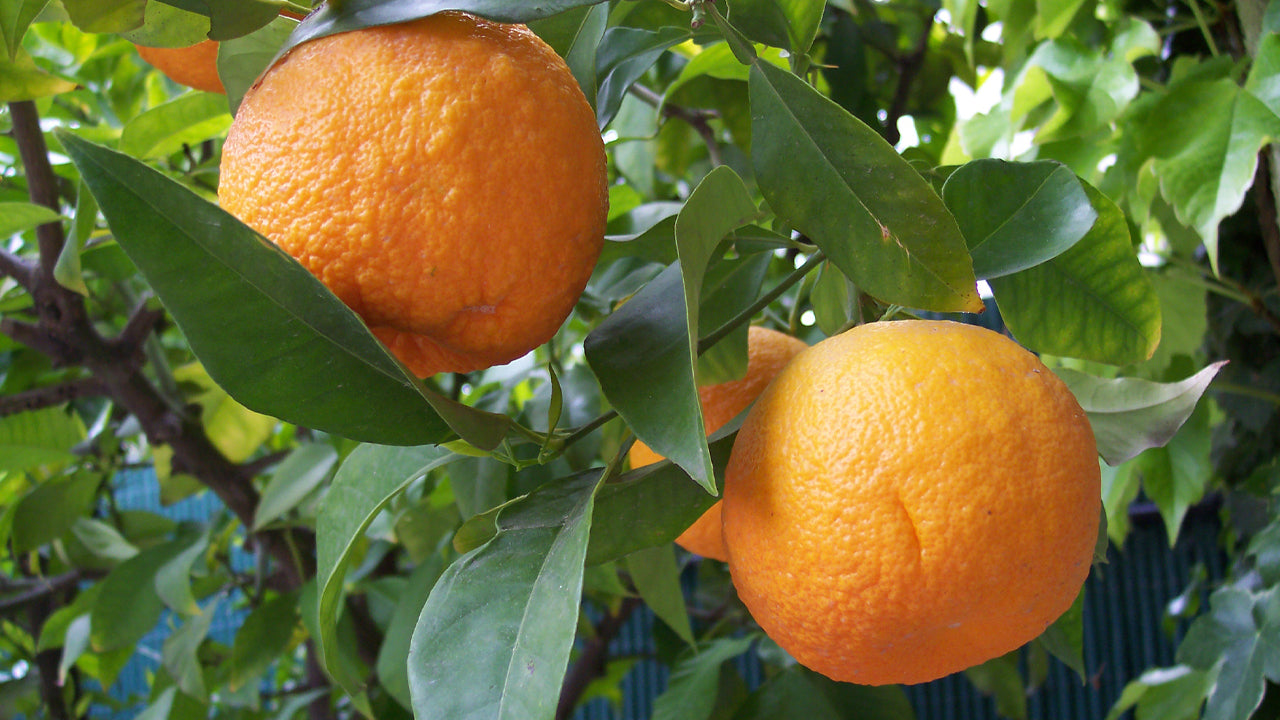
Bitter orange
Citrus aurantium -

Reinwardt's Tree Plant
Biophytun reinward -
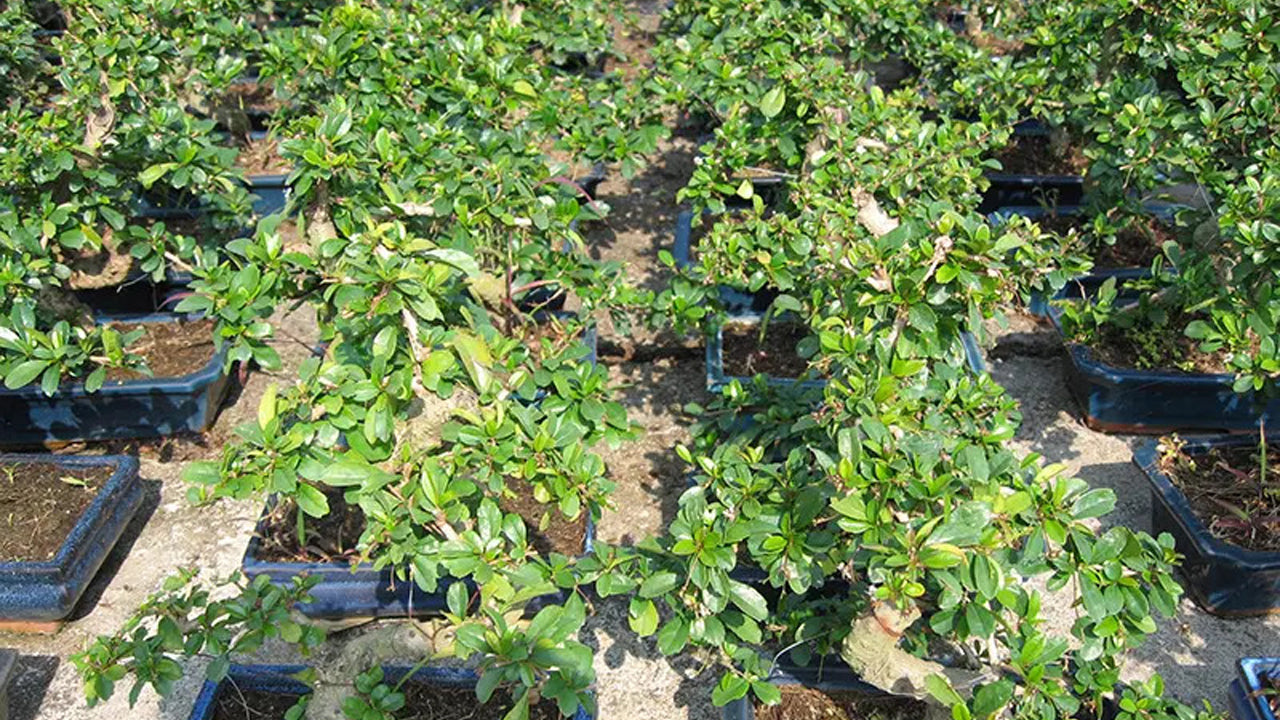
Fukien tea
Carmona microphylla -
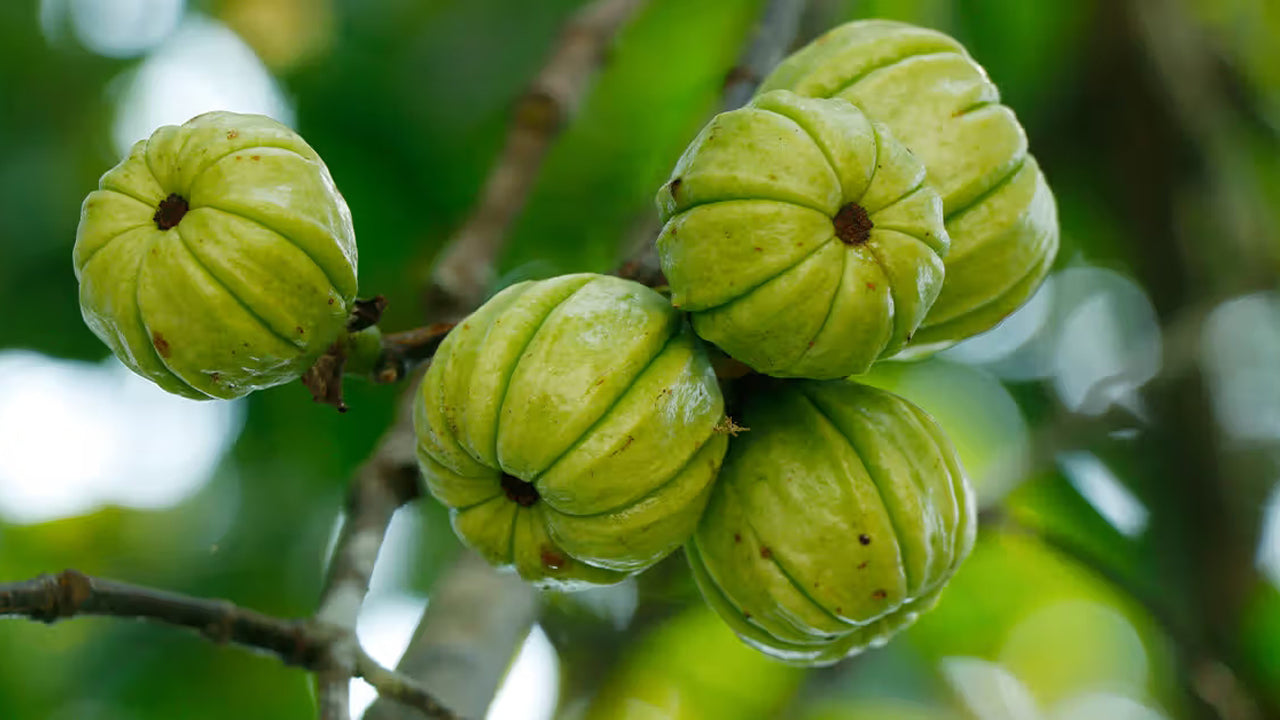
Malabar tamarind
Garcinia cambogia -
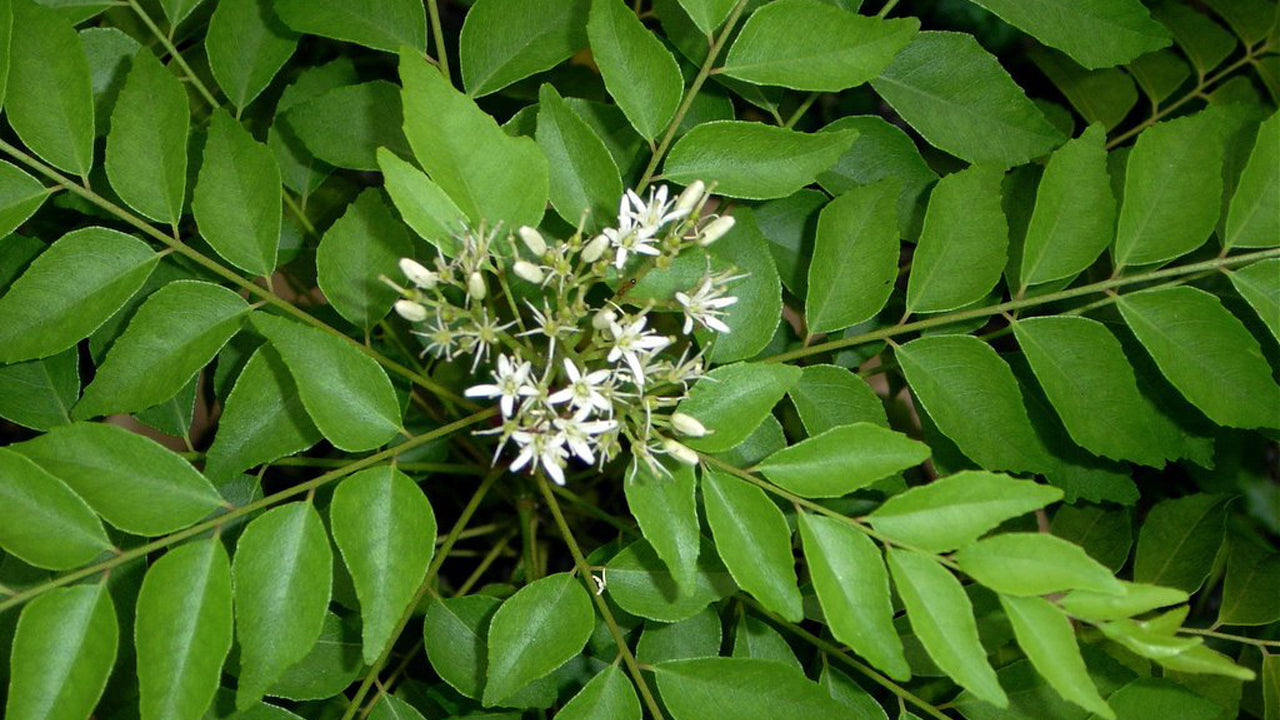
Curry leaf tree
Murraya koenigii -
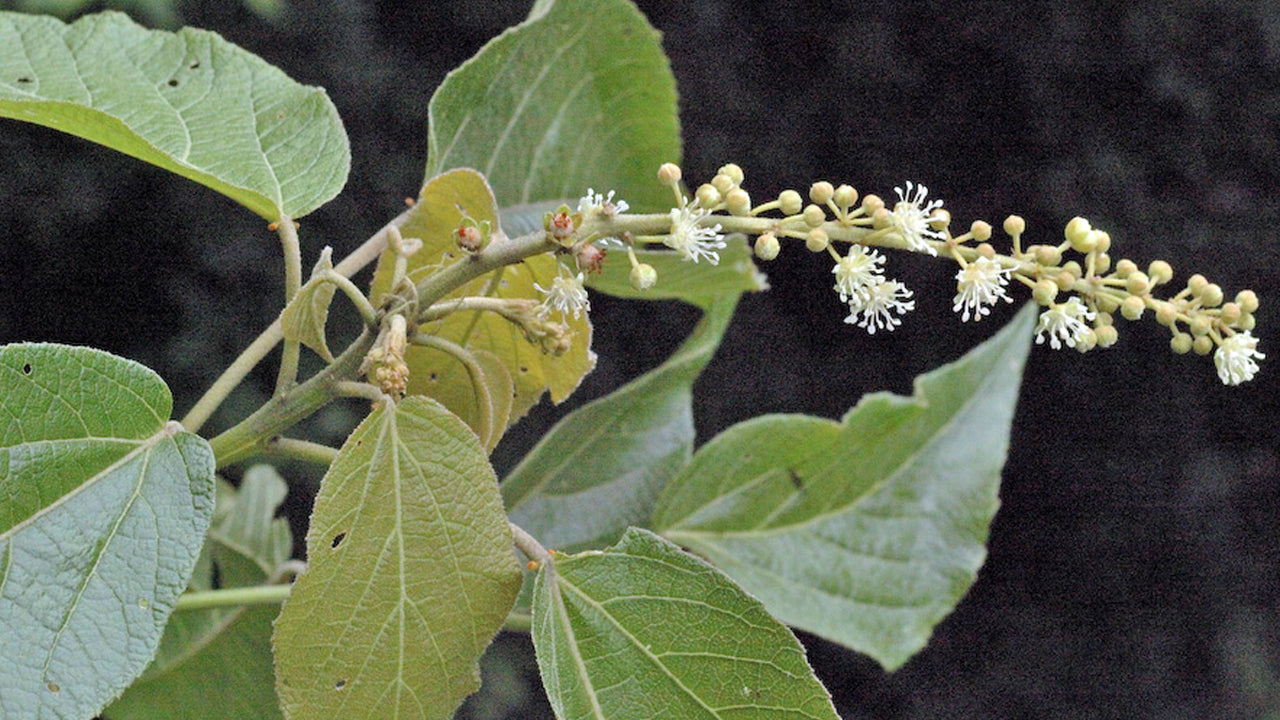
Kappetiya
Croton laccifer -
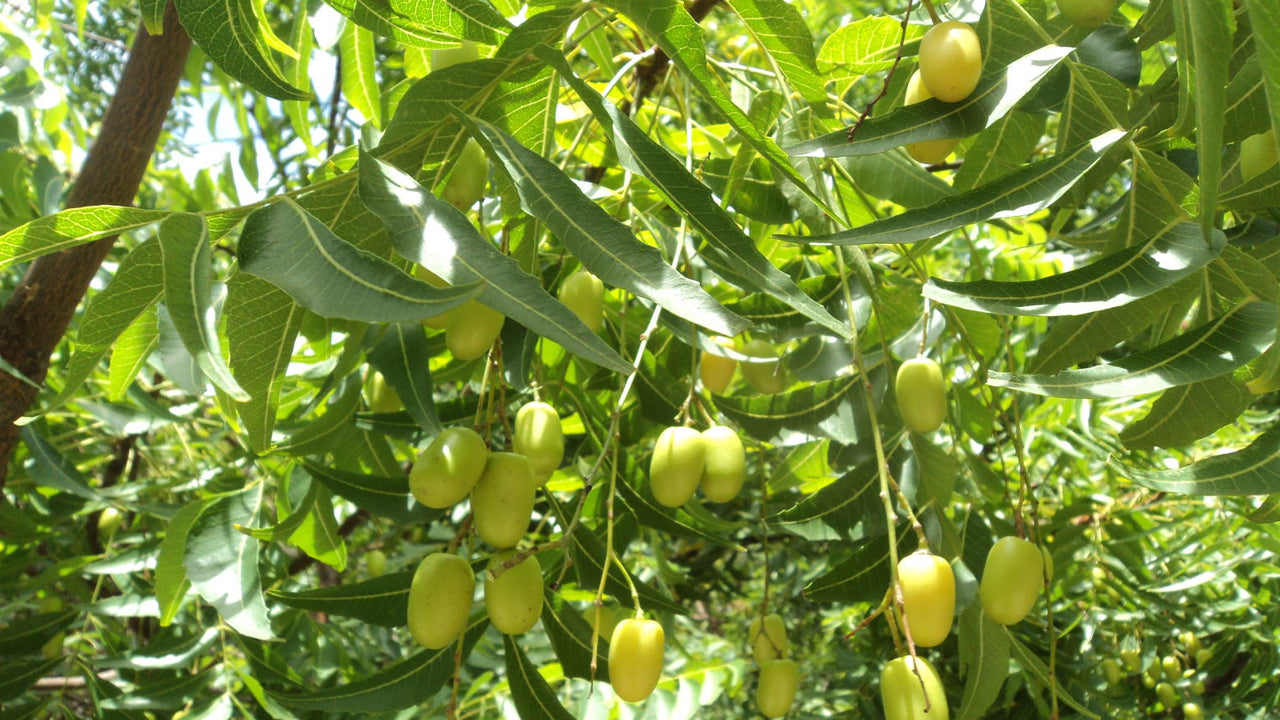
Indian lilac
Azadirachta indica -
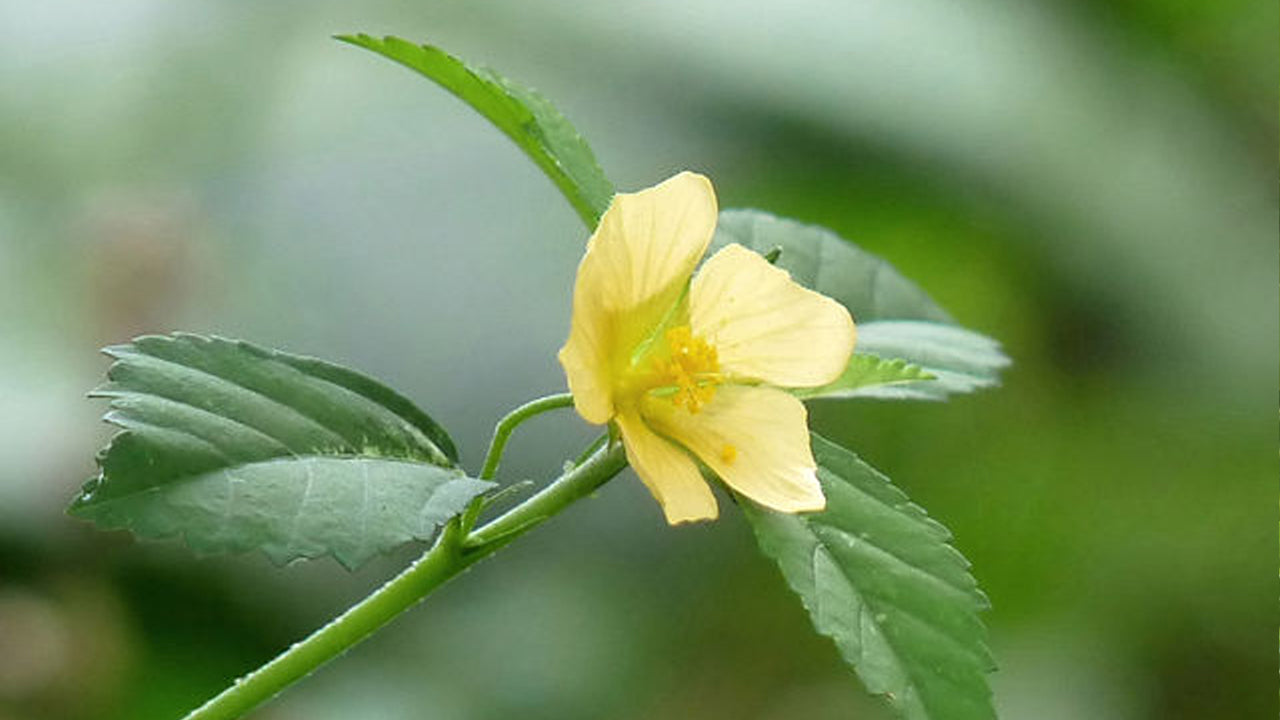
Spiny sida
Sida alba -
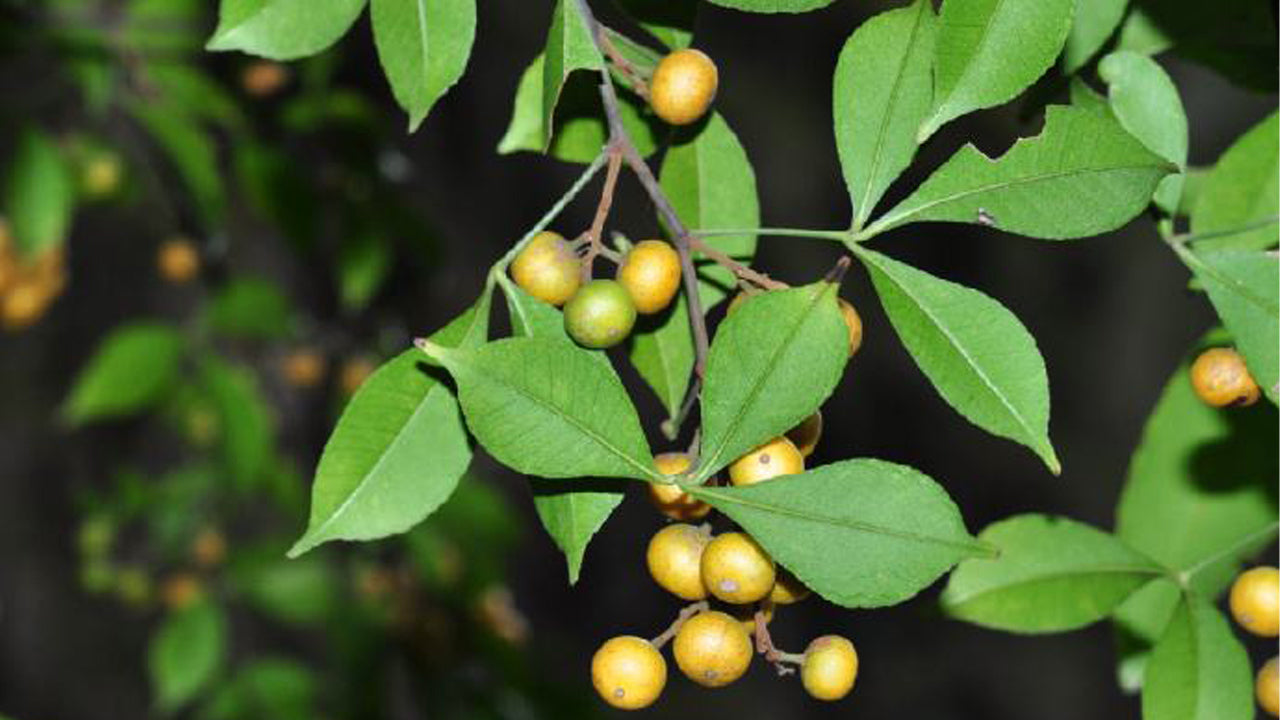
Orange climber
Toddlia asiatica -
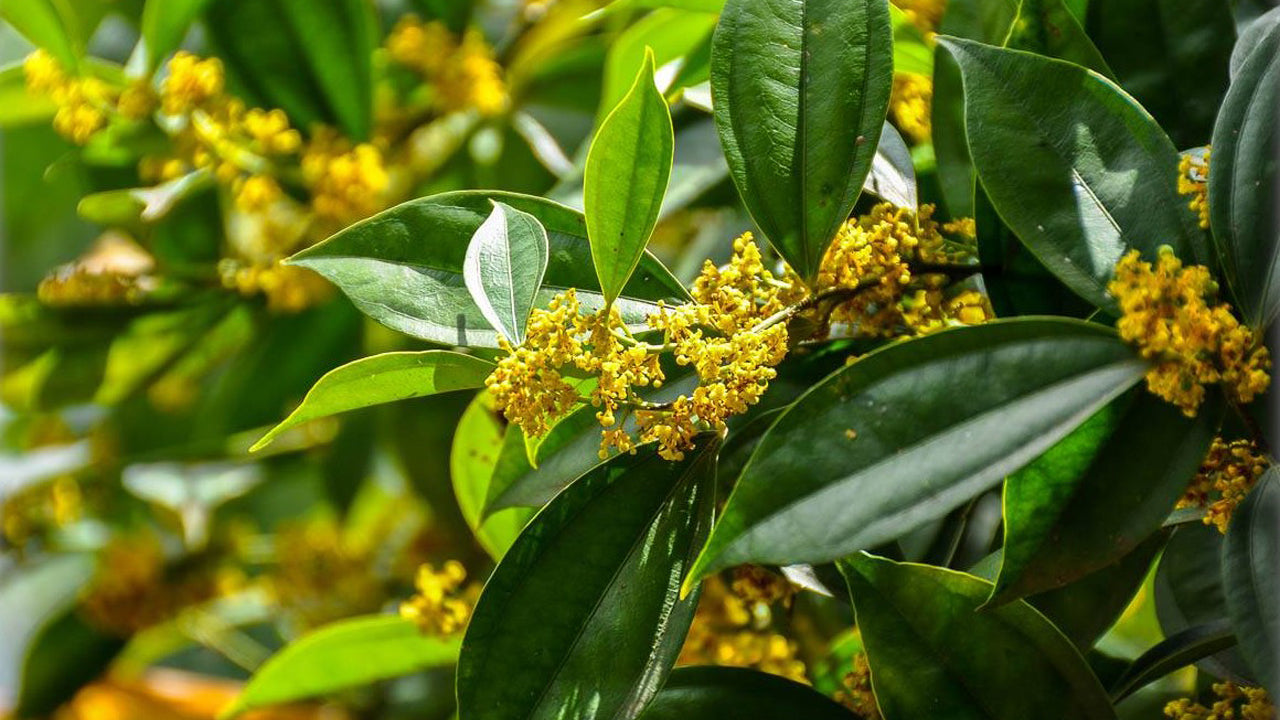
Ceylon cinnamon
Cinnamomum zeylanicum -
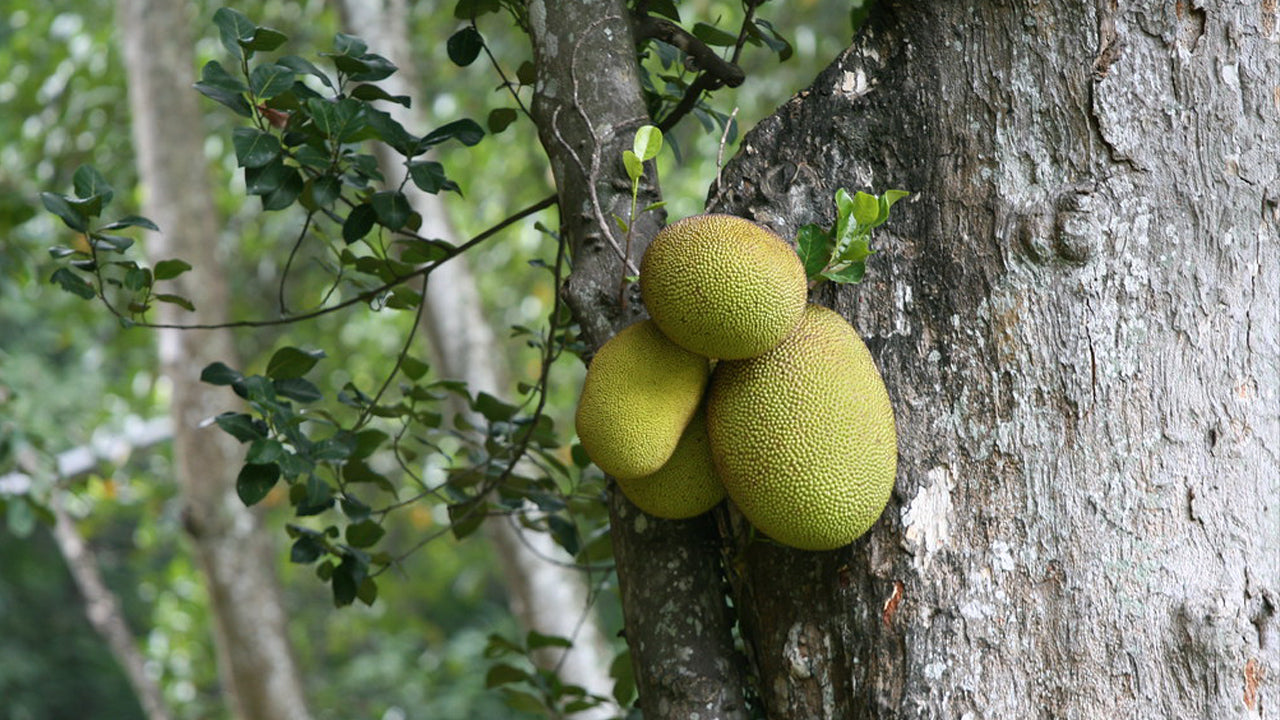
Jackfruit
Artocarpus heterophyllus -
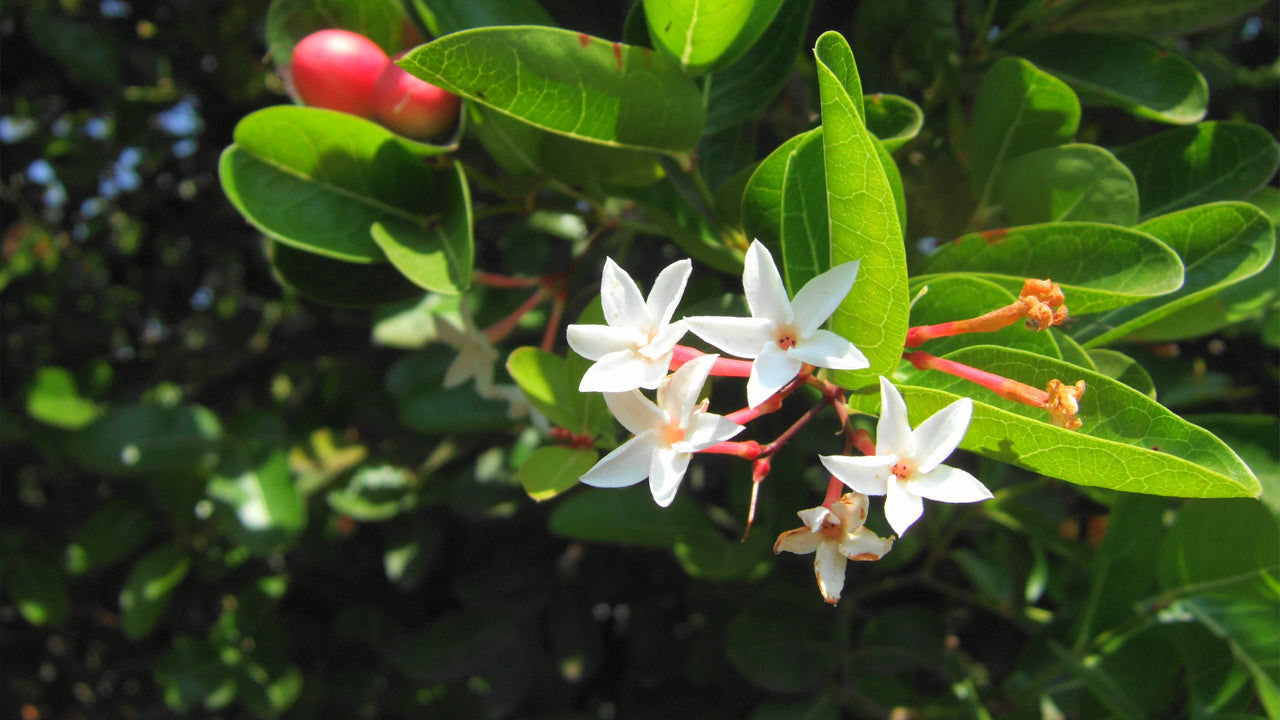
Karonda
Carissa carandas -
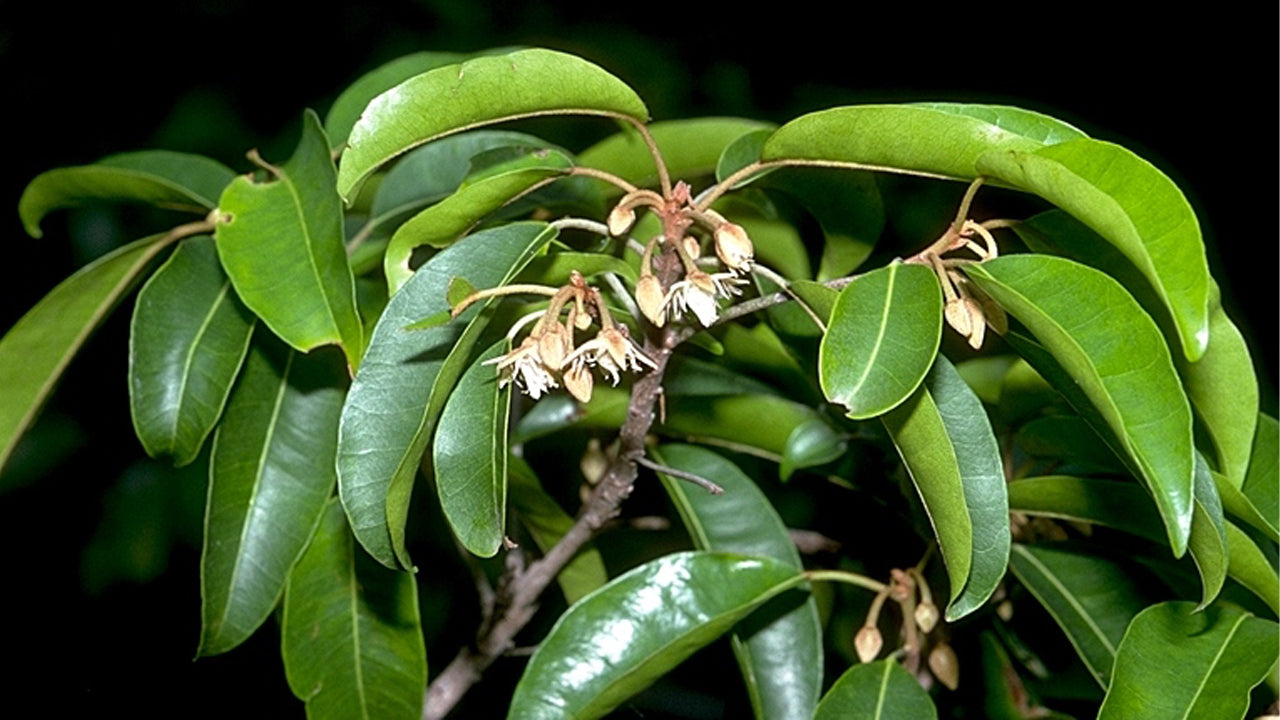
Spanish cherry
Mimusops elengi -
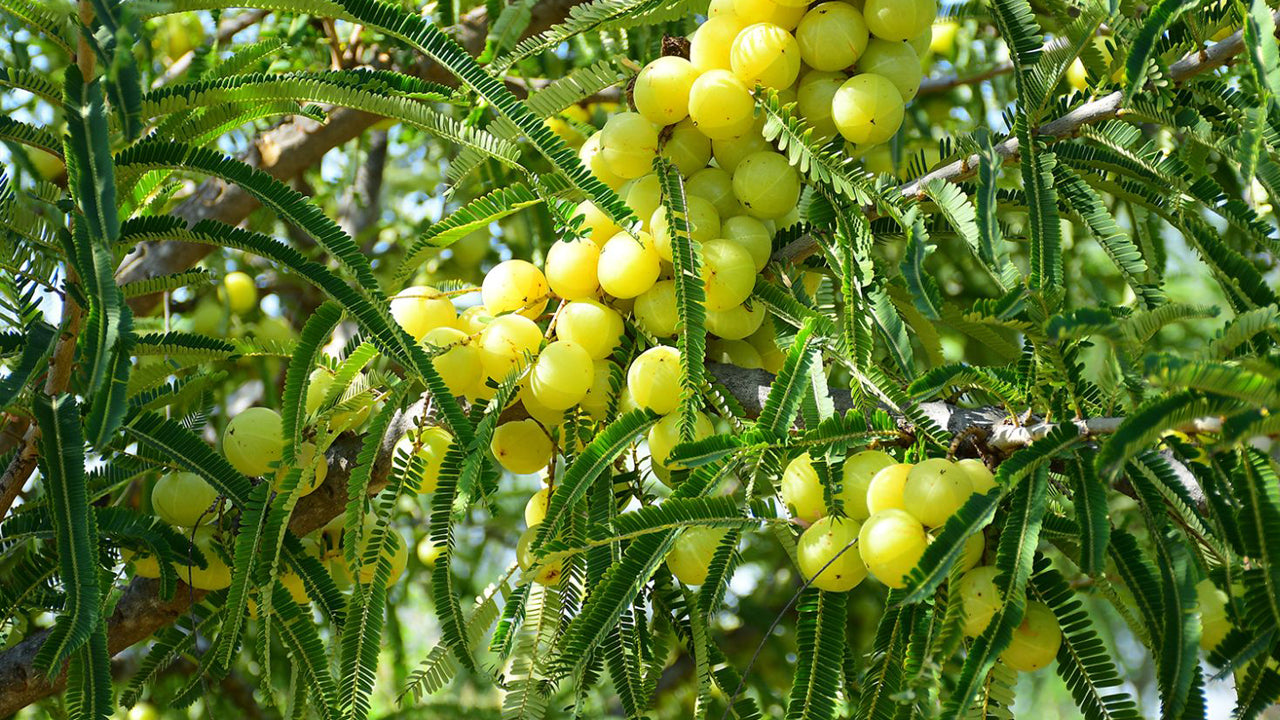
Indian gooseberry
Phyltanthus emblica -
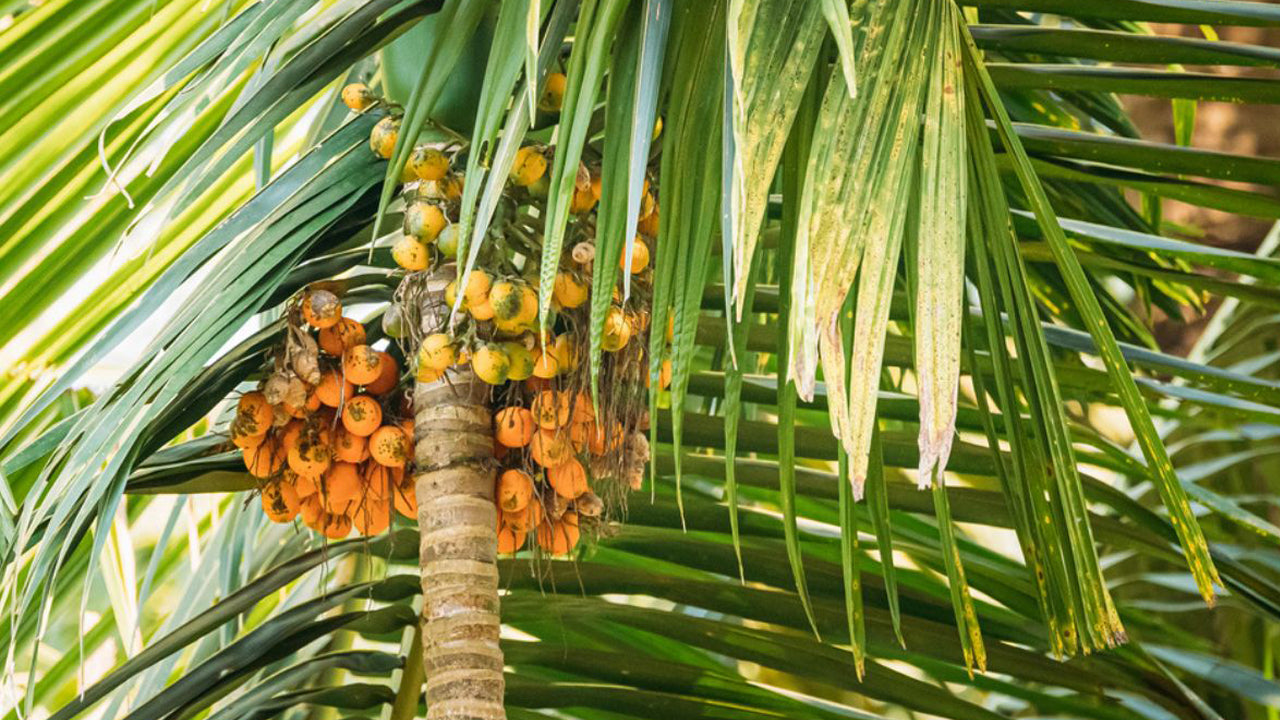
Betel palm
Areca catechu -
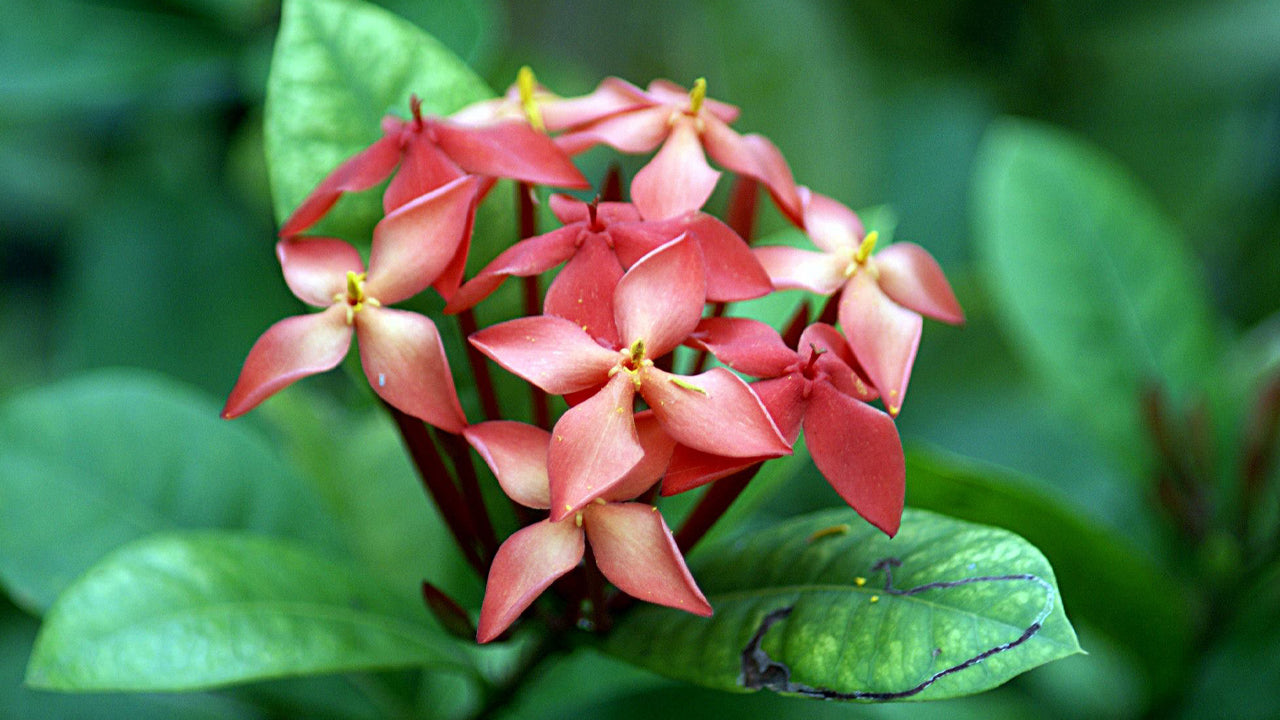
Jungle geranium
Ixora coccinea -
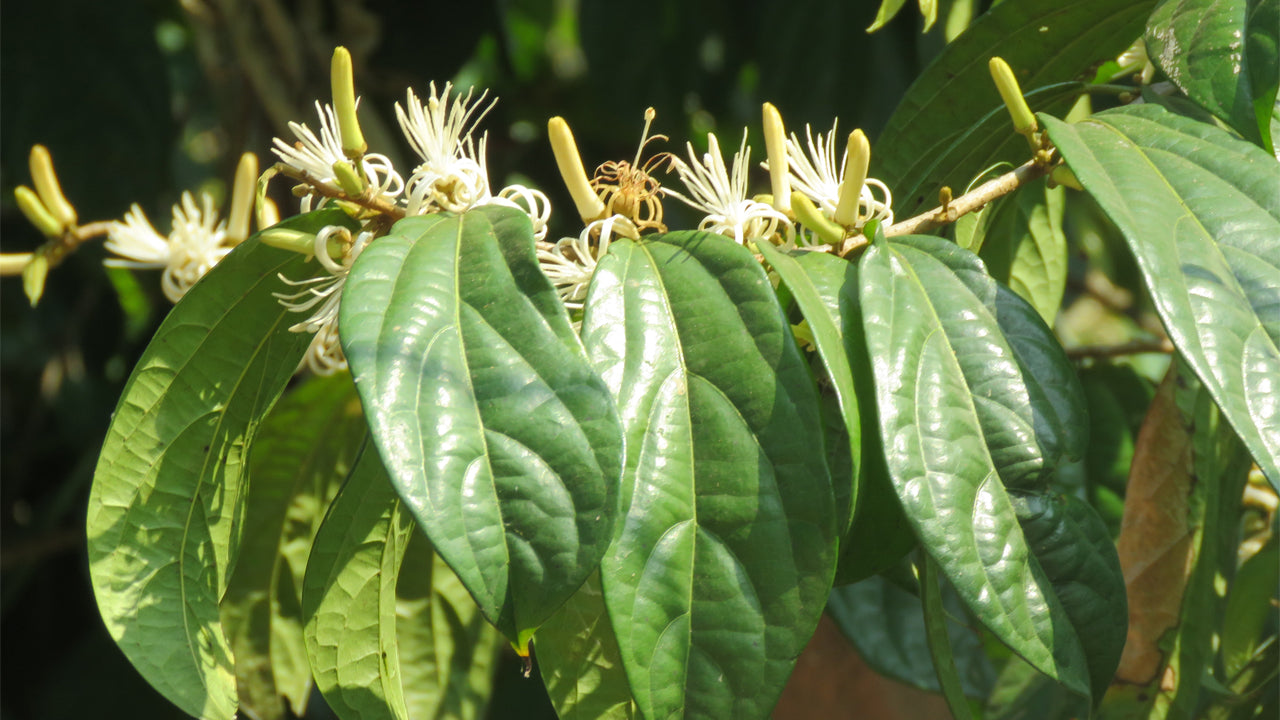
Sage-leaved alangium
Alangium salviifolium -
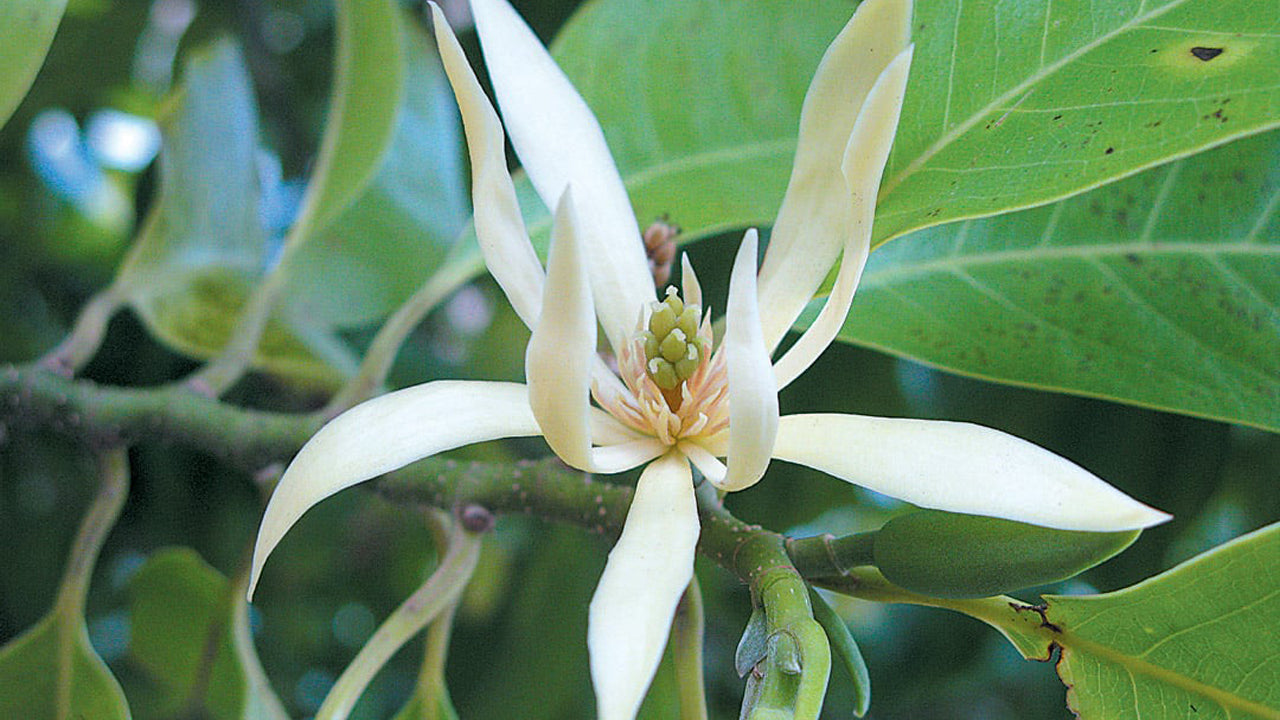
Champak
Michelia champaca -
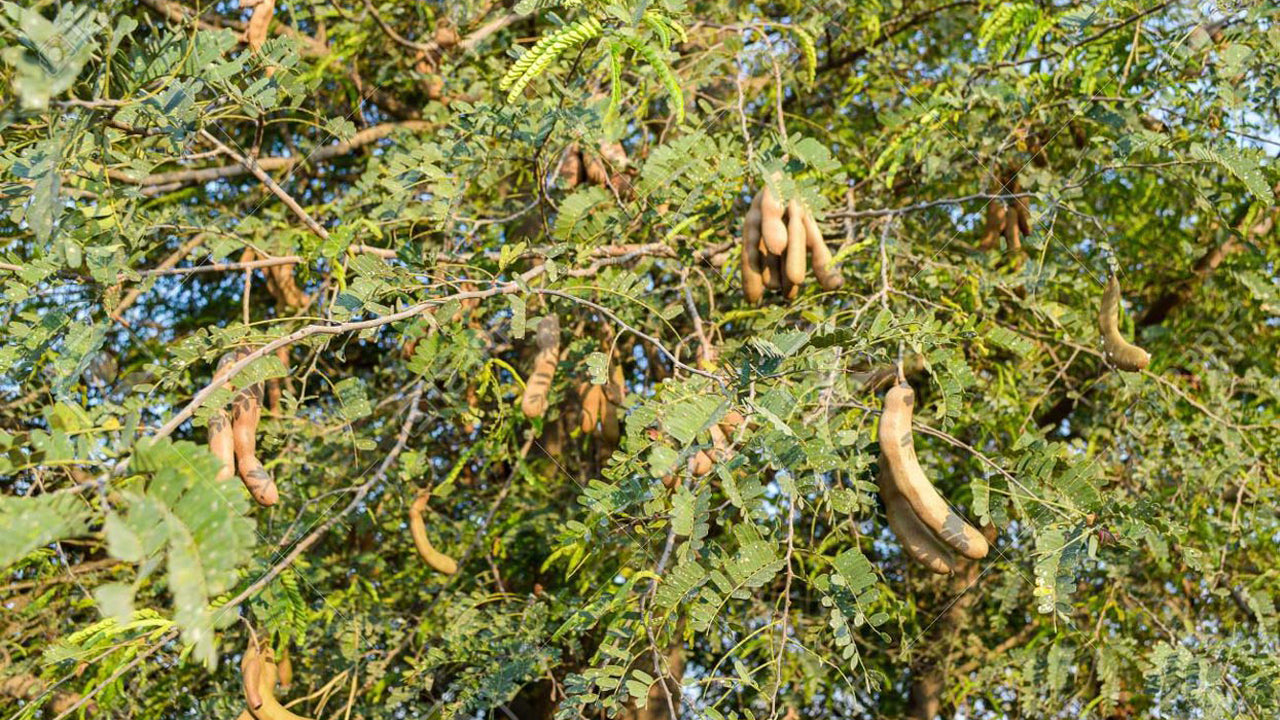
Tamarind
Tamarindus indica -
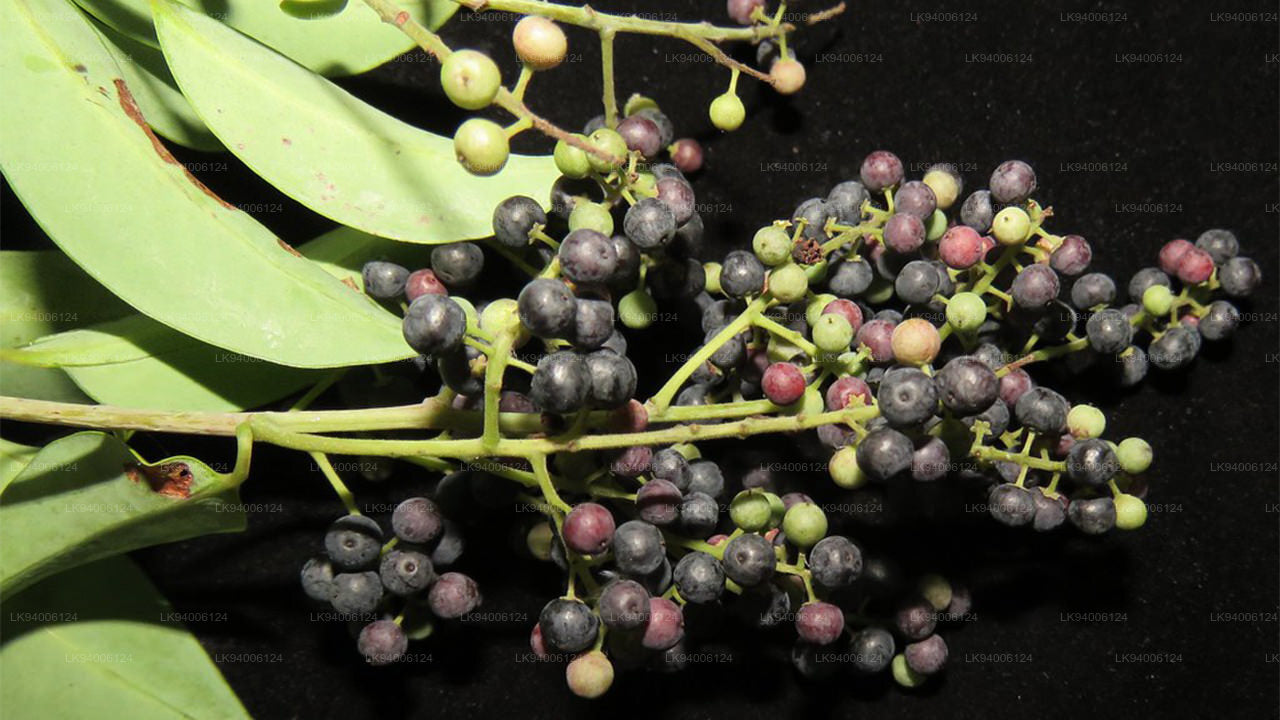
False Black Pepper
Embelia ribes -
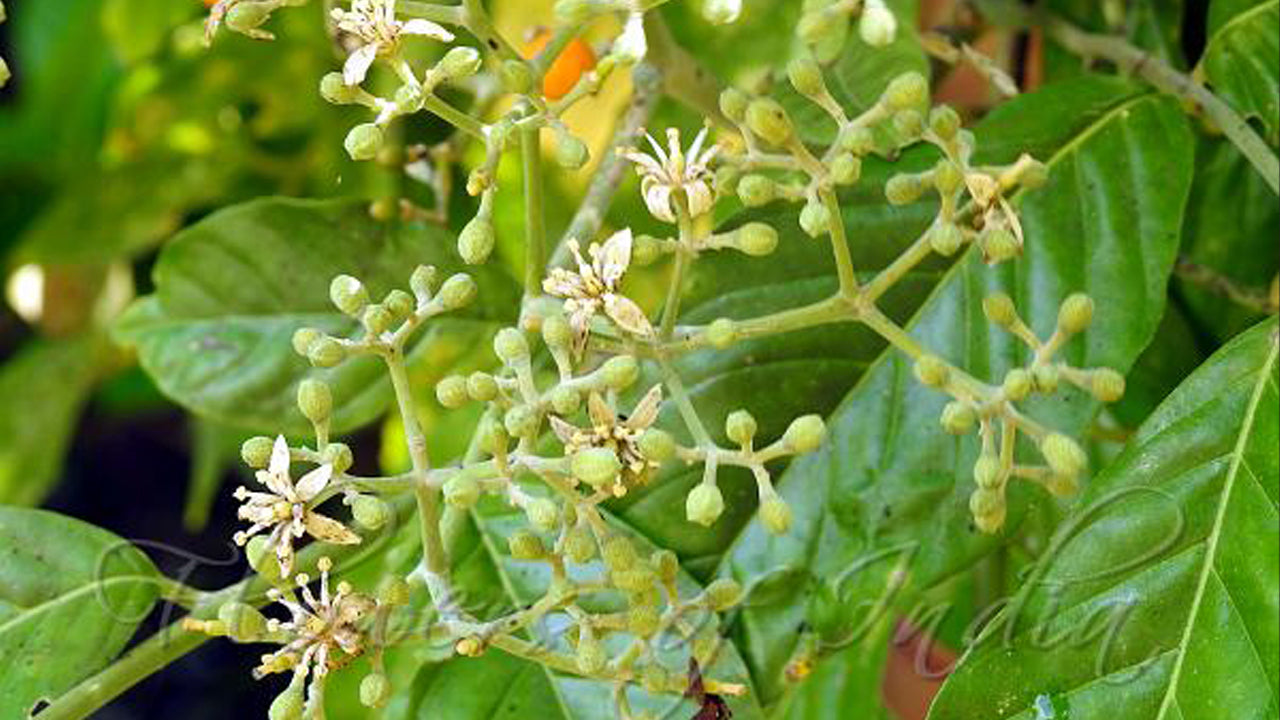
Limeberry
Micromelum ceylanicum -
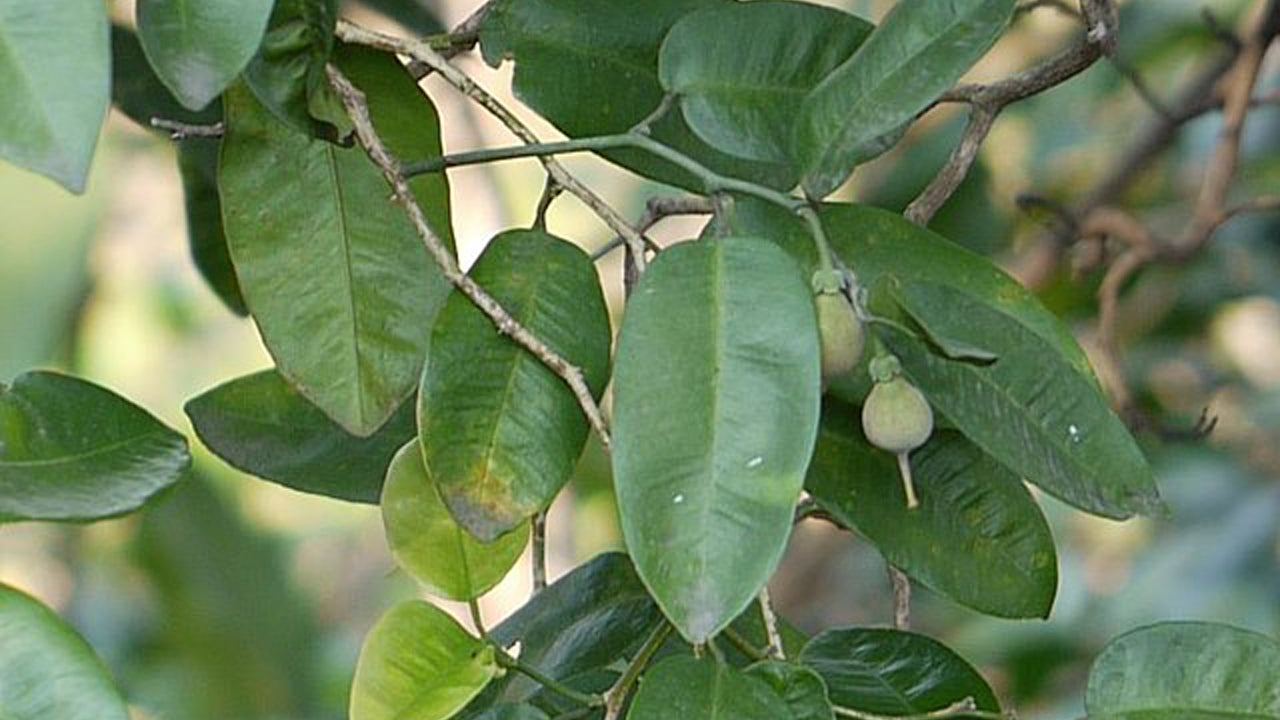
Climbing Atalantia
Paramignya monophylla




Ayurvedic and Herbal
-
Siddhalepa Ayurveda växtbaserade balsam
Ordinarie pris Från $0.48 USDOrdinarie pris$0.54 USDFörsäljningspris Från $0.48 USDRea -
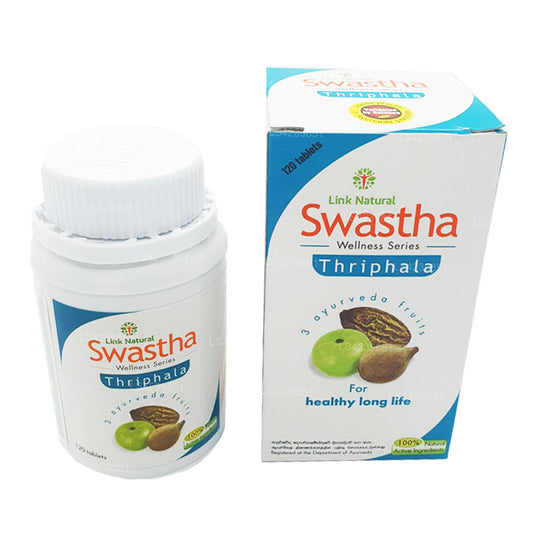
Länk Swastha Thriphala (30 tabletter)
Ordinarie pris Från $1.74 USDOrdinarie pris$1.93 USDFörsäljningspris Från $1.74 USDRea -
Lakpura® Wildcrafted Soursop (Guanabana, Graviola, Guyabano) Dehydrerade Blad Hela
Ordinarie pris Från $0.72 USDOrdinarie pris$0.81 USDFörsäljningspris Från $0.72 USDRea -
Setsuwa Pranajeeva-olja
Ordinarie pris Från $3.85 USDOrdinarie pris$4.28 USDFörsäljningspris Från $3.85 USDRea