Pterocarpus indicus, known locally in Sri Lanka as Wal Ehela (වල් ඇහැළ), is a large deciduous tree belonging to the legume family Fabaceae. Native to a broad arc of tropical Asia — from southern China and mainland Southeast Asia through the Philippine archipelago and into northern Australasia — it grows across diverse forest types and is increasingly recognised for both its ecological value and its traditional uses in herbal medicine.
Where does Pterocarpus indicus grow?
The species has a wide natural distribution spanning Cambodia, Vietnam, Malaysia, Indonesia, the Philippines, Papua New Guinea, East Timor, and the southernmost provinces of China. Within Sri Lanka, Wal Ehela is most commonly found along forest edges — the transitional zones where closed-canopy forest meets open land. These habitats provide the light levels the tree needs to establish and compete successfully.
Related species in the Pterocarpus genus occupy similar ecological niches across tropical Asia and Africa, making the genus one of the more ecologically significant timber groups in the tropics. In Sri Lanka, Wal Ehela is occasionally encountered near the margins of protected forests such as the Sinharaja Forest Reserve, where lowland and intermediate tropical forest fragments persist.
What does Pterocarpus indicus look like?
Wal Ehela is a tall tree, capable of reaching mature heights of roughly 30 to 40 metres under favourable conditions, with a characteristically wide, buttressed base that gives it stability on shallow tropical soils. The trunk is often deeply furrowed, and mature specimens develop a broad, spreading crown.
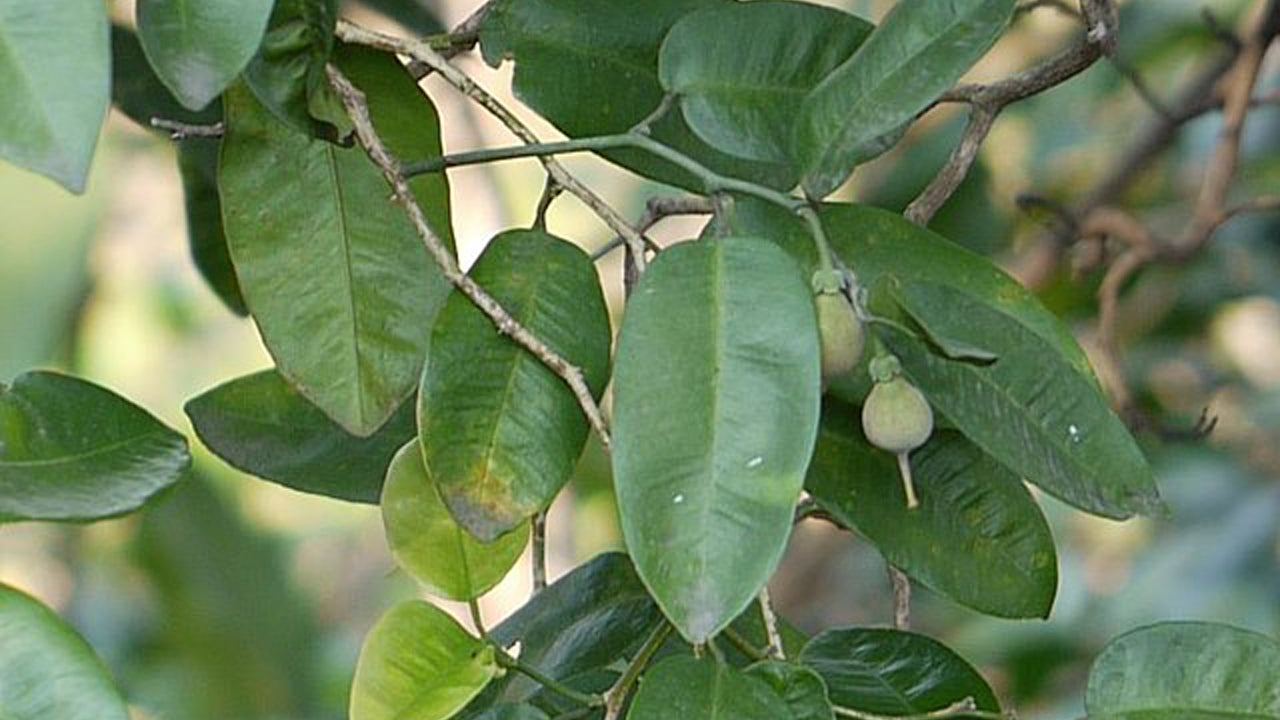
- Leaves: Pinnately compound, alternately arranged along the stem, turning yellow before they drop in the dry season.
- Young growth: Densely hairy and yellowish-green in colour, giving new shoots a soft, velvety appearance.
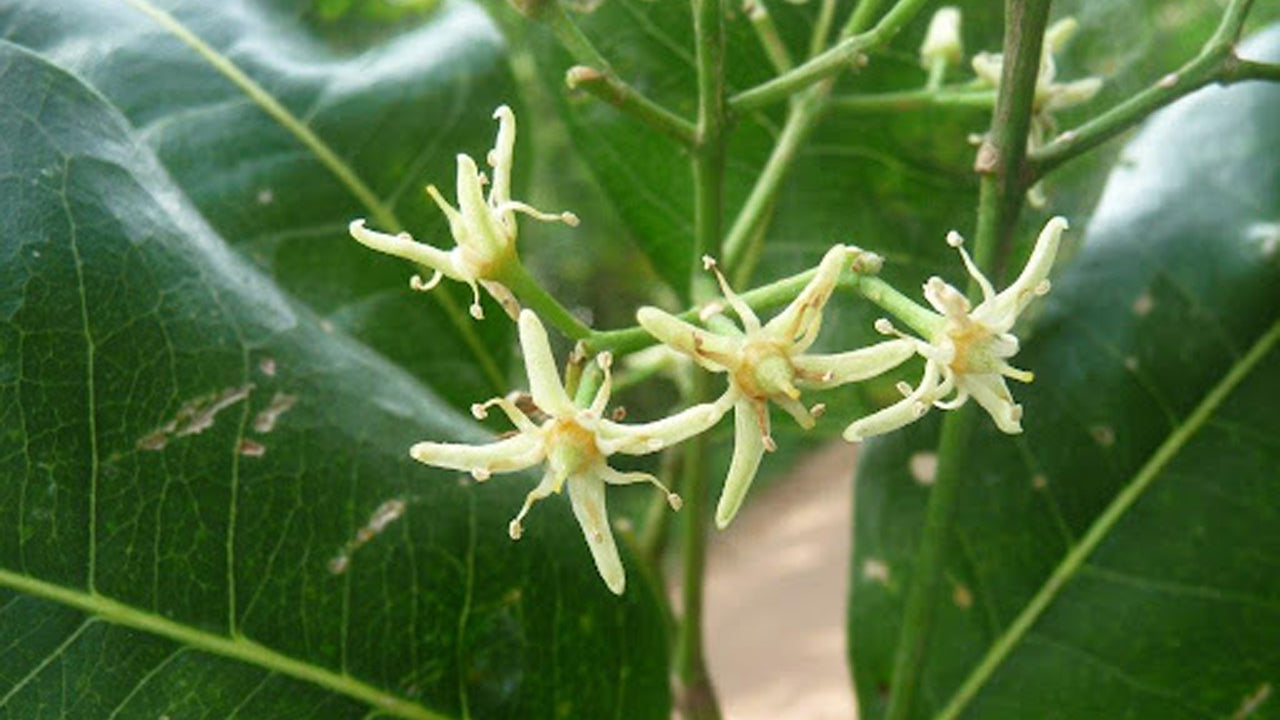
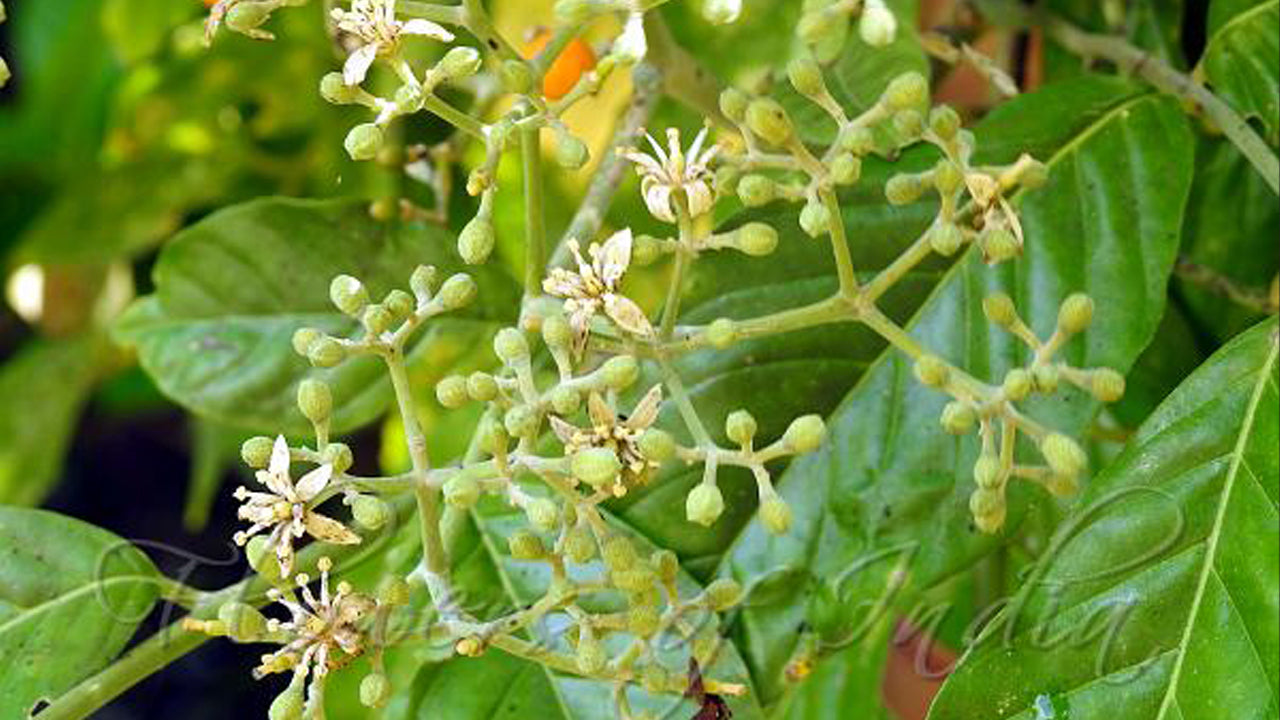
- Flowers: Bright yellow, fragrant, and produced in clusters — a distinctive feature when the tree blooms.
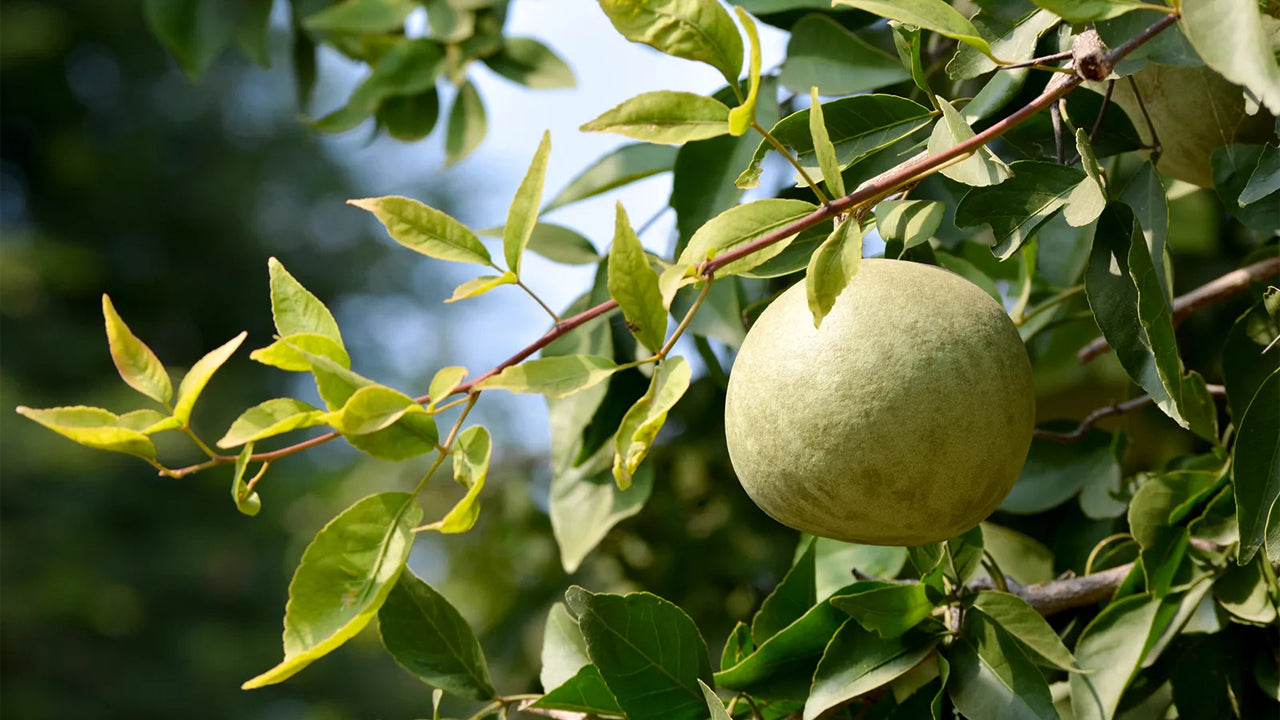
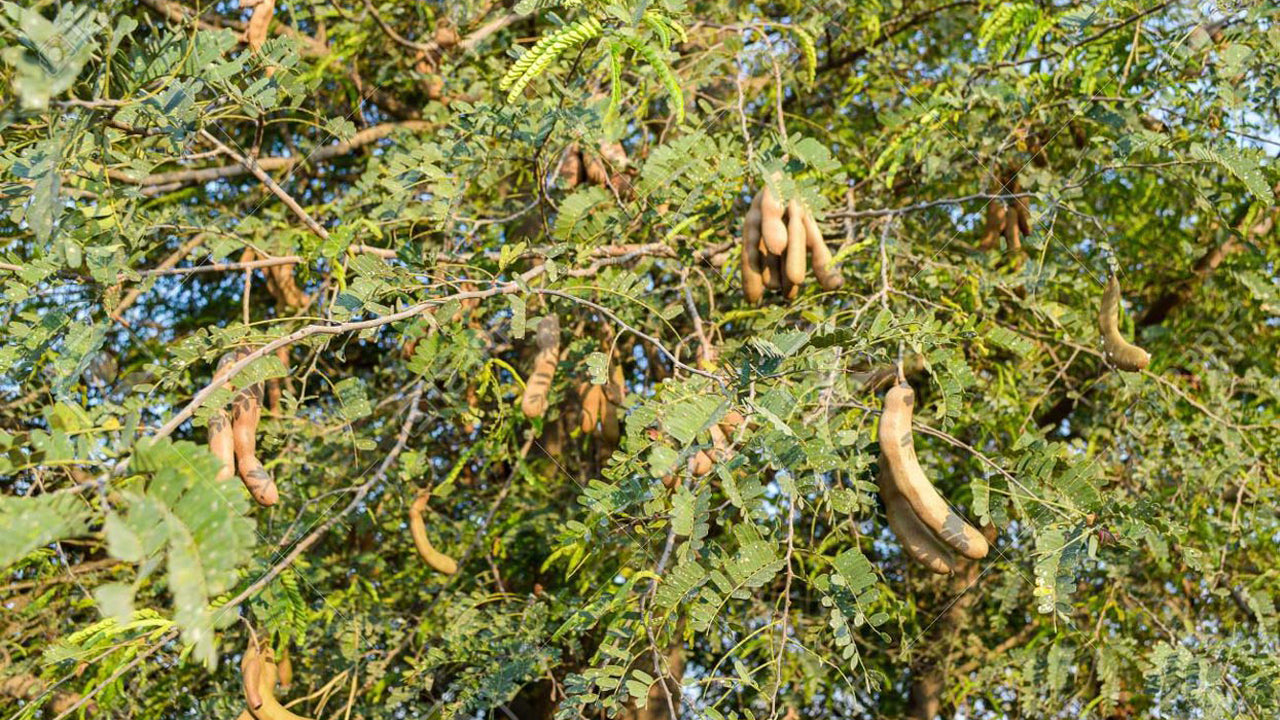
- Fruit: A flat, winged pod (samara) that starts brown and darkens to near-black at maturity, containing one or two dark brown seeds within a papery wing that aids wind dispersal.
The combination of a wide buttressed base, compound leaves, and winged fruit makes Wal Ehela relatively straightforward to identify in the field once the key features are known.
What is Pterocarpus indicus used for?
Across its range, Pterocarpus indicus is valued for several purposes, from timber production to traditional medicine.
Timber
The heartwood of Pterocarpus indicus — commonly marketed as narra or Amboyna — is a reddish-brown to golden timber with an interlocked grain that polishes to a high lustre. It is prized in furniture making, cabinet work, and decorative veneers across Southeast Asia. The Philippines has historically regarded narra as its national tree for its durability and beauty.
Traditional and herbal medicine
Various parts of the tree — including the bark, leaves, and the characteristic red sap — have featured in traditional medicine systems across Asia for generations. The sap, known in some traditions as a form of "dragon's blood," has been applied to wounds and used as an astringent. In Ayurvedic and folk medicine contexts, species within the Pterocarpus genus are linked to the management of inflammatory conditions and blood sugar regulation.
A closely related species, Pterocarpus marsupium (known in Sri Lanka as Madhusuwa Gammalu), is particularly well documented for its role in traditional diabetes management, and preparations from its heartwood remain available today as herbal remedies.
Ornamental planting
In tropical urban landscapes, Pterocarpus indicus is planted as a shade and avenue tree. Its wide canopy, attractive flowers, and relatively fast growth make it suitable for parks and roadsides across Southeast Asia.
How does Pterocarpus indicus fit into Sri Lanka's natural heritage?
Sri Lanka's forest ecosystems support an unusually high density of endemic and regionally significant plant species relative to the island's land area. Trees like Wal Ehela occupy an important structural role at forest margins, providing canopy cover that enables understorey plants to establish while also offering food and shelter for birds and insects.
The genus Pterocarpus is also ecologically connected to nitrogen fixation — as legumes, these trees harbour root-associated bacteria capable of fixing atmospheric nitrogen, gradually enriching the soils of degraded forest edges. This makes Pterocarpus species useful candidates in forest restoration plantings.
Sri Lanka's dry and intermediate zone forests, including areas around Wilpattu National Park, support a range of deciduous timber trees with similar ecological profiles, and field botanists working in those landscapes will occasionally record Pterocarpus species along forest boundaries.
Quick reference: Pterocarpus indicus at a glance
| Attribute | Detail |
|---|---|
| Common name (Sri Lanka) | Wal Ehela (වල් ඇහැළ) |
| Scientific name | Pterocarpus indicus Willd. |
| Family | Fabaceae (legumes) |
| Typical habitat | Forest edges, tropical lowland and intermediate zones |
| Mature height | Up to 30–40 m |
| Leaf type | Pinnately compound, deciduous |
| Flower colour | Yellow |
| Fruit type | Winged pod (samara), brown to blackish at maturity |
| Native range | Southeast Asia, northern Australasia, western Pacific islands |
| Key uses | Timber (narra/Amboyna), traditional medicine, ornamental |
How does Wal Ehela compare with other Pterocarpus species found in Sri Lanka?
Sri Lanka is also home to Pterocarpus marsupium, the Malabar kino or Gammalu tree, which is more widely documented in Ayurvedic texts and is considered a more prominent medicinal species on the island. While both trees share the characteristic winged pod and compound leaves, P. marsupium tends to occur more frequently in Sri Lanka's dry zone forests and has a longer history of cultivation for medicinal purposes. Wal Ehela (P. indicus), by contrast, is more strongly associated with wetter forest-edge habitats and is more widespread across Southeast Asia as a timber species.
For those interested in related timber and forest-edge legume species of Sri Lanka, Pongamia pinnata is another notable member of the Fabaceae family with documented traditional uses on the island.