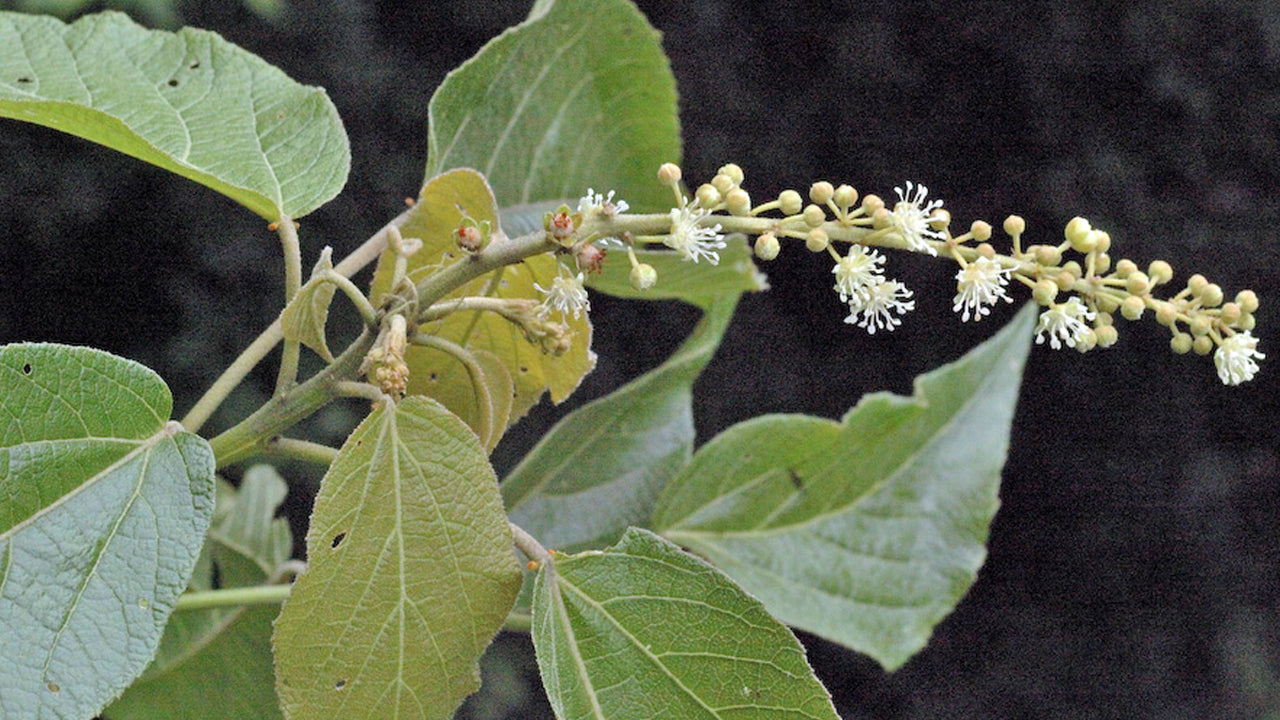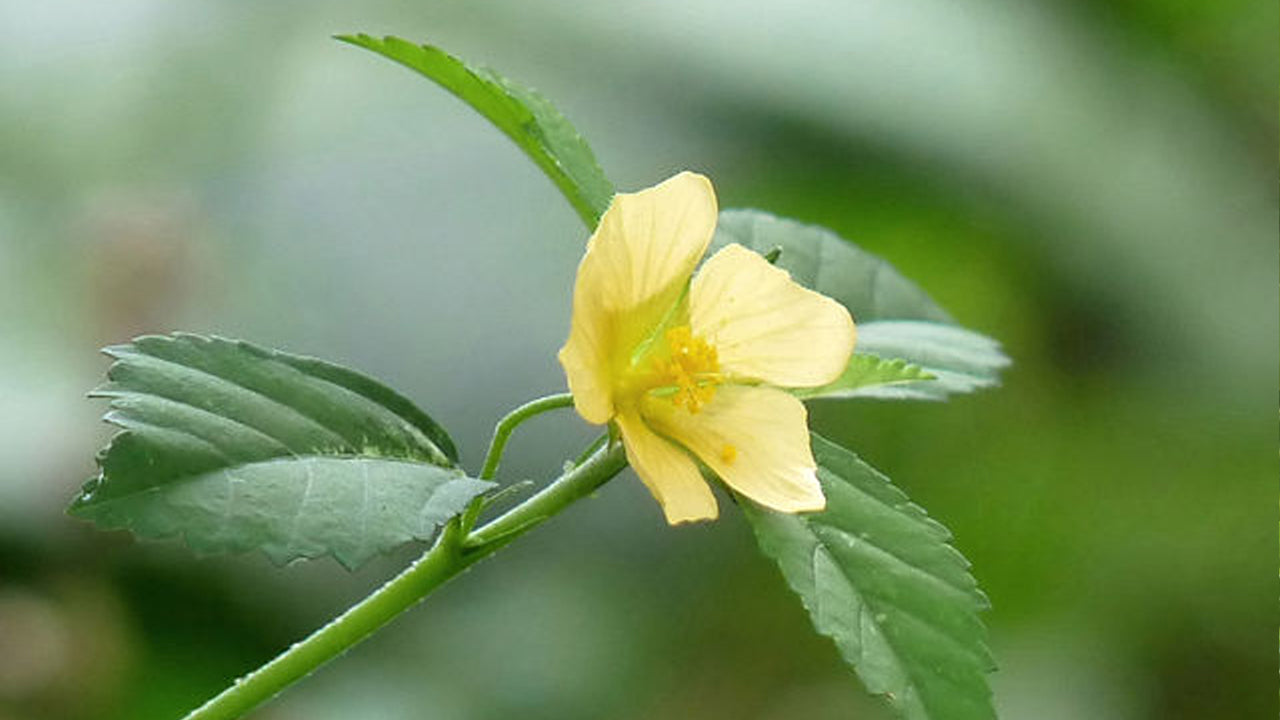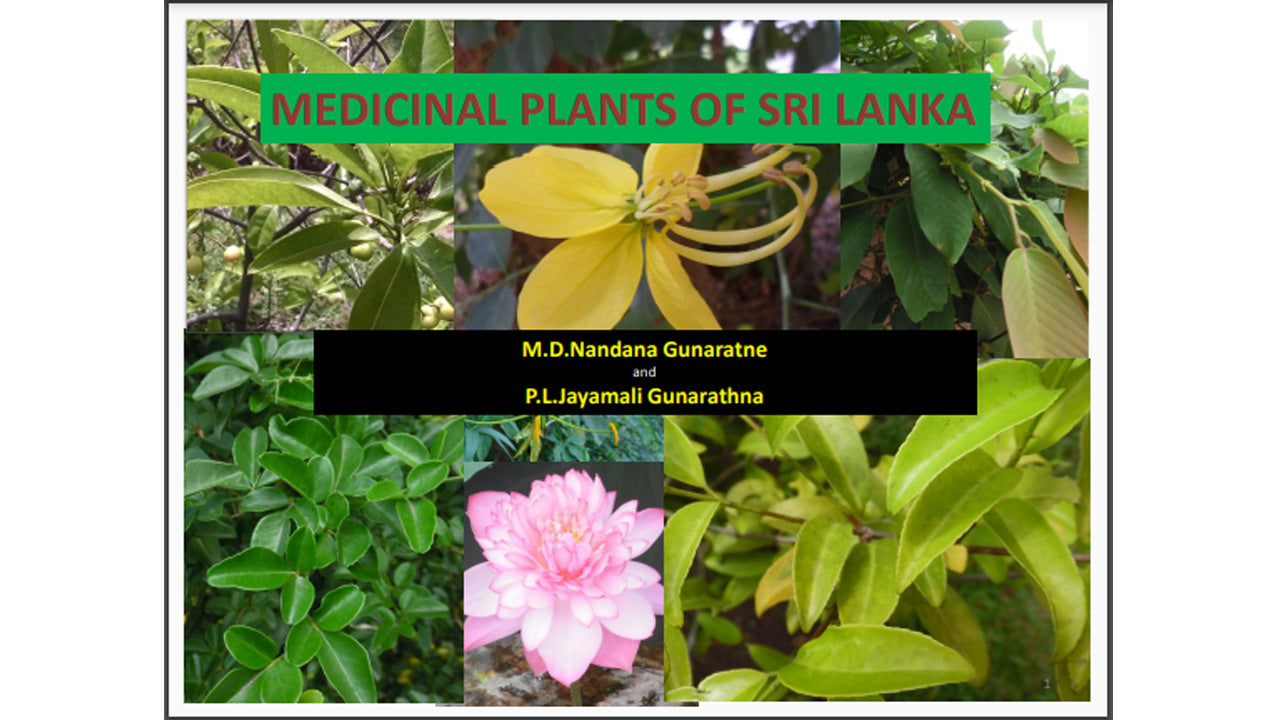
Phyllanthus amarus is a small annual herb that grows quietly in the margins of gardens, roadsides, and lightly shaded clearings across tropical Asia. In Sri Lanka it is known as Keelanelli in Sinhala, and as Bhumyamlaki in the Ayurvedic tradition — a name that has followed the plant through centuries of documented medicinal use. Despite its modest appearance, with slender stems rarely exceeding 50 cm and tiny elliptical leaves arranged in neat rows along each branch, it has earned a respected place in traditional medicine systems across South and Southeast Asia.
What makes Phyllanthus amarus medicinally significant?
The plant's therapeutic reputation rests on a well-characterised set of phytochemicals. Chief among these are the lignans phyllanthin and hypophyllanthin, which are largely responsible for its hepatoprotective activity — meaning its ability to shield liver cells from damage. Alongside these, researchers have identified:
- Flavonoids — particularly quercetin, which contributes antioxidant and anti-inflammatory effects
- Tannins — including geraniin, noted for antiviral properties
- Alkaloids and terpenoids — present in smaller concentrations but thought to complement the plant's overall bioactivity
Laboratory and clinical studies have explored Phyllanthus amarus in the context of hepatitis B, finding that extracts can inhibit the replication of the hepatitis B surface antigen. While this research is ongoing and the plant is not a replacement for conventional antiviral therapy, the findings have reinforced its long-standing role as a liver tonic in folk practice.
How is Phyllanthus amarus used in Sri Lankan traditional medicine?
In Sri Lanka, traditional practitioners — both Ayurvedic physicians and village-level herbalists — typically use the whole plant, harvested when young and still green. The most common preparations include:
- Decoction (kasaya) — the fresh or dried plant is simmered in water and the liquid is taken in small doses, often to support liver function or ease jaundice
- Powdered form — dried aerial parts are ground and mixed with honey or warm water; this form is convenient for managing digestive complaints and urinary discomfort
- Juice (raw extract) — fresh leaves are crushed and the juice consumed directly, a practice common in home remedies for fevers and inflammation
Sri Lanka's tradition of integrating such plants into daily wellness aligns closely with the broader Ayurvedic framework, where bhumyamlaki is classified as having a bitter taste (tikta rasa) and cooling potency (sheeta veerya), qualities that in Ayurvedic logic make it suitable for reducing excess heat and bile in the body.
What conditions is Phyllanthus amarus traditionally used to treat?
Across the range of countries where it grows — Sri Lanka, India, Brazil, the Philippines — folk medicine practitioners have applied Phyllanthus amarus to a broadly consistent set of conditions. Documented traditional uses include:
- Liver disorders, including jaundice and early-stage hepatitis
- Urinary tract infections and kidney stones (the plant is considered mildly diuretic)
- Digestive complaints such as dyspepsia, constipation, and intestinal inflammation
- Diabetes management — some studies suggest the plant may influence blood glucose regulation, though clinical evidence remains preliminary
- Fever and malaria (historically, in endemic regions)
- Skin conditions, applied topically as a paste
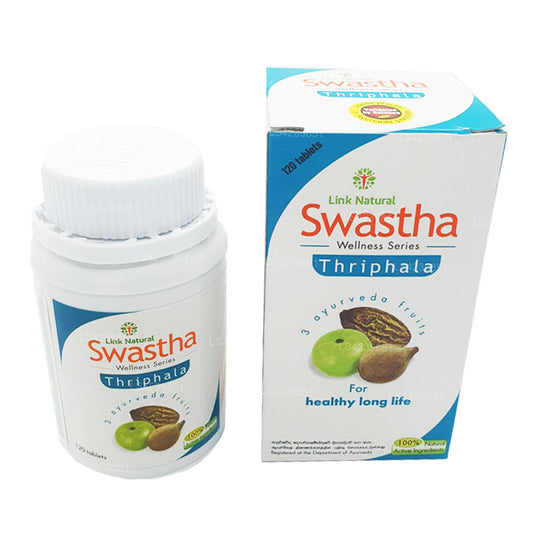
Other traditional Ayurvedic preparations used in Sri Lanka for related purposes include compounds like Kaishore Guggulu, which similarly targets inflammatory and metabolic conditions through multi-herb formulas.
Where does Phyllanthus amarus grow in Sri Lanka?
The plant is widespread in the island's low- and mid-country wet and intermediate zones. It favours moist, partially shaded environments — the edges of paddy fields, beneath coconut palms, and along the banks of irrigation channels. It grows as a weed in many home gardens and is not commercially cultivated at scale, which means most of the plant used in local remedies is either wildcrafted or gathered opportunistically. Its abundance and year-round availability have historically made it accessible to rural communities without the need for specialist supply chains.
In the dry zone, it appears less frequently but can still be found near water sources and in the shade of larger vegetation. The Sinharaja Forest Reserve and surrounding low-country rainforest buffer zones support a wide array of medicinal plants including Phyllanthus species, reflecting the biodiversity that has long supported Sri Lanka's herbal traditions.
How does Phyllanthus amarus compare to related Phyllanthus species?
The genus Phyllanthus contains several hundred species, and confusion between them is common in both trade and traditional practice. The two most frequently encountered in Sri Lanka's herbal market are:
| Species | Common name (Sinhala) | Primary traditional use | Key distinguishing feature |
|---|---|---|---|
| Phyllanthus amarus | Keelanelli | Liver support, antiviral | Fruits borne on underside of leaf-like branches; smooth surface |
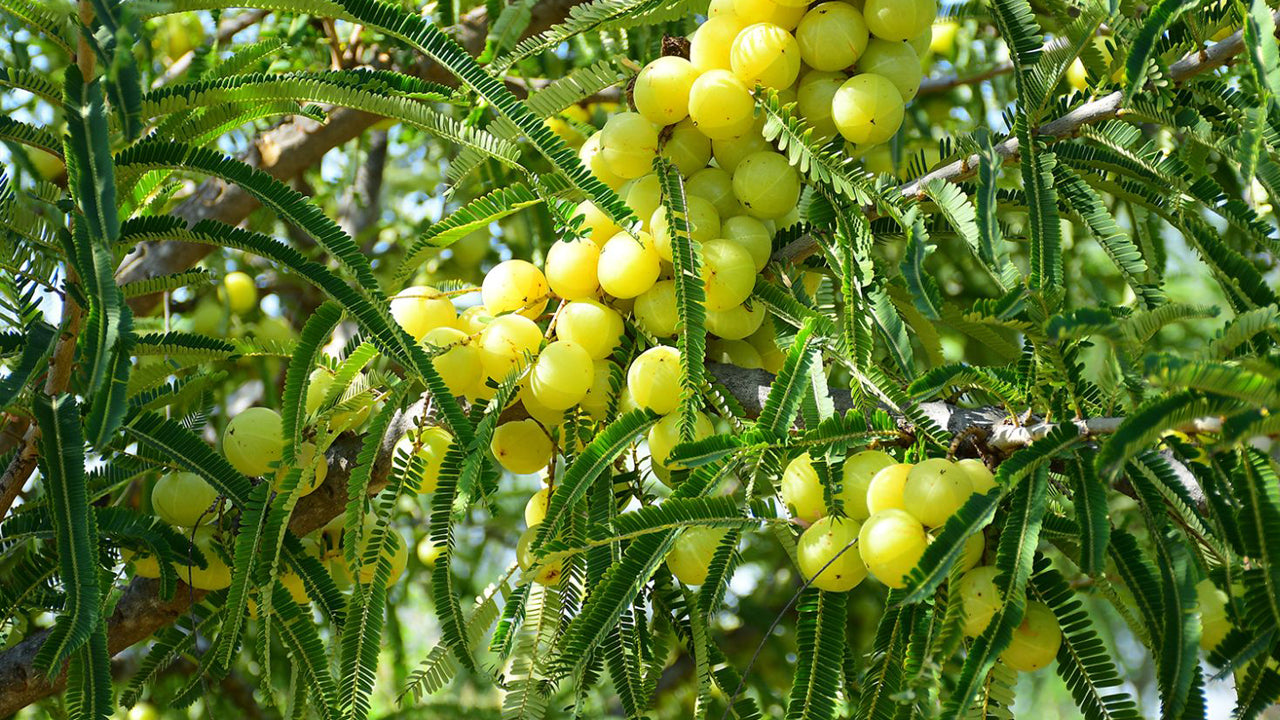
| Phyllanthus emblica | Nelli (Amla) | General tonic, vitamin C source, hair care | A tree; fleshy, edible fruits used in food and Ayurveda |
| Phyllanthus niruri | Often grouped with Keelanelli | Similar to P. amarus; kidney stones | Very similar morphology; differentiated by geographic distribution |
Phyllanthus emblica — the Indian gooseberry or Nelli — is the best-known species commercially and is valued primarily as a nutritional supplement rich in vitamin C and antioxidants. The two plants are related but serve different primary roles in traditional medicine.
What does current research say about Phyllanthus amarus?
Scientific interest in the plant has grown steadily since the 1980s, when early studies from India began documenting its effect on hepatitis B markers. Subsequent pharmacological research has confirmed several of its traditionally ascribed properties in laboratory settings:
- Hepatoprotective activity — extracts have shown protective effects on liver cells exposed to toxins such as paracetamol and carbon tetrachloride in animal studies
- Antiviral properties — phyllanthin and geraniin have demonstrated inhibition of viral replication in vitro
- Antioxidant capacity — the plant scores well on standard oxidative stress assays, consistent with its flavonoid content
- Anti-diabetic potential — some animal studies suggest it may reduce fasting blood glucose, though human clinical trials are limited
It is important to note that in vitro and animal study results do not always translate into equivalent effects in humans. Individuals managing chronic conditions should regard Phyllanthus amarus as a complementary consideration, discussed with a qualified healthcare provider, rather than a standalone treatment.
How is Phyllanthus amarus prepared for consumption at home?
For those in Sri Lanka who gather or purchase the plant locally, the simplest preparation is a basic decoction. A small handful of fresh aerial parts — stems, leaves, and any small fruits — is simmered in around 500 ml of water until the liquid reduces by roughly half. This is strained, cooled slightly, and consumed in small quantities, typically once or twice daily for short courses rather than as a continuous supplement. Dried powder can be stored for several months in an airtight container away from moisture, making it a practical option for households that want a ready supply.