Kurunegala City
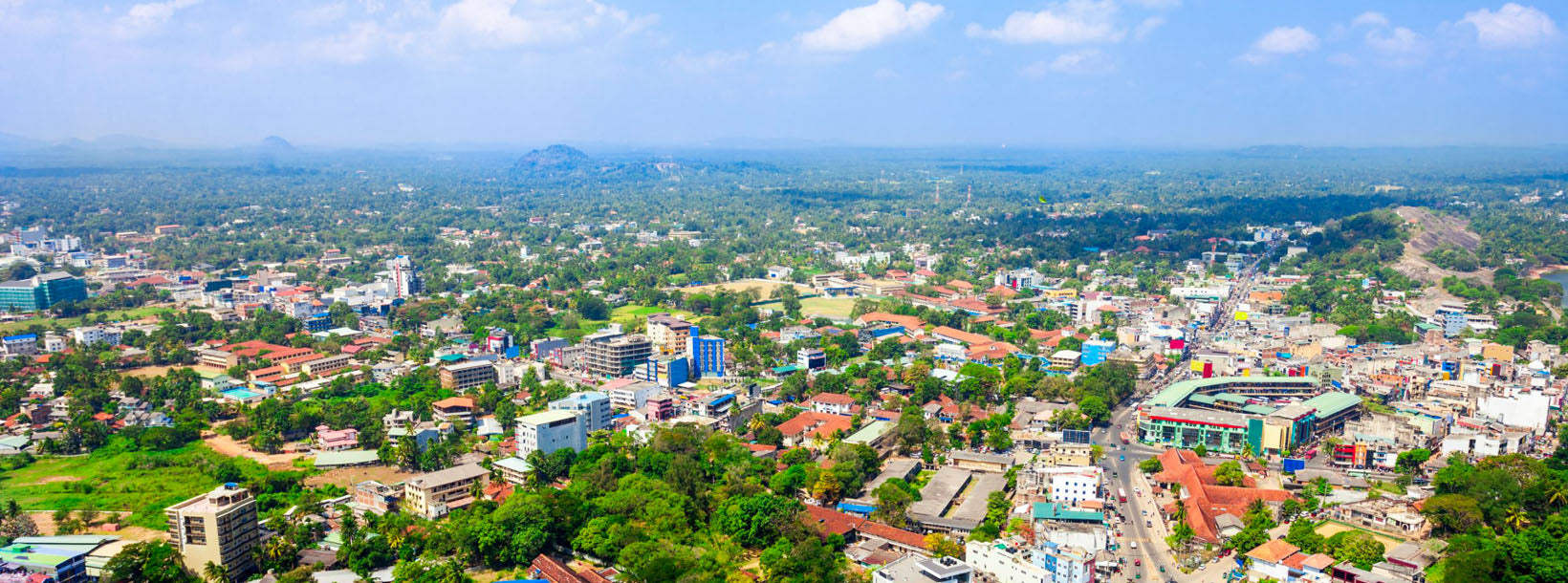
Kurunegala: Bustling city in Sri Lanka's North Western Province, featuring historic sites, vibrant markets, and a blend of modern and traditional culture.
Kompleks Pałacowy Kurunegala
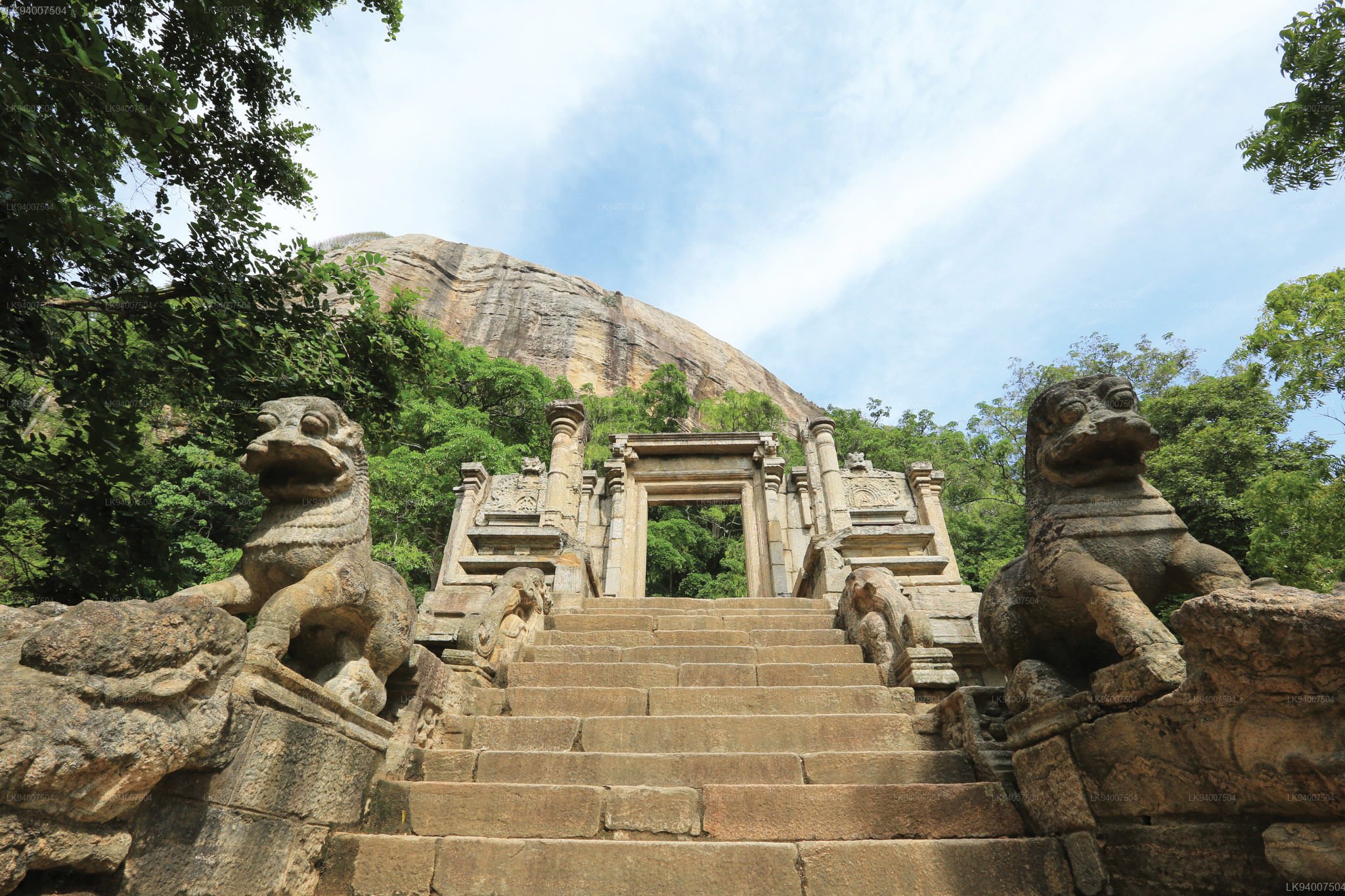
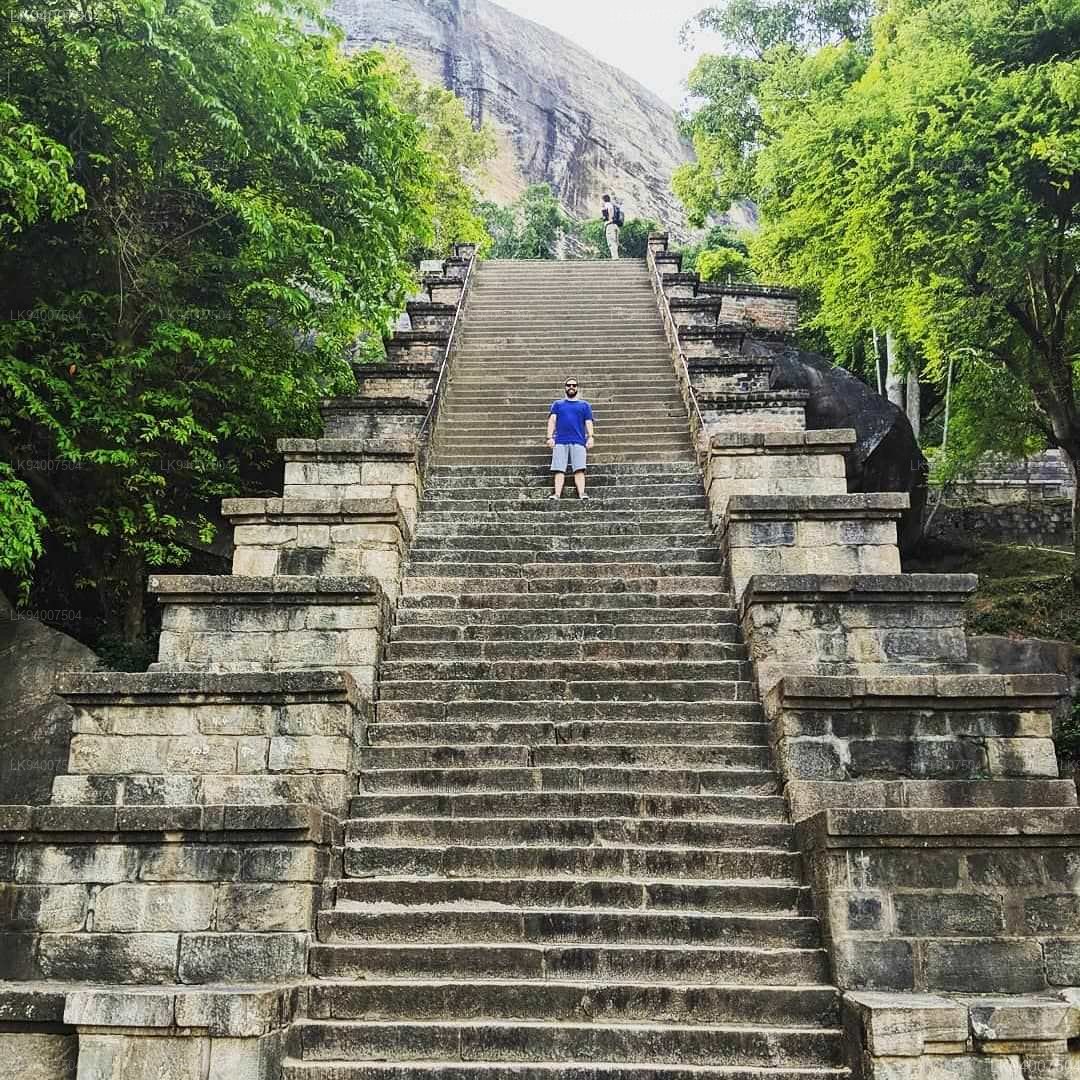
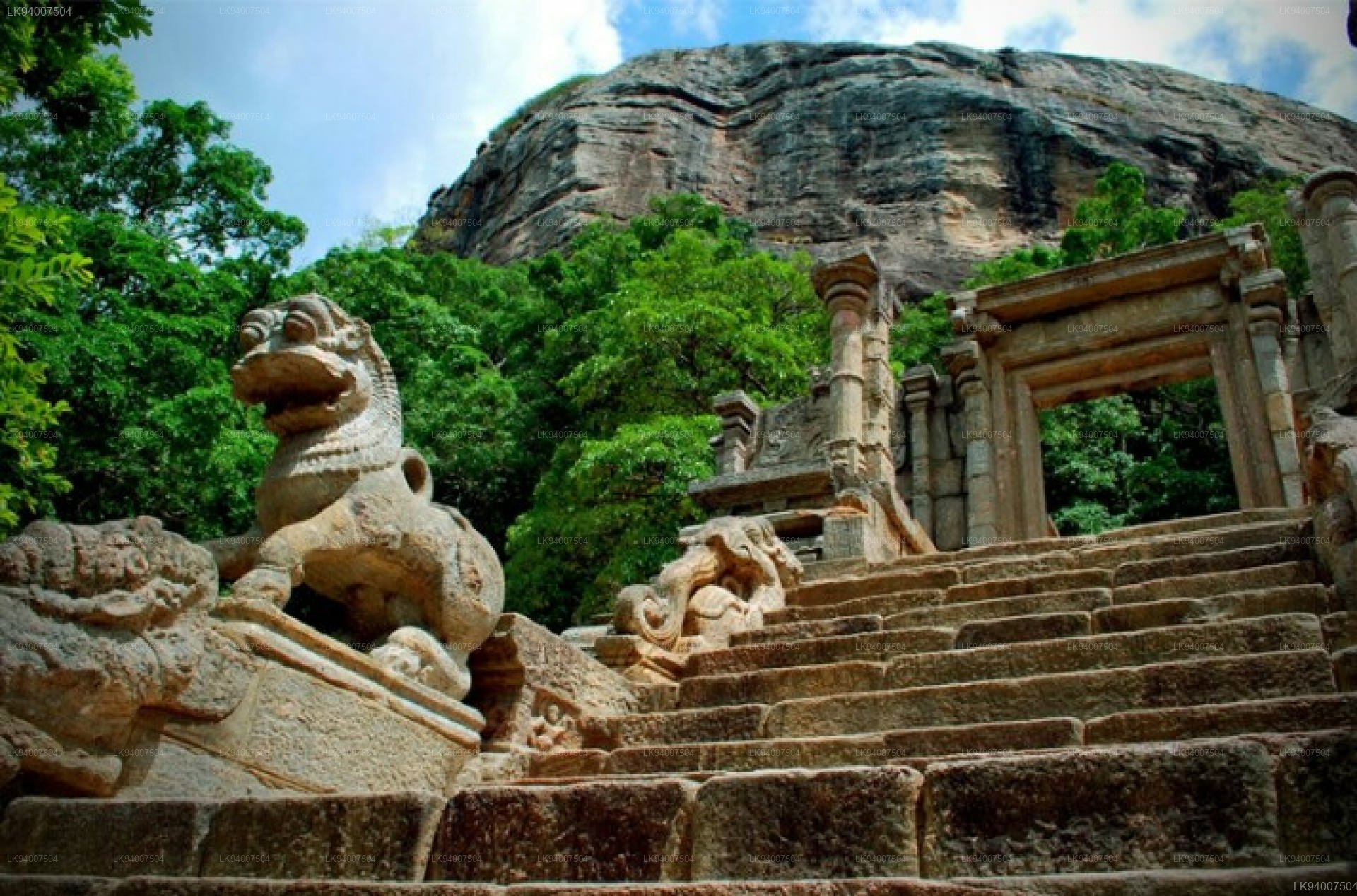
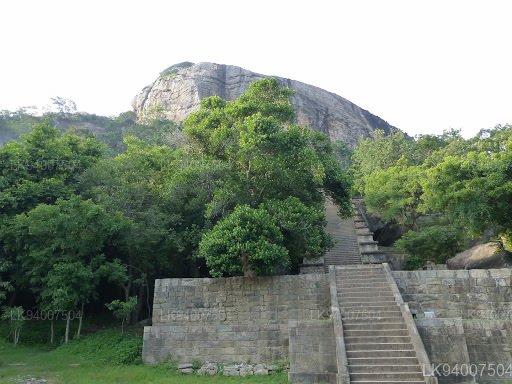
Rozległy kompleks był pałacem i twierdzą wojskową pod koniec XIII wieku, domem króla, który żył w strachu przed atakiem. Kiedyś głębokie fosy i grube mury stawiały opór wrogowi, jednak zostały one teraz mostami lub spłaszczone. Fenomenalnie sfotografowane centrum dawnego królestwa, jego dzisiejszy symbol, to bardzo strome kamienne schody. Zdobione są one wykwintnymi rzeźbami.
W połowie wspinaczki spotkasz dwa bardzo charakterystyczne, duże kamienne lwy, inspirowane sztuką chińską. Krzywią się w stronę wspinacza. Piękne rzeźby rozkwitają po obu stronach. W dawnych czasach rządy na wyspie były ściśle związane z Świętą Relikwią Zęba Najwyższego Buddy. Dlatego, gdy król opuścił starsze królestwo Polonnaruwa, uczynił to zabierając Relikwię. Historia twierdzy Yapahuwa jest zatem ściśle związana z Świętą Relikwią. Lata po jej ustanowieniu, armia z Południowej Indii przybyła i zabrała Świętą Relikwię Zęba, co doprowadziło do upadku królestwa.
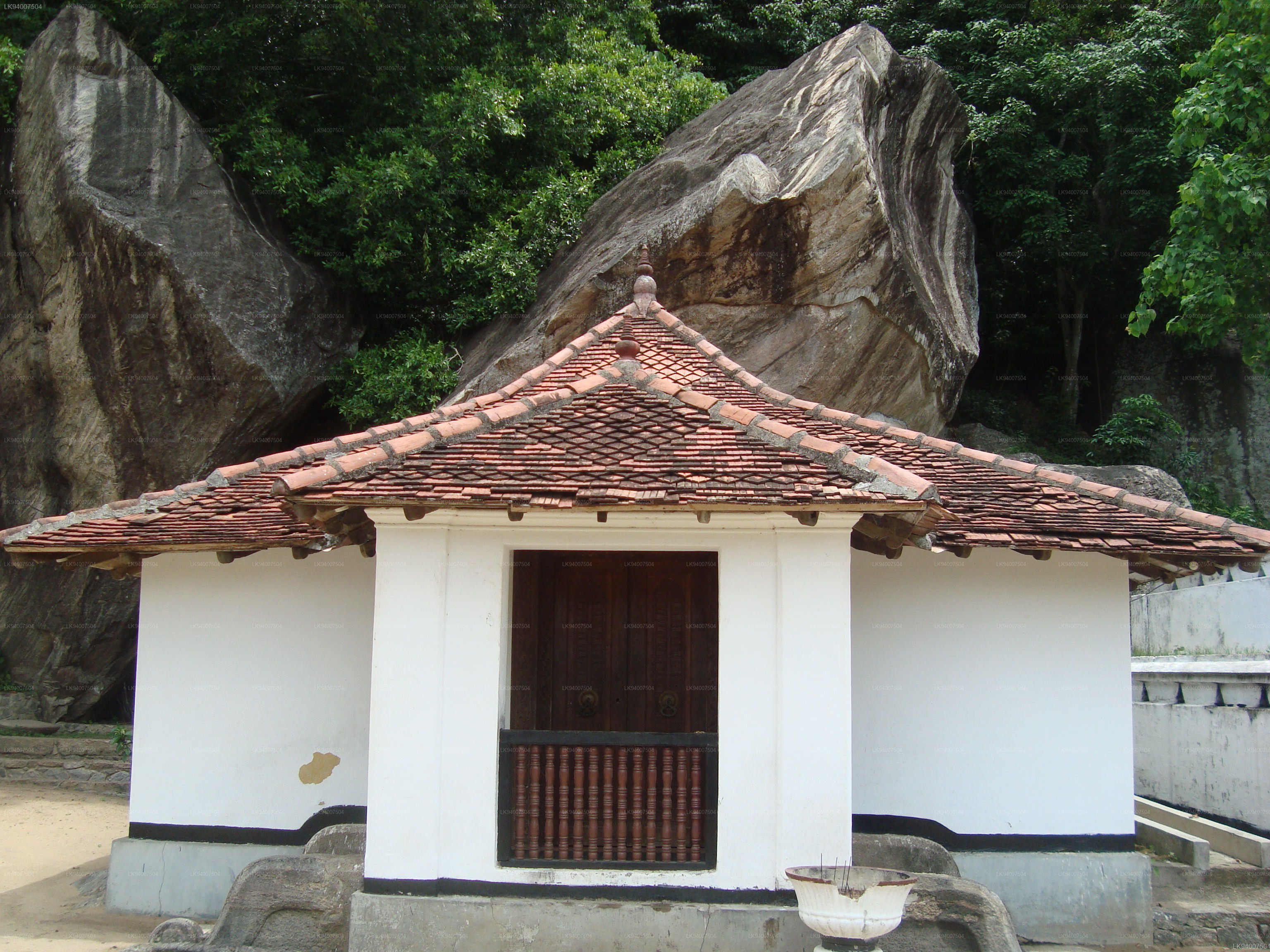
Wspinaj się na sam szczyt góry, aby odkryć pozostałości pierwszych mieszkańców, którzy tutaj żyli. Byli to mnisi buddyjscy. Mała, wietrzna stupa znajduje się obok ogrodzenia drzewa Bo oraz jaskini skalnej. Panorama z samego szczytu góry uchwyca rozległą przestrzeń, mozaikę zielonych pól ryżowych i lasów, które rozciągają się aż do odległych niebieskich gór.
About Kurunegala District
Kurunegala is the capital of the Wayamba Province in Sri Lanka and the Kurunegala District.Kurunegala was a royal capital for only 50 years, from the end of the 13th century to the start of the next, though even before this it was strategically placed in the middle of other majestic strongholds such as Yapahuwa to the north, Dambadeniya to the south and Panduwasnuwara in the east. Ethagala a rock reaching 316 meters, towers over the town, which is located at an altitude of 116 meters above sea level. The shape of Ethagala resembles an Elephant. A transport hub, it has a railway station, and several main roads linking important parts of the country.Kurunegala is situated about 94 km from Colombo, and 42 km from Kandy.
Most of Kurunegala's residents belong to the Sinhalese majority. Other ethnic minorities include the Sri Lankan Moors, Sri Lankan Tamils, Burghers and Malays. Residents from ethnic minorities live in all parts of the city, however, sizeable communities of Moors and Tamils also live in the areas of Teliyagonna and Wilgoda.
About North Western Province
North Western Province is a province of Sri Lanka. The districts of Kurunegala and Puttalam formulate North Western or Wayamba. Its capital is Kurunegala, which has a population of 28,571. The province is known mainly for its numerous coconut plantations. Other main towns in this province are Chilaw (24,712) and Puttalam (45,661), which are both small fishing towns. The majority of the population of Wayamba province is of Sinhalese ethnicity. There is also a substantial Sri Lankan Moor minority around Puttalam and Sri Lankan Tamils in Udappu and Munneswaram. Fishing, prawn farming and rubber tree plantations are other prominent industries of the region. The province has an area of 7,888 km² and a population of 2,184,136 (2005 calculation).
Wayamba is the third largest paddy producing area in Sri Lanka .Wayamba has a highly developed agricultural economy, growing a variety of fruits and vegetables, flowering plants, spices, oil-seeds in addition to the traditional plantation crops such as Coconut, Rubber and Rice. Rich soils and varied climate give Wayamba a potential for growing of virtually any crop.
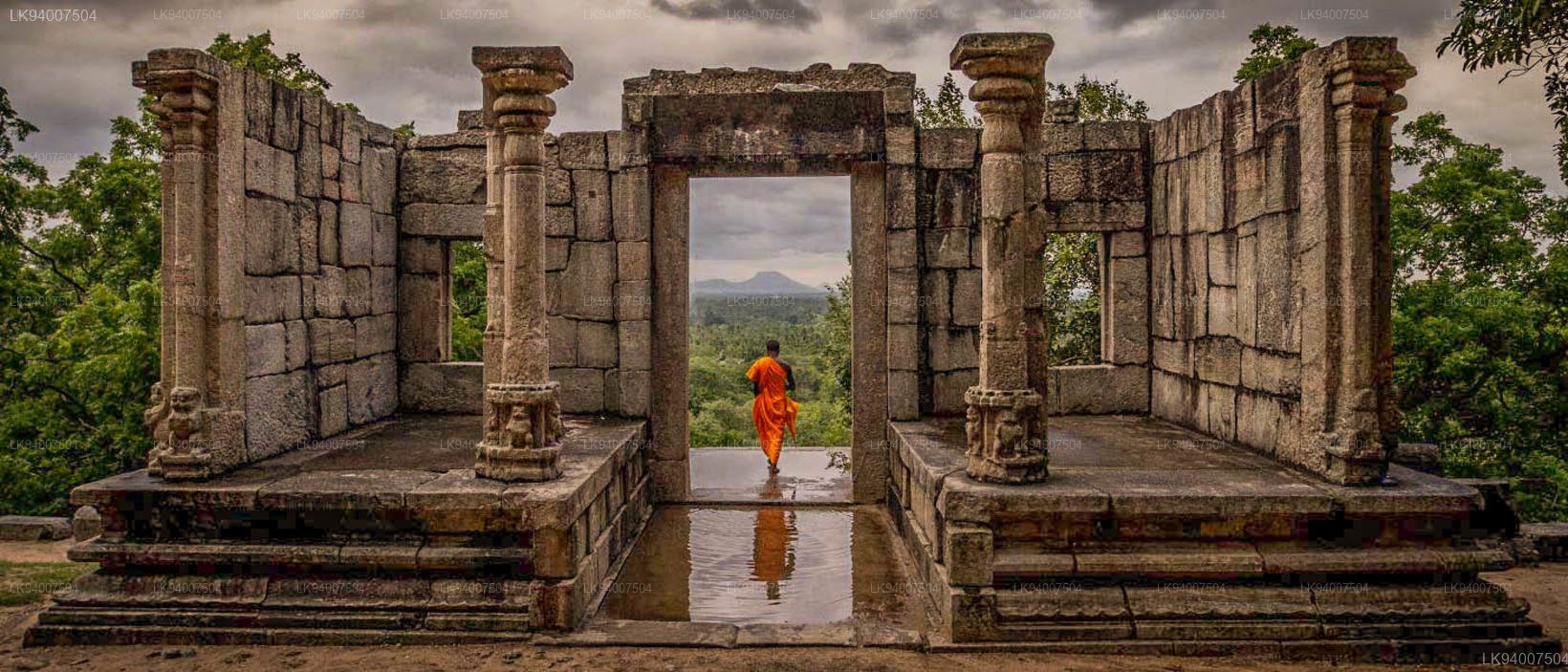
In Wayamba or North western province, home for ancient Buddhist rock temples, magnificent citadels Panduwasnuwara, Dambadeniya, Yapahuwa and Kurunegala. Impressive remains of those citadels, palaces, Buddhist temples and monasteries provide exciting sight seeing to the visitors.