Namal Uyana


Jathika Namal Uyana w Sri Lance to największy las żelaznego drewna oraz różowa góra kwarcu w Azji. Drzewo żelaznego drewna jest endemiczne dla Sri Lanki, a zalesiona powierzchnia rozciąga się na ponad 260 akrów. Zgodnie z odkryciami archeologów, różowy kwarc w tym historycznym miejscu ma ponad 550 milionów lat. Namal Uyana to niezwykle rzadki las, który został ponownie posadzony drzewami żelaznego drewna w VIII wieku n.e., począwszy od króla Devanampiyatissy, a kończąc na królu Dappuli IV. Namal Uyana był schronieniem dla buddyjskich mnichów za panowania króla Devanampiyatissy w VIII wieku. Później miejsce to zostało wykorzystane jako oboz więzienny, w którym karą było sadzenie drzew Na. W okresie panowania króla Dappuli zostało ono ogłoszone schronieniem dla ludzi. To unikalne miejsce naturalne zostało przedstawione światu przez buddyjskiego mnicha, Wenerable Wanawasi Rahula Thero, prawie 15 lat temu.
Jathika Namal Uyana znajduje się 7 km od skrzyżowania Madatugama na autostradzie Colombo-Anuradhapura w Sri Lance. Las żelaznego drewna jest unikalnym lasem w Sri Lance, gdzie drzewa żelaznego drewna dominują nad roślinnością w 260 akrach lasu. Namal Uyana znajduje się w strefie suchego klimatu Sri Lanki. W lesie drzew Na lub Namal Uyana chronią one intensywne światło słoneczne, dając cień wszystkim małym roślinom leczniczym, które rosną w ich cieniu, co sprawia, że odwiedzający mają wrażenie, że znajdują się w chłodnej okolicy, niczym w najchłodniejszym miejscu Sri Lanki. Botanicznie drzewo Na nazywane jest Mesua Ferara, a w języku angielskim jest znane jako Iron Wood Tree (Drzewo Żelaznego Drewna). Cała część drzewa Na jest również wykorzystywana do medytacji ziołowej w Sri Lance. To znaczące drzewo jest rodzimym gatunkiem dla Sri Lanki, Indii, Malezji, Birmy, Tajlandii i Papui Nowej Gwinei. Zostało nazwane narodowym drzewem Sri Lanki. Drzewo Na ma wielką wartość religijną zarówno dla buddystów, jak i innych religii.
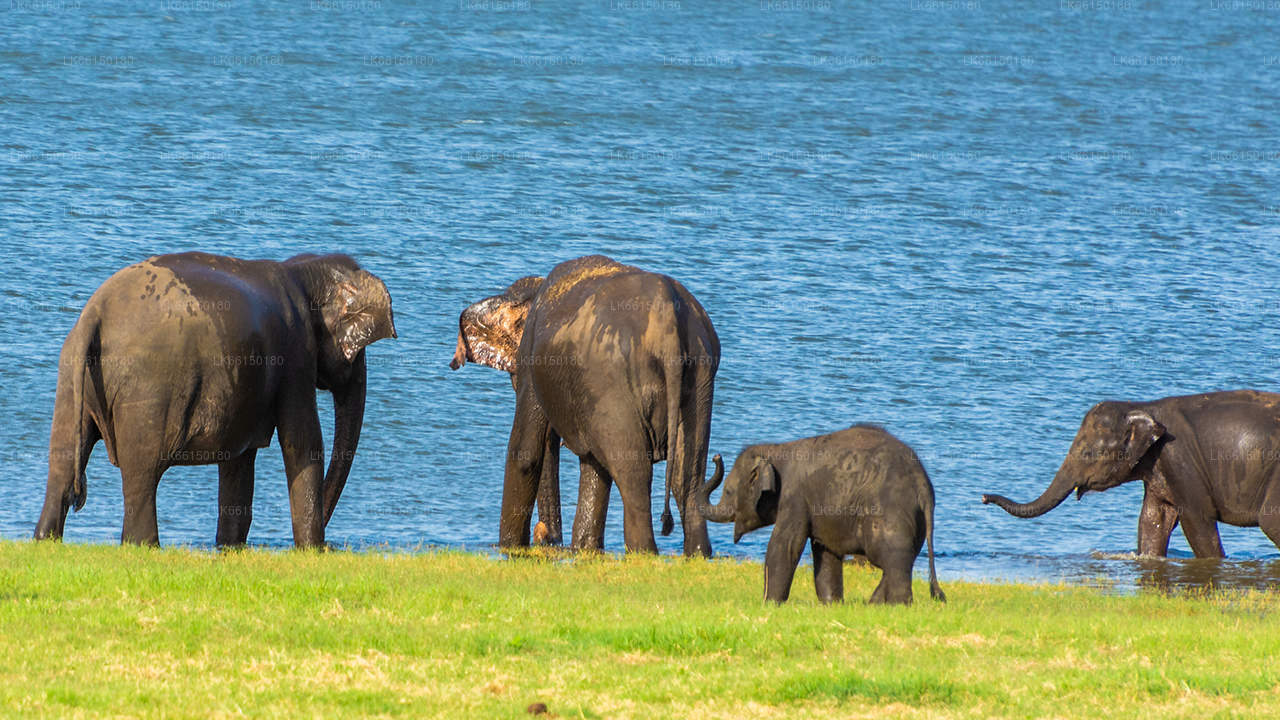
Zgodnie z opiniami biologów, znaczenie Namal Uyana polega na tym, że występuje tam 102 gatunki roślin tropikalnych, z których 82 to rośliny lecznicze, na powierzchni 260 akrów ogrodu i lasu wokół. W parku i jego pobliżu żyje 18 gatunków ptaków i wiele ssaków, w tym słonie, lamparty, małpy i jelenie.
Las Na i różnorodność biologiczna to nie jedyne wyróżniki tego miejsca. Górski łańcuch różowego kwarcu w Namal Uyana to największy łańcuch górski różowego kwarcu w Azji. Choć Namal Uyana, niedawno ogłoszone jako narodowe dziedzictwo przez Departament Ochrony Dzikiej Przyrody (DWLC), stało się popularne wśród mieszkańców Sri Lanki w ostatnich latach. Rząd 7 gór znajduje się na wysokości od 180 do 300 metrów nad poziomem morza. Zgodnie z badaniami archeologicznymi, różowy kwarc ma historię dłuższą niż 550 milionów lat. Z ogólnego punktu widzenia, górna część wydaje się być zamglona, a jej różowy kolor w połączeniu z białą mgłą zapewnia niesamowity widok, który wyróżnia tę górę spośród innych. A jeśli zagłębisz się, aby odkrywać różnorodności tej łańcuchu górskiego, będzie to niesamowite doświadczenie.
Istnieje kilka starożytnych miejsc, które pokazują długą historię Jathika Namal Uyana.
- Purana Namal Seya.
- Bodhigaraya.
- Pilimageya.
- Awasageya.
- Simamalakaya.
- Padhanagara.
- Galphana.
- Galpath