Miasto Denyaya


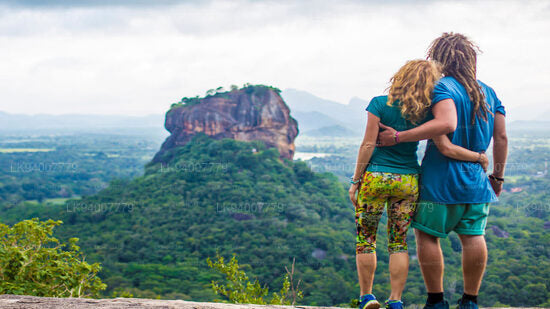
Deniyaya to malownicze miasteczko położone w sercu prowincji Południowej na Sri Lance, konkretnie w dystrykcie Matara. Otoczone bujną zielenią lasu deszczowego Sinharaja, Deniyaya oferuje spokojne i ciche otoczenie, które przyciąga miłośników natury i poszukiwaczy przygód. Jej chłodny klimat, dzięki wysokości, dodaje jeszcze większego uroku temu urokliwemu miasteczku.
Jednym z wyróżniających się cech Deniyaya jest jej gospodarka, oparta głównie na uprawie herbaty. Plantacje herbaty w tym mieście słyną z produkcji wysokiej jakości liści herbaty, które wnoszą istotny wkład w przemysł herbaciany Sri Lanki. Plantacje herbaty zdobią wzgórza, tworząc malowniczy krajobraz, który nie tylko jest wizualnie atrakcyjny, ale również gospodarczo ważny dla lokalnej społeczności.
Oprócz uprawy herbaty, mieszkańcy Deniyaya zajmują się również uprawą warzyw. Żyzna gleba i sprzyjający klimat sprawiają, że jest to idealne miejsce do uprawy różnych warzyw, w tym marchewki, fasoli, kapusty i innych. Ta różnorodność rolnicza zapewnia mieszkańcom utrzymanie i przyczynia się do bezpieczeństwa żywnościowego miasta.
Deniyaya jest również bogate w dziedzictwo kulturowe, z wieloma historycznymi świątyniami rozsianymi po jego krajobrazie. Jedną z takich świątyń jest Gatabaruwa Devalaya, znana ze swojej historycznej i religijnej znaczenia. Pełni rolę duchowego centrum dla lokalnej społeczności i przyciąga pielgrzymów oraz turystów zainteresowanych badaniem kulturowych korzeni miasta.
Piękno natury Deniyaya jest dodatkowo wzmocnione przez jej bliskość do lasu deszczowego Sinharaja, który jest miejscem światowego dziedzictwa UNESCO. Las deszczowy jest ogromnym centrum bioróżnorodności, domem dla wielu gatunków flory i fauny, w tym wielu gatunków endemicznych. Miłośnicy natury mogą wziąć udział w zorganizowanych wędrówkach i wycieczkach do obserwacji ptaków, aby odkrywać cuda lasu deszczowego i podziwiać jego naturalną różnorodność.
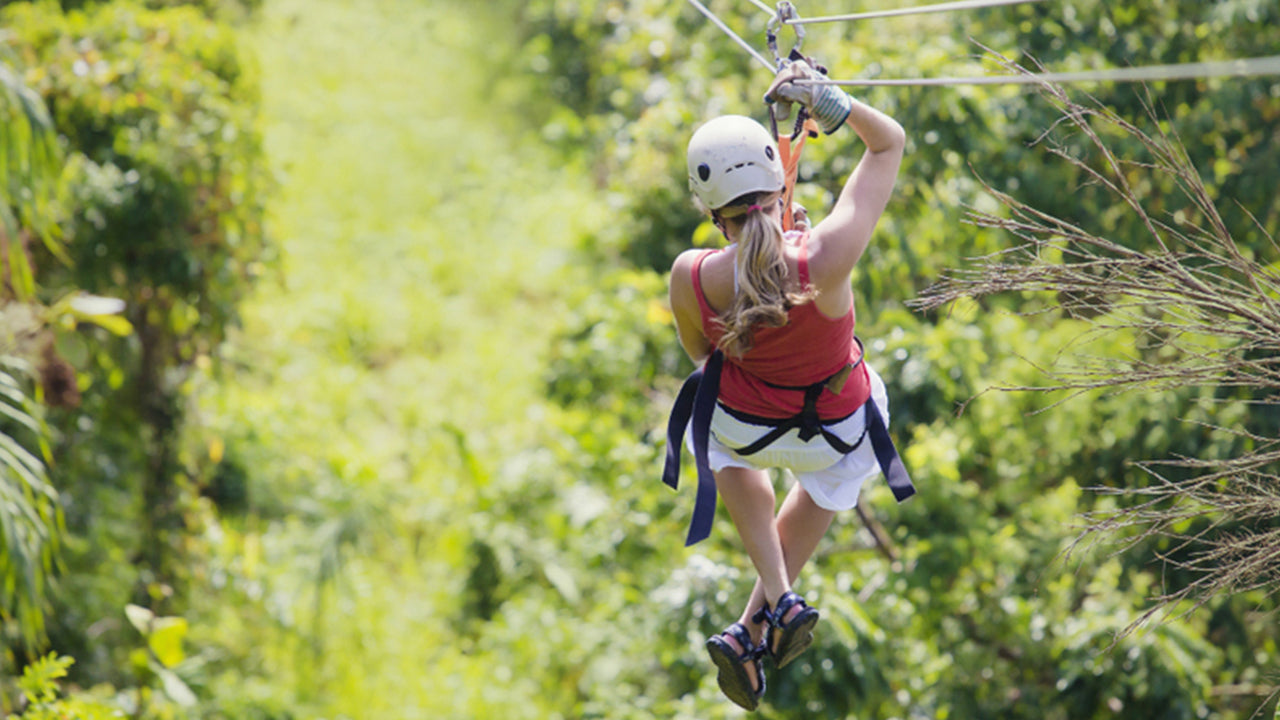
Oprócz atrakcji naturalnych i kulturowych, Deniyaya oferuje turystom szereg rekreacyjnych aktywności. Szlaki wędrówek, spacery po naturze i wycieczki do wodospadów są popularne wśród poszukiwaczy przygód, którzy chcą zanurzyć się w malowniczym pięknie miasta i jego przygodach na świeżym powietrzu.
Branża turystyczna w mieście również rozwinęła się w ostatnich latach, oferując gościnne domy, eko-lodże i miejsca w domach gościnnych, które zapewniają turystom komfortowe opcje zakwaterowania. To przyczyniło się do wzrostu popularności Deniyaya jako miejsca turystycznego, przyciągając turystów poszukujących spokojnego schronienia wśród piękna natury.
Podsumowując, Deniyaya jest małym miastem z wielkim sercem, oferującym harmonijną mieszankę naturalnego piękna, dziedzictwa kulturowego i rolniczej pomyślności. Jego plantacje herbaty, bujne lasy deszczowe, historyczne świątynie i aktywności na świeżym powietrzu sprawiają, że jest to fascynujące miejsce docelowe dla każdego.