Buduruwagala Buddha Statue


The beautiful, 1000-year-old, rock-cut Buddha figures of Buduruwagala are the region's biggest attraction. The gigantic standing Buddha (at 15m, it is the tallest on the island) here still bears traces of its original stuccoed robe, and a long streak of orange suggests it was once brightly painted. It's surrounded by smaller carved figures. This remote site is located 9km south of Wellawaya, accessed by a scenic side road.
The Central FiguresThe central of the three figures to the Buddha’s right is thought to be the Mahayana Buddhist figure Avalokitesvara (the bodhisattva of compassion). To the left of this white-painted figure is a female figure thought to be his consort, Tara. Local legend says the third figure represents Prince Sudhana.
The Other FiguresOf the three figures on the Buddha’s left-hand side, the crowned figure at the centre of the group is thought to be Maitreya, the future Buddha. To his left stands Vajrapani, who holds a vajra (an hourglass-shaped thunderbolt symbol) – an unusual example of the Tantric side of Buddhism in Sri Lanka. The figure to the right may be either Vishnu or Sahampath Brahma. Several of the figures hold up their right hands with two fingers bent down to the palm – a beckoning gesture.
The name Buduruwagala is derived from the words for Buddha (Budu), images (ruva) and stone (gala). The figures are thought to date from around the 10th century and belong to the Mahayana Buddhist school, which enjoyed a brief heyday in Sri Lanka during this time.
An ancient stupa has recently been uncovered halfway along the road from the junction to the carvings.
Practical TipsYou may be joined by a guide, who will expect a tip. A three-wheeler from Wellawaya costs about Rs 700 return. Some people walk (or cycle) from the junction of the main road, which is very pleasant but can also be very hot. The 4km track crosses a series of delicate lakes. Keep an eye out for local birdlife, including many egrets and herons.


Special places in Badulla
-
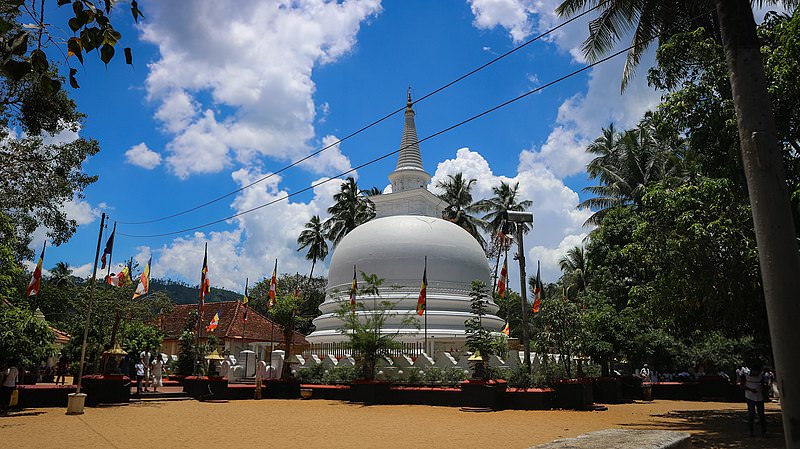 Muthiyangana Raja Maha Vihara
Muthiyanganaya Raja Maha Viharaya lies in the centre of the city of Badulla. The History of this temple goes back to the time of Buddha but this area around Badulla goes way back in to the time of 19th -18th century BCE.
-
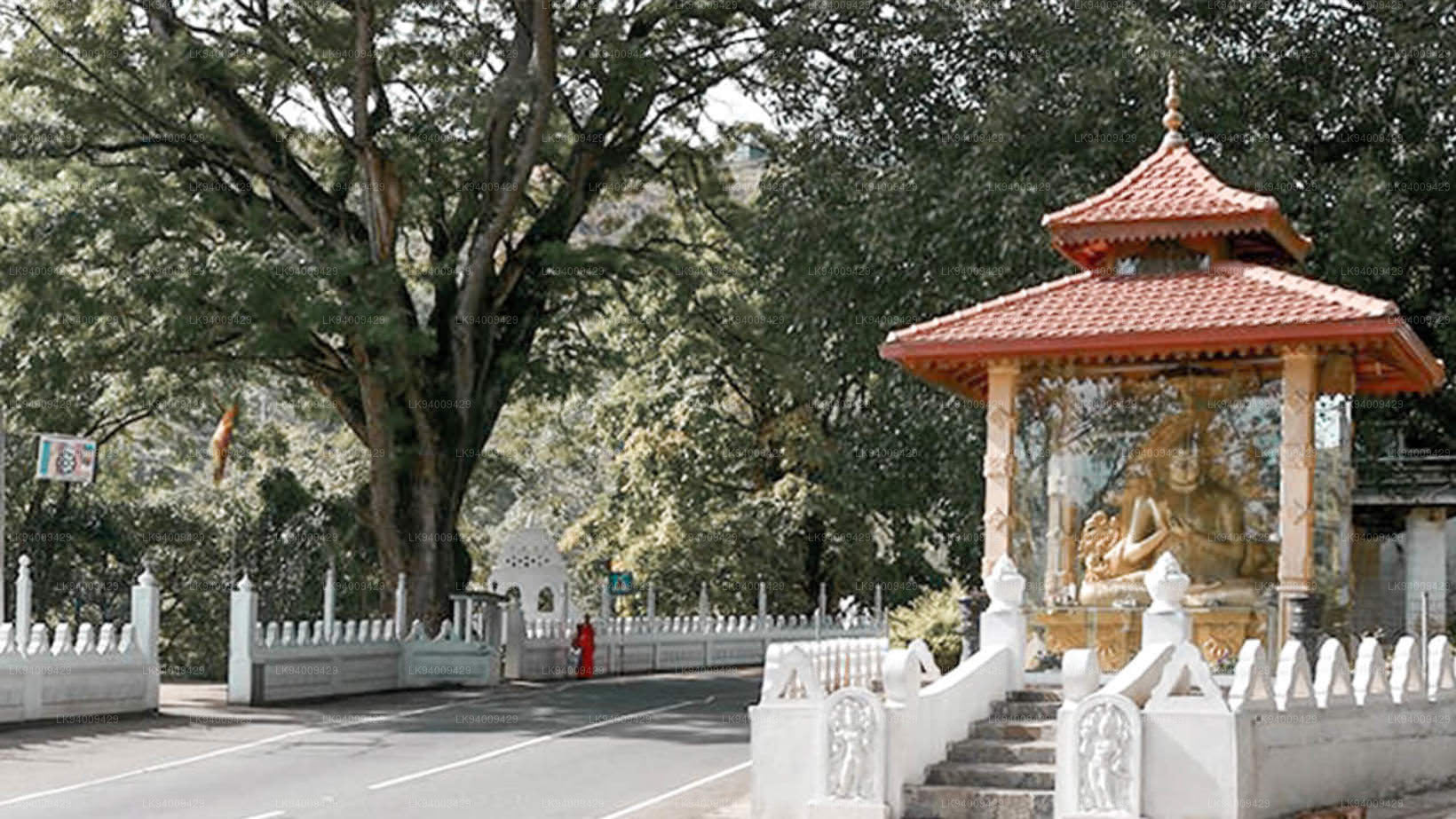 Dowa Raja Maha Viharaya
Dowa Raja Maha Viharaya (Dowa Cape Temple) lies few kilometres away from the Bandarawela town on the Bandarawela – Badulla Road. This temple is thought to be done by King Walagamba in the in first century BC.
-
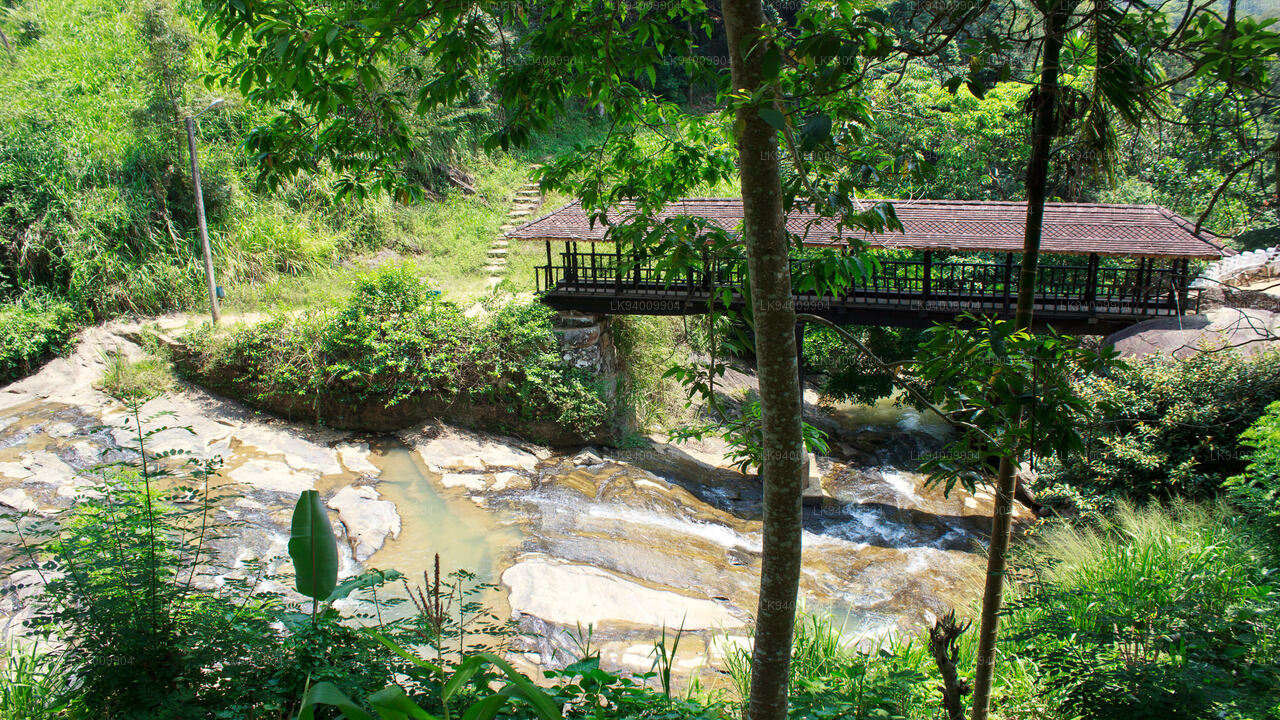 Bogoda Wooden Bridge
The Bogoda Wooden Bridge was built in the 16th century during the Dambadeniya era. This is said to be the oldest surviving wooden bridge in Sri Lanka. The bridge is situated at 7 kilometres (4.3 mi) west of Badulla.
-
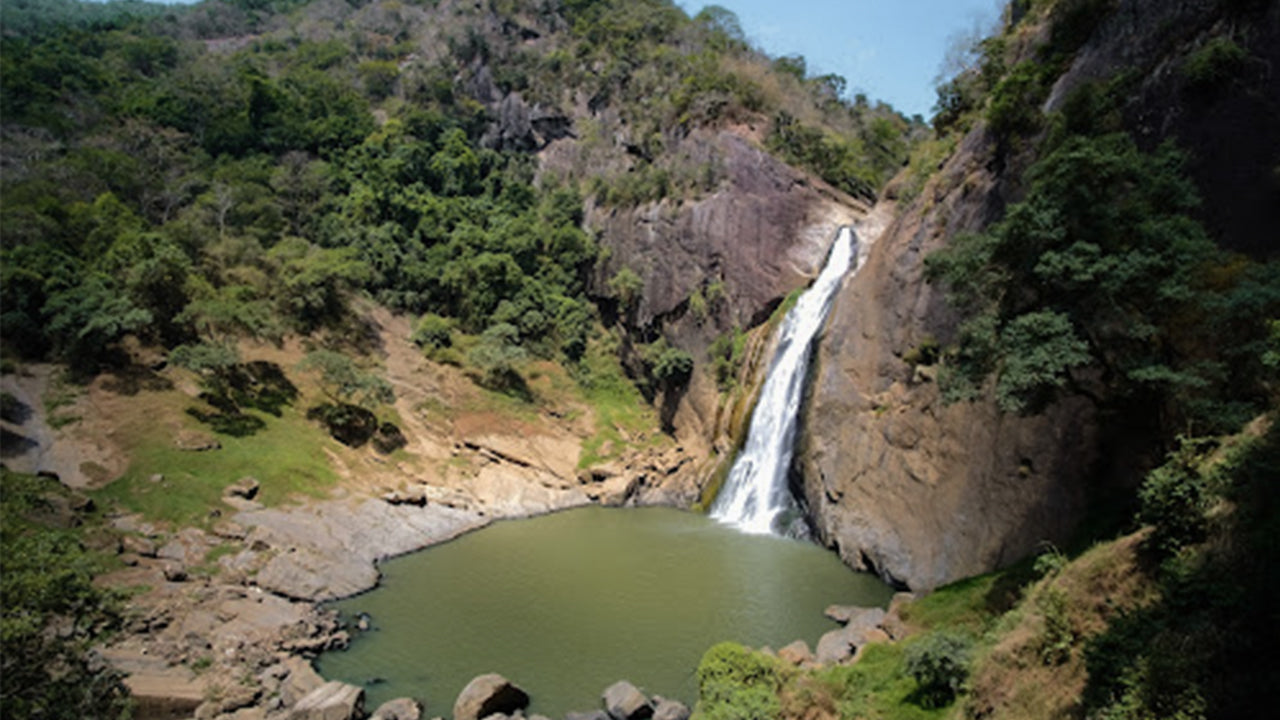 Dunhinda Falls
Dunhinda Falls is situated about 5 km away from Badulla town. It is 63 meters high and is considered to be one of the most beautiful waterfalls in Sri Lanka. The falls gets its name dew to the smoky dew drops spray.