Lakpura
Lakpura®

Yatagala Raja Maha Viharaya

Carved into a cluster of massive granite boulders on the outskirts of Galle, Yatagala Raja Maha Viharaya is one of the Southern Province's most evocative Buddhist sanctuaries. Believed to date back more than 2,000 years, the temple draws both devoted pilgrims and curious travellers seeking a quieter alternative to the well-trodden coastal circuit. Its cave shrines, ancient frescoes, and elevated setting above a canopy of jungle make it a rewarding half-day excursion from Galle or Unawatuna.

What is the history of Yatagala Raja Maha Viharaya?

The temple's origins are traced to the Anuradhapura period, placing its founding somewhere around the 1st or 2nd century BCE. The name Yatagala broadly translates as "lower rock" in Sinhala, a reference to the formation of boulders that form the natural roof and walls of the cave shrine. Over the centuries the temple was patronised by successive royal lineages, which accounts for the honorific Raja Maha Viharaya — a designation reserved for temples that once received royal approval or protection.

The most significant surviving evidence of this heritage is the collection of painted murals inside the cave. These frescoes, layered over different periods of restoration, depict scenes from the Jataka tales and episodes from the life of the Buddha. Scholars note that several panels retain pigments and compositional styles consistent with early Kandyan-era artisanship, suggesting continued royal patronage well into the 17th and 18th centuries.

What can you see and do at Yatagala Raja Maha Viharaya?

The main draw is the cave shrine itself, which houses a large reclining Buddha statue — a classic representation of the Buddha entering parinibbana. The figure is attended by smaller statues of monks and deities arranged along the interior walls, and the low natural ceiling creates an atmosphere of calm enclosure that is noticeably different from open-plan temple complexes.

  • Cave murals: The painted chambers display intricate Kandyan-style frescoes. Photography is generally permitted, though it is courteous to ask the resident monks first.
  • Meditation hall: A purpose-built hall adjacent to the main cave provides a space for both resident monks and lay visitors to sit in meditation. Visitors are welcome to use the space outside of formal ceremony hours.
  • Rock-cut chambers: Beyond the primary shrine, smaller chambers cut into the rock face contain seated Buddha images and votive offerings. These quieter alcoves are easy to miss but worth exploring.
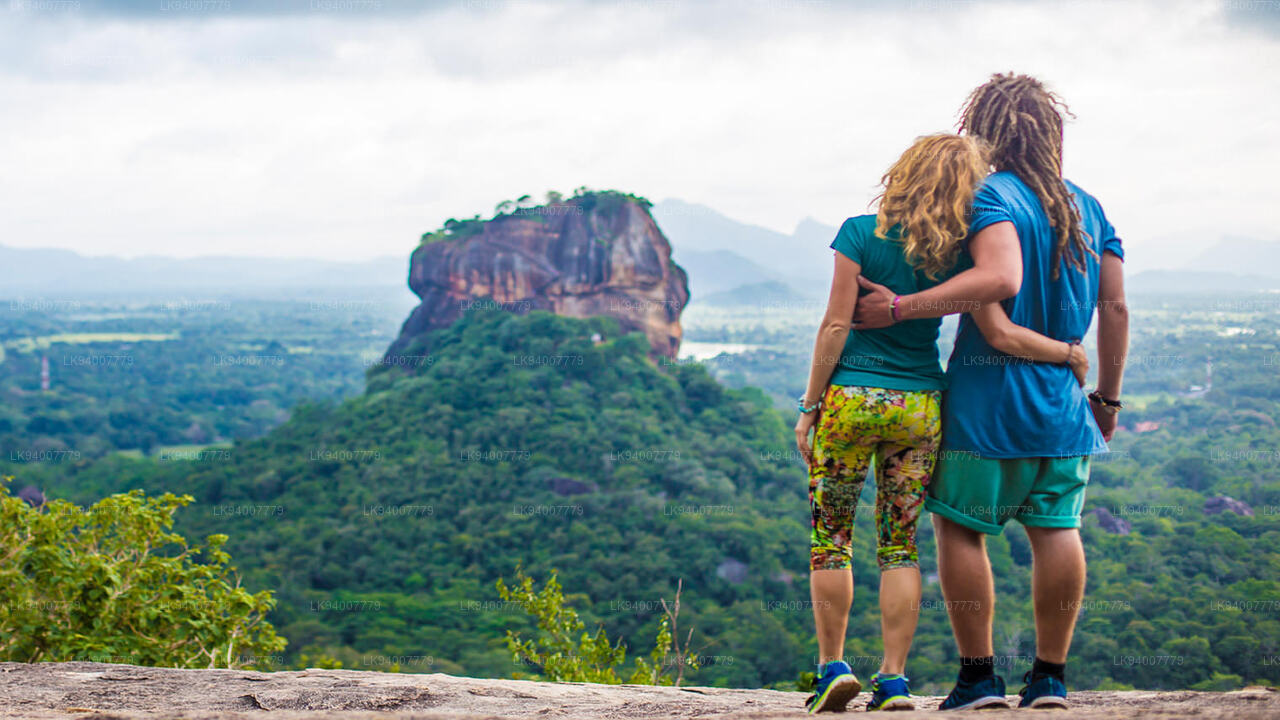
  • Panoramic views: The elevated position of the temple — reached by a short climb up stone steps — offers views across rubber and coconut plantations and, on clear days, glimpses of the Indian Ocean horizon.
  • Buddhist rituals: Poya (full-moon) days bring heightened activity, with white-clad devotees, drumming, and ceremonial offerings. Arriving on a Poya morning gives a richer cultural experience, though it is also busier.

How do I get to Yatagala Raja Maha Viharaya from Galle?

The temple is located roughly 5 to 6 kilometres north of Galle Fort, near the town of Unawatuna. From Galle, the most straightforward option is a short tuk-tuk or private car ride; the journey typically takes under 15 minutes depending on traffic along the Galle-Matara Road. If you are travelling with a private driver, combining Yatagala with a Galle City Tour on the same day is a natural fit — the fort and the temple are close enough to make a coherent half-day itinerary.

There is no dedicated car park, but vehicles can stop along the road at the base of the temple steps. Tuk-tuks can usually wait while you explore. Public bus connections exist but require a short walk from the nearest stop.

When is the best time to visit Yatagala Raja Maha Viharaya?

The Southern Province enjoys its driest weather between December and April, which makes those months the most comfortable for visiting outdoor and semi-open sites like Yatagala. However, the temple's cave structure means the interior remains cool and navigable year-round. The southwest monsoon (roughly May to September) brings intermittent rain; the stone steps can become slippery, so sturdy footwear is advisable in that season.

Morning visits — ideally before 10 a.m. — are preferable for two reasons: the light filtering through the rock openings is better for appreciating the murals, and the site is quieter before organised tour groups arrive from the coastal resorts.

What should visitors know before going?

Yatagala is an active place of worship, and the standard etiquette of Sri Lankan Buddhist temples applies:

  • Remove shoes before entering any shrine room. Shoe racks are provided at the base of the steps.
  • Dress modestly — shoulders and knees should be covered. Sarongs are sometimes available to borrow at the entrance.
  • Lower your voice inside the cave shrines, particularly if monks are meditating or chanting.
  • Avoid pointing feet towards Buddha images, and do not pose for photographs in front of statues with your back to them.
  • A small donation to the temple's dansala (alms collection) is customary but not compulsory.

There is no formal admission fee for this temple, though a donation box is present at the main shrine.

What else is worth visiting near Yatagala?

The area around Galle has a concentrated cluster of experiences that pair well with a temple visit. The Madu River Safari on the Madu Ganga lagoon — about 20 kilometres north of Galle — offers an entirely different landscape of mangrove channels and island temples, making it a logical second stop on a day that starts at Yatagala.

Further along the coast, the Koggala Sea Turtle Conservation Project and the Sinharaja Forest Reserve — one of Sri Lanka's last remaining lowland rainforests and a UNESCO World Heritage Site — are both reachable within 90 minutes from Galle. The Sinharaja Forest Reserve is particularly worthwhile for travellers who want to balance cultural exploration with natural heritage in a single southern swing.

Is Yatagala Raja Maha Viharaya suitable for families with children?

The temple is generally suitable for families, with the main caveat being the stepped approach, which requires reasonable mobility. The climb is short — around 50 to 80 steps — and not strenuous for most visitors, including older children. Younger children tend to find the cave interior and the large reclining Buddha statue genuinely engaging. Parents should supervise young children carefully near the edge of the elevated rock platform that offers countryside views, as there are no guardrails in some sections.

Book this experience with Lakpura

Curated by our local team. Direct booking, instant confirmation.

Ask Lakpura® Agent