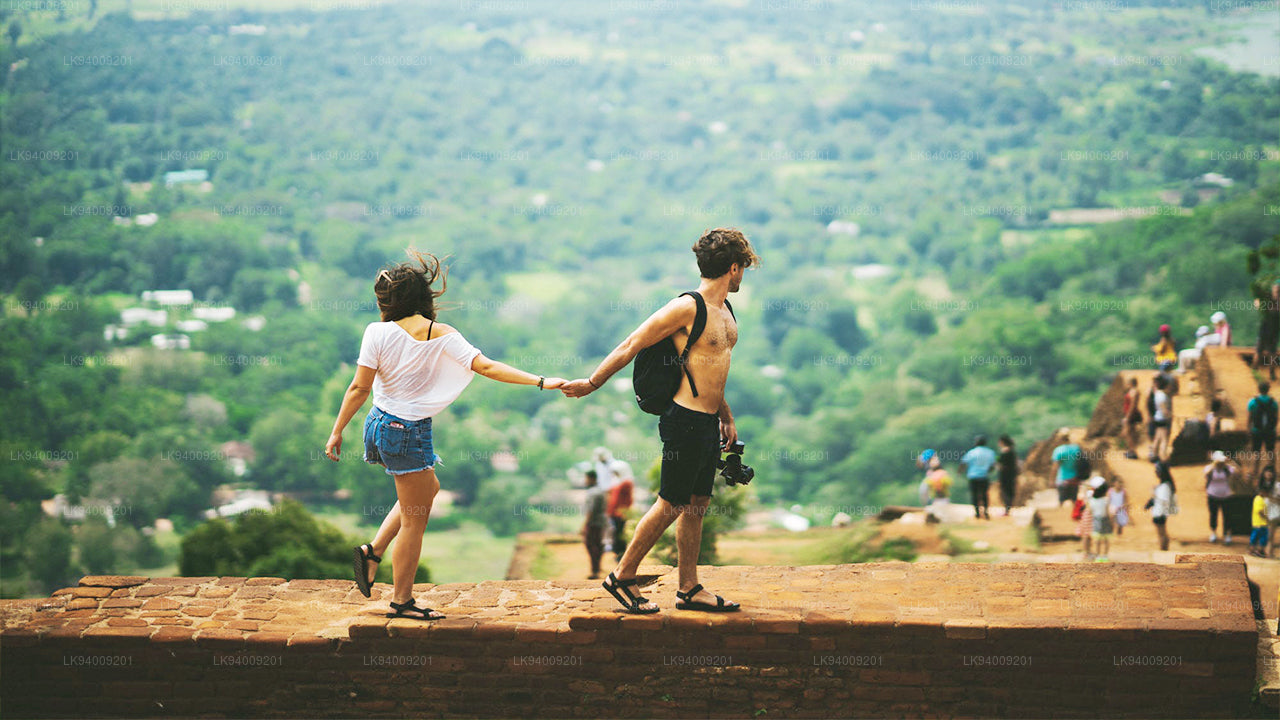
Muthiyangana Raja Maha Vihara


Muthiyanganaya Raja Maha Viharaya lies in the centre of the city of Badulla. The History of this temple goes back to the time of Buddha but this area around Badulla (especially Uva Province) goes way back into the time of 19th -18th century BCE. Emperor Rawana was ruling this country with Badulla as the capital. It is also believed that the War of Rama and Rawana took place in this area. There are many places and names which identify this area as one of Rawana’s capitals; Seetha Eliya, Seetha Kotuwa, and Rawana Ella as described in the Ramayana. It is said that Rawana finally lost the war and his defector brother Vibishana took the capital to Kelaniya and the Uva gradually got lost in history until the 5th century.
The Buddha and 500 Arhants visited this Island for the third time on the invitation of Naga King Maniakkhitha to Kelaniya. On that visit, Buddha came to Badulla on the invitation of King Indaka (now elevated to the Deity status), ruler of the Namunukula Mountain Range. King Indaka built a Stupa enshrining some hair and Mukthaka Dathu (drops of sweat turned into pearls) of the Buddha on the location where Buddha made his sermons. This is the birth of the Muthiyanganaya Stupa. Since then this Stupa and the temple have been expanded, reconstructed, and renovated by many kings.
The Thorana of a unique design of six levels at the entrance of the temple is of an unknown period. The first level includes the main entrance and above it on the second level is a typical Makara (dragon) Head. On the sides of the head are two guard figures and at the corners are two lion figures. On the third level, there are two Vamana figures and at the edge two animals, probably lions. These figures are not as clear as the lion figures on the second level. In the center of the third level is a high stand which goes right up to the fourth level on it are two bulls and the special features of these bulls are that they are decorated and have large humps. Such bulls are a feature of Hinduism and this feature indicates some influence of Hinduism in the making of this structure. Lastly, and on top of the fifth level, is a seated Buddha statue. The fifth is dedicated to the Buddha statue. The peacocks at the sixth level complete the outline of the structure. At the entrance is a colourful Makara Thorana. Right above the entrance and below the dragon head is a P figure of Maitre Bodhisattva. On the right-hand side of the Image house is a statue of Deity Indaka, the protector of the Muthiyanganaya Holy Ground and the Namunukula Mountain Range. On the right is the statue of Maitre Bodhisattva. Passing the Image House you come to the holiest structure of the temple, the Stupa which enshrines the hair and the Mukthaka Dathu of Buddha. The initial stupa built by the Deity Indaka in the 5th century BCE has been enlarged by King Devanampiyatissa (150-210 BCE) of the Anuradhapura Era.


Special places in Badulla
-
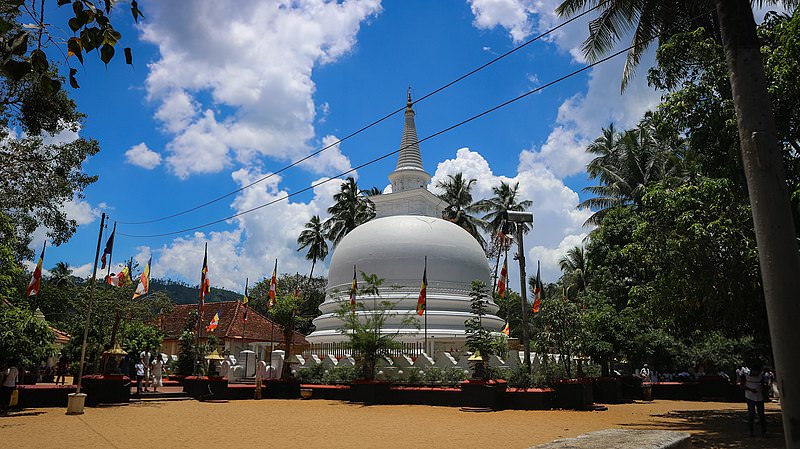 Muthiyangana Raja Maha Vihara
Muthiyanganaya Raja Maha Viharaya lies in the centre of the city of Badulla. The History of this temple goes back to the time of Buddha but this area around Badulla goes way back in to the time of 19th -18th century BCE.
-
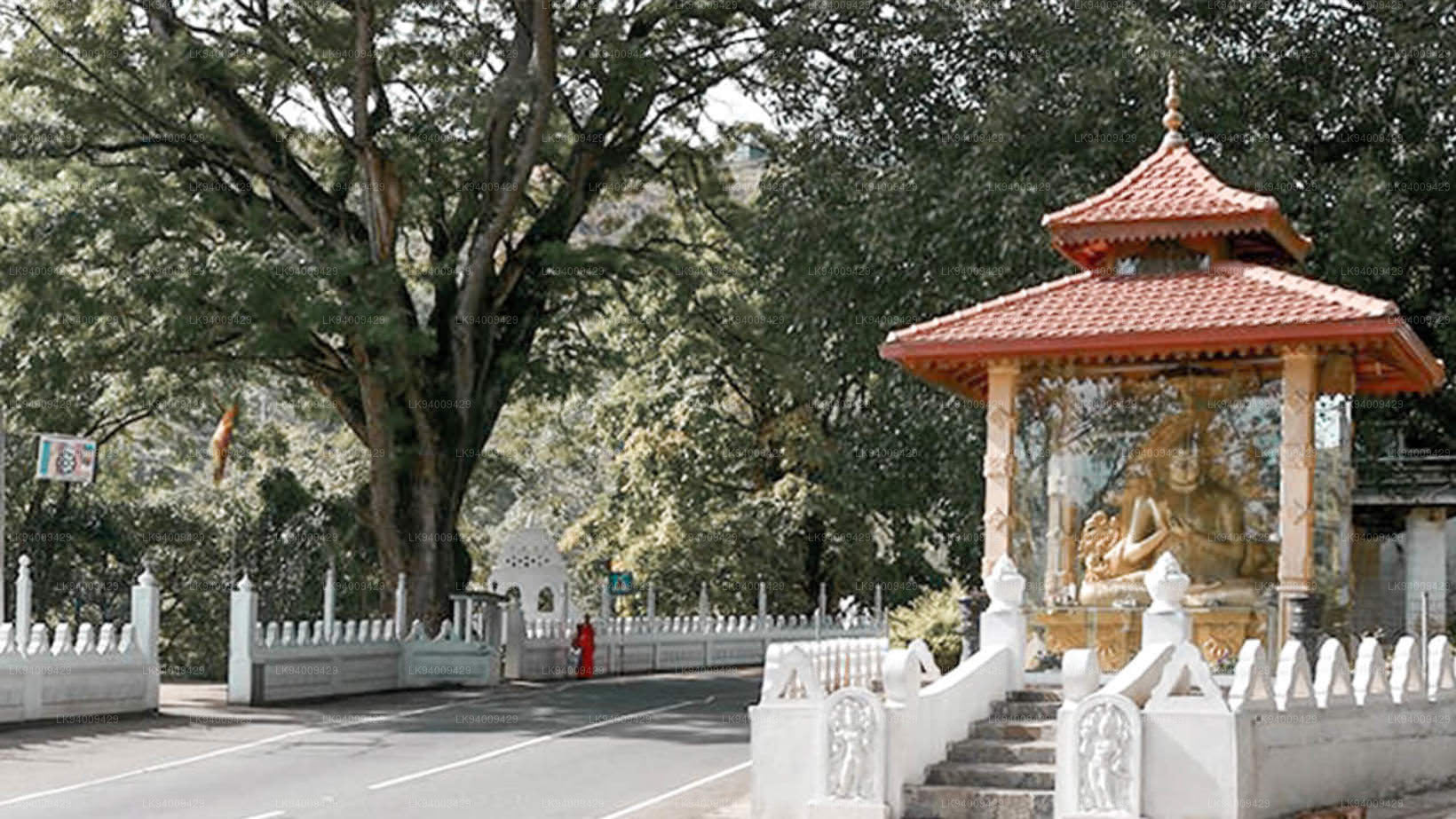 Dowa Raja Maha Viharaya
Dowa Raja Maha Viharaya (Dowa Cape Temple) lies few kilometres away from the Bandarawela town on the Bandarawela – Badulla Road. This temple is thought to be done by King Walagamba in the in first century BC.
-
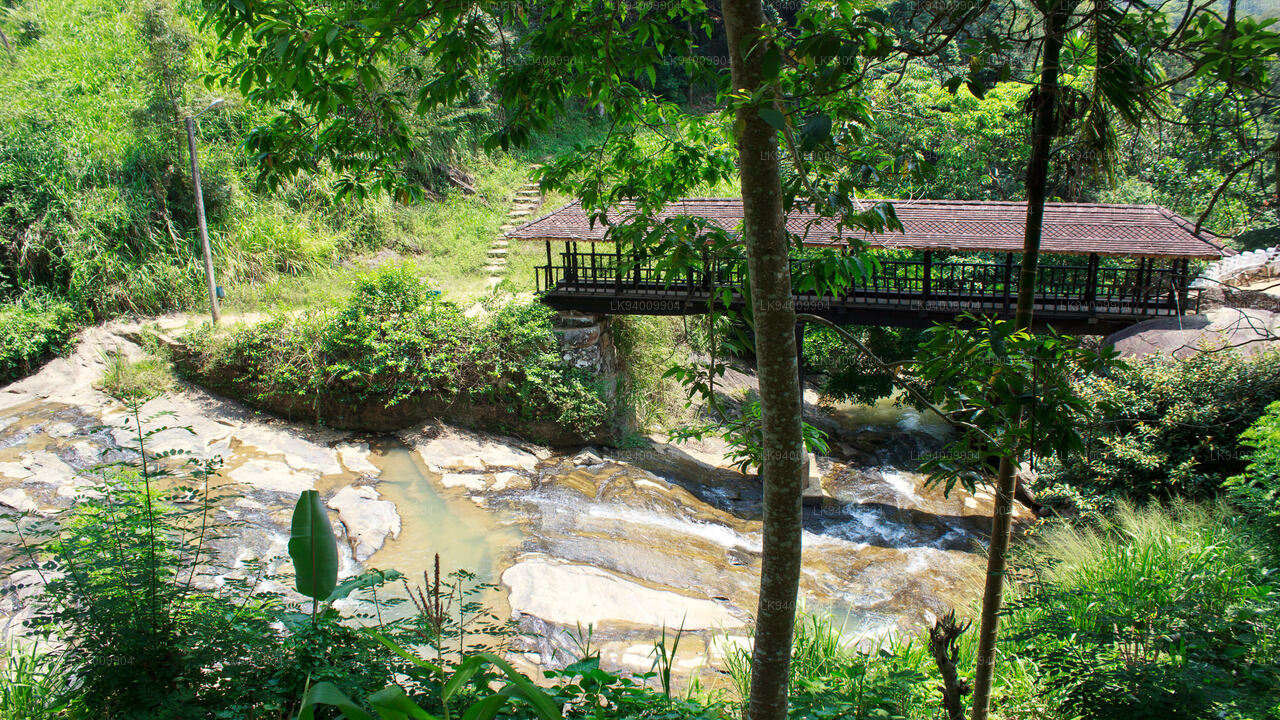 Bogoda Wooden Bridge
The Bogoda Wooden Bridge was built in the 16th century during the Dambadeniya era. This is said to be the oldest surviving wooden bridge in Sri Lanka. The bridge is situated at 7 kilometres (4.3 mi) west of Badulla.
-
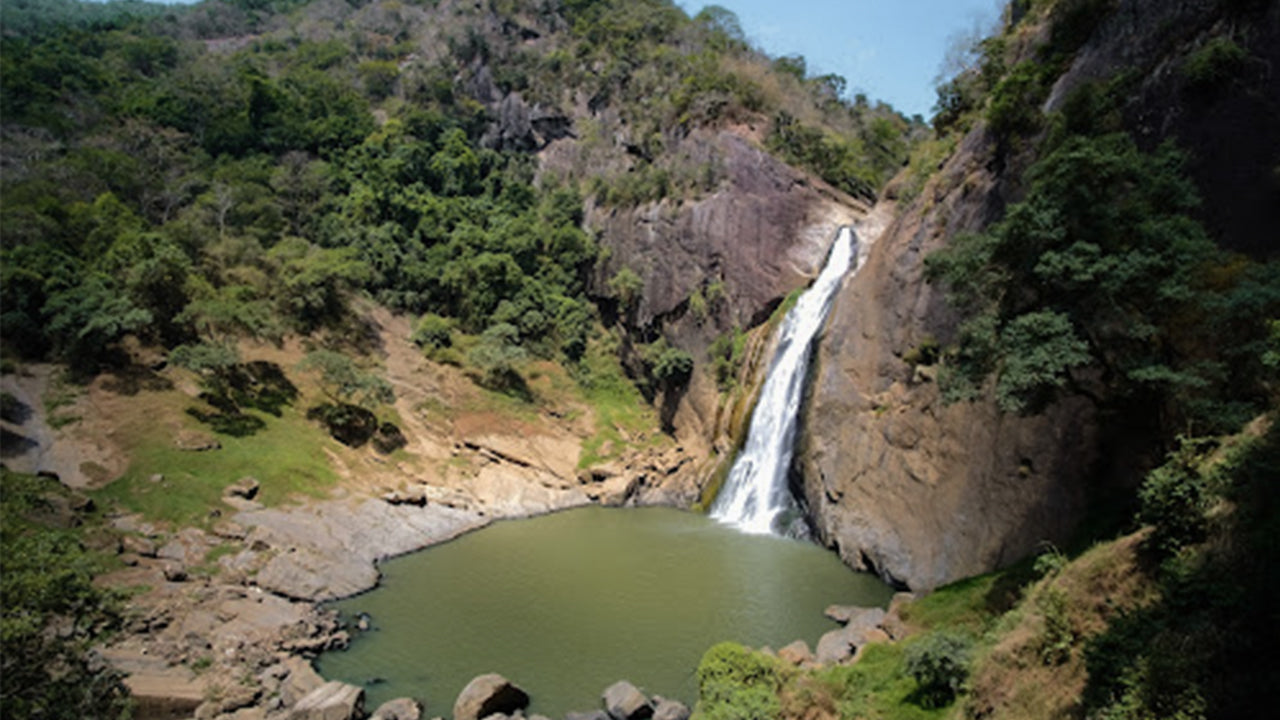 Dunhinda Falls
Dunhinda Falls is situated about 5 km away from Badulla town. It is 63 meters high and is considered to be one of the most beautiful waterfalls in Sri Lanka. The falls gets its name dew to the smoky dew drops spray.