Lakpura
Lakpura®

Moragalla Beach

Moragalla Beach sits a few kilometres south of Beruwala on Sri Lanka's southwestern coast, where the golden sand meets the mouth of the Bentota River — also known locally as the Bentara River. Less trafficked than its famous neighbours, Bentota and Beruwala, Moragalla rewards visitors who prefer calm water, open shoreline, and the subtle rhythms of a beach that has not yet been entirely swallowed by resort development.

What makes Moragalla Beach different from other beaches nearby?

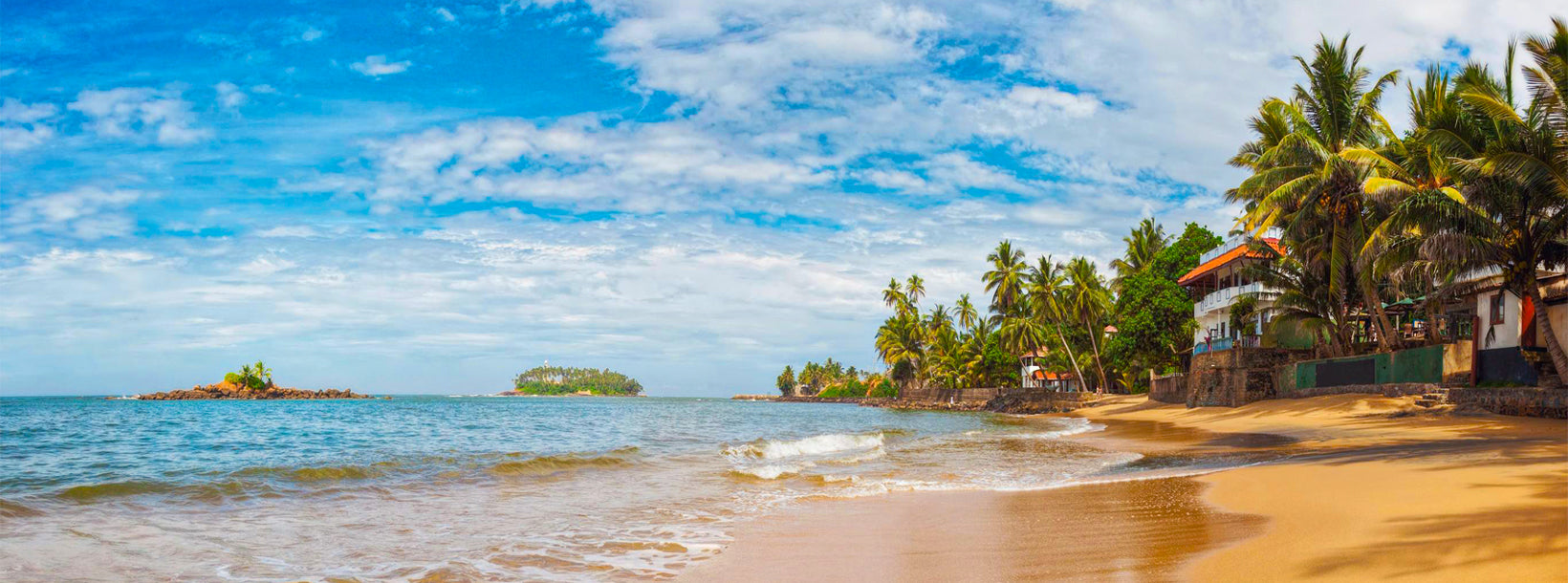
The defining feature of Moragalla is its shallow inshore water, a result of a coral reef lying close to the coastline. That reef keeps the sea calm and relatively clear even during moderate wind, which makes the beach well suited to snorkelling, windsurfing, and introductory scuba diving. The pale yellow sand stretches in a long, wide arc, and the absence of a crowded strip of beach chairs and touts gives the place a noticeably quieter character than other spots on the Beruwala–Bentota corridor.

The beach adjoins the estuary where the Bentota River broadens and opens to the sea. This transition zone — where river mangroves meet the ocean — creates an ecological pocket that draws birdlife and adds visual interest to the southern end of the beach.

What water activities can you do at Moragalla?

  • Snorkelling: The shallow coral reef offshore is accessible without a boat for competent swimmers. Visibility is typically good in the dry season (November through April).
  • Windsurfing: The protected bay and reliable sea breeze make conditions suitable for beginners and intermediate windsurfers.
  • Diving: Several dive operators in the wider Bentota area offer reef dives reachable from Moragalla.
  • Deep-sea fishing: Trips depart from the river mouth area; deep-sea fishing in this stretch of coast targets species such as yellowfin tuna and barracuda.

What is there to explore along the Bentota River at Moragalla?

The Bentota River at the southern end of Moragalla Beach is one of the quieter mangrove waterways on the west coast. More than twenty species of mangrove line the banks, and several small islands sit midstream. Boat trips along the river give you close views of water monitors, kingfishers, and herons, and the pace is unhurried in a way that larger tourist rivers can rarely match.

For a more developed mangrove experience in the same region, the Madu Ganga wetland reserve a little further south offers a UNESCO-recognised lagoon ecosystem with guided boat safaris through 64 islands.

How do you reach the clifftop temple and viewpoint at the southern end?

As you walk south along Moragalla Beach, a landmass across the water appears to be an island. It is actually the hooked northern tip of Bentota beach — a narrow panhandle of land that curves back toward the river mouth. You can cross to it quickly by hiring a small rowing boat from the beach, or you can reach it the long way around along the coastal road.

Once across, a rough flight of stone stairs climbs through dense coastal vegetation to a small Buddhist temple that shares its grounds with a modest yoga ashram. A footpath past the shrine continues to the edge of a rocky cliff. The view from the top sweeps across the estuary and open ocean, and the orientation makes it one of the better sunset vantage points on this section of coast — the kind of place that repays the short effort it takes to reach it.

When is the best time to visit Moragalla Beach?

The southwestern coast of Sri Lanka experiences its calmest, driest weather between November and April, when the northeast monsoon dominates and the southwest coast is sheltered. Sea conditions during this window are ideal for snorkelling and water sports, and beach days are reliably sunny. From May through September, the southwest monsoon brings larger swells and occasional rough water; the beach is still walkable but swimming conditions can be unpredictable.

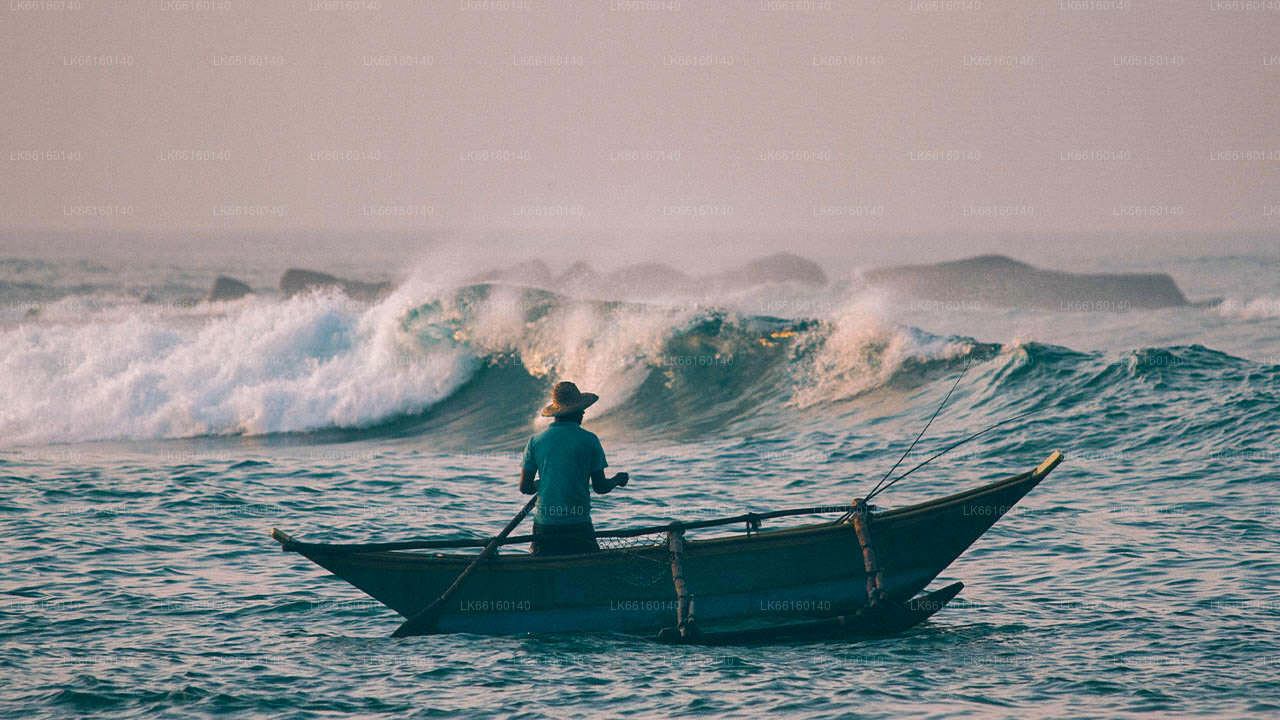
Early mornings throughout the year are the quietest time on the beach, when local fishing activity provides a natural backdrop and the sand is largely empty.

How do you get to Moragalla Beach from Colombo?

Moragalla lies roughly 60 kilometres south of Colombo along the Southern Expressway (E01) or the old coastal road through Kalutara and Beruwala. By car or private transfer the drive from Colombo typically takes around 1.5 to 2 hours depending on traffic. The nearest train stations are Beruwala and Bentota on the Colombo–Matara coastal line, both within a short tuk-tuk or taxi ride of the beach.

Are there any environmental considerations for visitors?

Moragalla is in a period of gradual commercialisation. The coral reef that gives the beach its calm conditions is a living ecosystem sensitive to contact, sunscreen chemicals, and waste. Visitors snorkelling or diving should avoid standing on or touching the reef. Taking litter off the beach with you — or using any bins provided — makes a tangible difference in a location where waste management infrastructure is still developing.

Turtle nesting activity has been recorded on beaches in this coastal stretch. If you are on the beach after dark, avoid using bright torches or flash photography near the shoreline, and keep noise to a minimum. The nearby Kosgoda Sea Turtle Conservation Project, a short drive north, offers a structured way to learn about marine turtle conservation in the region.

What else is worth visiting near Moragalla Beach?

Beruwala, immediately to the north, is one of Sri Lanka's oldest Arab trading settlements and home to the Kechimalai Mosque, considered the oldest mosque on the island. Bentota, just south, offers a wider range of water sports, river boat excursions, and the Geoffrey Bawa–designed gardens at Brief Garden a short drive inland. Both towns are easily combined with a day at Moragalla.

Book this experience with Lakpura

Curated by our local team. Direct booking, instant confirmation.

Ask Lakpura® Agent