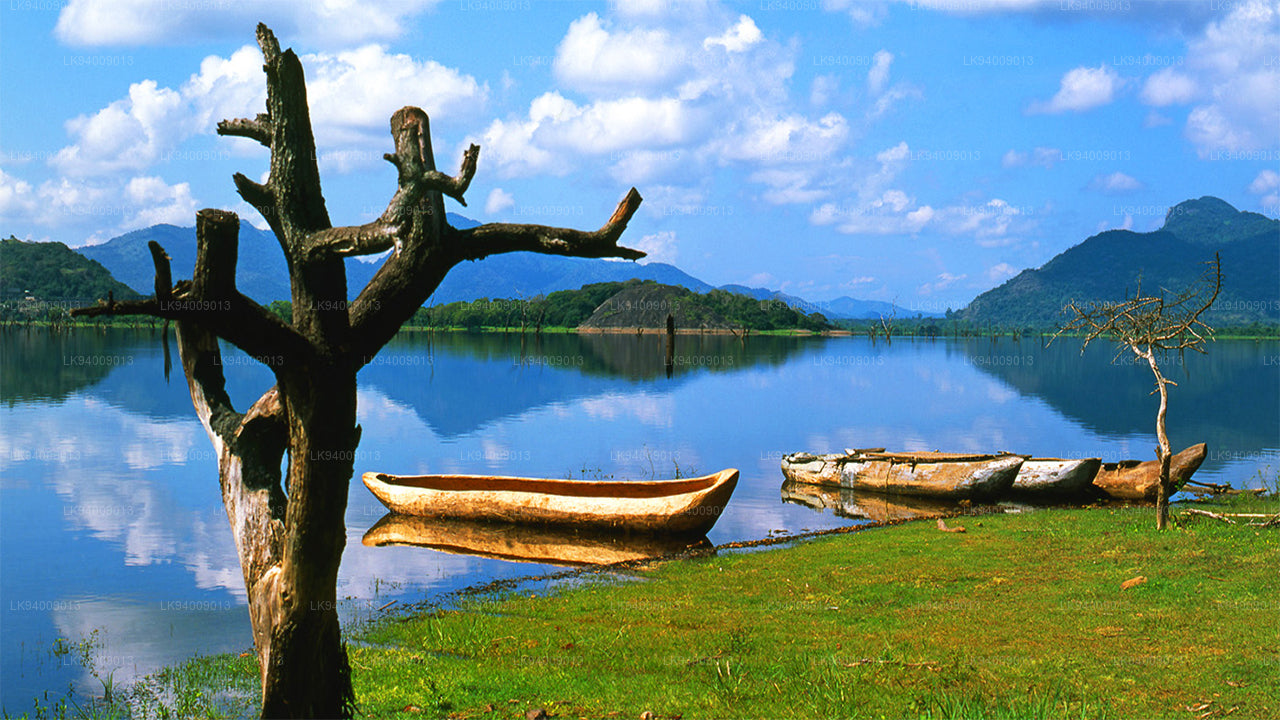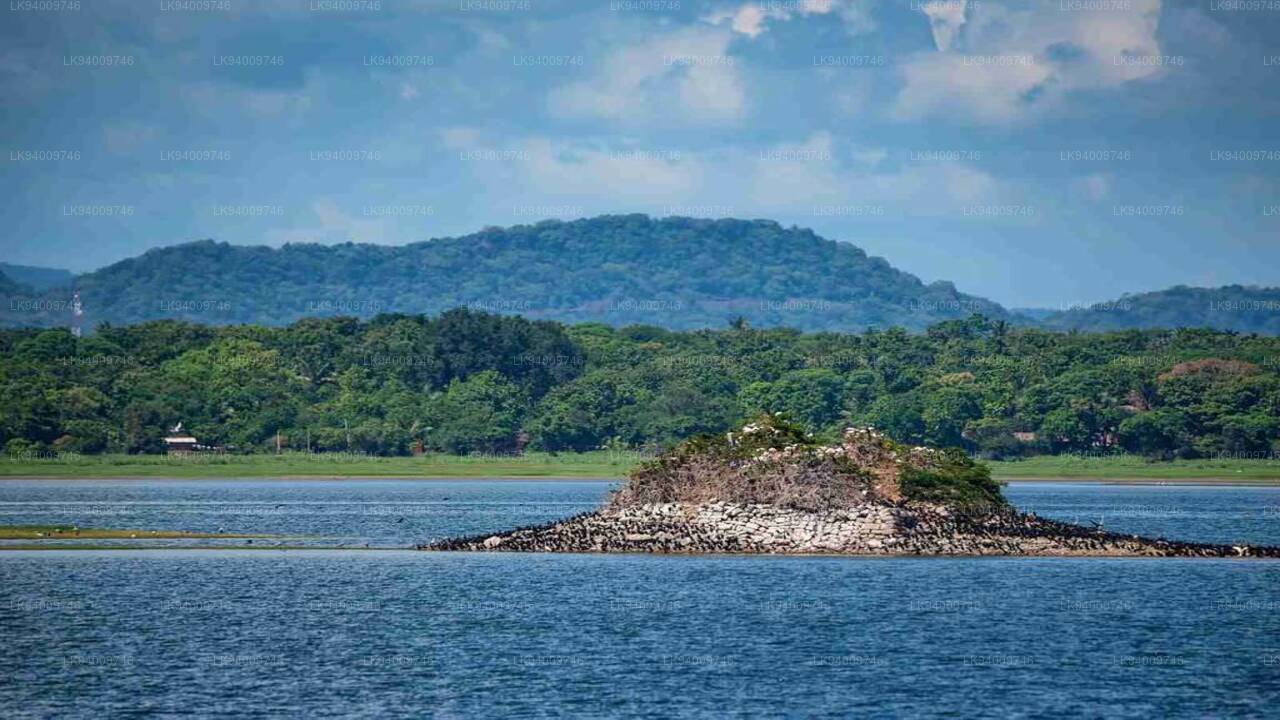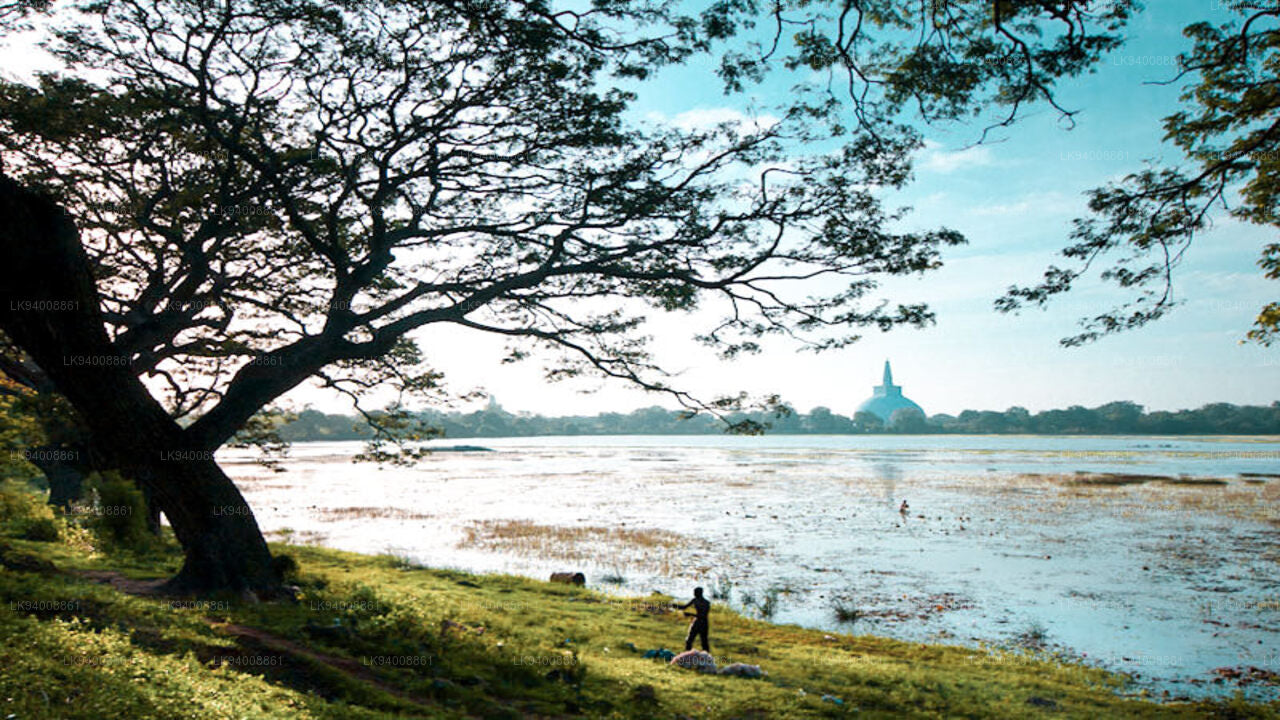
Water has shaped Sri Lanka's civilization for more than two thousand years. The island holds an extraordinary collection of lakes — some formed naturally by geology and monsoon rainfall, others engineered by ancient kings who understood that controlling water meant controlling life itself. Together, these bodies of water sustain agriculture across dry-zone plains, shelter remarkable wildlife, and anchor some of the country's most evocative landscapes.
What are the ancient tanks of Sri Lanka?
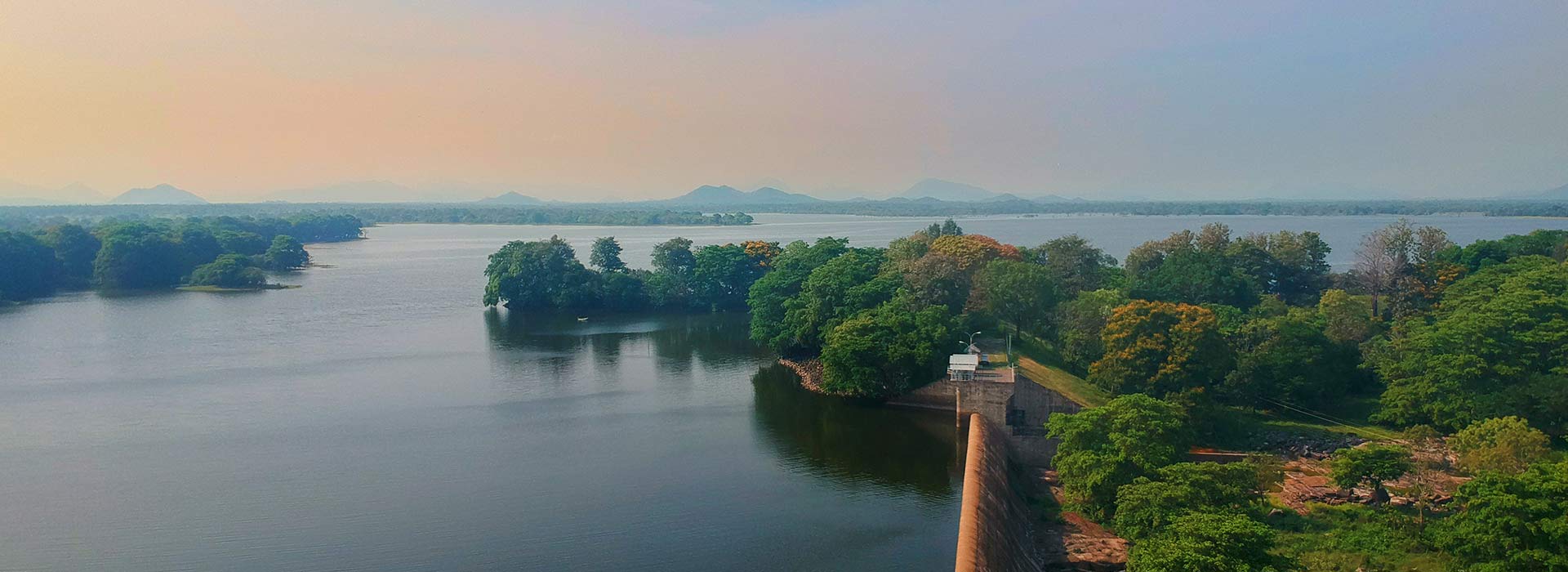
Sri Lanka's man-made reservoirs, known locally as wewa or tanks, represent one of the ancient world's most sophisticated irrigation systems. Beginning around the 3rd century BCE, Sinhalese kings commissioned an expanding network of earthen dams, sluice channels, and feeder canals that transformed the dry north-central plains into productive farmland.
The Parakrama Samudraya at Polonnaruwa is the most celebrated of these works. Built by King Parakramabahu I in the 12th century CE and covering roughly 2,500 hectares at full capacity, it was formed by connecting three separate reservoirs into one integrated system. The king's guiding philosophy — that not a single drop of rain should reach the sea without first serving humanity — is still quoted by engineers and historians today. Tissamaharama Wewa, Minneriya Wewa, and the great Kala Wewa near Anuradhapura are further examples of the same tradition, each one still actively irrigating farmland centuries after its construction.
The engineering behind these tanks was remarkably precise. Sluice gates were calibrated to maintain controlled water flow, and a system of interconnected channels — most famously the 87-kilometre Yoda Ela canal — distributed water across vast distances. UNESCO and the International Irrigation Management Institute have both recognised this network as an outstanding example of pre-industrial hydraulic engineering.
What are Sri Lanka's most significant natural lakes?
Alongside the ancient tanks, Sri Lanka has several natural lakes of considerable ecological and cultural importance.
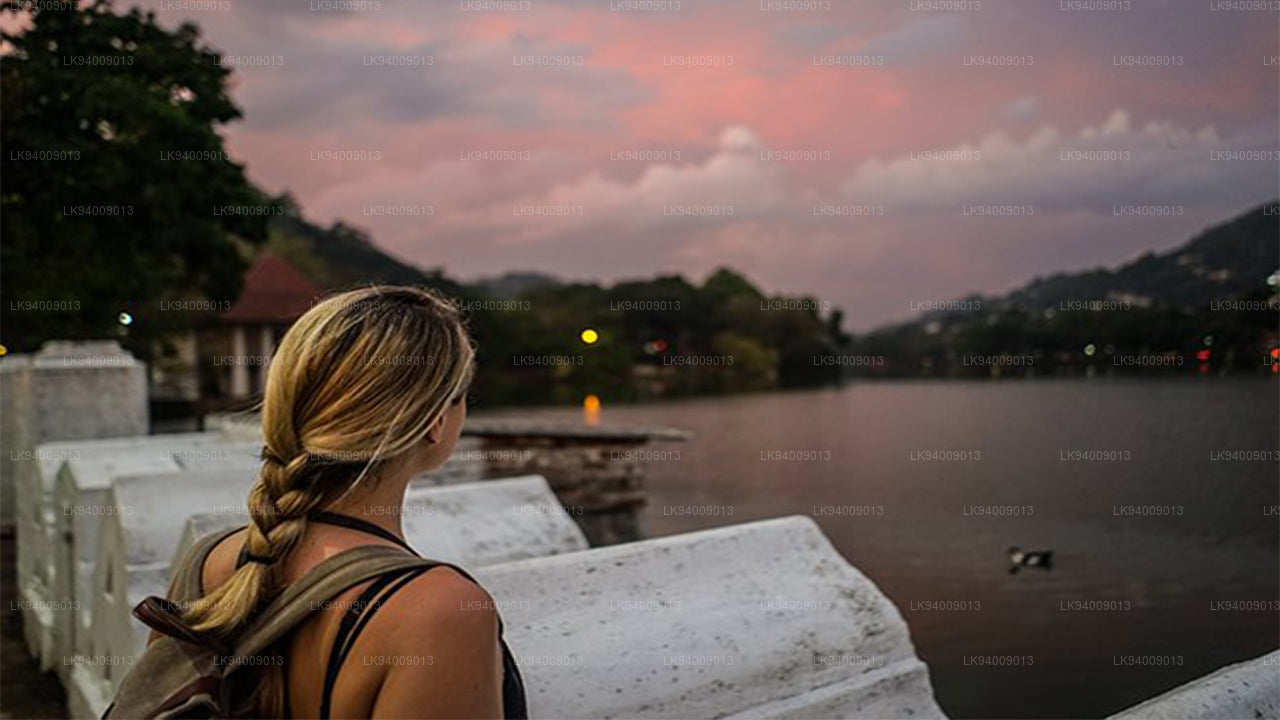
- Kandy Lake (Kiri Muhuda): Created in 1807 by Sri Vikrama Rajasinha, the last king of Kandy, this urban lake sits at the heart of the hill capital and is closely tied to the Esala Perahera Festival. A small island on its eastern end once served as a royal bathing pavilion. The lake's perimeter walkway remains one of the most pleasant evening strolls in Sri Lanka.
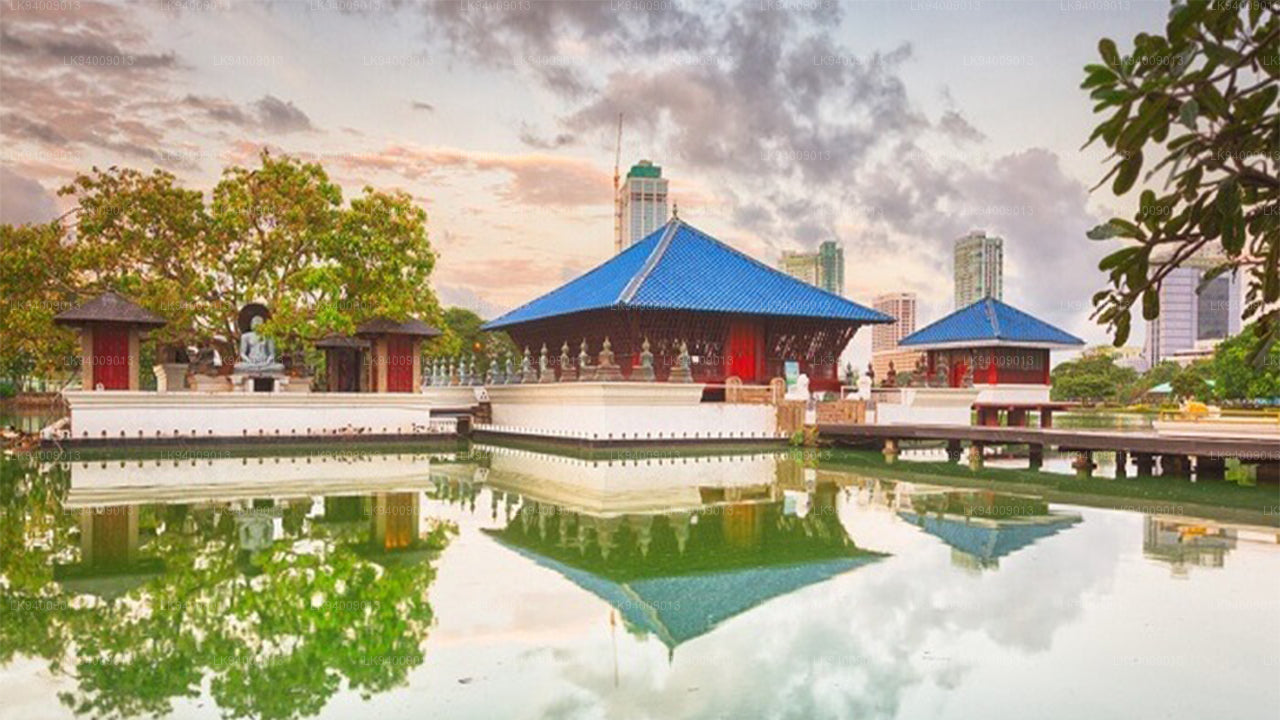
- Beira Lake, Colombo: Developed during the Dutch colonial period as a defensive moat around Colombo Fort, Beira Lake now sits within the commercial heart of the city. Boat rides and floating restaurants operate on its waters, and the Cinnamon Lakeside hotel anchors its northern bank.
- Tissa Wewa, Tissamaharama: This ancient reservoir in the deep south attracts large flocks of waterbirds and sits at the gateway to Yala National Park. The surrounding parkland and nearby Tissa Dagoba create a landscape that rewards an unhurried afternoon.
- Nuwara Wewa, Anuradhapura: One of three large tanks ringing the sacred city of Anuradhapura, this reservoir covers over 1,200 hectares and is a reliable site for elephant sightings in the early morning and late afternoon.
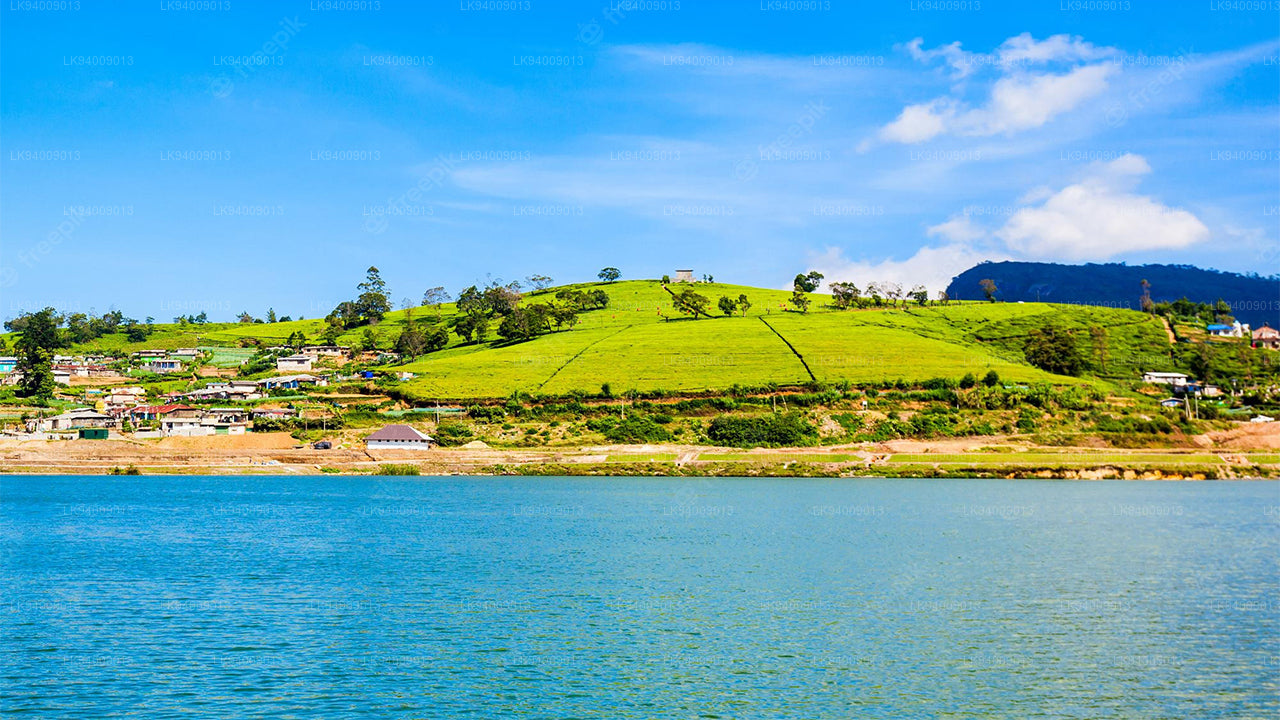
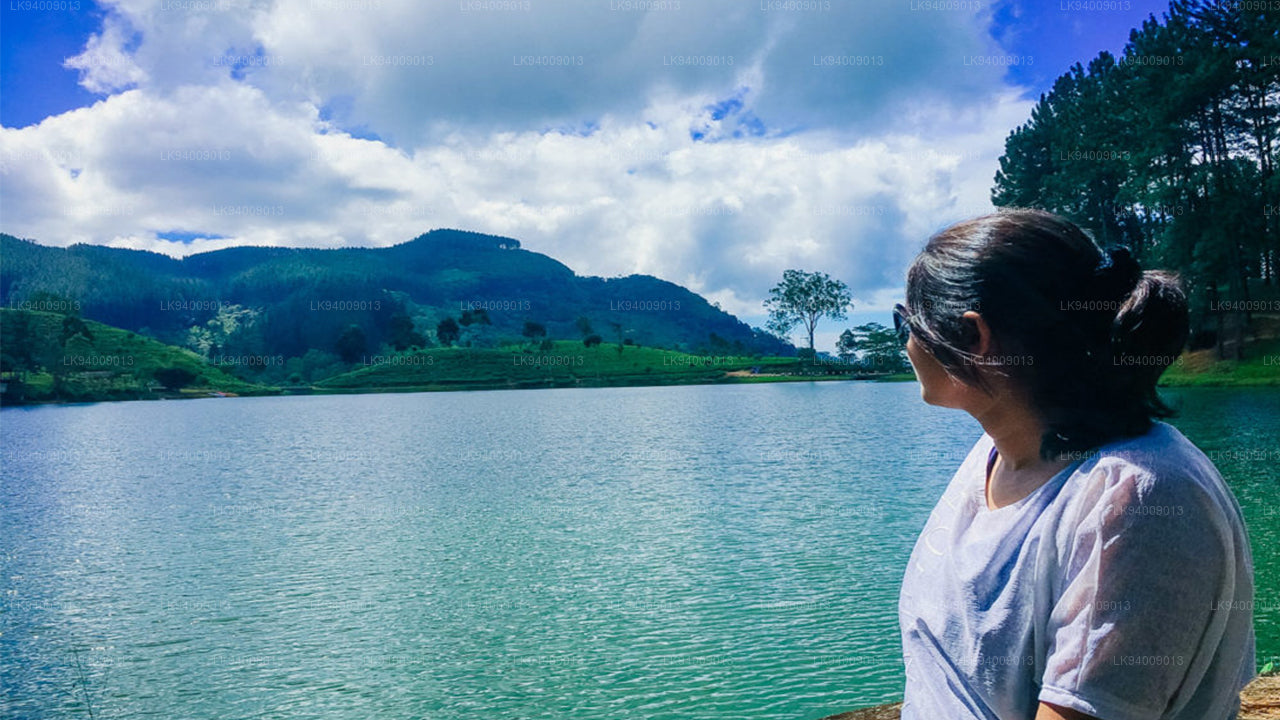
- Gregory Lake, Nuwara Eliya: Ringed by colonial-era bungalows and manicured parkland at roughly 1,800 metres above sea level, Gregory Lake offers a cooler, misty atmosphere quite unlike any other lake in Sri Lanka. Pedal-boat hire is a popular leisure activity for families.
Which lakes are best for wildlife and birdwatching?
Sri Lanka's lakes and their surrounding wetlands function as critical habitat for a wide range of resident and migratory species. The shallow, nutrient-rich margins support dense populations of waterbirds, while deeper open water provides refuge for freshwater fish, mugger crocodiles, and in some areas, elephants that come to drink and bathe.
Bundala National Park in the far south encompasses a chain of lagoons and brackish lakes that are internationally recognised as a Ramsar Wetland. Flamingos — rare visitors to Sri Lanka — occasionally gather here alongside painted storks, pelicans, and dozens of wader species during the northern winter migration. Udawalawe Reservoir, within Udawalawe National Park, draws large elephant herds to its margins throughout the day, and the open scrub bordering the water edge also supports leopards, water buffalo, and a rich array of raptors.
Minneriya and Kaudulla reservoirs in the north-central province are famous for the annual "Gathering" — a seasonal congregation of several hundred elephants drawn to the receding shoreline as water levels drop between June and October. This is widely regarded as one of Asia's great wildlife spectacles. Wilpattu National Park, meanwhile, is distinguished by its villus: natural, rain-fed lakes that dot the park's sandy forest floor and attract leopards, sloth bears, and deer to drink.
How do Sri Lanka's lakes support local communities?
The practical function of these water bodies has not diminished with modernity. Ancient irrigation tanks continue to supply water to paddy fields across the dry zone, supporting the livelihoods of hundreds of thousands of farming families. The relationship between tank, channel, and field remains the structural foundation of rural life in provinces such as North Central, Eastern, and Northern.
Freshwater fishing is another important livelihood. Communities around large reservoirs like Parakrama Samudraya and Udawalawe practise both subsistence and small-scale commercial fishing, targeting tilapia (an introduced species now thoroughly established), snakehead fish, and freshwater prawns. Boat-based tourism — guided birdwatching excursions, dawn wildlife safaris by water — provides supplementary income for communities adjacent to protected-area reservoirs.
When is the best time to visit Sri Lanka's lakes?
The answer depends on which region and which experience you are targeting. For the dry-zone tanks — Parakrama Samudraya, Minneriya, Kaudulla, and Tissa Wewa — the best wildlife viewing coincides with the dry season between May and September, when water levels drop and animals concentrate around the shrinking shoreline. Birdwatching at Bundala peaks between November and February, when migratory species from Central Asia and Europe are present.
Kandy Lake and Gregory Lake can be visited year-round; the hill country has two distinct wet seasons but rarely experiences the extended heavy downpours that affect the coastal lowlands. The misty atmosphere around Gregory Lake is actually most evocative during the cooler months of November through February. For those combining lake visits with the Horton Plains National Park or the Sinharaja Forest Reserve, the drier interlude between December and April is generally the most practical travel window in the south and west.
How do I get to the major lake destinations from Colombo?
| Lake / Reservoir | Nearest town | Approximate distance from Colombo | Typical journey time |
|---|---|---|---|
| Parakrama Samudraya | Polonnaruwa | ~215 km | 4–5 hours by road |
| Kandy Lake | Kandy | ~115 km | 2.5–3 hours by road or train |
| Minneriya Reservoir | Habarana | ~180 km | 3.5–4.5 hours by road |
| Udawalawe Reservoir | Udawalawe | ~165 km | 3–4 hours by road |
| Tissa Wewa | Tissamaharama | ~250 km | 4.5–5.5 hours by road |
| Gregory Lake | Nuwara Eliya | ~180 km | 4–5 hours by road or scenic train to Nanu Oya |
A private driver is generally the most flexible way to combine multiple lake destinations on a single itinerary. The Lakpura Taxis & Private Drivers service covers all these routes with air-conditioned vehicles and experienced driver-guides.
Are there boat tours available on Sri Lanka's lakes?
Several of the larger reservoirs offer organised boat excursions. Parakrama Samudraya has guided rowing-boat trips that allow close-up viewing of the surrounding ruins and waterbird colonies at a pace impossible to replicate by road. The Joy Boat Service on Kandy Lake provides short pleasure cruises that give a different perspective on the lakeside Temple of the Tooth complex. Tissa Wewa is navigable by small boat and is a peaceful way to observe painted storks, cormorants, and the occasional crocodile in the early morning. For a more extensive river-and-lake experience, the Madu River Safari near Balapitiya explores the Madu Ganga lagoon system — a network of mangrove islands, channels, and open water that functions as one of Sri Lanka's most productive estuarine ecosystems.